What Is a Home Ignition Zone? A Simple Guide
Get practical steps to assess your home ignition zone. Use this checklist to spot wildfire risks and make your property safer from embers and flames.
Most people think a home’s greatest threat is a massive wall of flames, but the real danger is much smaller and sneakier. The true culprits are embers—tiny, glowing pieces of debris that can travel a mile or more on the wind. They land on your roof, in your gutters, or under your deck, relentlessly searching for anything flammable to ignite. Your home's best defense is creating a space where these embers have nothing to burn. This critical area is your home ignition zone. This guide is your tactical manual for understanding this threat and learning how to assess your property to eliminate weak spots.
Key Takeaways
- Clear the Five-Foot Perimeter: This is your home's most critical defense zone. Remove everything flammable—from bark mulch to dry leaves—within five feet of your foundation to create a non-combustible barrier that gives embers nowhere to land.
- Think Like an Ember: Your real enemy is the tiny, wind-blown ember looking for an entry point. Harden your home by cleaning your gutters, covering all vents with 1/8-inch metal mesh, and ensuring your roof is made of fire-resistant materials.
- Make Safety a Seasonal Routine: Defensible space requires consistent upkeep, not a one-time fix. Build a simple maintenance plan into your yearly calendar to clear debris and manage vegetation, making wildfire preparedness a regular, manageable habit.
What is a Home Ignition Zone?
Think of the Home Ignition Zone (HIZ) as a safety bubble that extends from your house outwards, up to 100 feet or more. This isn't just your yard; it includes your home's structure, the landscaping right up against it, and the surrounding property. The core idea is that the condition of your home and its immediate surroundings is the single most important factor in determining whether it will survive a wildfire. It’s not about creating a barren, empty lot. Instead, it’s about making smart, intentional choices to reduce flammable materials that could carry fire to your front door.
Maintaining this zone isn't a one-and-done project. It requires regular attention to keep it effective. By managing the vegetation and materials within this space, you can dramatically cut down the chances of your home igniting from either direct flames or, more commonly, flying embers. Creating a well-maintained Home Ignition Zone is one of the most powerful, proactive steps you can take to protect your property and family.
The Surprising Way Embers Start Fires
When most of us picture a wildfire, we imagine a giant wall of flames. While that’s certainly a threat, the real culprits behind most home losses are embers. These are tiny, glowing pieces of burning wood and vegetation that can be carried by the wind for a mile or more ahead of the fire itself. They are relentless, landing in gutters, under decks, and on flammable materials near your home.
An ember doesn't need a large flame to do its damage. It just needs to find a receptive spot to land, like a pile of dry leaves, a woodpile stacked against the house, or flammable mulch. This is why assessing wildfire hazards is so focused on the small details. A stray ember can ignite these materials, creating a small fire that then spreads to your home’s siding or roof.
Why Your Yard Is Your First Defense
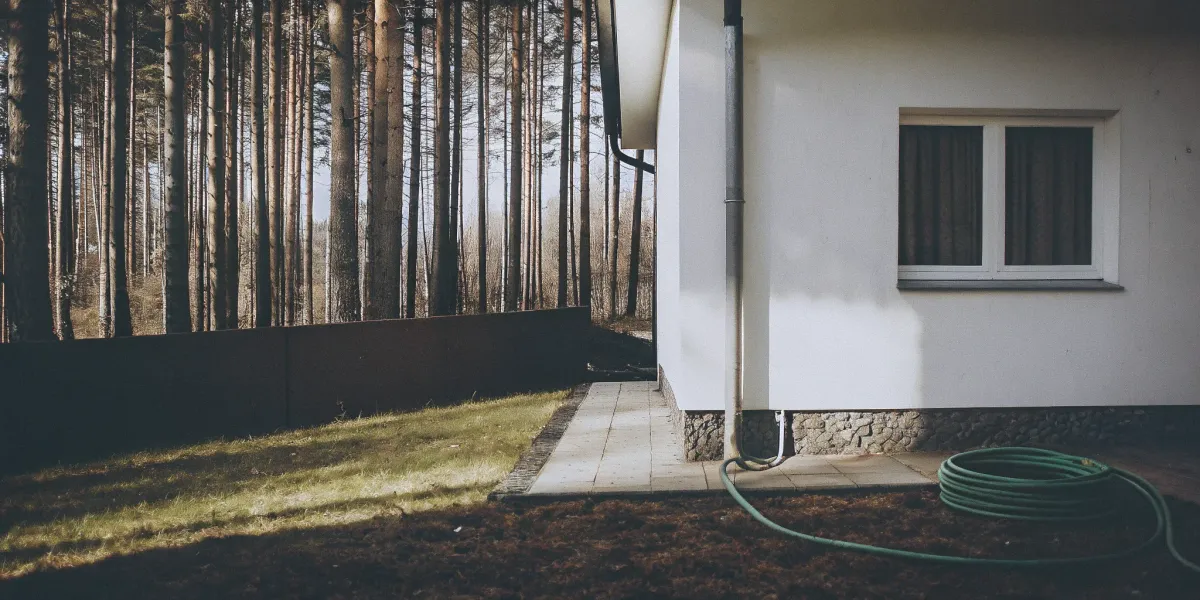
The most vulnerable part of your entire property is the area from your home's walls out to five feet. This is called the Immediate Zone, and it’s where you should focus your efforts first. Because this area is directly adjacent to your house, any fire that starts here can easily ignite your siding, crawl into vents, or spread to your roof. Embers often collect in this zone, making it a high-risk area for ignition.
Keeping this five-foot perimeter clean and free of flammable materials is non-negotiable for wildfire safety. This means avoiding bark mulch right up against the foundation, clearing away dead leaves and pine needles, and moving firewood stacks. Creating this small buffer of defensible space gives your home a fighting chance, preventing small ember-sparked flames from turning into a full-blown disaster.
Can Your Ignition Zone Affect Your Insurance?
A well-maintained Home Ignition Zone does more than just protect your property from flames—it also protects your ability to insure it. As wildfires become more frequent, insurance companies are taking a much closer look at a property's specific risk level. They know that a home with good defensible space is far more likely to survive a wildfire, making it a much better risk for them to cover.
Insurers are increasingly using sophisticated tools to evaluate your property, looking at everything from the slope of your land to the types of vegetation nearby. A poorly maintained ignition zone can lead to higher premiums, or worse, a non-renewal notice. Taking steps to protect your home from wildfires is a direct investment in your financial security, helping you maintain affordable and accessible homeowners insurance.
How to Map Your Home's Ignition Zones
Thinking about your entire property at once can feel overwhelming. A better way to approach defensible space is to break it down into three distinct zones, starting from your house and moving outward. This method helps you prioritize your efforts where they matter most. Each zone has a different job, from preventing embers from catching fire right next to your home to slowing a wildfire’s approach. Mapping these zones is the first step toward creating a clear, actionable plan to protect your property.
The Immediate Zone (0-5 Feet): Your First Defense
This is the most critical area, hands down. The immediate zone includes your home and the area extending five feet out from its furthest attached point, like a deck or porch. Think of this as a non-combustible bubble around your house. Your goal here is to eliminate anything that could catch fire from flying embers. This means clearing away dead leaves, pine needles, and dry grass, especially from under decks and in corners where debris collects. Avoid planting flammable shrubs right next to the house and consider using non-flammable materials like gravel or pavers for walkways in this zone. This is your home’s last stand against ignition.
What to Remove from Zone 0
Getting this zone right is all about removing fuel for embers. Walk the five-foot perimeter of your home and be methodical about clearing out anything that could easily catch fire. Your goal is to create a clean, non-combustible barrier that gives embers nowhere to land and ignite.
- Flammable Mulch: Swap out bark, pine straw, or shredded rubber mulch for non-combustible options like gravel, pavers, or decomposed granite right next to the foundation.
- Dead Debris: Regularly sweep or rake away all dead leaves, pine needles, and dry grass. Pay special attention to corners and the areas under your deck and stairs where this debris loves to collect.
- Firewood Stacks: A woodpile against your house is a direct invitation for fire. Move it at least 30 feet away from your home and any other structures, like a shed or garage.
- Combustible Items: Relocate anything flammable that you store against the house. This includes brooms, oily rags, recycling bins, and even flammable patio furniture.
- Problem Plants: Remove any dead or dying plants, as well as highly flammable vegetation like juniper or cypress. Consider replacing them with fire-resistant landscaping choices that are low-growing and well-irrigated.
The Intermediate Zone (5-30 Feet): Reducing Flammable Fuel
Moving outward, the intermediate zone covers the area from 5 to 30 feet from your home. The focus here isn't on eliminating all vegetation but on reducing "fuel" for a potential fire. You want to create space between plants and trees to disrupt a fire's path. This involves trimming tree branches so they don't overhang the roof, removing lower branches to prevent a ground fire from climbing into the canopy, and mowing grasses regularly. It’s all about creating a defensible space that makes it harder for a fire to spread and gives firefighters a safer area to work.
Proper Spacing for Trees and Shrubs
In the intermediate zone, your goal is to break up the continuous path of fuel that a fire could follow. Think of it as creating firebreaks in your own yard. This means establishing clear space between individual trees, shrubs, and clusters of plants. A good rule of thumb is to ensure there's enough distance between the canopies of trees so that a fire can't easily jump from one to the next. You also need to address vertical spacing by removing lower tree branches up to a height of 6 to 10 feet from the ground. This practice, often called "limbing up," prevents a ground fire from climbing into the treetops and becoming a much more dangerous crown fire. These simple defensible space strategies are fundamental to slowing a fire's spread.
Managing Grass and Plant Height
While trees get a lot of attention, the grass and weeds on the ground are just as important. Dry, tall grass acts like a fuse, carrying fire quickly across your property. Within the intermediate zone (5-30 feet), you should regularly mow grasses and weeds down to a height of four inches or less. This isn't a one-time spring cleaning; it requires ongoing maintenance throughout the dry season to keep fuel levels low. Remember, in the immediate zone (0-5 feet from your home), the rules are even stricter. Here, you should eliminate all dry grass, leaves, and pine needles to create a non-combustible area right next to your foundation where embers have nowhere to ignite.
The Extended Zone (30-100+ Feet): Slowing the Spread
The extended zone stretches from 30 feet all the way out to 100 feet or more from your home. You don’t need a barren landscape here; the objective is simply to slow an approaching wildfire and reduce its intensity. You can do this by thinning out dense patches of trees and removing any highly flammable vegetation. Removing dead trees and fallen branches is also important. By interrupting the continuous path of fuel, you can significantly decrease the energy of a wildfire before it ever gets close to your home, making it much more manageable for emergency responders.
How to Easily Measure Your Zones
You don’t need to be a surveyor to map out your zones. A simple long measuring tape from the hardware store works perfectly. Start at the edge of your house (or deck) and measure out 5, 30, and 100 feet in several directions to get a feel for the boundaries. You can even pace it out—the average adult stride is about 2.5 feet. Remember that creating these zones isn't a one-time project. As the Colorado State Forest Service points out, ongoing maintenance is key, since plants grow and seasons change, bringing new debris.
Your Ignition Zone Checklist: What to Look For
Once you've mapped your zones, it's time to walk your property with a critical eye. This checklist will guide you through the key areas to inspect, from your roof down to the mulch in your garden beds. Think of this as a proactive check-up for your home's wildfire resilience. Paying attention to these details can make all the difference when embers are in the air. Use these points to spot potential weaknesses and create a clear action plan for improving your defensible space.
Are Your Plants and Trees Spaced Correctly?
Your landscaping is one of the most significant factors in your home's defense. Start by looking for "ladder fuels"—low-hanging tree branches, shrubs, or tall grasses that could carry a ground fire up into the tree canopy. Prune tree limbs so they are at least six to ten feet off the ground. You should also ensure there is adequate spacing between trees and shrubs to prevent fire from jumping from one to the next. Remember that defensible space requires ongoing maintenance. Keep your lawn mowed, rake up dead leaves and pine needles regularly, and remove any dead or dying vegetation from your property.
Check Your Roof and Gutters for Fire Hazards
Your roof is the most vulnerable surface of your home because it presents a large, flat target for falling embers. Ideally, your roof should have a Class A fire rating, which means it's made of materials like asphalt shingles, metal, or tile that are effective against severe fire exposure. Just as important is what’s on your roof. Gutters filled with dry leaves and pine needles are like kindling boxes waiting for a spark. Make it a routine to clear all debris from your roof and gutters, especially before and during fire season. This simple act removes a direct path for fire to catch and spread to the rest of your home.
Securing Vents, Eaves, and Other Ember Entry Points
Embers are tiny, lightweight, and can travel a mile or more ahead of a wildfire. They can easily enter your home through small openings and ignite it from the inside. Carefully inspect all vents, including those for your attic, foundation, and eaves. To prevent ember intrusion, you should cover all vent openings with 1/8-inch metal mesh screening. Check for any other gaps where embers could get in, such as under doors, around windows, or where siding meets the foundation. Sealing these entry points is a critical step in hardening your home against wildfire.
Evaluating Your Mulch, Fences, and Decking
What you place near your home matters. Within the first five feet of your foundation (the Immediate Zone), you should avoid using flammable materials. This means replacing wood or rubber mulch with non-combustible options like gravel, pavers, or rock. Look at other features as well. A wooden fence attached to your house can act like a wick, carrying fire directly to your walls. Consider replacing the section of the fence closest to your home with a metal gate. The same goes for wooden decks, playsets, or firewood piles—keep them at a safe distance from the structure to reduce ignition risk.
How Your Property's Slope Affects Fire Risk
The natural landscape of your property plays a big role in how fire behaves. Fire spreads much faster uphill because the flames can more easily preheat the fuel ahead of them. If your home is situated on a slope, you will need to extend your defensible space zones, especially on the downhill side. The type of vegetation surrounding your property also influences your risk. A home surrounded by dense forest faces different challenges than one in open grassland. Understanding how these environmental factors affect your property is key to creating an effective defensible space plan.
Is There Clear Access for Firefighters?
If a wildfire threatens your home, you want firefighters to be able to reach it safely and quickly. Walk your driveway and imagine a large fire engine trying to get through. Is it wide enough? Is there at least 15 feet of vertical clearance? Prune back any overhanging tree branches or overgrown shrubs that could block access. Your address should also be clearly visible from the street, with large, reflective numbers. If first responders can't find or get to your home, they can't defend it. Creating safe and clear access is a simple but vital part of your home's overall protection strategy.
Ensuring Driveway Clearance
When you're thinking about wildfire safety, it's easy to focus on your house and yard, but don't forget the path to get there. If firefighters can't drive their engine up to your home, their ability to protect it is severely limited. Take a walk down your driveway and look at it from their perspective. Is it wide enough for a large truck? More importantly, look up. You need at least 15 feet of vertical clearance to accommodate a fire engine. This means trimming back any overhanging tree limbs or overgrown shrubs that could block the way. A clear driveway is like an open invitation for help to arrive when you need it most.
Installing Visible Address Signs
Clear access is only half the battle; first responders also need to find you. In an emergency, with smoke in the air and stress levels high, a hard-to-read address sign can cause critical delays. Make sure your address numbers are large, easy to read, and made of a reflective material so they are visible at night. They should be posted clearly at the end of your driveway, where they can be seen from the main road. This is one of the simplest and most affordable actions you can take, but it’s incredibly important. If emergency crews can't find your home, they can't defend it.
Red Flags: Spotting High-Risk Hazards
As you walk through your ignition zones, some hazards will stand out more than others. These are the red flags—the conditions that can dramatically increase your home’s vulnerability to wildfire. Spotting these issues is the first step toward creating a safer, more resilient property. Think of this as a priority list for your defensible space to-do list. Addressing these specific hazards can make a significant impact on your home's ability to survive an ember storm.
The Danger of Overgrown Plants and Dry Debris
Defensible space isn’t a one-and-done project. Your yard is a living, changing environment, and effective protection requires ongoing maintenance. A landscape that was perfectly spaced a few years ago might be overgrown today as trees grow, shrubs get dense, and grasses dry out. Dead branches, fallen leaves, and pine needles accumulate, creating a ready supply of fuel for embers. Pay close attention to vegetation that has died or gone dormant, as it can ignite much more easily. Regular upkeep is your best defense against this slow creep of risk. Make seasonal clean-ups a routine part of your home maintenance.
Clearing Debris Piles and Fixing Structural Weak Spots
Think like an ember. Where could a tiny, glowing spark land and find a pile of fuel? Common culprits include stacks of firewood right next to the house, collections of dead leaves under a deck, or pine needles packed into the corners of your foundation. Even branches hanging over your roof can be a problem, especially if there’s fuel below them—like a gutter full of dry leaves—that could ignite and spread flames upward. Assessing wildfire hazards means looking for these connections where fire can climb from the ground to your home. Clear away any flammable debris that has collected against or under your structures.
Common Assessment Mistakes (and How to Avoid Them)
One of the biggest misconceptions is that a perfect defensible space makes it safe to stay and defend your home during a wildfire. This is not true. The primary goal of the home ignition zone is to give firefighters a safe area to work and to help your home survive on its own if resources are stretched thin. Always follow evacuation orders. Another common oversight is access. If your address isn't clearly visible from the main road, emergency responders can lose precious time trying to find you. If your home is set back, post your address at the end of your driveway so it’s easy to spot.
Actionable Steps to Improve Your Defensible Space
Once you’ve assessed your property, it’s time to roll up your sleeves. Improving your defensible space is one of the most powerful things you can do to protect your home from wildfire. These actionable steps will help you reduce your risk and create a safer environment for your family and community. Think of this not as a single, overwhelming project, but as a series of manageable tasks that make a real difference.
How to Landscape with Fire-Resistant Plants
Your yard can be your home’s first line of defense, and it all starts with what you plant. Opt for high-moisture, low-sap plants that are less likely to ignite. Think succulents, flowering perennials, and certain deciduous trees. Strategic placement is just as important as plant choice. Use non-combustible materials like gravel, pavers, or rock to create "fuel breaks" between plant beds and your home. These breaks act as a barrier that can stop a ground fire in its tracks. Creating ignition-resistant homes is about making smart choices in every zone, turning your landscape into a protective shield rather than a liability.
Your Guide to Clearing Potential Wildfire Fuel
Wildfire fuel isn't just firewood; it's anything on your property that can burn. This includes dead leaves, pine needles, dry grass, and dead branches. Because your landscape is always growing and changing, maintaining your defensible space is an ongoing task. Make it a habit to regularly clear debris from your yard, especially within the first 30 feet of your home. Prune tree branches so the lowest limbs are 6 to 10 feet from the ground. As the Colorado State Forest Service notes, the home ignition zone requires consistent upkeep to remain effective. Think of it as seasonal yard work with a life-saving purpose.
Safely Storing Firewood and Propane Tanks
A firewood stack or propane tank placed too close to your home can become a significant liability during a wildfire. Think of a woodpile as a concentrated block of fuel; if an ember lands there, it can create an intense, long-burning fire right next to your house. To prevent this, you should store all firewood at least 30 feet away from any structures, preferably uphill or on the same level as your home. Similarly, propane tanks need to be kept a minimum of 30 feet away. It's also critical to maintain a 10-foot radius of cleared space around the tank, free of any flammable vegetation. Following these official guidelines helps ensure these necessary items don't create an unnecessary risk.
Properly Disposing of Cut Debris and Slash
After all your hard work clearing brush and trimming trees, you're left with piles of debris, often called "slash." Getting rid of it correctly is just as important as cutting it down in the first place. You have a few good options: you can chip it, haul it to a local green waste disposal site, or, in some areas, pile it for a controlled burn. If you choose to chip the material, make sure the resulting wood chip pile is located at least 30 feet from your home, as it can still be flammable. If you plan to burn, it is absolutely essential to first check with your local fire department for any restrictions, permits, or burn-day regulations. Proper slash disposal completes the job of reducing fuel on your property.
Simple Ways to Harden Your Home Against Embers
During a wildfire, it’s often not the main wall of flames that ignites a home, but the millions of tiny, wind-blown embers that can travel a mile or more. These embers can get into small openings and start a fire. Your job is to harden your home against this threat. Start by regularly cleaning all leaves, pine needles, and other debris from your roof and gutters. Install fine wire mesh (1/8-inch) over attic, eave, and foundation vents to block embers from entering. Ensure your roof has a Class A fire rating, which offers the highest level of protection. Simple actions like moving flammable patio furniture and doormats away from the house during a fire threat can also make a huge difference.
Strengthening Roofs and Chimneys
Your roof is your home's largest, most exposed surface, making it a prime target for falling embers. The best defense is a roof with a Class A fire rating, which means it’s built from materials like asphalt shingles, metal, or tile that can withstand severe fire exposure. If you have a chimney, make sure it's covered with a metal screen or spark arrestor with openings no larger than a half-inch. This simple addition prevents embers from the wildfire from getting into your house, and it also stops sparks from your own fireplace from getting out and starting a fire in your yard.
Choosing Fire-Resistant Siding and Windows
The materials on the outside of your home are critical. When possible, use fire-resistant materials for siding, such as stucco, fiber cement, or brick. Windows are another key vulnerability. Single-pane windows can easily break from the heat of a nearby fire, allowing embers to enter your home. The best option is dual-pane tempered glass windows with non-flammable frames, like metal, which provide a much stronger barrier against heat and embers. While replacing windows is a significant upgrade, it's one of the most effective long-term investments you can make in your home's wildfire resilience.
Enclosing Areas Under Decks and Porches
The space underneath your deck or porch is a notorious trap for embers and flammable debris like dry leaves. An open deck can allow embers to collect and ignite the underside of the structure, which is often made of wood. To prevent this, enclose the area from the ground to the bottom of the deck with 1/8-inch metal mesh screening. This simple barrier is fine enough to block embers but still allows for airflow. As the Colorado State Forest Service recommends, screening off these areas removes a key ignition point and hardens one of your home's most vulnerable spots.
Create Your Year-Round Maintenance Plan
Creating a defensible space isn't a one-and-done project. The most effective approach is to build a simple, repeatable maintenance plan. You don't have to do everything at once. Break down the work into manageable seasonal tasks. For example, dedicate a weekend in the spring to clearing winter debris and pruning plants, and another in the fall to clearing leaves before the dry season. Creating a checklist and setting calendar reminders can help you stay on track. Consistent, ongoing maintenance is the key to ensuring your hard work continues to protect your home year after year. It’s about making home safety a regular habit.
When to Call a Pro and Find Local Resources
You don’t have to do this alone. If you feel overwhelmed or unsure where to start, bringing in a professional can be a great investment. Certified arborists can help you manage your trees safely, and wildfire mitigation specialists can provide a comprehensive property assessment and action plan. Your local fire department or a community organization like a Fire Safe Council are also excellent sources of information and guidance. Don't hesitate to find a Firewise site or expert in your area; a trained eye can often spot risks you might have missed and help you prioritize your efforts effectively.
Finding Local and National Support Programs
Tackling wildfire preparedness can feel like a huge job, but you don’t have to figure it all out on your own. National programs like Firewise USA® provide a clear framework for communities to organize and take action together, helping neighbors work toward a common goal of safety. Similarly, the Fire Adapted Communities Learning Network connects people with resources and proven strategies from areas that have been dealing with fire for years. These groups offer expert guidance, checklists, and a sense of shared responsibility, turning a daunting individual task into a manageable community effort. Reaching out to them is a great first step toward getting organized and making a real impact.
Understanding Building Codes and Local Regulations
It’s also important to know the specific rules for your area. Many communities in wildfire-prone regions have building codes designed to improve home survivability. If you live in what’s designated as a Very High Fire Hazard Severity Zone, there are likely specific requirements for roofing materials, siding, and vents that are designed to resist ignition from embers. These regulations aren’t just red tape; they create a baseline of safety for the entire neighborhood. You can usually find this information on your local fire department or county building department’s website. Getting familiar with these codes helps you make informed decisions for any future repairs or renovations, ensuring your home is not only safer but also compliant.
Helpful Tools for Tracking Your Progress
Staying motivated is easier when you can see the results of your hard work. Keep track of your improvements by taking "before and after" photos of your property each season. Use a checklist to mark off completed tasks, which can provide a great sense of accomplishment. Digital tools can also offer a clear, data-driven way to monitor your efforts. A platform like Defensible Space Score helps you assess your property with a structured approach, giving you a baseline score and showing you how specific actions improve your home’s safety profile. This feedback loop helps you confirm you’re making meaningful progress toward protecting your home.
Using Digital Tools for a Clearer Picture
While a paper checklist is a good start, digital tools can give you a much clearer, more objective view of your property's risk. Platforms like Defensible Space Score move beyond guesswork by providing a structured way to assess your property. You get a clear, data-backed score that shows you exactly where you stand right now. More importantly, these tools offer specific, actionable recommendations tailored to your home, so you know precisely what to work on first. This helps you track your progress over time and provides tangible proof of your mitigation efforts, which can be incredibly valuable when communicating with your insurance provider.
Related Articles
- A Guide to Home Ignition Zone Assessment
- Your Guide to the FireSmart Home Ignition Zone
- How to Get a Free Wildfire Risk Assessment
- What Are the Home Ignition Zones? A Wildfire Safety Guide
Frequently Asked Questions
Does creating defensible space mean I have to cut down all my trees and have a barren yard? Not at all! The goal isn't to create an empty lot, but a well-managed and thoughtfully landscaped one. It’s about making smart choices, like pruning lower tree branches to prevent a ground fire from climbing up and ensuring there's healthy space between shrubs. You can absolutely have a beautiful, lush yard that is also fire-safe by choosing the right plants and maintaining them properly.
I'm on a tight budget. What's the one area I should focus on first for the biggest impact? If you only have time or resources for one thing, concentrate on the Immediate Zone—the area from your home's walls out to five feet. The most effective actions here are often free. Clearing out dead leaves, pine needles, and other debris from this zone, especially from under your deck and in gutters, is the single most important step you can take. This simple cleanup removes the kindling that embers need to ignite your home.
How will my insurance company know I've done this work? Insurance companies are getting more sophisticated in how they assess wildfire risk, often using aerial imagery, risk models, and sometimes even on-the-ground inspections. To be proactive, you can document your work with before-and-after photos. Using a service that provides a formal assessment and score can also give you a clear, shareable report that demonstrates the steps you've taken to make your property safer.
My neighbor isn't maintaining their property. Will my efforts still make a difference? Yes, absolutely. While community-wide efforts are always best, the condition of your own property—specifically the area within 100 feet of your house—is the most critical factor in whether your home survives. By managing your own Home Ignition Zone, you drastically reduce the chances that embers landing on your property will find fuel to ignite. Your work creates a powerful buffer that can protect your home even if surrounding areas are not as well-maintained.
Is this a one-time project, or do I need to do this every year? Think of it less as a one-time project and more like routine seasonal yard work. Landscapes are always changing as plants grow and seasons shift. A good approach is to schedule a cleanup weekend in the spring to clear away winter debris and another in the fall to rake up dry leaves. Consistent, ongoing maintenance is what keeps your defensible space effective year after year.