News
How to Choose Home Inspection Companies for Fire Risk
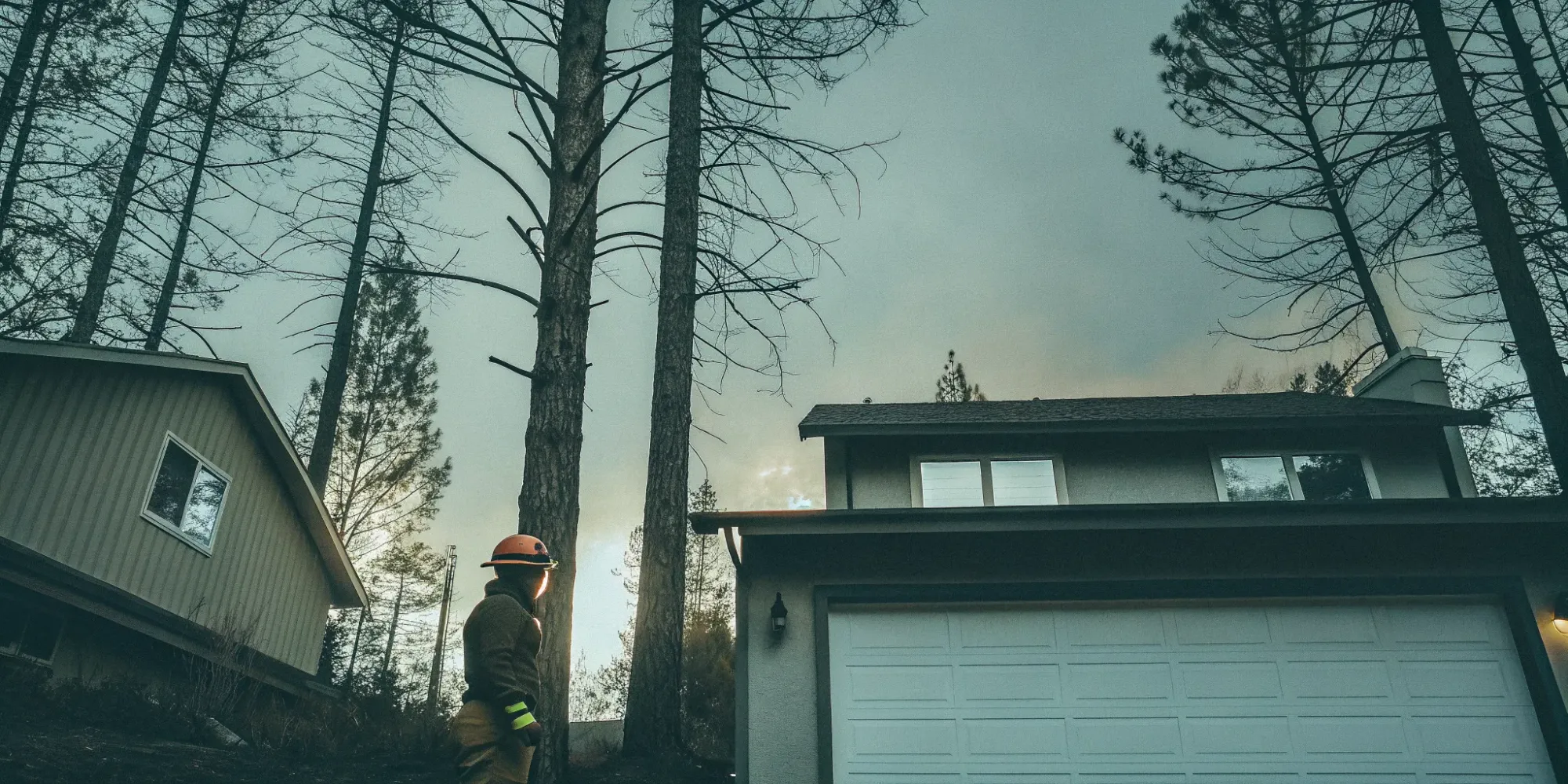
You’ve done the hard work: cleared the brush, cleaned the gutters, and built your defensible space. But the biggest wildfire threats are often the ones you can't see. Think tiny gaps in your attic vents or flammable siding that looks harmless. These are the hidden vulnerabilities that embers love to find. A professional inspector acts like a detective for your home, trained to spot these weak points. The best home inspection companies for fire risk don't just point out problems; they give you a clear, prioritized plan to harden your home against a real wildfire threat.
CTA ButtonKey Takeaways
- Think beyond the landscape: A complete fire risk assessment evaluates your entire home, from interior electrical systems and smoke alarms to the structural materials of your roof, providing a full picture of your property's vulnerabilities.
- Strengthen your position with insurers: A professional inspection report is more than a safety checklist; it's official documentation that proves you've proactively managed your wildfire risk, which is crucial for securing and maintaining homeowners insurance.
- Replace guesswork with a clear action plan: Instead of worrying about what to do first, an inspector’s report gives you a prioritized list of recommendations, allowing you to focus your time and resources on the most effective safety improvements.
What Will a Fire Inspector Check in Your Home?
When a fire risk inspector visits your property, they’re not just looking for problems—they’re looking for opportunities to make your home safer. Think of them as a knowledgeable partner who can spot potential hazards you might overlook. Their evaluation is comprehensive, covering everything from the smoke detectors inside your walls to the landscaping choices in your yard. They methodically work through a checklist to identify fire hazards, assess your existing fire protection systems, and provide clear recommendations for reducing your risk. This process gives you a complete picture of your home’s wildfire readiness and a clear path forward.
Checking Your Fire Alarms and Safety Gear
First, an inspector will check the internal systems designed to protect you and your property. This includes your smoke alarms, fire sprinklers, and any other suppression units you may have. They’ll verify that these systems are fully functional, compliant with safety regulations, and ready to respond instantly in an emergency. Regular fire system inspections also cover emergency lighting and ensure that everything is up-to-date. It’s a crucial step that confirms your first line of defense is in working order, giving you confidence that your safety measures will perform when they matter most.
Is Your Yard Creating a Fire Risk?
Next, the inspector will head outside to evaluate your defensible space—the buffer zone you create between your home and the surrounding vegetation. You are responsible for managing vegetation and other potential fire hazards up to 100 feet from your house (or to your property line, if it’s closer). An inspector will assess this area for overgrown brush, dead trees, and other flammable materials that could carry a wildfire to your doorstep. A thorough defensible space inspection provides the detailed information you need to create a safer perimeter and meet local requirements.
Assessing Your Defensible Space
An inspector doesn’t just see a yard; they see distinct zones, each with its own set of rules for fire safety. This 100-foot area is typically broken down into three parts, starting from your home and moving outward. The goal is to create a landscape that slows a wildfire’s spread and reduces its intensity, giving firefighters a better chance to defend your property. A professional will walk through each zone to identify specific vulnerabilities and give you a clear roadmap for making improvements. This systematic approach ensures that every part of your property is working to protect your home.
The most critical area is Zone 0, or the Ember-Resistant Zone, which covers the first five feet from your foundation. Here, an inspector will look for anything that could ignite from flying embers. This includes flammable mulch, dead leaves piled up against the siding, woodpiles, and even patio furniture with combustible cushions. They’ll also check for low-hanging tree branches over the roof and any vegetation growing directly under vents. Keeping this zone meticulously clean and free of flammable materials is one of the most effective steps you can take to protect your home.
Next is Zone 1, which extends from five to 30 feet out. In this area, the focus is on creating "fuel breaks" by spacing out trees and shrubs to interrupt a fire's path. An inspector will recommend removing dead plants, trimming tree canopies so they don’t touch, and clearing away ground litter like pine needles and fallen leaves. The idea is to create a lean, clean, and green space where a fire would struggle to find enough continuous fuel to reach your home. This is a key part of a complete fire risk assessment that connects your home's structure to the surrounding landscape.
Finally, Zone 2 covers the area from 30 to 100 feet. The objective here isn’t to clear the land completely but to reduce the density of the fuel. An inspector will look for opportunities to thin out vegetation, remove smaller trees growing between larger ones, and get rid of highly flammable plants. According to Cal Fire, creating these "islands" of vegetation can effectively slow a fire down and lower flame heights, making it much less of a threat by the time it gets near your home.
Making Sure Your Home Meets Fire Codes
Finally, an inspector ensures your property aligns with established safety rules. They check that your fire safety equipment and home features meet both local and national standards, such as those set by the National Fire Protection Association (NFPA). These fire safety codes are based on extensive research and are designed to maximize safety for everyone in the community. If an inspector finds something that isn’t up to code, they won’t just flag it; they’ll provide recommendations to help you resolve the issue, ensuring your home is not only safer but also fully compliant.
The Compliance Check: What Inspectors Verify
When a fire risk inspector visits your property, they aren't just going off a hunch. Their assessment is a methodical process guided by established rules and best practices from fire departments, national safety organizations, and insurance providers. They translate complex regulations into a clear picture of your home's safety status. This structured approach ensures their recommendations are consistent, reliable, and directly tied to specific requirements, making sure your home meets a measurable standard of safety.
Does Your Home Meet Local Fire Codes?
This is the first line of defense. Fire codes can change from one county to the next, and a qualified inspector knows the specific regulations for your area inside and out. They verify that your property meets all local mandates, from the width of your access road for emergency vehicles to the type of roofing materials permitted. Regular fire protection inspections are designed to ensure your home’s safety features are not only working but also current with the latest local safety rules. This is especially critical in wildfire-prone areas where defensible space clearance zones are often strictly defined by municipal or county ordinances.
What About National Safety Standards?
Beyond local rules, inspectors also measure your home against nationally recognized safety standards. Organizations like the National Fire Protection Association (NFPA) develop comprehensive guidelines that are considered the gold standard for fire prevention. An inspector uses these benchmarks to identify fire hazards, evaluate your fire protection systems, and assess overall risk. This might include checking that your smoke alarms are correctly placed, your electrical panel is up to code, or your chimney is properly maintained. Following these national standards provides an essential layer of protection that goes beyond just what’s required by local law.
Meeting Your Insurance Company's Rules
Finally, a thorough inspection considers the requirements of homeowners insurance carriers. Insurers have a vested interest in minimizing risk, so they often have their own set of stringent guidelines for properties in high-risk areas. An inspector will evaluate your home from an underwriter's perspective, checking that your fire safety systems are fully functional and ready to respond in an emergency. Meeting these criteria is crucial for maintaining your insurance coverage and keeping your premiums manageable. A detailed inspection report can serve as powerful proof that you’ve taken the necessary steps to protect your property.
Why a Professional Fire Inspection is Worth It
When you live in an area prone to wildfires, thinking about your home’s safety can feel overwhelming. A professional fire inspection is one of the most powerful steps you can take to move from worry to action. It’s more than just a formal check-up; it’s a personalized roadmap for protecting what matters most. An expert inspector gives you a clear, objective look at your property, identifying specific vulnerabilities you might not see yourself. Instead of relying on generic advice, you get a detailed plan tailored to your home’s unique layout, materials, and surrounding landscape.
This process is about empowerment. A thorough inspection provides a detailed report that not only highlights potential risks but also gives you actionable recommendations to address them. This helps you prioritize your time and budget, focusing on the improvements that will make the most significant difference. These insights can be critical for strengthening your home against embers and flames. Beyond physical safety, a certified inspection report can be a game-changer when dealing with insurance companies, potentially leading to better rates or even securing coverage in a tight market. Ultimately, it provides a sense of control and confidence, knowing you’ve done your due diligence to create a safer environment for your family.
Avoid Costly Repairs and Fines
A professional inspection is one of the smartest financial decisions you can make as a homeowner. Beyond identifying immediate fire hazards, an inspector’s trained eye can spot underlying issues that might otherwise go unnoticed until they become expensive emergencies. Think of it as preventative care for your home. Addressing a small problem found during an inspection can save you from a massive repair bill later on. It also ensures you’re meeting local safety regulations, helping you avoid the steep fines that can come with non-compliance. This proactive approach protects both your safety and your wallet.
Understanding Potential Repair Costs
During a thorough assessment, an inspector examines the core systems of your home, many of which are directly linked to fire risk. For example, they might identify outdated or faulty electrical wiring—a common cause of house fires—which can cost between $3,000 and $12,000 to fix. They may also flag a deteriorating roof that’s vulnerable to embers, a repair that could run from $5,000 to $15,000. Catching these major issues early allows you to address them on your own terms, rather than being forced into an emergency repair. The cost of an inspection is minor compared to the tens of thousands of dollars you could spend on unexpected structural, electrical, or plumbing problems.
The Financial Risk of Code Violations
Fire safety codes exist for a reason, and failing to follow them can have serious financial consequences. Local authorities can issue significant fines for properties that don't meet required safety standards. In some cases, homeowners have faced penalties in the tens of thousands of dollars for failing to follow fire safety rules. An inspector is an expert in these local and national codes. They can identify any areas where your home falls short—from improper smoke alarm placement to inadequate defensible space clearance—and provide a clear plan to get you into compliance. This not only prevents costly fines but also ensures your property is legally sound, which is essential for insurance purposes and future resale.
Strengthen Your Home's Wildfire Defense
A professional fire inspector acts as a second pair of expert eyes, trained to spot risks that are easy to overlook. They conduct a comprehensive fire risk assessment that goes beyond common knowledge, evaluating everything from the condition of your roof to the type of vegetation near your foundation. The inspector’s goal is to identify specific fire hazards and determine how well your existing fire protection measures hold up. You’ll receive a clear list of risk-reduction recommendations, like creating more effective defensible space or installing ember-resistant vents. This expert guidance helps you focus your efforts and resources on the changes that will make the biggest impact in protecting your home.
Save Money on Your Homeowners Insurance
In many high-risk areas, homeowners insurance is becoming more expensive and harder to secure. A professional fire inspection can be a powerful tool in these conversations. When you can provide your insurance carrier with a formal report showing that your property has been assessed and hardened against wildfire, it demonstrates you are a proactive and responsible homeowner. Insurers want to see that your fire protection systems are not only working but also meet current safety standards. Taking steps to mitigate wildfire risk can directly influence your premiums and even determine whether a carrier will offer you a policy at all, making an inspection a smart financial move.
Enjoy Real Peace of Mind
Living with the constant threat of wildfire can take a mental toll. An inspection helps replace that lingering anxiety with a clear sense of direction. Knowing the specific risks your property faces is the first step toward managing them effectively. Once you have a professional report in hand, you’re no longer guessing what to do next. You have a concrete plan. Implementing the recommended safety measures allows you to feel confident that you have taken meaningful steps to protect your home and family. This peace of mind is invaluable, allowing you to feel more secure in the place you call home.
Find Hidden Fire Hazards in Your Home
You might keep your gutters clean and your lawn mowed, but many significant fire hazards aren't so obvious. A professional inspector uses a detailed approach to uncover hidden dangers you might never notice. These could include subtle issues with your electrical system, flammable materials stored too close to an ignition source, or structural vulnerabilities that could allow embers to enter your home. They follow a structured fire safety checklist to ensure every potential hazard is considered, from the attic to the crawlspace. Catching these problems early can prevent a small, manageable issue from turning into a disaster.
What's Included in a Fire Risk Inspection?
A thorough fire risk inspection goes beyond your property line and defensible space. While the landscape around your home is a critical factor in wildfire defense, an inspector will also look inside your house to identify potential hazards that could start a fire or prevent you from escaping one. Understanding what they look for can help you prepare for the inspection and maintain a safer home year-round. A professional assessment will cover everything from your alarm systems to the structural integrity of your home, offering a complete picture of your property's fire readiness.
Testing Smoke Detectors and Alarm Systems
This is one of the first and most important checks. An inspector will verify that you have the right number of smoke detectors and that they are installed in the correct locations, such as inside each bedroom, outside sleeping areas, and on every level of your home. They will also test the alarms to ensure they are functional. The inspection may identify hazards like missing or non-working detectors, which are a major safety risk. They’ll also check the age of your units, as most smoke detectors need to be replaced every 10 years. Following smoke alarm safety tips is a simple but powerful way to protect your family.
Inspecting Fire Extinguishers and Safety Gear
Having the right equipment on hand can stop a small fire from becoming a disaster. An inspector will check for accessible, fully charged fire extinguishers, especially in high-risk areas like the kitchen and garage. They’ll also confirm that the extinguishers are the correct type for potential fires in those locations (e.g., an ABC-class extinguisher for general use). For homes with built-in fire suppression systems, like sprinklers, the inspection ensures they are fully functional and compliant with fire codes. These systems need to be ready to respond instantly, and a professional check confirms they are up to the task.
Mapping Clear Escape Routes
In the event of a fire, every second counts. An inspector will walk through your home to ensure you have clear, unobstructed escape routes. This means checking that windows aren't painted or nailed shut, doors open easily, and hallways are free of clutter. They will also verify that any emergency lighting is in working order, which is essential if a fire causes a power outage. A key part of home safety is having a well-practiced fire escape plan so that everyone in your household knows exactly what to do and where to meet outside.
Spotting Electrical System Hazards
Faulty wiring is one of the leading causes of house fires, but it’s often hidden from view. A fire risk inspector will examine your home’s electrical system for potential dangers. This includes looking for overloaded circuits, outdated or damaged wiring, and improperly used extension cords. They will inspect the electrical panel to make sure it’s up to code and not showing signs of trouble, like scorch marks or buzzing sounds. Identifying these electrical fire hazards is a critical step in preventing a fire from ever starting.
Identifying Structural Fire Risks
An inspector also assesses the physical structure of your home for fire risks. This involves checking your fireplace and chimney for dangerous creosote buildup and ensuring proper clearance between heat sources—like your furnace or water heater—and any combustible materials. They will also look at the materials used in your home’s construction and identify vulnerabilities. The goal is to identify fire risks throughout the property, from the attic to the foundation, and provide recommendations to reduce them. This comprehensive check connects your home’s internal safety with its ability to withstand an external threat like wildfire.
Looking for Major Foundation Issues
An inspector’s structural review goes deeper than just checking for cracks. They assess the physical structure of your home for fire risks, looking at how its core components could contribute to a fire. This involves checking your fireplace and chimney for dangerous creosote buildup, a highly flammable substance that can ignite from a single spark. They also ensure there is proper clearance between heat sources—like your furnace or water heater—and any combustible materials stored nearby. Finally, they will look at the construction materials used in your home to identify vulnerabilities that could make it more susceptible to ignition from embers or flames.
Checking for Hazards in Older Homes
Older homes have a unique charm, but they can also hide outdated systems that pose a significant fire risk. Faulty wiring is one of the leading causes of house fires, and it’s often hidden from view. A fire risk inspector will examine your home’s electrical system for potential dangers, especially in older properties. This includes looking for overloaded circuits, outdated or damaged wiring like knob-and-tube systems, and the improper use of extension cords as permanent solutions. Identifying these electrical hazards is a critical step in preventing a fire from starting inside your walls.
Identifying Hidden Environmental Dangers
You might keep your gutters clean and your lawn mowed, but many significant fire hazards aren't so obvious. A professional inspector uses a detailed approach to uncover hidden dangers you might never notice. These could include subtle issues with your electrical system, flammable materials stored too close to an ignition source in the garage, or structural vulnerabilities that could allow embers to enter your home through unscreened vents. This expert assessment moves beyond the visible landscape to give you a complete picture of your property’s readiness, ensuring no stone is left unturned in your safety preparations.
The Inspection Process: From Start to Finish
Okay, so you’ve scheduled the inspection. What happens now? Understanding the process from start to finish can take a lot of the stress out of the experience. A professional fire risk inspection isn’t about passing or failing; it’s about gaining clarity and creating a solid plan to protect your home. The inspector is there to be your partner in safety, applying their expertise to give you a clear, unbiased view of your property’s strengths and weaknesses. They follow a structured approach to ensure nothing is missed, giving you a comprehensive look at your home’s readiness and a roadmap for making meaningful improvements.
What to Expect on Inspection Day
When the inspector arrives, remember they’re not just looking for problems—they’re looking for opportunities to make your home safer. Their evaluation is a comprehensive process that covers everything from your interior smoke alarms to your exterior landscaping choices. A thorough inspector will assess your property methodically, guided by established best practices from fire departments, national safety organizations, and insurance providers. They’ll check your fire suppression systems, look for potential hazards inside your home, and evaluate your defensible space. This holistic view ensures that the recommendations you receive are based on a complete picture of your home’s unique risk profile.
How to Read Your Inspection Report
After the inspection, you’ll receive a detailed report. It can feel a little intimidating to get a document outlining your home’s vulnerabilities, but this report is your most powerful tool. It’s designed to give you a complete picture of your home’s wildfire readiness and provide a clear path forward. The goal is to identify fire risks throughout the property, from the attic to the foundation, and translate those findings into actionable recommendations. Instead of a confusing list of technical jargon, a good report will clearly explain each finding and why it matters, empowering you with the knowledge to make informed decisions.
The most valuable part of the report is the prioritized action plan. Instead of leaving you to worry about what to do first, the inspector’s report gives you a list of recommendations organized by urgency and impact. This allows you to focus your time and resources on the most effective safety improvements, tackling the highest-priority items first. This structured guidance helps you harden your home efficiently, turning what could be an overwhelming project into a series of manageable steps. It’s a practical roadmap that moves you from uncertainty to confident action.
How to Choose a Home Inspection Company for Fire Risk
Finding the right professional to assess your property’s wildfire risk is a critical step in protecting your home and family. A thorough inspection gives you a clear, actionable roadmap to improve your safety and can even help with your homeowners insurance. But with so many options, how do you choose the best inspector for the job? It comes down to knowing what to look for, what to ask, and how to use the information they provide.
Check for These Qualifications and Certifications
When you’re vetting a fire risk inspector, their credentials are a great place to start. You want someone with a deep understanding of fire safety regulations, local building codes, and risk analysis. While specific requirements vary by state, look for certifications that signal a professional level of expertise. Certifications from national organizations like the National Fire Protection Association (NFPA) or state-level fire marshal offices are strong indicators of a qualified professional. These credentials show that the inspector has been trained to identify hazards accurately and provide effective recommendations, ensuring you get reliable advice you can act on.
Why Experience as a Firefighter Matters
While certifications provide a solid baseline, nothing compares to firsthand experience. An inspector who has served as a firefighter brings a perspective that can’t be taught in a classroom. They’ve seen how fires behave in real-world conditions and understand exactly where a home’s vulnerabilities lie. This background allows them to serve as a second pair of expert eyes, spotting subtle but critical risks that others might miss—from the way a woodpile is stacked to the type of mulch used in a flowerbed. Their recommendations aren't just based on theory; they're grounded in the practical reality of what it takes to protect a home during an emergency, giving you advice that is both credible and highly effective.
Smart Questions to Ask Before You Hire
Before you commit to an inspector, it’s smart to have a quick conversation to gauge their approach and expertise. Think of it as a mini-interview to ensure they’re the right fit. Start by asking about the inspection process they follow and what their final report includes. Will they provide a simple checklist or a detailed analysis with photos and specific recommendations? You should also inquire about their experience with homes in your specific area, as wildfire risk can be highly localized. Finally, ask if they carry errors and omissions (E&O) insurance, which protects you in case of a mistake. Their answers will tell you a lot about their professionalism.
Beyond the Basics: Specialized Inspections
While a general home inspector is great for spotting a leaky pipe, a wildfire risk specialist is trained to see your home through a completely different lens. They conduct a complete fire risk assessment that evaluates your entire property, from the type of mulch in your garden beds to the construction of your roof and attic vents. This specialized approach is designed to identify the subtle vulnerabilities that allow embers to ignite a home—risks that often go unnoticed during a standard check-up. Instead of a generic pass/fail, you get a detailed analysis of your home’s specific weaknesses and a clear set of actionable recommendations to address them, ensuring your efforts are truly effective.
Common Myths About Fire Inspections (Debunked)
There are a few misconceptions about fire risk assessments that can keep homeowners from taking this important step. One common myth is that new homes are automatically safe from fire. While modern building codes help, factors like landscaping and surrounding vegetation play a huge role in wildfire risk. Another misconception is that inspections are too expensive. In reality, the cost of an inspection is minor compared to the potential cost of repairs after a fire. An assessment is an investment in prevention, helping you identify and fix small issues before they become major, costly problems.
How to Prepare Your Home for the Inspection
To get the most out of your fire risk inspection, a little prep work goes a long way. Your inspector will need clear access to all parts of your property, including your yard, crawl spaces, and attic. Tidy up any clutter that might block their view or access to key areas like electrical panels and HVAC units. It’s also a good idea to test your smoke and carbon monoxide detectors beforehand. Taking a few simple steps to address obvious fire hazards not only makes the inspector’s job easier but also shows you’re proactive about your home’s safety, leading to a more productive evaluation.
You Have Your Report—Now What?
Once the inspection is complete, you’ll receive a report detailing the findings. This document is your guide to making your home safer, so take the time to read it thoroughly. Don’t hesitate to follow up with your inspector if anything is unclear. A good inspector will be happy to walk you through their findings and help you prioritize the recommendations. By asking the right questions, you can turn the report into a clear action plan. Start with the most critical items and create a timeline for addressing the rest. This proactive approach is the key to reducing your wildfire risk.
Using the Report in Real Estate Negotiations
If you’re buying a home, the inspection report is more than just a to-do list—it’s a powerful negotiation tool. A professional report provides official documentation of the property's wildfire vulnerabilities, turning vague concerns into measurable facts. If the assessment uncovers significant issues, like an aging roof or a deck built with flammable materials, you have concrete evidence to support your requests. You can ask the seller to address the high-priority items, negotiate a lower price to cover the cost of future mitigation work, or request credits at closing. This transforms a general worry about fire risk into a specific, data-backed conversation, ensuring you don’t inherit a long list of expensive and dangerous problems.
Hiring Specialists for Major Issues
Your fire risk inspector is an expert at identifying problems, but they aren’t the one who will fix them. For significant issues uncovered in the report—like faulty electrical wiring, a compromised roof, or the need to remove large, hazardous trees—it’s time to call in a specialist. The report gives you a clear starting point, allowing you to get targeted quotes from licensed electricians, roofers, or certified arborists. Don’t try to tackle complex jobs yourself. Relying on qualified professionals ensures the work is done correctly and to code, which is essential for both your safety and your insurance compliance. This is a crucial step in turning your report's recommendations into real-world protection.
Deciding When to Walk Away
Sometimes, an inspection report reveals problems that are simply too big to fix. Major structural issues, an outdated electrical system that requires a complete overhaul, or a location with an unmanageable wildfire risk can be deal-breakers. This is where the report becomes your most valuable asset, giving you the objective information you need to make a difficult but wise decision. It’s easy to get emotionally attached to a property, but no home is worth compromising your family’s safety or your financial stability. If the required repairs are too extensive or costly, the smartest move may be to walk away and find a safer place to call home.
Related Articles
- How to Pass a Home Insurance Fire Inspection
- Fire Clearance Requirements: What You Need to Know
- Getting Homeowners Insurance in High Fire Risk Areas
- What Is a Defensible Space Inspection? A Guide
- Defensible Space Inspection Cost: What to Expect
Frequently Asked Questions
What's the difference between a fire risk inspection and a standard home inspection? A standard home inspection gives you a broad overview of a house's general condition, covering things like plumbing, foundation, and electrical systems, usually during a real estate sale. A fire risk inspection is a specialized assessment that focuses entirely on your property's vulnerability to fire, particularly wildfire. It provides a much deeper analysis of your defensible space, home hardening features, and specific fire safety systems.
What happens if the inspector finds problems on my property? An inspection isn't a pass-or-fail test, so there's no need to worry about getting a bad grade. If an inspector identifies risks, they will provide a detailed report that explains each issue and offers clear, prioritized recommendations for how to address them. The report is a constructive tool designed to give you an actionable plan for making your home safer.
How often should I have a fire risk inspection done? A good rule of thumb is to have your property professionally inspected every two to three years. You might consider getting one sooner if you've made significant changes to your home or landscaping, if local fire codes have been updated, or if you notice new risks developing in your neighborhood, such as new construction or changes in vegetation.
Can a good inspection report really help with my homeowners insurance? Yes, it can be a very powerful tool. A professional report provides your insurance carrier with documented proof that you are proactively managing your property's wildfire risk. This can be crucial for securing or maintaining coverage in a high-risk area. By demonstrating that you've taken concrete steps to make your home safer, you present a lower risk, which can positively influence your eligibility and premiums.
I've already cleared my defensible space. Do I still need an inspection? Maintaining your defensible space is a critical first step, but it's only one part of your home's overall wildfire defense. A professional inspector also evaluates the physical structure of your house for vulnerabilities you might miss, such as vents that could allow embers inside, the condition of your roof, and potential ignition sources inside the home. The inspection gives you a complete picture of your risk.


