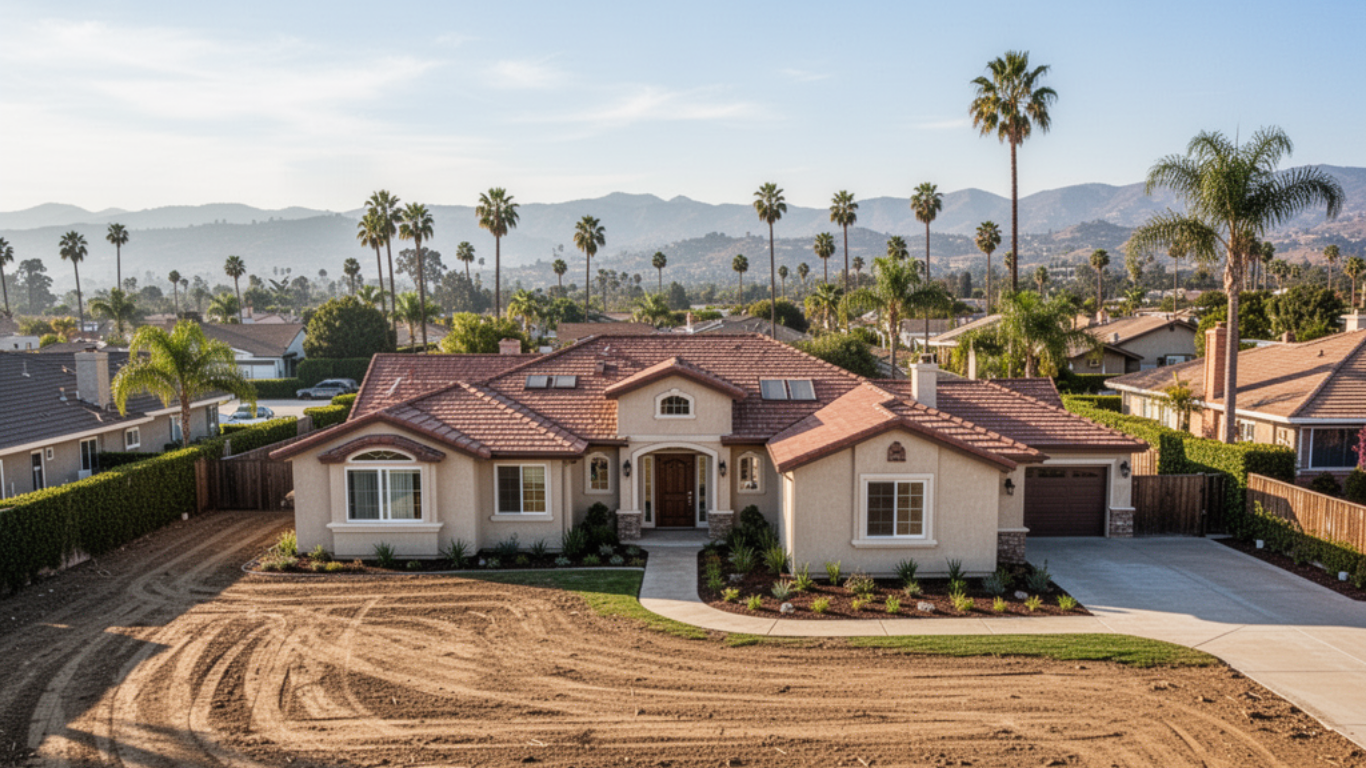
Fire-Resistant Roofing: What California Homeowners Need to Know

Key Takeaways
- Your roof is the single largest surface exposed to wildfire embers — choosing the right material is one of the most impactful decisions you can make for home protection.
- California law requires Class A fire-rated roofing on all new construction and re-roofing projects in wildfire-prone areas.
- Roof material alone isn't enough — proper installation, maintenance, and attention to vulnerable details like edges and valleys matter just as much.
- Upgrading your roof can improve your home's insurability and may qualify you for premium discounts in high-risk zones.
Why your roof matters most in a wildfire
During a wildfire, the primary threat to most homes isn't direct flame contact — it's airborne embers. These burning fragments can travel more than a mile ahead of the fire front, landing on roofs, in gutters, and along eaves. Your roof presents the largest horizontal surface on your home, making it the most likely landing zone for embers. A combustible roof can ignite within minutes of sustained ember exposure, while a fire-rated roof can withstand that same bombardment and give your home a fighting chance.
Research from the Insurance Institute for Business & Home Safety (IBHS) consistently shows that roof covering is among the top factors determining whether a home survives a wildfire. Homes with Class A roofing are significantly more likely to survive ember storms than those with untreated wood shakes or aging composite materials.
Understanding fire ratings for roofing
Roofing materials are tested and classified under ASTM E108 or UL 790 standards into three fire resistance classes. Class A offers the highest level of protection and can withstand severe fire exposure, including direct flame application, burning brands, and sustained radiant heat. Class B provides moderate resistance, while Class C offers only light protection. Unrated materials have not been tested and offer no verified fire resistance.
In California, any home located within a designated Wildland-Urban Interface (WUI) area or a State Responsibility Area (SRA) must use Class A roofing when re-roofing or building new construction. Many local jurisdictions extend this requirement to additional zones based on their own hazard assessments. If you're unsure whether your property falls within one of these zones, your local building department or CAL FIRE can help you determine your requirements.
Best fire-resistant roofing materials for California homes
Asphalt composition shingles
Fiberglass-reinforced asphalt shingles are the most common Class A roofing material in California. They're affordable, widely available, and come in a range of styles that suit most home aesthetics. Architectural-grade asphalt shingles offer improved wind resistance and a longer lifespan — typically 30 to 50 years — compared to standard three-tab shingles. When shopping for asphalt shingles, verify the Class A rating on the product label and ensure the underlayment meets current fire code requirements.
Metal roofing
Standing-seam metal roofs and metal tiles are inherently non-combustible and achieve Class A ratings with ease. Metal roofing is extremely durable, lasting 40 to 70 years with minimal maintenance. It sheds embers effectively because there are few gaps or crevices where burning material can lodge. Steel, aluminum, and copper are all common choices, with steel offering the best balance of cost and performance. Metal roofs also reflect radiant heat, which provides an additional layer of protection during a nearby fire.
Concrete and clay tile
Tile roofs are a staple of California architecture, and for good reason — both concrete and clay tiles are non-combustible and carry Class A ratings. They perform exceptionally well in wildfire conditions, resisting embers, radiant heat, and direct flame. Tile roofs can last 50 years or more with proper maintenance. The main consideration with tile is weight: your roof structure must be engineered to support the load, which can add cost during installation or retrofit. Also be aware that the gaps between curved tiles can allow ember intrusion if not properly sealed with bird stops or mortar at the eaves.
Synthetic and composite roofing
Newer synthetic products made from engineered polymers, rubber, or recycled materials can mimic the look of slate or wood shake while carrying Class A fire ratings. These products are lighter than tile and often more affordable than natural slate. Performance varies by manufacturer, so check for independent testing certifications and verify the specific Class A rating before purchasing.
Materials to avoid
Untreated wood shakes and shingles are the most dangerous roofing choice in fire-prone areas. Even fire-retardant-treated wood shakes degrade over time as the chemical treatment weathers away, eventually losing their fire resistance. If your home currently has wood shake roofing, replacing it with a Class A material should be a top priority — it's one of the single most effective things you can do to protect your home.
Installation details that matter
Even the best roofing material can fail if critical installation details are overlooked. Embers don't just land on the surface of your roof — they seek out gaps, edges, and intersections where they can lodge and ignite underlying materials. Pay close attention to these areas during installation or replacement:
- Eaves and fascia: Open eaves expose rafters and attic spaces to ember intrusion. Box in eaves with non-combustible or ignition-resistant materials, and install ember-resistant vents that prevent burning particles from entering the attic.
- Valleys and ridges: Roof valleys collect debris and can trap embers. Ensure valley flashing is properly installed and that ridge caps are sealed tightly without gaps.
- Gutters: Gutters filled with dry leaves and pine needles are a major ignition risk. Install non-combustible gutter guards and clean gutters regularly, especially before and during fire season.
- Skylights and penetrations: Any opening through the roof — skylights, vents, chimneys — should be properly flashed and sealed with fire-resistant materials.
- Underlayment: A fire-resistant underlayment beneath your primary roofing material provides a critical second line of defense. If embers penetrate the outer layer, the underlayment can prevent ignition of the roof deck below.
Maintenance keeps your protection intact
A fire-rated roof requires ongoing attention to maintain its protective value. Debris accumulation — leaves, pine needles, twigs — on the roof surface or in gutters can negate the fire resistance of even the best materials. A single pile of dry leaves in a roof valley can ignite from an ember and burn hot enough to compromise the roofing material beneath it.
Inspect your roof at least twice a year: once in spring before fire season and once in fall after the first winds. Look for cracked or missing tiles, lifted shingle edges, gaps in flashing, and any accumulated organic debris. Clear all vegetation within at least 6 feet of the roofline and trim back any tree branches that overhang the roof. Keep gutters clean year-round, not just during fire season — a wind event in February can fill your gutters with fuel just as easily as one in September.
How your roof affects home insurance
Insurance companies increasingly consider roof material and condition when underwriting homes in wildfire-prone areas. A Class A roof can be the difference between obtaining coverage and being non-renewed. Some insurers offer premium discounts for fire-hardened homes, and roof material is one of the first factors they evaluate. If you're struggling to find or keep homeowners insurance in a high-risk area, upgrading to a Class A roof — combined with other defensible space and home hardening improvements — may improve your options significantly.
Documenting your roof upgrade with photos, receipts, and contractor certifications can help when applying for coverage or requesting a policy review. Many insurers now accept wildfire mitigation documentation as part of the underwriting process.
What to do next
If you're not sure what material your roof is made of or whether it carries a Class A fire rating, start with a visual inspection or contact a licensed roofing contractor for an assessment. For homes in designated wildfire hazard zones, check with your local building department about specific roofing requirements that may go beyond state minimums. And if you're planning a roof replacement, treat it as an opportunity to upgrade your home's overall fire resilience — not just the shingles, but the underlayment, vents, eaves, and gutters as well.
Want to know how your roof and property stack up against wildfire risk?
Get your free Defensible Space Score and see exactly where your property stands — and what to improve first.
Educational Use Notice
This article is provided for educational purposes only. Wildfire behavior, building performance, and local code requirements vary by region and site conditions. The recommendations above are general risk-reduction strategies and do not guarantee protection from wildfire. Homeowners should consult qualified professionals and local authorities when making structural or code-related decisions.