Does Defensible Space Actually Lower Your Home Insurance? Here's What Insurers Look For
Defensible space can lower your home insurance — but only if insurers know about it. Learn how wildfire risk scores work, what carriers actually look for, and how to make your mitigation count.

If you've spent weekends clearing brush, trimming trees, and hardening your home against wildfire, you might be wondering whether any of that work shows up on your insurance bill. The answer is: it can — but only if you know how the system works.
Key Takeaways
- Defensible space alone won't automatically lower your premium — you have to proactively document it and present it to your insurer in the right way.
- Different insurers weigh defensible space differently. Some offer explicit discounts; others use it as a factor in whether they'll cover you at all.
- The post-LA fires insurance landscape has changed the rules. More carriers are now using wildfire risk scoring models that factor in your property's specific mitigation efforts.
- The biggest benefit of defensible space may not be a discount — it may be keeping your coverage. In high-risk areas, documented mitigation is increasingly the difference between being insurable and being dropped.
Why This Question Matters More Than Ever
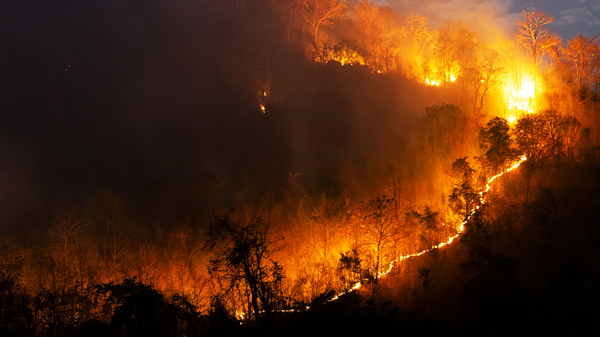
After the Eaton and Palisades fires tore through Los Angeles in early 2025, homeowners across California got a harsh reminder of something many had already been living with for years: wildfire insurance is getting harder to find, more expensive to keep, and less predictable than ever.
Insurers have been pulling out of high-risk markets, non-renewing policies at record rates, and raising premiums dramatically for homes in wildland-urban interface zones. Meanwhile, homeowners have been spending thousands of dollars hardening their properties — clearing defensible space, upgrading roofs, sealing vents — and wondering whether any of it actually matters to their insurer.
The frustrating answer is: it depends. But the more useful answer is: yes, it can matter significantly — if you understand how insurers evaluate risk and how to make your mitigation work count.
What Is Defensible Space, Exactly?
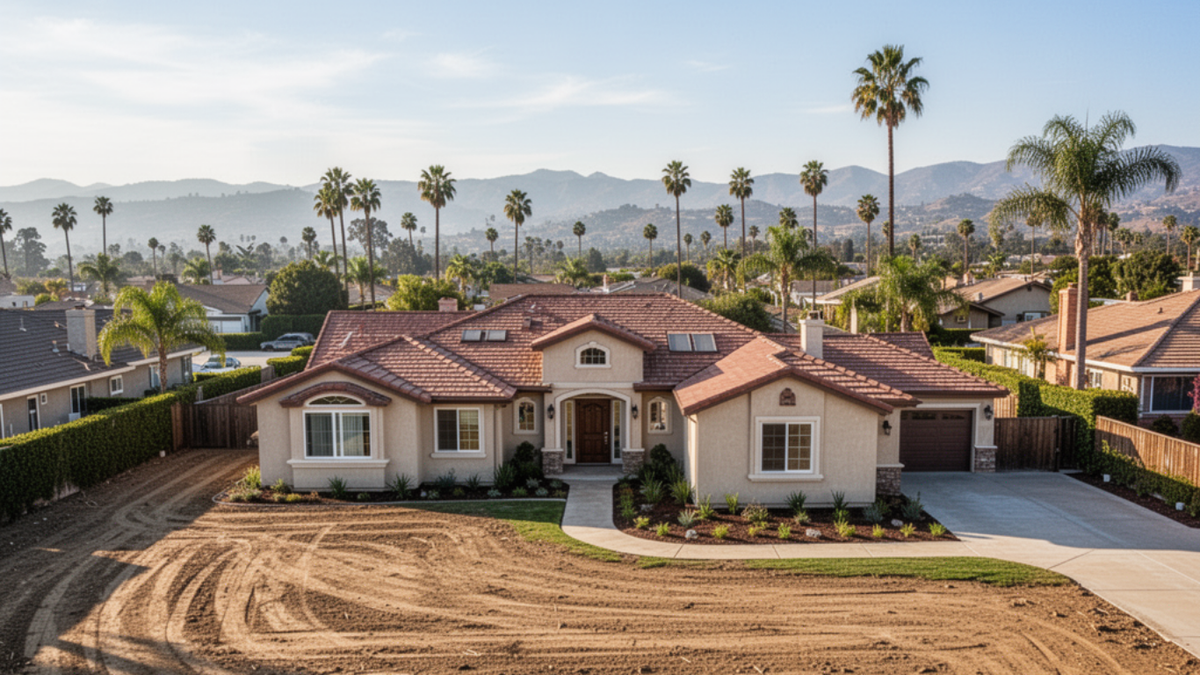
Defensible space is the buffer zone you create between your home and the surrounding vegetation that could fuel a wildfire. California law requires homeowners in State Responsibility Areas to maintain at least 100 feet of defensible space, divided into two zones.
Zone 1 (0–30 feet): The "lean, clean, and green" zone. Vegetation here should be well-irrigated, low-growing, and spaced so fire can't easily travel from plant to plant toward your home. Remove dead plants, dry leaves, and wood piles. Keep tree branches trimmed at least 10 feet from your chimney.
Zone 2 (30–100 feet): The reduced fuel zone. You're not eliminating vegetation here — you're managing it. Trees should be spaced so their canopies don't touch. Grass should be kept short. Shrubs should be pruned and separated. The goal is to slow a fire's progression and reduce its intensity before it reaches your home.
Beyond these two zones, home hardening — the materials your home is built with and the vulnerabilities you've sealed — plays an equally important role in how insurers assess your risk.
How Insurers Actually Evaluate Wildfire Risk
Here's something most homeowners don't realize: insurers don't send someone out to walk your property and check your brush clearance. Instead, most major carriers now use algorithmic wildfire risk scoring models to evaluate properties. These models pull from a range of data sources including satellite and aerial imagery, topography, historical fire behavior, proximity to fire stations, local weather patterns, and increasingly, building material data.
The most widely used models include tools from companies like Verisk (which produces the FireLine score), CoreLogic, and Zesty.ai. Your home has likely already been assigned a wildfire risk score you've never seen — and that score is influencing your premiums and coverage eligibility right now.
The good news is that these models are increasingly sophisticated at detecting on-the-ground mitigation. Satellite imagery can identify vegetation density around your home. Some models can detect roof material type. And carriers that use inspection-based underwriting — either in-person or via aerial imagery review — can factor in specific improvements you've made.
Does Defensible Space Directly Lower Your Premium?
Sometimes yes, sometimes no — and the distinction matters.
Where you'll see direct discounts: Some carriers offer explicit premium reductions for documented home hardening and defensible space compliance. In California, the Department of Insurance now requires insurers to offer discounts to homeowners who complete a Safer From Wildfires (SFW) assessment and meet specific mitigation benchmarks. This framework, established under Insurance Code Section 675.1, creates a standardized pathway to discounts that didn't exist before.
The Safer From Wildfires program assigns credits for actions across six categories: defensible space, community designation (like being in a Firewise USA community), roof construction, vents, windows and doors, and attached structures. The more boxes you check, the larger the potential discount.
Where the benefit is insurability, not just price: In the highest-risk areas, the more immediate benefit of defensible space isn't a lower premium — it's keeping your policy. Carriers use mitigation data to make underwriting decisions, not just pricing decisions. A well-documented, well-maintained defensible space may be what keeps you in the standard market instead of being forced onto the California FAIR Plan, which offers significantly less coverage at often higher cost.
What Insurers Are Actually Looking For
Whether you're working with a standard carrier, seeking a discount under Safer From Wildfires, or trying to attract coverage from a surplus lines insurer, here's what the evaluation typically focuses on:
Roof material and condition. This is the single biggest factor in most wildfire risk models. A Class A fire-rated roof — metal, concrete tile, clay tile, or Class A-rated asphalt shingles — dramatically reduces your risk score compared to wood shake or older asphalt. If you have a wood shake roof in a high-risk area, addressing it before anything else will have the biggest impact.
Vents and ember entry points. Embers entering through attic vents, soffit vents, and crawlspace openings are one of the leading causes of home ignition during wildfires. Ember-resistant vents (conforming to ASTM E2886) are a specific line item in the Safer From Wildfires framework and are increasingly visible to underwriters.
Zone 1 clearance. The 0–30 foot zone gets the most weight. Insurers and inspectors look for the absence of combustible material immediately against the home — wood piles, mulch touching the foundation, flammable plants under windows, and accumulated debris in gutters.
Siding and exterior materials. Fiber cement, stucco, and metal siding all score significantly better than vinyl or wood. While siding is weighted less heavily than roofing in most models, it's a visible signal of overall home hardening commitment.
Decks and attached structures. Decks made of combustible wood are a known vulnerability, especially when vegetation or debris accumulates underneath. Composite decking or enclosed deck skirting reduces risk.
Access and egress. Some carriers — particularly those writing policies in very high-risk zones — look at whether your property has adequate road access for emergency vehicles and evacuation routes.
How to Make Your Mitigation Work Count
Doing the work isn't enough if your insurer doesn't know about it. Here's how to make sure your efforts are reflected in your coverage and pricing:
Get a Safer From Wildfires assessment. California's SFW program is the clearest pathway to documented discounts. You can work with a qualified inspector to assess your property against the six mitigation categories. Once certified, you're entitled to ask your insurer for a discount — and they're required to provide one if you meet the criteria.
Document everything with photos and dates. Before and after photos of brush clearing, receipts for Class A roofing installation, records of vent upgrades — keep all of it in a dedicated folder (physical and digital). When you renew or shop for coverage, this documentation gives underwriters something to work with beyond the algorithmic score.
Request a re-inspection if you've made improvements. If your insurer uses physical inspection or aerial imagery review, improvements you've made since your last evaluation may not be reflected in your current score. Ask your agent how to trigger a re-evaluation.
Talk to an independent agent who specializes in high-risk properties. Standard captive agents often have limited tools for high-risk homes. An independent broker who works regularly with surplus lines carriers and high-risk market specialists can identify insurers who weight mitigation more favorably in their underwriting.
Join a recognized fire-safe community program. Properties in Firewise USA-recognized communities or CAL FIRE-designated Fire Hazard Severity Zones that have active community fire safety programs can qualify for additional credits under the SFW framework.
The Bottom Line
Defensible space is not a guaranteed path to lower premiums — but it is increasingly a prerequisite for staying insurable at all in California's high-risk markets. And for homeowners who document their work, pursue formal certification through programs like Safer From Wildfires, and work with the right insurance professionals, the financial benefit is real and growing.
The most important shift in mindset: stop thinking of defensible space as a fire safety project and start thinking of it as a risk management strategy that has direct financial implications. Your insurer is already scoring your property. The question is whether your mitigation is visible enough to move that score in your favor.
Educational Use Notice
This article is provided for educational purposes only. Wildfire behavior, building performance, and local code requirements vary by region and site conditions. The recommendations above are general risk-reduction strategies and do not guarantee protection from wildfire. Homeowners should consult qualified professionals and local authorities when making structural or code-related decisions.
Related Articles
- 5 Home Hardening Techniques & Their Real Costs
- 15+ Best Products for Home Hardening in 2025
- Home Hardening Against Wildfires: A Complete Guide
- The Ultimate Wildfire Hazard Assessment for Homeowners
- The Ultimate Wildfire Hazard Assessment Checklist
Frequently Asked Questions
Will my insurance automatically go down if I clear defensible space? Not automatically. You need to proactively document your mitigation and either request a re-evaluation from your current carrier or shop for carriers who weight mitigation in their underwriting. California's Safer From Wildfires program provides the clearest pathway to a formal, documented discount.
What's the single most impactful improvement I can make for my insurance risk score? Roof material. A Class A fire-rated roof is weighted more heavily than almost any other factor in wildfire risk models. If you have a wood shake roof in a high-risk area, replacing it with a Class A-rated material will have the largest single impact on your insurability and potential premium.
What is the California FAIR Plan and how does defensible space affect it? The FAIR Plan is California's insurer of last resort for high-risk properties that can't get coverage in the standard market. It provides basic fire coverage but at limited amounts and often at high cost. Strong defensible space and home hardening may help you qualify for or return to the standard market, where coverage is broader and often more competitively priced.
How do I find out my home's wildfire risk score? You can request your Verisk FireLine score or CoreLogic wildfire risk score through your insurance agent or broker. Some insurers will share this with you directly. Tools like the California Department of Forestry's Fire Hazard Severity Zone map and the My Hazards tool from the California Governor's Office of Emergency Services can also give you a sense of how your area is classified.
Does being in a Firewise USA community help with insurance? Yes. Community-level fire safety designations like Firewise USA are a specific credit category under California's Safer From Wildfires framework. Individual homeowners in recognized communities can reference the designation as part of their mitigation documentation when working with insurers.