News
How Embers Enter Homes: The Hidden Entry Points Most Wildfire Inspections Miss
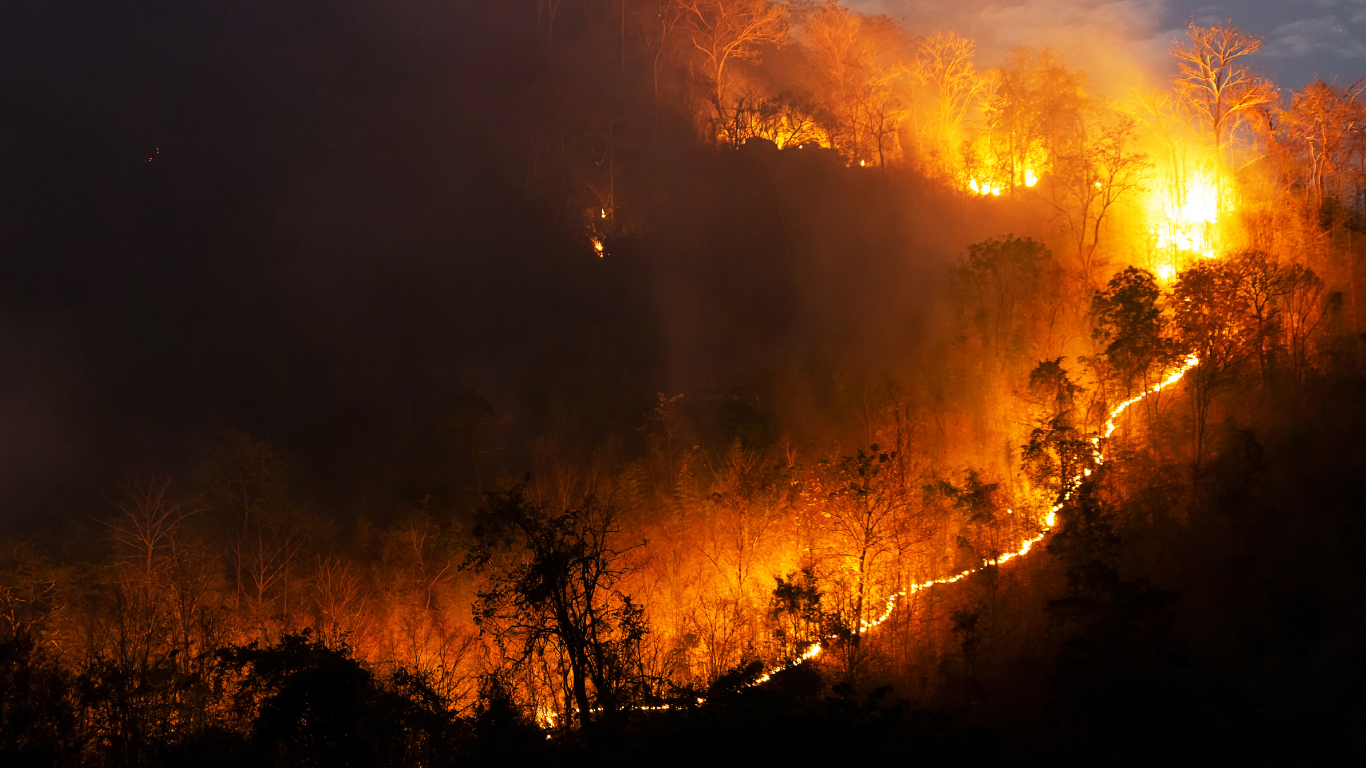
Most homes that burn in wildfires are not ignited by a wall of flame. They ignite from embers.
Post-fire investigations conducted after major California wildfires—including the 2007 Witch Creek Fire, the 2013 Waldo Canyon Fire, and the 2018 Camp Fire—consistently show that wind-driven embers (also called firebrands) are responsible for the majority of structure ignitions. Research from the Insurance Institute for Business & Home Safety (IBHS), NIST, CAL FIRE, and the U.S. Forest Service confirms the same pattern: embers travel ahead of the flame front, accumulate in vulnerable areas, and ignite homes from the outside in.
Understanding how embers enter a home—and where they accumulate—is foundational to effective home hardening and defensible space planning. Many wildfire inspections identify obvious risks such as heavy vegetation or combustible decks. Fewer explain the specific ember pathways that allow a house to ignite even when defensible space appears adequate.
This article examines the most common ember entry points in wildfire-prone homes, how they fail under ember exposure, and what actually reduces risk.
CTA ButtonKey Takeaways
- Wind-driven embers are the leading cause of home ignition in wildfires.
- Most ember ignitions occur at small openings, horizontal surfaces, and combustible attachments.
- Vents, roof edges, gutters, decks, and fence connections are among the most common failure points.
- 1/8-inch metal mesh vent screening significantly reduces ember intrusion compared to 1/4-inch mesh.
- Home hardening and defensible space must work together to reduce ember exposure risk.
How Ember Storms Work
During a wildfire, burning vegetation and structural materials generate embers that can be lofted thousands of feet into the air. Studies from NIST and the U.S. Forest Service document ember travel distances of more than one mile under strong wind conditions. In wind-driven fires, embers can arrive well before direct flame contact.
Embers accumulate on roofs, in gutters, along siding, beneath decks, and against foundations. When they land in receptive fuel beds—dry leaves, pine needles, bark mulch, patio furniture cushions, or wood decking—they can smolder and transition into open flame. In many documented cases, homes ignite hours after the fire front passes.
This pattern explains why houses sometimes burn while surrounding vegetation remains partially intact. The home itself becomes the primary fuel source once ignition begins.
Vents: The Most Documented Ember Entry Pathway
Attic and crawl space vents are one of the most studied vulnerabilities in wildfire research. Traditional vents often use 1/4-inch metal mesh screening, which is effective for pest control but not for ember intrusion.
Laboratory testing by IBHS has demonstrated that embers smaller than 1/4 inch can pass through standard vent mesh. Once inside the attic, embers can ignite insulation, stored items, or wood framing. Because attics are dry, enclosed spaces with ample oxygen, ignition can spread undetected until flames breach the roof.
Upgrading to corrosion-resistant 1/8-inch metal mesh significantly reduces ember penetration. Ember-resistant vent designs—such as baffled or intumescent-coated vents tested under ASTM E2912—provide additional protection by restricting airflow or sealing under high heat conditions.
Foundation vents present similar vulnerabilities, particularly in homes with raised foundations. Embers entering crawl spaces can ignite debris or exposed framing beneath the structure.
Roof Edges, Valleys, and Gutters
The roof is one of the largest horizontal surfaces exposed during an ember storm. Even Class A fire-rated roofing materials can fail if combustible debris accumulates.
Research from IBHS and post-fire field investigations consistently identify the roof-to-gutter edge as a critical ignition point. When dry leaves and pine needles collect in gutters, embers can ignite that debris. Flames then impinge on the roof edge or fascia board. If the roof deck or edge flashing is vulnerable, fire can extend into the attic.
Roof valleys—where two roof planes intersect—act as natural ember traps. Debris accumulates in these areas, increasing ignition likelihood. Regular maintenance and noncombustible gutter covers reduce this risk, but covers must be properly installed; poorly fitted systems can still allow debris accumulation.
Eaves and Soffits
Open eaves expose rafters and roof decking to direct ember accumulation and radiant heat. In older construction, exposed wood members can ignite when embers lodge in corners or gaps.
Boxed-in eaves constructed with ignition-resistant or noncombustible materials reduce ember intrusion. Where full reconstruction is not feasible, sealing gaps and maintaining clean roof edges improves performance under ember exposure.
Garage Doors and Weather Seals
Garage doors are often overlooked in wildfire mitigation. Gaps along the sides and bottom of garage doors can allow embers to enter the interior space. Once inside, embers can ignite stored combustible materials such as cardboard boxes, gasoline containers, or paint supplies.
Weather stripping and tight-fitting door seals reduce this vulnerability. In high-risk zones, ignition-resistant garage doors tested for radiant heat exposure provide additional protection.
Weep Screeds and Siding Gaps
Weep screeds—metal flashing installed at the base of stucco walls—are necessary for moisture management but can create small openings near the foundation. If combustible mulch or debris accumulates against the wall, embers can ignite materials adjacent to these openings.
Maintaining a noncombustible 0–5 foot zone around the home is critical in this area. Hardscaping, gravel, or concrete adjacent to the foundation reduces the likelihood that embers will find receptive fuel.
Similarly, gaps in siding, especially in older wood or vinyl installations, can expose sheathing or framing to ember contact. Proper installation, maintenance, and the use of ignition-resistant materials improve resilience.
Decks and the Under-Deck Ember Trap
Decks consistently appear in post-fire damage assessments as a major ignition pathway. Embers accumulate between deck boards and beneath the deck surface. If combustible debris is present, ignition can occur underneath, where detection and suppression are unlikely.
Once a deck ignites, flames can impinge directly on siding, sliding glass doors, or window frames, creating pathways for interior fire spread.
Mitigation strategies include enclosing deck undersides with noncombustible materials, maintaining debris-free conditions, and using ignition-resistant or composite decking products tested for wildfire exposure.
Fences as Flame Conveyors
Attached wood fences can act as horizontal fuel pathways. If a fence ignites from embers or adjacent vegetation, flames can travel directly to the house. Several California post-fire studies documented homes igniting at fence-to-siding connection points.
Installing a short section of noncombustible fencing (such as metal) where the fence meets the house interrupts this pathway and reduces risk.
Windows and Glass Failure
While embers alone rarely shatter intact dual-pane tempered glass, they contribute to localized heating and ignition of nearby combustible materials. Radiant heat from nearby burning objects can cause glass failure, allowing embers to enter the interior.
Dual-pane tempered windows provide significantly greater resistance to heat exposure compared to single-pane installations. Maintaining defensible space reduces radiant heat exposure and lowers the chance of glass breakage.
Prioritizing Ember-Resistant Upgrades
Wildfire mitigation is risk reduction, not risk elimination. The most cost-effective ember hardening measures often include:
- Cleaning roofs and gutters regularly.
- Installing 1/8-inch corrosion-resistant vent mesh.
- Maintaining a noncombustible 0–5 foot zone.
- Sealing gaps at garage doors and siding transitions.
- Removing combustible materials from beneath decks.
More significant investments—such as replacing vents with certified ember-resistant models, boxing in eaves, upgrading roofing systems, or installing tempered windows—may be appropriate depending on risk level and budget.
Layered protection is the goal. No single upgrade prevents wildfire loss, but multiple small vulnerabilities addressed together significantly reduce the probability of ignition.
Common Misconceptions
A common misconception is that if flames never touch the home, it is safe. Research and field data consistently contradict this belief. Homes ignite without direct flame contact when embers exploit structural weaknesses.
Another misunderstanding is that defensible space alone is sufficient. Vegetation management reduces radiant heat and direct flame exposure, but without home hardening, ember intrusion remains a serious threat.
Assessment and Next Steps
Homeowners in wildfire-prone areas should evaluate their properties specifically for ember entry points. A structured home ignition zone assessment considers roof condition, vent design, siding materials, deck configuration, attachments, and vegetation proximity.
Ember-resistant retrofits can often be phased over time. Start with maintenance and low-cost improvements, then prioritize structural upgrades as part of long-term planning.
Wildfire behavior is complex and varies by region, fuel type, wind conditions, and topography. But the ignition science is clear: reducing ember exposure pathways is one of the most effective ways to lower structural risk.
Educational Use Notice
This article is provided for educational purposes only. Wildfire behavior, building performance, and local code requirements vary by region and site conditions. The recommendations above are general risk-reduction strategies and do not guarantee protection from wildfire. Homeowners should consult qualified professionals and local authorities when making structural or code-related decisions.
Related Articles
- 5 Home Hardening Techniques & Their Real Costs
- 15+ Best Products for Home Hardening in 2025
- Home Hardening Against Wildfires: A Complete Guide
- The Ultimate Wildfire Hazard Assessment for Homeowners
- The Ultimate Wildfire Hazard Assessment Checklist
Frequently Asked Questions
Are embers really more dangerous than flames? Yes. Post-fire investigations repeatedly show that wind-driven embers are the primary cause of structure ignitions in wildland-urban interface fires.
Is 1/8-inch vent mesh required everywhere? Some building codes in high fire hazard severity zones require ember-resistant venting. Even where not mandated, 1/8-inch corrosion-resistant metal mesh provides significantly better protection than 1/4-inch screening.
Do Class A roofs prevent ember ignition? Class A roofing materials resist flame spread, but debris accumulation can still ignite at roof edges and gutters. Maintenance remains essential.
Can defensible space alone protect my home? Defensible space reduces heat exposure and flame contact, but without structural hardening, embers can still ignite vulnerable components.
Is it possible to make a home completely fireproof? No. Wildfire mitigation reduces risk; it does not eliminate it. The goal is to reduce ignition probability and improve survivability under ember exposure.


