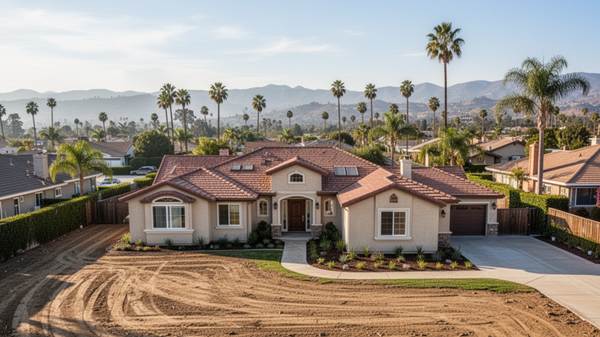
How to Choose the Right Home Hardening Products
Find the best home hardening products to protect your house from wildfire. Get practical tips on choosing fire-resistant materials for every budget.


During a wildfire, your home is only as strong as its weakest link. A fire-resistant roof won’t matter if embers can slip through an old, unsealed attic vent. A cleared defensible space can be compromised by a pile of dry leaves in a gutter right next to your house. Tiny embers are relentless, and they will exploit any vulnerability they can find. This guide is your roadmap to a full home assessment. We'll help you identify and strengthen those weak spots, covering everything from simple DIY fixes to choosing the best home hardening products for larger upgrades.
Key Takeaways
- Prioritize Ember Defense: Most homes are lost to tiny, wind-blown embers, not the main wall of fire. Focus first on sealing small gaps, covering vents with 1/8-inch metal mesh, and clearing flammable debris from gutters and the five-foot zone around your foundation.
- Treat Your Home as a System: A fire-resistant roof won't help if embers can enter through an old vent. Ensure all your exterior components—siding, windows, doors, and vents—work together to create a seamless, sealed barrier with no weak links.
- Start with Low-Cost, High-Impact Fixes: You can significantly improve your home's safety without a huge budget. Tackle affordable weekend projects like caulking, cleaning your roof, and maintaining your defensible space before planning for larger investments like new windows or siding.
What Is Home Hardening (and Why Does It Matter)?
If you live in a wildfire-prone area, you’ve probably heard the term “home hardening.” Think of it as strengthening your home’s defenses against wildfire. It’s all about using building materials and construction techniques that help your house resist catching fire from flames and, more importantly, from flying embers.
According to CAL FIRE, home hardening focuses on every component of your house that could be vulnerable, from the roof and siding to the windows and vents. The goal is to create a structure that is less likely to ignite if a wildfire approaches. This works hand-in-hand with creating defensible space—the managed buffer zone around your home. While defensible space helps keep the fire at a distance, home hardening ensures that if embers do reach your house, they have nowhere to land and start a new fire. It’s a comprehensive approach to making your property as fire-resistant as possible, giving you and firefighters a better chance to save it.
How Wildfires Really Threaten Your Home
It’s a common misconception that most homes are lost to a giant wall of flames. The reality is far more subtle and insidious. The primary culprit in home ignition is the ember. These are tiny, glowing pieces of burning wood and vegetation that can be carried by the wind for miles ahead of the actual fire.
Research shows that embers are responsible for igniting the vast majority of homes destroyed in wildfires. In fact, some studies suggest that as many as 90% of buildings are first set ablaze by these wind-driven embers. They are small enough to get into the most vulnerable parts of your house—like attic vents, gaps under eaves, or even piles of dry leaves in your gutters—where they can smolder and eventually ignite the structure. This is why home hardening is so critical; it focuses on sealing these entry points and eliminating receptive fuel beds.
Understanding the "30-30-30 Rule" for Wildfire Conditions
Beyond the physical vulnerabilities of your home, it's also helpful to understand the weather conditions that create a perfect storm for wildfires. This is where the "30-30-30 Rule" comes in. It’s a simple but powerful guideline used by fire professionals to signal extreme fire danger. The rule flags conditions when the temperature is at or above 30°C (that's 86°F), the relative humidity drops to 30% or less, and wind speeds hit 30 km/h (about 19 mph) or more. When these three factors align, the environment becomes primed for ignition. The low humidity and high heat dry out vegetation, essentially preheating it, making it incredibly easy for a spark to catch and for a fire to spread rapidly. For homeowners, this rule is an essential tool for wildfire safety. When you hear a forecast that checks these boxes, it’s a clear sign to be extra vigilant and a powerful reminder of why all your home hardening efforts are so important.
Can Home Hardening Lower Your Insurance Costs?
Beyond protecting your property and family, home hardening plays a huge role in your ability to get and keep homeowners insurance. As wildfire risk increases, insurance companies are looking much more closely at how well a home is prepared to withstand a fire. A hardened home is simply a better risk from an insurer's perspective.
Taking proactive steps to install fire-resistant roofing, siding, and windows, and clearing defensible space can directly impact your insurability. Many carriers now require detailed assessments of a property's wildfire risk before they will issue or renew a policy. By making these improvements, you demonstrate that you are actively reducing your risk, which can make you a more attractive customer. It’s an investment that not only enhances your home’s safety but also helps you maintain crucial financial protection in high-risk areas.
The Proof Is in the Numbers: Does Hardening Work?
Absolutely. The data is clear: making your home stronger against fire, or "hardening" it, dramatically increases its chances of survival. It’s not just a hopeful theory; it’s a proven strategy. Remember those wind-driven embers we talked about? Research suggests they are responsible for igniting as many as 90% of homes lost in wildfires. Home hardening directly counters this primary threat. By sealing gaps, using fire-resistant materials, and removing flammable items near the foundation, you’re essentially making your home an unwelcome target for embers. Think of it as giving your property a suit of armor. It creates a robust defense that can withstand the ember storm, which is often the most destructive part of a wildfire.
Why Wildfire Is Considered a "People Problem"
It might sound strange, but experts increasingly see wildfire not just as a "fire problem," but as a "people problem." This doesn't mean people are to blame for starting fires, but rather that our choices have a huge impact on the outcome. As more communities expand into beautiful, wild areas, we build homes in places that are naturally prone to fire. This is often called the Wildland-Urban Interface, or WUI. The challenge is that we need to adapt how we live in these environments. Because human development plays such a big role, we also have the power to be the solution. By consciously building, landscaping, and maintaining our properties with fire in mind, we can coexist more safely with this natural process. It starts with understanding your specific risk and taking proactive steps to manage it.
How to Spot Your Home's Wildfire Weak Spots
Before you start shopping for fire-resistant products, the most important first step is to take a walk around your property and identify its current vulnerabilities. Think of it as a simple home audit. During a wildfire, it’s often not a giant wall of flame that ignites a house, but rather the millions of tiny, wind-blown embers that can travel a mile or more ahead of the fire. These embers are relentless, searching for any weak spot to land and ignite.
Many of the most critical home hardening tasks involve addressing these weak spots, and the best part is that they are often low-cost or even free—they just require your time and attention. By sealing gaps, clearing away flammable debris, and creating a noncombustible zone right next to your home, you can significantly reduce the chances of an ember starting a fire. This initial assessment will help you prioritize your efforts and make smarter decisions about where to invest in larger upgrades later on. Let’s walk through the key areas to check.
Seal Gaps and Cracks to Keep Embers Out
Embers are tiny troublemakers, and they can get into your home through surprisingly small openings. Your goal is to make your home’s exterior as tight as a drum. Take a close look at your house for any cracks or gaps, especially where different materials meet, like around window frames and along the foundation. Even small openings and gaps larger than 1/8 of an inch can be an open door for a stray ember. Use high-quality exterior caulk to seal these cracks. Check your weather stripping around doors, including the garage door, to ensure a tight seal. Vents for your attic, crawlspace, and dryer are also major entry points, so cover them with 1/8-inch metal mesh screening.
Clear Flammable Debris from Your Yard
Think of your home’s exterior as a surface that needs regular housekeeping. Over time, leaves, pine needles, and small twigs can pile up in corners and crevices, creating perfect little fuel beds for embers. It’s crucial to establish a routine for cleaning gutters, roofs, and decks to remove any flammable materials that have accumulated. Pay special attention to roof valleys, the corners where walls meet, and the area underneath your deck or porch, as these are common spots where debris gets trapped. A clean exterior gives embers nothing to ignite, forcing them to burn out harmlessly on a noncombustible surface. This isn't a one-time task; it's an ongoing part of home maintenance in a wildfire-prone area.
Create a Non-Combustible Zone Around Your Home
The area immediately surrounding your home—the first five feet out from your foundation—is the most critical part of your defensible space. This is your noncombustible zone. Anything flammable in this area can act as a wick, allowing fire to ignite your siding and spread into your home. Take a walk around your house and remove all flammable items within this five-foot perimeter. This includes things like stacked firewood, jute or coir doormats, brooms, recycling bins, and patio furniture with combustible cushions. You should also remove any dead plants, dry grass, and flammable bark or pine straw mulch. Replace them with noncombustible options like gravel, pavers, or rock mulch to create a clean, fire-resistant barrier.
Choosing the Best Fire-Resistant Roofing Materials
Your roof is your home's first line of defense against a wildfire, but it's also one of the most vulnerable areas. Think of it as a large, flat surface just waiting to catch the thousands of burning embers that can travel a mile or more ahead of a fire. If your roof is made of flammable material like wood shakes, it can ignite in minutes, putting your entire home at risk. This is why choosing the right roofing material is one of the most critical decisions you can make when hardening your home.
The key is to select materials that are noncombustible or have a Class A fire rating, which is the highest level of fire resistance a material can receive. These materials are tested to withstand severe fire exposure without catching fire or allowing the fire to penetrate the roof deck. Fortunately, you have several excellent options that are both effective and stylish, so you don’t have to sacrifice aesthetics for safety. From modern metal panels to classic tile, the best fire-resistant materials can significantly reduce the chances of embers igniting your home. Making this single upgrade can be one of the most impactful home hardening steps you take.
The Benefits of Class A-Rated Asphalt Shingles
Asphalt shingles are one of the most popular roofing materials in the country, and for good reason. They offer a fantastic balance of performance, affordability, and ease of installation. When you’re shopping, make sure you’re looking specifically for Class A-rated asphalt shingles. These are treated with fire-retardant chemicals that help them resist ignition from flying embers. They provide reliable protection without the higher price tag of materials like metal or tile, making them a practical and accessible choice for many homeowners. It's a straightforward upgrade that fire safety experts consistently recommend for protecting homes in wildfire-prone areas.
Is Metal Roofing a Good Fire-Safe Option?
If you're looking for durability and top-tier fire protection, metal roofing is an outstanding choice. Materials like steel, aluminum, and copper are non-combustible, meaning they simply won't burn. This is a huge advantage when your home is being showered with embers. A metal roof can prevent ignition and stop a fire from spreading to the rest of your structure. While the upfront cost can be higher than asphalt shingles, a metal roof can last for 50 years or more with minimal maintenance. The Texas Wildfire Risk assessment program recommends homeowners use fire-resistant roofing material like metal for its proven safety and long-term value in high-risk regions.
Why Clay and Concrete Tiles Are Top Choices
For a classic look that offers exceptional fire resistance, clay and concrete tiles are hard to beat. Like metal, these materials are non-combustible and do an excellent job of protecting your home from embers. They are also incredibly durable and can withstand harsh weather conditions, which adds to their long-term value. The individual tile design can sometimes create small gaps where debris might collect, so it’s important to keep the roof clean. However, their inherent ability to resist fire makes them a beautiful and effective choice for home hardening. Experts confirm that these materials are effective in preventing fire spread, making them a smart investment for any homeowner concerned about wildfire.
Don't Forget to Seal Gaps Under Roof Tiles
Choosing a fire-resistant tile roof is a fantastic step, but there's one more detail that can make all the difference: the small gaps under the curve of the tiles. These openings are a perfect entry point for wind-blown embers, which CAL FIRE identifies as the primary culprit in most home ignitions during a wildfire. To truly secure your roof, you need to block these pathways. You can use specialized materials like bird stops or weather blocking, or even a high-quality exterior caulk, to seal any gaps that are 1/8 of an inch or larger. This simple step helps complete your roof's defense system, ensuring that those dangerous embers have nowhere to go but out.
How to Choose Fire-Resistant Siding and Walls
Your home's siding is its first line of defense against the intense heat and flying embers of a wildfire. Combustible siding, like wood or vinyl, can easily ignite, creating a direct path for fire to enter your home's structure. Choosing a noncombustible or ignition-resistant material for your exterior walls is one of the most significant steps you can take to harden your home. Not only does it drastically reduce the risk of ignition, but it can also positively impact your ability to get and keep homeowners insurance in a high-risk area. When evaluating your options, look for materials that are durable, low-maintenance, and proven to withstand extreme conditions. Let’s walk through three of the most effective choices for fire-resistant siding.
Why We Recommend Fiber Cement Siding
Fiber cement is a fantastic all-around choice for home hardening. Made from a mix of sand, cement, and cellulose fibers, this material is specifically engineered to be noncombustible. It won't ignite when exposed to direct flame or radiant heat, which is exactly what you need to protect your home from embers. Beyond its fire resistance, fiber cement is also incredibly durable—it resists rot, pests, and the kind of impact damage that can happen during a storm. This makes it a low-maintenance option that holds up beautifully for years. Many homeowners also love that it comes in a variety of textures and styles, giving you a modern, fire-resistant siding option without sacrificing curb appeal.
The Protective Power of Stucco and Masonry
There’s a reason you see so many stucco and masonry (brick, stone) homes in hot, dry climates. These traditional materials are inherently fire-resistant and exceptionally tough. A properly applied layer of stucco or a solid masonry wall creates a seamless, noncombustible barrier that embers simply can't penetrate. These materials are built to last, standing up to extreme weather and requiring very little upkeep over their long lifespan. Stucco offers the added benefit of good insulation, while masonry provides unmatched structural strength. Both are time-tested solutions that effectively shield your home’s vulnerable interior structure from the threat of wildfire, making them a reliable and attractive choice for exterior walls.
Considering Metal Siding for Your Exterior
Metal siding, typically made from steel or aluminum, is another excellent noncombustible option for protecting your home. It’s highly resistant to fire and will not burn or spread flames, providing a strong shield against embers and radiant heat. Metal is also one of the most resilient materials available, capable of withstanding high winds, hail, and heavy rain without denting or corroding. Because it’s impervious to pests and rot, it’s a truly low-maintenance choice that will protect your home for decades. When you compare different materials for their overall siding performance and durability, metal consistently ranks as a top performer for its strength and longevity in challenging environments.
Do Your Windows and Doors Offer Enough Fire Protection?
Windows and doors are often the most vulnerable points of a home during a wildfire. The intense radiant heat from an approaching fire can cause glass to break, giving flames and embers a direct path inside. Even without direct flame contact, embers can find their way through small gaps in door frames or melt through screens. Choosing the right materials for these openings is one of the most critical steps you can take to protect your home.
Upgrading your windows and doors not only strengthens your home's defenses but also improves its energy efficiency. While it can be a significant investment, focusing on the most exposed sides of your house first can be a practical approach. The goal is to create a solid barrier that resists heat, blocks embers, and keeps your home sealed when it matters most. Making smart choices here can be the difference between a home that survives a wildfire and one that doesn't.
Upgrade to Double-Paned Tempered Glass Windows
If your home has older, single-pane windows, they pose a major risk. The heat from a wildfire can easily shatter them. A far safer option is installing double-paned tempered glass windows. Tempered glass is heat-treated to be much stronger and more resistant to breaking under high temperatures. The double-pane design adds a crucial layer of insulation, further slowing heat transfer. This combination makes it significantly harder for a wildfire to breach your home through its windows, giving you and your property a better chance of survival.
What to Look for in a Fire-Rated Door
Your home's exterior doors are another critical line of defense. A solid-core door made from metal or solid wood offers much better protection than a hollow one. It's also essential to ensure your doors are in good condition and form a tight seal. Check for and seal any gaps larger than 1/8 inch with weather-stripping to prevent embers from blowing inside. Don't forget the door leading from your garage into your house—it should also be a fire-rated door to stop a fire that starts in the garage from spreading to the rest of your home.
Why Noncombustible Window Frames Are a Must
The material of your window frames is just as important as the glass itself. Wooden frames can ignite, and vinyl frames can melt from radiant heat, causing the glass to fall out. To reduce this risk, choose noncombustible window frames made from materials like metal or fiberglass. These materials won't contribute fuel to a fire and will help keep the glass securely in place when exposed to high heat. When replacing windows, opting for a fire-resistant frame is a smart investment in your home's overall resilience.
Add Ember-Resistant Screens to Windows
Even the best double-paned windows can be defeated by a flimsy screen. During a wildfire, standard fiberglass or vinyl screens can melt from the intense radiant heat, creating a wide-open path for embers to get inside. As CAL FIRE notes, embers are tiny troublemakers that can slip through surprisingly small openings. The solution is to replace your standard screens with 1/8-inch metal mesh. This fine screening is specifically designed to block embers while still allowing for proper ventilation. It’s a relatively simple and affordable upgrade that acts as a crucial last line of defense, ensuring your home remains sealed against the primary threat of wildfire ignition.
How to Protect Vents and Gutters from Embers
When you think about wildfire defense, you might picture clearing brush or installing a metal roof. But some of the most critical vulnerabilities are the small, often overlooked openings on your home. Vents and gutters act like magnets for wind-blown embers, which are responsible for igniting the majority of homes during a wildfire. Embers can travel a mile or more ahead of the main fire, landing in gutters clogged with dry leaves or getting sucked into attic vents. Sealing these entry points is one of the most effective steps you can take to protect your home.
Install Ember-Resistant Vents
Your home needs to breathe, but standard vents with wide openings are an open invitation for embers. The best solution is to install specially designed ember-proof vents. These vents have a multi-layered design, often including a honeycomb pattern and fine mesh, that blocks embers while still allowing for airflow. Many models, like Vulcan Vents, also feature an intumescent coating that swells up when exposed to high heat, completely sealing the opening to block flames and embers. While they are an investment, replacing your gable, soffit, and foundation vents with these fire-rated models provides a powerful, built-in defense system for your home’s most vulnerable spots.
What to Look for in an Ember-Safe Vent
When you're shopping for ember-safe vents, you'll notice they look quite different from the simple slatted vents you might be used to. The most effective models use a multi-layered defense system. Look for vents that have a honeycomb-like matrix combined with a fine metal mesh screen. This design is specifically engineered to break up the airflow and block embers from passing through, all while still allowing your attic and foundation to breathe. Some of the top-tier vents also include an intumescent coating. This is a special material that rapidly expands when exposed to high heat, completely sealing the vent opening to block both embers and flames. It’s a smart technology that provides an extra layer of automatic protection when you need it most.
A Note on Ventilation and Airflow
If a full vent replacement isn't in the budget right now, you can still make a huge improvement. A simple but effective fix is to retrofit your existing vents by covering them with 1/8-inch metal mesh screening. This is a great DIY project that can significantly reduce the risk of ember intrusion. Just be sure to use metal mesh—plastic or fiberglass screens will melt under the intense heat of a wildfire, rendering them useless. While this is a solid step, keep in mind that specially designed ember-safe vents are engineered to balance fire protection with proper airflow. If you have any concerns about how adding mesh might affect your home's ventilation, it's always a good idea to check with local building experts to ensure you're meeting code and keeping your home healthy.
Use Fine Mesh Screens on Existing Vents
If a full vent replacement isn’t in the budget right now, you can still significantly improve your home’s defense by retrofitting your existing vents. The key is to cover all openings with a fine metal mesh. According to CAL FIRE’s home hardening guidelines, the mesh should have openings no larger than 1/8 of an inch to effectively block embers. This is a straightforward DIY project for many homeowners. You can purchase rolls of corrosion-resistant metal mesh and securely fasten it over all your exterior vents. It’s a cost-effective way to add a crucial layer of protection against ember intrusion.
Switch to Noncombustible Gutters and Guards
Think of your gutters as a collection tray for flammable materials. Throughout the year, they fill up with dry leaves, pine needles, and twigs—the perfect kindling for a stray ember. That’s why plastic or vinyl gutters are a major liability; they can melt and catch fire, bringing flames directly to the edge of your roof. The first step is to replace any plastic gutters with noncombustible metal ones, like steel or aluminum. The second, equally important step is to install noncombustible gutter guards. These covers prevent debris from building up in the first place, ensuring that embers that land in your gutters have nothing to ignite.
Hardening Other Vulnerable Areas of Your Home
Once you’ve addressed the major components like your roof, siding, and windows, it’s time to turn your attention to the smaller details. Wildfire is opportunistic, and embers will find any weak point they can. Areas like roof eaves, chimneys, and attached structures can act as entry points for fire if they aren't properly protected. Think of it like completing a suit of armor; a missing piece can leave you vulnerable, no matter how strong the rest of the system is. Hardening these areas is just as crucial as choosing the right siding or roofing material.
Many of these final touches are straightforward and can be tackled with a bit of planning. The goal is to create a seamless, noncombustible shell around your entire home, leaving no gaps or flammable surfaces for embers to exploit. By addressing these often-overlooked spots, you close the final loopholes in your home's defense system. This comprehensive approach ensures that every part of your house works together to resist ignition, giving you the best possible chance of withstanding a wildfire. Let's look at how to secure these final, critical areas.
Protecting Eaves and Soffits
Eaves, the part of your roof that overhangs the walls, are particularly vulnerable to wildfires. Open eaves can trap hot gases and embers, which can then ignite the exposed wood framing of your roof and attic. The soffits, which are the underside of the eaves, are the key area to address. To protect this weak spot, you should enclose your soffits with noncombustible or ignition-resistant materials, such as fiber cement or metal. This creates a barrier that prevents embers from getting trapped against your home. According to Fire Safe Marin, enclosing soffits is a critical step to prevent heat and flames from reaching vulnerable structural components.
Securing Your Chimney and Fireplace
A chimney is essentially a direct opening into your home, and it needs to be properly secured to keep embers out. The most important step is to install a spark arrestor on top of your chimney. This is a metal screen that covers the opening and stops burning embers from escaping your fireplace and starting a fire, but it also prevents embers from a wildfire from getting inside your home. The screen should be made of corrosion-resistant metal with openings between 3/8-inch and 1/2-inch. Additionally, it’s a good practice to keep your fireplace flue closed when it’s not in use, especially during wildfire season, to provide an extra layer of protection.
Reinforcing Attached Structures like Patio Covers
Any structure attached to your house, like a patio cover, pergola, or carport, can act as a bridge for fire. If these structures are made of flammable materials, they can ignite and carry flames directly to your exterior walls or roof. When building or replacing these attachments, use the same fire-resistant principles you would for the rest of your home. Construct them with noncombustible materials like steel or use heavy timber that is more resistant to ignition. It's also vital to keep the area clear of flammable items, ensuring that patio furniture, potted plants with dry mulch, and other combustible materials are not stored directly against the house.
Your Guide to Creating Defensible Space
Home hardening isn’t just about the structure of your house; it’s also about the space surrounding it. Creating defensible space means managing your yard to reduce wildfire threats. Think of it as a buffer zone that can slow or even stop a fire from reaching your doorstep, giving firefighters a safer area to work if they need to defend your property. This isn't about clear-cutting your yard. It’s about making smart, strategic choices with your landscaping and outdoor features to create a beautiful space that dramatically improves your home’s chances of survival.
Choose Fire-Resistant Landscaping and Mulch
The most critical area to manage is the first five feet extending out from your foundation. This is the "immediate zone," and the goal here is to make it completely non-combustible. Remove any flammable materials, including wood mulch, pine needles, dry grasses, and even flammable shrubs planted right against the house. Replace them with fire-safe alternatives like gravel, pavers, concrete, or river rocks. This simple change creates a powerful barrier that prevents embers from igniting flammable materials and carrying fire directly to your siding or vents.
Incorporate Non-Flammable Patios and Walkways
Beyond the immediate five-foot zone, you can use hardscaping to create fuel breaks in your yard. These are non-flammable features that interrupt the path of a fire. A well-placed gravel path, stone retaining wall, or concrete patio can stop a ground fire in its tracks. Instead of having large, continuous areas of planting, use hardscaping to create smaller, more manageable "islands" of vegetation. This approach allows you to have a lush garden while still maintaining a fire-wise landscape that is much easier to defend. It’s a practical way to blend safety with great design.
Build with Fire-Resistant Fencing and Decking
Wooden fences and decks attached to your home can act like wicks, carrying flames directly to the structure. To prevent this, replace the section of a flammable fence that connects to your house with a noncombustible alternative, like a metal gate. For decks, consider using fire-resistant building materials such as composite decking with a Class A fire rating or treated lumber. It’s also essential to keep the area underneath your deck and stairs clear of leaves, pine needles, and any other debris where embers could gather and ignite. This small maintenance task can prevent a tiny spark from turning into a major threat.
Securing Your Deck Against Embers
Your deck can be a major vulnerability during a wildfire, acting as a large, receptive surface for falling embers. The real danger often lies underneath, where wind-blown leaves and pine needles can accumulate, creating a perfect pile of kindling. Anything you store under your deck, from firewood to old furniture, adds even more fuel. The most effective way to protect this space is to enclose the underside of your deck with 1/8-inch wire mesh or noncombustible siding. This simple barrier prevents embers and debris from getting trapped underneath. According to experts at Fire Safe Marin, taking this step can greatly reduce the risk of ignition and stop a fire from starting right below your home.
Create a Noncombustible Break with Your Fence
Think of a wooden fence attached to your house as a long fuse leading directly to your siding. During a wildfire, this is one of the most common ways flames can reach a home. You don't necessarily need to replace your entire fence, but you do need to create a fire break. The most critical area is the last five feet of fencing that connects to your house. Replace this section with a noncombustible material like a metal gate or a masonry pillar. This simple modification creates a gap that can stop a fire in its tracks and prevent it from using your fence to carry fire to the building. It’s a small change that makes a huge difference in protecting your home’s exterior walls.
Safely Storing Firewood and Other Materials
A woodpile stacked against your house is like leaving a welcome mat out for a wildfire. It’s a dense, ready-to-burn fuel source that can create intense heat and flames right next to your siding. To prevent this, all firewood and scrap lumber piles must be moved at least 30 feet away from your home and any other structures, including sheds and detached garages. According to fire safety experts, this distance is critical to keep radiant heat and flames from reaching your house. If you need to cover your woodpile, use a fire-resistant tarp. An even better solution is to store it inside a well-maintained, non-combustible shed, which keeps it dry and contained.
Positioning Sheds and Other Outdoor Structures
Your shed, gazebo, or children's play structure needs its own defensible space. These outbuildings can act as stepping stones, allowing a fire to get closer to your main house. It’s essential to create an ember-resistant zone around them by clearing all flammable vegetation and debris within a 10-foot perimeter. As outlined in CAL FIRE’s home hardening guidelines, you should also move other large flammable items—like boats, RVs, and project cars—away from your home and other structures. By maintaining a clean, non-combustible area around these items, you reduce the chance that they will ignite from embers and threaten your property.
What About Mobile Homes?
If you live in a mobile home, all the advice we’ve covered still applies to you. While they have a different construction, modern mobile homes are built to strict safety standards. Just like a site-built house, the primary threat during a wildfire comes from wind-blown embers. These embers can collect underneath the home or ignite flammable skirting, so it’s crucial to apply the same home hardening and defensible space principles. Ensure your skirting is made from a noncombustible material and that there are no gaps where embers can enter. All the same fire-smart yard tips for clearing debris and creating a non-combustible zone are just as critical for protecting your home.
How to Choose the Right Home Hardening Products
Choosing the right products is a huge step, but it’s easy to get overwhelmed by the options. When you’re shopping for materials, you’re not just buying a product; you’re investing in a system that works together to protect your home. Think of it this way: a fire-resistant roof won’t do much good if embers can slip through an old, unsealed vent right below it. Wildfires exploit the weakest link, so every component of your home’s exterior needs to be part of a cohesive defense strategy. This means looking beyond individual product labels and considering how everything—from your siding to your window frames to your gutters—connects.
To make sure your money and effort are well spent, it helps to think like a fire inspector. They don't just look at one feature; they assess how the entire structure holds up against the threat of flying embers. This mindset shift is crucial. Instead of asking, "What's the best fire-resistant siding?" you might ask, "How can my siding, windows, and foundation work together to create a seamless barrier?" This approach helps you prioritize smarter and avoid costly gaps in your protection. We'll cover the key things to look for: understanding official ratings, ensuring proper installation, and avoiding common mistakes that can undermine your hard work. This will help you build a truly resilient home.
How to Read Fire Ratings and Certifications
When you're comparing products, look for their fire rating. This isn't just marketing jargon; it's a standardized grade that tells you how well a material can resist fire. For roofing, you’ll see ratings like Class A, B, or C. A Class A rating is the highest level of fire resistance, meaning the material can withstand severe fire exposure. You can find this rating on products like metal roofing, clay tiles, and certain asphalt shingles. Always check the product specifications for these official certifications. Choosing tested and rated fire-resistant roofing materials is one of the most effective ways to protect your home from falling embers, which are a primary cause of home ignition during a wildfire.
A Word of Caution on Sprinklers and Gels
It’s tempting to think that setting up exterior sprinklers or coating your home in fire-retardant gel is the ultimate solution. While these can seem like a high-tech defense, it's important to know their limits. Exterior sprinkler systems, for example, depend on having consistent water pressure and power—two things that are often compromised during a major wildfire. Similarly, the effectiveness of fire-retardant gels can be short-lived. According to Fire Safe Marin, these temporary solutions should never replace the foundational work of home hardening. Instead of relying on systems that might fail, the most reliable strategy is to focus on proven, permanent defenses: using noncombustible building materials, sealing every gap against embers, and maintaining your defensible space.
When Should You Hire a Professional?
Even the best fire-resistant materials can fail if they aren't installed correctly. A tiny gap left unsealed can be all an ember needs to get inside your attic or walls. For example, covering your existing vents with a fine stainless steel mesh is a great, affordable upgrade, but proper installation is key to making sure it actually blocks embers. Hiring a professional who understands wildfire-resistant construction techniques gives you peace of mind. They know how to seal joints, flashings, and other connection points to create a continuous barrier, ensuring the products perform exactly as they were designed to during a fire.
Finding Qualified Contractors
When you're making significant upgrades, finding the right contractor is just as important as choosing the right materials. Do your research and ask for recommendations from neighbors or local fire-safe councils. It's always a good idea to talk to several contractors to compare bids and communication styles. Before hiring anyone, check their licenses and experience with wildfire-resistant construction, ask for references, and get everything in writing. A qualified professional will ensure every component is installed correctly, leaving no gaps for embers to find their way in.
Using Digital Assessment Tools
Before you start calling contractors, it helps to have a clear picture of your property's specific vulnerabilities. Digital assessment tools can give you a personalized action plan without you ever leaving your home. Platforms like our own Defensible Space Score analyze your property and provide a clear, actionable report that highlights your biggest risks and shows you exactly where to focus your efforts. This gives you a data-backed roadmap for improvement, helping you prioritize projects and have more informed conversations with contractors and even your insurance agent. Many fire agencies also offer a personalized checklist to help you get started.
Common Mistakes to Avoid When Shopping
One of the biggest mistakes homeowners make is assuming one big upgrade, like creating defensible space, is enough. While defensible space is critical, it can't protect your home from a shower of wind-blown embers. To truly harden your home, you need to address the structure itself. Don't invest in expensive fire-resistant siding without also sealing the small gaps around your windows and foundation. Think of your home as a complete system. Every part, from the roof down to the ground, needs to work together to keep embers out. A holistic approach prevents you from creating a false sense of security and ensures your investments provide real protection.
Essential Preparedness for Wildfire Season
Once you’ve hardened your home’s structure, the next step is to prepare for the realities of wildfire season. A fire-resistant house is your best defense, but it’s only part of a complete safety plan. When a wildfire threatens your area, things can happen quickly. You might face evacuation orders, power outages, or blocked roads. Being prepared isn't about expecting the worst; it's about giving yourself control and peace of mind in a stressful situation. This means having a clear plan, the right supplies on hand, and ensuring that emergency services can reach you if they need to. Let's cover the essential steps to get you and your family ready.
Ensure Emergency Access to Your Property
When a wildfire is approaching, every second counts for first responders. If they can’t find or get to your home, they can’t defend it. Start by making sure your address is clearly visible from the street, even at night or in smoky conditions, with large, reflective numbers. Your driveway should be wide enough for a fire engine to pass through, with at least 15 feet of vertical clearance, so trim back any overhanging tree branches. This clear access is an extension of your defensible space, creating a safe operational area for firefighters and giving them a fighting chance to protect your property.
Plan for Power Outages
Wildfires and power outages often go hand in hand. Utility companies may shut off power proactively to prevent their equipment from starting a fire, or the fire itself can damage power lines. You should be ready to function without electricity for several days. Keep flashlights and fresh batteries in an easily accessible spot, and have a battery-powered or hand-crank radio to stay updated on emergency alerts. Fully charged power banks are essential for keeping your cell phone running. Remember to also have a supply of non-perishable food that doesn't require cooking and at least one gallon of water per person, per day. Every family's needs are different, so adapt these basic preparedness recommendations to fit your specific situation, including pets and medical needs.
Keep a Reliable Water Supply and Tools on Hand
During a wildfire, you can’t rely on your usual water sources, as pressure can drop or become contaminated. It’s smart to have an independent water supply and some basic tools ready. Keep a long garden hose connected to a spigot with a nozzle that can create a spray or a stream. Having a few buckets you can fill with water from a pool or tank can also be helpful for dousing small spot fires started by embers. You should also have a shovel, a rake, and a ladder easily accessible outside. These tools can help you quickly extinguish small flames or remove flammable debris. Pack essentials for your go-bag as well, including drinking water, medications, and a first-aid kit, so you're ready if you need to leave.
Where to Start? Prioritizing Your Home Hardening Projects
Tackling a home hardening to-do list can feel like a huge undertaking, but you don't have to do everything at once. The most effective approach is to prioritize projects based on your home's specific vulnerabilities, your budget, and the potential impact of each upgrade. Think of it as a phased plan rather than a single, massive project. By breaking it down, you can make steady, meaningful progress toward a more fire-resilient home.
Start by focusing on the most critical areas where embers—the primary culprits in home ignitions—can get in. From there, you can plan for larger investments that offer the highest level of protection. The key is to start somewhere. Even small, inexpensive fixes can significantly improve your home's ability to withstand a wildfire. This strategic approach not only makes the process more manageable but also ensures you’re putting your resources where they matter most.
Start with These Easy, Low-Cost Fixes
You don’t need a massive budget to start making a difference. Some of the most effective home hardening tasks are also the most affordable. The main goal here is to prevent embers from entering your home through small openings. Begin by walking the perimeter of your house and looking for any gaps or cracks. Use caulk to seal openings around windows and doors, and repair any damaged weather stripping. Installing fine steel mesh over vents in your attic, foundation, and eaves is another low-cost, high-impact project that blocks embers. These small fixes address some of the most common ways homes ignite during a wildfire and are often simple enough to handle as a weekend DIY project.
Plan for High-Impact Upgrades
While budget-friendly fixes are a great start, certain large-scale upgrades provide the highest level of protection. Since embers are responsible for igniting the vast majority of homes lost to wildfire, focusing on the roof and windows is a smart investment. Your roof is your home's largest, most exposed surface, so replacing old materials with Class A fire-rated options like metal, tile, or asphalt shingles is critical. Another major upgrade is replacing single-pane windows with double-paned, tempered glass versions. These are far more resistant to breaking from heat, which prevents flames and embers from getting inside. These projects require a larger financial commitment, but they are fundamental to mitigating your long-term risk.
Create Your Long-Term Maintenance Checklist
Home hardening isn't a one-and-done task; it's an ongoing commitment to keeping your property safe. Regular maintenance ensures your defenses don't weaken over time. At least twice a year, clean all debris from your roof and gutters, as dry leaves and pine needles create a perfect fuel bed for embers. Routinely inspect the seals around your windows, doors, and vents to make sure no new gaps have formed. It’s also essential to maintain your defensible space by clearing dead vegetation and keeping flammable materials like firewood piles and outdoor furniture away from the house. Creating a simple home hardening checklist and a seasonal schedule can help you stay on top of these crucial tasks and preserve your home's resilience year after year.
Related Articles
- Home Hardening Against Wildfires: A Complete Guide
- 5 Home Hardening Techniques & Their Real Costs
- Your Guide to the FireSmart Home Ignition Zone
Frequently Asked Questions
What’s the difference between home hardening and defensible space? Think of it this way: home hardening is about the house itself, and defensible space is about the yard around it. Home hardening focuses on making your home’s structure resistant to ignition by using fire-resistant materials for things like your roof, siding, and windows. Defensible space is the managed buffer zone you create by clearing vegetation and flammable materials away from your house. You need both because they work together to protect your property from different threats.
I have a limited budget. What's the most important thing I can do first? You can make a huge difference without spending a lot of money. Start with the small things that stop embers, which are the primary cause of home ignitions. Walk around your house and use caulk to seal any gaps around windows, doors, and where pipes enter the walls. Cover all your vents with 1/8-inch metal mesh. Finally, completely clear the first five feet around your foundation of anything flammable, like bark mulch, dead leaves, and firewood. These weekend projects are incredibly effective.
Do I have to sacrifice my home's appearance to make it fire-resistant? Not at all. Many modern, fire-resistant building materials are designed to be beautiful as well as durable. Fiber cement siding can look just like classic wood clapboard, architectural asphalt shingles come in a variety of colors, and metal roofs have a sleek, modern appeal. The goal isn't to build a concrete bunker; it's to make smart, stylish choices that also happen to be much safer.
Why is there so much focus on embers instead of the main fire? It’s a common misconception that a giant wall of flames is what destroys most homes. In reality, the biggest threat comes from the millions of tiny, glowing embers that can be carried by the wind for a mile or more. These embers are relentless and can find their way into the smallest openings, like attic vents or piles of dry leaves in your gutters. By focusing on sealing your home and removing flammable debris, you are directly addressing the most likely way a wildfire will ignite your house.
Will making these upgrades guarantee my home is safe and insurable? While no home can be completely fireproof, taking these steps dramatically increases your home's chances of surviving a wildfire. From an insurance perspective, these actions demonstrate that you are proactively managing your risk. This makes your property a much more attractive and acceptable risk to insurers, which can be critical for securing and maintaining a policy in a high-risk area. It's one of the most powerful things you can do to protect your investment.