5 Best Wildfire Risk Tools for Homeowners
Find the best wildfire risk tool for your home. Compare top options and get practical tips to assess, reduce, and manage your property’s wildfire risk.
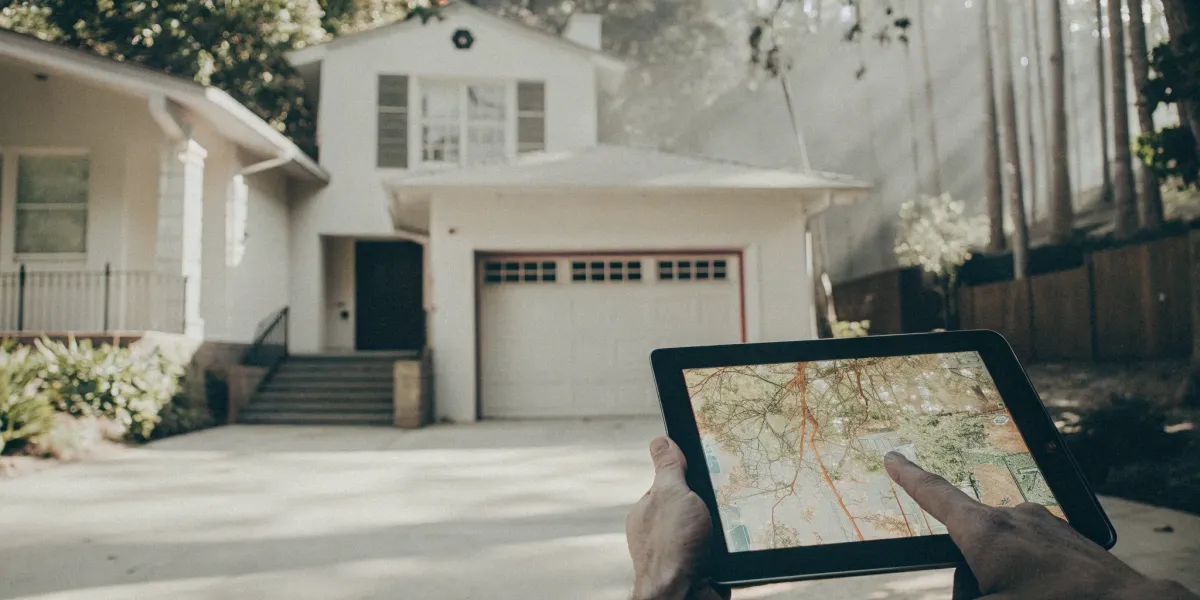
When you think of a wildfire, you might picture a massive wall of flames. But the reality is that most homes are lost to something much smaller: wind-blown embers that land on flammable materials near the house. That’s why a property-specific assessment is so crucial. It helps you see your home through the eyes of an ember, identifying the exact spots where you're most vulnerable. A great wildfire risk tool moves beyond general warnings and gives you a targeted to-do list to harden your home, turning overwhelming anxiety into a manageable action plan.
Key Takeaways
- Your Home's Unique Risk Profile Is What Matters Most: General risk maps provide context, but a property-specific assessment gives you a real action plan. The most effective tools analyze your home's construction, surrounding vegetation, and topography to pinpoint the exact vulnerabilities you can fix to protect against embers.
- An Assessment Is a Starting Point, Not a Final Grade: Your wildfire risk changes with the seasons and any updates you make to your property. Use your report to create a prioritized to-do list and schedule annual maintenance to keep your defensible space effective year after year.
- A Good Report Is Your Key to Insurance and Community Safety: A clear, data-driven assessment is a powerful document to share with your insurance provider, demonstrating your proactive efforts to reduce risk. It also provides a foundation for working with neighbors to create a more fire-resilient community.
What Is a Wildfire Risk Tool for Your Home?
A home wildfire risk assessment tool gives you a clear, personalized picture of your property's vulnerability to wildfire. Think of it as a specialized check-up for your home's safety in a fire-prone environment. These tools go beyond general regional warnings to analyze the specific conditions on and around your property.
At its core, wildfire risk is a combination of two key things: hazard and vulnerability. "Hazard" refers to how likely a wildfire is to occur in your area and how intense it might be. "Vulnerability" is about how exposed your home and property are, and how susceptible they are to damage from flames or embers. A good assessment tool examines both of these elements to give you a complete understanding of your situation. It moves you from a place of uncertainty to one of informed action, providing a roadmap to better protect your home and family.
The Growing Need for Wildfire Awareness
It seems like every year, the wildfire season gets longer and more intense, and it’s not just your imagination. Wildfires are becoming a more significant and frequent threat across the globe. Research points to a combination of factors driving this trend, noting that fires are getting worse due to "changes in climate, how land is used, and how many people live in certain areas." This isn't just a distant problem you see on the news; it's a reality that is moving closer to more communities every year. This growing risk makes it more important than ever to stop thinking of wildfires as a remote possibility and start actively understanding how they could impact your home and your safety. Awareness is the first, most critical step toward meaningful preparation.
A Global Concern
Wildfires are now recognized as a major natural hazard that can affect communities far and wide. In the United States, FEMA’s National Risk Index helps officials and residents understand their potential exposure to wildfire, placing it alongside other major events like floods and hurricanes. While these large-scale tools are excellent for showing the big picture, they also highlight the need for a more localized approach. Knowing that your county is at risk is one thing, but understanding the specific vulnerabilities of your own property is what allows you to take effective action. The global scale of the problem underscores a simple truth: real protection starts right in your own backyard, with a clear view of your personal risk.
Shifting Management Goals
The way experts think about fighting wildfires is also changing. For a long time, the primary goal was simply to reduce the total number of acres burned. Now, there’s a growing understanding that a more effective strategy is to minimize the actual damage done. As one wildfire risk study explains, the focus is shifting toward "reducing the actual damage and losses that fires cause to communities and the environment." This is a powerful change because it puts more control back into the hands of homeowners. It means that creating defensible space and hardening your home against embers aren't just small tasks—they are central to the modern approach of living more safely with fire.
Why Your Home Needs a Wildfire Risk Assessment
Knowing your wildfire risk is the first step toward reducing it. An assessment doesn't just give you a score; it gives you power. It helps you understand exactly how changes to your home and yard can make a real difference in its ability to survive a wildfire. This knowledge is crucial for creating a defensible space—the buffer zone around your home that can slow or stop a fire's spread.
On a larger scale, individual assessments contribute to broader community safety. When homeowners take proactive steps, they help create more fire-resilient neighborhoods, which is a key goal of Community Wildfire Protection Plans. Beyond safety, a formal assessment can be a critical document for securing or maintaining homeowners insurance, as many providers now require proof of risk mitigation in high-hazard areas.
How Do These Wildfire Risk Tools Work?
Wildfire risk assessment tools work by analyzing a variety of data points specific to your property. They look at factors like the type and density of vegetation near your home, the slope of your land, your roofing materials, and the overall construction of your house. Some tools use satellite imagery and advanced algorithms, while others guide you through a self-assessment process.
The information gathered provides a detailed analysis of your property's unique vulnerabilities. The output is typically a risk score or rating and a report that outlines specific, prioritized actions you can take. This data is similar to what professionals use for large-scale wildfire management planning, but it’s scaled down to focus on your individual parcel. The goal is to translate complex environmental data into a simple, actionable plan for you.
Breaking Down the Four Parts of Wildfire Risk
When experts talk about "wildfire risk," they aren't just talking about the chance of a fire starting. True risk is a more complex picture, and understanding its parts helps you see where you can make the biggest impact. Think of it as an equation with four key variables. First is Likelihood and Hazard, which is the probability of a wildfire occurring in your area and how intense it could become based on factors like climate and common weather patterns. Next is Exposure—this is simply what’s in the potential path of a fire, like your home, your detached garage, and the surrounding landscape. These first two factors are often beyond your direct control.
The last two parts are where your actions really matter. Vulnerability measures how susceptible your home is to damage if it's exposed to fire. This is all about your defensible space, your home's building materials, and its specific design features. Finally, there's Coping Capacity, which is the ability of you and your community to prepare for and respond to a fire. This includes things like having clear evacuation routes and access for firefighters. A comprehensive wildfire risk model looks at all four of these connected pieces to give you a full understanding of your situation.
The Technology Behind the Predictions
Modern wildfire risk assessments are far more than a simple checklist; they are powered by sophisticated technology that analyzes massive amounts of data. These tools use high-resolution satellite imagery, aerial data, and detailed topographical maps to get a bird's-eye view of your property and the surrounding landscape. They can identify the type and density of vegetation, measure the slope of your land, and even assess the proximity of neighboring structures—all factors that heavily influence fire behavior. This data is then fed into powerful computer models that can simulate how a fire might spread under various weather conditions.
These simulations run thousands of potential scenarios to predict a fire's path and intensity. This is the same kind of advanced modeling that helps fire agencies plan for large-scale events, but it’s scaled down to focus on your specific parcel. By combining this landscape-level data with information about your home's construction, a tool like Defensible Space Score can move beyond a general regional forecast. It provides a highly personalized report that pinpoints your exact vulnerabilities and gives you a clear, actionable path to improve your home's resilience against embers and flames.
Understanding Key Risk Metrics
When you start looking into wildfire risk, you might come across some official-sounding terms and scores. It’s helpful to know what they mean. One common metric you might see is from FEMA's National Risk Index, which gives communities a comparative score. This index tells you how a community’s wildfire risk stacks up against other places in the country. It’s a great tool for understanding the big picture and for regional planning, but it doesn’t tell you much about the specific risk to your front door.
Another term you may encounter is "Expected Annual Loss," or EAL. This is a statistical calculation that estimates the average cost of wildfire damage a community might face in any given year. It’s not a bill or a prediction for this year; it’s an average used by insurers and planners to understand the long-term financial risk. While these community-level metrics provide important context, remember that they are just one piece of the puzzle. Your property-specific vulnerabilities—and the actions you take to fix them—are what will ultimately determine your home's ability to survive a wildfire and can significantly influence your insurance options.
Myths About Wildfire Risk Tools, Busted
One of the biggest myths about wildfires is that homes are destroyed by a massive, unstoppable wall of flame. In reality, most homes are lost due to small, wind-blown embers that land on or near the house and ignite flammable materials. This is a key reason why a property-specific assessment is so important—it identifies the exact spots where your home is most vulnerable to these ember attacks.
Another common point of confusion is the difference between a broad, community-level risk map and a home-specific assessment. While regional maps are useful for understanding general hazards, they can't tell you about your home's unique susceptibility. As experts point out, the only way to truly understand your home's specific risk is through an individual assessment that looks at your defensible space, building materials, and other property-level details.
What Makes a Great Wildfire Risk Tool?
Not all wildfire risk tools are created equal. Some give you a vague, county-level overview, while others provide a detailed analysis of your specific property. When you’re trying to protect your home and family, the details matter. A great assessment tool moves beyond just data and gives you a clear path forward. It should function as your trusted guide, helping you understand your unique situation and showing you exactly how to make your property safer. As you compare your options, look for a tool that checks these four essential boxes.
Look for a Complete Risk Analysis
A top-tier assessment tool looks at the big picture and the tiny details. It should analyze multiple factors beyond just your location on a map. This includes the type and density of vegetation on and around your property, the slope of your land, and even your home’s construction materials. A truly comprehensive risk analysis considers how all these elements interact to create your specific risk profile. It won’t just tell you that you live in a high-risk region; it will tell you why your specific property is at risk, pointing to the overgrown shrubs near your deck or the pine needles collecting on your roof.
Prioritize an Easy Interface and Clear Reports
You shouldn’t need a degree in fire science to understand your wildfire risk. The best tools present their findings in a clear, intuitive way. Look for a platform with a user-friendly interface that uses visuals, like interactive maps and simple scoring systems, to explain complex information. The goal is to get an individual home assessment that makes sense to you. A detailed report is useless if it’s buried in technical jargon. You want a summary that you can easily read, understand, and, most importantly, act on.
Get Recommendations You Can Actually Use
A risk score is just a number. What truly matters is what you do with it. A valuable assessment tool won’t just identify problems; it will give you a prioritized list of solutions. These recommendations should be specific and practical, like “trim tree limbs so they are at least 10 feet away from the chimney” or “screen vents with 1/8-inch metal mesh.” This turns a potentially overwhelming situation into a manageable to-do list. Your assessment should serve as a clear, step-by-step guide to making your home more resilient against wildfires.
Check for Insurance and Resource Links
In many areas, your ability to get and keep affordable homeowners insurance is directly tied to your wildfire risk. A powerful assessment tool generates a professional, data-backed report that you can share with your insurance agent to demonstrate your proactive mitigation efforts. This can make a huge difference when insuring your home. Some tools may also connect you with other resources, such as certified contractors who specialize in defensible space or information on local grants that can help fund your mitigation work.
5 Top-Rated Wildfire Risk Assessment Tools
With so many resources available, finding the right tool to assess your home's wildfire risk can feel overwhelming. The good news is that you have options, from high-level community risk maps to detailed, property-specific evaluations. Each tool offers a different perspective, and understanding what each one does best is the first step toward making informed decisions. Some tools give you a bird's-eye view of your entire neighborhood, helping you understand the landscape-level factors at play. Others zoom in on the specific vulnerabilities within feet of your home—the things you can directly control.
The best approach often involves using a combination of these resources to build a complete picture of your situation. Think of it like a health check-up: you might look at broad community health statistics, but you also need a personal exam to understand your own health. Similarly, knowing your community's risk is important, but a property-specific assessment gives you an actionable plan. This list covers a range of tools, each with its own strengths, to help you find the right fit for your needs, whether you're just starting to learn about wildfire safety or you're looking for specific data to share with your insurance provider.
Defensible Space Score
Defensible Space Score gives you a clear, data-driven look at your property's immediate surroundings. This tool focuses on what is often the most critical factor in a home's survival: the condition of its defensible space. It analyzes the vegetation, structures, and other elements near your house that could fuel a fire. As experts at Living With Fire point out, "Most homes are destroyed during wildfire by burning embers landing on, in or near the house on something easy to ignite." This tool helps you find and manage those ignition points, providing a straightforward score and a prioritized list of actions. It’s designed to be actionable, helping you make targeted improvements that can also support your efforts to get or keep homeowners insurance.
Firewise USA Assessment
The Firewise USA® program, run by the National Fire Protection Association (NFPA), is a community-focused framework that helps residents work together. A key part of this program is the home ignition zone assessment, which guides you in evaluating your home and the area immediately around it. This process encourages you to look at your property like a firefighter would, identifying vulnerabilities in your roof, vents, decks, and landscaping. Research from the Northeast Region Cohesive Wildland Fire strategy confirms that "making just a few Firewise improvements to your home and property can greatly reduce the risk of losing your home to a wildfire." It’s a fantastic option if you want to collaborate with your neighbors to create a safer community.
Wildfire Risk to Communities
Developed by the USDA Forest Service, Wildfire Risk to Communities is a free, user-friendly online tool that gives you a high-level overview of wildfire risk across the United States. You can search for your town or county to see its exposure to wildfire, its potential vulnerabilities, and how its risk profile compares to other areas. While it’s an excellent resource for understanding the bigger picture, the tool itself is clear about its limitations. As stated on their website, "The only way to truly assess home susceptibility is through individual home assessments, which are well beyond the scope of Wildfire Risk to Communities." Use it to grasp your community's context, then pair it with a property-specific tool for a complete picture.
A Tool for Community-Level Planning
This tool is most powerful when used for its intended purpose: helping communities understand and plan for their collective risk. It gives local leaders, fire departments, and city planners a bird's-eye view, showing them which areas are most vulnerable across an entire county or region. This data helps them make critical decisions about where to focus their efforts, whether it’s by prioritizing fuel reduction projects in a specific canyon or launching public education campaigns in a new subdivision. While it won't detail the risks in your backyard, it provides the foundation for creating stronger, more resilient neighborhoods through initiatives like Community Wildfire Protection Plans, which ultimately benefit every homeowner in the area.
CAL FIRE's Ready for Wildfire
For California residents, CAL FIRE’s Ready for Wildfire program is an essential resource. It offers a wealth of information, checklists, and guides to help homeowners prepare for wildfire season. A key component is its focus on creating defensible space and hardening your home against embers. The program is part of a larger effort to create a Wildfire Prepared Home, which "empowers homeowners to take science-based, proven steps to meaningfully reduce wildfire risk to their home and property." While not a digital assessment tool like others on this list, its detailed guidelines function as a robust self-assessment framework, helping you systematically inspect your property and implement proven safety measures.
Pyrologix Risk Assessments
Pyrologix is a firm specializing in advanced wildfire risk analysis, providing data for government agencies, utility companies, and insurers. While their services are often for large-scale clients, their insights are valuable for homeowners seeking a deeper understanding of regional risk. Pyrologix "creates wildfire risk data for the whole United States" and also develops detailed models for specific counties and communities. Homeowners can often access this data through their local fire safe councils, community wildfire protection plans (CWPPs), or even their insurance providers. This information can help you understand the probability and intensity of potential wildfires in your area, adding another layer of context to your property-specific preparations.
FEMA National Risk Index
The FEMA National Risk Index is another tool that helps put wildfire danger into perspective on a larger scale. It’s designed to help communities understand their risk from 18 different natural hazards, including wildfires. This tool provides a comparative look, showing how likely one community is to experience a wildfire compared to others across the country. It also calculates an "Expected Annual Loss," which estimates the financial damage a community might face from wildfires each year. While it’s an incredibly useful resource for town planners and emergency managers, it’s not designed to give you a property-specific action plan. Think of it as a high-level weather forecast for your region; it tells you to prepare for rain, but you still need to check if you left your own windows open.
The Professional Wildfire Risk Assessment Process
Moving from a broad community overview to a detailed property analysis involves a more formal process. A professional wildfire risk assessment isn't just a simple checklist; it's a comprehensive evaluation that uses scientific modeling to understand how a fire might behave on and around your property. The main goal is to combine all the different factors—from your roofing material to the slope of your driveway—into a single, clear rating or map that you can actually use. This process is critical because it helps experts and homeowners understand why fires start, what their effects could be, and how to best manage them.
These assessments are valuable at every stage of wildfire preparedness. Before a fire, they provide a clear roadmap for mitigation work, helping you focus your time and money on the changes that will make the biggest impact. During a fire, the information can help firefighters understand a home's vulnerabilities and defend it more effectively. And after a fire, a well-documented assessment can be a crucial tool for recovery and rebuilding. It’s a systematic approach that turns the complex science of fire behavior into a practical strategy for protecting your home.
The 5 Steps of a Formal Assessment
A formal wildfire risk assessment generally follows a structured, five-step process to ensure nothing gets missed. First, you find fire hazards by methodically looking for anything on your property that could easily ignite, from a pile of dry leaves to an old woodpile stacked against the house. Second, you identify who might be at risk, considering family members, pets, and anyone with mobility challenges, and planning clear evacuation routes. The third and most important step is to deal with those risks by actively removing or reducing the hazards you found. This is where you create your defensible space and harden your home.
Once you’ve taken action, the fourth step is to record your findings and create a plan. Writing down what you’ve done provides a valuable record for your insurance company and helps you create a clear emergency plan for your family. Finally, the fifth step is to review your assessment regularly. Wildfire risk isn't a one-and-done issue. Vegetation grows back, new vulnerabilities can appear, and your plan may need updating. A yearly review keeps your home prepared season after season.
Key Items to Check During an Assessment
When you or a professional assesses your property, the focus is on the specific details that determine how your home will fare against embers. The evaluation starts with your defensible space—the critical buffer zone around your house. This includes checking the type, amount, and location of vegetation within 100 feet of your home. The assessment will also closely examine your home's construction. Key items include your roofing material (is it Class A fire-rated?), the condition of your vents (are they screened to block embers?), and the materials used for your siding and deck. Even small details, like whether you have flammable items stored under your deck, are crucial parts of a thorough check.
DIY vs. Hiring a Professional Assessor
You have two main paths for getting a wildfire risk assessment: doing it yourself or hiring a professional. A DIY assessment is a great starting point. Using guides from resources like your local fire department or the Firewise USA® program, you can walk your property and identify many of the most common vulnerabilities. This is an empowering way to get familiar with your home's specific risks and start tackling the most obvious fixes. However, if you feel short on time or expertise, or if you need a formal report for your insurance provider, hiring a professional is the way to go.
A professional assessor brings a trained eye and specialized knowledge to the process. They can spot subtle risks you might overlook and provide a detailed, data-backed report that carries weight with insurers. Our platform, Defensible Space Score, is designed to bridge this gap, giving you a professional-grade, data-driven analysis with the ease of a digital tool. While your local fire department can offer valuable advice, they typically won't perform the assessment for you. Ultimately, the right choice depends on your comfort level and your specific needs, but taking either path is a huge step toward a safer home.
Which Wildfire Risk Tool Is Right for You?
With several wildfire risk assessment tools available, picking the right one can feel like a big decision. The best tool for your neighbor might not be the best one for you. Your choice depends on your specific property, your budget, and even your insurance situation. Think of it less like finding the single "best" tool and more like finding the right partner to help you protect your home.
Some tools provide a high-level overview of risk in your general area, which is a great starting point. However, to get a truly accurate picture, you need an assessment that looks at your home specifically. The most effective tools go beyond regional data to analyze the unique features of your property—from the type of siding on your house to the trees in your yard. To make a confident choice, you’ll want to weigh a few key factors. Consider what makes your property unique, what resources you have available, and what you need to satisfy your insurance carrier. Breaking it down this way makes it much easier to find a tool that gives you clear, practical steps to improve your home’s safety.
Factor in Your Location and Property Type
Wildfire risk isn’t one-size-fits-all. While community-level maps are useful for understanding broad trends, they can’t tell you the specific vulnerabilities of your home. The only way to truly understand your home's susceptibility is through an individual home assessment that examines the details unique to your property.
A great tool will analyze factors like your home’s building materials, the slope of your land, and the types of vegetation in your defensible space zones. It should also consider local climate conditions and typical weather patterns. This personalized approach moves beyond generic advice and gives you a clear, accurate picture of your actual risk, which is the first step toward making meaningful safety improvements.
Think About Cost and Accessibility
Protecting your home from wildfire doesn’t have to break the bank. There are many excellent resources available, ranging from free community programs to more detailed, paid professional assessments. Your first step is to see what’s offered in your area. Many local fire departments and community organizations provide free guidance and support.
Programs like Firewise USA are a key part of creating fire-adapted communities and often connect homeowners with educational materials and expert advice. Exploring these community tools can be a fantastic, budget-friendly way to get started. If you need a more in-depth analysis for insurance or peace of mind, investing in a specialized digital or professional assessment can provide the detailed, actionable report you’re looking for.
Will Your Insurance Accept the Report?
Your wildfire risk assessment is more than just a safety checklist; it’s a critical document for your homeowner's insurance. As insurers become more selective in high-risk areas, being able to demonstrate that you’ve taken proactive steps to mitigate your risk is essential. A good assessment tool will provide a clear, data-backed report that you can share with your insurance agent.
This report can help you secure or maintain coverage and may even help you avoid being underinsured. Insurers pay close attention to specific vulnerabilities, like wood shake roofs or dense vegetation near the house, as these are top risk factors. Choosing a tool that generates an insurance-friendly report gives you the documentation you need to prove your home is a defensible property.
How to Put Your Assessment Results to Work
Once you’ve chosen a wildfire risk assessment tool, the next step is to use it to its full potential. Think of your assessment report as a personalized roadmap for making your property safer. It’s not just about getting a score; it’s about understanding what that score means and turning those insights into a clear, manageable action plan. The more accurate information you provide, the more tailored and useful your results will be.
Getting the most out of your assessment comes down to three key steps: preparing your property information thoroughly, digging into the details of your risk score, and using the recommendations to prioritize your improvements. A good tool will guide you through this process, but your engagement is what makes it truly effective. By approaching your assessment with a plan, you can move from simply knowing your risk to actively reducing it. Let’s walk through how to make that happen.
Gather Your Property Details First
Before you start your assessment, take a few minutes to gather key details about your property. The accuracy of your report depends entirely on the quality of the information you input. Have your property address, lot size, and a general idea of the surrounding topography on hand. You’ll also want to note the primary materials of your home’s construction, like your roof and siding.
Take a walk around your yard and identify the types of vegetation you have and their proximity to your home. Note where you have dense shrubs, overhanging tree branches, or piles of dry leaves and pine needles. The goal of a wildfire risk assessment process is to understand your property’s unique strengths and vulnerabilities, and having this information ready will give you the clearest possible picture.
What Does Your Risk Score Actually Mean?
When you get your results, it’s easy to focus on a single number or rating. But a score—whether high or low—is just the beginning of the story. To truly understand risk, you need to look at the factors that contribute to it. A comprehensive report will break down why your property received a certain score, highlighting specific areas of concern.
Look past the overall rating and read the details. Does the report flag the woodpile stacked against your house? Does it mention the overgrown vegetation on the north side of your property? These specific data points are where the real value lies. They show you exactly where your vulnerabilities are, transforming a generic risk level into a specific, addressable problem.
Decide What to Tackle First
Your assessment report will likely come with a list of recommendations. Looking at everything at once can feel overwhelming, so the key is to prioritize. You don’t have to tackle every project immediately. Start by focusing on the most critical tasks that offer the biggest safety improvement for the least amount of effort or cost.
Often, the most effective actions are the simplest, like cleaning gutters and removing dead vegetation within five feet of your home. Programs like Wildfire Prepared Home emphasize that science-based steps can meaningfully reduce your risk. A good assessment tool will help you identify these high-impact actions, allowing you to create a phased plan that you can work through over time.
You Have Your Assessment—Now What?
Getting your wildfire risk score is a fantastic first step, but it’s what you do next that truly matters. Think of your assessment report as a personalized roadmap to a safer, more secure property. It pinpoints your specific vulnerabilities and gives you the power to address them head-on. Instead of feeling overwhelmed by the "what ifs," you now have a clear, prioritized list of actions that can make a real difference for your home and family. This proactive approach not only enhances your safety but can also be a critical factor in maintaining your homeowners insurance in high-risk areas, demonstrating to providers that you are actively managing your risk.
The goal isn't to tackle everything at once. It's about making steady, meaningful progress. By breaking down the recommendations into manageable tasks, you can systematically reduce your risk and improve your home's resilience against wildfire. The following steps will guide you through turning your assessment results into a concrete plan. From creating a household strategy to making physical improvements and connecting with your neighbors, you have a clear path forward. This is your opportunity to take control and build a more defensible and secure future for your property. Let's get started.
Build Your Family's Wildfire Action Plan
Your assessment gives you the "what," but a wildfire action plan defines the "how" and "when." This is your family's playbook for preparedness. It should outline your evacuation routes (have at least two!), a communication plan for how you’ll connect if separated, and a go-bag checklist. Your plan should also include a timeline for completing the property improvements recommended in your risk assessment. Writing it all down ensures everyone in your household is on the same page.
On a larger scale, you can work with neighbors to assess community risk and develop a shared strategy. These efforts do more than just reduce fire danger; they build stronger community bonds and create a network of support when it’s needed most.
Start Creating Your Defensible Space
This is where you can make the biggest impact. Your assessment tool likely gave you specific recommendations for creating defensible space—the buffer zone you create between your home and the surrounding vegetation. Research shows that making even a few key Firewise improvements can dramatically reduce the chance of losing your home to a wildfire.
Start with the highest-priority items on your report. This often includes simple but effective tasks like clearing dead leaves from your roof and gutters, trimming tree branches that hang over your house, and moving woodpiles at least 30 feet away from any structures. From there, you can work on bigger projects like replacing flammable mulch with gravel or installing fire-resistant siding.
Tap into Local Fire and Community Resources
You don't have to do this alone. Wildfire preparedness is a community-wide effort, and your local fire department is your best ally. They can offer expert advice tailored to your area, clarify local fire codes, and inform you about programs that might be available to help homeowners. Many fire professionals are happy to provide guidance on your defensible space plan.
Engaging with your neighbors is just as important. Many communities have established programs and tools for wildfire risk reduction that emphasize collaboration. By working together, you can tackle larger projects like clearing shared spaces or creating a neighborhood phone tree. A prepared community is a more resilient one.
How Often Should You Reassess Your Wildfire Risk?
Getting your initial wildfire risk assessment is a fantastic first step, but it’s not a one-and-done task. Think of it more like a regular health check-up for your property. Your home’s vulnerability can change based on the weather, updates you make to your property, and even shifts in the surrounding landscape. Staying on top of these changes is key to keeping your home safe and your insurance coverage secure. This isn't about creating constant worry; it's about empowering yourself with current information so you can make smart, timely decisions.
So, how often should you pull up your assessment and take a fresh look? While there isn’t a single magic number, there are clear triggers that should prompt a review. Establishing a regular rhythm for reassessment helps you move from a reactive mindset to a proactive one, ensuring you’re always prepared for what the next fire season might bring. By making it a routine, you can catch small issues before they become major risks and adapt your wildfire action plan as your circumstances evolve.
When Seasons and Weather Change
Wildfire risk isn't static; it ebbs and flows with the seasons. A property that seems low-risk during a wet spring can become highly vulnerable after a long, dry summer. Because risk can fluctuate so much with weather, it’s smart to reassess your property at the beginning of each fire season. This is especially important if you live in an area prone to drought or high winds, which can quickly escalate fire danger. Making this an annual habit, just like spring cleaning, ensures your defensible space is ready for the peak season. Taking a few simple steps can help you prevent wildfires before they ever start.
After Any Landscaping or Home Updates
Did you just finish a big landscaping project or build a new deck? Any time you make significant changes to your home or yard, it’s time for a risk reassessment. Adding a wooden fence, planting a new row of shrubs, or even changing your roofing material can alter how a wildfire might behave around your home. According to the National Fire Protection Association, even small modifications can impact your overall risk profile. The good news is that you can make smart choices during these projects. By consulting the available Firewise USA® resources, you can ensure your home improvements also improve your safety.
When New Fire Maps or Data Are Released
Your home’s safety isn’t just about what happens within your property lines. It’s also influenced by the broader community and environment. Local fire departments and state agencies regularly update risk maps and fire data, which could change your property’s official risk level. You should stay informed about these updates, as well as any changes to your community’s wildfire protection plan. Following your local fire district on social media or signing up for their newsletter is a great way to get timely information. Understanding the official wildfire risk assessment process can also give you valuable context for how your area is being evaluated and protected.
3 Common Mistakes to Avoid with Wildfire Risk Tools
Getting your wildfire risk score is a fantastic first step, but the real work begins once you have your report. A common pitfall is treating the assessment as a finish line rather than a starting line. To get the most out of your results and truly make your property safer, it’s important to avoid a few key mistakes. Many homeowners get their score, feel a sense of relief or urgency, and then stop there. But an assessment is a dynamic tool, not a static grade. Let's walk through how to sidestep these common errors, ensuring your efforts lead to lasting safety and peace of mind.
Mistake #1: Thinking It's a One-and-Done Task
Think of your defensible space as a garden, not a sculpture. It requires regular attention to stay in shape. A wildfire risk assessment provides a snapshot in time, but your landscape is constantly changing. Grasses grow, trees drop leaves and needles, and new vegetation can sprout up. A pristine, clear zone around your home can become a fuel-laden hazard in just one season if left unattended.
Treating your defensible space as a one-and-done project is one of the biggest mistakes you can make. Instead, create a simple annual maintenance calendar. Schedule time in the spring to clear out winter debris and trim back new growth. This ongoing effort not only keeps your property safe but can also inspire neighbors to do the same, building a more resilient and prepared community. These shared efforts are the foundation of effective Community Wildfire Protection Plans that protect entire neighborhoods.
Mistake #2: Focusing Only on Your Property Line
Wildfire doesn't stop at fences or property lines. While your assessment tool will rightly focus on the immediate area around your home—the zones you can directly control—your home’s actual risk is influenced by the entire neighborhood and surrounding landscape. An ember can travel more than a mile on the wind, meaning the condition of your neighbor’s woodpile or the overgrown vacant lot down the street can directly impact your safety.
While a tool like Wildfire Risk to Communities provides a broad overview, your individual home assessment is where you can take direct action. Use your report to manage what you can, but also take a walk around your neighborhood. Are there community-wide risks you can address with your neighbors or local fire safe council? Understanding how your property fits into the bigger picture is key to comprehensive protection. True resilience is a collective effort.
Mistake #3: Overlooking Your Evacuation Plan
Your risk assessment score is all about protecting your house, but your top priority should always be protecting your life and your family. It’s easy to get so focused on clearing brush and hardening your home that you forget the most important plan of all: your evacuation plan. A low risk score doesn't mean you'll never have to evacuate. Wildfires are unpredictable, and you need to be ready to leave at a moment's notice.
Use your assessment as a catalyst to create or review your family’s emergency plan. Do you have a "go bag" packed for everyone in the house, including pets? Do you know at least two different evacuation routes out of your neighborhood? Have you designated a meeting place? Your property preparedness and your personal preparedness must go hand-in-hand. A fire-resistant home is an incredible asset, but only if its occupants get out safely.
Related Articles
- Get a Wildfire Hazard Assessment: A Complete Guide
- How to Get a Free Wildfire Risk Assessment
- Get Your Free Wildfire Risk Score by Address
- A Guide to Home Ignition Zone Assessment
- How Is a Wildfire Risk Score Calculated? A Guide
Frequently Asked Questions
What's the difference between a free community risk map and a detailed assessment tool? Think of it like this: a free community map tells you if you live in a neighborhood known for catching colds, while a detailed assessment is like a personal check-up that tells you if your immune system is strong. The broad maps are great for understanding your general regional hazard, but they don't see the specifics of your property, like the woodpile next to your house or the pine needles in your gutters. A property-specific tool analyzes those unique details to give you a much more accurate and actionable picture of your true risk.
My risk score is high. Should I panic? Absolutely not. A high score isn't a judgment; it's a starting point. In fact, knowing your score is the most powerful position you can be in because now you have a clear, prioritized to-do list. Instead of worrying about a vague threat, you can focus your energy on specific, manageable tasks that will make a real difference. The best tools are designed to turn that high score into a step-by-step plan for making your home safer.
Will a good assessment score guarantee I can get homeowners insurance? While a good score and a professional report can significantly improve your chances, there are no guarantees. Insurance providers look at many factors, including your home's specific risk, your claims history, and the overall risk profile of your entire region. However, providing a data-backed report that shows your low risk and the mitigation work you've done is one of the strongest things you can do. It demonstrates that you are a proactive and responsible homeowner, which can make you a much more attractive client.
How much time does it take to make the recommended improvements? This really depends on your specific report and your property. The good news is that you don't have to do everything at once. Many of the highest-impact actions are simple maintenance tasks you can complete in a single weekend, like clearing dead vegetation from the first five feet around your home. Your assessment should help you prioritize, allowing you to tackle the most critical items first and then work on larger projects over time as your budget and schedule allow.
Can I just use a checklist from my local fire department instead of a digital tool? Fire department checklists are fantastic resources, and you should definitely use them. They provide a solid foundation for wildfire preparedness. A digital assessment tool builds on that foundation by adding a layer of data analysis and personalization. It can analyze factors like vegetation density and slope in a way a simple checklist can't, often providing a prioritized action plan and a formal report you can share. Using both together gives you the best of both worlds.