What Are California Defensible Space Requirements?
Get clear answers on California defensible space requirements, including the 100-foot rule, zone guidelines, and tips to keep your home wildfire safe.

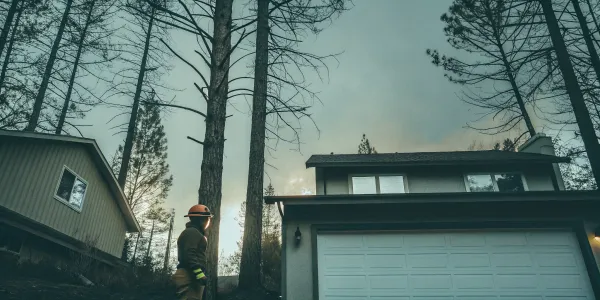
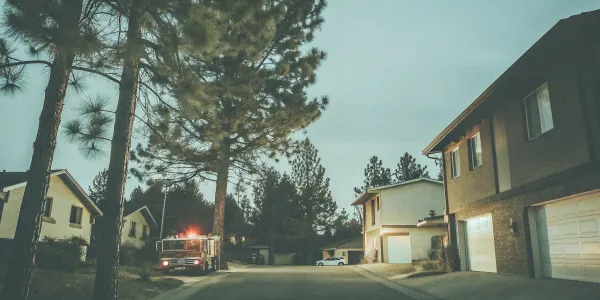
When you create defensible space, you’re doing more than just protecting your own house—you’re contributing to the safety of your entire community. Wildfires don’t respect property lines, and a single vulnerable home can put a whole neighborhood at risk. More importantly, a well-maintained property gives firefighters the safe access they need to do their jobs effectively. When first responders arrive, they must make split-second decisions about which homes they can safely defend. Adhering to the California defensible space requirements ensures your home is one they can protect, strengthening the collective defense for everyone on your street.
Key Takeaways
- Treat the 100-Foot Rule as a Non-Negotiable: California law requires this buffer zone to give your home a fighting chance and provide a safe area for firefighters. Meeting this standard is also becoming essential for maintaining your homeowner's insurance.
- Break Down the Work with the Three-Zone Method: Systematically reduce wildfire risk by creating a non-combustible perimeter right next to your house (0-5 ft), maintaining a clean and green landscape further out (5-30 ft), and reducing overall fuel in the outermost area (30-100 ft).
- Make Maintenance a Year-Round Habit: Creating defensible space is not a one-time project. It requires consistent, seasonal attention—like clearing fallen leaves and pruning plants—to ensure your home remains protected year after year.
What is Defensible Space and Why is it a California Law?
If you live in California, you’ve probably heard the term "defensible space," but what does it actually mean? Think of it as a buffer zone you create between your home and the surrounding wildland. The official definition describes it as "the area between a house and an oncoming wildfire where the vegetation has been modified to reduce the wildfire threat and allow firefighters to safely operate." It’s your home’s first line of defense, designed to slow or stop an approaching fire and give firefighters a safer area to work in.
This isn't just a friendly suggestion—it's the law. California requires homeowners in high-risk fire areas to maintain at least 100 feet of defensible space around their homes. This mandate was put in place because creating these buffers is one of the most effective ways to protect individual properties and entire communities from devastating wildfires. Understanding the factors that influence a homeowner's decision to create this space is key, but the bottom line is that it’s a legal responsibility that directly impacts your safety and your home’s chances of survival.
How Defensible Space Protects Your Home
Creating defensible space is a strategic way to manage the landscape around your property. The 100-foot requirement is broken down into different zones, each with its own set of guidelines. The area closest to your house (Zone 0, from 0-5 feet) is the most critical and should be free of flammable materials. As you move further away, the rules shift to focus on thinning out vegetation, pruning trees to remove "fuel ladders" that fire can climb, and ensuring plants are properly spaced. Following this homeowner's guide helps create a landscape that is less likely to carry a fire directly to your doorstep, significantly improving your home's odds during a wildfire.
Understanding the Law and Its Penalties
California's 100-foot defensible space requirement is a serious legal obligation. Failing to maintain this space can result in fines and, just as importantly, can make it much harder to get or keep your homeowner's insurance. Insurers are increasingly using defensible space assessments to determine risk, and a non-compliant property can lead to higher premiums or even non-renewal of your policy. While local fire agencies are responsible for enforcement, reports from the state's Legislative Analyst's Office show that promoting defensible space can be challenging due to funding and staffing. This makes it even more important for you, as a homeowner, to be proactive about compliance to protect your property and your finances.
What Are California's Defensible Space Requirements?
If you live in a wildfire-prone area of California, the term "defensible space" is more than just a safety tip—it's the law. State regulations are in place to give your home a fighting chance against an approaching wildfire and to provide a safer environment for firefighters to protect your property. Think of it as a buffer zone you create between your home and the surrounding vegetation. This space is designed to slow or stop the spread of wildfire and protect your home from catching fire, either from direct flame contact or radiant heat.
The core of California's requirements is a 100-foot perimeter around your home and other structures. This isn't about clear-cutting your entire property. Instead, it’s about strategically managing vegetation in zones to reduce flammable materials, or "fuels." By maintaining this space, you not only safeguard your home but also contribute to the overall safety of your community. Complying with these laws is also becoming increasingly critical for maintaining homeowners insurance, as carriers are placing more emphasis on properties with proven wildfire mitigation efforts. Understanding these rules is the first step toward protecting your investment and, more importantly, your family.
Breaking Down the 100-Foot Rule
At the heart of California's wildfire safety regulations is the 100-foot rule. State law requires that homeowners create and maintain a 100-foot defensible space zone around their house and any outbuildings. This area is your first line of defense. The goal is to reduce or remove potential wildfire fuel, giving your home a better chance of survival. This 100-foot area is divided into distinct zones, each with its own set of rules for managing vegetation. The closer you get to your home, the stricter the requirements become. This tiered approach ensures the area immediately surrounding your home is as fire-resistant as possible.
Working with Neighbors and Property Lines
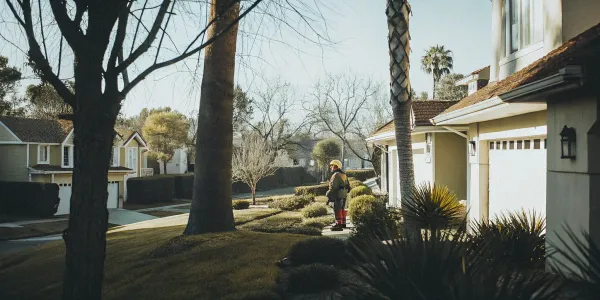
Wildfires don't stop at property lines, and neither should your defensible space efforts. It’s common for the 100-foot zone to extend into a neighbor's yard, which can feel tricky. This is where community collaboration comes in. The most effective fire protection happens when entire neighborhoods are on board. The best approach is to start a friendly conversation with your neighbors about your shared goals for safety. You can collaborate with neighbors to clear vegetation along shared property lines and ensure that your combined efforts create a seamless, effective buffer. Working together makes the job easier and creates a much safer environment for everyone.
Guidelines for Managing Vegetation
Properly managing the plants and trees on your property is the most important part of creating defensible space. In the zone stretching from 5 to 30 feet from your home, you should aim to create "islands" of well-spaced and maintained vegetation. It's crucial to prune trees and shrubs to eliminate fuel ladders—the vertical arrangement of fuels that can carry fire from the ground up into the tree canopy. Further out, in the 30-to-100-foot zone, the rules are a bit more relaxed, but maintenance is still key. Here, you’ll need to ensure trees have adequate horizontal space, keep grasses trimmed to four inches or less, and remove piles of dead leaves or needles.
How Do the Three Defensible Space Zones Work?
California’s 100-foot rule is broken down into three distinct zones, each with its own set of goals and requirements. Think of them as concentric circles around your home, designed to slow or stop an approaching wildfire. This zoned approach makes creating defensible space a much more manageable project. By focusing on one area at a time, you can systematically reduce your property’s risk and create a safer environment for your family and first responders. Let's walk through what you need to do in each zone.
Zone 0: The Ember-Resistant Zone (0-5 feet)
This is the most critical area, extending five feet out from the base of your home. Its main job is to prevent wind-blown embers from finding a place to land and igniting a fire right next to your house. Your goal here is to create a non-combustible perimeter. Replace flammable materials like bark or mulch with options like gravel, pavers, or concrete. It’s also essential to keep this area completely clear of debris. That means cleaning out gutters, sweeping roofs, and removing any dead leaves, weeds, or grass. Make sure to trim any tree branches so they are at least 10 feet away from your chimney, and keep the space under your deck clear of anything that could easily catch fire.
Zone 1: The Lean, Clean, and Green Zone (5-30 feet)
Spanning from 5 to 30 feet from your home, this zone is all about creating a buffer. The idea is to maintain a landscape that is, as the name suggests, lean, clean, and green. This is where you’ll do most of your landscaping maintenance to prepare for wildfire. Remove all dead plants, dry grass, and weeds from this area. You’ll also want to create space between trees, aiming for at least 10 feet between canopies to prevent fire from jumping from one to the next. Prune any large trees to keep the lowest branches 6 to 15 feet from the ground. Finally, clear away any flammable clutter from underneath balconies and stairs.
Zone 2: The Reduced Fuel Zone (30-100 feet)
The final zone extends from 30 feet all the way out to 100 feet from your home. The objective here isn't to clear the land completely, but to reduce the amount of fuel available to a fire. Cut or mow annual grass down to a maximum height of four inches. You can leave a thin layer of fallen leaves and needles (up to three inches deep), but anything more should be removed. Create horizontal and vertical space between shrubs and trees to break up the path a fire could take. If you have a woodpile, make sure it’s located in this zone and has at least 10 feet of clearance around it down to the bare soil.
Common Defensible Space Myths, Busted
When it comes to protecting your home from wildfire, misinformation can be just as dangerous as an overgrown tree. A lot of assumptions float around about what defensible space is and what it requires. Let's clear up some of the most common myths so you can focus on what really keeps your property safe. Understanding the facts is the first step toward meaningful action, ensuring your efforts not only comply with regulations but also genuinely reduce your home's vulnerability. From the 100-foot rule to ongoing maintenance, getting the details right can make all the difference for your family, your property, and the firefighters who protect it.
Myth: The 100-Foot Rule is Just a Suggestion
This is one of the most critical misunderstandings. The 100-foot defensible space zone isn't a friendly recommendation; it's a legal requirement under California state law. This mandate is in place for two primary reasons: to reduce the chance of your home catching fire from radiant heat or embers, and to provide a safer area for firefighters to work in when they need to defend your property. Think of it as a non-negotiable safety buffer. Some insurance carriers may even require a larger clearance area, so it's always best to treat the 100-foot rule as the absolute minimum standard for compliance and safety.
Myth: You Can Keep All Your Landscaping
Many homeowners worry that creating defensible space means they have to clear-cut their property and live in a barren landscape. Thankfully, that's not the case. The goal isn't to eliminate all vegetation but to manage it strategically. Creating defensible space involves maintaining three distinct zones, with fuel reduction becoming more stringent the closer you get to your home. It’s about choosing the right plants, spacing them properly, and keeping them lean, clean, and green. You can absolutely have a beautiful yard, but it requires a thoughtful approach to homeowner landscaping that prioritizes fire resistance.
Myth: It's a One-and-Done Job
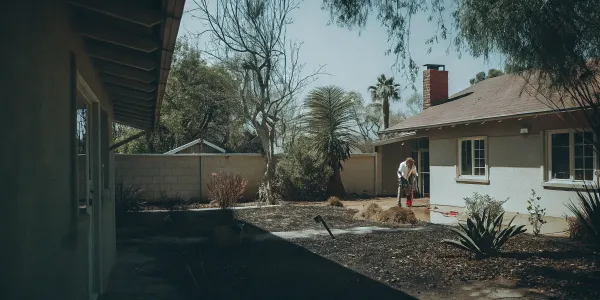
Creating defensible space is not a one-time project you can check off your list and forget about. It requires consistent, year-round attention. Grasses, shrubs, and trees are constantly growing, and dead leaves, pine needles, and branches accumulate over time. Just like any other part of your home maintenance routine, your defensible space needs regular upkeep to remain effective. You should plan to walk your property seasonally to clear away new debris, trim back growth, and ensure your zones are still in compliance. This ongoing maintenance is essential for keeping your home protected season after season.
Myth: State Rules Are the Only Rules
While California has a statewide 100-foot requirement, it's important to remember that this is the baseline. Your specific obligations might be stricter. Many local jurisdictions, such as counties or fire protection districts, have their own ordinances that may require additional measures. Furthermore, your homeowners insurance provider will have its own set of criteria for maintaining coverage in a high-risk area. It’s crucial to be aware of all three layers of requirements: state, local, and insurance. You can always visit the Cal Fire website as a starting point, but be sure to check with your local fire department for specific rules in your community.
How to Stay Compliant and Find Help
Creating and maintaining defensible space is an ongoing commitment, not a one-time project. But you don’t have to do it alone. Staying compliant with state and local regulations is much easier when you know where to turn for support. From year-round checklists to professional assessments and local partnerships, there are plenty of resources available to help you protect your property. Understanding these options can make the process feel less overwhelming and give you confidence that you’re taking the right steps. By breaking down the work into manageable tasks and leaning on expert guidance, you can effectively reduce your wildfire risk and keep your home and family safe.
Your Year-Round Maintenance Checklist
Defensible space requires ongoing maintenance. Think of it like tending a garden—it needs regular attention to stay healthy and effective. Debris can accumulate quickly, so you’ll want to check around your home and property regularly to keep it clear. A seasonal approach helps break the work into smaller, more manageable tasks.
- Spring: Clear away dead leaves, branches, and other vegetation that died off over the winter. This is also a great time to inspect your roof and gutters for any built-up pine needles or leaves.
- Summer: Keep your lawn mowed and hydrated to prevent it from becoming dry fuel. Continue to maintain clearance around structures and remove any new weeds or brush that have grown.
- Fall: As leaves begin to fall, make it a habit to rake them up and remove them from your property, especially from under decks and near your home’s foundation.
- Winter: This is an ideal time for pruning larger trees and shrubs while they are dormant. Remove dead limbs and ensure branches don’t overhang your roof.
Helpful Tools and Assessment Resources
You don’t have to be a forestry expert to manage your property effectively. Many tools and resources can give you a clear picture of your defensible space. For a professional opinion, you can hire an arborist or a landscaper who specializes in fire-resistant landscaping. They can help you identify hazardous vegetation and create a long-term maintenance plan.
Digital tools can also provide a powerful, data-driven look at your property. Platforms like Defensible Space Score analyze your home’s surroundings and give you a clear, actionable report on your specific risks and how to address them. Many local fire departments also offer free defensible space inspections. It’s important to regularly inspect your defensible space and make any necessary adjustments to ensure it remains effective year after year.
How Good Defensible Space Impacts Your Insurance
A well-maintained defensible space does more than protect your home from flames—it also protects your ability to insure it. As wildfire risk increases, insurance carriers are paying closer attention to how homeowners manage their properties. Having a good defensible space score can make it easier to obtain or renew your homeowner's insurance and may even help you find more affordable premiums.
In fact, while California state law requires 100-foot defensible space, some insurance carriers require even more. They see a clear, well-managed property as a lower risk, making you a more attractive customer. Documenting your efforts with photos and reports can be a huge help when speaking with your insurance provider. It shows you’re proactively reducing risk, which is exactly what they want to see.
Partnering with Your Local Fire Department
Your local fire department is one of your best allies in wildfire preparedness. They are a source of valuable information on local ordinances, plant recommendations, and disposal programs for cleared vegetation. Many departments offer free consultations or inspections to help you meet compliance standards. Don’t hesitate to reach out to them with questions—their goal is to help you succeed.
Remember, defensible space helps keep wildfires from reaching your home and gives firefighters the room they need to work safely. Wildfires move extremely fast, so a 100-foot zone of defensible space will drastically increase the chance of your home surviving a wildfire. When first responders arrive, they must quickly decide which homes they can safely defend. A property with excellent defensible space is one they can protect. You can find more information on state guidelines at the CAL FIRE website.
Related Articles
- Your Guide to the CAL FIRE Defensible Space Map
- Kern County Fire Clearance Requirements: A Simple Guide
- Defensible Space Inspection Cost: What to Expect
- What Is a Defensible Space Inspection? A Guide
Frequently Asked Questions
Does creating defensible space mean I have to remove all the plants around my house? Not at all! This is a common misconception. The goal isn't to create a barren landscape, but a fire-resistant one. It’s about strategic management—choosing the right plants, spacing them so fire can't easily jump from one to the next, and keeping everything well-maintained and hydrated. You can absolutely have a beautiful, thriving yard while also being fire-safe.
What are the real consequences if I don't maintain my defensible space? Failing to comply with the law can have significant impacts. On the legal side, you could face fines from your local fire agency. From a financial standpoint, the consequences can be even more serious. Insurance companies are looking very closely at defensible space, and a non-compliant property could lead to higher premiums or even the non-renewal of your homeowner's policy.
Is creating defensible space a one-time project? Think of it more like regular home maintenance than a one-off task you can check off a list. Plants grow, leaves fall, and debris accumulates throughout the year. To keep your home protected season after season, you need to make defensible space maintenance a consistent habit. A quick walk around your property each season to trim back growth and clear away new debris is a great way to stay on top of it.
My 100-foot zone extends onto my neighbor's property. What's the best way to handle that? This is a very common situation, and the best approach is to start a friendly conversation. Wildfires don't respect property lines, so your safety is directly linked to your neighbor's. Explain that you're working on your defensible space for everyone's protection and see if you can collaborate on clearing the shared area. Working together makes the job easier and creates a much safer community for all of you.
Besides protecting my home from fire, are there other benefits to having good defensible space? Yes, absolutely. Beyond giving your home a much better chance of surviving a wildfire, a well-maintained property has two other huge benefits. First, it makes your home more attractive to insurance carriers, which can help you get or keep your policy at a more reasonable rate. Second, and just as important, it creates a safer environment for firefighters to work in, allowing them to actively defend your home if a fire does approach.