How Much Does It Cost to Fire Proof a House?
Get a clear breakdown of the cost to fire proof a house, including materials, installation, and tips to make your home safer and more resilient to wildfire.
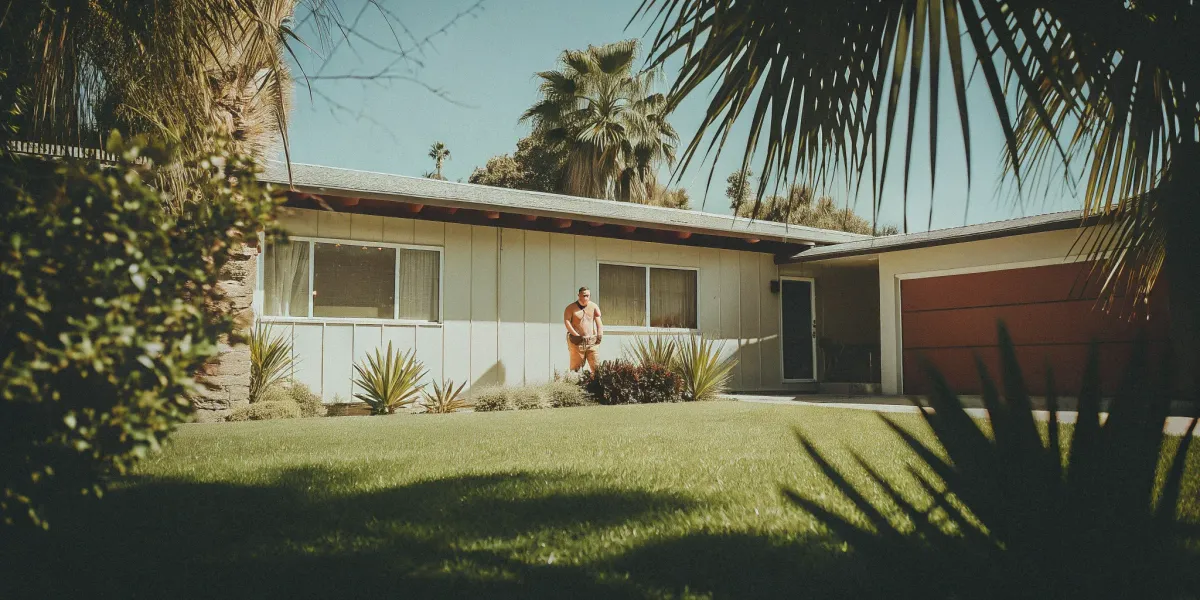
For many homeowners in high-risk areas, that annual letter from the insurance company can make your stomach drop. Premiums are climbing, and policies are getting harder to secure. Taking proactive steps to harden your home against wildfire is one of the most effective ways to regain control. While there is an upfront investment, understanding the cost to fire proof a house is the first step. This guide frames those expenses as an investment in your home's future—one that can lead to lower premiums, a higher property value, and most importantly, priceless peace of mind.
Key Takeaways
- Focus on a complete fire-resistance strategy: The goal is to slow a fire, not make your home indestructible. Combine fire-rated materials for your roof and siding with hardened vents and well-maintained defensible space for a layered defense.
- Prioritize upgrades to make your budget work: Start with high-impact, low-cost fixes like installing ember-resistant vents and clearing the first five feet around your home. A phased approach makes protecting your property manageable over time.
- Recognize fireproofing as a smart financial move: The upfront cost is an investment that pays off. A safer home can lead to lower insurance premiums, increase your property value, and protect you from the devastating cost of rebuilding.
Understanding the Risk: Why Fireproofing Matters
It’s easy to think of wildfires as a distant problem, something that happens on the news in faraway landscapes. But for those of us living in the Wildland-Urban Interface (WUI), the risk is right outside our door, and the conversation is shifting from "what if" to "when and how." Fireproofing isn't about creating an indestructible fortress; it's about building a layered defense system that gives your home the best possible chance of survival. It means understanding how fire behaves and making strategic upgrades—from the materials on your roof to the landscaping in your yard—that work together to slow its advance. Taking these steps is about more than just protecting your property; it’s about safeguarding your family, your memories, and your financial future.
These proactive measures are also a direct response to the increasing difficulty of securing and affording homeowners insurance, putting a measure of control back into your hands in an unpredictable world. By hardening your home, you're not just reducing risk; you're making a clear statement to insurers that your property is a lower-risk asset worth protecting. This is why understanding the specific vulnerabilities of your home is so critical. A tool like the Defensible Space Score can provide a clear roadmap, helping you prioritize the most impactful upgrades. It transforms a daunting task into a manageable plan, ensuring your efforts are focused where they matter most.
The Growing Threat of Wildfires
The nature of wildfires has changed. What used to be a seasonal concern in specific regions has become a year-round threat with an expanding footprint. Factors like prolonged droughts, warmer temperatures, and shifting weather patterns are creating conditions ripe for fires that are larger, faster, and more intense than ever before. This "new normal" means that homes previously considered safe are now at risk. The buffer between wildlands and communities is shrinking, and the strategies we use to protect our homes must evolve to meet this escalating challenge. It’s no longer enough to just clear a few feet of brush; we need a comprehensive approach that addresses every vulnerability, from the ground up to the roof.
Statistics on Wildfire Speed and Spread
The speed at which a wildfire can change everything is staggering. A small flame can escalate into a major threat in just 30 seconds, and once a wildfire is established, it can spread at over 14 miles per hour, easily outpacing any attempt to flee on foot. This isn't a slow-moving disaster; it's a rapidly advancing front that leaves little time to react. Over the last decade alone, this destructive force has damaged or destroyed more than 35,000 homes and businesses. These numbers aren't just statistics; they represent families, livelihoods, and communities forever altered. They underscore the urgent need for preparation, because when a fire is moving that fast, the protective measures you've already put in place are your only defense.
The Financial Impact of Fire Damage
Beyond the immediate physical danger, the financial toll of a wildfire can be devastating. Even if your home survives, the cost to repair fire and smoke damage can range anywhere from a few thousand dollars to nearly $50,000 for more extensive issues. But the real financial story is in the power of prevention. Investing in home hardening and defensible space before a disaster strikes is one of the most effective financial decisions a homeowner can make. In fact, national studies show that proactive spending on home upgrades can save billions of dollars in recovery costs down the line. This isn't just an expense; it's an investment in your property's resilience and your long-term financial stability, protecting your single biggest asset from a worst-case scenario.
What Does It Mean to Fireproof Your Home?
When you hear the term "fireproofing," you might picture a home that’s completely immune to flames. The reality is a bit different. Home fireproofing isn’t about making your house indestructible; it’s about using specific building materials and design strategies to make it highly resistant to fire. The main goal is to slow a fire’s spread, giving you and your family precious time to get to safety and increasing the odds that your home will survive a wildfire.
Think of it as a comprehensive safety system. It starts with the materials you use to build and renovate, like fire-resistant siding and roofing. It also includes protecting the most vulnerable parts of your home, such as windows, doors, and vents. Finally, it extends beyond the structure itself to the area immediately surrounding your property—what’s known as your defensible space. By combining these elements, you create layers of protection that work together to reduce your home’s risk. This approach not only enhances safety but can also be a key factor in maintaining your homeowners insurance.
Fireproofing vs. Fire Protection: What's the Difference?
It's easy to use "fireproofing" and "fire protection" interchangeably, but they refer to two distinct, yet equally important, parts of your home's safety plan. Think of fireproofing as the proactive measures you take to build a more resilient structure. This involves using materials that inherently resist fire, like metal roofing, fiber-cement siding, and non-combustible decking. The goal is to harden your home against ignition from embers and slow a fire's spread. Fire protection, on the other hand, is reactive. It includes systems designed to alert you and suppress a fire once it starts, such as smoke alarms, fire extinguishers, and sprinklers. A truly fire-adapted home needs both; one hardens your home against external threats, while the other protects you from internal ones, creating a complete layered defense system.
How Does Home Fireproofing Work?
Fireproofing is a complete plan, not just a single product you can buy. It involves making strategic choices to harden your home against ignition from embers and direct flames. This system includes using strong, non-combustible materials for your exterior walls, such as concrete, brick, or specially treated wood. It also means installing fire-rated windows and doors, covering vents with fine metal mesh to block embers, and choosing fire-resistant insulation. Just as important is what you do outside. Creating and maintaining defensible space by managing vegetation around your home is a critical step that helps stop a fire from reaching your house in the first place.
Do Building Codes Require Fireproofing?
As wildfires become more common, many local governments are updating their building codes to mandate fire-resistant construction, especially in high-risk areas. These regulations are designed to create safer communities by ensuring new homes and major renovations meet specific safety standards. Before you start any fireproofing project, it’s essential to check your local building codes or consult with your fire department. Following these guidelines ensures your upgrades are effective and compliant, which is often necessary for permits and can positively impact your insurance. Many communities follow standards like the International Wildland-Urban Interface Code to guide their requirements.
An Overview of Fire Safety Building Codes
It's important to know that these codes aren't just friendly suggestions—they're enforceable rules that shape how homes are built and remodeled in high-risk areas. They get very specific, often dictating the exact materials you need to use, like Class A fire-rated roofing or non-combustible siding. The rules also cover your home's most vulnerable spots, requiring things like fine metal mesh over vents to block embers and dual-pane tempered glass for windows. Many local regulations are based on a national model called the International Wildland-Urban Interface Code (IWUIC), which sets a baseline for keeping communities safe. Looking up your local codes isn't just about ticking a box for a permit; it’s how you confirm that your investment is making your home safer and meeting the requirements of your insurance provider.
Busting Common Fireproofing Myths
Two common myths often stop people from taking action. The first is that fire-resistant construction is always incredibly expensive. While it is an investment, the cost isn't always as high as you might think, and there are often affordable alternatives and phased approaches you can take. The second myth is that you can make a house 100% fireproof. No home is completely immune to a severe wildfire. The goal of fireproofing is to build a fire-resistant home—one that is far less likely to ignite and much more likely to be standing after a fire passes. It’s about significantly improving your odds, not achieving the impossible.
A Brief History: Frank Lloyd Wright's Fireproof House
The idea of building a home to withstand fire isn't new. Over a century ago, the famous architect Frank Lloyd Wright tackled this very problem. In a 1907 article for the Ladies' Home Journal, he introduced his design for "A Fireproof House for $5000." His vision was to use reinforced concrete for the entire structure—walls, floors, and roof—to create a home that was not only safe from fire but also affordable for the average family. Wright’s design was practical and efficient, using a simple square layout to keep construction costs down. While very few homes were built exactly to his fire-resistant specifications, his concept was revolutionary. It showed that thinking about fire safety during the design phase was possible and necessary, laying the groundwork for the modern fire-resistant building practices we use today.
Your Guide to Fireproofing Materials and Costs
Choosing the right materials is one of the most important steps you can take to protect your home from wildfire. While no home is completely "fireproof," using fire-resistant materials can dramatically slow the spread of flames and give you and your family precious time to get to safety. Think of it as building layers of defense, starting from the outside in. The costs can vary quite a bit, but understanding your options helps you make smart decisions for your budget and your home's safety. Let's walk through some of the key materials and what you can expect them to cost.
Understanding Fire-Safe Material Ratings
When you start looking at fireproofing materials, you'll run into a lot of different terms. Words like "noncombustible" and "fire-resistant" get thrown around, and it's easy to assume they mean the same thing. But the differences are really important when it comes to protecting your home. Knowing what these ratings and classifications actually mean will help you compare products accurately and make sure you're investing in the right level of protection. It’s the first step in building a truly resilient home that can stand up to the threat of wildfire and give you peace of mind.
Noncombustible vs. Fire-Resistant vs. Fire-Retardant
Let's break down the key terms you'll see. Noncombustible materials are the top tier—they simply will not burn. Think of materials like brick, stone, concrete, and steel that form your strongest defense against direct flames. Next up is fire-resistant. These materials will eventually burn, but they are designed to slow a fire down for a specific amount of time, often rated in hours. This is crucial for giving you time to evacuate safely. Finally, you have fire-retardant materials. These are typically combustible materials, like wood, that have been treated with special chemicals to make them less likely to ignite and burn. Each type has its place in a comprehensive home hardening strategy.
Explaining the Class A, B, and C Fire Ratings
You'll often see materials, especially roofing, given a letter grade: Class A, B, or C. This is a standard fire-rating system that tells you how well a material can withstand a fire. It’s simple: Class A is the best rating you can get. Class A roofing materials are effective against severe fire exposure and are the recommended choice for homes in high-risk wildfire areas. Materials with this rating include asphalt shingles, concrete or clay tiles, and metal roofing. Class B materials are effective against moderate fire exposure, while Class C only protects against light fire exposure. When you're making upgrades, always aim for a Class A fire rating to give your home the highest level of protection.
Protecting Your Home's Exterior
Your home's siding is its first line of defense against embers and radiant heat. If you're building new or planning a major renovation, this is a critical area to invest in. Some of the most effective options include poured concrete, concrete blocks, and insulated concrete forms (ICFs) finished with stucco. These materials are non-combustible and provide excellent protection. For a more traditional look, fiber cement siding like Hardie board or magnesium oxide (MgO) panels are fantastic, fire-resistant choices that hold up well against intense heat. They offer a durable barrier that can stop embers from igniting the structure of your home.
Exterior Walls and Siding Materials
When it comes to siding, you want materials that can stand up to intense heat and flying embers. Some of the most effective options are non-combustible, like poured concrete, concrete blocks, or insulated concrete forms (ICFs) finished with stucco. These choices provide excellent protection and are incredibly durable. If you prefer a more traditional look, fiber cement siding, often known by the brand name Hardie board, is a fantastic fire-resistant choice. It’s designed to resist flames and won't rot or warp. Another great option is magnesium oxide (MgO) panels, which also hold up well against high temperatures and offer a strong barrier for your home.
Strengthening Decks and Patios
Decks, especially wooden ones attached to the house, can act like a wick, drawing fire directly to your home. To reduce this risk, focus on two key areas: the space underneath and the materials you use. It's crucial to enclose the area under your deck to prevent flammable leaves and debris from collecting there. You can use noncombustible materials like 1/8-inch metal mesh to screen off the space. For the deck itself, consider using composite decking made with fire-resistant materials and supported by steel joists. These upgrades create a much safer outdoor living area that won't compromise the safety of your home.
Garage Placement and Safety
Your garage often stores flammable materials like gasoline, paint, and propane tanks, making it a high-risk area. If you're building a new home, the safest approach is to build a detached garage at least 30 feet away from your house. This separation creates a buffer that can stop a garage fire from spreading to your living space. If you have an attached garage, you can still take important steps to harden it. Make sure the door leading from the garage into your house is solid wood or has a fire-resistance rating of at least 20 minutes. Regularly clear out clutter and store all flammable liquids in approved safety cans away from ignition sources.
Fireproofing Your Interior Spaces
Protecting your home's interior adds another crucial layer of safety. While you focus on the exterior, don't forget about what happens if a fire does breach your home. Installing a fire sprinkler system is one of the most effective ways to contain an indoor fire, often extinguishing it before the fire department even arrives. A full system can cost between $2,000 and $8,000, depending on the size of your home. Another smart upgrade is installing solid-core or steel fire-rated doors between rooms, especially between the garage and the house. These typically cost $400 to $900 each and are designed to block fire and smoke for a specific period, slowing its spread.
The Role of Fire-Resistant Insulation and Drywall
What’s inside your walls is just as important as the siding on the outside. Fire-rated insulation is a critical component that works behind the scenes to protect your home. It's specifically designed to withstand high temperatures and slow the spread of fire within your wall cavities. If embers manage to get past your siding, or if a fire starts inside, this insulation acts as a barrier, preventing flames from quickly moving through the structure. It’s an essential part of a layered defense system, giving you more time to evacuate safely and potentially reducing the overall damage to your home. This upgrade is especially valuable during new construction or a major remodel when the walls are already open.
Similarly, the drywall you choose can make a significant difference. While standard drywall offers some fire resistance, fire-rated drywall (often called Type X) is made with special additives to improve its performance. It’s thicker and denser, allowing it to hold up against flames for a longer period. This is particularly important for walls and ceilings separating your garage from your living space. While the upfront cost of these materials is higher than standard options, it’s a sound investment. A home built with fire-resistant components is not only safer but can also lead to lower insurance premiums and a higher property value, making it a smart financial decision in the long run.
Why Your Roof Is the First Line of Defense
Your roof is the most vulnerable part of your home during a wildfire, as it's a prime landing spot for wind-blown embers. That's why selecting the right roofing material is non-negotiable in a high-risk area. The best choices have a Class A fire rating, meaning they are effective against severe fire exposure. Materials like steel, terracotta tiles, slate, and concrete are excellent because they are non-combustible. You should absolutely avoid materials like wood shakes, asphalt, or rubber shingles, as they can easily ignite. Upgrading your roof is a significant investment, but it's also one of the most impactful fire-hardening measures you can take.
Choosing the Right Roofing Material
If you’re going to make one major upgrade, focus on your roof. The best materials have a Class A fire rating, which means they offer the highest resistance to fire. Non-combustible options like steel, slate, and terracotta or concrete tiles are your strongest allies, as they won't ignite from stray embers. A new fire-resistant roof is a significant project, with costs for materials like steel ranging from $8 to $16 per square foot, and tile or slate costing anywhere from $12 to over $30 per square foot. While this is a serious investment, it’s also one of the most effective steps you can take to harden your home. On the other hand, materials like wood shakes or standard asphalt shingles should be avoided entirely in high-risk zones because they can ignite easily.
The Importance of a Fire-Rated Underlayment
Your roofing material is the star player, but the underlayment is its essential backup. This is the layer of material that goes between your roof’s structural decking and your tiles or shingles. Its main job is to provide a waterproof barrier, but it also plays a key role in fire resistance. A fire-rated underlayment, often made with fiberglass, adds a critical layer of defense. If extreme heat causes a tile to crack or an ember finds its way into a small gap, this layer can stop the fire from reaching the flammable wood sheathing underneath. Choosing a quality, fire-rated underlayment ensures your complete roofing system provides comprehensive protection against both fire and other harsh weather, like hail and heavy rain.
Should You Upgrade to Fire-Rated Windows and Doors?
Windows and doors are weak points where heat can shatter glass and allow flames to enter your home. To strengthen these openings, choose double-pane windows, which provide better insulation against heat. Tempered glass is a stronger option that's less likely to break when exposed to high temperatures. For frames, steel or aluminum are much better choices than vinyl, which can melt and warp. For an extra layer of protection, you can also install fire-retardant shutters that can be closed when a fire threatens. These upgrades work together to keep the inside of your home sealed off from the intense heat of a wildfire.
Benefits of Multi-Glazed Windows
Multi-glazed, or double-pane, windows are a game-changer when it comes to protecting your home from radiant heat. The space between the two panes of glass acts as a powerful insulator, slowing down the intense heat from a nearby fire. This simple feature can be the difference-maker, preventing your curtains or furniture from igniting even before flames reach the house. Beyond insulation, these windows are simply tougher. They are often made with tempered glass, which is designed to withstand extreme temperature changes without shattering. A window that stays intact is a critical barrier that keeps dangerous wind-blown embers out of your home, which are a primary cause of home ignition during a wildfire.
How Much Do Fireproofing Materials Cost?
So, what does this all add up to? The total investment depends heavily on whether you're building a new home or retrofitting an existing one. For a new build, incorporating fire-resistant materials from the start can add anywhere from $1,830 to $45,000 to the total construction cost. For specific treatments, like applying a cementitious fireproofing spray, you can expect to pay between $5.00 and $14.00 per square foot. While these numbers might seem high, remember that this is an investment in the long-term safety and insurability of your property. It's about building a more resilient home that can stand up to the threat of wildfire.
Average Costs for Common Retrofits
If you're working with an existing home, you can still make significant safety improvements without a complete overhaul. Many effective wildfire-resistant upgrades cost between $2,000 and $15,000. For example, installing a full fire sprinkler system can range from $2,000 to $8,000, providing a powerful internal defense against flames. A smaller but still crucial upgrade is replacing key doors, like the one leading to your garage, with a solid-core or steel fire-rated model, which typically costs between $400 and $900. These figures show that you can approach home hardening in stages, tackling projects that fit your budget over time and making a real difference in your home's resilience.
How Much Does Fireproofing Installation Cost?
Choosing the right fire-resistant materials is a huge step, but it’s only half of the budget puzzle. The other major piece is the cost of labor and professional installation. It’s easy to underestimate this part of the project, but skilled labor is what turns a pile of materials into a protective shield for your home. The rates for contractors can vary widely, and factors like the complexity of the job, the accessibility of your property, and even the time of year can influence the final price tag.
Think of it this way: you’re not just paying for someone’s time; you’re paying for their expertise. A qualified professional knows how to install materials according to manufacturer specifications and local building codes, ensuring everything performs as it should when it matters most. Getting multiple itemized quotes from licensed contractors is the best way to understand the going rate in your area and find a team you trust. This will help you see a clear breakdown of material versus labor costs and avoid any surprises down the road.
What Do Pros Charge for Installation?
When you hire a pro, you’re paying for both the materials and the hands-on work. For a treatment like cementitious fireproofing, you can expect the total installation to run between $5 and $14 per square foot. The materials themselves might only account for $2 to $4 of that cost. The rest, from $3 to $10 per square foot, covers the labor.
This is a perfect example of why you can’t just look at the price of a product on the shelf. The skill required for proper application is a significant part of your investment. Always ask for a detailed quote that separates these costs so you know exactly what you’re paying for.
Don't Forget Permit Fees
Before your project can even begin, you’ll likely need to secure permits from your local building department. This is a standard part of the process for most significant home upgrades, and fireproofing is no exception. These fees are an administrative cost that ensures your project complies with all local regulations and safety standards.
While it might feel like just another expense, this step is crucial for your protection and for your home’s insurability. The cost of permits varies by municipality, so check with your local planning office or ask your contractor to include this fee in their initial bid. Factoring it in from the start helps you create a more accurate and realistic budget.
How Your Location Affects the Price
Where you live has a major impact on your total fireproofing costs. Labor rates, material availability, and regional building codes all contribute to price differences from one state—or even one county—to the next. For example, in a high-risk state like California, incorporating specific wildfire safety features into a new build can increase overall construction costs by just 2% to 13%.
This regional variation means that a quote for a project in one area might look completely different from a quote for the exact same work somewhere else. When researching costs, try to find data specific to your region to get the most accurate picture of what you can expect to pay.
Potential Add-Ons and Their Costs
When you bring in a contractor, they might suggest additional services that go beyond your initial request. This is especially common with new construction, where adding fireproof materials can add anywhere from $1,830 to $45,000 to the total home cost, depending on how comprehensive you want to be.
For existing homes, a contractor might recommend related upgrades, like improving your attic ventilation or sealing gaps where embers could enter. While these suggestions can be valuable, it’s important to get an itemized quote. This ensures you understand the cost of each service and can decide which upgrades fit your priorities and your budget, preventing scope creep from derailing your plans.
Beyond Materials: Fire Protection Systems
Beyond the materials you build with, a complete fire protection strategy includes systems that actively detect and fight fire. These systems act as your home’s first responders, often handling a threat before you’re even aware of it. Think of them as layers of security. While fire-resistant siding and roofing are your home's armor, sprinklers and alarms are the vigilant guards. Investing in these systems provides a comprehensive defense that addresses fire threats from both inside and out, giving you and your family invaluable peace of mind.
The Cost of a Home Sprinkler System
A home fire sprinkler system is one of the most effective fire protection measures you can install. While the upfront cost can range from $2,000 to $8,000 depending on your home's size, the value is immense. These systems automatically activate when they detect high heat, dousing a fire in its earliest stages. This rapid response can contain a fire or even extinguish it completely, long before the fire department arrives. It’s a significant investment, but it provides an unparalleled level of automated protection that can drastically reduce property damage and save lives.
Exterior Sprinklers and Backup Power
While interior sprinklers are your defense against a fire that starts inside, exterior sprinkler systems are designed to protect your home from airborne embers. These systems wet down your roof and the immediate area around your house, creating a humid microclimate that makes it much harder for embers to ignite vulnerable surfaces. This proactive defense can make all the difference when a wildfire approaches. But these systems rely on electricity, and since wildfires often knock out the power, they can fail right when you need them most. That’s why a backup power source isn't just an accessory; it's a core component of your fire protection strategy. Having a generator or battery system ensures your defenses stay online, giving you continuous protection.
How Much Do Modern Alarms and Detectors Cost?
Early warning is everything when it comes to fire safety. That’s why having reliable fire alarms and smoke detectors is a fundamental, non-negotiable part of protecting your home. For complete coverage, you should install detectors on every level of your house, inside each bedroom, and outside sleeping areas. It’s also a good idea to test them monthly and replace the batteries at least once a year. Modern systems can be interconnected, so when one alarm sounds, they all do. The U.S. Fire Administration offers great guidance on choosing and placing the right alarms for your home.
How to Stop Wind-Blown Embers
During a wildfire, the biggest threat to your home often isn't the main wall of flames, but the shower of tiny, wind-blown embers that can travel a mile or more. These embers can easily get into small openings and ignite your house from the inside out. One of the most vulnerable spots is your attic through soffit vents. A straightforward and effective fix is to install spark arresters on these vents. These are fine metal screens that block embers while still allowing for necessary airflow. It’s a targeted upgrade that directly addresses one of the primary ways homes are lost in wildfires, making it a critical step in hardening your home.
Why Ember-Resistant Vents Are a Smart Upgrade
Beyond your soffits, several other vents can provide an entry point for dangerous embers. Think about your gable, foundation, and even dryer vents. To secure these openings, you can cover them with a ⅛-inch metal mesh screen. This fine mesh is small enough to stop most embers but large enough to not impede airflow, which is crucial for preventing moisture buildup. For a more robust solution, you can replace your standard vents with specially designed fire-resistant models that have built-in baffles that close when exposed to high heat. Upgrading your vents is a relatively inexpensive project that closes off some of your home’s most critical vulnerabilities to wildfire, forming a key part of your overall defensible space strategy.
Landscaping for Wildfire Defense
So far, we’ve focused on the structure of your house, but your property’s first line of defense actually starts at your property line. The landscaping choices you make have a massive impact on how a wildfire behaves when it approaches your home. Think of your yard as potential fuel. By strategically managing the vegetation, you can create a buffer zone that slows a fire’s spread and reduces its intensity. This isn’t about clearing your entire lot and living in a barren landscape; it’s about smart, thoughtful design that works with nature to protect your home. This proactive approach, known as creating defensible space, is one of the most powerful actions you can take to safeguard your property and is a key factor insurance companies consider when assessing your risk.
Creating Defensible Space Around Your Home
Defensible space is the carefully maintained area between your home and the surrounding wildland. Its purpose is simple but vital. As experts in wildfire resilience point out, "Creating and maintaining defensible space by managing vegetation around your home is a critical step that helps stop a fire from reaching your house in the first place." This involves dividing your property into zones and managing the "fuel" in each one. The zone closest to your house should be the leanest, cleanest, and greenest, with very little that can burn. As you move farther away, you can have more vegetation, but it should be well-spaced and maintained to prevent a fire from climbing from the ground into the treetops and then jumping to your roof.
Proper Spacing for Trees and Shrubs
Specific spacing is key to an effective defensible space. A good rule of thumb is to plant trees and shrubs at least 20 to 30 feet away from your house and from each other. This creates breaks that can stop a fire from spreading from one plant to the next. In garden beds immediately next to your foundation, use non-combustible materials like rocks or gravel instead of flammable wood mulch. Regularly clearing your yard of dead leaves, dry grass, and pine needles is also essential, as this debris acts like kindling. These simple landscaping habits remove the fuel that a wildfire needs to travel across your property and reach your home.
How Defensible Space Impacts Insurability
Your efforts in the yard have a direct impact on your wallet. Insurance carriers are paying close attention to wildfire risk, and a property with well-managed defensible space is far more attractive to them. It signals that you are a proactive homeowner who is actively reducing risk. This can make it easier to secure or maintain a policy and can sometimes lead to better premiums. Research from organizations like Headwaters Economics shows that investing in home hardening and defensible space before a disaster saves billions in recovery costs. Platforms like Defensible Space Score can help you document your efforts, providing clear reports that show your insurance provider the exact steps you’ve taken to make your property safer.
What Factors Influence Your Total Cost?
Pinpointing an exact price for fireproofing your home can feel like trying to hit a moving target. That’s because the final cost isn’t a single number—it’s a combination of several key factors unique to your property. Everything from the size of your house to the specific materials you select will play a role in your budget. Understanding these variables will help you get a clearer picture of the investment required and allow you to make informed decisions that fit your needs and financial situation. Let's break down the main elements that will shape your total fireproofing cost.
How Size and Layout Impact Your Budget
It makes sense that a larger, more complex home will cost more to fireproof than a smaller, simpler one. More square footage means more materials and more labor. For most homes, a series of effective wildfire-resistant upgrades can range from $2,000 to $15,000. While a complete, top-tier retrofit could approach $100,000, it's important to remember this level of protection isn't always necessary. Research on the cost of retrofitting a home for wildfire resistance shows that even targeted, smaller-scale improvements can make a significant difference in your home’s ability to withstand a wildfire, giving you a solid starting point without breaking the bank.
Does Your Location Increase Fireproofing Costs?
Where you live matters. If your home is in a designated high-risk wildfire zone, you may need to meet stricter building codes, which can influence your costs. For example, in California, incorporating wildfire safety features can increase new construction costs by a modest 2% to 13%. While that might seem like an extra expense, consider the trade-off: homes built to modern wildfire codes are 40% less likely to be destroyed in a wildfire. This investment not only strengthens your home's defenses but also provides invaluable peace of mind, making the costs and benefits of fire-resistant construction a worthwhile consideration.
How Material Choices Affect the Final Price
The materials you select are one of the biggest drivers of your total budget. Swapping out standard building materials for fire-resistant alternatives will naturally come with a higher price tag. Adding fireproof materials to a new home can add anywhere from $1,830 to over $45,000 to the final bill. When you build a fireproof house, you'll be looking at options like poured concrete, concrete blocks, or fiber-cement siding like Hardie board for your exterior walls. Each choice has a different price point, allowing you to balance your budget with the level of protection you want to achieve for your home’s exterior and interior.
Why Local Labor Rates Are a Major Factor
The cost of professional installation can vary dramatically from one region to another. Labor rates in a dense urban area will likely be higher than in a rural community. It’s a good idea to get multiple quotes from local contractors to understand the going rate in your area. For instance, installing cementitious fireproofing can cost between $5.00 and $14.00 per square foot for materials, but labor can add another $3.00 to $10.00 per square foot on top of that. Understanding the breakdown of industrial fireproofing costs helps you see where your money is going and plan accordingly.
Will Your Insurance Company Offer a Discount?
While fireproofing requires an upfront investment, it can lead to significant long-term savings, especially on your homeowners insurance. Insurance carriers in wildfire-prone states are increasingly recognizing and rewarding homeowners who take proactive steps to mitigate their risk. By installing fire-resistant roofing, siding, and vents, you’re making your home a lower risk to insure. This can translate into more affordable premiums year after year. Think of it less as an expense and more as an investment that not only protects your property but also makes it more financially sustainable to own over time.
How to Manage Your Fireproofing Budget
Making your home more resilient to wildfire is a significant investment, but it doesn't have to be financially overwhelming. With a smart approach, you can make meaningful upgrades that fit your budget and timeline. The key is to plan strategically, prioritize effectively, and take advantage of available resources. By breaking the project down into manageable steps, you can protect your home and family without breaking the bank.
Start with the Most Critical Upgrades
You don’t have to do everything at once. Start with the changes that offer the most protection for the cost. Embers are a primary cause of home ignition during a wildfire, so focus on sealing off the small entry points they can exploit. Installing flame- and ember-resistant vents is a fantastic place to start. Other high-impact, budget-friendly actions include adding metal flashing to the base of decks, keeping your gutters free of flammable debris, and creating defensible space by using noncombustible mulch like gravel or pavers in the five feet closest to your home. These initial steps can dramatically reduce your home's vulnerability.
Tackle the Project in Phases
Thinking about fireproofing your entire home can feel like a massive undertaking. Instead, approach it as a series of smaller, more manageable projects spread out over time. You could dedicate this year’s budget to upgrading your roof and gutters, then focus on windows and doors next year. Creating a multi-year plan makes the expense much easier to handle. Consider the different components of your home—exterior walls, decks, eaves, and landscaping—and decide on a logical sequence. Proactive spending on home hardening before a disaster is far more cost-effective than dealing with recovery costs afterward.
Find Smart, Cost-Effective Alternatives
Fireproofing doesn't always mean choosing the most expensive materials on the market. There are many smart, cost-effective alternatives that provide excellent protection. For example, instead of real wood siding, you could opt for fiber cement siding, which offers a similar look with superior fire resistance at a lower price point. While a full home sprinkler system can cost between $2,000 and $8,000, it’s an incredibly effective safety measure that could be a worthwhile investment. Do your research and compare the fire ratings and costs of different building materials to find the right balance of safety and affordability for your home.
Look for Local Rebates and Incentives
Many communities and organizations want to help you make your home safer. Before you start spending, check for financial assistance programs in your area. Your local fire department or state forestry agency may offer grants or rebates for specific fire-mitigation efforts. For instance, programs like CAL FIRE’s Wildfire Prevention Grants provide funding to help communities reduce their risk. Don't forget to talk to your insurance provider, either. Many companies offer significant discounts on your premium for installing fire-resistant roofing, clearing defensible space, or taking other protective measures. These incentives can make a big difference in your overall budget.
Examples of State and Local Financial Aid
Finding financial help for fireproofing your home can feel like a treasure hunt, but these programs are more common than you might think. In California, for example, programs like CAL FIRE’s Wildfire Prevention Grants provide funding for community-wide projects that reduce fire risk. Many local fire districts also offer their own incentives, such as rebates for replacing old wood shake roofs or grants for creating defensible space. You might also find free or low-cost services, like community chipping days, that help you manage vegetation. These programs are designed to make safety more accessible, so it’s always worth checking with your state’s forestry agency or local fire department to see what support is available in your area.
Explore Your Financing Options
If the upfront cost of a larger project is a concern, you have several ways to finance the work. A home equity line of credit (HELOC) or a home equity loan can provide the funds you need while potentially offering tax benefits. Some financial institutions also offer specific "green" or "resilience" loans for projects that improve a home's safety and efficiency. Remember that this is an investment that pays off over time. The money you spend now can lead to substantial long-term savings, especially through lower home insurance payments.
Is Fireproofing a Good Investment?
Thinking about fireproofing can feel overwhelming, especially when you’re focused on the upfront costs. But it’s helpful to reframe it as a long-term investment in your home’s safety and financial stability. The initial expense is just one part of the equation. Over time, a fire-resistant home can pay for itself through lower insurance costs, higher property value, and, most importantly, the priceless peace of mind that comes with protecting your family and your biggest asset. Let’s break down what that return on investment really looks like.
How It Can Lower Your Insurance Premiums
Insurance companies are all about managing risk. When you take clear, documented steps to make your home more fire-resistant, you lower your risk profile in their eyes. Many insurers recognize this by offering reduced premiums for homes with fire-resistant features. Because these properties are less likely to suffer catastrophic damage, they represent a smaller potential payout for the provider.
After completing your fireproofing upgrades, be sure to contact your insurance agent. Provide them with a detailed list of the materials used and the work done. Proving that you’ve invested in fire-resistant construction can directly lead to savings on your annual policy, making it one of the most immediate financial benefits of your investment.
Will Fireproofing Increase Your Home's Value?
In areas prone to wildfires, a fire-resistant home isn't just a feature—it's a major selling point. While the initial cost might be slightly higher, this investment can significantly enhance your property's market value. Potential buyers are increasingly aware of wildfire risks and are often willing to pay more for a home that has built-in protection.
This makes your home more attractive and can help it sell faster than comparable properties without fire-safe upgrades. Think of it as future-proofing your investment. You’re not only protecting your home for yourself but also making it a more secure and desirable asset for the future, which can lead to a greater return when it’s time to sell.
What Are the Long-Term Maintenance Costs?
Fireproofing isn't a "set it and forget it" project. While materials like fiber cement siding and metal roofing are durable, some protective measures require ongoing attention. For example, fire-retardant sprays and coatings applied to decks or fences aren't permanent; their effectiveness diminishes over time due to weather and sun exposure.
To ensure continuous protection, you'll need to follow the manufacturer's guidelines for inspection and reapplication. The lifespan of fire-retardant products varies, so it’s important to create a maintenance schedule. Regular checks and reapplications are essential for keeping your defenses strong and complying with local fire safety regulations. This proactive approach ensures your initial investment continues to protect your home year after year.
A Schedule for Ongoing Safety Checks
To keep your home's defenses in top shape, it helps to have a simple maintenance routine. Think of it like a health check-up for your house. On a monthly basis, take a minute to test your smoke detectors. Once a year, make it a habit to change their batteries and give your windows a quick inspection for any cracks. If you have a home fire sprinkler system, an annual check is also a good idea to ensure it's ready to go. For bigger systems, like your home's electrical wiring, it's smart to bring in a professional for an inspection every five to ten years. This schedule helps you stay on top of the small things that make a big difference in maintaining your home's fire resistance and ensures your initial investment continues to protect you.
How to Calculate Your ROI
When you add up the benefits, the return on your fireproofing investment becomes clear. While you’re spending money now, studies show that proactive home upgrades can save billions of dollars in post-wildfire recovery costs. The initial expense of making a home wildfire-resistant is often a small fraction of the total building cost, yet it can prevent a total loss.
Your return on investment is a combination of tangible savings—like lower insurance premiums and a higher resale value—and the invaluable security of knowing you've taken steps to protect your home. The real value comes from avoiding the devastating financial and emotional costs of a wildfire. Investing in resilience is one of the smartest financial decisions a homeowner in a high-risk area can make.
Create Your Fireproofing Action Plan
Turning your fireproofing goals into a reality starts with a solid plan. It’s easy to feel overwhelmed by the costs and options, but breaking the project down into clear, manageable steps makes it much more approachable. Think of this as your roadmap to a safer, more resilient home. By thinking through your priorities, budget, and timeline ahead of time, you can make smart decisions that protect your property without draining your savings. This plan will help you focus on what truly matters and guide you toward the most effective upgrades for your specific situation.
Separate the "Must-Haves" from the "Nice-to-Haves"
First things first: you don’t have to do everything at once. The key is to prioritize the upgrades that will give you the most protection for your budget. Not every home needs a top-to-bottom, six-figure retrofit. In fact, many of the most effective wildfire-resistant upgrades cost far less and can make a huge difference in an emergency. Start by focusing on the most vulnerable parts of your home, like vents, roofing, and the area immediately surrounding the structure (your defensible space). These are your "must-haves." Once those are addressed, you can start planning for the "nice-to-haves," like upgraded siding or windows, as your budget allows.
Map Out Your Cost-Saving Strategy
Understanding the potential costs helps you create a realistic budget. If you're building a new home, incorporating fire-resistant features from the start is the most cost-effective approach. Adding these materials during construction can be a relatively modest increase in the overall cost to build a house. For an existing home, you’ll be looking at retrofit costs. Get multiple quotes from contractors to compare prices for both materials and labor. Look for opportunities to save by choosing cost-effective materials that still offer excellent protection. Planning ahead gives you time to research options and find the right balance between safety and your budget.
Set a Realistic Project Timeline
It’s important to have clear expectations about what fireproofing can and can’t do. The goal isn’t to make your home completely indestructible—it’s to buy precious time for your family to get to safety and for firefighters to arrive. Fire-resistant materials and design choices are meant to slow a fire’s spread and reduce the damage, giving your home a fighting chance against embers and radiant heat. When you set your timeline, build in buffer room for unexpected delays, like material shortages or contractor scheduling. A phased approach, tackling one project at a time, can also make the timeline and budget feel much more manageable.
Know When to Consult a Professional
While some smaller tasks might be DIY-friendly, fireproofing is a specialized field. It’s always a good idea to consult with professionals who have experience with fire-resistant construction and local building codes. A general contractor, architect, or a dedicated fireproofing expert can review your property and provide tailored recommendations. They can help you choose the best materials for your home’s design and location, ensure proper installation, and make sure everything is up to code. Their expertise can save you from costly mistakes and give you peace of mind that the job was done right.
Related Articles
- A Guide to Home Ignition Zone Assessment
- Your Guide to the FireSmart Home Ignition Zone
- Your Guide to the CAL FIRE Defensible Space Map
Frequently Asked Questions
Where should I start if my budget is limited? If you can't do everything at once, focus on the upgrades that give you the most protection for your money. The biggest threat during a wildfire is often from wind-blown embers, so start by sealing the small entry points. Installing ⅛-inch metal mesh screens over all your vents is a low-cost, high-impact project. From there, focus on creating defensible space by clearing flammable vegetation and debris, especially within the first five feet of your home’s foundation.
Will making my home fire-resistant ruin its appearance? Not at all. Modern fire-resistant materials are designed with aesthetics in mind. You can find fiber cement siding that beautifully mimics the look of natural wood, and metal roofing now comes in a wide variety of styles and colors that can complement any home design. The goal is to integrate safety seamlessly, so you don't have to choose between protecting your home and loving the way it looks.
Does fireproofing my home guarantee it will survive a wildfire? No home is completely indestructible in the face of a severe wildfire. The goal of these upgrades is to make your home fire-resistant, not fireproof. This means building a structure that is much less likely to ignite from embers and can slow the spread of flames. This gives your family critical time to evacuate safely and provides firefighters a much better chance of saving your home. It’s about dramatically improving your odds, not achieving the impossible.
How will these upgrades affect my homeowners insurance? Making your home more resilient to fire makes it a lower risk for insurance companies to cover. This can lead to more affordable premiums and, in some high-risk areas, can be the key to maintaining your coverage at all. Once your projects are complete, be sure to provide your insurance agent with a detailed list of the upgrades and materials used. Many insurers offer specific discounts for homes with features like a Class A fire-rated roof or a well-maintained defensible space.
Can I do some of this work myself to save money? Some tasks are definitely DIY-friendly. You can absolutely manage your own defensible space by clearing brush, cleaning gutters, and moving woodpiles. However, for structural projects like installing a new roof, siding, or windows, it’s best to hire a qualified professional. Proper installation is critical to ensure these materials perform as intended during a fire and meet local building codes. An expert will get the job done right, ensuring there are no hidden gaps or weaknesses.