Your Step-by-Step Family Wildfire Preparedness Checklist
Get a practical family wildfire preparedness checklist with clear steps to protect your loved ones, create a go-kit, and plan for safe evacuation.
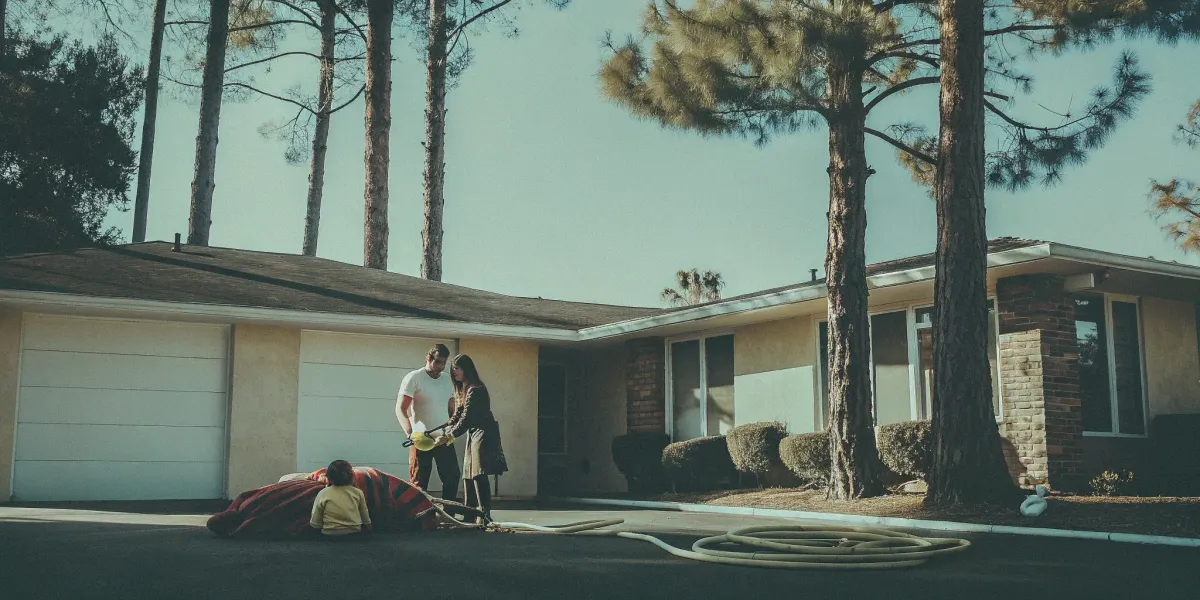
You’ve likely already taken steps to protect your property, like clearing defensible space and hardening your home against embers. But a prepared home is only half of the equation. The other, more critical half, is a prepared family. Your house can have the best defenses in the world, but if your family doesn't have a clear plan for evacuation and communication, you’re leaving your safety to chance. This guide is designed to bridge that gap. We’ll help you build a complete family wildfire preparedness checklist that covers everything from go-kits for kids and pets to practicing your evacuation drill, ensuring your loved ones are just as ready as your home is.
Key Takeaways
- Establish your family's action plan: A complete plan covers more than just a Go-Kit. Map out and practice multiple escape routes, designate clear meeting spots, and create a communication strategy to ensure everyone can connect during an emergency.
- Make your property more wildfire-resistant: Your home's first line of defense is the space around it. Regularly clear flammable debris from your yard and gutters, maintain a lean landscape, and consider home-hardening upgrades to reduce ignition risks.
- Treat preparedness as a routine, not a one-time task: An effective plan is a current one. Schedule annual reviews to refresh your supplies, update contact lists, and practice your evacuation drill so your family stays ready.
Why Your Family Needs a Wildfire Preparedness Plan
When you live in an area prone to wildfires, thinking about the "what ifs" can feel pretty heavy. But creating a clear, actionable plan is one of the most powerful things you can do to protect your family and your property. A good plan removes the guesswork during a high-stress emergency, ensuring everyone knows what to do, where to go, and how to stay in touch. It’s not about dwelling on the worst-case scenario; it’s about giving yourself a sense of control and a clear path forward. By preparing ahead of time, you can face a potential wildfire with confidence, knowing you’ve done everything possible to keep your loved ones and your home safe.
What Are the Risks of Wildfire?
Wildfires are incredibly unpredictable. Fueled by dry conditions and strong winds, they can spread with shocking speed, threatening homes and entire communities in a matter of hours. This rapid pace leaves little time to react, which is why advance preparation is so critical. Fire safety experts at CAL FIRE emphasize that a home's ability to survive a wildfire often comes down to two key factors: the quality of its defensible space and how easily the structure itself can ignite. Understanding these risks helps you focus your efforts where they matter most—creating a buffer around your home and reducing potential fuel sources that could put your property in danger.
How a Plan Protects Your Life and Home
A solid wildfire plan works on two fronts: it helps safeguard your house and it keeps your family connected and safe. Creating defensible space is a cornerstone of home protection because it gives firefighters a safe area to work and helps shield your home from flames. It’s your home’s first line of defense. Just as important is having a family communication plan so you can account for everyone if you get separated. Deciding on meeting spots and out-of-state contacts beforehand ensures you can stay connected and coordinated, which is essential for everyone’s safety and peace of mind during a sudden evacuation.
Build Your Family's Wildfire Go-Kit
When an evacuation order is issued, you might only have minutes to leave your home. In that high-stress moment, the last thing you want to do is scramble to find essentials. This is where a wildfire "Go-Kit" comes in. Think of it as a pre-packed bag for every member of your family, filled with everything you’ll need to be safe and comfortable for at least 72 hours. Having this kit ready to go provides incredible peace of mind, allowing you to focus on one thing: getting your family to safety.
Your Go-Kit should be stored in an easily accessible place, like a hall closet or in your garage near your car. The goal is to grab it and go without a second thought. Building your kit doesn’t have to be overwhelming. You can tackle it one category at a time, starting with the most critical supplies. CAL FIRE offers a great emergency supply kit checklist to get you started, and we’ll walk through the key components right here.
72-Hour Water and Food Supply
In an emergency, clean drinking water might not be available. The standard recommendation is to pack one gallon of water per person, per day. For a 72-hour kit, that means three gallons for each family member. For food, choose non-perishable items that are easy to prepare and won’t spoil, like protein bars, dried fruit, nuts, and canned goods. If you pack canned food, don’t forget to include a manual can opener. It’s also a good idea to set a calendar reminder to check the expiration dates on your food and water every six months, swapping out anything that’s getting close to its use-by date.
First-Aid and Medical Essentials
A well-stocked first-aid kit is a must-have. You can buy a pre-made kit or build your own with bandages, antiseptic wipes, pain relievers, and any other supplies your family might need. Beyond basic first aid, think about personal medical needs. Pack at least a seven-day supply of any prescription medications. If anyone in your family wears glasses or contacts, be sure to include an extra pair and contact lens solution. Finally, add some basic hygiene items like soap, hand sanitizer, toothbrushes, and toothpaste to help everyone stay clean and comfortable.
Important Documents and Communication Tools
If you have to evacuate, you’ll want copies of your most important documents. This includes things like birth certificates, passports, social security cards, insurance policies, and deeds to your home. You can keep physical copies in a waterproof bag or, even better, save digital copies on a password-protected USB drive. For staying informed when the power is out, a battery-powered or hand-crank radio is essential for receiving emergency alerts. A portable power bank for charging your cell phone is also a smart addition to your kit.
Emergency Lighting and Power
A power outage can make a stressful situation even more difficult. Make sure your Go-Kit includes a reliable light source. A flashlight is good, but a headlamp is even better because it keeps your hands free. Pack extra batteries for all your devices, and consider storing them separately in a waterproof bag to prevent corrosion. Check your batteries every time you rotate your food and water supplies to make sure they’re still good to go when you need them most.
Clothing and Personal Items
Everyone in the family should have a complete change of clothes packed. Focus on practical, durable items suitable for your climate. Long-sleeved shirts, long pants, and sturdy, closed-toe shoes or boots are always a good choice to protect you from the elements. It’s also wise to pack for varying weather conditions by including layers like a warm jacket or rain gear. Don’t forget personal items like extra eyeglasses. For children, including a small, comforting item like a favorite book or a small toy can make a big difference in reducing their anxiety.
Pet Supplies
Your pets are part of the family, so they need a Go-Kit, too. Pack enough food and water to last them at least three days. Make sure you have a sturdy leash, a collar with up-to-date ID tags, and a carrier if needed. It’s also important to include any medications your pet takes regularly. To be extra prepared, tuck a recent photo of you with your pet into their kit. This can help with identification if you become separated. Remember that not all emergency shelters can accommodate animals, so having their supplies ready is a key part of your overall evacuation plan.
Create Your Family Evacuation Plan
Once your go-kit is packed, the next step is figuring out exactly how you’ll get out and where you’ll go. A solid evacuation plan is your family’s roadmap to safety when every second counts. It’s not just about leaving; it’s about leaving smartly and staying connected. A well-thought-out plan reduces panic and ensures everyone knows what to do, even when things get chaotic. Let’s walk through how to build a plan that covers all your bases, from the roads you’ll take to how you’ll care for your pets and ensure everyone knows their role.
Map Multiple Escape Routes
A wildfire can move unpredictably, blocking roads you use every day. That’s why your plan needs at least two different escape routes from your neighborhood and two from your town. Drive these routes with your family so everyone is familiar with them. Pay attention to alternate roads that could get you to a main highway. The U.S. Forest Service recommends you know your evacuation routes and practice them. Keep a physical map in your car with these routes highlighted, just in case GPS and cell service go down. This simple step ensures you have options when you need them most and can make a clear-headed decision under pressure.
Set Meeting Points and a Communication Strategy
During an emergency, cell towers can get overloaded or damaged, making communication difficult. Your family needs a plan to reconnect if you get separated. First, choose two meeting spots: one just outside your neighborhood for immediate evacuations, and another farther away, like a relative’s house or a public library in a nearby town. Second, designate an out-of-state friend or family member as your central contact. It’s often easier to make long-distance calls than local ones during a disaster. Make sure everyone has this person’s number saved in their phone and written down in their go-kit. The American Red Cross offers great templates for creating a family communication plan.
Plan for Pets and Livestock
Your pets and livestock are part of the family, and they depend on you for their safety. Your evacuation plan must include them from the start. For smaller pets, have carriers, leashes, and a go-kit with food, water, and medication ready. Research pet-friendly hotels or shelters outside your immediate area ahead of time, as many emergency shelters cannot accept animals. For livestock, you’ll need a more detailed plan for transportation and a pre-arranged location for them. Ready for Wildfire provides specific guidance for preparing both pets and large animals, ensuring no one gets left behind in the chaos of an evacuation.
Practice Your Evacuation Drill
A plan on paper is a good start, but a practiced plan is what will truly keep you safe. Running through your evacuation drill helps commit the steps to memory and works out any kinks before a real emergency. Practice at least twice a year. Do a "walk-through" where you grab your go-kits, load up the car, and drive one of your escape routes. Time yourselves to see how long it takes. This is especially important for families with children, as it helps them understand what to do without feeling scared. Practicing your plan builds muscle memory and confidence, which are your best assets when stress is high.
Protect Your Home from Wildfire Damage
While your family's safety is the top priority, taking steps to protect your home is a critical part of any wildfire plan. A well-prepared property has a much better chance of surviving a wildfire, and it also creates a safer environment for firefighters to defend your home if they have the chance. Think of it as giving your home its own line of defense. The work you do now can make all the difference when a fire approaches. It all comes down to three key areas: creating a buffer zone, choosing the right materials, and keeping up with maintenance.
Create Defensible Space
Defensible space is the buffer you create between your home and the grass, trees, shrubs, or any wildland area around it. This space is essential for slowing or stopping the spread of wildfire and protecting your home from catching fire—either from direct flame contact or radiant heat. According to guidance from Oregon State University, you should aim for a lean, clean, and green landscape for at least 100 feet in all directions from your house. If you live on a smaller lot, don't worry. Even small changes can have a big impact. You can also work with your neighbors to create a "communal defensible space," which helps protect the entire neighborhood.
Use Fire-Resistant Landscaping and Home Hardening
What you plant within your defensible space matters just as much as what you clear away. When planning your landscaping, choose high-moisture, fire-resistant plants and shrubs that are less likely to ignite. Spacing them strategically creates fuel breaks that can stop a fire in its tracks. Beyond landscaping, you can "harden" your home by using fire-resistant building materials for your roof, siding, windows, and decks. Embers are a primary cause of homes catching fire, so sealing gaps in your foundation, attic, and under your porch can prevent them from finding a place to land and ignite.
Complete Regular Maintenance and Seasonal Prep
Creating a fire-safe home isn't a one-time project; it requires ongoing attention. Throughout the year, and especially before fire season begins, walk your property and perform regular upkeep. This means frequently cleaning your roof and gutters of dead leaves, pine needles, and other debris that could easily catch fire from a stray ember. Keep your lawn mowed and hydrated, prune low-hanging tree branches, and clear away any dead vegetation from under your deck and around the foundation. A yearly evaluation of your home's ignition zone will help you spot new risks and ensure your home is ready.
Prepare Every Member of Your Family
A solid wildfire plan accounts for the unique needs of every person in your household. When an emergency hits, you want everyone to feel confident and know exactly what to do. This means having open conversations and creating clear roles for children, older adults, and family members with disabilities. Taking the time to prepare together not only makes your plan stronger but also helps reduce anxiety when it matters most. By involving everyone, you build a team that’s ready to act quickly and safely.
Teach Kids About Wildfire Safety
Talking to kids about wildfires doesn't have to be scary. Frame it as a way for your family to be a team of helpers who know how to stay safe. Start by discussing why wildfires happen and simple ways to prevent them, like being careful with campfires. Walk them through your evacuation plan, showing them the escape routes and meeting spots on a map. You can even make it a game by practicing your drill with a stopwatch. Make sure they know who to call in an emergency and have important contact numbers memorized or written down. The goal is to empower them with knowledge, so they feel prepared, not panicked. For more ideas, check out these wildfire safety resources for kids.
Plan for Elderly or Disabled Family Members
When your family includes older adults or individuals with disabilities, your emergency plan needs a few extra layers of detail. Create a support network of friends or neighbors who can check in if you’re not home. Pack extra medication, batteries for medical devices, and any other essential supplies in their go-kit. It’s also critical to make a family communication plan and give a copy to every family member and a trusted emergency contact. Be sure to inform this contact about any specific medical needs or conditions. When mapping your evacuation route, confirm it’s accessible for anyone with mobility challenges and assign a specific person to assist them during the evacuation.
Know When It's Time to Evacuate
Creating a defensible space and hardening your home are crucial steps for property protection, but your family’s safety is always the top priority. The decision to evacuate can feel overwhelming, but it’s a critical part of any wildfire plan. Knowing when to leave is just as important as knowing your escape route. This means understanding official instructions, trusting your own judgment when you sense danger, and having a reliable way to stay in touch with your loved ones. When smoke is on the horizon, a clear head and a solid plan will help you make the right choices without hesitation.
What Do Evacuation Orders Mean?
When a wildfire threatens your community, local authorities will issue alerts to keep you safe. It’s essential to understand what these mean and to act on them immediately. Evacuation orders are not suggestions; they are issued when conditions are deemed unsafe for you to remain in your home. You might first receive an Evacuation Warning, which is your signal to get ready to leave at a moment’s notice. If the situation escalates, you will receive an Evacuation Order, which means there is an immediate threat to life and property. When you receive an order, it’s time to go. Taking these orders seriously and evacuating promptly is the best way to ensure your safety.
Personal Safety Cues to Watch For
Sometimes a fire moves faster than official alerts can be updated. That’s why you also need to be your own best advocate for safety by paying close attention to your surroundings. Be aware of signs that indicate a wildfire is approaching, such as thick smoke, visible flames, or a sudden change in wind direction that pushes the fire toward you. Other cues include falling ash, the distinct roaring sound of a large fire, or widespread power outages. If you notice these signs, it may be time to evacuate, even if an official order hasn't been issued yet. Trust your instincts—if you feel unsafe, don’t wait. It’s always better to leave early.
How to Communicate During an Evacuation
In an emergency, it’s easy to get separated from family members who may be at work, school, or running errands. A clear communication plan is your lifeline. Before an emergency happens, make sure every household member is signed up to receive emergency notifications from local authorities. You should also establish an out-of-town contact person who everyone can check in with. Cell service can be unreliable during a disaster, but text messages often go through when calls won’t. Practice your family communication plan at least once a year so everyone knows who to contact and where to meet if you get separated.
Avoid These Common Preparedness Mistakes
Even the most well-intentioned plans can have weak spots. Getting the big picture right is a huge step, but small oversights can create major problems during an emergency. As you put your family’s plan together, take a moment to double-check your work and ensure you aren’t making these common mistakes. A little extra attention now can make all the difference when time is short and stress is high. By addressing these potential gaps, you can turn a good plan into a great one that truly protects your family and home.
Forgetting Key Supplies in Your Go-Kit
It’s easy to remember water and canned goods, but a go-kit is often missing the small things that prove essential. Think about what you’d need if you couldn’t return home for several days. Do you have extra prescription medications, glasses, or contact lenses? What about copies of vital documents like passports, birth certificates, and insurance policies stored digitally or in a fireproof bag? Don’t forget cash in small bills, as power outages can render credit cards useless. To truly increase your chances of surviving a wildfire, your kit needs to be as thorough as the rest of your home preparations. A complete kit reduces stress and helps you focus on what matters most: getting to safety.
Gaps in Your Evacuation or Communication Plan
A solid evacuation plan accounts for the chaos of a real emergency, where family members might be separated at work, school, or running errands. A common mistake is having only one meeting point or no out-of-area contact. If local phone lines are jammed, how will you connect? It’s crucial to develop a family evacuation plan that includes designating a friend or relative in another town as a central check-in point for everyone. Make sure you also have the emergency plans for your children’s schools or daycare centers. Everyone in the family, including older kids, should have a physical copy of important phone numbers in case their phone batteries die.
Neglecting Defensible Space Maintenance
Creating defensible space is one of the most effective actions you can take, but it’s not a one-and-done project. Many homeowners do a big cleanup in the spring but forget that maintenance is a year-round job. Dead leaves pile up, grass grows tall, and tree branches encroach on your home’s ignition zone. According to FEMA, you should monitor and evaluate your home ignition zone annually and just before the start of fire season. Neglecting this regular upkeep can undo all your hard work and leave your home vulnerable. Set calendar reminders for seasonal tasks like cleaning gutters, trimming vegetation, and moving woodpiles to keep your property prepared.
Keep Your Wildfire Plan Up to Date
A wildfire preparedness plan is a living document, not a one-and-done checklist you can file away. Your family’s needs change, your property evolves, and local conditions shift from season to season. To ensure your plan is truly effective when you need it most, you have to revisit it regularly. Think of it as a routine check-up for your family’s safety. By dedicating a little time each year to maintenance, reviews, and staying informed, you can face wildfire season with confidence, knowing you’re prepared for whatever comes your way.
Follow a Seasonal Maintenance Schedule
Your defensible space isn't static—trees grow, leaves fall, and new vulnerabilities can appear over time. That's why it's so important to follow a seasonal maintenance schedule. At least once a year, and always before the start of your local fire season, walk your property and inspect your home ignition zone. Clear dead vegetation from under decks and in gutters, trim back any tree branches that hang over your roof, and make sure firewood piles are at least 30 feet from your home. This proactive approach keeps your property in a constant state of readiness and significantly reduces the chances of embers igniting your home.
Review Your Plan and Supplies Annually
A plan is only useful if everyone remembers it and your supplies are ready to go. Set a recurring date on your calendar—like the first weekend of spring—to review your family emergency plan together. Go over escape routes, confirm contact numbers, and practice your evacuation drill a couple of times a year. This is also the perfect time to inspect your go-kits. Check expiration dates on food, water, and medications, and test your batteries and flashlights. You might discover that your kids have outgrown their spare clothes or that a phone charger has gone missing. Catching these small details now prevents major problems during a real emergency.
Stay Informed About Local Risks and Alerts
Wildfire conditions can change in an instant, so knowing where to get reliable, up-to-the-minute information is critical. Make sure everyone in your family knows how to find your community’s daily wildfire risk level. Sign up for emergency alerts from your local county or city—these systems can send life-saving notifications directly to your phone. It’s also a good idea to bookmark your local fire department’s website and social media pages. Having multiple ways to receive information ensures you can stay safe if a wildfire is near and make timely decisions, especially if power or cell service becomes unreliable.
Related Articles
- How to Get a Free Wildfire Risk Assessment
- 5 Best Home Wildfire Risk Assessment Tools
- Your Guide to the FireSmart Home Ignition Zone
- Home Hardening Against Wildfires: A Complete Guide
Frequently Asked Questions
What if I have a small property? Can I still create effective defensible space? Absolutely. Defensible space is about creating a buffer, no matter the size of your yard. Focus on what you can control right next to the house, which is called the "home ignition zone." This means keeping your roof and gutters free of leaves and pine needles, moving firewood piles at least 30 feet away from structures, and trimming any tree branches that hang over your roof. Even small actions, like choosing fire-resistant plants for the landscaping closest to your home, make a significant difference.
How can I talk to my kids about wildfire safety without scaring them? This is such an important question. The key is to frame the conversation around empowerment and teamwork, not fear. You can explain that just like you practice fire drills at school, your family has a safety plan to help everyone stay safe. Involve them in building the Go-Kit by letting them pick a special book or small toy to include. When you practice your evacuation route, you can make it a game to see who remembers the meeting spot. By giving them a role and focusing on preparation, you help them feel capable and secure.
My Go-Kit feels overwhelming to assemble. Where should I start? It's completely normal to feel that way. Don't try to build the perfect kit in one afternoon. Start with the most critical items that you can't live without for a few days. Begin by gathering a 7-day supply of any prescription medications, copies of your essential documents on a USB drive, and a case of water. Once you have those basics covered, you can add a few items each week, like non-perishable snacks, a first-aid kit, or extra batteries. Breaking it down into smaller steps makes the process much more manageable.
What's the difference between an Evacuation Warning and an Evacuation Order? Knowing the difference is crucial for making timely decisions. Think of an Evacuation Warning as a "get set" signal. It means a wildfire is a potential threat to your area, and you should be prepared to leave at a moment's notice. This is the time to load your Go-Kits into your car and make sure your pets are ready. An Evacuation Order is the "go now" signal. It means there is an immediate threat to your life and safety, and you must leave the area right away.
Besides my Go-Kit, what are the most important things to grab if I only have five minutes to evacuate? If you have to leave in a hurry, focus on the irreplaceable things. The top priorities are always people and pets, so get them safely into the car first. After that, grab your wallet, phone, and any chargers. If you have time for one more thing, take your computer or external hard drive, as it often contains important files and precious family photos. Your pre-packed Go-Kit should cover the rest of the essentials, allowing you to focus on these few items before you leave.