Fire Clearance Requirements: Your Complete Guide
Fire clearance requirements help protect your home from wildfire and keep your insurance. Get clear steps to meet regulations and maintain defensible space.
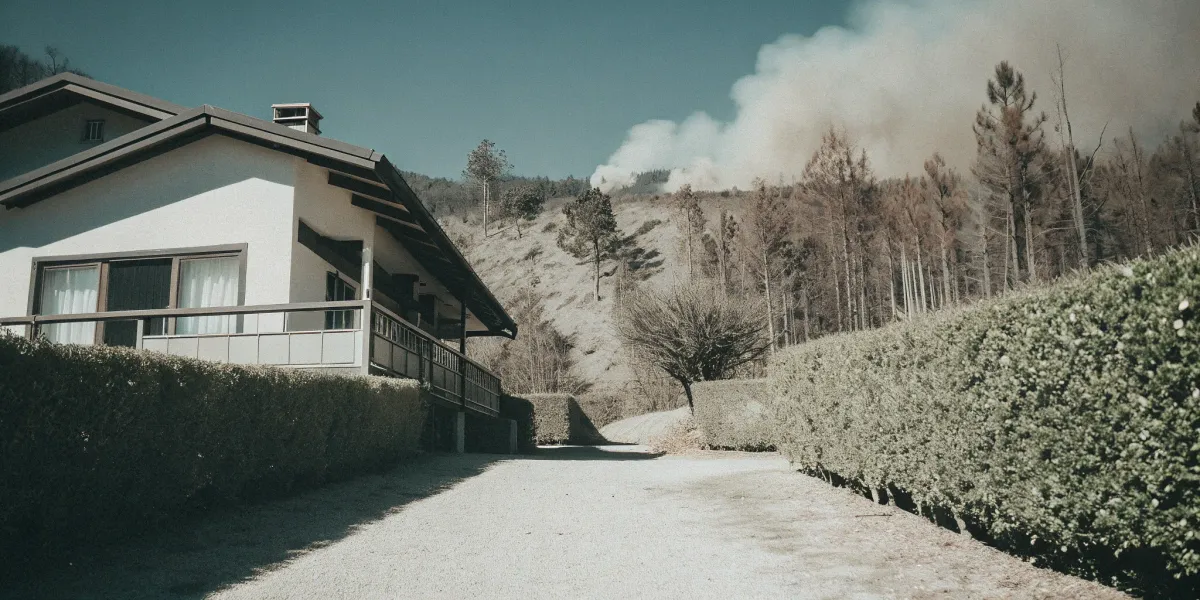
For homeowners in high-risk areas, keeping your insurance can feel like a constant battle. As insurers look closer than ever at wildfire risk, the condition of your property is everything. A home with overgrown vegetation is a major red flag, often leading to non-renewal or sky-high premiums. The single most effective way to improve your insurability is by proving you're a responsible homeowner. This starts with understanding and meeting your local fire clearance requirements. I'll walk you through exactly what insurers and fire officials are looking for, giving you a clear action plan to protect your home and your policy.
Key Takeaways
- Protect Both Your Home and Your Insurance Policy: Proper fire clearance is one of the most direct actions you can take to safeguard your property from wildfire. It also directly impacts your ability to get and keep homeowners insurance in high-risk areas.
- Focus Your Efforts by Working in Zones: Make the project manageable by tackling your property in sections. Start by creating a non-flammable area immediately around your home (0-5 ft), then create a "lean, clean, and green" landscape (5-30 ft), and finally reduce the overall fuel load further out (30-100 ft).
- Turn Maintenance into a Simple, Year-Round Routine: Don't wait for an inspection notice to get started. By adopting a seasonal schedule for clearing debris, pruning trees, and mowing grass, you can keep your property consistently safe and avoid a last-minute scramble before fire season.
What Are Fire Clearance Requirements?
If you live in a wildfire-prone area, you’ve probably heard the term “fire clearance.” Think of it as a set of rules designed to create a safety buffer around your home. These requirements aren't just suggestions; they are often mandated by law to help protect your property and your community from the spread of wildfire. Understanding what’s required of you is the first step toward a safer, more secure home.
The Stakes Are High: Wildfire Damage in California
If you live in California, you know wildfire is part of the deal. But the sheer scale of destruction lately has put everyone on high alert. It’s not just about the financial cost; the emotional toll on our communities is immense. This is why understanding the recent history of wildfire damage is so important—it puts today’s fire clearance requirements into perspective. These aren’t just arbitrary rules. They’re about protecting what matters most from a very real threat and keeping your home insurable in a tough market.
A Look at the Last Decade
It’s hard to ignore the headlines. The numbers from the past decade are sobering: wildfires in California have destroyed roughly 57,000 buildings and tragically claimed 200 lives. These aren't just abstract figures; they represent homes, memories, and neighbors. This escalating threat is exactly why state and local agencies are so focused on proactive safety, putting a huge emphasis on how homeowners prepare their properties before a fire starts. The focus has shifted from simply reacting to fires to actively creating fire-resistant communities, one home at a time.
In response, California law now requires homeowners to create and maintain 100 feet of defensible space. This doesn’t mean you have to clear-cut your entire yard. The goal is to create a smart, well-managed buffer that slows a fire’s spread and gives firefighters a safer area to defend your home. By strategically removing overgrown vegetation and other flammable materials, you essentially break the fuel chain that a wildfire needs to reach your house. It’s one of the most powerful actions you can take, and it’s a major factor insurers look at when deciding to cover your property.
Fire Clearance, Explained
At its core, fire clearance is the process of removing flammable materials from the area around your home. This includes things that can easily ignite and carry flames, like dead leaves, dry grass, overgrown shrubs, and low-hanging tree branches. The goal is to create what’s known as defensible space—an area where a wildfire is less likely to find fuel to reach your house. By clearing this space, you not only reduce your home’s risk but also give firefighters a safer area to work if they need to defend your property. It’s a simple concept with a powerful impact on your home’s ability to survive a wildfire.
What Are Your Legal Responsibilities?
It’s important to know that fire clearance is a legal obligation for many homeowners. If your property is located in an area designated as a High or Very High Fire Hazard Severity Zone, you are likely required to maintain defensible space year-round. These aren't just friendly guidelines; they are enforceable regulations designed for community-wide safety. Your local fire department establishes specific brush clearance requirements that outline exactly what you need to do. As a property owner, it’s your responsibility to stay informed about these rules and ensure your home remains in compliance to protect both your property and your neighbors.
How Do Requirements Change by Region?
While state-level organizations like CAL FIRE set minimum standards for defensible space, your local rules might be even stricter. Cities and counties often have their own ordinances tailored to the specific fire risks in your community. This is why you can’t assume a one-size-fits-all approach. Your first and most important step is to check directly with your local fire department or city planning office. They are the ultimate authority on the requirements for your specific address. They can provide checklists, guides, and sometimes even property assessments to help you get on the right track and stay compliant.
How Fire Clearance Affects Your Insurance
Beyond legal compliance, maintaining proper fire clearance has a direct impact on your ability to get and keep homeowners insurance. As wildfires become more frequent, insurance companies are paying close attention to a property’s risk level. A home without adequate defensible space in a high-risk zone is a major red flag. Many insurers will refuse to write a new policy or may choose not to renew an existing one if your property doesn't meet fire clearance requirements. Proactively managing your defensible space is one of the most effective ways to demonstrate that you are a responsible homeowner, which can improve your insurability.
A Guide to Essential Fire Clearance Zones
Creating defensible space is all about managing the vegetation around your home in distinct zones. Think of these as concentric circles of protection, with the most intensive work happening closest to your house. Each zone has a specific job to do, from preventing embers from igniting your home to slowing a fire’s spread across your property. By tackling each area with a clear plan, you can systematically reduce your wildfire risk and make your home much safer.
Zone 1 (0-5 Feet): Your Home's Immediate Defense
This is the most critical area, acting as a non-combustible bubble right around your home. The goal here is to eliminate anything that could catch an ember and ignite your house. Start by replacing wood mulch or bark with non-flammable materials like gravel, pavers, or concrete. It’s essential to be meticulous in this zone. You’ll need to regularly remove all dead plants, weeds, and fallen debris. Pay close attention to your roof, gutters, and the areas under your deck, as these are prime spots for leaves and pine needles to accumulate and become a serious fire hazard.
The "Zone Zero" Debate: What You Need to Know
You may have heard discussions about a new concept called "Zone Zero." This is a proposed set of regulations that would make the 0-5 foot area around your home even more restrictive. The main goal is to create an ember-resistant zone to help protect homes from catching fire from wind-blown embers, which are responsible for igniting the majority of homes lost in wildfires. This proposal is stirring a lot of conversation because it would require removing nearly all flammable materials, including certain plants and mulches, from this immediate five-foot perimeter. While not yet law, it highlights a growing focus on making the area closest to your home as non-combustible as possible.
Current Legal Status vs. Proposed Regulations
It’s important to separate what is currently required by law from what is being proposed. As of now, homeowners in high-risk zones must maintain defensible space according to existing regulations, which are enforceable and designed for community safety. The "Zone Zero" concept represents a potential future change that would make the rules for the 0-5 foot zone stricter. Remember, while CAL FIRE sets the baseline for the state, your local fire department has the final say and may already have more stringent brush clearance requirements. Always check with your local authorities to understand exactly what you need to do today to stay compliant and safe.
Zone 2 (5-30 Feet): Keep it Lean, Clean, and Green
In this zone, your focus shifts to interrupting a fire's path. The idea is to create a landscape that is "lean, clean, and green." This means getting rid of all dead plants, grass, and weeds that could act as fuel. You’ll also want to trim trees so their lowest branches are at least six feet off the ground. Create space between plants by ensuring tree canopies are at least 10 feet apart. This spacing prevents fire from jumping from tree to tree. Also, move any combustible items like wood piles or patio furniture out of this zone and into Zone 3.
Zone 3 (30-100 Feet): Reduce the Fuel
The final zone is about reducing the overall fuel available to an approaching wildfire. You don't need to clear everything, but you do need to thin it out. Mow any annual grasses down to a maximum height of four inches. Create horizontal space between shrubs and trees and vertical space between the grass, shrubs, and tree canopies. This strategic thinning slows a fire down and reduces its intensity, giving firefighters a much better chance to defend your home. Regularly rake up and remove fallen leaves, needles, and small branches to keep the fuel load low.
What If Your Property Is High-Risk?
If your home is in a designated "Very High Fire Hazard Severity Zone," you may have additional responsibilities. For example, some local regulations, like the brush clearance requirements in Los Angeles, mandate clearing certain types of vegetation up to 200 feet from your home. These rules are stricter because the risk is higher. It’s crucial to check with your local fire department to understand the specific requirements for your property. Taking these extra steps isn't just about compliance; it's a fundamental part of protecting your home and family in a high-risk area.
How You Can Stay Compliant and Safe
Creating a fire-safe property isn't just about following rules; it's about taking an active role in protecting your home, your family, and your community. Compliance is a partnership between you and your local fire authorities. By understanding your responsibilities and taking consistent action, you can significantly reduce your property's wildfire risk and ensure you meet both legal and insurance requirements. Let’s walk through the key areas where you can make the biggest impact.
Maintain Your Home's Exterior
Your house itself is the last line of defense, so keeping its exterior clean and well-maintained is critical. Start by regularly clearing your roof and gutters of leaves, pine needles, and other flammable debris that embers could easily ignite. It’s also smart to install fine mesh screens over vents to block embers from getting inside.
Think about the area immediately surrounding your home. Move firewood piles, propane tanks, and flammable patio furniture at least 30 feet away from your walls. And when you’re doing any clearing work, always follow basic safety protocols. The National Fire Protection Association recommends keeping a pressurized garden hose or a fire extinguisher nearby, just in case. These simple steps harden your home against ignition.
Clearance for Chimneys and Vents
During a wildfire, thousands of burning embers can travel far ahead of the main fire, landing on and around your home. Your chimney is an open invitation for these embers if not properly protected. To prevent this, you need to create a clear space around it. According to CAL FIRE guidelines, all tree branches should be trimmed back so they are at least 10 feet away from any chimneys or stovepipes. This simple action removes a direct pathway for fire, preventing a stray ember from igniting a branch and then spreading to your roof. It’s also a good idea to cover your chimney outlet with a non-flammable screen with openings no larger than half an inch to block embers from getting inside.
Protecting Windows and Eaves
Windows and eaves are two of the most vulnerable parts of your home during a wildfire. The intense heat can cause windows to shatter, allowing embers to blow inside, while the overhang of your eaves can easily trap hot gases and flames. A key step in protecting these areas is to clear away anything flammable from the base of your house. This includes keeping your decks and patios clear of combustible items like wooden furniture, planters, and even coconut-fiber doormats. By removing these fuel sources, you reduce the chance of a small ground fire climbing your walls and reaching these weak points, giving your home a much better chance of survival.
Securing Fences and Gates
A wooden fence connected to your house can act like a wick, drawing fire from the edge of your property directly to your walls. To prevent this, it’s important to create a break in the fuel path. The best solution is to use fire-resistant materials like metal, stone, or vinyl for any fencing within five feet of your home. If replacing your entire fence isn't practical, you can install a metal gate right where the fence line meets your house. This creates a simple but effective firebreak that can stop a fire in its tracks. This small modification interrupts the continuous line of fuel and can make a huge difference in protecting your home’s exterior from ignition.
Rules for Outbuildings and Propane Tanks
Don’t forget about the other structures on your property. Sheds, detached garages, and propane tanks can become major hazards if they ignite. These structures require their own defensible space to prevent them from carrying a fire to your main house. For both outbuildings and propane tanks, you need to maintain a minimum of 10 feet of clearance down to bare mineral soil on all sides. Beyond that, you should ensure there are no flammable plants for an additional 10 feet around them. This buffer zone helps isolate these potential ignition points, ensuring that if they do catch fire, the flames are less likely to spread and endanger your home.
Actionable Tips for Managing Vegetation
Proper vegetation management is the foundation of a fire-safe property. Your goal is to create defensible space by reducing the amount of flammable "fuel" around your home. This means clearing away dead plants, dry grass, and overgrown brush. According to CAL FIRE, you should maintain a clean and green landscape, especially within the first 30 feet of your home.
This also involves creating strategic spacing between trees and shrubs to prevent a fire from climbing from low-lying plants into tree canopies. In high-risk areas, the requirements can be even more stringent. For example, the Los Angeles Fire Department requires homeowners to clear hazardous vegetation within 200 feet of structures. Staying on top of landscaping isn’t a one-time task—it’s an ongoing commitment to safety.
The Simple Way to Keep Records
Documenting your fire clearance efforts is a simple habit that can save you a lot of headaches. Since local fire departments often conduct annual inspections, having clear records proves your compliance and shows your commitment to safety. Start by taking before-and-after photos of your property each time you do significant clearing work. Keep a simple log of the dates you performed maintenance, like mowing dry grass or trimming trees.
Hold onto receipts from any professional services you hire, such as arborists or land-clearing crews. You can store everything in a digital folder or a physical binder. This documentation is incredibly useful if you ever need to discuss your property with a fire inspector or provide proof of mitigation to your insurance provider.
How to Keep Your Insurance Company Happy
In many wildfire-prone areas, your ability to get and keep homeowners insurance is directly tied to your fire clearance efforts. Insurers are increasingly using sophisticated tools, including aerial imagery, to assess a property's risk. If they see an overgrown, unmanaged property, they may raise your premiums, decline to renew your policy, or deny coverage altogether.
Think of your defensible space work as an investment in your home's financial security. By demonstrating that you are actively managing your property’s risk, you make your home a much more attractive and insurable asset. The records you keep can serve as powerful evidence of your mitigation efforts, helping you secure the coverage you need to protect your home.
How to Create and Maintain Defensible Space
Creating defensible space is one of the most effective ways you can protect your home from wildfire. Think of it as a buffer zone that you control. By managing the vegetation and materials around your property, you can slow a fire’s spread and give firefighters a safer space to defend your home. Breaking the process down into manageable steps makes it much easier to tackle.
Clear Ground-Level Plants and Debris
Start with the area closest to your home and work your way out. Your goal is to remove the fuel that a fire needs to travel along the ground. This means clearing out all dead plants, grass, weeds, and fallen leaves, especially within the first five feet of your foundation. Pay close attention to anything collected under decks or in corners. According to CAL FIRE, this simple cleanup is a critical first step. Make it a regular habit, like mowing the lawn, to prevent debris from piling up and becoming a significant fire hazard over time.
Getting Tree and Shrub Spacing Right
Fire can climb trees like a ladder, so your next step is to create separation between plants. Trim tree branches so they are at least 10 feet away from other trees and remove any limbs that hang over your roof. You should also clear away any smaller shrubs or plants from underneath large trees to stop a ground fire from spreading into the canopy. This spacing disrupts the fire’s path, forcing it to slow down and making it less intense. Proper spacing doesn’t mean you have to clear-cut your property; it’s about creating strategic breaks in the vegetation.
Vertical Spacing: Preventing Fire Ladders
One of the most dangerous ways a wildfire spreads is by climbing from the ground into the treetops. This is often caused by what firefighters call a “fire ladder”—when low-lying shrubs are close enough to taller trees to act as a staircase for flames. To prevent this, you need to create vertical space. A simple rule from CAL FIRE can help you figure out the right distance: multiply the height of a shrub by three. For example, if you have a shrub that is five feet tall, you need to ensure there are at least 15 feet of clear space between the top of that shrub and the lowest branches of the tree above it. This simple calculation is a powerful tool for stopping a ground fire from escalating into an out-of-control crown fire.
Horizontal Spacing: Rules for Trees Based on Slope
The slope of your property plays a huge role in how quickly a fire can spread. Because fire moves much faster uphill, the steeper your land, the more space you need between trees. This horizontal spacing is designed to break up the tree canopy so that a fire can’t easily jump from one tree to the next. For properties with a flat or mild slope (0-20%), you should maintain at least 10 feet between the canopies of individual trees. On a mild to moderate slope (20-40%), that distance increases to 20 feet. For steep slopes (over 40%), you’ll need to create a full 30 feet of space between trees to effectively slow a fire’s advance.
Horizontal Spacing: Rules for Shrubs Based on Slope
Just like with trees, the required spacing for shrubs also increases with the steepness of your terrain. However, the calculation for shrubs is based on their height. On a flat to mild slope (0-20%), the distance between shrubs should be at least two times their height. This requirement doubles on a mild to moderate slope (20-40%), where you’ll need to leave a space that is four times the height of the shrubs. On steep slopes (over 40%), the spacing increases to six times the height of the shrubs. For instance, a three-foot-tall shrub on a steep hill would need 18 feet of clearance from its neighbors. This aggressive thinning is critical for reducing fuel density where fire can spread most rapidly.
Managing Leaf Litter and Ground Cover
All your hard work creating space between plants can be undone if the ground is covered in flammable debris. A thick layer of fallen leaves, pine needles, and dead twigs acts as kindling for embers, allowing a fire to spread quickly across your property. This is why consistent maintenance is so important. You need to regularly rake up and remove this ground-level fuel, especially within the first 30 feet of your home. Don’t let this material accumulate under your deck, against your foundation, or at the base of fences. Keeping the ground clean is a simple, year-round habit that significantly reduces the chance of ignition from flying embers.
What Landscaping Is Fire-Resistant?
What you plant and where you place it matters. When possible, choose high-moisture, fire-resistant plants for your landscaping. For the area immediately surrounding your home, use non-combustible materials like gravel, pavers, or concrete instead of flammable mulches like wood bark. This "hardscaping" creates a beautiful, low-maintenance, and fire-resistant barrier. Also, consider replacing any wooden fences or gates that are attached to your home with non-combustible alternatives. These changes not only improve your property’s safety but can also enhance its curb appeal and long-term value.
Smart Ways to Save on Fire Clearance
You don’t need a massive budget to make a big impact. Regular maintenance is your most powerful and cost-effective tool. A weekend of yard work each season can prevent a much larger, more expensive clearing project down the road. When you are clearing brush, always keep a pressurized garden hose or an approved fire extinguisher nearby as a simple safety precaution. Look for community programs that may offer free or low-cost chipping services to help you dispose of cleared vegetation. By being proactive and resourceful, you can maintain a safe property without breaking the bank.
Working Safely: Tips for Timing Your Clearance Work
Clearing your property is a physical job, and it’s easy to get so focused on the task at hand that you forget about basic safety. But using tools like mowers, chainsaws, and weed whackers comes with its own set of risks, especially in the dry conditions that make this work so necessary in the first place. A single spark from a metal blade hitting a rock can be enough to start a fire, undoing all your hard work in an instant. That’s why timing your clearance activities is so important. By working smart and paying attention to the time of day and weather conditions, you can get the job done safely and effectively, ensuring your efforts protect your home instead of putting it at risk.
When to Mow to Reduce Fire Risk
Mowing is one of the most common and effective ways to manage fire risk, but it’s also one of the easiest ways to accidentally start one. To do it safely, timing is everything. Fire officials recommend doing all your mowing before 10 a.m., when temperatures are cooler and humidity is higher. You should also avoid mowing on hot or windy days altogether, as these conditions can quickly turn a small spark into a fast-moving fire. According to CAL FIRE, you should aim to cut any annual grasses down to a maximum height of four inches. Following these simple guidelines dramatically reduces the chance of your equipment starting a fire, making your clearance work a true step toward safety.
Tools That Make Property Assessment Easy
Keeping your property safe from wildfire isn't a one-time project; it's an ongoing commitment. Regularly assessing your defensible space ensures your hard work continues to protect your home and family. The good news is you have several tools at your disposal, from high-tech digital platforms to a simple walkthrough. By making assessment a regular part of your home maintenance routine, you can catch potential issues early, stay compliant, and maintain a fire-resilient landscape year after year.
Using Digital Tools to Assess Your Risk
Technology offers a powerful way to understand your property’s wildfire risk. Digital platforms analyze your defensible space using satellite imagery, giving you an objective report with a prioritized action plan. This approach takes the guesswork out of creating a landscape that meets local standards. Many fire authorities, like CAL FIRE, have specific requirements that these platforms can help you address directly, making compliance much simpler.
Your DIY Fire Safety Checklist
A hands-on self-assessment is a great way to stay on top of maintenance. Walk your property and look for hazards in each defensible space zone. Near your home, clear dead leaves from gutters and remove flammable items from under your deck. Further out, check for proper spacing between trees to prevent fire from climbing into the canopy. A regular walkthrough helps you spot problems before they become major hazards and creates a simple to-do list to keep your property in shape.
When to Call in a Professional
For an expert opinion, hire a professional inspector. A certified wildfire risk assessor or arborist can provide a detailed, on-site evaluation. They are trained to see things you might miss, from tree health to your home’s building materials. An inspector provides a comprehensive report with specific recommendations. This documentation is incredibly valuable when you need to meet your homeowners insurance requirements, as it proves your commitment to safety.
Easy Ways to Document Your Progress
Keeping a simple record of your fire clearance efforts is one of the smartest things you can do. This documentation serves as proof of your compliance for insurance and local inspections. Start a dedicated folder or digital album for your work. Take "before" and "after" photos of your projects, keep receipts for professional services, and jot down the dates you completed specific tasks. This simple habit creates a powerful history of your maintenance activities and demonstrates your ongoing diligence.
Where to Find Professional Help and Support
Creating and maintaining defensible space can feel like a big project, but you don’t have to figure it all out on your own. Plenty of experts and organizations are available to guide you, from local fire officials to specialized contractors. Tapping into these resources can save you time, ensure the job is done right, and give you confidence that your home is well-protected.
Talk to Your Local Fire Department
Your local fire department is one of your best resources for guidance. They aren't just there for emergencies; they are deeply invested in community-wide fire prevention. Many departments offer free property consultations, providing specific advice tailored to your landscape and home structure. They can clarify local ordinances and explain exactly what they look for during an inspection. For example, many local fire departments in California check properties every year to make sure they follow clearance rules. Don’t hesitate to call their non-emergency line to ask questions or request a visit. They are your partners in safety and can provide the most accurate, location-specific information you can get.
How to Find a Qualified Contractor
While you can certainly do the clearance work yourself, sometimes it’s best to hire a contractor. This is especially true if you have large trees to prune, steep slopes to manage, or simply lack the time and equipment. When looking for help, seek out professionals with experience in wildfire mitigation and defensible space. A general landscaper might not understand the specific principles of fuel reduction. Look for certified arborists for tree work or contractors who advertise their expertise in fire-safe landscaping. Getting professional help ensures the work is done safely and effectively, giving you peace of mind and a property that meets all requirements.
Find Support in Community Programs
You and your neighbors are all facing the same challenges, and there’s incredible power in working together. Community programs like Firewise USA® provide a structured way for neighborhoods to collaborate on wildfire preparedness. These programs offer a wealth of educational resources, a clear framework for reducing ignition risks, and can even help your community apply for grants to fund larger fuel reduction projects. Participating is a great way to learn from others, share resources, and build a stronger, more resilient neighborhood. By getting involved, you can help protect not just your own home, but your entire community from the threat of wildfire.
Check for Resources from Your Insurer
Your insurance company has a vested interest in helping you protect your property from wildfire. Many insurers now offer extensive resources to their policyholders, including detailed checklists, seasonal maintenance guides, and even discounts for homeowners who take proactive steps to create defensible space. It's hard to get wildfire insurance if your property is in a high-risk zone and you don't follow clearance rules, so it’s wise to treat your insurer as a partner. Reach out to your agent to ask what they recommend and if they offer any mitigation discount programs. Their guidance can help you prioritize your efforts and potentially lower your premium.
How Compliance and Enforcement Work
Understanding the rules for defensible space is one thing, but knowing how they’re enforced is another. These regulations aren't just suggestions; they are legal requirements designed to protect you, your neighbors, and the first responders who serve your community. Fire departments and local agencies are responsible for ensuring everyone does their part. While it might feel a little intimidating, the process is usually straightforward and focused on education first. Think of it as a partnership—your local fire officials want you to succeed in making your home safer. They conduct inspections to verify compliance and provide guidance where needed, helping you protect your property before a wildfire strikes.
Local vs. State Rules: What's the Difference?
While states like California have baseline defensible space laws that apply everywhere, your specific obligations don’t stop there. Many counties, cities, and local fire districts have their own ordinances that are often stricter than the state’s minimum requirements. For example, a local rule might require a wider clearance zone or have specific guidelines for certain types of vegetation common in your area. It’s your responsibility to know which rules apply to your property. The best way to get clear, accurate information is to contact your local fire department directly or visit their website. They can provide you with a checklist and answer any questions you have.
What to Expect During an Inspection
In many wildfire-prone areas, annual inspections are a regular part of life, often beginning in late spring as fire season approaches. An inspector from your local fire department or a designated agency will visit your property to assess your defensible space. They will walk the perimeter of your home and property, checking each zone to ensure it meets the required clearance standards. They’re looking for things like overgrown grass, dead vegetation, crowded trees, and flammable materials stored too close to your home. If your property is compliant, you’ll likely receive a notice confirming you’ve passed. If not, you’ll get a report detailing the specific corrections you need to make.
Avoid These Common Violations
Inspectors see the same issues over and over again. To make sure you pass your inspection on the first try, pay close attention to these common problem areas. Keep grasses and weeds cut to a maximum of three inches high. Remove all dead leaves, pine needles, and other debris from your roof, gutters, and the areas under your deck. If you have trees taller than 18 feet, make sure to trim the lower branches so there is at least six feet of clearance from the ground. Finally, move firewood piles and other flammable materials at least 30 feet away from your home and other structures. Addressing these simple things makes a huge difference.
What Happens If You're Not Compliant?
If an inspector finds that your property doesn't meet the requirements, you’ll receive a written notice to fix the issues, usually within a few weeks. The goal is compliance, not punishment, so this first step is simply a formal request to do the work. However, ignoring the notice will lead to penalties. If you fail a second inspection, you can face significant fines. In many cases, if the property remains non-compliant, the fire department has the authority to hire a private contractor to clear the hazards for you. You will then be billed for the full cost of their labor plus a hefty administrative fee, which can easily run into thousands of dollars.
Beyond Your Property Line: Essential Fire Prevention Tips
While we've spent a lot of time focusing on your home and yard, fire safety is a responsibility that extends far beyond your property lines. Wildfires can start in many ways, and often, human activity is the cause. A forgotten campfire, a spark from equipment, or a poorly discarded cigarette can ignite a blaze that threatens an entire community. This is why practicing fire safety in all aspects of our lives, especially when we're enjoying the outdoors, is just as important as maintaining defensible space at home. It’s about adopting a mindset of prevention wherever you go.
Thinking about fire safety as a community-wide effort helps put everything into perspective. Your diligence at home protects your neighbors, and their responsible actions protect you. This same principle applies when you're camping, hiking, or even just having a barbecue in a local park. Every small, preventive action contributes to the collective safety of the places we love. Understanding and following basic fire safety rules when you're away from home is a simple but powerful way to prevent a disaster before it ever has a chance to start.
Campfire Safety and Clearance
A campfire can be a wonderful part of an outdoor adventure, but it comes with serious responsibility. Before you even think about lighting a fire, you need to check for any fire restrictions in the area. If campfires are allowed, prepare your site by clearing a 10-foot circle around your fire pit, removing all grass, twigs, and flammable debris. Always have the right tools on hand: a bucket of water, a shovel, and a cellphone for emergencies. When you're ready to leave, you must extinguish the fire completely. The best method is to drown the embers with water, stir them with a shovel, and drown them again. Before you walk away, feel the area with the back of your hand to ensure it's cold to the touch.
Fire Clearance for Other Structures and Situations
Fire clearance requirements aren't just for single-family homes. The same principles of reducing fuel and ensuring safety apply to all kinds of buildings, from businesses and schools to community centers and apartment complexes. These regulations are often even more stringent in public spaces because they are designed to protect larger groups of people, including vulnerable populations like children and the elderly. The core goal remains the same: create an environment where a fire is less likely to start and spread, and where people can evacuate safely if one does occur.
For business owners and property managers, understanding these specific codes is a critical part of their legal and ethical responsibilities. Compliance isn't just about passing an inspection; it's about safeguarding employees, customers, and the public. These requirements cover everything from landscaping and vegetation management to ensuring that emergency exits are always clear and accessible. Just like with a home, these rules are established by local fire authorities and are tailored to the unique risks of the building and its surroundings. Staying informed and compliant is a fundamental part of being a responsible member of the community.
Requirements for Child Care Centers
When it comes to protecting children, fire safety standards are understandably high. In states like California, all child care centers are legally required to obtain and maintain a formal document known as a "fire clearance." This isn't just a suggestion; it's a prerequisite for operation. To get this clearance, the facility must be inspected and approved by the local fire department, a fire protection district, or the State Fire Marshal. This process ensures that the center has taken all necessary precautions to create a fire-safe environment, from proper building materials to clear evacuation routes, giving parents and staff critical peace of mind.
Ensuring Clear Fire Exits in Buildings
One of the most fundamental rules of fire safety is ensuring everyone has a clear path to escape in an emergency. This is why there are specific legal requirements for emergency exits in all types of buildings. According to safety codes, an emergency exit must be at least 28 inches wide with a ceiling height of at least 7 feet and 6 inches. More importantly, this path must always be kept completely clear of obstructions. Storing boxes, equipment, or furniture in front of an exit door can have tragic consequences. Regularly checking to ensure all exits are accessible is a simple but life-saving habit for any home or business owner.
Your Year-Round Maintenance Plan
Creating defensible space is not a one-and-done project you can check off your list in a single weekend. It requires consistent, year-round attention to keep your property safe and compliant. Think of it like tending a garden—it needs regular care to stay healthy and resilient. By breaking down the work into manageable, seasonal tasks, you can stay ahead of fire season without feeling overwhelmed. This proactive approach ensures your home is protected no matter the season and ready for any official inspections.
What to Do Each Season
The best way to manage your property is to adopt a "clear early, clear often" mindset. Managing vegetation is a year-round job that prevents overgrowth and reduces fuel for potential wildfires. In the fall, focus on clearing fallen leaves and pine needles from your roof, gutters, and yard. Winter is a great time to prune trees and shrubs while they’re dormant. As spring arrives, clear away the dead grass and brush that died off during winter. Throughout the summer, your main job is maintenance: keep your grass mowed, water plants appropriately, and remove any new growth that infringes on your defensible space zones. Following a seasonal rhythm makes meeting brush clearance requirements feel much more manageable.
Your Go-To Checklist for Regular Inspections
Many local fire departments begin their annual property inspections around May 1st, so it’s smart to do your own checks beforehand. A regular self-assessment helps you spot and fix issues before they become violations. Once a month, walk your property and look for potential hazards. Are your gutters and roof clear of debris? Are tree branches touching your home? Is firewood stacked at least 30 feet away from all structures? Taking a few minutes to follow a defensible space checklist helps you maintain a constant state of readiness and ensures you’re prepared when the official inspection notice arrives.
How to Prepare for Changing Weather
Weather conditions play a huge role in when you should perform clearance work. A critical rule to follow is to never use equipment that can create a spark—like a lawnmower or metal weed whacker—on hot, dry, and windy days. These conditions are often part of a Red Flag Warning, which signals a high risk for fire ignition and spread. Always check the local forecast before starting your yard work. Plan your clearing activities for cooler, calmer mornings when humidity is higher. This simple step significantly reduces the risk of accidentally starting a fire while you’re trying to prevent one.
Simple Steps for Emergency Preparedness
Safety should always be your top priority when performing clearance work. Before you start any project, make sure you have a pressurized garden hose or a fire extinguisher within 10 feet of your work area. This allows you to quickly put out any accidental sparks or small flames. It’s also wise to wear protective gear like gloves and safety glasses, keep a phone nearby, and let someone know what you’re doing. By taking a few extra precautions, you can ensure your efforts to improve your home fire safety don’t create a new hazard.
Taking Your Fire Safety Plan to the Next Level
Once you’ve mastered the basics of defensible space, you can build a more advanced fire safety plan. Think of this as your long-term strategy for keeping your property safe, not just a one-off weekend project. A solid plan moves beyond simply clearing brush and involves a thoughtful approach to assessing your unique risks, managing your efforts efficiently, and working with your community. It’s about creating a sustainable system that protects your home year after year. This is where you transition from reacting to fire season to proactively managing your property’s resilience. It’s a shift in mindset that can make all the difference when a wildfire threatens your area.
Developing this plan helps you prioritize your work, making a big job feel much more manageable. Instead of looking at your entire property and wondering where to start, you’ll have a clear roadmap. It also prepares you to adapt to changing conditions, whether it’s a prolonged drought that requires extra vigilance or new landscaping projects that need to be fire-safe from the start. By thinking strategically, you can invest your time and money where they’ll have the most impact. This proactive mindset is key to not only protecting your property but also maintaining your peace of mind and potentially improving your access to homeowners insurance in a wildfire-prone area.
How to Accurately Assess Your Wildfire Risk
The first step in any good plan is understanding exactly what you’re up against. Every property is different, so take a close look at your specific situation. According to CAL FIRE, "Defensible space is a clear area around your home and other buildings. It acts like a shield to slow or stop a wildfire from reaching your property." Start by evaluating this space, working from your home outward to 100 feet. Consider factors like the slope of your land (fire moves faster uphill), the type of vegetation you have, and the surrounding environment. Are you near a canyon or a dense, unmanaged forest? Knowing your specific vulnerabilities allows you to create a targeted, effective defense.
Smart Ways to Manage Your Time and Budget
Creating defensible space is a marathon, not a sprint. To avoid feeling overwhelmed, break the work into smaller, manageable tasks and schedule them over time. You might dedicate one weekend a month to maintenance or tackle one side of your property at a time. It’s also important to have the right tools and safety gear on hand. As you work, always "keep an approved fire extinguisher or pressurized garden hose within 10 feet of any grass or brush clearing operation." This simple safety measure can prevent an accident from turning into a disaster. Planning your time and resources makes the entire process safer and more sustainable.
Why You Should Work with Your Neighbors
Wildfires don’t stop at property lines, which is why community collaboration is so powerful. Talk to your neighbors about your fire safety plans and see where you can work together. You might coordinate clearing efforts along shared fences or team up to remove hazardous vegetation from a common area. This collective approach makes the entire neighborhood more resilient. The Los Angeles Fire Department advises residents to "Clear Early, Clear Often," a motto that’s even more effective when adopted by a whole community. Working together can also open up opportunities to become a recognized Firewise USA® site, which can provide support, resources, and even insurance benefits.
Building a Maintenance Strategy That Lasts
Your defensible space needs ongoing attention to remain effective. Vegetation grows back, and dead leaves and pine needles accumulate over time. A long-term maintenance strategy turns fire safety into a year-round routine. Create a simple seasonal checklist: in the spring, focus on cutting back new growth; in the summer, maintain your clearance zones and ensure irrigation systems are working; and in the fall, clear fallen leaves and debris from your roof, gutters, and yard. "Managing plants to prevent fires is a job for the whole year." By making maintenance a regular habit, you ensure your home is always prepared and avoid a massive cleanup project right before fire season begins.
Related Articles
- Your Guide to the CAL FIRE Defensible Space Map
- Defensible Space Inspection Cost: What to Expect
- Defensible Space Zones: A Homeowner's Guide
- Kern County Fire Clearance Requirements: A Simple Guide
- How to Prepare for a Defensible Space Inspection
Frequently Asked Questions
Do I have to clear-cut my property to create defensible space? Not at all. This is a common misconception that makes the task feel overwhelming. The goal isn't to create a barren landscape, but a well-managed one. It’s about strategic thinning and creating separation between flammable vegetation. You can absolutely keep your beautiful trees and shrubs, as long as you prune them correctly and ensure there is enough space between them to prevent fire from spreading from one plant to another.
What's the most important area to focus on if my time and budget are limited? If you only have time to do one thing, concentrate on the area immediately surrounding your home—from your foundation out to five feet. This is the most critical zone for preventing embers from igniting your house. Clear away all dead leaves, weeds, and flammable mulch, and consider using non-combustible materials like gravel or pavers here. Securing this small but vital area makes a huge difference in your home's ability to survive a wildfire.
I've done all the clearing work. Am I finished for the year? Think of defensible space maintenance like any other home or garden chore—it requires consistent attention. Vegetation grows back, and leaves and pine needles will fall again. While you’ve done the heavy lifting, you’ll need to perform regular upkeep to ensure your property stays safe and compliant. A quick walkthrough once a month to pull weeds or clear debris is much easier than facing a massive clearing project right before inspection season.
How does this work actually affect my homeowners insurance? Your insurance provider sees a well-maintained property as a lower risk, which is exactly what they want. When you create and maintain defensible space, you are actively demonstrating that you are a responsible homeowner. This can make it easier to get a new policy or keep your existing one, especially in a high-risk area. Many insurers now use aerial imagery to assess properties, so your hard work is visible and can directly impact your insurability and sometimes even your premium.
My neighbor's property is a fire hazard. What can I do? This is a tricky but common situation. A fire on your neighbor’s property can easily threaten your own, so it's a valid concern. The best first step is often a friendly, non-confrontational conversation. They may not be aware of the requirements or may need help. If that doesn't work or you don't feel comfortable approaching them, you can report the issue to your local fire department's prevention bureau. They can send an inspector to assess the property and handle the compliance issue officially and anonymously.