A Guide to the 3 FireSmart Home Ignition Zones
Learn how to protect your home from wildfire with practical steps for each FireSmart home ignition zone, from immediate to extended areas around your house.
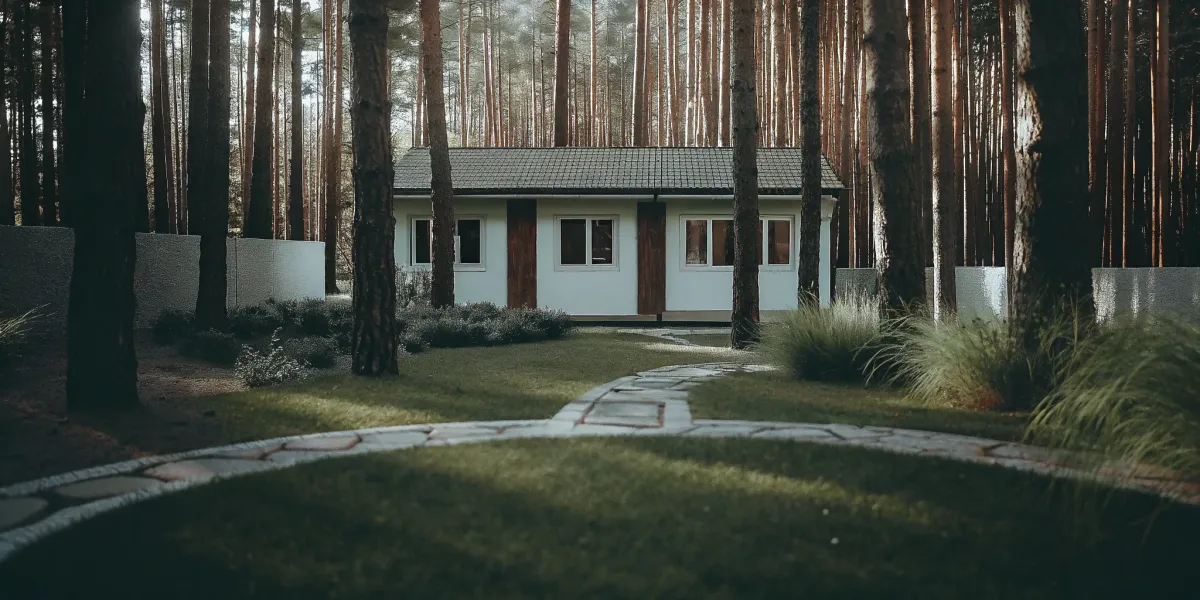
Most people think homes are lost to wildfire when a huge wall of flames sweeps through. The reality is far more subtle and much closer to home. The biggest threat comes from tiny, wind-blown embers that can travel more than a mile ahead of the main fire. These embers land on or near your house, searching for fuel—like dry leaves in a gutter or flammable mulch against a wall. This is why understanding your FireSmart Home Ignition Zone is so critical. It’s the 100-foot area around your home where you can remove the fuel that embers need, effectively creating a safety bubble. This article explains how to manage this space to defend against the real threat.
Key Takeaways
- Focus on Your Home Ignition Zone: The 100 feet surrounding your home is the most critical area for wildfire defense. You have direct control over the "fuel" here—from dry leaves to flammable plants—and managing it is the most effective way to protect your property.
- Work from the House Outward: Tackle defensible space by prioritizing the three zones. Start by creating a non-combustible five-foot barrier directly around your home, then create space between plants in the 5-30 foot zone, and finally, thin vegetation in the 30-100 foot zone to slow a fire's approach.
- Make Safety a Year-Round, Community Effort: Protecting your home is an ongoing process, not a one-time project. Make maintenance a seasonal habit and collaborate with neighbors on shared property lines and community-wide plans to build a truly resilient neighborhood.
What Is the Home Ignition Zone?
When you think about protecting your home from a wildfire, you might picture a massive wall of flames. While that’s a real threat, the true danger often lies much closer to home—in an area called the Home Ignition Zone (HIZ). This is the space that extends 100 feet out from your house in every direction. According to fire experts, what you do within this 100-foot perimeter has the single biggest impact on whether your home will survive a wildfire.
The concept is simple: your house is more likely to catch fire from embers landing on flammable materials nearby than from direct contact with the main fire. The HIZ is your first and best line of defense. It’s the area where you have the most control to reduce wildfire risks by carefully managing vegetation, building materials, and everyday items stored outside. Think of it as creating a safety bubble around your property. By managing this space, you’re not trying to stop the wildfire itself; you’re trying to stop your home from becoming part of the fire. This approach is the foundation of programs like FireSmart, which focus on practical, property-level actions to build wildfire resilience.
The Three Elements of a Wildfire
To understand why the Home Ignition Zone is so important, it helps to know what makes a wildfire so destructive. Three main factors drive a fire’s behavior: weather, topography, and fuel. You can’t control the wind (weather) or the steepness of a nearby slope (topography), but you have complete control over the third element: fuel. In the context of your property, "fuel" is anything that can burn—dead leaves, dry grass, overgrown shrubs, woodpiles, and even the materials your home is made of. FireSmart principles focus on managing fuel in the Wildland-Urban Interface, which is simply the area where our homes and communities meet the forest. By removing or reducing fuel in your HIZ, you take away a wildfire’s power.
How Wildfires Spread to Homes
Most homes don't ignite because a giant wall of flame overtakes them. Instead, they catch fire in one of three ways. The most common cause is from embers, or firebrands, which are small, burning pieces of debris that can be carried by the wind for more than a mile. These embers land in gutters, on decks, or in shrubs next to the house and start new fires. The second way is through radiant heat—the intense heat from a nearby fire can be hot enough to ignite siding or shatter windows without any direct flame contact. The third is direct flame contact, where flames from burning trees or shrubs touch the house itself. Fire science research shows that the condition of your home and its immediate surroundings is what ultimately determines its risk.
Why Your Home Ignition Zone Is Your Best Defense
Focusing on your Home Ignition Zone is the most effective action you can take to protect your property. It’s an empowering strategy because it puts the control back in your hands. By clearing away flammable debris, choosing fire-resistant plants, and maintaining the space within 100 feet of your home, you create a buffer that can slow or even stop a fire’s spread. This doesn't just protect your house from direct flames; it also reduces the chances of ignition from radiant heat and flying embers. Taking steps to reduce things that can burn in your HIZ dramatically increases your home’s chances of surviving a wildfire, giving firefighters a safer space to defend it if needed.
A Guide to the Three FireSmart Zones
Thinking about your entire property as one big project can feel overwhelming. That’s why fire safety experts break the Home Ignition Zone into three manageable areas. By focusing on each zone one by one, you can take clear, effective steps to protect your home. This approach helps you prioritize your efforts where they matter most, starting from your doorstep and working your way out. Each zone has a different goal, from preventing ignition right at your house to slowing a fire’s approach.
Zone 1: The Immediate Zone (0-5 ft)
This is the most critical area for wildfire defense. The five feet immediately surrounding your home is where embers are most likely to land and ignite flammable materials. Your goal here is to create a non-combustible environment. Start by clearing away all dead leaves, pine needles, and dry grass from under decks and against the foundation. Use materials like gravel, pavers, or concrete for walkways and patios instead of wood chips. If you have plants in this zone, make sure they are well-irrigated and fire-resistant. Any flammable items, like firewood piles, patio furniture with combustible cushions, or recycling bins, should be moved to Zone 2.
Zone 2: The Intermediate Zone (5-30 ft)
The goal for this zone is to interrupt a fire’s path and keep flames small. This is your buffer zone. You don’t need to clear everything, but you should focus on creating space between potential fuels. Keep your lawn mowed to a height of four inches or less. Prune the lower branches of mature trees to keep fire from climbing into the canopy. It’s also smart to arrange trees and shrubs in small, spaced-out clusters instead of large, dense groups. This practice of creating fuel breaks slows a fire’s spread and reduces its intensity before it can reach your home.
Zone 3: The Extended Zone (30-100 ft)
In the furthest zone from your home, the focus shifts to thinning vegetation to rob an approaching wildfire of its strength and speed. You don’t need a barren landscape; instead, you want to remove weaker trees and accumulated ground debris. Clean up fallen leaves, needles, and dead branches. Ensure there is at least 10 feet of space between the canopies of mature trees. Removing "ladder fuels"—smaller vegetation that can carry a ground fire up into the treetops—is also a key part of forest thinning. This management helps lower a fire’s intensity and makes it easier for firefighters to defend your property.
How to Secure Your Immediate Zone
This five-foot perimeter around your home is your last and most important line of defense. Think of it as a non-combustible bubble that protects your home from direct flames and flying embers. Research shows that the majority of homes lost to wildfire are ignited not by the main wall of fire, but by wind-blown embers that can travel a mile or more ahead of it. These embers land on or around your house, looking for anything flammable to ignite. The Immediate Zone is where they often collect—against siding, under decks, and in garden beds. If this area contains fuel like dry leaves, bark mulch, or flammable plants, it gives embers the perfect opportunity to start a fire that can then spread to your home. By focusing your efforts here, you are addressing the single biggest threat to your property. The goal is to create an environment where fire simply has nothing to burn. Keeping this area meticulously clean and using the right materials can dramatically increase your home’s chances of survival. Here are the most critical steps you can take to secure this zone.
Choose Fire-Resistant Building Materials
When you’re building or renovating, the materials you choose matter immensely. Opting for fire-resistant siding like fiber cement, stucco, or brick can stop a fire in its tracks. The same goes for your roof, which is one of the most vulnerable parts of your house. A Class A fire-rated roof, made from materials like asphalt shingles, slate, or metal, offers the highest level of protection. Making these fire-safe material choices isn't just about meeting building codes; it's a proactive step that hardens your home against ignition, giving you and your family greater peace of mind when wildfire season arrives.
Protect Your Roof and Gutters
Embers can travel for miles and often land on roofs, where they can easily ignite dry leaves and debris trapped in gutters. That’s why regular maintenance is non-negotiable. Make it a habit to keep your roof and gutters completely clean. If you have a chimney, install a spark arrestor to catch any stray embers from your fireplace. It’s also a good idea to inspect your roof for any loose or damaged shingles where embers could get trapped and smolder. These simple, routine checks are some of the most effective ways to prevent roof ignition and protect your home from one of the most common wildfire threats.
Secure Windows and Doors
Windows and vents are entry points for embers, which can be as small as a grain of sand. To keep them out, cover all attic, eave, and foundation vents with 1/8-inch metal mesh screening. This simple fix allows your home to breathe while blocking dangerous embers from getting inside. For windows, dual-paned tempered glass is the best choice, as it’s much more resistant to breaking from heat than single-paned glass. A broken window can allow embers and flames to enter your home in seconds. By hardening these vulnerable openings, you effectively seal your home’s envelope against wildfire intrusion.
Make Your Deck and Porch Safer
Your deck or porch can act as a fuel source that leads fire directly to your house. Treat these structures with the same care as your home itself. Start by removing any flammable items stored on or under your deck, like firewood piles, wicker furniture, or propane tanks. If your deck is low to the ground, screen the open space underneath with 1/8-inch metal mesh. For elevated decks, it’s best to completely enclose the underside with a fire-resistant material. This prevents embers from collecting in a sheltered, fuel-rich environment. Taking these steps helps ensure your outdoor living space doesn’t become a liability during a wildfire.
Clear Flammable Debris
The ground right next to your home should be completely free of anything that can burn. This means clearing away all flammable materials within that crucial zero-to-five-foot zone. Rake away dead leaves, pine needles, and dry grass right down to the bare soil. If you have mulch against your foundation, replace it with non-combustible alternatives like gravel, pavers, or decorative rock. This creates a clean, fire-resistant barrier around your home. It’s a simple but powerful action that removes fuel for embers that land near your foundation, stopping a potential ignition before it can even start.
How to Strengthen Your Intermediate Zone
The Intermediate Zone, which covers the area 5 to 30 feet from your home, is your next line of defense. The goal here isn’t to create a barren landscape, but to disrupt a wildfire’s path and reduce its intensity before it reaches your house. Think of this zone as a crucial buffer. By carefully managing the vegetation and materials within this space, you can slow down an approaching ground fire and prevent it from climbing into trees or generating enough heat to ignite your home.
Effective management of this zone involves creating breaks in the fuel source. This means spacing out trees and shrubs, choosing fire-resistant plants, and using non-flammable materials like gravel or stone for walkways and patios. The idea is to create a landscape that is difficult for fire to move through. Every flammable item you remove or replace in this zone lowers the overall threat. A well-maintained Intermediate Zone can make a significant difference, giving firefighters a safer space to work and increasing your home’s chances of survival. The following steps will walk you through exactly how to create that defensible buffer.
Select and Space Plants Wisely
What you plant in this zone matters just as much as where you plant it. Your landscaping choices should focus on plants that don't burn easily. Opt for fire-resistant plants that have a high moisture content and are free of resins or oils. Succulents, some deciduous shrubs, and certain perennial flowers are excellent choices. Instead of planting dense, continuous vegetation that can carry fire directly to your home, group plants into small "islands." Surround these islands with non-flammable materials like gravel or a well-maintained lawn. This spacing creates natural fire breaks, forcing a fire to cross a non-combustible area to continue its spread, which often stops it completely.
Prune and Manage Trees
Trees can be a major fire hazard if they aren’t properly maintained. In the Intermediate Zone, your primary goal is to prevent a ground fire from climbing into the treetops, where it can become a much more intense and uncontrollable crown fire. To do this, remove all tree branches within 6.5 feet of the ground. This practice, known as "limbing up," eliminates a fuel ladder. You should also ensure there is at least 10 feet of space between the canopies of mature trees. This spacing prevents fire from easily jumping from one treetop to another. Regularly inspect your property for and remove any dead trees or overhanging branches, as they are highly flammable and pose a direct threat.
Choose the Right Ground Cover
The mulch and ground cover you use can either help or hinder your fire defense efforts. Avoid using flammable materials like wood chips, pine needles, or shredded bark, especially right next to your home. These materials are essentially kindling and can easily ignite from flying embers. Instead, choose non-combustible options for your landscaping. You can use fire-safe mulch like gravel, decorative rock, or compost to cover the ground. If you have a lawn, keep it well-irrigated and mowed to a maximum height of four inches. A short, green lawn is less likely to carry a fire than dry, tall grass.
Use Hardscaping to Create Buffers
Hardscaping refers to the non-living elements of your landscape, and it’s one of your most powerful tools for creating fire breaks. Use materials like gravel, brick, or concrete to build walkways, patios, and retaining walls. These features create effective, non-flammable barriers that can stop a ground fire from advancing toward your home. A simple gravel path can be enough to halt the spread of a low-intensity fire. By strategically placing these hardscape elements, you can break up large areas of vegetation and interrupt the continuous path of fuel that a wildfire needs to travel. This not only enhances your property's safety but can also add beautiful, functional structure to your yard.
Plan Your Irrigation
Keeping your landscape well-watered is a simple but critical part of maintaining your Intermediate Zone. Healthy, hydrated plants are significantly less flammable than dry, stressed ones. A consistent watering schedule is essential, especially during the hot, dry months when wildfire risk is at its peak. Consider installing a drip irrigation system or using soaker hoses to deliver water directly to the roots of your plants. This is an efficient way to keep them healthy without wasting water. A well-maintained irrigation plan supports the fire-resistant qualities of your lawn and plants, ensuring they remain a buffer against fire rather than becoming fuel for it. This is a key part of any fire-safe landscaping strategy.
How to Manage Your Extended Zone
The Extended Zone, stretching from 30 to 100 feet from your home, is your property's first line of defense. The goal here isn't to clear-cut the entire area but to strategically manage the landscape to interrupt a wildfire's path and reduce its intensity. Think of this zone as a speed bump for an approaching fire. By removing heavy vegetation and creating space between potential fuels like trees and shrubs, you can rob an advancing fire of the fuel it needs to reach your home.
Managing this larger area might seem like a big project, but breaking it down into smaller, actionable steps makes it much more approachable. The focus is on thinning out vegetation, removing "ladder fuels" that can carry fire from the ground into the treetops, and getting rid of any significant piles of flammable debris. This is also where collaboration with your neighbors becomes incredibly important, as wildfires don't stop at property lines. A well-managed Extended Zone not only protects your home but also contributes to the safety of your entire community by creating a landscape that is less likely to support a large, intense wildfire.
Maintain Proper Tree Spacing
Creating space between trees is one of the most effective ways to slow a crown fire—a fire that spreads from treetop to treetop. As a general rule, aim for at least 10 feet of space between the canopies or outermost branches of your trees. This separation makes it much harder for fire to jump from one tree to the next. You should also remove any tree branches that are within 6.5 feet of the ground. This practice, known as "limbing up," eliminates ladder fuels that allow a ground fire to climb into the treetops. If your property extends beyond 100 feet, it’s a good idea to continue these spacing principles.
Manage Flammable Ground Cover
The forest floor can be a tinderbox if not properly maintained. Dry grass, fallen leaves, pine needles, and dead branches are all fuel for a wildfire. Make it a regular habit to rake up and remove this debris from your Extended Zone. Keep any lawns or native grasses mowed to a height of four inches or less, especially during the dry season. By keeping the ground clear of easily ignitable materials, you significantly reduce the chance of a small ground fire growing and spreading toward your home. This simple maintenance is a key part of creating a defensible space around your property.
Create and Maintain Fire Breaks
A fire break is any gap in vegetation or other combustible material that acts as a barrier to slow or stop the progress of a wildfire. You can create them using driveways, gravel walkways, or rock patios. These features interrupt the path of a fire, forcing it to find another route or giving it a chance to burn out. Consider installing a gravel pad that extends five feet around any outbuildings like sheds, trailers, or RVs. This creates a non-flammable buffer that can protect these structures. Working with neighbors to create connected fire breaks across property lines can be an especially effective community-wide strategy.
Plan for Emergency Access
When a wildfire threatens your neighborhood, clear access for emergency responders is critical. Make sure your driveway and any access roads on your property are wide enough for fire trucks and are clear of overhanging branches or other obstructions. It’s also important to remember that the wildland-urban interface often means your property zones overlap with your neighbors'. Work together to clear shared areas of flammable debris and ensure that emergency routes serving multiple homes are well-maintained. A clear path can make all the difference for firefighters trying to protect your home and community.
Choose Fire-Resistant Materials and Designs
Creating a fire-resistant home goes beyond clearing brush—it's about the materials you choose for your home and its immediate surroundings. Embers are the primary way wildfires spread to homes, and they can find fuel in surprisingly small places. By selecting the right materials and designing your space thoughtfully, you can significantly reduce the chances of ignition. This approach means building a defense system where every element, from your roof to your garden mulch, works together to keep your home safe.
Focus on Key Building Components
The materials your home is built with are your first line of defense. In the first five feet around your house, use non-combustible or fire-resistant materials. Your roof is the most vulnerable surface, so ensure it has a Class A fire rating—the highest level of protection. Materials like composite shingles, metal, or tile are excellent choices. Pay close attention to vents, as embers can easily enter through them. Cover all openings with a 1/8-inch metal mesh screen. Siding and decks should also be made from materials that don't ignite easily. You can learn more by understanding home ignition zones.
Incorporate Fire-Safe Landscaping
Your landscaping can either act as fuel for a fire or as a barrier. In the intermediate zone (5 to 30 feet from your home), your goal is to interrupt a fire's path. Choose fire-resistant vegetation—plants with high moisture content that are less likely to burn, like succulents. Avoid oily or resinous plants, as they are highly flammable. Also, manage what you keep in this zone. Move combustible items like firewood piles and propane tanks at least 30 feet away from your house. Managing the landscaping in your home ignition zone creates a vital buffer.
Find and Fix Vulnerabilities
Wildfires are experts at finding a home's weak spots. Embers can travel over a mile and accumulate in small areas, igniting flammable debris that spreads to your house. Walk your property and look for these vulnerabilities within five feet of your home. Clean out dead leaves and pine needles from under your deck, in your gutters, and against the foundation. Replace flammable items like coir doormats with rubber or other fire-resistant options. Check for gaps in your siding where embers could get trapped. This zone needs to be a "no-burn" area, removing the fuel a wildfire needs.
How to Assess Your Property's Fire Risk
Understanding your property's specific vulnerabilities is the first step toward protecting it. A fire risk assessment isn't about finding faults; it's about gaining knowledge so you can take targeted, effective action. It involves walking your property and looking at it through the lens of a wildfire, paying close attention to your home and the landscape immediately surrounding it. You can start this process yourself to get a solid baseline, but sometimes, bringing in a professional can provide deeper insights and a clear path forward. The goal is to identify potential hazards before they become a problem during an emergency.
Assess Your Own Property
Grab a notepad and walk around your home, starting from the structure itself and moving outward. Your main goal is to spot potential fuel sources. Taking steps to reduce or change things that can burn, like overgrown plants or piles of debris, in your Home Ignition Zone is crucial for wildfire safety. Look for dead leaves in your gutters, dry grass under your deck, and any flammable items stored against the house. Pay attention to the types of plants near your foundation. Are they woody and resinous, or are they well-hydrated, fire-resistant species? This initial walkthrough will give you a practical to-do list of immediate improvements you can make.
When to Call a Professional
While a self-assessment is a great start, a professional brings a trained eye to your property. If you feel overwhelmed or want a more thorough evaluation, it’s time to call an expert. A professional Home Ignition Zone assessment is a detailed review of how likely your house and yard are to catch fire. A certified inspector can identify risks you might overlook, from unscreened vents where embers could enter to subtle landscaping issues. They can provide a prioritized, written report that not only guides your efforts but can also be valuable when speaking with your insurance provider. Your local fire department is an excellent resource for finding qualified assessors in your area.
Know the Common Risk Factors
As you evaluate your property, it helps to know what the most common hazards are. Research has shown that the characteristics of buildings and their immediate surroundings are what determine the risk of ignition during a wildfire. Your home’s construction plays a huge role. For example, a wood shake roof is far more vulnerable than one made of composite shingles or metal. Other key risk factors include single-pane windows that can break from heat, flammable siding, and decks with unenclosed spaces underneath where embers and debris can collect. Understanding these common vulnerabilities helps you focus your efforts where they’ll have the biggest impact.
Document Your Findings and Make a Plan
Don’t just rely on memory. Take photos and make detailed notes during your assessment. This documentation creates a clear record of your property's condition and helps you track your progress over time. Once you have your findings, organize them into an action plan. Prioritize tasks based on risk and effort. Clearing your Immediate Zone (the first five feet from your home) should always be at the top of the list. By understanding how fires spread and focusing on making your Home Ignition Zone safe, you can greatly increase your home's chances of surviving a wildfire. Your plan will turn your assessment into meaningful, protective action.
How to Build a Community Defense Strategy
While managing your own property is a critical first step, wildfire defense doesn't stop at your property line. A fire-resilient home can still be at risk if it's surrounded by a vulnerable neighborhood. The most effective approach to wildfire safety is a collective one, where you and your neighbors work together to create a community-wide buffer. When everyone participates, the entire neighborhood becomes safer and more resilient.
Think of it this way: your individual Home Ignition Zones often overlap with your neighbors'. A hazard in their yard can easily become a threat to your home, and vice versa. By coordinating your efforts, you can address these shared risks and create a much stronger, more unified defense. This collaborative approach not only reduces the overall fire hazard but also builds a stronger, more connected community. When a wildfire threatens, knowing your neighbors have your back—and you have theirs—makes all the difference. From clearing shared spaces to planning an evacuation route, a community strategy ensures no one is left to face the risk alone.
Work With Your Neighbors
Starting a conversation about wildfire safety with your neighbors is the foundation of a strong community defense plan. It can be as simple as chatting over the fence or organizing a casual neighborhood meeting. The goal is to get everyone on the same page about the risks you share and the steps you can take together. When neighbors work together to remove fire hazards in common areas and along property lines, it makes every home safer. You can create a neighborhood contact list, start a group chat for sharing information, or identify residents who might need extra help preparing their property or evacuating during an emergency. Building these relationships now creates a powerful support system for the future.
Protect Shared Property Lines
Wildfires don't recognize fences or property boundaries. The area where your yard meets your neighbor's is a critical point of vulnerability, as overlapping Home Ignition Zones can create a continuous path for flames. If your neighbor has a woodpile stacked against the fence you share, that hazard is now your problem, too. It’s essential to look at these shared spaces with a critical eye. Talk with your neighbors about creating defensible space along your property lines. This could involve trimming back overhanging tree branches, removing flammable debris from both sides of a fence, and choosing fire-resistant plants for border landscaping. A coordinated effort ensures there are no weak links in your neighborhood’s chain of defense.
Organize Group Maintenance Days
Tackling defensible space work can feel like a huge job, but it’s much more manageable—and even fun—when you do it as a group. Organizing a community cleanup or maintenance day is a fantastic way to make significant progress while building camaraderie. Pick a weekend and encourage everyone to pitch in. You could rent a wood chipper for the entire street to use, focus on clearing flammable debris from a shared park or greenbelt, or help older residents and those with physical limitations with their yard work. As the FireSmart program highlights, when everyone in a neighborhood works together, they can achieve much more to protect their homes from wildland fires.
Plan Your Community's Response
A complete community strategy goes beyond landscaping—it includes a plan for what to do when a wildfire is approaching. The goal isn't to stop a wildfire, but to build communities that can withstand it. Work together to establish a neighborhood communication system, like a phone tree or text alert group, to share official updates quickly. You should also map out several evacuation routes and designate a safe meeting place outside the immediate area. Discuss how you’ll check on one another, especially those who may need assistance. Having a clear, practiced response plan reduces panic and ensures everyone can get to safety efficiently.
Maintain Your FireSmart Zones Year-Round
Creating a defensible space around your home isn’t a one-and-done project. It’s an ongoing commitment to keeping your property safe from wildfire. Think of it like any other home maintenance task—it requires regular attention to be effective. The good news is that you don’t have to do it all at once. By breaking down the work into manageable steps and spreading it throughout the year, you can stay on top of your FireSmart zones without feeling overwhelmed. A little bit of consistent effort goes a long way in protecting your home and family.
Create a Seasonal Checklist
A great way to manage defensible space maintenance is to create a checklist that follows the seasons. Different times of the year present different tasks and opportunities. In the spring, you can focus on clearing away the debris that accumulated over winter and trimming back new growth. Summer is all about mowing dry grass and ensuring your plants are properly hydrated. In the fall, your main job is to rake fallen leaves and clean out your gutters before the rainy season. Winter, when many plants are dormant, is the perfect time for heavy pruning of trees and shrubs. This approach turns a huge job into a simple, year-round routine.
Perform Regular Safety Checks
Beyond landscaping, it’s important to regularly inspect the physical structure of your home. At least twice a year, walk around your property and look for potential vulnerabilities. Check that your roof and gutters are completely clear of pine needles, leaves, and other flammable debris. Make sure your roof is in good repair, with no loose shingles where embers could get trapped. Inspect the vents on your attic, foundation, and eaves to ensure they’re covered with fine metal mesh to block embers. Taking the time to perform these simple safety checks can make a critical difference when a wildfire is near.
Prioritize Your Action Items
When you’re deciding what to tackle first, always start with the area closest to your house. The Immediate Zone, the first five feet from your foundation, is the most critical area to maintain. Your top priority should be removing anything that can burn from this zone. This includes clearing away all flammable plants, mulch, and stored items like firewood or patio furniture. Once that area is secure, you can work your way outward into the Intermediate and Extended Zones. By focusing your efforts on the Home Ignition Zone first, you’ll make the biggest impact on your home’s safety with the least amount of work.
Make a Long-Term Protection Plan
Some defensible space projects are too big for a single weekend. Things like replacing a wooden deck with a fire-resistant material or removing several large trees require careful planning and budgeting. It’s also important to think beyond your own property lines. Wildfires don’t respect fences, so collaborating with your neighbors is key to creating a truly fire-safe community. You can work together on shared property lines or even organize group maintenance days. For particularly challenging areas, like steep slopes, consider consulting a professional for guidance. A long-term plan helps you tackle these larger projects over time and build a more resilient neighborhood.
Related Articles
- Fire Safety Guidelines for Defensible Space
- Defensible Space FAQ
- Defensible Space for New Properties
- Defensible Space Score Home
- Defensible Space DPA
Frequently Asked Questions
Do I have to remove all the trees and plants within 100 feet of my house? Not at all. The goal isn't to create a barren landscape, but a well-managed one. Think of it as thinning, not clear-cutting. The idea is to create space between trees and shrubs to prevent fire from easily spreading from one to another. By pruning lower branches and removing dead debris on the ground, you interrupt a fire's path and reduce its intensity before it can reach your home.
If I only have time or money for one thing, what should I focus on first? Start with the five feet immediately surrounding your home's foundation. This is your most critical defense zone because it's where wind-blown embers often land and ignite a house. Clear away all dead leaves, pine needles, and dry grass. If you have bark mulch against your siding, replace it with a non-flammable option like gravel or stone. This single action addresses the most common way homes catch fire.
Are "fire-resistant" plants completely fireproof? No plant is truly fireproof, but "fire-resistant" plants are much less likely to ignite and burn intensely. These plants typically have a high moisture content in their leaves and don't contain flammable resins or oils. However, their effectiveness depends entirely on proper maintenance. Even a fire-resistant plant can become a hazard if it's not watered, pruned, and cleared of dead material.
My neighbor’s property is overgrown. Does the work I do on my own yard still make a difference? Yes, absolutely. While a community-wide effort is always best, the actions you take on your own property create a vital safety buffer directly around your home. A well-maintained Home Ignition Zone can prevent embers from igniting materials near your house and can slow an approaching ground fire, giving firefighters a safer space to defend your property, even if the surrounding areas are not as well-prepared.
Will creating defensible space lower my home insurance rates? While there's no universal rule, many insurance providers are increasingly recognizing defensible space as a key factor in reducing wildfire risk. Taking proactive steps and documenting your work can significantly improve your home's insurability in high-risk areas. It demonstrates to insurers that you are actively lowering the chance of a major loss, which can be a critical factor in their decision to offer or renew a policy.