What Is a Wildfire Hazard Assessment? A Full Guide
A wildfire hazard assessment gives you a clear, actionable plan to reduce risk and protect your home. Learn what to expect and how to prepare.
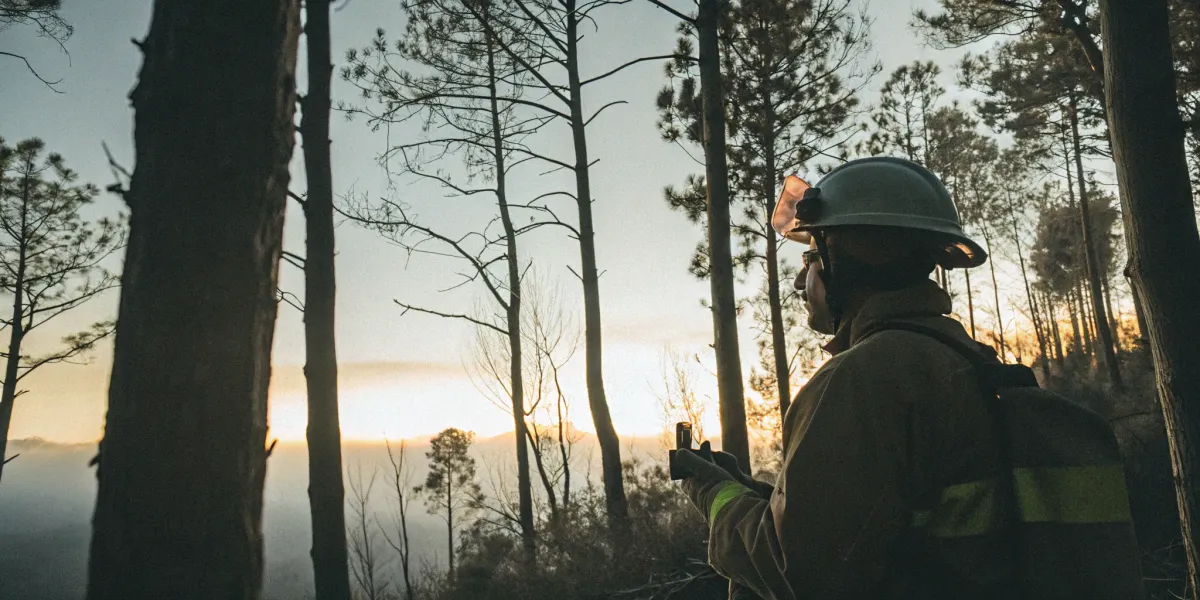
You wouldn't guess about your health, right? You get a check-up for a clear, professional opinion on what’s really going on. Your home's wildfire safety deserves the same attention. An expert can spot hidden risks you might have missed and give you a straightforward "prescription" for getting stronger. That’s exactly what a wildfire hazard assessment provides. A trained specialist examines your home and its surroundings, turning guesswork into a concrete action plan. This detailed report is your key to making sure your property is truly prepared for whatever comes its way.
Key Takeaways
- Get a Clear, Actionable Plan: A wildfire assessment moves you from worrying about unknown risks to having a concrete, prioritized to-do list. It shows you exactly what to fix to make your home safer.
- Protect Your Biggest Investment: Your assessment report is crucial for securing homeowners insurance and maintaining property value. Use it to prove you've taken steps to reduce risk, making your home a more resilient and attractive asset.
- Leverage Available Support: You're not on your own after getting your report. Tap into free resources like local fire departments, government grant programs, and online assessment tools to help you complete your home-hardening projects.
What is a Wildfire Hazard Assessment?
Think of a wildfire hazard assessment as a comprehensive check-up for your property's health and safety in the face of wildfire. It’s a professional evaluation that identifies the specific risks and vulnerabilities around your home. An assessor examines your property and its surroundings to pinpoint potential dangers, from the type of vegetation near your house to the materials your roof is made of.
This process is a core part of creating a Community Wildfire Protection Plan, which helps entire neighborhoods figure out and record their collective wildfire risks. For you as a homeowner, the assessment provides a clear, personalized report. It moves you from worrying about the unknown to having a concrete, actionable plan to make your home safer and more resilient. It’s the essential first step toward protecting what matters most.
Why Do I Need a Wildfire Hazard Assessment?
Getting a wildfire hazard assessment is about trading anxiety for action. It gives you a clear understanding of your property’s specific vulnerabilities and provides a prioritized list of improvements you can make. Instead of guessing what to do first, you’ll have a strategic plan tailored to your home. This knowledge is empowering, as it shows you exactly how different mitigation efforts can lower wildfire risks.
Beyond peace of mind, an assessment is becoming crucial for practical reasons. Many insurance companies now require one to issue or renew a policy in high-risk areas. A favorable assessment can help you secure coverage and may even lead to lower premiums. It’s a proactive step that demonstrates you are a responsible homeowner committed to reducing risk.
What Does a Wildfire Assessment Actually Cover?
A thorough assessment looks at your property from multiple angles to build a complete risk profile. An assessor will evaluate several key factors that contribute to your home’s vulnerability. This includes road access for emergency vehicles, the construction materials used for your home (especially roofing and siding), and the quality of your defensible space—the cleared area around your structures.
The evaluation also extends beyond your property line. The assessor will consider the availability of fire suppression resources, like nearby fire hydrants or water sources. They also analyze local land conditions, such as the types of vegetation (fuels) on and around your property and the steepness of the slope, as fire travels much faster uphill.
How Is Your Wildfire Risk Measured?
Professionals often think of wildfire risk as a combination of hazard and vulnerability. A wildfire hazard reflects the landscape conditions you can’t control, like the likelihood of a fire starting in your area and how intensely it might burn. This is determined by factors like climate, typical weather patterns, and the surrounding topography.
Vulnerability, on the other hand, is about the characteristics of your property that you can control. This includes things like your home’s building materials, the state of your defensible space, and ease of access for firefighters. An assessment measures these vulnerabilities to determine how your home would fare if a wildfire occurred. Your goal is to reduce your vulnerability as much as possible, which in turn lowers your overall risk.
Understanding the Hazard: Likelihood and Intensity
The "hazard" part of your risk assessment focuses on the big-picture factors you can’t control. Think of it as the baseline fire potential for your specific location. This is broken down into two main ideas: likelihood and intensity. Likelihood is simply the statistical chance that a wildfire will burn in your area in any given year. Experts calculate this using decades of data on weather, topography, and historical fire patterns. Intensity, on the other hand, predicts how powerful that fire might be. A simple way to think about it is flame length—the longer the flames, the higher the intensity and the more destructive the fire.
Understanding Vulnerability: Exposure and Susceptibility
While you can't change the hazard, you have significant control over your property's vulnerability. This is where your actions truly matter. Vulnerability is made up of exposure and susceptibility. Exposure means your home is located where a wildfire could potentially reach it. If there's any chance of a fire in your region, your property is considered exposed. Susceptibility is about how well your home can withstand that fire. This is determined by factors like your defensible space, roofing materials, and vents. By improving these elements, you directly reduce your home's susceptibility, which is the most effective way to lower your overall wildfire risk.
Can an Assessment Impact Your Property Value?
Your property’s wildfire risk has a direct impact on its market value. Homes in high-risk zones can be difficult to insure and sell, and studies show that property values have been more adversely impacted in recent years by proximity to past wildfires. Buyers are more aware of these dangers and are often hesitant to invest in a property with unaddressed risks.
However, a wildfire hazard assessment can help protect your investment. By identifying and fixing vulnerabilities, you make your property safer and more attractive to potential buyers and insurers. A home with a documented, low-risk profile and proven safety improvements is a stronger asset. Taking these steps shows that your property is resilient, which can help maintain or even increase its value in a competitive market.
How to Prepare for Your Wildfire Hazard Assessment
Getting ready for a wildfire assessment is one of the most proactive steps you can take to protect your home. Think of it as tidying up before a professional organizer arrives—it helps you get the most out of their expertise and gives you a head start on making meaningful improvements. By tackling a few key areas beforehand, you can walk into your assessment feeling confident and prepared. Focusing on your defensible space, important documents, and basic safety measures will make the entire process smoother and more effective. This preparation not only helps the assessor get a clear picture of your property but also empowers you to understand and act on their recommendations. It’s your chance to take control, learn about your home’s vulnerabilities, and start building a solid plan for a safer future.
Create Your Defensible Space
Your defensible space is the area around your home that you manage to reduce fire danger. The goal is to minimize fuel for a potential wildfire. Start by clearing away dead plants, dry leaves, and pine needles from your yard, roof, and gutters. The National Fire Protection Association (NFPA) recommends trimming tree branches so they are at least 10 feet away from your roof and chimney. If you have trees within 30 to 60 feet of your home, make sure their canopies have about 12 feet of space between them. This spacing helps prevent a fire from jumping from tree to tree and moving toward your house.
Get Your Important Documents in Order
While your assessor will focus on your property, having your documents in order is a crucial part of overall emergency preparedness. Take this opportunity to gather essential papers and store them in a safe, accessible place, like a fireproof box or a digital cloud service. This includes your homeowner's insurance policy, property deeds, identification for everyone in your household, and a list of important contacts. Having these items organized means you can grab them quickly if you ever need to evacuate, giving you one less thing to worry about in a stressful situation.
Simple Safety Measures to Take Now
Simple, immediate actions can make a big difference in your home’s ability to withstand a wildfire. Walk around your property and look for potential hazards. If you have a woodpile, move it at least 30 feet away from your house and any other structures. It’s also smart to move combustible items like patio furniture, doormats, and planters away from the house. The Western Fire Chiefs Association suggests bringing these items inside or into a garage. These small adjustments remove easy fuel sources and can prevent embers from igniting something close to your home.
Use This Checklist Before Your Assessor Arrives
To tie everything together, use a checklist to make sure you haven’t missed anything. A good checklist can help you see your home through an assessor's eyes and ensure you meet key safety standards. Organizations like Wildfire Prepared offer a science-based checklist that walks you through strengthening your home’s defenses, from your roof to your foundation. Running through a list like this before your assessment is a great way to spot any last-minute fixes and feel fully prepared for your appointment. It also helps you start thinking about the long-term improvements you might want to make.
What to Expect on Assessment Day
Once you’ve done your initial prep work, it’s time to bring in a professional. A formal assessment gives you a clear, expert-backed view of your property’s wildfire risk and a concrete plan for improving its defenses. Think of it as a check-up for your home’s safety. An assessor will evaluate your defensible space, home construction, and surrounding landscape to identify specific vulnerabilities. This process is designed to be educational and empowering, leaving you with a clear path forward.
How to Find a Qualified Assessor
Finding the right person for the job is key. You’ll want an assessor who is specifically trained in wildfire mitigation and understands the unique environment of your area. Look for professionals certified through established programs that train specialists to evaluate wildfire risks within the home ignition zone. For example, some communities offer initiatives like the REALFire program, which connects homeowners with trained experts. Your local fire department or state forestry agency are also excellent resources for finding reputable assessors in your region. Don’t hesitate to ask about their qualifications and experience with properties like yours.
What Happens During the Assessment?
During the on-site visit, a trained specialist will walk your property with you, examining everything from your roof and vents to the vegetation closest to your home. They’ll identify specific vulnerabilities and explain why they pose a risk. This is a great opportunity to ask questions and learn directly from an expert. Following the visit, you’ll receive a personalized report that details their findings. This isn’t just a pass-fail grade; it’s a customized roadmap with tailored mitigation strategies to make your home more resilient against wildfires. It’s your go-to guide for making effective, prioritized improvements.
The Professional Assessment Framework
Professional assessments aren’t just a casual walkthrough; they follow a structured and systematic plan to ensure nothing gets missed. This approach is often part of a larger strategy, like a Community Wildfire Protection Plan (CWPP), which helps entire neighborhoods identify and manage their shared risks. For you, this means the evaluation of your property is based on a proven, consistent method. The assessor uses a framework that considers everything from your home’s construction to the surrounding vegetation and topography. This organized process turns a complex problem into a clear, prioritized list of actions, giving you a reliable roadmap to improve your home’s safety.
Using Fire Behavior Models and Mapping Tools
Today’s best assessments combine on-the-ground observation with powerful technology. Experts use sophisticated fire behavior models and mapping tools to understand how a wildfire might act in your specific area. These tools analyze factors like vegetation, weather patterns, and terrain to simulate a fire’s potential speed and intensity. This data-driven approach provides a much deeper understanding of your property’s unique risks. The U.S. Forest Service highlights that the strength of these frameworks is their flexibility, allowing them to incorporate various data sources to create a highly accurate and customized risk profile for your home.
Analyzing Landscape, Slope, and Weather Scenarios
An assessor looks far beyond your property line to understand the bigger picture. They analyze the surrounding landscape, identifying the types of vegetation that could act as fuel for a fire. The slope of your land is another critical factor, as fire spreads much more rapidly uphill. The assessment also considers typical weather scenarios for your region, such as seasonal high winds or periods of low humidity that can create extreme fire conditions. This comprehensive analysis, which often covers a wide variety of vegetation and fuel types, ensures that your mitigation plan is tailored to the real-world conditions your home might face.
The Role of Local Expert Validation
While technology provides powerful insights, it’s the combination of data and local expertise that makes an assessment truly reliable. The most accurate evaluations are validated by professionals who have on-the-ground experience in your community, like local fire officials or foresters. These experts understand the area’s unique fire history, weather patterns, and fuel conditions. Their feedback helps refine the computer models and ensures the final recommendations are practical and effective for your specific location. This expert validation is crucial because it confirms that the assessment is not just theoretically sound but also accurate in practice, giving you confidence in your action plan.
How Much Does an Assessment Cost?
The cost of a professional wildfire hazard assessment can vary depending on your location and the complexity of your property. Some private consultants charge a fee for a detailed, on-site evaluation. However, many communities and organizations offer low-cost or even free options to help homeowners get started. It’s always worth checking with your local fire district or Office of Emergency Services first. You can also find excellent free online assessments from organizations like the Insurance Institute for Business & Home Safety (IBHS) that let you evaluate your property yourself and get instant recommendations.
How Your Local Fire Department Can Help
Your local fire department can be one of your strongest allies in wildfire preparedness. Many departments offer property inspections and can issue official notices to help you address critical fire hazards. They are also deeply involved in creating comprehensive plans like Community Wildfire Protection Plans (CWPPs), which outline strategies for reducing wildfire risk across your entire neighborhood. Reaching out to them not only helps you protect your own home but also contributes to the safety of your community. They can provide invaluable advice and connect you with local resources you might not know about.
Decoding Your Wildfire Assessment Report
Once you have your assessment report in hand, it can feel a little overwhelming. But think of it as your roadmap to a safer, more secure property. This report isn't just a grade; it's a powerful tool that gives you clear, specific directions for protecting your home and investment. Breaking it down section by section will help you understand your current situation and see the exact steps you can take to improve it. We'll walk through how to interpret your risk score, turn recommendations into a concrete plan, and use this information to your advantage.
Low, Medium, High: What Your Risk Level Means
The first thing you’ll likely see is a risk score. Many assessments use a simple scale, often from 1 (minimal risk) to 10 (extreme risk), to give you a quick snapshot of your property's vulnerability. A lower score indicates your home has strong defensible space and is less susceptible to wildfire, while a higher score means there are significant risks that need your attention. Don't let a high number discourage you. This score is not permanent. It’s a baseline measurement that shows you where to focus your efforts. Every improvement you make can help lower that number over time.
Turning Recommendations into an Action Plan
This is the most important part of your report. Instead of generic advice, you’ll get a personalized list of mitigation strategies tailored to your home’s unique landscape and structure. Your action plan will outline specific tasks, such as removing flammable vegetation near the house, cleaning gutters of pine needles, or trimming tree limbs. Following the assessment, this becomes your to-do list for improving your home's wildfire resilience. The recommendations are often prioritized, showing you which actions will have the biggest impact on reducing your risk, helping you tackle the most critical items first.
What Your Results Mean for Insurance
Your assessment report is a key document for your homeowners insurance. In high-risk areas, insurers are looking for proof that you are actively managing your property's wildfire risk. A high-risk score without a plan for improvement can lead to higher premiums or even non-renewal of your policy. Conversely, a favorable report or evidence that you’ve completed the recommended mitigation work can be your best tool for securing and maintaining affordable coverage. It demonstrates to insurers that you are a responsible homeowner committed to reducing risk for everyone.
Prioritizing and Scheduling Your Improvements
Looking at a long list of recommendations can feel like a lot to handle. The best approach is to create a realistic timeline. Start by grouping tasks. Some might be simple weekend projects, like clearing dry leaves, while others, like removing a large tree, may require a professional. Prioritize the actions your report identifies as most critical, then schedule them out over the next few months. Achieving consistent fuel reduction is a key goal, and breaking it down into manageable steps makes the process feel much more achievable.
Turning Your Assessment into a Home Investment
Protecting your home from wildfire does more than just give you peace of mind—it can also protect your investment. Recent studies show that property values can be negatively affected by their proximity to past wildfires. By taking action, you’re not just making your home safer; you’re making it more attractive to potential buyers. A low-risk assessment and documented improvements are major selling points. They signal that the home is well-maintained, insurable, and ready to withstand the environmental challenges of the area, which can directly translate to a higher market value.
The Bigger Picture: Community Wildfire Protection
After focusing on your own property, it’s time to zoom out and look at the surrounding landscape. Wildfire resilience isn’t just about one well-prepared home; it’s about how an entire neighborhood stands together. Your individual efforts are a critical piece of a much larger puzzle. When you and your neighbors take action, you create a network of safety that is far more effective than any single home could be on its own. This collective effort is what transforms a vulnerable area into a strong, fire-adapted community ready to face the challenges ahead.
Becoming a Fire-Adapted Community
A fire-adapted community is one that has learned to live with wildfire. It doesn't mean fires will never happen, but it means the community is prepared to handle them safely and effectively. This involves homeowners, firefighters, and local leaders all working together. According to FEMA, becoming fire-adapted means your community is better prepared for wildfires through careful planning and action. Every home that creates defensible space and hardens its structure against embers contributes to this collective defense. Your personal assessment is the first step not just in protecting your house, but in doing your part for the entire neighborhood.
The Role of Community Wildfire Protection Plans (CWPPs)
So how does a community get organized? Often, it starts with a Community Wildfire Protection Plan (CWPP). A CWPP is a written strategy that helps a community identify its specific wildfire risks and create a shared action plan. It’s a collaborative document that brings together residents, fire departments, and land managers to agree on priorities for protecting homes, infrastructure, and natural resources. This plan serves as the official playbook, guiding everything from where to conduct fuel reduction projects to how to improve evacuation routes, ensuring everyone is working from the same page.
Planning for Secondary Impacts like Smoke and Flooding
A strong CWPP looks beyond the immediate threat of flames. It also accounts for the secondary impacts that follow a major fire. This includes planning for public health issues caused by heavy smoke, the risk of flooding and mudslides in burned areas, and ensuring there are clear, safe evacuation procedures for all residents. By thinking through these related challenges, a community can build a more comprehensive and effective response plan that keeps people safe before, during, and long after a wildfire.
Protecting Businesses and Critical Infrastructure
Community resilience also depends on protecting more than just houses. A thorough CWPP includes plans for safeguarding local businesses, public buildings, and critical infrastructure like power lines, water systems, and communication towers. When these essential services are protected, a community can recover much more quickly after a fire. Ensuring that the economic and social hubs of your neighborhood are included in the safety plan helps maintain stability and provides a foundation for a swift return to normalcy.
How Assessments Strengthen Community Ties and Preparedness
The process of creating and implementing a CWPP does more than just reduce fire risk—it builds a stronger, more connected community. When neighbors come together to discuss their assessments, share resources, and work on joint projects like clearing a shared roadside, it fosters a sense of teamwork and mutual support. This collaboration builds trust and opens lines of communication that are invaluable during an emergency. When everyone understands the risks and has a stake in the solution, the entire community becomes more resilient, both physically and socially.
Finding Support and Financial Resources
After you get your assessment report, it’s normal to feel a bit overwhelmed by the list of recommendations. You’ve taken a huge first step in understanding your property’s wildfire risk, but now comes the part where you turn that knowledge into action. This is where many homeowners get stuck, but it’s also where the real work of protecting your home begins. Following through on your action plan is more than just checking boxes; it’s a direct investment in your family’s safety, the long-term value of your property, and your ability to secure and maintain affordable homeowners insurance. The good news is that you don’t have to figure it all out on your own. A robust and growing network of support exists specifically to help homeowners like you. From federal grants that can ease the financial burden of home hardening to local fire experts who can offer hands-on advice, the resources are out there. In the following sections, we’ll walk you through the key places to find help. We’ll cover government programs, financial assistance options, professional organizations, community support systems, and even digital tools that can help you get started. Think of this as your roadmap to making your home as wildfire-resilient as possible. You’ve got the plan; now let’s find the support to make it happen.
Exploring Government Programs and Grants
Your tax dollars are at work helping communities become safer from wildfires. Thanks to new infrastructure funding, federal and state agencies are offering more programs than ever. A great place to start is the Wildfire Hazard and Risk Assessment Clearinghouse, a resource hub created by the Department of the Interior. It gathers information on various government-led efforts to help you find programs that might offer financial grants or technical assistance for creating defensible space, retrofitting your home, and managing vegetation on your property. These programs are designed to make safety improvements more affordable and accessible for everyone, so be sure to see what you might qualify for.
Your Options for Financial Assistance
Making your home more fire-resistant is an investment that can pay off in more ways than one. Beyond protecting your property, these upgrades can sometimes lead to lower homeowners insurance premiums. As insurers become more aware of the effectiveness of wildfire mitigation, some are beginning to offer discounts for homes that meet specific safety standards. You can explore financial incentives and talk to your insurance agent about potential premium reductions for completing the recommendations in your assessment report. It’s a conversation worth having, as your proactive efforts could lead to significant long-term savings on your policy.
Professional Organizations That Can Help
Sometimes, you just need to talk to an expert. Several non-profit and professional organizations specialize in wildfire education and home safety. Programs like REALFire connect homeowners with trained specialists who can conduct assessments and provide personalized, on-the-ground advice. These groups are dedicated to community safety and often provide workshops, educational materials, and one-on-one consultations. They can help you understand the technical aspects of your assessment report and prioritize your mitigation projects, giving you the confidence to move forward with your plan and make the most effective changes to your property.
Connecting with Your Local Community
You’d be surprised how many resources are available right in your own neighborhood. Your local fire department is an excellent starting point for information and guidance. Many communities also have a Community Wildfire Protection Plan (CWPP), which outlines specific local risks and mitigation strategies. These local government plans often include resources for residents, such as chipper days for vegetation removal or neighborhood-specific safety guidelines. Check your city or county’s website to find your CWPP and learn how your individual efforts fit into the bigger picture of community-wide protection.
Helpful Digital Assessment Tools to Try
If you're looking for a quick and convenient way to understand your property's risk, digital assessment tools are a fantastic first step. These online platforms use satellite imagery and property data to give you an initial evaluation of your defensible space and home vulnerabilities. Many programs provide a home wildfire risk assessment that generates a personalized report with clear, actionable recommendations you can start working on right away. It’s a low-cost, low-stress way to get a baseline understanding of your situation and begin your journey toward a safer, more resilient home before bringing in a professional for an on-site visit.
Related Articles
- A Guide to Home Ignition Zone Assessment
- Your Guide to the CAL FIRE Defensible Space Map
- How to Create Defensible Space: A Step-by-Step Guide
- Defensible Space Zones: A Homeowner's Guide
Frequently Asked Questions
What's the most important thing I can do before my assessment? Focus on the area within five feet of your home, often called the "immediate zone." This is the most critical space for preventing ignition. Clear away all dead leaves, pine needles, and dry grass. Move firewood piles, patio furniture, and anything else that could burn at least 30 feet away from your house. Taking care of this zone has the biggest impact and shows an assessor you're serious about safety.
Will a good assessment report guarantee I can get or keep my homeowners insurance? While it isn't an automatic guarantee, a favorable report is one of the strongest tools you have in today's insurance market. It provides documented proof to an insurer that you are actively managing your property's risk, which makes you a much more attractive client. It significantly improves your chances of securing and maintaining affordable coverage in a high-risk area.
What if I can't afford to make all the recommended improvements right away? That's a common and completely understandable situation. Your report is a roadmap, not an all-or-nothing demand. Start by tackling the highest-priority recommendations that you can do yourself at little to no cost, like clearing vegetation. For larger projects, create a realistic timeline and look into the government grants and local assistance programs mentioned in the post to help offset the cost. Progress is the goal, not perfection.
Is a wildfire assessment a one-time event? Think of it more like a regular health check-up for your property. Landscapes are constantly changing as plants grow and seasons shift. While you may not need a formal, professional assessment every single year, you should use your report as a guide for annual maintenance. Walk your property each spring to ensure your defensible space is still in good shape and that no new hazards have emerged.
How long does the on-site visit take, and should I be there for it? A typical on-site assessment lasts about one to two hours, depending on your property's size and complexity. It is highly recommended that you are present for the entire visit. Walking your property with the assessor is an incredible learning opportunity. It allows you to ask questions, see exactly what they see, and gain a much deeper understanding of how to protect your home.