What Is a Wildfire Risk Score? A Homeowner's Guide
Find out what a good wildfire risk score is, how it’s calculated, and which steps can help you lower your risk and improve your homeowners insurance options.
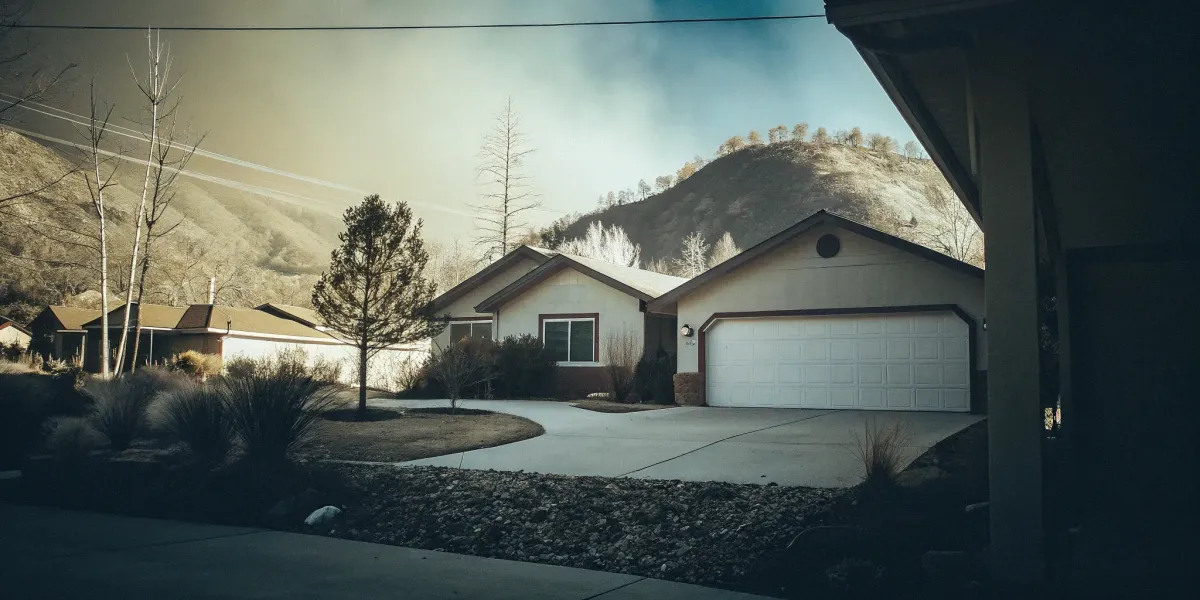
Your insurance company has a secret number for your home that dictates your premiums and even your eligibility for coverage. It’s your wildfire risk score, an automated assessment of how likely your property is to be affected by a fire. The problem? These scores often rely on large-scale data, completely missing the proactive, fire-safe work you’ve done on the ground. This guide pulls back the curtain on these mysterious numbers. We’ll break down how they’re calculated, what the different ranges mean, and help you understand what a good score looks like so you can prove your home’s true resilience.
Key Takeaways
- Your score is an outside perspective, not the full story: Insurers use models that analyze large-scale factors like slope and vegetation but often miss the specific, proactive steps you’ve taken to protect your property.
- Focus your efforts on defensible space and home hardening: The most effective ways to lower your risk involve clearing the area immediately around your home and upgrading building materials like roofing and vents to be fire-resistant.
- Use documentation to advocate for yourself: Don't just do the work—prove it. A professional assessment report, photos, and receipts are powerful tools for appealing an inaccurate score and securing the insurance discounts you've earned.
What Is a Wildfire Risk Score?
If you live in a wildfire-prone area, you’ve probably heard the term “wildfire risk score” come up, especially when discussing homeowners insurance. But what does that number actually mean for you and your home? Think of it as a snapshot of your property's vulnerability to wildfire, as seen by an outside party. Insurance companies use these scores to help them decide who to cover and what to charge. Understanding your score is the first step toward protecting your home and making sure you can get the insurance you need. It’s a crucial piece of information that puts you in a better position to take action.
The National Scope of Wildfire Risk
It’s not just your local fire department or insurance agent thinking about wildfire risk—it’s a national conversation. Federal agencies like FEMA and the USDA Forest Service have been developing sophisticated models to map out wildfire potential across the entire country. These systems analyze broad, landscape-level factors like regional vegetation, terrain, historical fire data, and even building characteristics to generate risk scores. As FEMA explains, a wildfire risk score is essentially a metric used to assess the potential for a property or community to be impacted by a wildfire. This bird's-eye view helps officials understand risk on a massive scale, but it can sometimes miss the specific details of your individual property.
This high-level data directly influences the decisions that affect your wallet. For instance, real estate websites like Realtor.com now include wildfire risk ratings to inform potential buyers, using scales that grade risk from low to extreme. More importantly, insurance companies lean heavily on these scores. As the nonprofit United Policyholders points out, insurers use these scores to decide whether they will offer you a policy and how much you’ll have to pay for it. This is why understanding the big picture is so crucial—these national-level assessments are the starting point for determining your home’s insurability, making it essential to know where you stand.
What Does Your Score Actually Tell You?
At its heart, a wildfire risk score is a number that estimates your property's likelihood of direct or indirect exposure to a wildfire. It’s not a judgment on how much you care about your home; it’s a data-driven assessment created by third-party companies that specialize in risk modeling. These models analyze various factors to predict how a fire might behave near your property. They look at the big picture—things like the surrounding landscape, regional weather patterns, and local fire history. The final score gives insurers a quick way to gauge risk without visiting every single home, but as we'll see, that big-picture view can sometimes miss the details that matter most.
How Are Wildfire Risk Scores Calculated?
One of the most confusing things about wildfire risk scores is that there’s no single, universal system. Different companies use different scales, so your score can vary depending on who is doing the assessment. Some models use a 1-100 scale, while the most popular wildfire risk model, known as Fireline, uses a 0-30 scale where higher numbers indicate greater risk. Because there's no national standard, it's important to know which model your insurance company uses. This context helps you understand what your specific number means and how it compares to others in your area. It’s all about knowing what language your insurer is speaking.
Wildfire Risk Score Myths vs. Facts
This is where things can get frustrating for homeowners. Many risk models are great at analyzing large-scale factors like slope and regional vegetation, but they often fail to account for the proactive steps you’ve taken. Did you install a fire-resistant roof or clear defensible space around your home? Many automated scoring systems don't see that. They also don't always predict risk well for fires that spread from one house to another, which is a common scenario in denser neighborhoods. This gap is why a generic score might not tell the whole story of your home's actual risk and why a detailed, on-site assessment is so valuable.
Common Wildfire Risk Scoring Models
Since there isn't one official, government-mandated scoring system, several private and public models have become the go-to resources for insurers and homeowners. Each one uses a slightly different method and scale to arrive at its conclusion, which is why your score might look different depending on the source. Understanding the most common models is key to deciphering the number attached to your property. It helps you see what factors are being weighed and gives you a clearer picture of how your home is being evaluated from the outside looking in. Let's break down a few of the major players you're likely to encounter.
CoreLogic Wildfire Risk Score
One of the big names in property data, CoreLogic, provides a score that many insurance carriers rely on. The CoreLogic Wildfire Risk Score runs on a simple scale from 1 (lowest risk) to 100 (highest risk). This model analyzes factors like slope, aspect (the direction a slope faces), surrounding vegetation, and regional fire history to determine a property's potential exposure. While it’s a widely used metric in the insurance industry, it primarily focuses on these broader environmental conditions. This means it may not fully account for the specific home hardening and defensible space work you’ve completed on your property, which can be a critical missing piece of the puzzle.
Fire Factor™
If you’ve ever looked at property listings online, you may have come across a Fire Factor™ rating. This model, developed by the First Street Foundation, scores properties on a 1 to 10 scale. What makes it unique is how it translates that score into a tangible forecast. For example, a score of 1 indicates a minimal risk, with less than a 1% chance of being in a wildfire over 30 years, while a score of 10 signals an extreme risk with a greater than 26% chance over the same period. This wildfire risk information is designed to be accessible to the public, helping potential buyers and current homeowners understand their long-term risk in a straightforward way.
Government and Community-Level Assessments
Beyond the models used by private companies, various government agencies also provide data and tools to assess wildfire risk. These resources are often designed for broader community planning rather than for evaluating a single property for insurance. However, they provide valuable context about the landscape your home is in. Much of the raw data that fuels these various risk models comes from federal sources, primarily the U.S. Department of Agriculture's Forest Service. The information used to figure out wildfire risks, such as vegetation maps and weather patterns, is the scientific backbone for many private models. At the same time, FEMA's National Risk Index helps communities understand their risk compared to other places, offering a high-level view for city planners and emergency managers.
What Do the Score Ranges Mean?
Wildfire risk scores can feel a bit abstract, but they’re designed to give you a clear, simple snapshot of your property's vulnerability. Most scoring systems operate on a 0-100 scale, where a higher number means a greater risk. Think of it like a credit score for your home’s wildfire safety.
While different insurance companies and risk models might have slight variations in their thresholds, the ranges generally fall into four main categories: low, moderate, high, and extreme. Understanding where your home lands is the first step toward making meaningful improvements. Let’s break down what each of these score ranges really means for you and your property.
Low Risk (0-30): What It Means for Your Home
If your home scores between 0 and 30, you can breathe a little easier. This range indicates a minimal threat from wildfire. Homes in this category are generally considered to have excellent defensible space and are built with fire-resistant materials. To put it in perspective, some popular risk models assign a score of 30 to the very riskiest homes, so anything below that is in a great position. According to reporting from Consumer Watchdog, these secret formulas are a key part of how insurers make decisions. A low score is a fantastic starting point, but remember that regular maintenance is crucial to keeping it that way.
Moderate Risk (31-60): What You Should Know
A score in the moderate range means your property has some potential exposure to wildfire. It’s not a cause for alarm, but it is a clear signal that there are areas for improvement. According to Tom Jeffery, a senior hazard scientist with CoreLogic, scores up to 50 are often still considered low risk, while the 51 to 60 range is where moderate risk truly begins. As explained by experts at United Policyholders, homes in this bracket may face some threats but are better positioned than those in higher-risk categories. Think of this score as a helpful road map pointing you toward specific actions you can take to reduce your risk.
High Risk (61-80): Time to Take Action
Once your score climbs into the 61 to 80 range, it signifies a high likelihood of wildfire exposure. At this level, insurance companies will look much more closely at your property. A high-risk score often reflects factors like dense vegetation near the home, a sloped property, or less fire-resistant construction materials. This is the point where taking proactive measures becomes critical, not just for insurability but for the safety of your home and family. Addressing the specific issues that contribute to this score can make a significant difference in lowering your risk profile.
Extreme Risk (81-100): Urgent Steps to Protect Your Property
A score between 81 and 100 places your property in the highest-risk category. Homes in this range face an extreme threat from wildfire, and securing or maintaining homeowners insurance can become a serious challenge. Insurers may issue a notice of non-renewal, charge significantly higher premiums, or require major mitigation efforts before offering coverage. It’s important to know that each company sets its own risk tolerance, so one insurer might decline coverage while another might offer it with specific conditions. Even with an extreme score, you still have the power to make changes that can improve your home’s defensibility.
What Factors Determine Your Wildfire Risk Score?
Your wildfire risk score isn't pulled out of thin air. It’s a comprehensive assessment calculated by combining several key pieces of information about your property and its surroundings. Think of it as a detailed profile of your home’s specific situation in the event of a wildfire. To create this profile, risk models use a mix of high-tech data, including satellite imagery, AI simulations, and local climate predictions. They also look at on-the-ground details like your property’s vegetation, the slope of your land, and even the materials your home is made of.
While different companies might use slightly different formulas—one of the most common is Verisk’s FireLine score—they all tend to focus on the same core elements. The goal is to predict how likely your home is to be exposed to a wildfire and how well it might withstand that exposure. Understanding these factors is the first step toward taking control of your score. Some of these elements, like your home’s location, are fixed. But many others, such as your landscaping and home maintenance, are things you can actively manage to improve your safety and your score.
How Defensible Space and Landscaping Affect Your Score
The area immediately surrounding your home is one of the most critical factors in your wildfire risk score. This is your defensible space—a buffer you create between your house and the grass, trees, and shrubs around it. Scoring models use satellite imagery and property data to analyze the type and density of vegetation near your home. They look for things like overgrown brush, trees with branches overhanging the roof, and flammable plants located too close to the structure. A well-maintained defensible space, clear of dead vegetation and debris, signals that a fire will have less fuel to reach your home, which can significantly lower your risk score.
The Role of Your Home's Construction and Materials
What your home is made of matters. The construction materials used for your roof, siding, windows, and decks play a huge role in how it will fare against embers, which can travel a mile or more ahead of a wildfire. A home with a wood shake roof and single-pane windows is considered much riskier than a home with a Class A fire-rated roof and multi-pane tempered glass windows. Assessors look at every detail, from the siding material to whether your vents are properly screened to block embers. Making fire-resistant upgrades is a direct way to improve your home’s resilience and, in turn, your risk score.
Why Your Property's Location and Slope Matter
Where your home is situated has a major impact on its risk. Proximity to dense wildlands or canyons naturally increases your exposure. Another key geographical factor is slope. Fire spreads much more quickly uphill, so a home located on a steep incline is at a higher risk than one on flat ground. Risk models like FireLine specifically analyze the topography of your property and the surrounding area. While you can't change your property's location or its slope, understanding how these elements contribute to your score helps you see why other measures, like creating excellent defensible space, are so important.
Does Your Area's Fire History Play a Part?
Past events are often a good predictor of future risk. Scoring models lean heavily on historical data to understand how frequently wildfires occur in your region and how they typically behave. This information, often sourced from agencies like the U.S. Forest Service, helps create a picture of your area's general susceptibility to fire. If you live in a region with a long history of wildfire activity, your baseline risk will likely be higher. This factor is out of your control, but it provides important context for why taking personal preparedness measures is so essential for homeowners in your community.
Can Emergency Responders Easily Reach Your Home?
In a wildfire emergency, every second counts. That’s why your property’s accessibility for firefighters and their equipment is a key part of your risk score. Assessors look at whether your home is located on a wide, well-marked road or a narrow, winding one. They check for things like dead-end streets that could trap emergency vehicles or long driveways without enough space for a fire engine to turn around. If firefighters can’t get to your home safely and quickly, the chances of saving it are much lower. Ensuring your address is clearly visible and your driveway is clear of obstructions can make a real difference.
How Local Weather and Climate Come into Play
Broader environmental conditions set the stage for wildfire risk. Your score takes into account the typical weather and climate patterns in your area. This includes factors like average rainfall, humidity levels, and common wind patterns, especially during peak fire season. Long-term drought conditions are also a major consideration. These elements are analyzed using sophisticated climate predictions and AI simulations to forecast the likelihood of conditions that are favorable for a wildfire to start and spread. This data provides a big-picture view of the environmental risk that complements the specific details of your property.
How Your Score Affects Your Homeowners Insurance
Your wildfire risk score is more than just a number—it’s a key piece of information that directly influences your relationship with your insurance provider. Insurers rely on these scores to assess the risk of covering a property in a fire-prone area. A lower score can make finding and affording insurance much easier, while a higher score can create significant challenges. Understanding how your score is used can help you prepare for conversations with your agent and take the right steps to secure the coverage you need to protect your home.
Will a High Score Make It Harder to Get Insurance?
Insurance companies use wildfire risk scores as a primary tool to decide whether they will offer you a policy. If your home's score indicates a high risk, an insurer might refuse to provide coverage or choose not to renew your existing policy. This can leave you in a tough spot, especially if you've been with the same provider for years. Insurers are in the business of managing risk, and a high score signals to them that your property is more likely to result in a costly claim. Knowing your home’s wildfire risk score gives you the same information your insurance company has, putting you in a better position to act.
How Your Score Impacts Your Insurance Premiums
If an insurer does agree to cover your property, your wildfire risk score plays a major role in determining your premium. The logic is straightforward: a higher perceived risk typically leads to a higher price for your policy. Insurance companies use your score, along with other factors, to calculate the likelihood of a wildfire-related claim. A home with excellent defensible space and fire-resistant features will have a lower score and, in turn, a more affordable premium. This is why actively working to lower your score isn't just a safety measure—it's a direct investment in making your homeowners insurance more affordable over the long term.
How Scores Impact Real Estate Transactions
A high wildfire risk score can be a major roadblock when you’re trying to buy or sell a home. Most mortgage lenders require proof of homeowners insurance before they will fund a loan. If a buyer can’t get coverage because of a property’s high score, the entire deal can fall through. As noted by United Policyholders, many homeowners with high scores have been denied insurance or forced to pay much higher premiums. This can make a home unaffordable for potential buyers or force sellers to lower their asking price. In some cases, the only option is a state-run FAIR Plan, which offers limited coverage and can be a deal-breaker for many.
Why Insurance Companies Keep Scores Private
It can be incredibly frustrating to learn that a decision about your home is being made based on a score you can’t even see. While an insurance company must provide a reason if they deny or non-renew your policy, that reason can be as vague as “wildfire risk.” They aren’t legally required to tell you your specific score. This is because the risk models are often proprietary tools developed by third-party data companies. However, that doesn’t mean the number is a complete secret. Many insurance agents are willing to share the score if you ask them directly, so don't hesitate to advocate for yourself and request that information.
Understanding the Lack of Regulation and Oversight
One of the biggest challenges for homeowners is that the wildfire risk models insurers use are largely unregulated. There are no official rules to ensure these automated systems are accurate or that they use the most up-to-date information. This means a score could be based on old satellite imagery that doesn’t reflect the defensible space you just created. According to a report from the California Department of Insurance, there is no formal process for homeowners to appeal a score they believe is wrong. This lack of oversight puts the burden on you to prove your home is safer than an algorithm says it is, making detailed documentation of your mitigation efforts absolutely essential.
What Are Your Options If You Can't Get Coverage?
What happens if your score is too high for traditional insurance companies? If you receive a non-renewal notice or are denied coverage, you aren't entirely out of options. Many homeowners in this situation turn to alternative insurance plans. These are often state-mandated programs designed to provide essential coverage for high-risk properties that can't get it on the open market. While these plans offer a safety net, they may provide less comprehensive coverage or come at a higher cost than a standard policy. It’s important to see them as a last resort while you work on improving your property’s risk profile to regain access to the traditional insurance market.
A Guide to State-Sponsored Insurance Plans
In states with significant wildfire risk, like California, many homeowners rely on state-sponsored insurance programs. The most well-known is the California FAIR Plan, which acts as the "insurer of last resort." It provides basic fire insurance when you can't find it anywhere else. While the FAIR Plan ensures you have essential protection against fire, it's important to know that it doesn't cover things like theft or liability. To get that level of protection, you would need to purchase a separate "difference in conditions" policy to supplement your FAIR Plan coverage, which adds another layer of complexity and cost to protecting your home.
What Paperwork Do Insurers Ask For?
You have more power in this process than you might think. In California, insurance companies are required to be transparent about how they use wildfire risk scores. They must tell you your property’s score and explain the factors that went into it. They are also required to offer discounts for homeowners who take proactive steps to mitigate their wildfire risk, like creating defensible space or using fire-resistant building materials. Most importantly, you have the right to challenge your wildfire risk score if you believe it's inaccurate. Having a professional assessment report is the perfect documentation to support your appeal.
How to Improve Your Wildfire Risk Score
Seeing a high wildfire risk score can feel overwhelming, but it’s not a final verdict. Think of it as a starting point—a guide showing you exactly where you can make the biggest impact. Improving your score is entirely possible, and many of the most effective steps are straightforward and within your control. By focusing on a few key areas, you can significantly lower your property's vulnerability, protect your home, and improve your standing with insurance providers.
The most important actions fall into three main categories: managing the space around your home, strengthening the structure of your home itself, and committing to consistent upkeep. Each step you take, whether it’s clearing brush or installing a new vent, contributes to a stronger, more resilient property. These efforts not only give you peace of mind but are also recognized by insurance companies, who may offer discounts or better coverage options for proactive risk reduction. Let’s walk through the most effective ways to turn your score into a plan of action.
Create and Maintain Defensible Space
Defensible space is your home's first line of defense. It’s a buffer zone you create between your house and the surrounding grass, trees, and wildland. This area is designed to slow or stop the spread of wildfire and protect your home from catching fire from direct flames or radiant heat. It also gives firefighters a safe area to defend your property. Creating this space involves clearing away flammable vegetation and debris, especially within the first 30 feet of your home. Insurance companies pay close attention to these efforts, as a well-maintained buffer zone is one of the most critical factors in reducing a home's risk.
Choose Fire-Resistant Building Materials
The materials your home is made of play a huge role in its ability to withstand a wildfire. Embers are the leading cause of home ignition, as they can travel long distances and land on or enter your home, igniting flammable materials. Strengthening your home, often called "home hardening," involves upgrading vulnerable components with fire-resistant alternatives. This includes installing a Class A fire-rated roof, covering vents with fine metal mesh to block embers, and enclosing the undersides of eaves and decks. Using multi-pane tempered glass for windows can also prevent them from breaking due to heat, which would allow embers to enter your home. These upgrades make your home a much tougher target for wildfire.
Make Fire-Smart Landscaping Choices
Your yard can either be a liability or an asset during a wildfire. Fire-smart landscaping uses strategic placement of carefully selected plants to resist the spread of fire. This doesn’t mean you have to surround your home with rocks and dirt. Instead, you can choose beautiful, high-moisture plants that are less likely to ignite. It’s also important to create space between shrubs and trees, and to keep tree branches trimmed at least 10 feet away from your roof and chimney. Using non-flammable materials like gravel or pavers for walkways and mulch in the area immediately next to your home can create an effective ember-resistant zone.
Make Regular Property Maintenance a Habit
Wildfire preparedness isn't a one-time project; it's an ongoing commitment. Regular maintenance is key to keeping your defensible space effective and your property safe year-round. Simple habits can make a huge difference. Make it a routine to clean leaves, pine needles, and other debris from your roof and gutters. Regularly mow dry grass and weeds, and clear away any dead plants or fallen branches from your yard. Storing firewood and other flammable materials at least 30 feet away from your home is another simple but crucial step. Consistent upkeep ensures your property is always prepared and prevents small hazards from becoming major risks.
Should You Hire a Professional Assessor?
While you can do a lot on your own, getting a professional assessment provides a clear, objective roadmap for your efforts. An expert can evaluate your property’s unique features—like its slope, vegetation, and construction—to identify specific vulnerabilities you might have missed. They can provide a detailed report that prioritizes the most impactful actions you can take to lower your risk. For those buying or developing land, getting a wildfire risk score early in the process can inform smarter, safer decisions from the start. A professional assessment takes the guesswork out of wildfire prep and helps you invest your time and money where it matters most.
Limitations of Traditional Scoring Models
Why Your Score Can Be Hard to Change
It can be incredibly frustrating to spend time and money making your home safer, only to see your wildfire risk score barely move. This often happens because many traditional scoring models have a blind spot. They are excellent at analyzing large-scale, unchangeable factors like your property’s slope or its proximity to dense wildlands. However, they frequently fail to account for the specific, proactive steps you’ve taken on the ground. As the experts at United Policyholders point out, many automated systems don't see that you’ve installed a fire-resistant roof or meticulously cleared your defensible space. When your score is heavily weighted by factors you can’t control, it can feel like your hard work isn’t being recognized.
The Shift Toward Property-Specific Assessments
Because of these blind spots, there’s a growing understanding among homeowners and insurers that a bird's-eye view isn't enough. The focus is shifting toward detailed, property-specific assessments that capture the reality on the ground. This approach looks past the broad, regional data to evaluate the unique features of your home and the actual mitigation work you’ve completed. A professional assessment provides a clear, objective roadmap for your efforts, helping you understand the specific factors that contribute to your score. This detailed report serves as powerful documentation, giving you the proof you need to appeal an inaccurate score and show your insurer that your home is more resilient than a simple number suggests.
What to Expect During an Assessment
Getting your property assessed for wildfire risk can feel like getting a grade, but it’s really a tool to help protect your home. The process is straightforward, and the report gives you a clear roadmap for making your property safer. Think of it as a check-up for your home’s health in a wildfire-prone area. Knowing what to expect makes the entire experience feel less intimidating and more empowering.
What Assessors Look for on Your Property
Assessors look at your property from every angle, using a mix of technology and on-the-ground facts. They analyze satellite imagery, historical fire data, and even AI simulations. They also consider property-specific details like the plants in your yard, the slope of your land, and your home's construction materials. All these pieces come together to create a comprehensive picture of your home’s unique wildfire risk score and its ability to withstand a wildfire.
How Can You Keep Track of Your Score?
This is where things can get tricky. Your insurance company uses a risk score for policy decisions but isn't required to share that number with you. So, how do you find out your home's score? Start by asking your insurance agent—they may provide it. For a more direct approach, an independent assessment puts the information in your hands, showing you exactly what an insurer sees and giving you a clear starting point for improvements.
How to Read and Understand Your Assessment Report
Your assessment report is more than a number; it’s a detailed breakdown of your property’s strengths and weaknesses. The score represents the likelihood your home could be exposed to a wildfire, from direct flames or embers. A good report explains why certain things—like a wood shake roof or overgrown shrubs—contribute to your score. Most importantly, it should provide clear, actionable recommendations you can follow to reduce your risk and improve your score.
What to Do If You Disagree with Your Score
If you believe your insurer's score is inaccurate, you can file an appeal directly with them, not a state agency. However, if your appeal is denied, options are limited. A more effective approach is to focus on what you can control. By making recommended improvements to your defensible space and home, you can tangibly lower your risk. Once the work is done, request a new assessment to get fresh documentation to share with your insurer.
Thinking Beyond Your Property Line: Community Safety
Creating defensible space around your own home is a huge and important step. But wildfire doesn't stop at property lines. True resilience is built when a whole community comes together. Think of it like a chain—the entire neighborhood is only as strong as its weakest link. When you and your neighbors work together, you create a much larger, more effective buffer zone that protects everyone.
This collective approach not only makes your community safer but can also catch the attention of insurance providers. They want to see proactive, community-wide efforts to reduce risk. From organizing clean-up days to tapping into local government programs, there are so many ways to extend your safety efforts beyond your own yard. It’s about shifting from an individual mindset to a shared one, where everyone understands their role in protecting the place you all call home.
Working with Neighbors to Reduce Wildfire Risk
Getting your neighbors on board can feel like a big undertaking, but it often starts with a simple conversation. Consider organizing a neighborhood meeting to discuss shared goals, like clearing out a common area or creating a phone tree for emergencies. You could also look into becoming a Firewise USA® recognized community, a program that provides a framework for neighbors to work together on wildfire safety. Even if a home has a high wildfire risk, taking collective action can make a significant difference in protecting it and the surrounding properties. Small, coordinated efforts add up to create a much safer environment for everyone.
How to Partner with Your Local Fire Department
Your local fire department is one of your best resources, and they want to help you succeed. They are the experts on the ground who understand the specific challenges your area faces. Don't hesitate to reach out to them for guidance. Many departments offer free defensible space inspections, educational workshops, or presentations for community groups. If you’re unsure about your property’s risk or what your next steps should be, talk to a local fire expert. They can provide tailored advice and help you and your neighbors prioritize your efforts effectively.
Find Local Programs That Can Help
You don’t have to do all the work—or foot the entire bill—on your own. Many cities and counties in high-risk areas offer programs to support residents. These can include free or low-cost green waste disposal days, grants for home hardening upgrades like ember-resistant vents, or chipping services to help manage cleared vegetation. Some states are also creating regulations that incentivize these actions. For example, California now requires insurance companies to consider the mitigation efforts you’ve taken when setting your premiums. Check your local city or county fire safe council’s website to see what resources are available to you.
Why Community-Wide Safety Matters
Wildfire risk is incredibly localized. A home on a slope with dense vegetation might have a much higher risk than a home just down the street on a flat, clear lot. This is because risk depends on specific details like building materials, landscaping, and how embers might travel during a fire. An ember storm doesn’t care about fences or property lines; embers can travel a mile or more ahead of a fire. This means your neighbor’s overgrown yard can become a direct threat to your well-maintained home. When everyone takes responsibility for their own space, the entire community becomes a harder target for wildfire.
How to Talk to Your Insurance Company
Talking to your insurance company about wildfire risk can feel like a high-stakes conversation, but it doesn’t have to be intimidating. When you come prepared with the right information and questions, you can turn it into a productive discussion about protecting your home. The goal is to understand exactly how your insurer views your property’s risk, what you can do to improve their assessment, and how those actions can translate into better coverage and lower premiums.
Think of this as a partnership. Your insurance company wants to minimize its risk, and you want to protect your home and keep it insured. By showing them you’re a proactive homeowner who takes wildfire safety seriously, you can build a stronger case for your insurability. Having a professional assessment report, like one from Defensible Space Score, gives you concrete data to guide the conversation and demonstrate the effectiveness of your mitigation efforts. It’s all about moving from a place of uncertainty to one of confident, informed action.
Questions to Ask About Your Coverage
When you connect with your agent, the first step is to get a clear picture of your current standing. Insurance companies use wildfire risk scores to set your premiums and even decide whether to offer you a policy at all. A higher perceived risk often leads to a higher price or, in some cases, non-renewal.
Don’t be afraid to ask direct questions. Start with, "Can you explain how my property's wildfire risk score is affecting my premium and coverage?" Follow up by asking about the specifics of your policy, such as your dwelling coverage limits and whether they are sufficient to rebuild your home in today's market. Understanding these details helps you see your policy through the insurer's eyes and identify where you have room to negotiate.
Don't Forget to Ask About Risk Reduction Credits
Many homeowners don't realize they may be eligible for discounts based on the safety improvements they've made. Insurance companies often offer credits for proactive wildfire mitigation, but you usually have to ask for them. Be ready to discuss the specific actions you’ve taken to make your home more fire-resistant.
You can ask, "What discounts do you offer for properties with a well-maintained defensible space?" or "Do I qualify for a credit for my Class A fire-rated roof and enclosed eaves?" Mentioning community-wide efforts, like being part of a Firewise USA® community, can also help. The more specific you are, the better. This shows your agent you’ve done your homework and are serious about reducing risk, which can directly impact your premium.
How to Provide Proof of Your Home Improvements
Telling your insurance company you’ve made improvements is good, but showing them is even better. This is where documentation becomes your most powerful tool. Keep a detailed record of all your mitigation work, including receipts for fire-resistant materials, invoices from contractors, and before-and-after photos of your defensible space clearing.
A professional assessment from Defensible Space Score provides an objective, data-backed report that clearly outlines your property’s risk level and the improvements you've made. If you’ve ever been denied coverage, know that while an insurer must provide a reason, they aren't required to tell you your specific score. However, your insurance agent might share it if you ask. Providing your own report gives you leverage and control over the narrative.
What to Look for When Comparing Policies
Not all insurance companies view risk the same way. One insurer might assign your home a high-risk score, while another might see it as moderate. This is because there is no single, national scoring system; each company uses its own model and data to evaluate properties. This variation is exactly why you shouldn't settle for the first quote you receive.
Make it a habit to shop around and compare policies from different carriers. When getting quotes, ask each company how they assess wildfire risk and what specific factors they weigh most heavily. By understanding their methodology, you can find an insurer whose model accurately reflects the hard work you’ve put into making your home safer. This simple step can help you find better coverage at a more competitive price.
Related Articles
- How Is a Wildfire Risk Score Calculated? A Guide
- A Guide to Homeowners Insurance in CA High Risk Fire Areas
Frequently Asked Questions
Why is my score high even though I've done a lot of work on my property? This is a common and completely valid frustration. Most wildfire risk scores are generated by automated models that use satellite imagery and other large-scale data. While they’re good at seeing things like the slope of your land or the density of a nearby forest, they often miss the crucial details on the ground. These systems can’t always see that you’ve installed ember-resistant vents, cleared the brush under your deck, or chosen fire-wise plants. An automated score is a starting point, but a detailed, on-site assessment is what tells the true story of your home’s resilience.
What's the difference between defensible space and home hardening? Think of them as two layers of protection. Defensible space is all about managing the area around your home to reduce fuel for a fire. This includes clearing dead vegetation, trimming trees, and creating a buffer zone between your house and the surrounding landscape. Home hardening focuses on the structure of your house itself. It involves upgrading things like your roof, siding, windows, and vents with fire-resistant materials to prevent embers from igniting your home. You need both to be truly effective.
If I can't change my home's location or the slope of my land, can I still make a meaningful difference in my score? Absolutely. While you can’t change your geography, those fixed elements just establish your baseline risk. Insurance companies and risk models place enormous weight on the mitigation efforts you can control. Creating excellent defensible space and hardening your home can dramatically lower your overall risk, even on a steep, wooded slope. Your proactive work shows that you are actively managing the risk, which is exactly what insurers want to see.
How can I find out what my insurance company thinks my score is? The most direct way is to simply ask your insurance agent. In some states, like California, they are required to provide you with information about your risk assessment. However, not all agents will have the specific number, or they may only provide general information. This is why getting your own independent assessment is so powerful. It puts the same data in your hands, so you know exactly where you stand and have the documentation needed for a productive conversation.
My insurance company dropped me. Is the state FAIR Plan my only option? The FAIR Plan is an important safety net, but it shouldn't be seen as your only long-term solution. Think of it as a temporary landing spot while you work on making your property more insurable. The best path forward is to address the issues that led to the non-renewal. By making significant improvements to your defensible space and home structure, you can lower your risk profile. Once the work is done, a new assessment can document those changes and help you re-enter the traditional insurance market, which often provides more comprehensive coverage.