Homeowners Insurance High Fire Risk: A Complete Guide
Get practical tips on homeowners insurance high fire risk, from finding coverage to home upgrades that help you secure a policy in wildfire-prone areas.

Getting that non-renewal letter in the mail is enough to cause a panic. Your home is your biggest investment, and the thought of it being uninsured is terrifying. This is an increasingly common story for homeowners across the West. The rules for getting coverage have changed, and what worked five years ago won't work today. But there is a path forward. We'll walk you through the concrete strategies you need to secure a policy, from the home improvements that matter most to underwriters to how you can shop for homeowners insurance in high fire risk areas when it feels like everyone is saying no.
Key Takeaways
- Improve your property to improve your odds: Insurers reward proactive homeowners. Focus on high-impact fixes like clearing defensible space and installing mesh screens on vents to show you're serious about reducing wildfire risk.
- Work with a specialist, not a big-box insurer: Your best bet for finding coverage is an independent broker who knows the high-risk market. They can connect you with specialty insurers and state-run programs designed for properties that standard companies won't cover.
- Document everything and plan for the unexpected: Create a portfolio of your risk-reduction work with photos and receipts to prove your case to insurers. Supplement your policy by building an emergency fund to handle high deductibles or gaps in coverage.
Is Your Home in a High-Risk Wildfire Zone?
If you live in a wildfire-prone state, you’ve probably heard the term “high-risk fire zone.” It’s a label that can feel overwhelming, especially when it affects your peace of mind and your homeowners insurance. But this classification isn’t arbitrary. It’s based on a combination of specific, measurable factors that determine how likely a wildfire is to impact your home. Understanding these factors is the first step toward protecting your property and making sense of your insurance options.
What Puts Your Home in a High-Risk Zone?
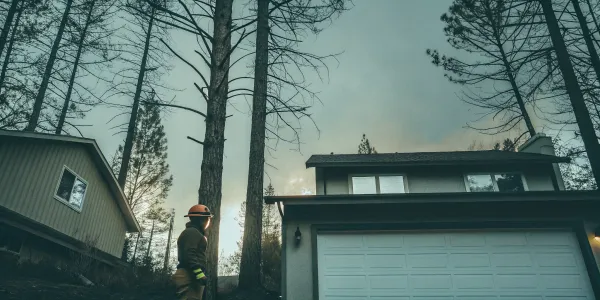
A high-risk fire zone is often located in what’s known as the Wildland-Urban Interface, or WUI. This is where developed communities meet or intermingle with natural, undeveloped land. Many beautiful neighborhoods are built in these areas, offering residents a connection to nature. However, this proximity to wildlands also increases fire risk. Insurers and fire officials look at the density of homes, the area's fire history, and its closeness to forests or grasslands. If your home is in a community that borders a large, fire-prone open space, it’s more likely to be considered high-risk.
Why Vegetation, Weather, and Terrain Matter
The environment around your home plays a huge role in its wildfire risk. The type and amount of vegetation act as fuel for a fire. Dense forests, dry grasses, and overgrown shrubs can cause a fire to spread quickly. Weather patterns are another critical piece of the puzzle; high winds, low humidity, and drought conditions create the perfect storm for a wildfire. Finally, the terrain, or topography, matters. Fire travels much faster uphill, so properties located on or near steep slopes face a greater threat. These elements combined explain why, as Wildfire Today reports, wildfires are becoming more frequent and destructive.
What's Your Official Fire Risk Classification?
Knowing your property’s official risk classification is essential. This isn't just for your own awareness—it’s a key piece of information that insurance companies use to determine your eligibility and premiums. You can find out if your home is in a high-risk area by using publicly available tools and resources. Your local fire department or county planning office can provide this information, and many states have online maps that show designated fire hazard zones. For example, California offers Fire Hazard Severity Zone maps to help residents understand their specific risk level. Once you have this information, you can take more targeted steps to protect your home.
Beyond Wildfire: Other Factors That Make a Home "High-Risk"
While living in a wildfire-prone area is a primary reason for a high-risk classification, it’s not the only factor insurers consider. They look at the complete picture to assess the likelihood of any claim, not just one related to fire. Understanding these other elements can help you see your property through an underwriter's eyes and identify areas for improvement that might make your home more attractive to insurers.
Your Property's Condition and Features
Insurers pay close attention to your home's overall maintenance and specific features. A property with a roof that is past its prime, deferred maintenance like peeling paint, or outdated electrical systems can signal a higher probability of future claims for things like water damage or structural issues. Certain features also increase your home's risk profile. For example, swimming pools and trampolines are considered attractive nuisances because they present a liability risk. Even a home that sits vacant for extended periods can be flagged, as it’s more susceptible to theft, vandalism, or unnoticed damage from something like a burst pipe.
Your Personal Profile and Insurance History
It’s not just about your house; your personal history as a policyholder matters, too. Insurers often use a special credit-based metric called an insurance score to predict how likely you are to file a claim. A lower score can result in higher premiums or make it harder to secure a policy. Your claims history is another critical piece of the puzzle. If you have a track record of filing multiple claims, even for small incidents, an underwriter may see you as a higher risk for future losses. This is why it can be strategic to cover minor repairs out-of-pocket to keep your claims history clean for when you truly need it.
Why Is Homeowners Insurance So Hard to Get in High Fire Risk Areas?
If you’ve tried to get an insurance quote for a home in a wildfire-prone area, you know how frustrating it can be. You might face outright rejections, shockingly high premiums, or even a non-renewal notice from a company you’ve been with for years. It’s easy to feel singled out, but this challenge is part of a much larger trend affecting communities across the country.
Insurance is a business built on managing risk. When wildfires become more frequent and destructive, the financial risk for insurers grows exponentially. A single catastrophic event can lead to billions of dollars in claims, threatening a company's stability. In response, insurers are becoming much more selective about the properties they cover, leaving many homeowners in a difficult position. Understanding their perspective is the first step toward finding a solution for your own property.
The Scale and Cost of Wildfire Risk
The numbers behind modern wildfires are staggering, and they explain why insurers are so cautious. In a single recent year, nearly 65,000 wildfires burned almost 9 million acres across the United States. The financial fallout is just as massive. Some estimates place the property damage from just one major wildfire event in Los Angeles between $28 billion and $53 billion. When a single disaster can trigger tens of billions in claims, it fundamentally changes the business of insurance. As a result, many companies are rethinking their policies in high-risk areas, raising prices, or simply choosing not to offer new coverage at all. This isn't a reflection on you as a homeowner; it's a reaction to a level of risk that has become financially unsustainable for them to carry.
How Insurers See Risk (and Why They're Pulling Out)
Insurance companies use sophisticated mapping and modeling tools to predict the likelihood of a home being damaged or destroyed in a wildfire. They analyze factors like your property’s slope, local weather patterns, surrounding vegetation, and proximity to past fires. If their models flag your home as having a high probability of loss, they may decline to offer a policy. For many carriers, the potential for massive, simultaneous claims across an entire region is too great a financial gamble. This is why some major insurers have stopped writing new policies or have pulled out of high-risk states altogether, a common problem that affects new and longtime residents alike.
How Rising Claim Costs Affect Your Policy
When an insurer does agree to cover a home in a high-risk area, the price reflects the elevated danger. The cost to rebuild homes has soared in recent years, and a major wildfire can destroy hundreds or thousands of properties at once. To cover these potential payouts, insurers must charge higher premiums. It’s not unusual for annual premiums to run into the thousands of dollars, especially if you have to turn to a last-resort option like a state FAIR Plan. This financial pressure is a direct result of the increasing costs insurers face when a disaster strikes, and unfortunately, that cost is passed on to you, the homeowner.
Why Your Policy Wasn't Renewed (and Your Premium Went Up)
Receiving a non-renewal notice can feel like a personal blow, especially if you’ve never filed a claim. But it’s important to understand that this is a business decision, not a reflection on you as a homeowner. Insurers constantly re-evaluate their total risk exposure in a given area. If their models show that a neighborhood has become too risky to insure profitably, they may decide to reduce their number of policies there to balance their portfolio. While homeowners in high-risk areas face unique challenges, there are also specific resources and strategies that can help you secure the coverage you need.
Where Can You Find Coverage When Traditional Insurers Say No?
Receiving a non-renewal notice or being denied homeowners insurance can feel incredibly stressful, especially when you’ve done everything right to protect your property. It’s easy to feel like you’ve run out of options, but don’t lose hope. When traditional insurance companies step back from high-risk areas, a different set of solutions becomes available. Think of this as moving from the main highway onto a few well-paved side roads—they might be less familiar, but they can still get you where you need to go.
The key is knowing where to look. Instead of focusing on the big-name insurers you see in national commercials, your search will shift toward state-run programs, specialized insurance markets, and expert brokers who thrive on finding coverage for properties like yours. These alternatives are designed specifically for homeowners who find themselves in a tough spot. While the process might require a bit more legwork, securing coverage is absolutely possible. It's about shifting your approach from seeking a standard, off-the-shelf policy to finding a more tailored solution. Let’s walk through the three main avenues you can explore to find the policy that keeps your home and your peace of mind protected.
Look into State-Sponsored Plans like the California FAIR Plan
If you’re struggling to find coverage in the private market, your state may offer a safety-net program. The most well-known example is the California FAIR Plan, which provides basic fire insurance to homeowners who can’t get it from a traditional carrier. These programs are often considered a "last resort" option, ensuring that no one is left completely uninsured against fire damage.
It’s important to understand that a FAIR Plan policy is typically not a complete replacement for standard homeowners insurance. It usually only covers damage from fire, so you’ll likely need to purchase a separate policy, called a difference in conditions (DIC) policy, to cover other risks like theft, liability, and water damage. Think of it as a foundational piece of your coverage puzzle. Check your state’s department of insurance website to see if a similar plan is available where you live.
Find Coverage with Surplus and Specialty Insurers
Beyond state-sponsored plans, there’s a whole segment of the insurance world dedicated to covering unique or high-risk properties. This is known as the surplus lines or specialty insurance market. These insurers are willing to take on risks that standard companies won’t, offering a critical alternative for homeowners in fire-prone regions. Because they operate with more flexibility, they can create policies tailored to specific situations.
Coverage from a surplus lines carrier might be more expensive than a standard policy, but it provides a viable path to insuring your home. You typically can’t buy a policy directly from these companies; you have to go through a licensed broker. If you’re working with an agent, you can specifically ask about the surplus lines market to see what options they can find for you. It’s a common and necessary solution for many homeowners in your position.
Work with a Broker Who Knows High-Risk Properties
This might be the single most effective step you can take. Unlike a "captive" agent who only works for one company, an independent insurance broker works with many different insurers. This gives them a much broader view of the market and access to policies you would never find on your own. A good independent broker who specializes in high-risk properties will already know which companies are still writing policies in your area, including specialty and surplus lines carriers.
These brokers are your advocates. They understand the nuances of fire risk and can help you present your property in the best possible light, highlighting the mitigation work you’ve done. Many homeowners recommend finding a local broker as their first move after being denied coverage. They can save you countless hours of frustration by searching the complex market for you and finding the best available options.
What Your Standard Policy Might Not Cover
Once you’ve secured a homeowners insurance policy, it’s tempting to file it away and assume you’re completely protected. But a standard policy isn’t a catch-all for every possible disaster. It’s designed to cover specific, common perils like fire, theft, and liability. Understanding what *isn't* covered is just as important as knowing what is, especially when you live in an area prone to other types of natural events. Many homeowners are surprised to learn about common exclusions after a disaster strikes, leaving them with unexpected and significant out-of-pocket costs. Taking a few minutes to review these typical gaps in coverage can help you make informed decisions about whether you need additional protection for your home and family.
Common Exclusions: Floods, Earthquakes, and Landslides
It’s a common misconception that a standard homeowners policy will cover damage from any natural disaster. In reality, certain events are almost always excluded. Damage from flooding—whether from heavy rain, overflowing rivers, or coastal storm surges—is not covered. For that, you need a separate policy, which you can often purchase through the National Flood Insurance Program (NFIP) or a private insurer. Similarly, any damage caused by earth movement, such as earthquakes, landslides, mudslides, or sinkholes, is also excluded. If you live in a seismically active area, you’ll need to buy a separate earthquake insurance policy or add a special endorsement to your existing plan to be protected from these specific risks.
Damage from Neglect, Pests, or Construction
Insurance is designed to protect you from sudden and accidental events, not issues that arise from a lack of upkeep. If damage occurs due to deferred maintenance—for example, extensive mold growth from a leaky pipe you never fixed—your claim will likely be denied. It’s your responsibility to perform regular home maintenance to prevent such problems. Damage caused by pests like termites, rodents, or bedbugs is also typically considered a maintenance issue and is not covered. Finally, be aware that your standard policy may not cover losses that happen during a major renovation or construction project. It’s always a good idea to talk to your agent before starting a big remodel to ensure you have the right coverage in place.
How Can You Improve Your Chances of Getting Insured?
When you live in a high-risk area, getting a "no" from an insurance company can feel disheartening. But don't give up. You can take proactive steps to make your property a more attractive, less risky investment for insurers. By focusing on what you can control—your home, your documentation, and your financial approach—you can significantly improve your odds of securing the coverage you need. Think of it as building a strong case for why your home is a safe bet.
Make the Home Upgrades Insurers Actually Want
Insurers want to see tangible proof that you’re actively reducing your home's wildfire risk. This process, often called "home hardening," involves making physical upgrades to your property. Start with the most vulnerable parts of your house. For example, you can harden your home against wildfires by installing fine mesh screens over all vents to block flying embers. Other high-impact improvements include using fire-resistant materials for your roof and siding, installing dual-pane tempered glass windows, and clearing your defensible space. These actions show insurers that you’re a proactive partner in protecting your property.
Document Your Fire-Safety Efforts to Build Your Case
Once you’ve made improvements, you need to prove it. Create a detailed portfolio of all your risk-reduction efforts. This isn't just about keeping receipts; it's about telling a story. Take before-and-after photos of your defensible space clearing. Keep invoices for fire-resistant materials you’ve installed. It’s also a great idea to take videos of your home and belongings for your own records, which can double as proof of your home’s well-maintained condition. Presenting a well-organized file of your mitigation work to a potential insurer demonstrates your commitment and can make a real difference in their assessment.
Improve Your Finances and Choose the Right Deductible
Sometimes, your financial approach to insurance can be just as important as your physical property. One effective strategy is to consider a higher deductible. The deductible is the amount you pay out of pocket before your insurance coverage begins. If you agree to a higher deductible, your premium will usually be lower, making your policy less of a financial risk for the insurer. This can make you a more appealing customer, especially in a high-risk market. It’s a trade-off, but it’s one that can often make coverage more accessible and affordable.
Which Fire Safety Measures Actually Lower Insurance Costs?
When you live in a high-risk area, it can feel like your insurance costs are completely out of your control. The good news is that’s not entirely true. By taking specific, proactive steps to reduce your property’s wildfire risk, you can make your home a much more attractive prospect to insurers. Think of it as building a case for why you deserve coverage and a better rate. Insurance companies are all about managing risk, so when you show them you’re serious about protecting your property, they often reward you with lower premiums or even a policy offer when others might say no.
These aren't just cosmetic changes; they are tangible improvements that can significantly lower the odds of a catastrophic loss. From clearing the space around your home to upgrading your building materials, each action you take demonstrates responsibility and reduces the statistical risk your property represents. Documenting every improvement with photos and receipts is key—it gives you the proof you need when speaking with agents and underwriters. Let’s walk through the three main areas where your efforts can make the biggest financial impact.
Create and Maintain Your Defensible Space
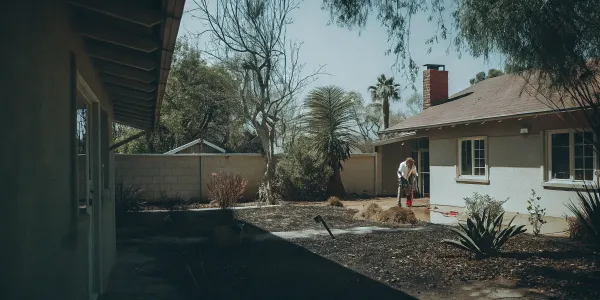
This is the single most important action you can take. Defensible space is the buffer zone you create between your home and the surrounding vegetation. Its purpose is to slow or stop an approaching wildfire, giving firefighters a chance to defend your home. Start by clearing all dead leaves, pine needles, and other debris from your roof, gutters, and decks. The most critical area is the first 30 feet around your house. Within this zone, remove flammable plants, dead vegetation, and any combustible materials. Many local fire departments offer free inspections or consultations, providing expert advice tailored to your specific property.
"Harden" Your Home with fire-resistant materials
"Home hardening" means using building materials and construction techniques that are less vulnerable to catching fire from embers, which can travel miles ahead of a wildfire. Insurers pay close attention to these features because they can prevent a total loss. Consider upgrading to a Class A fire-rated roof, which is the most resistant available. Other impactful upgrades include installing dual-pane tempered glass windows and covering vents with fine metal mesh to block embers from entering your attic or crawl space. While these improvements require an investment, many insurance companies offer significant discounts for homes built with fire-resistant materials, making them a smart long-term financial decision.
Install Key Protective Features and Equipment
Beyond major structural changes, smaller safety features contribute to your home’s overall risk profile. Make sure you have functioning smoke detectors, and consider installing an interior fire sprinkler system if you don’t already have one. While you’re talking to an insurance agent, always ask about available discounts. Many homeowners miss out on savings simply because they don’t ask. You might get a lower rate for having a monitored security alarm, bundling your home and auto policies, or even for living in a gated community. Every discount helps, and these features show an insurer that you are a conscientious and low-risk homeowner.
Plan for Emergency Water Access
When a wildfire is approaching, every second counts for firefighters. You can give them a critical head start by planning for emergency water access before you need to evacuate. A simple but effective strategy is to fill your bathtubs and sinks with water and have buckets ready. It's also a great idea to connect long garden hoses to your outdoor spigots so they are immediately available for first responders. This preparation gives firefighters instant resources to help defend your home, saving precious time when it matters most. Beyond the immediate practical benefit, this action demonstrates a high level of preparedness to insurance companies. It's another tangible step you can take to improve your property's safety profile and strengthen your case as a responsible homeowner.
3 Simple Upgrades Insurers Love to See
When you live in a high-risk area, getting your home ready for wildfire season is about more than just peace of mind—it’s a critical step in securing and keeping your homeowners insurance. Insurers want to see that you’re actively working to make your property less of a risk. This process, often called home hardening, involves making physical upgrades to your house to help it withstand ignition from embers and radiant heat. Think of it as building a stronger defense for your home.
These improvements don’t always have to be expensive, multi-thousand-dollar projects. In fact, some of the most effective upgrades are surprisingly straightforward and affordable. Insurers pay close attention to these details because they demonstrate your commitment to risk reduction. When an underwriter reviews your application, they’re looking for tangible evidence that your home is a safer bet than others in the neighborhood. By focusing on a few key areas—like protecting vents from embers, keeping flammable debris cleared away, and properly storing hazardous materials—you can significantly strengthen your case for coverage. Documenting these changes with photos and receipts is also a smart move, giving you concrete proof of the work you’ve done.
Protect Vents with Fine Mesh Screens
During a wildfire, tiny, wind-blown embers are the primary threat, capable of traveling a mile or more ahead of the fire itself. These embers can easily enter your home through unprotected vents in your attic, foundation, or eaves, igniting it from the inside out. This is why one of the most crucial upgrades you can make is to install fine mesh screens over all vent openings. A 1/8-inch metal screen is the standard recommendation, as it’s small enough to block embers but large enough to allow for proper airflow. This is a relatively low-cost project that provides a massive return on safety and shows insurers you’re addressing a major vulnerability.
Keep Your Roof and Gutters Clear of Debris
Your roof and gutters can become a collection point for dry leaves, pine needles, and other flammable debris. When embers land in these spots, they have the perfect fuel to start a fire that can quickly spread to the rest of your home. That’s why insurers place a high value on simple, consistent maintenance. Make it a regular habit to "clean leaves and debris from your roof, gutters, decks, and patios." This isn't a one-and-done task; it requires ongoing attention, especially before and during fire season. A clean roofline is a clear, visual signal to an insurance inspector that you are a proactive homeowner committed to reducing your property’s fire risk.
Store Flammable Materials Safely
Many of us keep flammable materials around the house without a second thought—propane tanks for the BBQ, gasoline for the lawnmower, or cans of paint thinner in the garage. During a wildfire, these items can become a serious liability, acting as an accelerant that can turn a small ember into a major blaze. It’s essential to "store gas and other flammable liquids in safe containers away from your home." The best practice is to move all flammable materials at least 30 feet away from your house and any other structures. If you have a detached shed or garage, that’s an ideal storage spot. This simple organizational task demonstrates to insurers that you’re aware of potential hazards and are taking responsible steps to manage them.
How to Shop for Homeowners Insurance in a High Fire Risk Area
Shopping for homeowners insurance in a wildfire-prone area requires a different approach. The stakes are higher, and the process calls for more diligence, but you can find the right coverage with a clear strategy. It’s not just about finding a policy; it’s about finding a partner in your home's safety. Let's walk through the key steps to make your search successful.
Know the Best Time to Start Your Search
Finding insurance in a high-risk area can be a long process, so starting early is your best move. Don't wait until your current policy is about to expire. Even if you've been with the same company for years, there's no guarantee they'll renew your policy if your home is in a designated wildfire zone. Give yourself at least a few months to research options, gather quotes, and make any necessary home improvements. This buffer is especially important if you're buying a new home, as securing insurance is a critical step before you can close. Proactive planning puts you in control and prevents last-minute scrambles for coverage.
Compare Coverage Options and Read the Fine Print
When you live in a high-risk area, a standard policy might not be available or sufficient. You’ll need to look closely at what each plan actually covers. State-sponsored programs like the California FAIR Plan can be a lifeline, but they often provide basic fire insurance only. To get more comprehensive protection for things like theft or liability, you may need to pair it with a "Difference in Conditions" (DIC) policy. It’s crucial to understand what a policy doesn't cover just as much as what it does. Read the fine print, paying special attention to exclusions and deductibles for wildfire damage.
Find an Agent Who Specializes in Fire Risk
This might be the most important step you take. Instead of going directly to a large insurance carrier, find a local, independent insurance broker. These professionals aren't tied to a single company; they work with multiple insurers and often know which ones are willing to write policies in high-risk areas. A good broker who specializes in wildfire zones can be your strongest advocate. They understand the local landscape and can help you find coverage options you wouldn't discover on your own. For certain programs, working with a registered agent is a requirement, making their expertise essential from the start.
Ask for Local Recommendations
Sometimes the best information isn't online; it's right next door. Your neighbors are navigating the same insurance landscape you are, and their experiences can be an invaluable resource. Start a conversation over the fence or in a local community forum. As experts at Bankrate suggest, you should "find out which insurance companies your neighbors use." This simple step can give you a shortlist of insurers who are still actively writing policies in your specific area. It’s a direct line to real-world feedback on pricing, customer service, and the claims process from people who understand your situation perfectly.
Bundle Policies for Potential Discounts
One of the most straightforward ways to reduce your premium is by bundling your policies. If you have auto insurance with one company and are seeking home insurance from another, you could be leaving money on the table. Insurers often provide significant discounts to customers who trust them with multiple policies. This is a classic win-win: they get more of your business, and you get a lower rate. Many homeowners miss out on these savings simply because they don’t ask. When you get a quote, always inquire about the discount for bundling your home and auto policies. It’s a simple question that can make a big difference in your annual cost.
How to Manage Your Current Insurance Policy
Once you have a homeowners insurance policy, the work isn’t over—especially in a high-risk area. Think of your policy as a living document that needs regular attention. Insurers constantly reassess wildfire risk, which means your coverage and rates can change from one year to the next. Staying proactive is the best way to maintain your coverage, manage costs, and avoid any unwelcome surprises when your renewal date approaches. By taking a few simple steps each year, you can keep your policy in good standing and have a solid plan ready if things change.
Review Your Policy Every Year—Don't Skip It
Set a calendar reminder to review your homeowners insurance policy annually, about 60 days before it’s set to renew. This gives you plenty of time to make adjustments or shop for a new plan if needed. During your review, check for any changes to your premium, deductible, or coverage limits. It’s also a good time to update your policy to reflect any home improvements you’ve made. Even if you've been with the same company for years, they might still decide not to renew your policy if your property is in a designated wildfire zone. An annual check-in ensures your coverage still fits your needs and that you’re prepared for any changes from your insurer.
What to Do If You Get a Non-Renewal Notice
Receiving a non-renewal notice can be stressful, but it’s not the end of the road. The first step is to understand why your policy wasn't renewed and what you can do about it. If you believe the decision was unfair or based on inaccurate information, you have the right to file a complaint with your state’s department of insurance. At the same time, start exploring other options immediately. Look for independent agents who specialize in high-risk properties. If you can’t find coverage on the private market, investigate your state’s FAIR Plan. These state-run programs act as a last-resort option to ensure homeowners have access to basic fire insurance.
Ask Why You Were Denied or Not Renewed
Your first call after receiving a denial or non-renewal notice should be to your agent or the insurance company. Don't just accept the decision at face value; ask for the specific reasons behind it. The cause could be something you can fix, like an aging roof, or it might be based on inaccurate data about your property’s vegetation or defensible space. Getting a clear answer is your first step toward a solution. If you believe the insurer’s assessment is unfair, you have the right to understand the reasons and, if necessary, file a complaint with your state’s department of insurance. This process can help clarify the situation and gives you the information you need to either appeal the decision or strengthen your application for a new policy.
Know Your Rights and Timeline
An insurance company can’t drop your policy overnight. State regulations require them to provide you with advance written notice, which is typically between 30 and 75 days, depending on where you live. This period is your window of opportunity to act. Use this time to start shopping for new coverage, contact an independent broker, and make any necessary improvements to your property. Insurers are constantly reassessing risk, so staying proactive is the best way to manage your policy and avoid surprises. Knowing your timeline is crucial because it allows you to plan your next steps without panicking. Treat the notice period not as a deadline, but as a head start to secure the protection your home needs.
Going Beyond Your Policy to Protect Your Finances
Getting a homeowners policy in a high-risk area is a huge win, but your work isn't quite done. A standard policy, especially a last-resort plan, often has limitations. To truly protect your finances, you need to think about building a few extra layers of security. This means looking at supplemental insurance and making sure you have cash on hand for the unexpected.
Consider Umbrella Policies and Additional Living Expense Coverage
Even the best fire insurance policy can have gaps. That’s where supplemental coverage comes in. If you have a basic policy like the California FAIR Plan, you should talk to your broker about a "Difference in Conditions" (DIC) policy. It’s designed to fill in the blanks, covering perils that your primary policy excludes. You might also consider an umbrella policy for extra liability protection. And don't forget about Additional Living Expense (ALE) coverage—it’s a lifesaver if you’re displaced from your home, helping pay for things like rent and meals while you rebuild.
Build an Emergency Fund to Cover Any Gaps
Insurance is essential, but it doesn't cover everything instantly. Having a dedicated emergency fund is your financial first-aid kit. Premiums in high-risk areas can be steep, and deductibles are often higher, too. Your emergency fund can cover that deductible, pay for immediate needs after a fire, or bridge the gap if your living expenses exceed your policy limits. Think of it as a buffer that gives you options and peace of mind when you need it most. Since finding affordable homeowners insurance in high-risk areas can be a challenge, having savings set aside prepares you for any financial surprises along the way.
Related Articles
- A Guide to Homeowners Insurance in CA High Risk Fire Areas
- Get a High Fire Risk Insurance Quote: A 5-Step Guide
- 5 Home Hardening Techniques & Their Real Costs
- 5 Steps to Wildfire Mitigation for Insurance Approval
- How to Get a Free Wildfire Risk Assessment
Frequently Asked Questions
I've done a lot of work on my property. Why did my insurance still get canceled? It’s incredibly frustrating when you’ve invested time and money into making your home safer, only to receive a non-renewal notice. It’s important to remember this is rarely a personal decision. Insurance companies manage risk across entire regions, and sometimes they decide to reduce their overall exposure in a specific zip code or county, regardless of the work individual homeowners have done. Your efforts are still valuable, as they make your property a much stronger candidate for other insurers who are still writing policies in your area.
Is a state FAIR Plan policy enough to fully protect my home? A FAIR Plan is an essential safety net, but it's typically not a complete insurance solution. Think of it as the foundation of your coverage. These plans generally only cover damage from fire and other basic perils. To protect yourself against other common risks like theft, personal liability, or water damage, you will almost always need to purchase a separate policy called a "Difference in Conditions" (DIC) policy to fill in those gaps.
I have a limited budget. Which fire safety improvements should I prioritize first? You don't have to do everything at once. Start with the most impactful, lowest-cost actions. Your top priority should be creating and maintaining your defensible space. This involves simple, regular tasks like clearing dead leaves and pine needles from your roof, gutters, and the first 30 feet around your home. After that, one of the most effective and affordable upgrades is installing 1/8-inch metal mesh screens over all vents to block embers from getting inside.
My property is on a steep slope. Is there anything I can do to lower my risk? While you can't change your property's terrain, you can absolutely take steps to manage the risk that comes with it. Because fire moves faster uphill, maintaining your defensible space is even more critical on a sloped lot. Focus on removing "ladder fuels"—like low-hanging tree branches—that could allow a ground fire to climb into the tree canopy. You can also work with a local fire professional to create a landscaping plan that uses fire-resistant plants and strategic spacing to slow a fire's spread.
How can I prove to an insurance company that I've made my home safer? Documentation is your best friend. Create a portfolio for your home that showcases all your mitigation work. Take clear before-and-after photos of your defensible space clearing. Keep a digital and physical folder with receipts for any fire-resistant materials you’ve installed, like a new roof or dual-pane windows. When you apply for a policy, presenting this organized file shows an underwriter that you are a proactive and responsible homeowner, which can make all the difference.