How to Prepare for a Defensible Space Inspection: Checklist
Get practical tips on how to prepare for a defensible space inspection with a clear checklist to help protect your home and meet fire safety requirements.
Living in a beautiful, wild place often comes with a major challenge: finding and keeping affordable homeowners insurance. Insurers are looking for proactive homeowners, and one of the most powerful ways to show you’re serious about risk is by maintaining your property. That’s where your defensible space inspection comes in. It’s a tangible way to demonstrate that your home is a lower risk to insure. Understanding how to prepare for a defensible space inspection is not just about fire safety; it’s a critical step in securing your home’s insurability. We’ll cover the essential steps to help you pass with confidence.
Key Takeaways
- View Inspections as a Tool, Not a Test: An inspector's goal is to provide a clear, actionable roadmap for safety. Use their feedback to protect your home and demonstrate proactive risk management to your insurance provider.
- Work in Zones, Starting at Your Foundation: Tackle defensible space by focusing on three distinct areas. Prioritize clearing the immediate 5-foot zone around your home, then work outward to 30 and 100 feet to systematically reduce wildfire fuel.
- Adopt a Year-Round Maintenance Mindset: Defensible space requires consistent upkeep, not a single frantic cleanup. Break tasks down by season—like clearing gutters in the fall and mowing in the summer—to stay prepared and reduce stress.
What is a Defensible Space Inspection?
If you’ve received a notice about a defensible space inspection, take a deep breath. It’s easy to feel like you’re about to be graded, but these inspections aren’t about getting you in trouble. Think of them as a helpful check-up for your property’s wildfire resilience. An inspector, usually from your local fire department, will walk your property to see how well it aligns with fire safety standards. Their goal is to help you understand the concept of defensible space and identify practical steps you can take to protect your home.
These inspections are often required by law in wildfire-prone areas, and for good reason. They are one of the most effective tools we have for creating fire-adapted communities. The inspector will look at the area around your home, typically up to 100 feet out, and assess things like vegetation clearance, tree spacing, and the removal of flammable materials. You’ll usually get a report with clear, actionable recommendations. It’s a collaborative process designed to make your home safer, not a "gotcha" moment. By the end, you'll have a clear roadmap for reducing your property's risk.
Why It Matters for Insurance
Beyond protecting your home from flames, a defensible space inspection has a direct impact on your homeowners insurance. As wildfires become more frequent, insurance companies are paying close attention to a property’s risk level. Creating and maintaining defensible space is one of the most powerful actions you can take to show that you are proactively managing that risk. A passing inspection can make it easier to secure or renew your policy, and in some cases, it might even help you get better rates. It demonstrates to insurers that your property is a lower risk to cover, which is essential in today’s challenging insurance market.
Know the Rules in Your Area
One of the most important things to remember is that defensible space requirements can vary. While state-level guidelines provide a great starting point, your local jurisdiction often has its own specific rules. For example, CAL FIRE sets the minimum standard for California, but many local fire departments and counties have adopted stricter ordinances based on their unique landscape and fire history. Before you start clearing brush or trimming trees, always check the specific requirements for your address. A quick visit to your local fire department’s website or a phone call can give you the exact details you need to pass your inspection with confidence.
Clearing Up Common Myths
Let’s clear up a couple of common myths about defensible space. First, creating a fire-safe property does not mean you have to clear-cut your land and live in a barren landscape. It’s all about smart vegetation management—thinning, trimming, and choosing fire-resistant plants. You can absolutely maintain a beautiful, natural yard while being fire-wise. Second, a frequent mistake homeowners make is improper tree spacing. That small tree you planted a decade ago might now have branches overhanging your roof or growing too close to other trees. An inspector will pay close attention to ensure trees are spaced and pruned to prevent fire from climbing from the ground into the canopy.
How to Prepare Your Property, Zone by Zone
Thinking about your entire property at once can feel overwhelming. That's why fire safety experts break it down into three distinct zones, starting from your house and moving outward. Focusing on one zone at a time makes creating defensible space a much more manageable project. Each zone has a different goal, but they all work together to protect your home from wildfire. Let's walk through what you need to do in each area to get your property ready.
Zone 1: The First 5 Feet
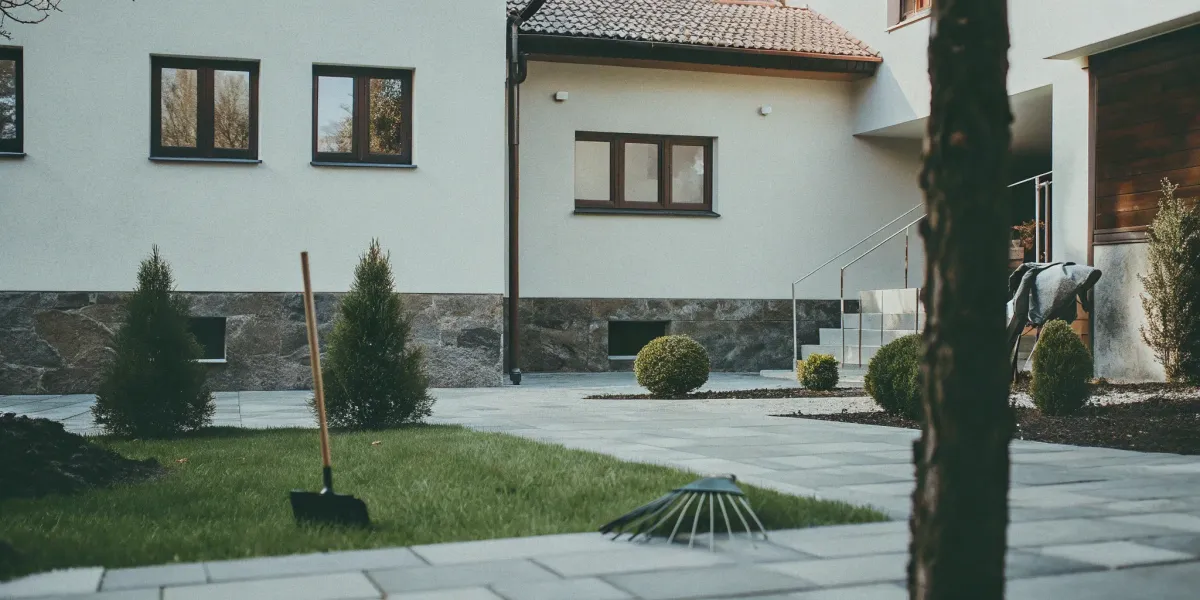
Think of the first five feet around your home as the "ember-resistant zone." This is the most critical area because it's where flying embers from a wildfire can land and ignite your house. Your goal here is to eliminate anything that could easily catch fire. Start by swapping out wood mulch for non-flammable options like gravel, pavers, or concrete. You'll also want to clear away all dead leaves, pine needles, and other debris from under decks, in gutters, and on the roof. If you have tree branches hanging over your roof or near a chimney, trim them back. Finally, move flammable items like firewood piles, outdoor furniture, and planters away from the house.
Zone 2: The Next 30 Feet
This area, which extends from 5 to 30 feet from your home, is all about creating a "lean, clean, and green" landscape. The idea is to interrupt a fire's path and keep flames low to the ground. Start by clearing out all dead plants, dry grass, and weeds. Rake up fallen leaves and pine needles regularly. You’ll want to create space between trees by trimming branches so they’re at least 10 feet apart from each other. Prune shrubs, especially those under windows, and remove any tree limbs that are close to your chimney. It's also smart to maintain a 10-foot clearance around any outbuildings or propane tanks on your property.
Zone 3: The Outer 100 Feet
In the zone stretching from 30 to 100 feet from your home, your focus shifts to reducing fuel. You don't need to clear everything, but you do want to thin out the vegetation so a fire has less to burn. Keep annual grasses mowed to a maximum height of four inches. Remove fallen leaves and small branches, but it’s okay to leave a thin layer of organic debris on the ground. The key here is spacing. You want to arrange trees and shrubs so there are gaps between them, which helps slow the spread of fire. Make sure any woodpiles in this zone have at least 10 feet of clearance around them down to the bare soil.
Work With Slopes and Terrain
Fire moves much faster uphill, so if your property is on a slope, you need to be extra careful with plant spacing. The steeper the slope, the more space you need to leave between shrubs and trees. As a general rule, on a mild slope, the space between shrubs should be about twice the height of the shrub. On a moderate slope, make that four times the height, and on a steep slope, it should be six times the height. This extra distance helps prevent fire from racing up the hill and reaching your home. You can find detailed spacing guidelines from fire authorities like CAL FIRE.
Choose and Space Plants Wisely
You also need to think about vertical space to prevent a "fire ladder," where flames can climb from low-lying shrubs up into tree canopies. First, remove all tree branches that are within six feet of the ground. This simple step eliminates the lowest "rung" of the ladder. Next, look at the space between the tops of your shrubs and the lowest tree branches. You want a gap that is at least three times the height of the shrub. For example, if you have a four-foot-tall shrub, you need at least 12 feet of clear space between it and the tree branches above it. This makes it much harder for a ground fire to jump into the treetops.
Your Pre-Inspection Checklist
An upcoming inspection can feel a little daunting, but think of it as a collaborative check-up for your property’s health and safety. Inspectors aren’t there to find fault; they’re there to help you identify risks and make your home safer from wildfire. Going through this checklist beforehand will help you feel confident and prepared for a smooth, successful inspection. Let’s walk through the key areas to focus on.
Manage Your Vegetation
Creating a fire-safe property doesn't mean you have to clear-cut your yard. The goal is smart vegetation management, not total removal. Start by trimming tree branches so they don’t hang over your roof or chimney. You’ll also want to ensure there’s enough space between individual trees and shrubs to prevent fire from climbing from one to the next. Remove any dead or dying plants, as they act as kindling. A well-maintained landscape can be both beautiful and fire-resistant, giving you peace of mind without sacrificing the natural look of your property.
Protect Your Home's Structure
Your defensible space is your home's first line of defense, but the structure itself is the last. Start by clearing any flammable debris from your roof and gutters—pine needles and dry leaves are major culprits here. Walk around your home and remove any combustible materials from the immediate 5-foot perimeter. This includes things like jute doormats, flammable patio furniture, and piles of firewood. Taking these steps helps harden your home against embers, which are a primary cause of homes catching fire during a wildfire. It’s a critical step in ensuring your home can withstand a wildfire event.
Clear Away Flammable Materials
Think of this as a deep clean for your entire property. Your goal is to remove anything that could easily ignite and carry fire toward your home. Systematically clear away all dead grass, weeds, leaves, and fallen branches. Pay special attention to areas where debris accumulates, like under decks, porches, and stairways. Firewood piles should be moved at least 30 feet away from your house. The same goes for propane tanks and any other flammable items. A thorough property cleanup is one of the most effective actions you can take to prepare for an inspection and reduce your overall fire risk.
Gather Your Paperwork
Being organized shows the inspector you’re serious about fire safety. Before they arrive, pull together any relevant documents. This might include records of recent tree work, receipts for home hardening upgrades like new vents or siding, or reports from previous inspections. Having this information on hand makes the process smoother and demonstrates your proactive efforts. Remember, these inspections are designed to be educational and helpful. They provide a great opportunity to ask questions and get expert advice on how to make your property even safer, so don't hesitate to prepare your questions in advance.
When to Call a Professional
While much of this work is manageable on your own, some tasks are best left to the experts. If you have large, dead trees that need to be removed, especially if they are close to your home or power lines, it’s time to call a professional. The same goes for pruning high branches or clearing dense vegetation on steep, unstable slopes. These jobs can be dangerous without the right equipment and training. Hiring a certified arborist or a licensed land-clearing contractor is a smart investment in your safety and ensures the work is done correctly. You can find a certified arborist in your area to get started.
Maintain Your Defensible Space All Year
Passing a defensible space inspection isn’t a one-and-done task. It’s an ongoing commitment to keeping your property safe from wildfire. Think of it like any other home maintenance routine—a little effort throughout the year makes a huge difference and prevents you from having to scramble before an inspection. By staying on top of things, you not only keep your home protected but also ensure it’s always ready for review. This approach turns a potentially stressful event into a simple check-in on the great work you’re already doing.
Creating a year-round maintenance plan helps you break down what feels like a massive project into small, manageable steps. Instead of dedicating an entire weekend to a frantic cleanup, you can spend just a little time each season staying ahead of the risks. This consistent effort is less overwhelming and far more effective in the long run. It builds a habit of awareness, helping you spot potential fire hazards before they become serious problems. Ultimately, maintaining your defensible space all year gives you peace of mind, knowing you’re actively protecting your home, your family, and your community.
Your Seasonal To-Do List
Wildfire risk changes with the seasons, and so should your defensible space routine. In the spring, focus on clearing away the dead leaves, branches, and other debris that accumulated over the winter. Summer is all about maintenance—mow dry grasses regularly and prune trees to keep them from getting overgrown. As fall arrives, clear fallen leaves and pine needles from your roof, gutters, and yard. According to CAL FIRE, you should regularly clear dead or dry vegetation and create space between trees. Making these tasks a seasonal habit helps break the work into manageable chunks and keeps your property safe year-round.
Keep an Eye on Your Property
Get into the habit of walking your property once a month with a critical eye. Look for new hazards that might have appeared. Are there dead branches hanging over your roof? Have shrubs grown too close to the house? Fire inspectors often note things like "dead trees, branches, shrubs or plants adjacent to a structure." By conducting your own regular defensible space inspections, you can spot these issues early and handle them before they become a problem. This proactive approach is one of the easiest ways to maintain a constant state of readiness and safety for your home.
Manage Debris and Yard Waste
A tidy yard is a fire-safe yard. Piles of leaves, pine needles, and grass clippings are like kindling waiting for a spark. Make it a regular practice to clean up and dispose of this yard waste properly. Your goal is to remove all dead and dying vegetative debris, from weeds and grass to leaves and pine cones. Don’t let it pile up in a corner of your property, especially within 100 feet of your home. Check with your local waste management service for green waste disposal options. Consistent cleanup is crucial for reducing the fuel a wildfire could use to approach your home.
Maintain Fire-Resistant Landscaping
Creating a defensible space doesn’t mean you have to live in a barren, empty lot. The key is to strike a balance between a beautiful landscape and a fire-safe one. Choose native, fire-resistant plants and give them enough space to grow without creating a continuous path of fuel. Effective tree and vegetation management is crucial for maintaining a defensible space while preserving the natural beauty of your property. This means regular pruning, removing dead plant material, and ensuring trees don’t have branches that reach your roof. Smart landscaping is one of your best long-term strategies for wildfire safety.
Get the Right Tools for the Job
Having the right equipment makes maintaining your defensible space much easier and more effective. A good rake, a pair of loppers, a pruning saw, and a weed trimmer are essential. For larger properties, a chainsaw or chipper might be a worthwhile investment. One of the most common mistakes homeowners make is planting trees too close to their homes or each other. As one expert notes, this is especially true for "older specimens that have outgrown their original" spot. Having the right tools on hand allows you to properly manage tree spacing and keep vegetation in check before it becomes an overgrown hazard.
Avoid These Common Inspection Pitfalls
An upcoming inspection can feel like a test you haven’t studied for, but it doesn’t have to be that way. Most inspectors aren’t there to penalize you; they’re there to help you see your property through a new lens and identify risks you might have missed. Their goal is to make your home safer. Knowing the common missteps other homeowners make is one of the best ways to prepare. By addressing these frequent issues ahead of time, you can walk into your inspection with confidence, knowing you’ve covered the most critical areas.
Don't Make These Vegetation Mistakes
One of the most common mistakes inspectors see is vegetation planted too close to the home or to other plants. That beautiful oak tree you love might be a significant hazard if its branches overhang your roof. As one tree care specialist notes, "The most common mistake we see? Trees planted too close to homes or to each other—especially older specimens that have outgrown their original" planting spot. Another major issue is "ladder fuels"—low-hanging branches, shrubs, or even tall grasses that can carry a ground fire up into the tree canopy. Be sure to prune tree limbs so they are at least six feet off the ground to eliminate this risk.
Address Your Home's Vulnerabilities
Your yard isn't the only thing an inspector will be looking at; they’ll also assess the condition of your home itself. Fire officials often find that homeowners overlook simple but critical vulnerabilities. For example, inspectors frequently observe "dead trees, branches, shrubs or plants adjacent to a structure or overhanging a roof." This includes keeping your gutters and roof clear of pine needles and leaves, which are basically kindling. You should also check that all attic and foundation vents are covered with a fine metal mesh (1/8-inch is standard) to block flying embers. Finally, move firewood piles, propane tanks, and other flammable materials at least 30 feet away from your house.
Fix Spacing and Clearance Issues
Creating space is one of the core principles of defensible space, but it’s an area where many properties fall short. The goal is to break up the path a fire could take to reach your home. According to CAL FIRE, you should "regularly clear dead or dry vegetation and create space between trees." This means establishing both horizontal and vertical clearance. Horizontal clearance is the space between individual trees and shrubs, while vertical clearance is the space between the ground and the lowest tree branches. Removing dead plants and ensuring proper spacing creates a crucial buffer that can slow a fire’s spread and reduce its intensity.
Avoid Paperwork Problems
While the physical work is important, don’t forget the administrative side. Defensible space inspections are often required by law, but as fire safety groups point out, "they’re not 'gotcha' inspections; they’re designed to help home and property owners better understand the defensible space concept." To make the process smoother, have your paperwork in order. If you’ve had professional tree work done or completed major landscaping projects, keep the receipts or work orders handy. It’s also a good idea to be familiar with your local fire codes, as requirements can vary by county or municipality.
How to Do a Pre-Inspection Walkthrough
Before the inspector arrives, do your own walkthrough. Try to see your property from their perspective, looking for anything that could serve as fuel for a fire. Start at your house and walk outward, zone by zone. As you go, "identify dense brush, dead plants, and flammable materials (such as dry leaves, pine needles, deadwood, and dried grass)." Check your roof and gutters for debris. Look for ladder fuels under trees and ensure there’s adequate spacing between shrubs. Taking a few photos as you go can also be helpful, giving you a record of the work you’ve done to make your property safer.
Related Articles
- Your Guide to the CAL FIRE Defensible Space Map
- Defensible Space Inspection Cost: What to Expect
- A Guide to Home Ignition Zone Assessment
Frequently Asked Questions
What happens if I don't "pass" my defensible space inspection? First, take a breath. An inspection isn't a pass-or-fail test designed to get you in trouble. If an inspector finds areas that need improvement, they will provide you with a detailed report that outlines exactly what needs to be done. Think of it as a personalized, expert to-do list for making your home safer. You'll be given a reasonable amount of time to complete the work, and the goal is always collaboration, not punishment.
Does creating defensible space mean I have to clear-cut my property and make it look bare? Absolutely not. This is one of the biggest myths out there. A fire-safe yard can still be beautiful and full of life. The goal is smart vegetation management, not total elimination. It’s about creating strategic breaks in fuel, choosing well-spaced and fire-resistant plants, and properly pruning trees and shrubs. You can maintain a lush, natural landscape that also gives your home a fighting chance against wildfire.
I keep hearing about "home hardening." Is that the same as defensible space? That's a great question, as the two terms are often used together but mean different things. Defensible space is about managing the landscape and vegetation around your home to reduce fire intensity. Home hardening focuses on the physical structure of your house itself—things like installing ember-resistant vents, non-combustible siding, and dual-pane windows to make the building itself more resistant to catching fire. Both are critical for wildfire safety.
Is this a one-time project, or do I have to do it every year? Defensible space isn't a project you finish once; it's an ongoing part of homeownership in a fire-prone area. The most effective approach is to build it into your regular seasonal routine. A little work each season—clearing gutters, mowing dry grass, and raking leaves—is far more manageable than a massive, stressful cleanup right before an inspection. Consistent effort keeps your property ready at all times.
Can I do all this work myself, or do I need to hire a professional? You can handle much of the basic maintenance yourself, such as raking leaves, clearing debris from around your home, and trimming smaller shrubs. However, for more complex or dangerous tasks, it's always best to call in an expert. This includes removing large trees, especially those near power lines, or clearing dense vegetation on very steep slopes. A certified and insured professional has the right equipment and training to do the job safely.