Home Ignition Zones: Your 3-Zone Protection Plan
Home Ignition Zones help you protect your home from wildfire. Learn what they are and get practical steps to reduce your risk and create defensible space.
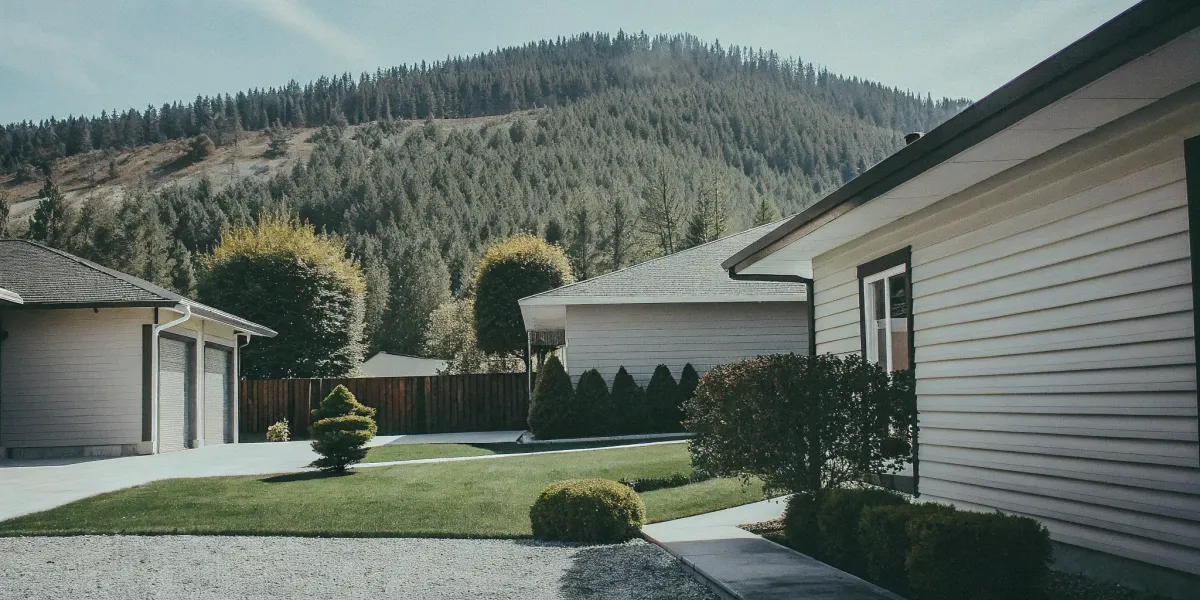
When you think of wildfire risk, you probably picture a huge wall of flames. The real threat is often much smaller: tiny, wind-blown embers. These embers can travel over a mile, and what they find when they land on your property determines if your home survives. This is where you can take control. The concept of Home Ignition Zones is your strategic defense plan. It’s a proven framework for starving those embers of fuel, creating a buffer that can stop a fire in its tracks. It’s the single most effective way to protect your home, your peace of mind, and your investment.
Key Takeaways
- Your Highest Priority Is the First Five Feet: The area immediately surrounding your home is the most critical. Create a non-combustible buffer by clearing away flammable items like wood mulch, dead leaves, and firewood piles to prevent embers from igniting your structure.
- Defend Against Embers, Not Just Flames: The real danger for most homes comes from tiny, flying embers that land on flammable material. Your defensible space is designed to starve these embers by eliminating fuel sources like dry leaves in gutters or flammable plants near the house.
- Treat Wildfire Prep as Year-Round Maintenance: Creating a safe space isn't a one-time project. Integrate defensible space tasks—like clearing dead vegetation and pruning trees—into your regular seasonal yard work to stay prepared without feeling overwhelmed.
What Is a Home Ignition Zone?
When we talk about protecting your home from wildfire, it’s easy to picture a massive wall of flames. But the reality is, your home’s survival often comes down to the space immediately surrounding it. This area is called the Home Ignition Zone (HIZ), and it’s the single most important factor you can control. Think of it as a safety bubble extending up to 200 feet from your foundation.
This zone is also known as your defensible space. The goal is to create an area around your home that is less likely to carry a fire. By carefully managing the vegetation and materials within this zone, you can dramatically reduce the chances that your home will catch fire. It’s not about creating a barren landscape; it’s about making smart, strategic choices to interrupt a wildfire’s path and deny it the fuel it needs to reach your house. Managing this space is your first and best line of defense.
Your First Line of Defense Against Wildfire
The Home Ignition Zone is your property’s frontline defense because it creates a buffer that can slow or even stop an approaching wildfire. When this area is properly maintained, it robs the fire of fuel, reducing the intensity of the flames as they get closer to your home. This isn't just about protecting your structure; it's also about firefighter safety. A well-maintained defensible space gives firefighters the room they need to safely position their equipment and work to protect your house. Without it, they may not be able to approach your property at all. This zone is where your power lies—you can’t stop a wildfire from starting, but you can manage the environment right outside your door to give your home a fighting chance.
It's Not Just Flames: The Real Wildfire Threat
Most homes don't ignite from direct contact with a massive wildfire flame. The primary culprits are far smaller and sneakier: embers. These are tiny, burning pieces of wood and vegetation that can be carried by the wind for more than a mile, well ahead of the fire itself. These embers land in and around your home, acting like tiny matches looking for something to burn. They can get into vents, under decks, and into gutters filled with dry leaves. This is why preparing homes for wildfire focuses so much on the immediate surroundings. The characteristics of your home and the yard right next to it are what determine if those embers find fuel and ignite a new fire. Small flames from burning mulch, dry grass, or a woodpile stacked against the house are often what lead to a total loss.
What Are the Three Home Ignition Zones?
To make wildfire preparedness feel less overwhelming, experts have broken down the area around your property into three distinct zones. Think of these as concentric circles around your house, each with its own set of rules for keeping your home safe. This framework, often called the Home Ignition Zone, is your roadmap for creating defensible space. It’s a proven strategy that shifts the focus from the uncontrollable wildfire in the distance to the manageable space right outside your door. Managing these zones is one of the most effective things you can do to protect your home, as it helps slow or stop the spread of ground fires and reduces the risk of ignition from airborne embers, which are often the primary culprit in home losses. By focusing on one zone at a time, you can take clear, actionable steps to significantly lower your property’s wildfire risk. This approach not only improves your home's chances of survival but also gives firefighters a safer space to work if they need to defend your property. Let’s walk through each one.
Zone 1: The Immediate Zone (0-5 ft)
This is your home’s personal space, and it’s the most critical area to manage. The five feet immediately surrounding your foundation should be a non-combustible zone, acting as a barrier against flames and embers. Start by removing anything flammable right next to your house or under your deck. This includes things like woodpiles, propane tanks, dried leaves, and even certain types of mulch. Make sure to regularly clean leaves and pine needles from your roof and gutters, as these are prime spots for embers to land and ignite. Even a fire far from your property can send embers flying, and your goal is to give them nothing to burn when they land near your home.
Zone 2: The Intermediate Zone (5-30 ft)
Think of this zone as the "interruption" area. Your goal here is to create breaks in vegetation that will slow a fire’s spread and keep flames from reaching your home. You can do this by incorporating hardscaping like gravel walkways, stone patios, or irrigated flowerbeds with fire-resistant plants. It’s also essential to address "ladder fuels"—vegetation that can carry fire from the ground up into the trees. Prune tree branches so they are at least 6 to 10 feet off the ground. You should also remove overgrown shrubs and ensure trees are spaced out, with canopies at least 10 feet away from your house. This creates a landscape that is much harder for fire to travel across.
Zone 3: The Extended Zone (30-200 ft)
In the furthest zone, your focus shifts from intensive clearing to general maintenance. The main objective is to reduce the overall fuel load that a wildfire could consume. This means regularly clearing away dead plants, fallen leaves, and other debris from the ground. You don’t need to remove every tree, but you should thin out dense patches of smaller trees that have grown between larger, more established ones. Pay attention to tree spacing here, too. For trees located 30 to 60 feet from your house, aim for at least 12 feet of space between their canopies. For trees further out (60 to 100 feet away), a minimum of 6 feet between canopies is recommended.
Why Managing Your Zones Protects Your Home
Taking the time to manage your home ignition zones is one of the most powerful things you can do to protect your property. It’s not just about clearing a few branches; it’s a strategic approach that directly counters how wildfires actually spread. By creating and maintaining defensible space, you’re not just giving firefighters a safer place to work—you’re actively reducing the chances that your home will catch fire in the first place.
This proactive work has a ripple effect. It can significantly influence your ability to secure and maintain homeowners insurance, a growing challenge in many high-risk areas. Insurers are looking for tangible proof that you’re lowering your property’s risk, and a well-managed landscape is a clear signal. Beyond your own property lines, your efforts contribute to the safety of your entire community. When homes are prepared, it slows a wildfire’s spread, protecting your neighbors and the neighborhood you all call home. Let’s break down exactly how these benefits come to life.
Why Flying Embers Are the Biggest Threat
When you picture a wildfire, you might imagine a massive wall of flames. But for most homes, the biggest threat comes from something much smaller: embers. The National Fire Protection Association explains that embers are burning pieces of airborne wood and vegetation that wind can carry for more than a mile. Think of them as tiny, wind-driven torches searching for anything flammable to land on.
This is precisely why managing your home ignition zones is so critical. When embers land on a clean, non-combustible area—like the gravel or concrete in your Immediate Zone—they simply burn out. But if they land in a pile of dry leaves in your gutter, on a flammable doormat, or in a dry patch of grass right next to your siding, they can easily ignite a fire that consumes your home. Your defensible space is your home’s best defense against this primary threat.
How Your Yard Can Affect Homeowners Insurance
Living in a wildfire-prone area often comes with challenges in finding affordable homeowners insurance. Insurers are increasingly looking at a property’s specific risk level, and a home without defensible space is a much bigger gamble for them. By actively managing your home ignition zones, you are demonstrating that you are a lower-risk client.
This proactive work can make a real difference. According to research on the economic impacts of wildfire, reducing the risk to homes before a disaster is critical to keeping insurance available and affordable. When you clear flammable materials, choose fire-resistant landscaping, and harden your home, you’re not just protecting it from flames—you’re protecting your financial future and ensuring you can stay insured. It’s a tangible investment that shows you’re a responsible homeowner.
Protecting Your Home, Protecting Your Neighbors
Your efforts to create defensible space don’t just protect your own home; they contribute to the safety of your entire community. Wildfires can spread from house to house, especially in densely populated areas. When one home ignites, it generates a massive amount of heat and embers, which then threaten the next house, and so on.
By managing your property, you help break this chain reaction. A well-maintained yard with carefully spaced, fire-resistant plants acts as a buffer, slowing the fire’s momentum and reducing the intensity of the flames. When you and your neighbors all take these steps, you create a community-wide defense. This collective effort makes it much safer for firefighters to operate and can be the deciding factor in whether a neighborhood survives a wildfire. Your home ignition zone is a key piece of a much larger puzzle.
How to Maintain Each Home Ignition Zone
Creating a defensible space isn’t a one-time project; it’s an ongoing practice of maintaining your property. Think of it like tending a garden—it requires regular attention to keep it healthy and safe. By breaking down your yard into the three ignition zones, you can tackle the work in manageable pieces. Each zone has a different job, and maintaining them properly creates layers of protection that can make all the difference during a wildfire.
The goal is to reduce or eliminate wildfire fuel. Fuel is anything that can burn, from a pile of dry leaves against your foundation to overgrown shrubs and dead trees farther out on your property. Managing this fuel is the single most important thing you can do to protect your home. It disrupts a wildfire’s path and lowers its intensity, giving your home a fighting chance even when you’re not there. Let’s walk through the specific, actionable steps you can take in each zone to create a landscape that’s both beautiful and fire-resistant.
Your Immediate Zone Action Plan
This is your home’s most vulnerable area, so think of it as a non-combustible zone. The goal here is to remove anything that could catch fire from embers and ignite your house. Start by clearing away all dead leaves, pine needles, and other debris from your roof, gutters, and the base of your walls. You should also remove anything flammable from directly next to or under your deck and porch, including firewood piles, propane tanks, and even flammable patio furniture. Use non-combustible materials like gravel, pavers, or concrete for walkways and landscaping in this five-foot perimeter to create a fire-proof barrier.
Clear Debris and Use Non-Flammable Ground Cover
The main driver behind this strategy is the threat from embers. These tiny, wind-driven firebrands can travel over a mile and are the primary cause of most home ignitions during a wildfire. Your goal is to ensure that when they land near your house, they find nothing to burn. This means swapping out flammable ground covers like wood or bark mulch for non-combustible options such as gravel, pavers, or decorative rock within that critical five-foot zone. Make it a regular habit to sweep away any accumulation of pine needles, dead leaves, and other plant debris that collects against your foundation or under your deck. Creating this clean, fire-resistant barrier is your best defense, effectively starving embers of the fuel they need to ignite your home.
Your Intermediate Zone Action Plan
In the space 5 to 30 feet from your home, your focus shifts from eliminating fuel to breaking it up. You want to create a "lean, clean, and green" landscape. This means interrupting the path a fire could take by creating breaks in vegetation with things like irrigated lawns, patios, or gravel walkways. Prune trees to remove branches that are within 10 feet of your roof or chimney. It’s also critical to get rid of "ladder fuels"—low-hanging branches, shrubs, or vines that could carry a ground fire up into the tree canopy. This careful spacing and maintenance slows a fire down and keeps flames smaller and on the ground.
Create Space Between Trees and Shrubs
The key to this zone is creating separation. A wildfire looks for a continuous path of fuel, and your job is to create interruptions that stop it in its tracks. This doesn't mean you need a barren yard; it just means being strategic about placement. Start by making sure no tree canopies are within 10 feet of your house. From there, look at the spacing between individual trees and large shrubs. By creating gaps with hardscaping like a gravel path or a stone patio, you build natural firebreaks into your landscape. This intentional spacing makes it much more difficult for a fire to jump from plant to plant and build momentum as it moves across your property.
Eliminate Ladder Fuels
One of the most critical tasks in this zone is to remove what firefighters call "ladder fuels." Imagine a fire starting on the ground in dry grass. Ladder fuels are the low-hanging tree branches, overgrown shrubs, and even woody vines that give that small ground fire a "ladder" to climb up into the much larger, more flammable tree canopy. Once a fire gets into the treetops, it becomes far more intense and dangerous. To prevent this, you need to break that ladder. Walk your property and prune tree branches so that the lowest ones are at least 6 to 10 feet from the ground. This simple step removes the connection between the ground and the canopy, keeping small fires from becoming big ones.
Your Extended Zone Action Plan
From 30 feet out to 100 feet (or your property line), the goal is to reduce the energy and speed of an approaching wildfire. You don't need to clear-cut the area, but you should thin out the vegetation. Remove any stressed, diseased, or dead trees and shrubs. Clean up accumulated ground litter like fallen leaves and pine needles, but a shallow layer of a couple of inches is okay. According to the Colorado State Forest Service, keeping the space between large trees clear of smaller vegetation is key to stopping a fire from climbing into the treetops and spreading as a more intense crown fire.
Reduce Overall Fuel Density
In this furthest zone, your focus shifts from intensive clearing to general maintenance. The main objective is to reduce the overall fuel load that a wildfire could consume. This means regularly clearing away dead plants, fallen leaves, and other debris from the ground. You don’t need to create a barren landscape, but you should thin out the vegetation to create more space. Remove any stressed, diseased, or dead trees and shrubs, as they are more flammable. Clean up accumulated ground litter like fallen leaves and pine needles, but a shallow layer of a couple of inches is okay and can be beneficial for soil health.
Properly Manage Cut Debris
After you’ve done the work of trimming and thinning, the final step is to properly manage the debris you’ve created. Leaving piles of branches, leaves, and cuttings on your property simply creates new fuel sources for embers to ignite. You have a few options to get rid of this debris safely. You can chip it and spread it as mulch in the Extended Zone, haul it to a local green waste disposal site, or, if permitted in your area, pile it to burn safely during a designated time. If you choose to chip it, make sure the chip piles are kept at least 30 feet away from your home and other structures.
How to Choose Fire-Resistant Plants and Materials
Your landscaping choices play a huge role in your home’s defense. When planting, choose plants that are less flammable. Look for varieties with moist, supple leaves and minimal dead material. Plants like lavender, sage, and succulents are often good choices because they hold more water. Avoid plants that are dense, woody, or contain oils and resins, like juniper, cypress, and some pines, as they can be highly combustible. The same logic applies to mulch. Instead of shredded wood or pine straw near your home, opt for composted wood chips or, even better, non-combustible options like gravel or pavers.
A Year-Round Maintenance Checklist
Defensible space requires consistent upkeep. Wildfire season might feel like a specific time of year, but preparedness is a year-round activity. Make a habit of regularly walking your property to check on your ignition zones. In the spring, clear away the dead leaves and branches that accumulated over winter. Throughout the summer, mow dry grass and weeds, and prune plants as needed. In the fall, clear your roof and gutters of fallen leaves. This ongoing maintenance ensures your defensible space is always ready and prevents you from having to do a massive, overwhelming cleanup right before fire season begins.
How to Assess Your Home's Ignition Zones
Taking a clear-eyed look at your property is the first step toward making it more fire-resistant. Assessing your home ignition zones doesn't have to be overwhelming. Think of it as a home safety check-up, just like testing your smoke detectors. You can start with a simple walk-around, get an expert opinion, or use modern tools to get a detailed picture of your risk. The goal is to identify potential weaknesses so you can create a clear, prioritized plan of action. By understanding where your home is most vulnerable, you can focus your efforts on the changes that will make the biggest difference in protecting your property.
Your DIY Assessment Checklist
You can learn a lot about your property’s wildfire risk with just a notepad and a walk around your yard. Start with the area closest to your home and work your way out, looking for anything that could catch an ember. Make sure your roof has a Class A fire rating and is in good repair. Then, check your gutters, roof, and the base of your walls for any buildup of leaves, pine needles, or other flammable debris—and clear it out. Look under your deck and in any cozy nooks around your foundation, as these are prime spots for embers to gather. This simple, hands-on assessment gives you a baseline and a to-do list to start tackling right away.
When Should You Call a Professional?
Sometimes, you need a second set of eyes. If you’re feeling unsure about your assessment or want an expert opinion, calling a professional is a great next step. Your local fire department may offer free home ignition zone assessments and provide a report with suggestions. Remember, these are typically recommendations, not requirements, so you can discuss different options that fit your budget and property. Professional assessors can help you prioritize tasks, which is especially helpful since some fire mitigation efforts can be costly. They can point you toward the most critical actions that will give you the most protection for your investment.
Using Digital Tools to Map Your Wildfire Risk
Technology offers a powerful way to see your property from a new perspective. Digital assessment tools can analyze your home and its surroundings to provide a detailed, data-driven look at your specific wildfire risk. These platforms go beyond what the eye can see, evaluating factors like vegetation type, density, and proximity to your home’s structure. Using a digital service can help you integrate wildfire mitigation into your long-term property management plan. It takes the guesswork out of the process, giving you a clear score and a prioritized list of actions to improve your home’s defensibility and, in many cases, your ability to secure homeowners insurance.
Don't Forget Emergency Access
After all the hard work you’ve put into managing your home ignition zones, there’s one more critical piece of the puzzle: access. Creating a perfectly defensible space is a huge accomplishment, but it won’t matter if firefighters can’t get to your property when you need them most. Emergency vehicles are large and need a clear, safe path to your home. Taking the time to ensure your driveway is passable and your address is easy to spot can make a life-or-death difference, allowing first responders to arrive quickly and work effectively to protect your home.
Clear Your Driveway for Fire Trucks
Think about the size of a fire truck. It needs a lot more room to maneuver than your car does, both horizontally and vertically. A driveway that feels spacious to you might be an impassable obstacle for them. The Colorado State Forest Service recommends keeping at least 10 feet of space between the tops of trees that line your driveway and clearing trees at least 30 feet back from each side of the road. This creates a wide, clear corridor from the main road all the way to your house. This space ensures they can get their equipment in without getting stuck or damaged and gives them a safe exit route if conditions change suddenly.
Make Your Address Clearly Visible
During a wildfire, conditions can be chaotic and smoky, making it incredibly difficult for emergency crews to find the right address. A few seconds of confusion can be critical. That’s why having a clearly visible house number is one of the simplest and most effective things you can do. You should put up signs with your address number at the end of your driveway where it meets the main road. Make sure the numbers are large, reflective, and made of a fireproof material. This small detail helps first responders find you quickly, day or night, so they can get to work protecting your property without delay.
Are You Making These Wildfire Safety Mistakes?
Even with the best intentions, it’s easy to make small mistakes that can increase your property’s vulnerability to wildfire. These oversights often involve everyday choices about landscaping, where you store things, or routine yard work you might put off. The good news is that these are common and completely fixable issues. Understanding these frequent missteps is the key to fine-tuning your defensible space and giving your home the best possible protection. Let's walk through some of the most common mistakes so you can spot them on your own property and take action.
Using Flammable Plants and Mulch
Your landscaping choices have a huge impact on your home's safety. While certain plants look beautiful, they can be incredibly flammable. Species like juniper, cypress, and some ornamental grasses are high in oils and act like gasoline cans in your yard. The same goes for mulch; popular shredded wood or pine bark mulches can easily ignite from a single ember. Instead, focus on fire-resistant landscaping by choosing plants with high moisture content. For ground cover in the zone closest to your home, use non-combustible options like gravel, pavers, or decomposed granite to create a fuel-free barrier.
Letting Your Landscaping Get Overgrown
Defensible space isn't a one-and-done task; it requires consistent upkeep. It’s often the "little things" that will endanger your home. A small pile of dead leaves blown into a corner, gutters clogged with pine needles, or tall, dry grass are perfect spots for embers to land and ignite. Make it a habit to regularly clear dead vegetation from your yard, roof, and gutters. Keeping your lawn trimmed and any plants properly pruned reduces the amount of available fuel. Think of it as essential housekeeping for your home’s exterior—a little bit of maintenance goes a long way in wildfire preparedness.
Storing Flammable Items Too Close to Home
Take a look at the area immediately surrounding your home. That first five feet should be a non-combustible zone, but it’s often where we keep highly flammable items. Firewood stacked against the wall, a propane tank for the grill sitting on the deck, or gas cans for the lawnmower stored next to the garage are all common hazards. These items can ignite and carry fire directly to your house. The National Fire Protection Association advises moving all flammable materials at least 30 feet away from your home and other structures. This simple action creates a critical safety buffer.
Firewood Piles
A neatly stacked woodpile by the back door feels convenient, but it’s one of the most significant wildfire risks you can have. Think of it as a stockpile of fuel sitting right next to your home, waiting for an ember to land. To fix this, you need to move it. The Colorado State Forest Service recommends stacking firewood at least 30 feet away from your house and any other structures. When you choose a spot, try to place it uphill from or at the same level as your home, not below it where fire could easily travel up. It’s also a good idea to create a mini-defensible space around the pile itself by clearing away any flammable plants or grass within a 10-foot radius.
Propane Tanks
Your barbecue grill’s propane tank is another common hazard that’s easy to overlook. Because propane is highly combustible, a tank stored on your deck or next to your house can create an incredibly dangerous situation during a wildfire. Just like with firewood, the solution is distance. Make sure any aboveground propane tanks are located at least 30 feet from your home, preferably on level ground. You should also maintain a 10-foot, fuel-free zone around all propane tanks and gas meters. This means clearing away any flammable vegetation, mulch, or debris to ensure an ember can’t ignite something nearby and cause the tank to overheat.
Vehicles and Equipment
It’s not just firewood and propane you need to think about. Everyday items like cars, boats, RVs, and even plastic garbage cans can become fuel in a wildfire. Parking a vehicle right next to your house might be convenient, but it can easily catch fire and spread flames to your siding and eaves. Whenever possible, store vehicles, trailers, and other large equipment at least 30 feet away from your home. This reinforces the most important rule of your Immediate Zone: the first five feet around your house should be a completely non-combustible area. As officials in places like Poway emphasize, this buffer is your home's last and most critical line of defense against embers.
Ignoring Your Home's Structural Weak Spots
The primary threat to most homes isn't a giant wall of flames, but a shower of tiny, wind-driven embers that can travel more than a mile. These embers are designed to find your home’s weakest points. Vents for your attic, foundation, or dryer are common entry points if they aren't covered with 1/8-inch metal mesh screening. Gaps under eaves or between boards on a deck can also trap embers, giving them time to ignite. A thorough home assessment helps you identify these vulnerabilities—a process known as home hardening—so you can seal them up and make your structure more resistant to ignition.
Vents, Eaves, and Decks
Embers are tiny and can get into any small opening, which is why vents, eaves, and the space under your deck are major weak points. Vents are designed to let air in and out, but during a wildfire, they can also suck in burning embers that can ignite your attic or foundation from the inside. The National Fire Protection Association recommends covering all vent openings with 1/8-inch metal mesh screens to block embers while still allowing for airflow. Similarly, open eaves can trap hot air and embers, creating a perfect spot for a fire to start. Boxing them in with non-flammable materials like fiber-cement or stucco creates a solid barrier. Don't forget to look under your deck—it's a common spot for dry leaves to pile up, providing fuel for any embers that find their way underneath.
Windows and Siding
The exterior of your home is its armor, and your choices in windows and siding can make a huge difference. The intense heat from a wildfire can cause single-pane windows to shatter, allowing embers and flames to enter your home. To prevent this, the Colorado State Forest Service suggests using dual-pane windows with tempered glass, which are much more resistant to heat and breakage. Your siding is another critical component. While wood siding might look classic, it's also combustible. Choosing non-flammable siding materials like stucco, fiber cement, brick, or stone creates a much more resilient barrier against ignition. These materials won't catch fire from embers or radiant heat, effectively hardening the shell of your home against the threat.
Roof, Chimneys, and Fences
Your roof is one of the most vulnerable parts of your house because it's a large, flat surface where embers can land and accumulate. Ensure your roof has a Class A fire rating, which is the highest level of fire resistance available for roofing materials like asphalt shingles, metal, or tile. Chimneys also pose a risk, as they can allow embers to escape from your fireplace or enter from the outside. Installing a spark arrestor—a metal screen that covers the top of the chimney—can prevent this. Finally, take a close look at your fence. A wooden fence attached to your house can act like a fuse, carrying fire directly to your walls. It's best to replace any flammable fencing within five feet of your home with a non-combustible option like a metal gate.
Community Resources and Regulations
Protecting your home from wildfire isn’t something you have to do alone. While managing your own property is the most important step, your efforts are amplified when they’re part of a larger community strategy. Local regulations and community programs are designed to create a united front against wildfire risk, making entire neighborhoods safer and more resilient. Tapping into these resources can provide you with expert guidance, support from your neighbors, and sometimes even financial incentives to help you get the work done. They offer a framework for collective action, ensuring that everyone is working from the same playbook to protect the places you all call home.
Know Your Local Fire Codes
Your local fire codes aren't just a set of rules; they're a roadmap for community safety based on your area's specific risks. A great way to understand these requirements is to connect directly with your local fire department. Many departments offer free home ignition zone assessments to help residents identify vulnerabilities and comply with local standards. An expert will walk your property with you, pointing out specific areas for improvement and providing a clear, actionable report. This is an invaluable resource that takes the guesswork out of the process, ensuring your hard work aligns with proven safety practices and local regulations.
Participate in National Wildfire Safety Programs
Beyond local codes, national programs provide a powerful framework for neighborhood-level action. A fantastic example is Firewise USA®, a program that helps neighbors work together to protect their homes from wildfire. By organizing as a community, you can tackle larger projects, share resources, and create a collective defense that’s much stronger than any single home’s efforts. Participating in programs like this not only makes your neighborhood safer but also demonstrates a proactive commitment to risk reduction, which can be a positive signal to insurance providers. Keep an eye out for local governments or neighborhood groups that may even offer grants or incentives to support these fire-safe practices.
Related Articles
- Your Guide to the FireSmart Home Ignition Zone
- A Guide to Home Ignition Zone Assessment
- The Essential Guide to Zone 0 Defensible Space
- How to Get a Free Wildfire Risk Assessment
- Defensible Space Zones: A Homeowner's Guide
Frequently Asked Questions
Do I have to create a barren, clear-cut landscape to be safe? Absolutely not. The goal of creating defensible space isn’t to eliminate nature from your yard, but to manage it strategically. It’s about making smart choices, like thinning out dense vegetation, removing dead material that acts as fuel, and ensuring there is space between trees. You can still have a beautiful, thriving landscape by choosing fire-resistant plants and incorporating non-flammable features like gravel paths or stone patios to break up the flow of vegetation.
How often do I need to work on my defensible space? Think of it less like a one-time project and more like regular home and garden maintenance. Wildfire preparedness is a year-round effort. You should make a habit of walking your property seasonally to tidy up. This means clearing the leaves and debris that pile up in the fall and winter, and mowing dry grass or trimming overgrown shrubs during the spring and summer. Consistent, small efforts are much more manageable than a frantic cleanup when a fire is on the horizon.
Will managing my Home Ignition Zone guarantee my house will be safe? While there are no guarantees in a wildfire, creating and maintaining a defensible space gives your home the best possible chance of survival. It works by robbing an approaching fire of the fuel it needs to reach your house, which can slow it down or even stop it. It also creates a safer environment for firefighters to work in, making it more likely they can defend your property. It’s the most effective action you can take to reduce your home’s risk.
What if my property line ends before the 200-foot Extended Zone? This is a common situation for many homeowners. Your focus should always be on the areas you can control, starting with the most critical zones closest to your home. Meticulously maintaining the Immediate Zone (0-5 feet) and the Intermediate Zone (5-30 feet) will have the biggest impact on your home’s safety. Wildfire preparedness is also a community effort, so working with your neighbors to manage vegetation along shared property lines can help create a much larger, more effective buffer for everyone.
I've heard wood mulch is a fire hazard. Is that true for all types? Yes, any kind of wood or bark mulch is flammable and can be easily ignited by wind-blown embers. This is why it’s so important to avoid using it in the Immediate Zone, the five-foot perimeter right against your foundation. In that critical area, you should always opt for non-combustible ground coverings like gravel, pavers, or concrete. This creates a fire-proof barrier that prevents embers from finding fuel and igniting your home.