How to Check Defensible Space Compliance: A Simple Guide
Learn what a defensible space inspection involves and how to check defensible space compliance to keep your home safer and maintain your insurance coverage.

If you live in a high-risk fire zone, you know the stress of finding and keeping affordable insurance. Insurers need proof that you’re actively managing your property’s risk, and a passing defensible space report is one of the most powerful tools you have. This formal evaluation assesses your home’s wildfire preparedness and directly impacts your insurability. A passing report shows carriers your property is a lower risk, which can make all the difference. Understanding how to check defensible space compliance before an official inspection gives you the power to pass with confidence and protect your policy.
Key Takeaways
- Master Your Three Defense Zones: A successful inspection hinges on managing the 100-foot space around your home. Focus on creating an ember-resistant area right next to the house (0-5 ft), keeping the next zone lean and green (5-30 ft), and reducing fuel in the outermost zone (30-100 ft).
- Prepare Your Yard and Your Home: Your preparation has two main goals: remove the fuel that fires need by clearing dead vegetation from your yard, and fortify your home against embers by sealing vents and maintaining your roof and siding.
- Connect Compliance with Coverage: A passing inspection is more than a legal requirement; it's a critical step for securing and maintaining homeowners insurance. View defensible space as ongoing maintenance to protect both your property and your policy.
What Happens During a Defensible Space Inspection?
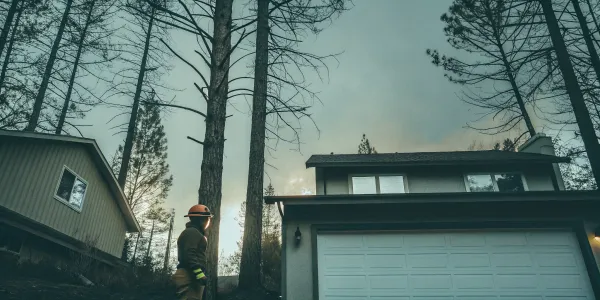
A defensible space inspection is a professional assessment of your property to see how well it’s prepared to resist a wildfire. Think of it as a check-up for your home’s wildfire safety. An inspector, often from your local fire department or a state agency, will walk your property to evaluate the vegetation and other potential fire hazards around your home. The goal is to ensure you have an effective buffer that can help slow or stop a fire from reaching your house. This not only protects your property but also gives firefighters a safer area to work if they need to defend your home. Understanding what inspectors look for is the first step toward creating a safer, more resilient property.
The Stakes: Wildfire by the Numbers
It’s easy to think of a defensible space inspection as just another item on a homeowner’s to-do list, but the reality is much more serious. The numbers paint a stark picture of what’s at stake. Over the last decade in California alone, wildfires have destroyed over 57,000 buildings and burned one out of every seven acres in the state. This is precisely why creating 100 feet of defensible space is not just a recommendation—it’s a legal requirement in many high-risk areas. An inspection serves as the official verification that you’re meeting this standard. It confirms you’re doing everything possible to protect your property and, more importantly, to give firefighters a safe space to defend your home if a wildfire approaches.
Why Defensible Space Compliance Is Key
At its core, defensible space is all about managing the vegetation around your home to make it harder for a wildfire to spread to the structure itself. It’s one of the most effective actions you can take to protect your property. During an inspection, an expert will assess your yard, landscaping, and even parts of your home’s exterior. They’ll be looking for things like dead plants, overgrown trees, and flammable materials stored too close to the house. The process is usually straightforward. The inspector will provide you with a report of their findings and a clear list of any required actions, giving you a practical roadmap to improve your home’s safety.
The 3 Defensible Space Zones Explained
To make things easier, experts divide defensible space into zones that extend 100 feet out from your home. According to CAL FIRE, managing these zones is key to creating an effective fire buffer.
- Zone 0 (0-5 feet): This is the Ember-Resistant Zone and your home's last line of defense. The goal here is to have nothing combustible. Use non-flammable materials like gravel or pavers, and remove any dead vegetation or overhanging tree branches.
- Zone 1 (5-30 feet): Known as the Lean, Clean, and Green Zone. Here, you should remove all dead plants and trees, trim trees to create space between them, and keep grass mowed to a maximum of four inches.
- Zone 2 (30-100 feet): This is the Reduced Fuel Zone. The aim is to slow the fire down. You’ll need to thin out vegetation, creating horizontal and vertical space between shrubs and trees to prevent flames from climbing or jumping.
The "Ember-Resistant Zone" (Zone 0) and Proposed Changes
Zone 0 is getting a lot of attention, and for good reason. This 0-to-5-foot area immediately surrounding your home is where a wildfire often finds its fuel. The goal here is to create a non-combustible barrier, which is why it’s called the Ember-Resistant Zone. Think of it as a moat for embers. This means removing flammable mulch, dead leaves, and even certain plants. In fact, California is considering new regulations that would require homeowners to eliminate items that can easily catch fire from this critical space. By keeping this zone clear with materials like gravel, pavers, or concrete, you remove the welcome mat for embers, significantly improving your home’s chances of survival and strengthening your case for insurance coverage.
Are Inspections Legally Required?
In many wildfire-prone areas, yes. For instance, California law requires property owners to maintain 100 feet of defensible space around their homes. Local fire departments or state agencies are responsible for enforcing these regulations and often conduct inspections to ensure homeowners are in compliance. While it might feel like another rule to follow, these laws are in place for a good reason. When everyone in a community maintains their defensible space, it creates a network of protected properties that collectively reduces the risk for the entire neighborhood. It’s a shared responsibility that has a massive impact on community safety.
Defensible Space and Real Estate Transactions
If you're buying or selling a home in a wildfire-prone region, defensible space is a major factor in the transaction. It’s not just about curb appeal; in many places, it’s a legal necessity. For sellers, an inspection is often required to close the deal in high or very high fire risk areas. This means proving your property meets local safety standards before you can hand over the keys. For buyers, it’s a critical piece of due diligence that can affect everything from your safety to your finances. Ignoring defensible space can complicate or even derail a sale, making it a top priority for everyone involved.
Beyond the legal requirements, a passing inspection report is a powerful tool for both parties. For a seller, it’s a significant value-add that makes the property more appealing. For a buyer, it’s often the key to getting homeowners insurance, which has become increasingly difficult to secure in these regions. An insurer sees a compliant home as a much lower risk, which can mean the difference between an affordable policy and an outright denial. A home with established, well-maintained defensible space isn't just safer—it's more insurable and, therefore, a more secure investment for the new owner.
Don't Fall for These Defensible Space Myths
There’s a lot of information out there about defensible space, and it’s easy to get overwhelmed. Let’s clear up a couple of common myths. First, creating defensible space doesn’t make your home fireproof. It dramatically reduces the risk and gives firefighters a much better chance of saving your property, but it’s not a guarantee. Second, many people think they need to clear-cut their entire yard. This isn’t true at all. Effective defensible space is about smart landscaping, not creating a barren wasteland. You can still have a beautiful, thriving garden by choosing fire-resistant plants and maintaining proper spacing.
An Inspector's Checklist: What They Look For
When an inspector visits your property, their goal is to see your home through the eyes of a wildfire. They aren’t there to judge your gardening skills; they’re assessing how well your property can stand on its own and resist an approaching fire, which gives firefighters a fighting chance to defend it. Think of it as a collaborative safety check-up for your home. They systematically evaluate the key areas where a home is most vulnerable, focusing on the things you have the power to change.
The inspection covers three main areas: the landscaping and vegetation immediately surrounding your home, the construction materials of the home itself, and whether emergency responders can easily get to your property. Each element plays a critical role in your home’s overall defense system. An inspector will walk the property, taking notes on everything from the type of mulch you use near the foundation to the condition of the vents on your roof. They follow a clear set of guidelines based on state and local fire codes to ensure their assessment is fair and consistent. Understanding what they’re looking for helps you see your property in a new light and take practical steps to reduce your risk.
How Your Landscaping Measures Up
Your yard is your home's first line of defense, and an inspector will pay close attention to how it's managed. They focus on the different defensible space zones, starting with Zone 0, the 0-5 foot area directly around your home. Here, they want to see zero flammable materials. This means clearing away things like dead leaves, pine needles, and dry grass, especially under decks and against siding. They’ll also check for flammable mulch and recommend replacing it with non-combustible options like gravel or pavers.
Moving outward, they’ll assess your trees and shrubs. Are tree limbs trimmed away from the roof and chimney? Is there proper spacing between plants to keep a fire from climbing from the ground into the treetops? CAL FIRE provides detailed guidelines for each zone, which inspectors use as a benchmark. They’re looking for a clean, lean, and green landscape where a fire would have a hard time finding fuel.
Vertical and Horizontal Spacing Rules
Inspectors look for strategic spacing between plants to stop fire from spreading. Think of it this way: you don’t want to give fire a ladder to climb or a bridge to cross. To prevent fire from climbing from shrubs into trees (a concept known as "ladder fuels"), the rule of thumb is to create a gap between the top of a shrub and the lowest tree branch that is at least three times the height of the shrub. So, if you have a four-foot-tall shrub, you’ll need 12 feet of clear space above it to the nearest tree limb. This simple measurement can make a huge difference in keeping a ground fire from becoming a crown fire, which is much more dangerous and difficult to control.
The slope of your property also plays a big role in how much horizontal space you need between plants. Fire moves faster uphill, so the steeper your yard, the more space you need. For trees, CAL FIRE recommends a minimum of 10 feet between canopies on flat ground, increasing to 20 feet on mild slopes, and 30 feet on steep slopes. For shrubs, the spacing should be at least twice the shrub's height on flat land. On a steep slope (over 40%), that requirement jumps to six times the shrub's height. These guidelines help ensure that a fire in one tree or shrub doesn't immediately ignite its neighbor.
Clearance Requirements for Structures and Fuel Sources
An inspector will carefully examine the area closest to your home, paying special attention to potential fuel sources that could ignite the structure itself. The first five feet extending from your foundation needs to be an ember-resistant zone. This means it should be completely free of flammable materials. Inspectors will flag things like wood mulch, dead leaves, and pine needles piled up against your siding. They’ll also check for any dead or dying vegetation in this critical zone. Your goal is to create a clean buffer that won’t allow embers—the small, burning pieces of debris that travel ahead of a fire—to find a place to land and start a new fire right next to your house.
Beyond the immediate five-foot zone, inspectors look at other common hazards. They’ll check your roof and gutters for any buildup of leaves or pine needles, as these are prime spots for embers to collect. They will also look for proper clearance around specific fuel sources. For example, any exposed wood piles must have 10 feet of clearance around them, right down to the bare soil. The same rule applies to propane tanks and outbuildings like sheds, which also require an additional 10 feet of clearance from flammable plants. These rules are designed to protect your home by removing the fuel that a wildfire needs to get close.
Does Your Home's Construction Meet the Mark?
After checking your yard, the inspector will turn their attention to your house itself. This part of the process is often called "home hardening," and it’s all about making the structure more resistant to embers, which are the primary way homes ignite during a wildfire. They will look at your roof first, as it’s the most vulnerable surface. A Class A fire-rated roof made of materials like asphalt shingles, metal, or tile is the standard.
They’ll also examine your siding, windows, and vents. Wood siding is a major concern, while materials like stucco and fiber cement offer better protection. Vents for your attic or crawl space are another key entry point for embers, so inspectors will check for fine mesh screens (1/8-inch or smaller) that can block them. The goal is to seal off any small openings where a stray ember could get inside and start a fire.
Understanding Home Hardening Requirements
So, what exactly are home hardening requirements? Think of it as strengthening your home's armor against wildfire, specifically against embers. Embers are the biggest threat—they can travel over a mile and are the primary way homes ignite. An inspector will focus on the most vulnerable parts of your home's exterior. They’ll start with the roof, looking for Class A fire-rated materials like asphalt shingles, metal, or tile. Next, they’ll check your siding; materials like stucco and fiber cement are far more resistant than wood. Finally, they’ll inspect your vents. Any opening into your attic or crawl space is a potential entry point for embers, so they’ll look for 1/8-inch metal mesh screens that can block them. The entire goal is to seal off those tiny gaps where a stray ember could sneak in and cause big trouble.
Can Emergency Services Reach Your Home?
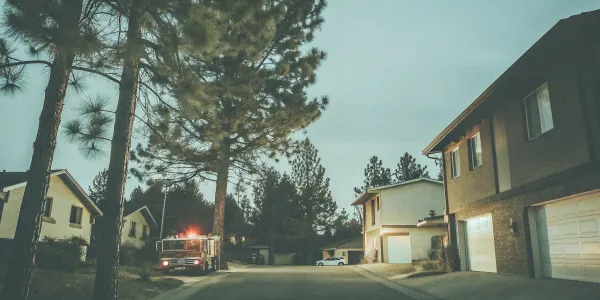
An inspector also needs to confirm that emergency services can reach your home safely and quickly. If a fire engine can't get to your property, firefighters can't defend it. They will check that your address is clearly visible from the street, even at night or in smoky conditions. Your driveway needs to be wide enough to accommodate a large fire truck and have adequate vertical clearance, free from low-hanging tree branches.
They will also look at the road leading to your property. Is it well-maintained and wide enough for vehicles to pass? Is there a safe place for a fire engine to turn around? These factors are critical for both firefighter access and your own family’s evacuation route. Ensuring clear and safe access is a simple but vital part of your property’s overall fire safety plan, and it’s a non-negotiable for inspectors.
How Your Inspection Affects Insurance
The results of your defensible space inspection have a direct impact on your homeowners insurance. In many wildfire-prone areas, insurance carriers now require a passing inspection before they will issue or renew a policy. A home with good defensible space and home hardening features is seen as a lower risk, which can make all the difference in your ability to get coverage. A clean report shows an insurer that you are proactively managing your property’s risk.
Failing an inspection can lead to a notice of non-renewal, giving you a set amount of time to fix the issues. On the other hand, a passing inspection can sometimes lead to more favorable rates. It’s powerful proof that your home is a safer bet. Protecting your property from wildfire not only gives you peace of mind but also strengthens your financial security by helping you maintain the insurance you need.
How to Prepare for Your Inspection
Getting ready for a defensible space inspection can feel like a big task, but it’s one of the most effective things you can do to protect your home. Think of it less as a test you have to pass and more as a collaborative check-up for your property’s health and safety. These inspections aren’t designed to catch you off guard; they’re meant to help you see your property through the eyes of a firefighter and make sure you’re doing everything possible to keep it safe.
Preparing ahead of time not only helps you meet legal requirements but also gives you peace of mind. By following a few key steps, you can walk into your inspection with confidence, knowing you’ve made your home more resilient against wildfire. This process is about taking control and actively reducing your risk, one simple action at a time.
When to Expect an Inspection
You might be wondering when an inspector will show up at your door. The truth is, inspections can happen almost any time of year, as long as the weather permits. Local fire departments and state agencies often conduct routine checks throughout their districts, and they’ll usually notify your area before they arrive. The best rule of thumb is to have your property ready by early spring, well before the peak of fire season begins. This way, you’re not scrambling to make changes at the last minute and you’re prepared for an early start to the fire season.
Beyond routine checks, certain events can trigger an inspection. If you’re selling your home, an inspection is often a legal requirement in high or very high fire-risk zones. For example, California law requires proof of compliance during a real estate transaction. Your insurance company might also request an inspection report before renewing your policy, especially if you live in an area they consider high-risk. Staying prepared year-round means you’ll be ready for any of these scenarios, protecting both your property and your peace of mind.
Your Pre-Inspection Checklist
First, take a deep breath. An inspection is a tool to help you, not a reason to stress. The goal is to identify potential fire hazards and create a plan to fix them. Before the inspector arrives, walk around your property and look at it with fresh eyes. Are there piles of dead leaves against the house? Is the firewood stacked right next to your deck? Making a simple list of these obvious hazards is a great starting point. Check that your address is clearly visible from the street so emergency responders can find you easily. This initial walkthrough helps you organize your efforts and tackle the most critical tasks first, making the entire process feel much more manageable.
Clearing Flammable Vegetation and Debris
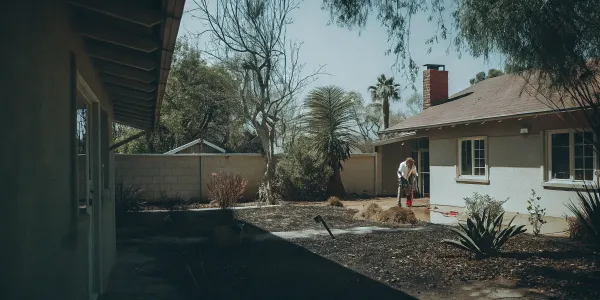
Your main focus should be on managing vegetation, which is potential fuel for a fire. Start by removing any dead or dying plants, trees, and weeds from your yard, especially within the first 30 feet of your home. It’s crucial to create space between trees and shrubs to prevent fire from climbing from the ground into the tree canopy. Trim any tree branches that hang over your roof or are within 10 feet of your chimney. Don’t forget to clear out fallen leaves and needles from your roof, gutters, and under your deck. Relocating flammable items like wood piles and patio furniture away from the house also creates an important buffer that can stop a fire in its tracks.
Safe Mowing and Clearing Practices
It’s not just what you clear, but how you clear it. A single spark from a lawnmower blade hitting a rock can be enough to start a fire, which is why timing your yard work is so important. If you're mowing in dry conditions, always do it before 10 a.m. and never on a hot or windy day when a small spark could quickly get out of control. According to CAL FIRE, string trimmers are a safer option than traditional lawnmowers for cutting dry grass because they are less likely to create sparks. These simple precautions ensure that your efforts to create defensible space don't accidentally increase your fire risk. It’s about working smarter, not just harder, to keep your property safe and ready for an inspection.
Getting Your Home and Structures Ready
The condition of your home itself is just as important as the space around it. Embers are a primary cause of home ignition during a wildfire, so you’ll want to seal any gaps where they could get inside. Make sure your roof, siding, and gutters are in good repair. Cover attic and foundation vents with fine metal mesh (1/8-inch is recommended) to block embers while maintaining airflow. Before an inspector arrives, it’s a good practice to do a quick check of your windows and doors. Ensure they all close and seal properly, including the garage door. These small structural details make a huge difference in your home’s ability to withstand a wildfire.
Securing Fences and Moving Combustible Items
Your fence can act like a wick, leading fire straight to your home. That’s why inspectors pay close attention to any combustible fences, gates, or arbors attached to your house, especially within the Ember-Resistant Zone (0-5 feet). According to CAL FIRE, this five-foot area is the most important space to protect because embers can easily ignite materials close to your foundation. If you have a wooden fence connected to your home, a simple and effective fix is to replace the section closest to the house with a metal gate or another non-combustible material. This creates a crucial break in the fuel path, stopping a fire from using your fence as a direct line to your home.
Beyond your fence, take a walk around your property and relocate other flammable items. Common culprits include firewood piles stacked against the siding, patio furniture with combustible cushions, and propane tanks for your grill. Moving these items at least 30 feet away from your home creates a buffer that can stop a fire from igniting your house. This proactive step not only protects your property but also improves safety for any firefighters who may need to defend your home. It’s a simple change that significantly reduces your risk and is a key item on any inspector's checklist.
How to Work With Your Inspector
Your inspector is a valuable resource, so don’t hesitate to ask questions. They can provide specific advice tailored to your property’s unique features and challenges. If you have questions beforehand, many local fire departments allow you to request information or even a preliminary consultation. It’s also smart to check with your local fire protection district, as their rules for defensible space might be stricter than state guidelines. Approaching the inspection as a learning opportunity helps build a positive relationship and ensures you get the most out of the process. Remember, you and the inspector share the same goal: keeping your home and community safe.
Making Access Easy for the Inspector
Beyond your yard and home, think about the path to your front door. This isn't just about convenience for the inspector; it's about making sure emergency services can reach your home safely and quickly. An inspector will confirm your address is clearly visible from the street, even at night or in smoky conditions. They’ll also assess your driveway, ensuring it’s wide enough for a fire engine and has enough vertical clearance from low-hanging branches. The road leading to your property will be evaluated, too—it needs to be well-maintained and provide a safe place for a large truck to turn around. If firefighters can't get to your house, they can't defend it, making clear access a non-negotiable part of your preparation.
What Happens After the Inspection?
Once the inspector leaves, you’ll receive a report detailing their findings. This report is your roadmap. It will tell you whether your property passed, failed, or passed with a few recommendations for improvement. Regardless of the outcome, the goal is the same: to make your home and community safer from wildfire. Think of the report not as a final grade but as a personalized action plan. It highlights your property's strengths and gives you clear, manageable steps to address any vulnerabilities.
The next steps depend on your specific results, but they usually involve either maintaining your compliant space or working through a list of required corrections. Understanding this process helps you stay in control and protect your home effectively.
Understanding Your Inspection Report
Defensible space isn’t just a good idea—it’s often the law. In states like California, homeowners are legally required to maintain defensible space up to 100 feet from their homes or to the property line, whichever is closer. These regulations are in place because one vulnerable property can increase the risk for an entire neighborhood. Your inspection report will clarify which local and state codes apply to you and whether you’re currently meeting them. Following these rules is a key part of being a responsible homeowner in a wildfire-prone area and contributes to the collective safety of your community.
What If You Don't Pass?
Receiving a non-compliant notice can be stressful, but it’s simply a call to action. The report will include a detailed list of corrective actions you need to take, like clearing dry brush, trimming tree limbs, or moving a woodpile. You’ll also be given a specific timeframe to complete the work. Agencies would much rather see you comply than issue penalties. However, if you don't address the issues after repeated notifications, you could face fines or other penalties. The best approach is to communicate with the inspecting agency, create a plan, and get the work done.
How to Keep Your Home Insurable
Your defensible space inspection report is a document your insurance carrier will want to see. A compliant property is a lower risk, which makes you a more attractive customer to insurers. In fact, many insurance companies now require proof of protecting your property and maintaining its insurability for years to come.
How to Appeal a Decision
If you read your inspection report and believe the findings are inaccurate, you have the right to appeal. Perhaps the inspector missed a key feature of your property, or maybe you feel their assessment was unfair. The first step is to contact the agency that performed the inspection, such as your local fire department. You can typically request a second inspection or provide additional information to support your case. Be prepared to walk the property with an inspector and calmly explain why you disagree with specific findings. The goal is to work together to ensure the assessment is fair and accurate.
How to Maintain Your Defensible Space Year-Round
Passing a defensible space inspection is a great first step, but maintaining that safety standard is what truly protects your home. Wildfire preparedness isn't a one-time project; it's an ongoing practice that becomes much easier when you break it down into a simple routine. Think of it like regular home maintenance—a little effort throughout the year prevents major problems down the road. By staying on top of your property's condition, you not only keep your family and home safer but also ensure you remain compliant with local regulations and insurance requirements. This proactive approach gives you peace of mind, knowing you're prepared no matter when a wildfire threat emerges.
A Simple Year-Round Maintenance Plan
A year-round plan keeps tasks manageable. In the spring, focus on clearing away the dead leaves, pine needles, and branches that accumulated over the winter. This is also a great time to trim back any vegetation that’s growing too close to your home. Throughout the summer, your main job is to mow dry grass and weeds regularly. As fall arrives, clear your roof and gutters of fallen leaves and ensure tree canopies have proper spacing. Regularly clearing dead or dry vegetation is one of the most effective ways to reduce the fuel a wildfire needs to spread, making your property a less inviting target for embers.
Choosing the Right Fire-Resistant Plants
Creating a defensible space doesn’t mean you have to live in a barren landscape. The goal is smart landscaping, not no landscaping. You can have a beautiful, thriving yard by choosing the right plants. Opt for high-moisture, low-sap varieties that are less likely to ignite. Plants like lavender, sage, and succulents are not only attractive but also more fire-resistant than oily plants like juniper and cypress. Proper placement is just as important as plant selection. By creating space between shrubs and trees, you can maintain a beautiful property that is also much safer from wildfire.
When to Call for Professional Help
While you can handle much of the basic maintenance yourself, some jobs are best left to the pros. If you have large trees that need pruning or removal, especially those near power lines or your home, it’s time to call for help. Certified arborists and fire mitigation professionals have the training and equipment to do the job safely. They can also offer expert advice on which trees and shrubs to keep and which to remove to maximize your property's safety without sacrificing its natural beauty. Think of it as a strategic investment in your home’s long-term protection.
How to Check Your Own Defensible Space Compliance
Get into the habit of walking your property once a month to spot potential fire hazards. Look for new accumulations of dead leaves, low-hanging branches, or overgrown shrubs near your home. These quick checks help you stay ahead of maintenance before it becomes a major project. It’s also a good idea to stay informed about your local requirements. Many communities have specific ordinances for weed abatement or defensible space that may be even stricter than state rules. A quick visit to your local fire department’s website can give you the specific guidelines you need to prepare for wildfire.
Related Articles
- Your Guide to the CAL FIRE Defensible Space Map
- Defensible Space Inspection Cost: What to Expect
- Defensible Space Zones: A Homeowner's Guide
- Your Guide to the FireSmart Home Ignition Zone
Frequently Asked Questions
Does creating defensible space mean I have to clear-cut my entire yard? Not at all. This is one of the biggest misconceptions out there. Effective defensible space is about smart, strategic landscaping, not creating a barren plot of land. The goal is to selectively thin vegetation and choose fire-resistant plants to slow a fire's spread and reduce its intensity. You can absolutely maintain a beautiful, lush garden while also keeping your home safe. It’s all about creating separation between plants and removing the most flammable fuel sources closest to your house.
What's the most important area to focus on if I have limited time or budget? If you only have time to do one thing, concentrate on the area immediately surrounding your home—what experts call Zone 0, or the Ember-Resistant Zone. This is the five-foot perimeter extending out from your foundation. Clear this space of all flammable materials, including bark mulch, dead leaves, and overgrown shrubs. Using non-combustible materials like gravel or pavers here is your home's best defense against the embers that are responsible for igniting most homes during a wildfire.
How often should I expect an official defensible space inspection? The frequency of official inspections really depends on where you live and the policies of your local fire agency. Some areas conduct them annually, while others may inspect less often or only when a property is sold. Instead of worrying about a specific inspection date, it’s better to think of defensible space as a year-round maintenance routine. If you stay on top of it, you’ll always be prepared for an inspection and, more importantly, for a wildfire.
Will passing my inspection guarantee my home is safe from a wildfire? A passing inspection is a huge step in the right direction, but it isn't a guarantee of safety. No home in a high-risk area can be considered completely fireproof. What defensible space does is dramatically improve your home’s odds of surviving a wildfire. It reduces the amount of direct flame that can reach your house and creates a safer environment for firefighters to work, giving them a real chance to defend your property.
Can I fail an inspection because of my neighbor's messy property? Your inspection is focused on the 100 feet of defensible space around your home, or to your property line if it's closer. You are only responsible for the area you legally control. So, you won't fail your inspection because of a neighbor's property. That said, wildfire safety is a community effort. If you're concerned, you can always check with your local fire department about resources for encouraging neighborhood-wide compliance.
Using Digital Tools for a Pre-Inspection
You don’t have to guess what an inspector will look for. Technology can give you a major head start and a clear path forward. Before you start clearing brush, a great first step is to visit your local fire department’s website. They often have detailed checklists and specific local ordinances that might differ from state guidelines. For an even more personalized assessment, you can use a digital tool like Defensible Space Score. Our platform analyzes your property using aerial imagery and provides a detailed report that highlights your specific vulnerabilities. This gives you a clear, actionable checklist, showing you exactly where to focus your efforts to improve your home's resilience and prepare for your official inspection with confidence.