The Essential Wildfire Hazard Assessment Checklist
Protect your home with this wildfire hazard assessment checklist. Get practical steps to spot risks, improve safety, and prepare for wildfire season.
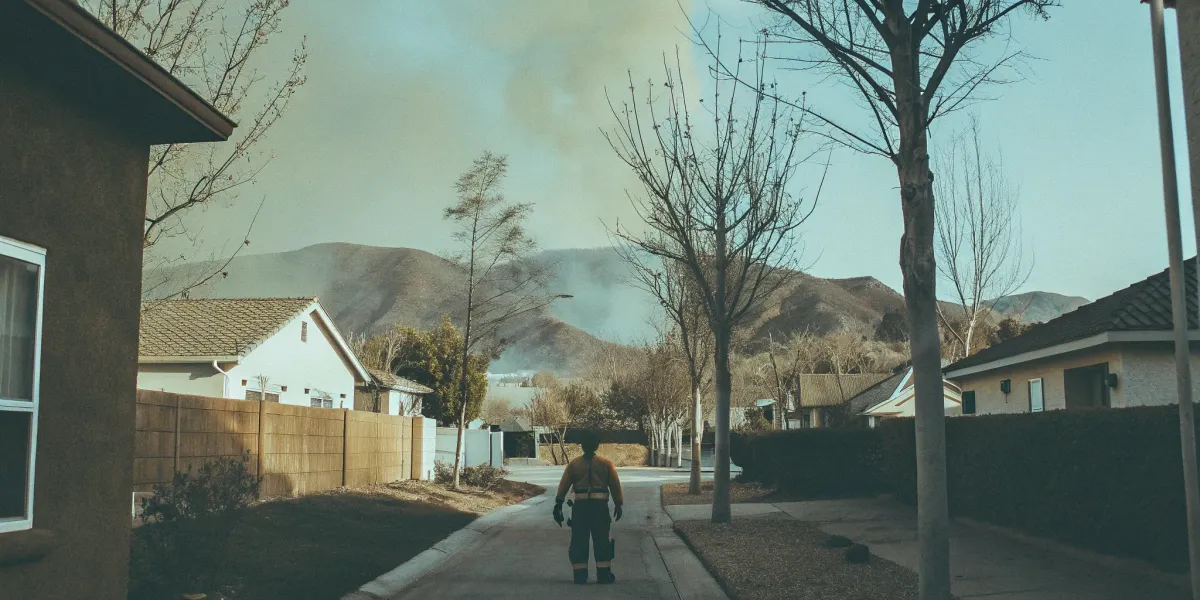
If you live in a wildfire-prone area, you know that protecting your home is about more than just safety—it’s also about your financial security. Securing and maintaining homeowners insurance is becoming a major challenge for many. Insurers need to see that you are a proactive partner in reducing risk. This is where a formal assessment becomes invaluable. It provides documented proof of your home's condition and the mitigation work you've done. This guide will walk you through creating your own wildfire hazard assessment checklist, giving you a clear record of your efforts and a prioritized to-do list that can make all the difference when speaking with your provider.
Key Takeaways
- Start with an assessment: A wildfire hazard assessment transforms a vague threat into a clear action plan, helping you prioritize improvements and giving you the proof you need for your insurance provider.
- Create a layered defense: Focus on two critical fronts: clearing flammable materials in defensible space zones around your home and hardening your house itself with fire-resistant materials to stop embers.
- Make safety a routine: Wildfire protection isn't a one-time task. Regular maintenance is essential, and documenting your ongoing efforts is the best way to communicate your proactive stance to your insurer.
What Is a Wildfire Hazard Assessment?
So, what exactly is a wildfire hazard assessment? Think of it as a comprehensive check-up for your property to see how it would hold up against a wildfire. It’s a systematic evaluation that looks at the specific risks in and around your home, from the type of vegetation you have to the materials your house is built with. The goal is to get a clear, honest picture of your property's vulnerabilities and strengths. This isn't about creating a list of problems to worry about; it's about creating an actionable roadmap for protecting what matters most.
This assessment serves as the foundation for all your wildfire mitigation efforts. By understanding where your specific risks lie, you can take targeted action instead of just guessing what might help. The complete wildfire risk assessment process helps you identify these threats and serves as a crucial tool for planning and implementing effective safety measures. It empowers you with the knowledge needed to prepare for a worst-case scenario and build a more resilient home. It breaks down a complex problem into understandable parts, like the condition of your roof, the clearance around your house, and the accessibility for emergency responders. Ultimately, an assessment is about building confidence that you’ve done everything you can to keep your property and your family safe from harm.
Why You Need a Wildfire Assessment
It’s easy to feel overwhelmed by the threat of wildfire, but an assessment gives you a clear path forward. It turns a big, scary problem into a manageable list of tasks. Research shows that making even a few key improvements to your home and the space around it can dramatically reduce the risk of it being destroyed in a wildfire. An assessment helps you identify exactly which improvements will give you the most bang for your buck. Instead of clearing every tree, you might find that simply cleaning your gutters and screening your vents is a more effective first step. As a homeowner, taking these proactive measures is one of the most powerful things you can do to protect your property and contribute to your community's overall resilience.
How an Assessment Impacts Your Insurance and Safety
Beyond peace of mind, a wildfire hazard assessment has very real implications for your wallet and your safety. Let’s talk insurance first. In many high-risk areas, insurers are becoming more selective about which properties they cover. An assessment provides documented proof of your home's condition and any mitigation work you've done, which can be a game-changer when speaking with your provider. It shows you're a proactive partner in reducing risk, which can help you secure or maintain coverage in a tough market facing serious wildfire insurance challenges.
Of course, the most important impact is on your safety. The same factors that influence your insurance rates are the ones that determine how well your home can withstand a fire. An assessment gives you a clear, prioritized list of actions to make your home safer for your family. These wildfire risk implications are tangible factors that can make all the difference when a wildfire approaches.
Your Wildfire Assessment Checklist
Tackling your property's wildfire risk can feel like a huge project, but breaking it down into a simple checklist makes it much more manageable. Think of this as a guided walk-through of your property, helping you see it through the eyes of a fire safety expert. By systematically looking at your defensible space, your home’s construction, emergency access, and the surrounding environment, you can spot the most critical areas for improvement. This isn’t about finding flaws; it’s about empowering yourself with knowledge to make smart, effective changes that protect your home and family. Let’s walk through the four key areas you need to evaluate.
Evaluating Your Defensible Space
Your first and most important line of defense is the area immediately surrounding your home, known as defensible space. This is the buffer you create between your house and an approaching wildfire. The goal is to reduce or eliminate flammable materials, giving a fire less fuel to burn as it gets closer. Research has shown that making just a few Firewise improvements to your property can dramatically reduce the risk of your home igniting. Start by walking your property and looking for anything that could easily catch fire: dead leaves in gutters, dry grass, woodpiles stacked against the house, or overgrown shrubs under windows. Clearing these out is one of the most effective actions you can take.
Assessing Your Home's Structure
While defensible space is critical, the construction of your home itself plays a massive role in its ability to survive a wildfire. Embers are a primary threat—these tiny, burning pieces of debris can travel a mile or more ahead of a fire and get lodged in small openings. The Insurance Institute for Business and Home Safety provides guidance to help determine which parts of a home are most vulnerable. Pay close attention to your roof, which should be made of non-combustible materials like asphalt, metal, or tile. Check that all vents are covered with a fine metal mesh (1/8-inch) to block embers, and inspect your siding and windows for any gaps or damage where heat and embers could penetrate.
Checking Access Routes for Emergency Services
If a wildfire threatens your neighborhood, you want to be sure that firefighters can actually reach your home to defend it. Clear and safe access is non-negotiable. Take a walk down your driveway and look at it from the perspective of a large fire engine. Is it wide enough for a large vehicle to pass through? Is your address clearly visible from the street, even at night or in smoky conditions? Make sure there are no low-hanging tree branches or other obstructions that could block a truck. While a full risk assessment requires specialized knowledge, you can easily spot and fix the most common access issues on your own.
Analyzing Your Property's Surroundings
Finally, zoom out and consider the bigger picture beyond your property lines. The landscape around you—including topography and regional vegetation—influences your overall risk. A home on a steep, vegetated slope is at a much higher risk than one on a flat, open lot because fire spreads rapidly uphill. Understanding your local environment is key. Fortunately, there are excellent resources available to help. For example, the Southern Wildfire Risk Assessment Portal is a free tool that helps homeowners understand their community's wildfire risk. Look for similar regional tools or consult local fire department maps to get a better sense of the landscape you live in.
How to Conduct Your Own Wildfire Hazard Assessment
Taking the first step toward protecting your home from wildfire can feel overwhelming, but it doesn’t have to be. Conducting your own hazard assessment is a powerful way to understand your property’s specific vulnerabilities and create a clear, actionable plan. Think of it as a walk-through with a purpose. You’ll be looking at your home and landscape through the eyes of a wildfire, identifying weak spots that could put your property at risk. This initial review gives you a baseline, helping you prioritize what to tackle first. It’s not about finding fault; it’s about gaining control in a situation that can often feel uncontrollable.
The goal is to interrupt a fire’s path and deny it the fuel it needs to reach your home. Research has shown that making just a few Firewise improvements to your home and property can greatly reduce the risk of losing it to a wildfire. These actions are not just about safety—they are also critical for maintaining your homeowners insurance. Insurers are increasingly looking for proactive homeowners who take defensible space seriously. By taking a systematic approach, you can turn a big, intimidating task into a series of manageable steps that make a real difference in your home’s safety, its insurability, and your own peace of mind. This process empowers you with knowledge, so you can invest your time and resources where they’ll have the greatest impact.
A Simple Step-by-Step Guide
Ready to get started? Grab a notepad or your phone and walk your property. The key is to be methodical. Start at the edge of your property line and work your way inward toward your house, examining each defensible space zone. Note the type and density of vegetation, the proximity of trees to your home, and any buildup of dead leaves, pine needles, or branches. Once you reach the house, inspect its exterior. Look for flammable materials, like a wood shake roof or siding, and check for gaps where embers could enter, such as unscreened vents or openings under eaves. Finally, check your access routes. Are your driveway and address clearly marked for emergency responders?
How to Document and Prioritize Risks
As you walk your property, document everything you see. Take photos and make detailed notes. An interactive template can help you examine and rate the risks of each factor you identify. Once you have your list, it’s time to prioritize. A simple way to do this is to categorize each item by urgency and effort. For example, clearing dead leaves from your gutters is a high-priority, low-effort task you can do this weekend. Replacing a flammable deck might be a high-priority, high-effort project that requires more planning and budget. This process transforms your observations into a concrete to-do list, allowing you to focus on the changes that will have the biggest impact first.
When to Call a Professional
A DIY assessment is an excellent starting point, but some situations call for an expert. Assessing wildfire hazard and risk requires specialized expert knowledge in fire behavior, forest ecology, and structural vulnerabilities that goes beyond a visual inspection. You should consider hiring a professional if you’re buying property in a high-risk area, planning a major renovation, or dealing with complex issues like steep slopes or dense, unhealthy forests on your land. Professionals can provide a detailed, science-based report that is often necessary for securing insurance or meeting local regulations. They work alongside planners, developers, and insurers to implement effective risk-reducing policies for the whole community.
Common Wildfire Hazards to Look For
When you start looking at your property through the lens of wildfire safety, you’ll begin to see potential hazards you never noticed before. Identifying these risks is the first and most important step in protecting your home. It’s not about finding faults; it’s about empowering yourself with knowledge. By understanding where the vulnerabilities are, you can create a clear, prioritized plan to make your home safer. We’ll walk through the three main areas to focus on: the plants around your home, the construction of your house itself, and the unique environmental factors of your location.
Hazardous Vegetation
The plants and trees on your property can be beautiful, but they can also act as fuel for a wildfire. The goal is to create a landscape that is less likely to carry fire to your home. Start by looking for "ladder fuels"—vegetation that allows a fire to climb from the ground up into the tree canopy. This includes low-hanging tree branches, shrubs planted under trees, and tall, dry grasses. Dead plant material like fallen leaves, pine needles, and dry twigs are especially hazardous and should be cleared away regularly, particularly from your roof and gutters. Making even a few Firewise improvements to your landscaping can dramatically reduce your home’s risk.
Weak Points in Your Home's Structure
During a wildfire, it’s often not the main wall of flames that destroys a home, but the millions of tiny, wind-blown embers that can travel a mile or more ahead of the fire. These embers can get into your home through small openings and ignite it from the inside out. Walk around your house and look for potential entry points. Are your attic and foundation vents covered with a fine metal mesh (1/8-inch is recommended)? Do you have single-pane windows that could easily break from the heat? Is your roof made of a combustible material like wood shakes? The Insurance Institute for Business and Home Safety offers a great checklist to help you spot these vulnerabilities.
Local Environmental and Weather Risks
Your property doesn't exist in a vacuum. Broader environmental factors play a huge role in your home’s overall wildfire risk. Consider the topography of your land—homes built on steep slopes are at greater risk because fire spreads more rapidly uphill. Think about the prevailing winds in your area and the type of vegetation in the surrounding landscape. While you can’t change the fact that you live next to a dense forest or in a windy canyon, understanding these external risks is crucial. This knowledge helps you understand why creating a robust defensible space is so important and allows you to make more informed decisions about where to focus your efforts.
How to Create Effective Defensible Space
Creating defensible space is one of the most important things you can do to protect your home from wildfire. It’s not about clear-cutting your property; it’s about creating a series of well-maintained zones around your house to slow a fire’s spread and give firefighters a safe area to work. Think of it as smart landscaping with a life-saving purpose. By managing the vegetation and materials in each zone, you can dramatically reduce the chances of embers igniting your home and stop a ground fire in its tracks.
The concept is simple: the closer you get to your house, the more meticulous you need to be about removing flammable materials. This tiered approach creates a buffer that interrupts a wildfire’s path and lowers its intensity. Taking the time to establish and maintain these zones is a direct investment in your home’s safety and your family’s peace of mind. You can find detailed guidance on how to manage these zones from resources like the Northeast Region Cohesive Wildland Fire Management Strategy. This isn't just about following rules; it's about taking control of your property's resilience in the face of a real threat.
Zone 1: The Immediate Zone (0-5 feet)
This zone, also called the non-combustible zone, is your home’s last line of defense. Embers are a primary cause of home ignition during a wildfire, and this five-foot perimeter is where they often land. Your goal here is to eliminate anything that can easily catch fire. Use hardscaping materials like gravel, pavers, or concrete for walkways and patios directly against the house. Clear away all dead leaves, pine needles, and dry grass from this area, including from under decks and in gutters. If you have plants in this zone, make sure they are well-irrigated and fire-resistant. Relocate firewood piles and flammable patio furniture to at least 30 feet away from the house.
Zone 2: The Intermediate Zone (5-30 feet)
In this zone, the focus is on creating a "lean, clean, and green" landscape. The goal is to interrupt a fire’s path and keep flames small. You can do this by creating space between vegetation. Prune trees to keep branches at least six to ten feet from the ground, which prevents a ground fire from climbing into the canopy. Remove flammable shrubs and create "islands" of well-spaced, irrigated plants instead of dense thickets. Keep your lawn mowed to a height of four inches or less. This area should be well-maintained to ensure there are no continuous fuel sources that could carry a fire directly to your home.
Zone 3: The Extended Zone (30-100+ feet)
This outermost zone is your property’s first opportunity to slow an approaching wildfire. The objective here is to reduce the overall amount of fuel. You don’t need to remove every tree, but you should thin them out, giving healthy trees more room to grow and removing dead or dying ones. Clear out fallen leaves, needles, and dead branches from the ground. By removing this dead vegetation, you reduce the energy and speed of a wildfire. This buffer gives your home a fighting chance by disrupting the fire’s progress long before it reaches your more carefully managed inner zones.
Choosing Fire-Resistant Building Materials
When you think about wildfire protection, your mind probably goes straight to clearing brush and trees. That’s a huge piece of the puzzle, but the materials your home is actually built with are just as important. Your house itself is a potential fuel source, and making smart choices about its construction can dramatically change how it stands up to a wildfire. This process is often called "home hardening." It’s all about creating a structure that’s less likely to catch fire from flying embers, which are the number one threat to homes during a wildfire. Let's look at the most critical areas to focus on: your roof, siding, and any openings where embers could sneak in.
Fire-Smart Roofing and Siding
Your roof is the most vulnerable part of your home during a wildfire because it’s a large, flat surface where embers can land and accumulate. Making a few key improvements can greatly reduce the risk of losing your home. That's why choosing fire-resistant roofing materials is one of the most important steps you can take. If you’re building or re-roofing, aim for Class A-rated materials like composite shingles, metal, concrete, or clay tiles. These are designed to withstand severe fire exposure. On the other hand, materials like untreated wood shakes act like kindling. The same logic applies to your siding. Materials like fiber cement, stucco, and brick are excellent non-combustible choices that create a protective shell around your home.
Securing Windows, Vents, and Other Openings
Wildfire embers are tiny but incredibly dangerous. They can travel over a mile ahead of a fire and find their way into the smallest gaps in your home’s exterior. Think of vents in your attic, crawlspace, or eaves—these are open doors for embers. You can secure these openings by installing 1/8-inch metal mesh screens, which are fine enough to block embers but still allow for airflow. Windows are another weak point. Single-pane windows can easily break from the heat, allowing flames and embers inside. Dual-paned windows with tempered glass offer much greater protection. Taking the time to harden your home's weak points is a proven way to reduce the likelihood of embers igniting your house from the inside out.
How to Reduce Your Wildfire Risk
Once you’ve completed your wildfire hazard assessment, the next step is to take action. Reducing your risk isn’t about a single, massive overhaul; it’s a continuous process that combines immediate, easy wins with thoughtful, long-term planning. Think of it like maintaining any other part of your home. You have your daily tidying, your seasonal deep cleans, and your occasional renovation projects. Applying this same mindset to wildfire safety makes the process feel much more manageable and less overwhelming.
Every action you take, from clearing a few leaves to replacing your siding, contributes to a stronger defense against embers and flames. Research has shown that making just a few Firewise improvements to your home and property can greatly reduce the risk of it being lost in a wildfire. These efforts not only protect your family and property but also demonstrate to insurance providers that you are proactively managing your risk, which can be crucial for maintaining coverage in high-risk areas. By breaking down the work into quick fixes, strategic upgrades, and regular upkeep, you can build a powerful, layered defense that stands up to wildfire threats.
Quick Fixes You Can Make Today
You don’t need a huge budget or a full weekend to start making a difference. Many of the most effective actions are simple maintenance tasks you can tackle in an afternoon. Start by cleaning out your gutters and clearing your roof of any accumulated leaves, pine needles, or branches—these are prime spots for embers to land and ignite. Next, walk the perimeter of your home and move flammable items like firewood piles, patio furniture with combustible cushions, and propane tanks at least 30 feet away from your house. Finally, get low and clear out any dead leaves or dry grass from under your deck and within the first five feet of your foundation. These small steps disrupt the path of a potential fire and are your first line of defense.
Long-Term Safety Strategies
While quick fixes are essential, long-term strategies create a more resilient and permanent defense. These are the bigger projects that involve planning and investment but offer significant protection. Consider upgrading parts of your home with fire-resistant materials, such as replacing a wood-shake roof with one made of composite, metal, or tile. Hardening your home also includes installing dual-pane tempered glass windows and covering vents with 1/8-inch metal mesh to block embers. For a broader view, resources like the Southern Wildfire Risk Assessment Portal can help you understand your property’s risk in the context of the wider community. For proven, step-by-step guidance on community-wide efforts, the Firewise USA™ Toolkit offers excellent resources for homeowners.
The Importance of Regular Maintenance
Creating a defensible space is not a one-and-done project. Just like a garden, your property needs regular attention to stay safe. Vegetation grows back, leaves fall, and new vulnerabilities can emerge over time. Make wildfire maintenance a seasonal habit. In the spring, clear away the dead growth from winter. In the fall, manage the dry leaves. Consistently conducting a thorough assessment helps you stay on top of changing conditions. While you can manage most of the upkeep yourself, remember that assessing wildfire risk can require specialized expert knowledge of fire behavior and local ecology. Periodically checking in with a professional or using a tool like the Defensible Space Score can ensure your hard work continues to provide the best protection possible.
Helpful Tools and Resources for Your Assessment
You don’t have to figure all of this out on your own. Assessing your property’s wildfire risk can feel like a huge task, but there are plenty of excellent tools and experts ready to help. Whether you prefer a DIY approach with digital checklists or want the peace of mind that comes with a professional evaluation, the right resources are out there. Tapping into these can make the process much more manageable and give you a clearer path forward to protecting your home.
Digital Tools and Checklists
You can get a solid start on your assessment right from your computer. Online tools are fantastic for helping you understand your property’s specific vulnerabilities. For example, the Southern Wildfire Risk Assessment Portal offers a free, easy-to-use website with information and data to help you identify and reduce your risk. Similarly, the Firewise USA™ Toolkit provides proven resources for homeowners working to prepare their neighborhoods for wildfire. If you’re looking for assessments available in your specific area, the USGS has an online tool that can point you in the right direction. These resources are great for building a foundational understanding of where you stand and what steps to take next.
Finding a Professional Assessor
While DIY assessments are valuable, sometimes you need an expert eye. A professional wildfire risk assessment requires specialized knowledge of fire behavior, local ecology, and how different structures hold up under extreme heat. A certified assessor can provide a detailed, on-the-ground evaluation that a checklist might miss. They can identify subtle risks and create a prioritized action plan tailored to your property and budget. Professionals can also be a huge help when dealing with insurance companies, providing the formal documentation you might need. To find a qualified assessor, start by asking your local fire department or state forestry agency for recommendations.
Local and Government Resources
Your local and federal government agencies are a goldmine of information. These organizations provide data-driven tools that can give you a bigger picture of your area’s wildfire risk. The U.S. Forest Service’s Wildfire Risk to Communities website, for instance, has data and maps you can use to explore risk at a community level. These resources often incorporate climate change projections, historical fire data, and advanced modeling to give you a comprehensive view. Don’t forget to check the website for your local fire department or county emergency services. They often have specific guidelines, grant programs, and contact information that are invaluable for homeowners in the area.
Common Challenges in Wildfire Assessments
Going through a wildfire assessment checklist is a fantastic first step, but putting those plans into action can sometimes feel like a challenge. It’s completely normal to hit a few roadblocks along the way. Most homeowners find that the biggest hurdles aren’t a lack of desire to be safer, but rather the practical realities of everyday life. The two most common challenges are finding the resources to get the work done and trying to understand the complex science and local rules that govern wildfire safety.
Recognizing these potential difficulties ahead of time helps you create a more realistic and achievable plan. Instead of getting discouraged, you can anticipate these issues and find creative solutions. Whether it’s breaking a big project into smaller, more affordable steps or finding the right expert to explain the technical details, there’s always a path forward. The goal isn’t to do everything perfectly overnight, but to make steady progress that keeps your family and property safer season after season.
Dealing with Time and Cost Constraints
Let’s be real: finding the time and budget for major home projects is a challenge for anyone. When you’re juggling work, family, and a dozen other responsibilities, clearing brush or upgrading vents can fall to the bottom of the list. Cost is also a significant factor. Not everyone has the funds for a new fire-resistant roof or a full landscaping overhaul. This issue is even more pronounced when you consider that access to wildfire mitigation financial assistance can vary greatly between communities. After a wildfire, the pressure to rebuild quickly can unfortunately lead homeowners to repeat past mistakes without addressing the underlying vulnerabilities that made their homes susceptible in the first place. The key is to start small with high-impact, low-cost actions.
Making Sense of Local Rules and Fire Science
Trying to decipher local fire codes and scientific recommendations can feel like learning a new language. There’s a reason for that: assessing wildfire risk requires specialized knowledge in everything from fire behavior to building science. It’s not just about clearing a few trees; it’s about understanding how embers travel, how different materials ignite, and how the unique topography of your land affects fire spread. Adding to the complexity, every county and fire district has its own set of rules and ordinances you need to follow. Instead of getting lost in the details, focus on understanding the core principles. Resources from organizations like the National Fire Protection Association can help translate the science into clear, actionable steps for homeowners.
How to Work with Your Insurer and Fire Department
After you’ve assessed your property, the next step is to communicate your efforts to the people who can help you most: your insurance provider and your local fire department. Think of this as a partnership. Both parties want to see you succeed in protecting your home, but they need clear information from you to do their jobs effectively. Being proactive and organized in your communication can make a world of difference in securing fair insurance rates and getting the best advice on safety compliance. It shows you’re a responsible homeowner who takes wildfire risk seriously.
What Your Insurance Company Needs to See
Insurance companies are in the business of managing risk. To them, a well-maintained property with documented wildfire mitigation is a much safer bet. They need to see clear, tangible evidence that you’ve lowered your home’s vulnerability. Given the increasing challenges with homeowners insurance in high-risk areas, providing this proof is more important than ever.
Your insurer wants to see a detailed record of your defensible space maintenance, home hardening upgrades, and any professional assessments you’ve completed. This includes before-and-after photos, receipts for fire-resistant materials, and reports from certified assessors. A comprehensive report that scores your property’s risk and outlines improvements gives them the concrete data they need to justify your policy.
Tips for Clear Communication and Compliance
Clear communication starts with good record-keeping. Keep a dedicated folder—digital or physical—with all your wildfire mitigation documents. When you speak with your insurance agent, you can share this file as proof of the work you’ve done. Don’t wait for a non-renewal notice to start the conversation. Reach out proactively to ask what specific improvements they value most. This shows initiative and helps you focus your efforts on what matters for your policy.
Your local fire department is another key ally. They can provide guidance on local codes and recommend best practices for your specific area. Many departments offer free consultations or property inspections. Engaging with them helps you ensure you’re compliant and provides another layer of credibility when you talk to your insurer. Document their recommendations and show how you’ve implemented them to address underlying wildfire risk management vulnerabilities.
Related Articles
- How to Get a Free Wildfire Risk Assessment
- How Is a Wildfire Risk Score Calculated? A Guide
- 5 Steps to Wildfire Mitigation for Insurance Approval
Frequently Asked Questions
I've done the assessment and my to-do list is a mile long. What's the most important thing I should tackle first? Start with the area closest to your house. Focus on the immediate five-foot perimeter, often called the "non-combustible zone." Clearing this small area of dead leaves, pine needles, and flammable mulch is one of the highest-impact actions you can take. It costs very little time and money but creates a critical buffer that can stop embers from igniting your home.
Is a DIY assessment good enough, or do I really need to hire a professional? A do-it-yourself assessment is an excellent and powerful starting point for any homeowner. It helps you understand the basics and tackle the most obvious risks right away. You should consider hiring a professional if you're buying a new property in a high-risk area, dealing with a complex landscape like a steep slope, or if your insurance provider requires a formal report for your policy.
How exactly does this assessment help me with my homeowners insurance? An assessment transforms your hard work into documented proof that you are actively reducing your property's risk. This documentation, including photos and a list of improvements, gives your insurance provider concrete data to work with. It shows them you are a proactive partner in protecting your home, which can be a key factor in helping you secure or maintain coverage in a challenging market.
What's the difference between creating defensible space and 'home hardening'? Think of it this way: defensible space is about managing the landscape around your home, while home hardening is about improving the physical structure of your home. Defensible space involves clearing vegetation in zones to slow a fire's approach. Home hardening involves upgrading things like your roof, siding, and vents with fire-resistant materials to prevent embers from getting inside. You need both for the best protection.
Will doing all this work guarantee my home will survive a wildfire? While no one can offer a 100% guarantee in the face of a catastrophic wildfire, these actions dramatically improve your home's chances of survival. The goal is to reduce the risk as much as possible. By creating defensible space and hardening your home, you make it a much less appealing target for embers and give firefighters a safer space to defend it if they are in the area.