How to Do a Wildfire Hazard Assessment for Homeowners
Learn how a wildfire hazard assessment for homeowners can help you spot risks, create defensible space, and protect your home with practical, proven steps.
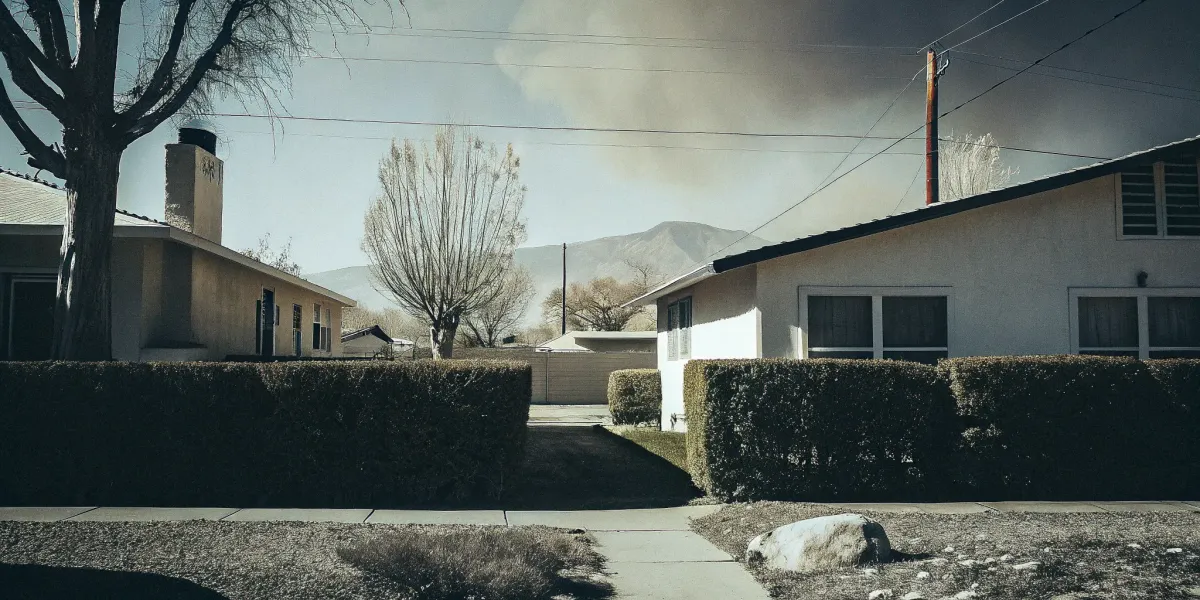
If you live in a wildfire-prone area, you’ve likely felt the stress of the changing insurance market. Rising premiums and non-renewal notices are becoming common, leaving many homeowners feeling powerless. Insurance companies are looking closely at a property’s specific risk, and they want to see that you’re taking proactive steps to reduce it. This is where you can take back some control. A formal wildfire hazard assessment for homeowners provides the clear, documented proof that insurers need. It translates your hard work into a tangible report, demonstrating that you are actively managing your property’s risk and making it a more defensible, insurable home.
Key Takeaways
- Know your specific risks to take effective action: Instead of guessing, assess your property’s unique vulnerabilities—from vegetation to construction materials—so you can create a targeted defensible space plan that truly protects your home.
- Document your safety efforts for your insurer: Keep a clear record of your assessment results, before-and-after photos, and receipts for mitigation work. This documentation serves as powerful proof of your proactive risk reduction, which is essential for maintaining your homeowners insurance.
- Make preparedness a year-round habit: Wildfire safety isn't a one-time task. Stay protected by performing seasonal maintenance on your defensible space, reassessing your property when conditions change, and keeping your family's evacuation plan current.
What is a wildfire hazard assessment?
Think of a wildfire hazard assessment as a detailed check-up for your property's safety. It’s a practical look at the specific factors around your home that could contribute to wildfire risk. This isn't just about counting the trees in your yard; it's a comprehensive evaluation that considers the whole picture. An assessment analyzes your property’s vegetation, the slope of your land, your home's building materials, and even how easily emergency vehicles can reach you.
The goal is to understand where your vulnerabilities are so you can take targeted, effective action. By identifying these risks, you can create a clear plan to make your home safer and more resilient before a wildfire ever approaches. It’s the first and most important step in shifting from worrying about wildfires to actively preparing for them.
Why you need to assess your wildfire risk
Knowing your specific wildfire risk helps you protect your home, your family, and your community. When you understand the unique threats your property faces, you can focus your time and resources on the most impactful improvements. Instead of guessing what might work, an assessment gives you a strategic roadmap. This proactive approach is the foundation of wildfire prevention and preparedness, starting with creating and maintaining a defensible space around your home. It also helps fire departments allocate their resources more efficiently, which benefits the entire neighborhood during an emergency.
How an assessment protects your property
An assessment is more than just a report—it’s your guide to building long-term resilience. The findings translate directly into an action plan for managing the vegetation and other hazards on your property. Taking steps like clearing dry brush and trimming trees creates a buffer that can slow a fire’s spread and reduce its intensity. In fact, research shows that areas with fuel reduction treatments burn at a 50 percent lower severity than untreated areas. These efforts give firefighters a much better chance to safely defend your home.
The impact on your home insurance
In many wildfire-prone areas, your ability to get and keep affordable homeowners insurance is directly tied to your property's risk level. Insurance companies are paying close attention to the steps homeowners are taking to mitigate wildfire threats. A formal wildfire hazard assessment provides clear documentation of your property’s condition. By following its recommendations, you can demonstrate to your insurer that you are actively reducing your risk. This can make a significant difference in your policy renewal, your premiums, and your overall ability to stay insured. It’s a tangible way to invest in your home’s long-term resilience and value.
How to identify your property's wildfire risk
Understanding your property's specific vulnerabilities is the first step toward protecting it. A wildfire doesn't see a house; it sees fuel. Your goal is to look at your home and its surroundings through that same lens. By walking your property and taking a critical look at a few key areas, you can build a clear picture of your risk level. This isn't about creating anxiety—it's about empowering yourself with knowledge. When you know where the weak points are, you can make a targeted plan to strengthen them.
Think of this as a DIY audit. You’ll be looking at four main components: the vegetation around your home, the physical landscape, your home’s construction, and how easily emergency crews can reach you. Each of these elements plays a crucial role in how a wildfire might behave on your property. Taking the time for this initial review helps you prioritize your efforts and make smart, effective changes that can make all the difference when a fire approaches.
Check your surroundings and vegetation
The plants and trees around your home are the most obvious fuel source for a wildfire. Start by walking your property and taking inventory. Do you have dense clusters of shrubs, dead or dry grass, or trees with branches that hang over your roof? These are all potential pathways for fire. Even well-maintained landscaping can become a liability if it’s too close to your home. As experts note, timely fire risk assessments are key to using resources efficiently before, during, and after a wildfire. Pay special attention to anything within 30 feet of your house, as this is the most critical area for fire defense.
Assess your property's slope and terrain
The lay of the land has a huge impact on how quickly a fire can spread. Fire moves much faster uphill because the flames can easily preheat the fuel above them. If your home is situated on a steep slope, at the top of a hill, or in a narrow canyon, your risk is naturally higher. Understanding the terrain is a core part of building resilience against wildfires, as it directly influences fire behavior. Take note of your property's topography. This isn't something you can change, but knowing the risk helps you understand why creating a robust defensible space is so important.
Evaluate your home's construction materials
Your house itself can either resist embers or give them a place to ignite. The materials used in its construction are a critical line of defense. Start with your roof—is it made of a fire-resistant material like asphalt shingles, metal, or tile, or something flammable like wood shakes? Look at your siding, windows, and vents. Small gaps or non-fire-rated materials can allow hot embers to enter your attic or walls. As one report on wildfire prevention explains, preparedness starts with structures that can withstand fire. Making smart upgrades to your home’s exterior, a process known as home hardening, is a powerful way to reduce your risk.
Confirm access for emergency responders
When a wildfire threatens your neighborhood, firefighters need to be able to reach your home quickly and safely. If your driveway is narrow, steep, or overgrown with vegetation, it can prevent a fire engine from getting through. Is your street address clearly visible from the road, even at night or in smoky conditions? Clear access is a fundamental part of wildfire preparedness because it allows first responders to do their job effectively. Walk your driveway from the street to your home and look for any potential obstructions. Ensuring a clear, wide path can be one of the most important things you do to help protect your property.
How to create an effective defensible space
Creating a defensible space is one of the most important actions you can take to protect your home from wildfire. It’s all about creating a buffer zone around your house by removing or reducing flammable vegetation and materials. This buffer helps slow or stop the spread of a fire and gives firefighters a safer area to work in. Think of it as creating layers of protection, starting right at your foundation and moving outward. Let's walk through the different zones and what you need to do in each.
Zone 1: The first 5 feet from your home
This area, sometimes called the "Immediate Zone," is the most critical. Embers are a primary cause of homes igniting during a wildfire, and they can easily collect in this space. Your goal here is to create a non-combustible area directly around your home’s perimeter. Start by removing all flammable materials. This includes things like wood mulch, dead leaves, and pine needles. Replace them with hardscaping like gravel, pavers, or concrete. Any outdoor furniture, firewood piles, or trash cans should be moved outside this five-foot zone. If you have a fence that connects to your house, the section within five feet should be made of a non-burning material like metal.
Zone 2: 5 to 30 feet out
In this zone, the focus is on interrupting a fire’s path and keeping flames small. You don’t have to clear everything, but you do need to create space between flammable items. Start by cleaning up fallen leaves, pine needles, and dead plants from the ground. For trees, trim branches so they are at least six feet off the ground to prevent a surface fire from climbing into the canopy. You should also ensure there are at least 10 feet between the canopies of mature trees. Shrubs and bushes need careful spacing, too—a good rule of thumb is to leave a gap between them that is at least twice their height.
Zone 3: 30 to 100 feet and beyond
This outer zone is about reducing the overall fuel available to a wildfire. The goal is to keep a fire on the ground and less intense as it approaches your home. You can achieve this by thinning out trees and removing highly flammable vegetation. Research shows that areas with fuels reduction treatments burn with much lower severity. This doesn't mean clear-cutting your property, but rather creating a healthier, more fire-resistant landscape. Removing dead trees and shrubs and keeping the grass mowed low are excellent steps for managing this zone effectively.
Harden your home against embers
Beyond your yard, the construction of your house itself plays a huge role in its survival. This is often called "home hardening." Embers can travel a mile or more ahead of a fire and get into small openings. Your roof is the most vulnerable surface, so it should be made of fire-resistant materials like asphalt shingles, metal, or tile. Vents for your attic or crawl space are another entry point for embers; cover them with a fine metal screen (1/8-inch mesh). Finally, the bottom six inches of your exterior walls should be made of a non-combustible material to prevent embers from igniting your siding. The Wildfire Prepared Home program offers a comprehensive guide to these structural improvements.
What tools can help you assess your risk?
You don’t have to be a wildfire expert to understand your property’s vulnerabilities. Several excellent tools and resources are available to help you get a clear picture of your risk and create a solid action plan. From instant digital reports to in-person consultations, these options provide the insights you need to protect your home. Using a combination of these tools can give you a comprehensive view, helping you prioritize your efforts and make your home more resilient against wildfires.
Use a digital tool like Defensible Space Score
For a fast, data-driven look at your property, a digital assessment tool is your best starting point. Platforms like our own Defensible Space Score analyze your property’s unique features and surrounding vegetation to give you an immediate, easy-to-understand risk rating. As experts note, effective wildfire preparedness starts with creating and maintaining defensible space around your home. A digital tool gives you a clear, actionable roadmap to do just that, showing you exactly where to focus your efforts to improve your score and, more importantly, your home’s safety.
Get a free professional assessment
Sometimes, you just can’t beat a pair of expert eyes on your property. Many local and state agencies offer free defensible space assessments to homeowners. For example, the Oregon State Fire Marshal provides educational visits where specialists walk your property with you and offer personalized tips for improvement. This is a fantastic way to get professional advice tailored specifically to your home’s landscape and construction, all at no cost. Check with your state’s forestry or fire agency to see if a similar program exists in your area.
Connect with your local fire department
Your local firefighters are an invaluable resource for understanding wildfire risk in your specific neighborhood. They have firsthand knowledge of the area’s topography, weather patterns, and vegetation. Many departments offer homeowner resources or can point you toward local wildfire preparedness groups. An effective fire risk assessment helps them allocate resources more efficiently, which directly benefits you and your community. Don’t hesitate to call their non-emergency line to ask about home assessments or for guidance on meeting local fire codes.
Find online checklists and self-assessment guides
If you’re ready to roll up your sleeves and get started on your own, a self-assessment guide is a great tool. Organizations like the Insurance Institute for Business & Home Safety (IBHS) offer a free online home assessment that acts as a helpful check-up for your property. These checklists walk you through key areas of your home and yard, from the roof and vents to the surrounding landscape. This process helps you identify potential weaknesses and understand what changes are needed before you invest time and money into projects or an official inspection.
How to stay prepared for wildfire season
A wildfire assessment is a powerful first step, but it’s not the end of the road. True preparedness is an ongoing practice, not a one-time project. Once you’ve cleared your defensible space and hardened your home, the next phase is all about maintenance and planning. Wildfire risk can change with the seasons, a new construction project next door, or even a prolonged drought. Staying ahead of these changes means you’re not just protecting your property for today—you’re building long-term resilience for whatever comes next.
Think of it like any other home maintenance routine. You check your smoke detectors, clean your gutters, and service your furnace. Wildfire preparedness deserves the same consistent attention. By integrating a few key habits into your yearly schedule, you can maintain your peace of mind and ensure your home is always as safe as possible. These steps keep your defensible space effective, your insurance records current, and your family ready to act if a wildfire threatens your community. It’s about turning your initial assessment into a sustainable safety plan.
Perform seasonal maintenance and inspections
Your defensible space needs regular attention to stay effective. Think of your yard as a living thing—it grows and changes throughout the year. Seasonal maintenance ensures that new growth or fallen debris doesn’t undo all your hard work. Each season, walk your property and look for potential fire hazards. This includes clearing dead leaves from your roof and gutters, trimming back any new vegetation that has crept into your non-combustible zone, and pruning trees to maintain vertical clearance. Consistent wildfire preparedness helps keep your home protected year-round, not just right after a big cleanup.
Keep records for your insurance provider
Documenting your mitigation efforts is one of the smartest things you can do. When you apply for or renew your homeowners insurance, this documentation serves as proof that you are actively reducing your property’s risk. Take before-and-after photos of your defensible space work, save receipts for professional tree trimming services, and keep copies of your Defensible Space Score reports. These records can streamline the underwriting process and may even help you secure coverage. In the event of a wildfire, having detailed records also makes the claims process much smoother, as you have a clear inventory of your property and the improvements you’ve made.
Reassess your property when conditions change
Wildfire risk isn’t static, so your assessment shouldn’t be either. It’s a good idea to reassess your property at least once a year, but you should also do it anytime significant changes occur. Did a neighbor’s property become overgrown? Did you build a new deck or shed? Has a prolonged drought made the surrounding vegetation much drier than usual? Any of these factors can alter your risk profile. Running a new assessment helps you adapt to these changes and maintain long-term resilience. Staying current ensures your mitigation efforts remain effective as conditions evolve around you.
Create a clear evacuation plan
Protecting your home is important, but protecting your family is the top priority. A clear, well-rehearsed evacuation plan is a non-negotiable part of wildfire preparedness. Start by knowing your community’s evacuation routes and signing up for local emergency alerts. Then, create a family plan that includes a designated meeting spot, a communication strategy in case you get separated, and a "go bag" for each person with essentials like water, medications, and important documents. Practicing your evacuation plan helps everyone know what to do in a high-stress situation, making the process of wildfire mitigation a complete safety strategy for your household.
What are the benefits of a wildfire assessment?
Taking the time to assess your property’s wildfire risk is one of the most powerful steps you can take to protect your home and family. It’s about more than just clearing a few branches; it’s about creating a strategic plan that gives you control and confidence. The benefits extend far beyond your property line, impacting your finances, your community, and even the safety of first responders. Let's walk through what you stand to gain.
Gain peace of mind with a safer home
Living with the threat of wildfire can be stressful. A formal hazard assessment replaces that uncertainty with a clear, actionable plan. When you understand your specific vulnerabilities, you can focus your efforts where they matter most. This proactive approach helps you feel prepared, not powerless. As experts note, timely fire risk assessments lead to a more efficient use of resources before, during, and after a fire. Knowing you’ve done everything you can to create a defensible space provides a sense of security that you can’t put a price on.
Improve your insurability and lower costs
In many high-risk areas, securing and keeping homeowners insurance has become a major challenge. A wildfire assessment is your first step toward improving your home’s risk profile. By identifying and addressing hazards, you demonstrate to insurers that you are a responsible homeowner actively working to reduce risk. Taking steps toward wildfire prevention can lead to better coverage options and may even help you find more affordable premiums. Documenting your assessment and the mitigation work you’ve completed can be a critical tool when speaking with your insurance provider.
Add value to your property and community
A home that is prepared for wildfire is a more resilient and valuable asset. The work you do to create defensible space and harden your home against embers is a significant investment in your property. This commitment to safety is an attractive feature for potential buyers. Furthermore, your efforts contribute to the overall safety of your neighborhood. When an entire community practices wildfire preparedness, it creates a stronger, more resilient environment for everyone. It’s a collective effort that protects lives, property, and local ecosystems.
Help firefighters protect your home
When a wildfire approaches, firefighters have to make difficult decisions about where to focus their efforts. A home with good defensible space is far easier and safer for them to defend. By clearing flammable vegetation and creating a buffer zone, you give them the space they need to work. Research from the US Forest Service shows that areas with fuel reduction treatments burn at a much lower severity. Your preparation can be the deciding factor that allows firefighters to safely protect your home while you and your family are evacuated.
Related Articles
- 5 Steps to Wildfire Mitigation for Insurance Approval
- How to Get a Free Wildfire Risk Assessment
- How Is a Wildfire Risk Score Calculated? A Guide
Frequently Asked Questions
If I can only do one thing to improve my wildfire safety, what should it be? Focus on the five feet immediately surrounding your home’s foundation. This is the most critical area because it’s where embers, the primary cause of home ignition, tend to collect. Clear this zone of all flammable materials, including wood mulch, dead leaves, and even outdoor furniture. Replacing them with non-combustible options like gravel or pavers creates a fire-resistant barrier that can make a huge difference in your home's ability to survive.
Does creating a defensible space mean I have to clear-cut my entire property? Not at all. A healthy, fire-resistant landscape is the goal, not a barren one. Creating defensible space is about strategic thinning and spacing. It means removing dead vegetation, pruning tree limbs so they don’t create a "fire ladder" to the canopy, and ensuring there is adequate space between shrubs and trees. You can absolutely maintain a beautiful yard while making it significantly safer from wildfire.
How much does a wildfire assessment typically cost? The cost can vary widely, but you have several great options. Digital tools can provide an instant, affordable analysis of your property. You can also find excellent free resources, as many local fire departments and state forestry agencies offer complimentary in-person assessments to help homeowners get started. These professionals can walk your property with you and provide personalized advice.
Will doing all this work guarantee my home will survive a wildfire? While there are no absolute guarantees in a wildfire, taking these steps dramatically improves your home’s odds. The goal of a wildfire assessment and creating defensible space is to reduce your risk as much as possible. A well-prepared home is far more likely to withstand an ember storm and gives firefighters a much safer environment to defend your property if they are in the area.
How do I prove to my insurance company that I've reduced my wildfire risk? Documentation is key. Keep a detailed record of all the mitigation work you perform. Take before-and-after photos of your defensible space zones, save receipts from any professional tree trimming or construction services, and keep copies of any formal assessment reports. This portfolio provides tangible proof to your insurer that you are proactively managing your property’s risk.