Zone 0 Defensible Space: What It Is & Why It Matters
Learn how Zone 0 defensible space protects your home from wildfire. Get practical tips for creating a five-foot ember-resistant buffer around your house.
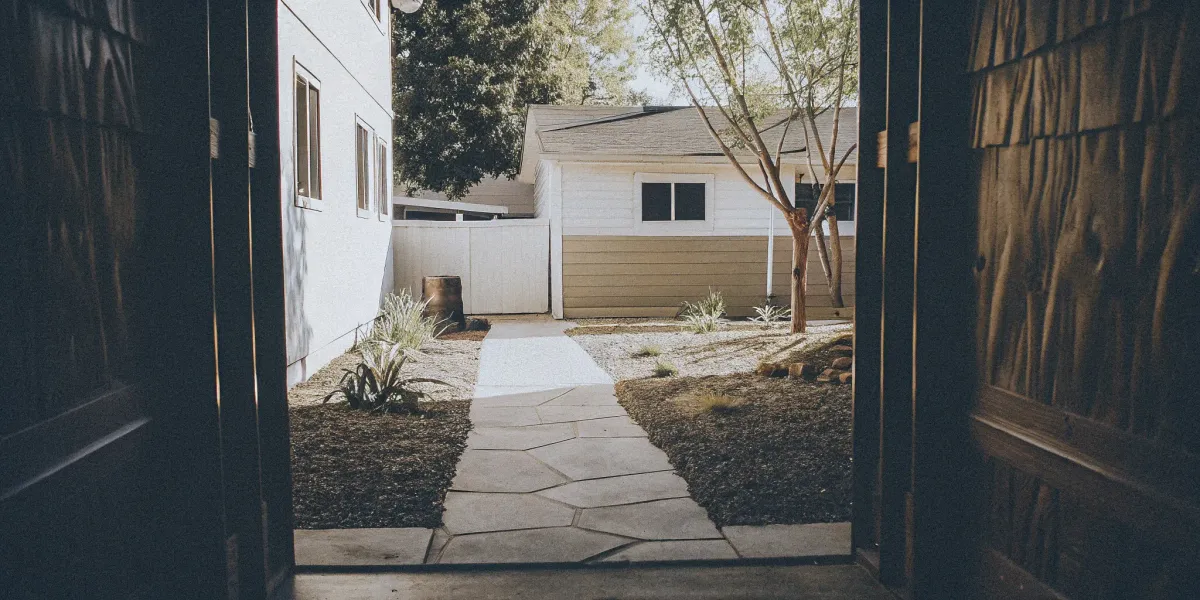
It’s not the giant wall of flames on the news that poses the biggest risk to your home. The real threat is much quieter: a shower of tiny, wind-driven embers. They can travel over a mile, looking for fuel right next to your foundation. This is where you can make a huge difference. Your most powerful defense is a well-maintained Zone 0 defensible space. By creating this five-foot, non-combustible buffer, you essentially remove the welcome mat for embers, dramatically improving your home's chances of survival.
Key Takeaways
- Master the 0-5 Foot Zone First: This immediate perimeter around your home is the most critical area for wildfire defense. Creating a non-combustible space here by removing flammable materials is the single most effective step to prevent embers from igniting your house.
- Swap Flammable Materials for Fire-Resistant Ones: Replace ground cover like wood mulch with non-combustible options such as gravel or pavers. Be sure to move firewood, propane tanks, and flammable outdoor furniture at least 30 feet away from your home's exterior.
- Create a Record for Your Insurer: Document your defensible space work with before-and-after photos and keep receipts for any materials or services. This provides tangible proof of your risk-reduction efforts, which is crucial for maintaining your homeowners insurance policy.
The Reality of Wildfire in California
The Growing Risk to Homes and Lives
Living in California means accepting that wildfire is a part of our environment. But understanding the real threat to your home is the first step toward protecting it. It’s not the towering wall of flames you see on the news that poses the biggest risk to most houses; it’s the blizzard of tiny, wind-driven embers. Experts at CAL FIRE warn that these embers can travel a mile or more ahead of the main fire, landing in mulch, on decks, or in gutters. This is why creating an ember-resistant "Zone 0" is so critical. The California Board of Forestry and Fire Protection emphasizes that the goal of this five-foot buffer around your home is to give these embers nothing to ignite. By clearing this immediate area of flammable materials, you create a powerful shield that can stop a potential disaster before it starts.
What is Zone 0 Defensible Space?
If you live in a wildfire-prone area, you’ve probably heard the term “defensible space.” It’s the buffer you create between your home and the surrounding vegetation. This space is broken down into three zones, but the most critical one is right at your doorstep: Zone 0. Think of it as your home's personal safety bubble. This area, extending five feet out from your foundation, walls, and any attached structures like decks, is your first and most important line of defense. Creating a well-maintained Zone 0 is one of the most effective actions you can take to protect your property from wildfire. It’s a small area that makes a huge impact on your home’s ability to survive an ember storm.
Defensible Space vs. Home Hardening
It’s easy to get these two terms mixed up, but they represent two distinct, equally important parts of protecting your home. Think of it this way: defensible space is everything outside your home, while home hardening is the house itself. Defensible space involves managing your landscaping and creating a buffer zone to slow a fire’s spread and reduce its intensity. Home hardening, on the other hand, focuses on making the structure more resistant to ignition by using fire-rated materials for your roof, siding, vents, and windows. Neither one is a complete solution on its own; they work together as a system to give your property its best chance of survival. A perfectly hardened home can still be lost if surrounded by flammable vegetation, just as a wide defensible space can’t protect a home with vulnerable entry points for embers.
What is the 5-Foot "Ember-Resistant Zone"?
Zone 0 is often called the "Ember-Resistant Zone," and for good reason. This immediate five-foot perimeter around your home is designed to be a no-burn area. The goal is to eliminate anything that could catch fire from wind-blown embers, which are the leading cause of home ignition during a wildfire. This means removing flammable materials like dry leaves, pine needles, bark mulch, and even outdoor furniture. By creating a non-combustible surface here—using materials like gravel, pavers, or concrete—you prevent embers from accumulating against your home and finding the fuel they need to ignite it. It’s a simple concept that directly reduces the likelihood of structure ignition.
Why Zone 0 is Your First Line of Defense
Imagine embers as tiny, glowing invaders trying to find a way into your home. Zone 0 is your moat. If this area is clear of anything flammable, those embers have nowhere to land and start a fire. This prevents flames from making direct contact with your siding, windows, and vents. While the larger fire front might be what we see on the news, it’s often these small embers, traveling far ahead of the flames, that pose the greatest threat. A well-prepared Zone 0 acts as a powerful shield, stopping a potential fire before it can even begin at the base of your house.
How Zone 0 Works with Zones 1 and 2
Zone 0 doesn't work in isolation; it’s the core of a three-tiered defense system. While Zone 0 is the five-foot non-combustible area, Zone 1 extends from 5 to 30 feet out. In this zone, you focus on creating "lean, clean, and green" landscaping by removing dead vegetation and spacing out plants. Beyond that, Zone 2 stretches from 30 to 100 feet, where the goal is to reduce the density of trees and shrubs to slow a fire's spread. Together, these three zones create layers of protection that can significantly slow a wildfire and give firefighters a safe space to defend your home. You can learn more about all three zones from CAL FIRE’s guidelines.
Zone 1 Guidelines (5-30 feet)
Once you’ve secured your five-foot non-combustible zone, it’s time to look at Zone 1. This area extends from 5 to 30 feet from your home. The goal here isn’t to remove everything, but to create what fire officials call a "lean, clean, and green" landscape. This means removing all dead plants, leaves, and pine needles from the ground. You’ll also want to trim tree canopies so they are at least 10 feet away from other trees and remove any branches that hang over your roof. By thinning out vegetation and keeping it well-irrigated, you create a space where a fire will have less fuel to burn, which can significantly reduce its intensity as it approaches your home.
Zone 2 Guidelines (30-100 feet)
Zone 2 is your extended buffer, stretching from 30 to 100 feet out from your home. In this area, the focus shifts from meticulous cleaning to reducing fuel density. You don't need a manicured lawn, but you should create space between trees and shrubs to slow the spread of fire. Thin out dense patches of vegetation and remove lower tree branches up to a height of about six feet from the ground. This prevents a ground fire from climbing up into the tree canopy, a dangerous situation known as a "crown fire." Creating these fuel breaks gives firefighters a much safer and more effective area to work if they need to defend your property from an approaching wildfire.
Rules for Other Structures and Fuel Sources
Your home isn't the only structure on your property that needs protection. Outbuildings like sheds, workshops, and even large fuel sources like propane tanks can pose a significant risk if they ignite. It's essential to create a clear space of at least 10 feet around these structures, ideally down to bare mineral soil. This prevents flammable debris from piling up against them. For propane tanks, this clearance is especially critical. You should also move firewood stacks and other combustible materials at least 30 feet away from your home and any outbuildings, as recommended by the Board of Forestry and Fire Protection. This simple step ensures these items don't become a direct pathway for fire to reach your structures.
Why Ember Protection is So Important
It’s easy to picture a wildfire as a giant wall of flames, but the reality is often more subtle. The primary threat to most homes comes from a shower of embers that can precede the main fire by a mile or more. These embers are small, lightweight pieces of burning wood and vegetation that get carried by the wind. They can easily get lodged in gutters, under decks, or in flammable mulch right next to your foundation. If they find fuel, they can ignite a small fire that quickly spreads to your home. This is why Zone 0 is so crucial—it’s designed specifically to combat this ember attack by giving them nothing to burn.
What Goes Into an Effective Zone 0?
Creating a strong Zone 0 is one of the most powerful steps you can take to protect your home from wildfire. Think of it as building a protective bubble around your house. The goal is to remove anything that could easily catch fire from flying embers and carry flames to your walls, vents, or windows. It’s not about clearing everything down to the bare dirt, but about making smart, strategic choices. By focusing on a few key areas, you can dramatically reduce your home’s vulnerability. Let’s walk through the essential elements that make up an effective, ember-resistant Zone 0.
Choosing Non-Combustible Materials and Hardscaping
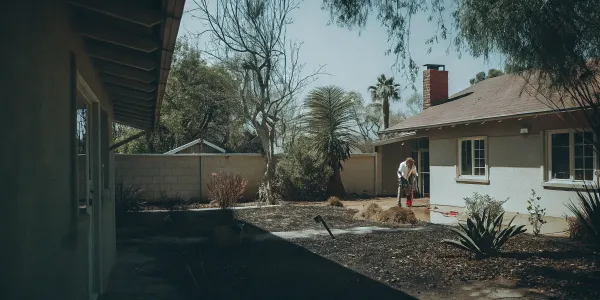
The ground right next to your house is the most critical area to address. Your goal here is to create a surface where embers will land and burn out without finding any fuel. This means swapping out flammable materials like wood mulch or shredded rubber for non-combustible options. Think of it as creating a clean, fire-proof welcome mat for your home.
Consider using materials like gravel, pavers, concrete, or decomposed granite for walkways and patios within this five-foot zone. These hardscaping features not only look great but also create a solid barrier against fire. According to CAL FIRE, removing combustible materials from this immediate zone is fundamental to creating effective defensible space and giving your home a fighting chance.
A Guide to Managing Nearby Vegetation
Embers love to hide in small, dry places where they can smolder and ignite a flame. That’s why keeping Zone 0 clear of flammable debris is so important. Your mission is to regularly remove all dead plants, dry leaves, pine needles, and weeds from this area. Pay close attention to the spots where this debris naturally collects, like against the foundation, under decks and stairs, and in your gutters.
This simple act of housekeeping prevents embers from finding the kindling they need to ignite your home. By clearing this fuel, you reduce the likelihood of flames making direct contact with your siding or crawling up a wall. Make it a regular habit, especially during fire season, to sweep this zone clean.
Vertical Spacing: Breaking the Fire Ladder
Fire doesn't just spread across the ground; it climbs. Think of low-hanging tree branches and tall shrubs as a ladder, giving flames a direct path from the ground up into the tree canopy. To break this ladder, you need to create vertical space. Start by removing all tree branches that are within six feet of the ground. Next, look at the relationship between your shrubs and trees. The rule of thumb is to maintain a gap between the top of a shrub and the lowest tree branch that is at least three times the height of the shrub. For example, if you have a four-foot-tall shrub, you need at least 12 feet of clear space above it to the nearest tree limb. This simple measurement is a core part of creating defensible space and can stop a small ground fire from becoming a much larger threat.
Horizontal Spacing for Shrubs
Just as fire climbs vertically, it also jumps from plant to plant horizontally. Creating proper spacing between shrubs, trees, and other vegetation is key to slowing it down. The amount of space you need depends on two things: the height of your plants and the steepness of your property. Fire moves much faster uphill, so steeper slopes require more distance between plants. For shrubs, the guidelines are straightforward. On flat to gentle slopes, the space between shrubs should be at least two times their height. On a medium slope, you’ll need four times their height. And on steep slopes, that distance increases to six times their height. Following these wildfire safety guidelines helps ensure that if one shrub ignites, it won’t automatically spread to its neighbor.
Horizontal Spacing for Trees
Properly spacing trees is crucial for preventing a crown fire, which is when a fire spreads rapidly through the tops of trees. The goal is to create enough distance between tree canopies so that flames can't easily jump from one to the next. Like with shrubs, the required spacing depends on the slope of your land. On flat or gently sloping ground, you should maintain at least 10 feet of space between the edges of tree canopies. For properties with a medium slope, that distance increases to 20 feet. If your home is on a steep slope, you’ll need to create a 30-foot gap between canopies. These defensible space zones are designed to break up the continuous fuel that trees can provide, slowing a wildfire's advance across your property.
How to Landscape with Fire-Resistant Plants
A fire-safe Zone 0 doesn’t have to be a barren wasteland. You can absolutely have plants near your home, as long as you choose them carefully and maintain them well. The key is to select fire-resistant, high-moisture plants that are less likely to ignite. Think succulents, lavender, or native perennials that stay green and healthy with minimal water. Avoid plants that are oily, resinous, or produce a lot of dead material, like juniper, cypress, and some ornamental grasses.
Effective vegetation management is about creating a beautiful landscape that is also a safe one. Keep plants properly watered, pruned, and spaced out to prevent them from creating a continuous path of fuel for a fire.
Why Proper Water Drainage Matters
While it might not seem directly related to fire, proper water drainage is a key part of maintaining a safe and stable home. When the ground around your foundation is properly graded to slope away from the house, it prevents water from pooling. This protects your foundation from water damage and erosion, which can compromise your home’s structure over time.
Keeping your gutters clean also plays a dual role. We know it’s crucial for removing flammable debris, but it’s also essential for directing rainwater away from your home. Always be sure to check your local ordinances, as they may have specific requirements for both weed abatement and property maintenance that go beyond state guidelines. You can find more information at Ready for Wildfire.
Don't Forget These Essential Safety Features
Finally, take a look at the items you store within Zone 0. Everyday objects can become unexpected fuel sources during a wildfire. It’s critical to move any flammable items out of this five-foot zone and away from your home’s exterior. This includes things like firewood piles, propane tanks for your grill, wicker or wood patio furniture, and even coir doormats and brooms left on the porch.
Store these items at least 30 feet away from your house if possible. By keeping the area immediately surrounding your home clear of combustible objects, you eliminate easy ignition points for embers. This simple step removes potential "wicks" that could carry fire directly to your home, making it a quick and effective way to improve your property’s safety.
Common Zone 0 Challenges (And How to Solve Them)
Creating and maintaining your Zone 0 is one of the most effective steps you can take to protect your home from wildfire. But let's be honest—it can feel like a big project. You might be wondering where to find the right materials, how to fit it into your budget, or how to keep up with maintenance. The good news is that with a little planning, these challenges are entirely manageable. Let’s walk through some of the most common hurdles and find practical solutions that work for you.
How to Choose the Right Materials
The first five feet around your home is where embers are most likely to land and ignite flammable materials. That’s why your choice of ground cover here is so important. The goal is to create a non-combustible barrier that won’t catch fire. Think of materials like gravel, pavers, or concrete walkways as your best friends in this zone. They create a clean, fire-resistant perimeter. You’ll want to avoid things like bark mulch, pine needles, or wood chips, as they can easily ignite. Using the right fire-resistant landscaping materials is a simple switch that dramatically reduces the chance of embers igniting something right next to your house.
Your Simple Zone 0 Maintenance Plan
Your Zone 0 isn't a "set it and forget it" project; it needs a little ongoing attention to stay effective. The key is to make maintenance a simple, repeatable habit rather than a huge annual chore. Think of it like any other yard work. Create a simple checklist to run through monthly or seasonally. This should include tasks like clearing fallen leaves and needles from your non-combustible ground cover, cleaning out gutters, and sweeping debris from under your deck. Regular upkeep prevents combustible fuel from building up, ensuring your Zone 0 is always ready to do its job protecting your home from ember attacks, which are the leading cause of home ignition.
Safety Tips for Clearing Vegetation
When you’re ready to get your hands dirty and clear out flammable debris, safety should always be top of mind. Start by gearing up with the right tools—think sturdy gloves, a good rake, and protective eyewear, especially if you’re trimming back shrubs or low-hanging branches. It’s also smart to pick the right day for the job. Avoid working on hot, dry, and windy days, as a stray spark from equipment could ignite dry vegetation. Once you’ve gathered all the leaves, needles, and dead plant matter, make sure you dispose of it properly. Never burn debris piles on-site. Instead, check your local regulations for green waste disposal options, which is the safest way to handle the fuel you’ve removed. Following these simple safety guidelines ensures your hard work makes your home safer, not creates a new hazard.
Creating Your Zone 0 on a Budget
Protecting your home doesn’t have to break the bank. Many of the most effective Zone 0 tasks are low-cost and can be done yourself. Regular maintenance, like raking leaves and clearing debris, costs nothing but your time. When it comes to materials, you can often find affordable options for gravel or pavers at a local landscaping supply store. Remember, creating a defensible space is about smart management, not completely clearing your property. You can preserve the natural beauty of your yard while making it safer. If you have larger projects in mind, consider tackling them in phases over time to spread out the cost and make the investment more manageable.
Zone 0 Tips for All Abilities
Not everyone has the time or physical ability to perform the yard work required for Zone 0, and that’s perfectly okay. If you need assistance, there are plenty of options. You can hire a local landscaping or yard maintenance service that has experience with fire-wise practices. Community volunteer groups or local fire safe councils sometimes organize cleanup days or offer help to residents who need it. If you live in a State Responsibility Area, you can also work with CAL FIRE’s Defensible Space Inspectors. They can help you understand what needs to be done and prioritize the work, making it easier to direct a hired professional or ask for specific help from others.
Understanding Your Local Regulations
While state guidelines provide a great foundation for defensible space, your local city or county might have its own specific rules. These local ordinances are often stricter than state requirements to address the unique fire risks in your area. For example, some communities may require a larger clearance area or have specific rules about plant types. The best way to ensure your hard work is compliant is to check directly with your local fire department or visit your county’s website. They will have the most accurate and up-to-date information. Staying informed about local ordinances ensures your defensible space not only protects your home but also meets all legal requirements for your community.
Why Local Rules May Be Stricter Than State Law
Think of state defensible space laws as the baseline—the minimum requirement for everyone. But your local community might have its own set of rules that are even more specific. This happens because every area faces unique fire risks based on its climate, terrain, and vegetation. As CAL FIRE explains, local ordinances are often stricter to address these specific local conditions. For example, a town in a narrow, windy canyon might require a larger clearance zone than a community in a flatter, more open area. These tailored rules are designed to give your home the best possible protection for its specific environment.
The most reliable way to make sure you’re meeting all the requirements is to go straight to the source. Check with your local fire department or look up the ordinances on your county’s official website. This will give you the most accurate, up-to-date information on everything from required clearance distances to lists of prohibited flammable plants. Following these local rules is not just about avoiding a fine; it’s about ensuring all the hard work you put into your defensible space is truly effective and compliant with the standards set for your community's safety.
How to Create and Maintain Your Zone 0
Creating and maintaining your Zone 0 is one of the most effective actions you can take to protect your home from wildfire. This immediate five-foot perimeter is your first line of defense, and getting it right is all about removing fuel for embers. Think of it as creating a non-combustible bubble around your house. It might sound like a big project, but breaking it down into simple, manageable steps makes it achievable for any homeowner. The key is consistency—a little bit of work done regularly goes a long way in keeping your family and property safe.
Your Step-by-Step Guide to Getting Started
Getting started is as simple as taking a walk around your home. Your goal is to create a five-foot buffer that won't ignite if embers land there. Begin by removing all combustible materials from this immediate zone. This includes things like woody plants, flammable mulch, stacked firewood, and even flammable patio furniture. The idea is to stop a fire from making direct contact with your home or finding fuel right at its base. By clearing this area, you significantly reduce the chance that embers can ignite your home. Once you’ve cleared the space, you can focus on replacing flammable materials with fire-resistant alternatives.
How to Select the Best Fire-Resistant Materials
When it comes to materials for Zone 0, think hard, clean, and non-combustible. This is the place for hardscaping that won’t burn. Materials like gravel, pavers, concrete, and rock are excellent choices for walkways, patios, and ground cover within the five-foot perimeter. They create a surface where embers will simply die out. It’s crucial to avoid using materials like wood bark or rubber mulch, as they are flammable and provide fuel for fire. If you have a deck or fence connected to your home, consider using non-combustible or ignition-resistant materials for the first five feet. These defensible space material choices are fundamental to building a truly ember-resistant zone.
Your Regular Maintenance Checklist
Keeping your Zone 0 effective requires regular upkeep. Think of it as seasonal yard work with a focus on fire safety. A consistent routine prevents flammable debris from building up and undoing all your hard work.
Here’s a simple checklist to follow:
- Routinely clear leaves, pine needles, and other dead vegetation from your roof and gutters.
- Sweep debris from decks, porches, and stairs.
- Remove any dead plants and weeds from the five-foot zone.
- Check under your deck and home for accumulated leaves or other combustible materials and clear them out.
Making this a regular habit is one of the best ways to prepare for wildfire.
Your Seasonal Inspection Walkthrough
At least twice a year—once in the spring and again in the fall—do a detailed inspection of your Zone 0. During your walkthrough, look for any new issues that may have appeared. Check that tree branches don’t hang over your roof or come within 10 feet of your chimney outlet. Ensure that any vents leading into your home are covered with fine metal mesh (1/8-inch) to block embers from entering. Look for any new combustible items that have found their way into the zone, like a new doormat, stored supplies, or children's toys. A seasonal check-up helps you catch potential fire hazards before they become a serious risk during wildfire season.
How to Document Your Work for Insurance
As you create and maintain your defensible space, be sure to document your efforts. This can be incredibly helpful when communicating with your insurance provider. Take clear before-and-after photos of your property, especially within Zone 0. Keep receipts for any fire-resistant materials you purchase or for professional services you hire, like tree trimming or debris removal. If you get a professional assessment from your local fire department, keep a copy of the report. This documentation serves as proof of your mitigation efforts and shows that you are proactively reducing your property’s wildfire risk, which can be a key factor in maintaining your homeowners insurance.
Understanding Zone 0, Insurance, and the Law
Creating a strong Zone 0 isn't just about physical safety—it's also tied to legal requirements and your ability to secure homeowners insurance. In states like California, regulations around defensible space are becoming more specific, and insurance carriers are paying close attention to the steps homeowners take to reduce their wildfire risk. Understanding the relationship between your defensible space, local laws, and insurance policies is a critical part of protecting your property. By proactively managing your Zone 0, you not only create a powerful buffer against embers and flames but also demonstrate responsibility to both fire officials and insurers. This shows you're a partner in community safety, which can make a real difference when it comes to your policy.
What California Law Requires
In California, the law is evolving to emphasize the importance of the area immediately surrounding your home. While the full legal requirement for Zone 0 is being phased in, it is already a critical component of the state's wildfire preparedness strategy. The goal of Assembly Bill 3074, which established this zone, is to reduce the chance of your home igniting from direct flame contact or an accumulation of embers against the structure. Think of it as creating a non-combustible bubble in that first five feet. This includes clearing dead vegetation, removing flammable materials, and choosing non-combustible landscaping like gravel or pavers right next to your home’s foundation.
The Legal Basis: Assembly Bill 3074
The official requirement for Zone 0 comes from a California law known as Assembly Bill 3074. This legislation was specifically designed to address the number one cause of home loss during wildfires: embers. Lawmakers recognized that creating a non-combustible area right next to a home's foundation is one of the most effective ways to prevent ignition. The law directs CAL FIRE to develop specific regulations for this five-foot zone, with the clear goal of reducing the chance that your home will catch fire from either direct flame contact or an accumulation of embers. It’s a proactive measure that shifts the focus to the most vulnerable part of your property.
Who Needs to Comply?
So, does this law apply to you? If you live in a designated high-risk wildfire area in California, the answer is yes. Specifically, the requirement applies to properties located in the State Responsibility Area (SRA) or a Very High Fire Hazard Severity Zone (VHFHSZ) within a Local Responsibility Area. If you're not sure which zone you're in, don't worry—most homeowners in foothill or mountain communities fall under these designations. You can typically find this information on your county’s fire hazard maps or by checking with your local fire department. The state is focused on ensuring that homes with the greatest risk are the most prepared.
The Rulemaking Process and Timeline
While the law has been passed, the specific rules for Zone 0 are still being finalized. The California Board of Forestry and Fire Protection is currently in the process of developing the detailed regulations that will define exactly what is required. According to the official timeline, these new rules are expected to be completed by the end of 2025. This means that while Zone 0 is already a best practice strongly recommended by fire officials, the final, legally enforceable standards are still on the way. Getting ahead of these requirements now is a smart move that puts you in a great position for both safety and insurability.
How a Strong Zone 0 Can Help Your Insurance
Insurance companies are increasingly using detailed risk assessments to decide whether to issue or renew policies in high-risk fire areas. A well-maintained Zone 0 is one of the most visible and effective ways to show an insurer that you are actively managing your property's risk. It signals that you've taken concrete steps to prevent ignition from embers, the leading cause of home loss in wildfires. This doesn't mean you have to clear-cut your entire property. Instead, it’s about smart, strategic vegetation management that maintains your home's beauty while significantly improving its resilience. Documenting your work with photos can be a powerful tool when speaking with your insurance agent.
The Public Debate Around Zone 0
It’s no surprise that new regulations for Zone 0 have sparked a significant public conversation. For many homeowners, the requirement to create a five-foot non-combustible area feels like a major change. Fire safety experts argue it's a critical, science-backed measure to defend against wind-blown embers, the primary cause of home ignition. However, the rules have also faced pushback. Homeowners have raised valid concerns about the cost of replacing landscaping, the potential for soil erosion, and the loss of plants that help cool a property. This has ignited a public debate about how to balance effective fire safety mandates with the practical and financial realities that residents face.
How to Work with Local Fire Authorities
You don't have to figure this all out on your own. If you live in a high-risk area, your local fire department or state agencies like CAL FIRE are valuable resources. Many offer free consultations or inspections to help you understand what needs to be done on your specific property. These inspectors can walk your property with you, point out vulnerabilities, and help you prioritize your actions. Their goal is to help you succeed. Approaching them as partners in your safety plan can make the process feel much more manageable and ensure your efforts align with local fire codes.
Should You Get a Professional Assessment?
While fire authorities provide excellent guidance, sometimes a detailed, data-driven report is what you need to truly understand your risk and create a plan. A professional defensible space assessment gives you a comprehensive analysis of your property, especially the critical Zone 0. Experts can identify subtle issues you might overlook, like a wooden gate attached to your house or a bark mulch bed under a window. They can provide a clear, actionable checklist that helps you focus your efforts and budget effectively. This kind of detailed assessment is invaluable for both your own peace of mind and for demonstrating your proactive stance to your insurance carrier.
Using Digital Tools for Self-Assessment
Sometimes, the hardest part of a project is just knowing where to start. A self-assessment is a great first step, and digital tools can make it much easier to see your property through the eyes of a fire inspector. You can start with simple tools like your phone’s camera to document your Zone 0 and track your progress. For a more detailed, data-driven look, platforms like our own Defensible Space Score analyze your property’s specific conditions and provide a clear, actionable report. This gives you an objective view of your risk and a prioritized checklist, helping you focus your time and resources where they’ll have the most impact on improving your home's safety.
Free Resources from CAL FIRE
You are not alone in this effort. CAL FIRE provides a wealth of free resources to help homeowners create and maintain effective defensible space. Their website offers detailed guidelines, checklists, and educational materials that break down the requirements for all three zones. Even better, many local fire departments and CAL FIRE units offer free defensible space consultations or inspections. An inspector can visit your property, provide personalized advice, and answer your questions. Their goal is to help you succeed, so think of them as a partner in your safety plan. Taking advantage of these free expert resources is one of the smartest moves you can make.
Simple Steps for Staying Compliant
Meeting defensible space guidelines can feel like a big project, but you can make it manageable with a smart approach. Start with Zone 0, as it offers the most protection for the least amount of space. Begin by removing all dead leaves, pine needles, and flammable debris from the 0-5 foot perimeter. Look for and remove anything combustible stored under decks or next to the house. From there, you can gradually work your way out into Zones 1 and 2. Take before-and-after photos to document your progress. This record is not only motivating but also serves as crucial proof of your mitigation efforts for your homeowners insurance.
Related Articles
- Fire Safety Guidelines for Defensible Space
- Defensible Space Frequently Asked Questions
- Defensible Space for New Property Owners
- Understanding Your Defensible Space Score
- Defensible Space and Property Assessments
Frequently Asked Questions
Does creating a Zone 0 mean I have to surround my house with concrete or dirt? Not at all. The goal is to create a non-combustible area, but that doesn't have to mean it's unattractive. You can use beautiful and functional materials like gravel, pavers, or a stone walkway to create a fire-resistant perimeter. You can also incorporate well-irrigated, fire-resistant plants like succulents. It’s about making smart, fire-wise choices, not creating a barren landscape.
What's the most critical first step for my Zone 0 if I'm on a tight budget? The most effective and affordable action you can take is to simply clean the area. Remove all dead leaves, pine needles, dry grass, and weeds from the five-foot perimeter around your home and any attached structures. Pay special attention to the areas where debris collects, like under your deck or against the foundation. This costs nothing but your time and immediately removes the fuel embers need to ignite your home.
My wooden deck is attached to my house. Is it part of Zone 0? Yes, absolutely. The five-foot ember-resistant zone extends from the edge of any structure attached to your home, including decks, porches, and stairs. It’s critical to keep the surface of your deck clear of flammable items like coir doormats or wicker furniture. Most importantly, you must remove all flammable debris and stored items from the space underneath your deck, as this is a prime spot for embers to gather and ignite.
How is Zone 0 different from the other defensible space zones I've heard about? Think of it as layers of defense. Zone 0 is your home's personal space—the five-foot area designed to be a non-combustible zone that stops embers from igniting your house directly. Zone 1 (5-30 feet) and Zone 2 (30-100 feet) are about managing the surrounding landscape to slow a fire's approach and reduce its intensity. While all three are important, Zone 0 is the most critical because it protects your home from the primary threat: wind-blown embers.
Will a perfect Zone 0 guarantee I can get or keep my homeowners insurance? While there are no guarantees in the complex world of insurance, creating and maintaining an effective Zone 0 is one of the most powerful things you can do to improve your chances. It sends a clear signal to insurers that you are proactively reducing your property's wildfire risk. Documenting your work with photos provides tangible proof of your efforts, which can be a key factor in helping you secure or maintain your policy in a high-risk area.