News
Insuring Wildfire Homes: A Homeowner's Guide
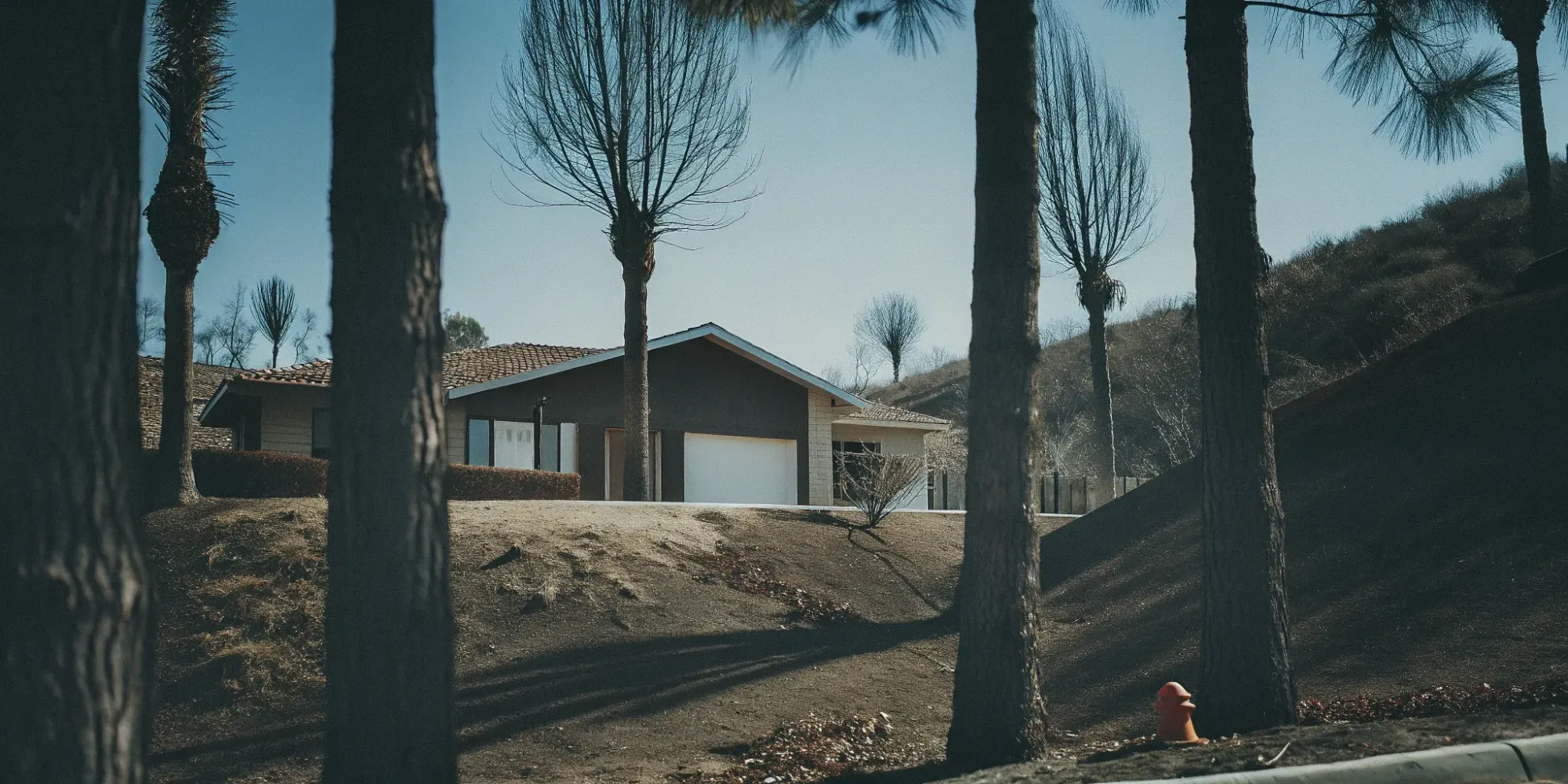
You followed all the rules. You cleared the brush, cleaned the gutters, and spent weekends creating the perfect defensible space. So when that non-renewal notice arrives in the mail, it feels like a slap in the face. The process for insuring wildfire homes has become a frustrating maze where your hard work seems to go unnoticed. The truth is, the insurance industry is playing by a new set of rules, using satellite imagery and complex data models to assess your property’s risk from afar. This guide will help you bridge the gap between your efforts on the ground and what underwriters see from their desks, showing you how to document your work and prove your home is a safer risk.
CTA ButtonKey Takeaways
- Focus on what you can control: Insurers now assess risk at the property level, not just by ZIP code. Directly improve your home's insurability by creating defensible space and using fire-resistant materials, then document every improvement to prove your home is a lower risk.
- Explore all your coverage options: A denial from a standard carrier isn't the end of the road. Research state-backed FAIR Plans as a last resort and work with an independent broker who can connect you with specialty insurers that cover high-risk homes.
- Treat your policy as a living document: Don't assume you're fully covered, as rebuilding costs change. Review your policy annually to confirm your coverage limits are adequate, understand what's excluded, and share your mitigation efforts with your agent to argue for better terms.
Why Is Insuring Your Wildfire Home So Hard?
If you’ve tried to buy or renew homeowners insurance in a wildfire-prone area recently, you know it’s not as simple as it used to be. What was once a routine process has become a source of major stress, with homeowners facing skyrocketing premiums, reduced coverage, or even non-renewal notices. It’s easy to feel like you’re being unfairly targeted, but this shift is part of a much larger trend affecting communities across the country. The insurance industry is grappling with a new reality where wildfires are more common and more destructive than ever before.
The core of the problem is that the risk has fundamentally changed. Insurers, who build their business on predicting the future, are finding that their old methods no longer work. They are responding to this uncertainty by becoming much more cautious about who and what they’re willing to cover. This leaves homeowners in a tough spot, trying to protect their most valuable asset in an increasingly volatile market. Understanding the reasons behind this insurance crunch is the first step toward finding a solution. It comes down to three key factors: the increasing frequency of fires, the industry’s financial response, and the failure of outdated risk models.
Why Wildfires Are Becoming More Common
The foundation of the insurance challenge is simple: wildfires are happening more often and with greater intensity. Researchers have identified a clear link between extreme weather—like high temperatures and prolonged drought—and the conditions that fuel the most destructive fires. This isn't just a fluke or a bad fire season; it's a pattern. The growing trend of droughts and heatwaves has forced insurers to rethink how they calculate risk. When fires that were once considered rare, "once-in-a-century" events start happening every few years, the entire financial model for insuring homes in these areas begins to break down. This new normal means the baseline risk for your property is higher than it was a decade ago, which is directly reflected in your insurance options.
The Growing Scale of Wildfires
It’s not your imagination—wildfires are happening more often and with greater intensity. Researchers have confirmed a clear link between extreme weather, like high temperatures and prolonged drought, and the conditions that fuel the most destructive fires. This isn't just a bad fire season; it's a long-term environmental pattern. Insurers are forced to rethink how they calculate risk when fires that were once considered rare, "once-in-a-century" events start happening every few years. The entire financial model for insuring homes in these areas begins to break down under this new reality. This shift means the baseline risk for your property is higher than it was a decade ago, which is directly reflected in your insurance options and premiums.
The Role of Human Activity
While climate conditions create a tinderbox, it's often a single spark that ignites it. Surprisingly, most wildfires in the United States are not caused by lightning but by human activity. Unattended campfires, sparks from equipment, downed power lines, and even discarded cigarettes are common culprits. This might sound discouraging, but it’s actually a point of empowerment. If human actions are a primary cause of wildfires, then human actions can also be a powerful tool for prevention. This is why insurers are placing so much emphasis on what you do on your own property. Creating defensible space and hardening your home aren't just suggestions; they are critical, proactive steps that directly address the root causes of fire risk.
How Insurance Companies Are Reacting
Faced with unprecedented losses, insurance companies are making tough business decisions to stay afloat. These extreme weather events have upended the climate models and risk strategies they’ve relied on for decades. As a result, many are raising their rates significantly to cover the higher potential for claims. In some cases, they are reducing the amount of coverage they offer, leaving homeowners with more financial exposure. For the highest-risk areas, some insurers are pulling out of the market entirely, choosing not to write any new policies or renew existing ones. This forces homeowners to scramble for alternatives, which are often more expensive and less comprehensive.
Why Old Risk Models Are Failing Homeowners
For years, insurers calculated risk by looking at historical data—how many fires happened in a certain area over the last 50 or 100 years. But climate change is rewriting the rules. The past is no longer a reliable guide for the future, and relying on old data can seriously underestimate your tail risk from catastrophic events. The frequency and severity of wildfires are changing so quickly that these traditional models are becoming obsolete. This creates a huge amount of uncertainty for insurers, who are now trying to develop new ways to price policies accurately. This unpredictability is a major reason why the market feels so unstable and why securing affordable, reliable coverage has become such a significant hurdle for so many homeowners.
How Do Insurers Calculate Your Wildfire Risk?
When an insurance company decides whether to offer you a policy—and at what price—they aren't just looking at your ZIP code. They're building a detailed risk profile of your specific property using a mix of data points. Think of it like a puzzle where each piece gives them a clearer picture of how likely your home is to be damaged in a wildfire. Understanding these factors is the first step toward managing your risk and, hopefully, your premiums. Insurers look at everything from your home's exact location and the local climate to the materials it's made of and what advanced imagery tells them about your yard.
How Close Is Too Close to Wildlands?
One of the most significant factors in any wildfire risk assessment is your home's location, especially its closeness to natural, undeveloped areas. The biggest reason for rising costs is the increasing risk of wildfires, especially where homes are built near wildlands, an area known as the wildland-urban interface. If your property borders a forest, canyon, or even a large grassy field, insurers see a direct path for fire to travel to your doorstep. They use sophisticated mapping tools to determine exactly how close you are to dense vegetation and high-risk zones, and this proximity heavily influences their decision.
Your Area's Climate and Fire History
Insurers also zoom out to look at the bigger picture of your region's climate and history. They analyze historical wildfire data, seasonal weather patterns, and long-term drought conditions. The growing trend of droughts and heatwaves has made it essential for insurers to reassess their risk models. If your area has a history of frequent fires or is experiencing prolonged dry spells, your property will be flagged as higher risk. This isn't about your actions as a homeowner but about the environmental realities of where you live, which unfortunately can work against you.
What Your Home Is Made Of Matters
The materials used to construct your home play a huge role in how it will fare against a wildfire. An insurer will look closely at features like your roof, siding, and windows. A home with a wood shake roof and cedar siding is a much higher risk than one with a metal roof and stucco or fiber-cement siding. They also consider decks, fences, and other attachments to the house. Making smart choices with fire-resistant building materials can significantly lower your risk profile because it makes your home a less inviting target for embers, which are a primary cause of home ignition during wildfires.
What Insurers See From Satellite Images
Insurers are increasingly using technology to get a bird's-eye view of your property. High-resolution satellite imagery and AI-powered analytics allow them to see your home and its immediate surroundings in incredible detail. This technology helps ensure that risk is assessed at the property level, so insurers can make more informed decisions rather than relying on broad regional assumptions. They can identify the type and density of vegetation near your home, the condition of your roof, and the amount of defensible space you've created. This granular data gives them a real-time snapshot of your unique risk.
The True Cost of Rising Insurance Premiums
The challenge of finding affordable homeowners insurance in wildfire-prone areas is more than just a line item in your budget. It’s a growing problem with far-reaching consequences that affect your financial stability, your home's value, and even the well-being of your entire community. Understanding these impacts is the first step toward finding a solution.
Why You're Paying More for Less Coverage
The most immediate effect you’ll feel is on your wallet. As wildfire risk increases, so do insurance premiums. This isn't a small adjustment; in Colorado, for example, homeowners' insurance premiums jumped by 58% between 2018 and 2023. Insurers are recalculating the risk of covering homes in the wildland-urban interface, and homeowners are seeing the results in their annual bills.
Beyond just higher costs, you might find that getting coverage is harder than ever. Some insurance companies are choosing not to renew policies in high-risk areas, leaving homeowners scrambling. In these situations, you may need to turn to alternative options like state-backed FAIR Plans or specialty insurers, which can sometimes offer less comprehensive coverage for a higher price.
Will Rising Premiums Affect Your Property Value?
The availability and cost of insurance are directly tied to your home's market value. If a potential buyer discovers that a property is extremely expensive to insure—or worse, uninsurable through standard carriers—it becomes a much less attractive investment. This can make it harder to sell your home and may even lower its appraised value.
This isn't just an individual problem. When insurance becomes a widespread issue across a neighborhood or region, it can negatively impact the entire local housing market. These cascading insurance issues create uncertainty for both buyers and sellers, potentially slowing real estate transactions and putting a damper on property values for everyone.
The Ripple Effect on Your Community
The ripple effects of high-cost insurance extend beyond your property line. When a wildfire strikes and homeowners are underinsured, the financial burden of recovery often falls on state and local governments. This can strain public resources and slow down the rebuilding process for the entire community.
This financial pressure also affects the services we all rely on. When property values stagnate or decline due to insurance challenges, it can reduce the local tax base. This means less funding is available for essential public services like schools, road maintenance, and even the fire departments tasked with protecting the community. A lack of adequate insurance doesn't just put individual homes at risk; it puts the community's long-term economic health at risk, too.
Can't Get Coverage? Here's What to Do Next
Receiving a non-renewal notice or being denied homeowners insurance is incredibly stressful, especially when you’ve done everything you can to protect your property. It can feel like you’re out of options, but that’s not the case. The insurance landscape in wildfire-prone areas is changing rapidly, and many traditional carriers are pulling back, leaving homeowners feeling stranded. This isn't a reflection on you or your home, but rather a broader industry shift in response to increased risk. While finding coverage in a high-risk area is more challenging than it used to be, it’s not impossible. You just need to know where to look beyond the standard insurance marketplace.
If you find yourself in this situation, take a deep breath. You have a few solid paths forward. These alternatives are specifically designed for homeowners who can't secure a traditional policy. From state-supported programs to specialized private insurers, there are avenues available to get the protection your home needs. It requires a bit more research and persistence, but securing coverage is an achievable goal. The key is to be proactive and understand all the resources at your disposal. Let's walk through what you can do next to find a policy and gain some peace of mind.
What Are State-Backed FAIR Plans?
If you’ve been unable to get coverage from at least three private insurance companies, you may be eligible for a state-backed FAIR Plan. Think of these plans as a safety net or an insurer of last resort. They exist to ensure that every property owner has access to basic fire insurance when the private market won't provide it. It’s important to know that FAIR Plans are typically more expensive and often provide less comprehensive coverage than a standard policy. They are a crucial option for maintaining coverage, but they are not meant to compete with private insurance on price or features.
How to Find a Specialty Insurer
If a FAIR Plan doesn't feel like the right fit, your next step is to explore the specialty insurance market. This market includes surplus lines insurers that specialize in covering high-risk properties that standard carriers avoid. Because they take on more risk, their premiums are generally higher, but they can offer more comprehensive policies than a FAIR Plan. To access these insurers, you’ll likely need to work with a surplus lines broker who has the expertise and connections to find private insurance options that aren't available to the general public. This can be a great way to secure robust coverage from a private company.
How a Specialized Broker Can Help
You don’t have to go through this process alone. Working with an independent insurance agent or broker can make a world of difference. Unlike agents who work for a single company, independent brokers represent you. They have access to a wide range of insurance companies, including the specialty insurers we just discussed. A good broker can shop around on your behalf, help you compare complex policy details, and identify any available discounts. They understand the unique challenges of insuring a home in a wildfire-prone area and can advocate for you to find the best possible coverage for your situation.
Actionable Steps to Lower Your Insurance Premiums
Facing a non-renewal notice or a steep premium increase can feel discouraging, but it doesn’t mean you’re out of options. Insurance companies are looking for homeowners who are actively working to reduce their wildfire risk. By taking clear, proactive steps, you can make your property more resilient and demonstrate to insurers that your home is a safer bet.
These measures aren’t just about checking a box for your insurance agent; they are the most effective ways to protect your family, your home, and your investment. Think of it as taking control of the factors you can influence. From clearing vegetation to upgrading your home’s materials, every improvement you make contributes to a stronger defense against wildfire and a more compelling case for affordable coverage. Let’s walk through the most impactful actions you can take.
Create a Fire-Safe "Defensible Space"
Defensible space is the buffer you create between your home and the surrounding vegetation. This area is designed to slow or stop the spread of wildfire, giving firefighters a safer space to defend your property. As Fire Safe Sonoma notes, it's one of the most important factors you can modify to improve your home's chances of survival. Creating this space involves clearing away flammable materials in zones around your house. The first five feet from your foundation should be completely free of anything combustible, while the area up to 100 feet should be carefully managed to reduce fuel for a fire. This single action can dramatically lower your home’s risk profile.
"Harden" Your Home with Fire-Resistant Upgrades
While defensible space addresses the area around your home, "home hardening" focuses on the structure itself. This means upgrading vulnerable parts of your house with materials that can resist ignition from flying embers, which are a primary cause of homes catching fire during a wildfire. You can implement home hardening measures by installing a fire-rated roof, covering attic vents with fine metal mesh, and replacing single-pane windows with dual-pane tempered glass. These upgrades create a protective shell that makes it much harder for a fire to take hold, offering a powerful layer of defense for your family and property.
Choose Fire-Smart Landscaping
Thoughtful landscaping is a critical part of your wildfire defense strategy. It goes beyond just clearing brush; it involves actively managing the plants and trees on your property to reduce fire fuel. Start by removing dead trees, fallen leaves, and dry grass. Prune tree limbs so the lowest branches are at least six to ten feet from the ground. When choosing new plants, opt for high-moisture, fire-resistant varieties instead of flammable ones like juniper or cypress. Creating defensible space and managing your vegetation not only makes your property safer but also helps protect its value by reducing the risk of damage.
Schedule a Professional Risk Assessment
After you’ve put in the work to create defensible space and harden your home, you need a way to verify and document your efforts for your insurer. A professional risk assessment provides the data-driven proof you need. Platforms like Defensible Space Score help you evaluate your wildfire risk and readiness through a clear, objective assessment of the area surrounding your property. This report gives you a tangible tool to share with your insurance agent, demonstrating the specific mitigation measures you’ve taken. It replaces guesswork with facts, helping you have a more productive conversation about your policy and premiums.
What Your Wildfire Policy Might Not Cover
Having a homeowners insurance policy in a wildfire-prone area is a huge relief, but it’s not a magic wand. Simply having coverage doesn’t mean you’re covered for everything. Insurance policies are detailed contracts with specific limits, conditions, and, most importantly, exclusions. The fine print really matters, and what you don’t know can leave you with unexpected and significant out-of-pocket costs after a disaster.
It’s easy to assume your policy will cover a complete rebuild and all associated expenses, but that’s rarely the case without a careful review. Insurers in high-risk zones are becoming more specific about what they will and won’t pay for. Understanding these details ahead of time is one of the most important things you can do to prepare. Let’s walk through some of the most common gaps in coverage so you can check your own policy and make sure you have the protection you actually need.
Watch Out for These Common Policy Exclusions
When you live in a wildfire zone, insurance companies see your home as a higher risk, which can lead to specific exclusions in your policy. These are items or events that your insurance will not cover. For example, your policy might cover your main house but exclude other structures on your property, like sheds, detached garages, or guest houses, unless you’ve purchased separate coverage for them. Landscaping, including trees, expensive plants, and fences, is also frequently excluded or has very low coverage limits. It's crucial to read the "Exclusions" section of your policy document to see what isn't covered. As risk in an area grows, some insurers may even cancel or non-renew policies, making it vital to know where you stand.
Arson and Negligence
Your insurance policy is designed to protect you from accidents, but it draws a hard line when it comes to fires caused by intentional acts or severe carelessness. This is where the terms 'negligence' and 'arson' come into play. Negligence means a fire started due to your own reckless actions, like leaving a bonfire unattended on a windy day or ignoring faulty wiring you knew was a hazard. In these cases, an insurer can deny your claim. Arson is even more straightforward: it’s the criminal act of intentionally setting a fire. No policy will cover damages from a fire set on purpose, and it will trigger a criminal investigation. While these scenarios might seem extreme, they highlight a key principle of insurance: it's a partnership based on responsible ownership. Understanding what your fire insurance covers helps you make sure you're holding up your end of the deal.
Are Your Evacuation Living Expenses Covered?
If a wildfire forces you to evacuate, the last thing you want to worry about is paying for a hotel and other daily costs. Most standard home insurance policies include "Additional Living Expenses" (ALE) or "Loss of Use" coverage for this exact situation. This is designed to cover expenses above your normal costs of living, like temporary rent, hotel bills, and restaurant meals. While this is a fantastic safety net, it’s not a blank check. ALE coverage always has limits, which can be a set dollar amount or a specific time frame, such as 12 or 24 months. Check your policy to find your exact limits so you can plan accordingly if you ever need to use it.
Does Your Policy Cover Today's Rebuilding Costs?
One of the most dangerous assumptions is that your policy will cover the full cost of rebuilding your home. Construction costs have risen dramatically due to inflation, supply chain issues, and labor shortages. A policy that was adequate five years ago might leave you severely underinsured today. Many insurers follow an 80% rule for home insurance, which means they expect you to insure your home for at least 80% of its replacement cost. If you insure it for less, they may only pay a portion of your claim, leaving you to cover the rest. It’s essential to get a current estimate of your home's replacement cost and update your coverage to reflect today's prices.
Understanding Personal Property Coverage
Beyond the structure of your house, your insurance policy also protects what’s inside it. This is called personal property coverage, and it’s designed to help you replace your belongings—from furniture and electronics to clothes and kitchenware—if they are damaged or destroyed. However, this coverage isn't a blank check. It comes with specific limits and conditions that determine how much you’ll be reimbursed. Understanding these details is essential, because the difference between "actual cash value" and "replacement cost" can mean thousands of dollars out of your pocket when you’re trying to get back on your feet.
Replacement Cost vs. Actual Cash Value
When you file a claim for your belongings, your insurer will calculate their value in one of two ways. "Actual Cash Value" (ACV) pays you for what your items were worth at the moment they were destroyed, which includes depreciation. Think of it as the garage sale price of your five-year-old laptop. In contrast, "Replacement Cost" coverage pays you the full amount needed to buy a brand new, similar item. While a policy with replacement cost coverage has a slightly higher premium, it provides far better protection and is what you’ll want when you have to rebuild your life from scratch.
Special Coverage for High-Value Items
Your standard homeowners policy places limits on certain categories of expensive items. Things like jewelry, art, antiques, and collectibles often have a cap on how much the insurance company will pay out, sometimes as low as $1,500 per category. If you have items that are worth more than these standard limits, you’ll need to purchase additional coverage. You can do this by adding a "rider" or "floater" to your policy, which specifically lists and insures your high-value items for their appraised worth. Take a close look at your policy's limits to make sure your most treasured possessions are fully protected.
Wildfire-Specific Deductibles Explained
Your deductible is the amount you pay out of pocket before your insurance coverage kicks in. But in high-risk fire areas, you might have more than one. Many policies now include a separate, and often much higher, deductible specifically for wildfire damage. Instead of a flat dollar amount like $1,000, a wildfire deductible is typically a percentage of your home's total insured value—usually between 1% and 5%. For a home insured for $500,000, a 2% wildfire deductible means you would have to pay the first $10,000 of repair costs yourself. It's critical to find this number in your policy so you aren't caught by surprise during an already stressful time.
Damage Covered Beyond the Flames
When you think about wildfire damage, you probably picture flames. But the destruction doesn't stop there. A fire can cause significant harm to your property in other ways, from pervasive smoke and ash to the water used by firefighters to save your home. Fortunately, a comprehensive homeowners policy is designed to cover these related perils. Understanding the scope of this coverage can help you account for all the potential repair costs and ensure you file a complete claim for all the damage your property has sustained, not just what was burned.
Smoke, Water, and Post-Fire Vandalism
Even if your home is saved from the fire itself, it can be left uninhabitable by smoke and ash, which can seep into walls, furniture, and ventilation systems. Your insurance policy should cover the cost of professional cleaning and repairs for this type of damage. Similarly, any water damage caused by firefighting efforts is also typically covered. And in the chaotic aftermath of a disaster, an evacuated neighborhood can become a target for theft or vandalism. Your policy generally covers this as well, providing another layer of protection while you are unable to be at your home.
What About Your Car, Rental, or Business?
It’s important to remember that your homeowners insurance policy has a specific job: to protect your home and personal belongings. It doesn't cover everything you own. Your vehicles, for example, are not included. Damage to your car from a wildfire would be covered under the "comprehensive" portion of your auto insurance policy. If you run a business from your home, your homeowners policy likely provides very limited coverage for business equipment and inventory. To be fully protected, you would need a separate business insurance policy, which can also include "business interruption" coverage to replace lost income if the fire forces you to close temporarily.
Common Myths About Wildfire Insurance, Debunked
When it comes to protecting your home from wildfire, the insurance landscape can feel like a maze of confusing terms and conflicting information. It’s easy to rely on what you’ve heard from neighbors or assume your policy works a certain way, but these assumptions can be costly. Misinformation can leave you underinsured and financially vulnerable when you need support the most. Let’s clear up some of the most common myths so you can make informed decisions about your coverage.
We’ll walk through three major misconceptions: the idea of having "full coverage," the belief that your property maintenance doesn't influence your premiums, and the assumption that all state-backed insurance plans are created equal. Understanding the truth behind these myths is the first step toward securing the right protection for your home and family. It’s about moving past the guesswork and taking control of your financial security in a high-risk area.
Myth: "Full Coverage" Means You're Fully Covered
One of the most dangerous myths is believing your standard homeowner's policy will automatically cover the full cost of rebuilding your home after a wildfire. Unfortunately, many homeowners discover they are underinsured only after a disaster. For example, a staggering 74% of homeowners affected by the 2021 Marshall Fire in Colorado found they didn't have enough insurance to cover the full cost of rebuilding.
This gap often happens because policy limits don't keep up with soaring construction and labor costs. It’s crucial to review your policy annually and talk to your agent about "extended replacement cost" or "guaranteed replacement cost" coverage to ensure your limits reflect today's prices, not the prices from five years ago.
Myth: Defensible Space Won't Lower Your Premium
It’s easy to think that the hard work you put into clearing brush and maintaining your property goes unnoticed by your insurance company. However, that’s simply not true anymore. Insurers are increasingly using sophisticated data, including satellite imagery, to assess a property’s specific risk. Proactively creating defensible space and hardening your home with fire-resistant materials directly reduces your risk profile.
While it may not always lead to an immediate discount, a lower-risk property is far more attractive to insurers. This can mean the difference between getting renewed, finding more coverage options, or even securing a more stable premium over time. Your efforts are a direct investment in your home’s insurability.
Myth: All State-Backed Plans Are the Same
If you’re struggling to find coverage on the private market, you might turn to a state-backed plan like the California FAIR Plan. Many people assume these are government-run programs that offer comprehensive coverage, but that’s a misunderstanding. The FAIR Plan is actually an "insurer of last resort," a pool funded by private insurance companies that offers a basic, fire-only policy when no one else will.
It’s not designed to be a permanent or complete solution. These plans often have significant limitations and may not cover liability, water damage, or theft. Understanding what’s next for home insurance means recognizing that a FAIR Plan policy is a starting point, not the final destination for your home’s protection.
How to Prove to Your Insurer You've Reduced Your Risk
After all the hard work you’ve put into creating defensible space and hardening your home, you can’t just hope your insurer notices. You need to be your own best advocate. Proactively showing your insurance company the steps you’ve taken to reduce your property’s wildfire risk is a critical step toward securing better coverage and potentially lowering your premiums. It’s all about clear communication and solid proof.
Document Every Single Improvement
Think of yourself as a detective building a case for your home’s safety. Keep a detailed file of every single improvement you make. This includes receipts for fire-resistant roofing, invoices from tree trimming services, and before-and-after photos of your cleared defensible space zones. Creating this paper trail does more than just organize your efforts; it provides tangible proof to an underwriter that you’ve actively lowered your risk. This documentation not only helps with insurance but also protects the value of your home by demonstrating your commitment to its long-term resilience against wildfires. A professional risk assessment report can be the centerpiece of this file, giving you a certified summary of your home's improved safety profile.
Schedule an Annual Policy Review
Home insurance isn't a "set it and forget it" purchase, especially in a wildfire-prone area. Make it a yearly habit to review your policy in detail. Insurance companies often charge higher premiums for homes they deem to have insufficient defensible space, so your annual review is the perfect time to present your file of improvements. Schedule a call with your agent and walk them through the changes you’ve made. Ask directly if your efforts qualify you for a premium reduction or better coverage terms. This proactive check-in ensures your rate accurately reflects your home’s current, lower-risk status, not an outdated assessment from years ago. It also helps you confirm your coverage is adequate for today's rebuilding costs.
Work With an Agent Who Will Advocate for You
Not all insurance agents are created equal. In a high-risk area, you need more than just a salesperson—you need a true advocate. It’s wise to work with an independent agent who represents multiple insurance companies, not just one. They have more options and can shop around to find the best fit for your specific situation. Look for an agent who has experience with properties in wildfire zones. They’ll understand the nuances of risk assessment, know which carriers are still writing policies in your area, and can effectively present your mitigation efforts to underwriters. They become your professional partner in managing the complex insurance landscape and securing the protection your home deserves.
What to Do After a Wildfire: Filing Your Claim
Dealing with the aftermath of a wildfire is overwhelming, and the last thing you want to think about is paperwork. But starting the insurance claim process quickly is essential for your recovery. The first few steps you take can set the stage for a smoother process, helping you get the financial support you need to rebuild. It’s about taking one small, manageable step at a time. Your insurance company has a process for this, and your main job is to provide them with the information they need to help you. Think of it as a partnership to get you back on your feet. Let’s break down what you need to do first.
First Steps for Filing a Claim
Your first call should be to your insurance company to let them know what happened. This officially starts the claims process and gets an adjuster assigned to your case. Be prepared to provide your policy number and a description of the damage. If it’s safe to do so, take photos and videos of everything before you clean up or move anything. This visual evidence is incredibly powerful. You should also contact your local fire department to get a copy of the fire report, as your insurer will likely need it for their records. The sooner you can gather these key pieces of information, the more efficiently your claim can be processed.
Create a Home Inventory (Before You Need It)
This is one of those tasks that feels tedious until you desperately need it. Creating a home inventory—a detailed list of your personal belongings—is one of the most valuable things you can do to prepare for a potential claim. Go room by room and list everything you own, from furniture and electronics to clothing and kitchenware. Include photos or videos, purchase dates, and estimated values. This documentation makes it much easier to prove your losses to the insurance company and ensures you get compensated fairly for what you’ve lost. Store this inventory in the cloud or on a hard drive you keep somewhere safe outside your home.
Finding Help with Temporary Housing
If your home is unlivable after a fire, your insurance policy can be a critical lifeline. Most policies include Additional Living Expenses (ALE) coverage, which is designed to pay for the extra costs you incur while you’re displaced. This can cover things like hotel bills, a temporary rental, and even the cost of meals if you can’t cook at home. It’s important to keep all your receipts for these expenses. Check your policy for the specific limits on your ALE coverage, as it’s usually capped at a certain dollar amount or a specific time frame. Understanding this benefit ahead of time can relieve a huge amount of financial stress during a difficult period.
Helpful Resources for Wildfire Preparedness
Preparing for wildfire risk can feel like a solitary effort, but you don’t have to do it alone. A growing number of organizations, tools, and even insurance companies are offering resources to help homeowners become more resilient. Tapping into these programs can provide you with expert guidance, connect you with your community, and give you the data you need to make smart decisions about protecting your property. These resources are designed to empower you with knowledge and support, turning a daunting task into a manageable plan of action. Let’s look at some of the best places to turn for help.
Insurer-Offered Prevention Programs
Some insurance companies are taking a more proactive role in wildfire prevention by offering mitigation services to their policyholders. Instead of just reacting after a fire, they are investing in protecting homes before a disaster strikes. These programs can vary, but they often include free consultations with wildfire safety experts, financial assistance for creating defensible space, or even deploying crews to apply fire-retardant gels to homes during an active threat. It’s worth asking your agent if your insurer offers any of these prevention programs. Taking advantage of them can provide an extra layer of professional protection for your home.
Online Tools to Assess Your Property's Risk
Understanding your specific risk is the first step toward protecting your home. Several free online tools can give you a high-level overview of your area’s wildfire risk. Websites like FEMA's National Risk Index and WildfireRisk.org use broad data to show the general threat level in your community. While these are great for initial awareness, a more detailed, property-specific assessment can give you the actionable insights you need. A platform like Defensible Space Score goes a step further, analyzing the vegetation and conditions immediately surrounding your home to provide clear recommendations that you can use to lower your risk and demonstrate your mitigation efforts to your insurer.
Key Organizations for Wildfire Safety
Connecting with established wildfire safety organizations can provide you with a wealth of information and a sense of community. Groups like the National Fire Protection Association (NFPA) offer programs designed to help communities work together to reduce their collective risk. The Firewise USA® program, for example, provides a framework for neighbors to collaborate on creating safer, more resilient neighborhoods. These organizations offer checklists, guides, and educational materials that translate complex fire science into simple, actionable steps you and your community can take to become better prepared for a wildfire.
Related Articles
- A Guide to Homeowners Insurance in CA High Risk Fire Areas
- Get a High Fire Risk Insurance Quote: A 5-Step Guide
Frequently Asked Questions
My insurance premium just doubled. Is there anything I can actually do about it? It’s a shock to see a huge jump in your premium, but you aren't powerless. The most effective thing you can do is focus on what you can control: your property’s specific risk. Start by creating and maintaining a robust defensible space around your home and upgrading parts of your house with fire-resistant materials. These actions make your home more resilient and a more attractive risk to insurers. Once you’ve done the work, document it and present it to your agent to have a conversation about how your efforts have made your home a safer bet.
I've worked hard on my defensible space. How do I prove to my insurer that my home is a lower risk? Your hard work deserves to be recognized. The key is to move from just telling your insurer to showing them. Create a simple file with before-and-after photos of your property, receipts from tree-trimming services, and a list of any fire-resistant upgrades you’ve made. For an even stronger case, a professional risk assessment can provide a clear, data-backed report that translates your efforts into a format underwriters can easily understand. This documentation gives you concrete evidence to discuss during your annual policy review.
I was just told my policy won't be renewed. Am I completely out of options? Receiving a non-renewal notice is incredibly stressful, but it doesn't mean you can't get coverage. Your first step is to look into your state's FAIR Plan, which is designed to be an insurer of last resort for homeowners who can't find a policy on the private market. You can also explore specialty insurers who focus on covering higher-risk properties. The best way to do this is by working with an independent insurance broker who can shop around on your behalf and find options you wouldn't be able to find on your own.
If a wildfire forces me to evacuate, will my insurance actually cover my living expenses? In most cases, yes. This type of protection is typically called "Additional Living Expenses" (ALE) or "Loss of Use" coverage, and it's a standard part of most homeowners policies. It’s designed to pay for costs you incur above your normal budget, like hotel bills, rent for a temporary home, and restaurant meals. However, this coverage is not unlimited. Your policy will have a specific cap, either as a total dollar amount or a time limit, so it's essential to find that section in your policy documents to know exactly what your limits are.
Is it true that my policy might not cover the full cost to rebuild my home? Unfortunately, yes, this is a common and costly surprise for many homeowners. The amount of coverage you bought years ago may not be enough to cover today's high construction and labor costs. This gap between your coverage limit and the actual cost to rebuild is why so many people find themselves underinsured after a disaster. You should get a current replacement cost estimate for your home every year and talk with your agent to make sure your policy limits are updated to reflect today's prices.


