News
How to Create Defensible Space Around Your Home
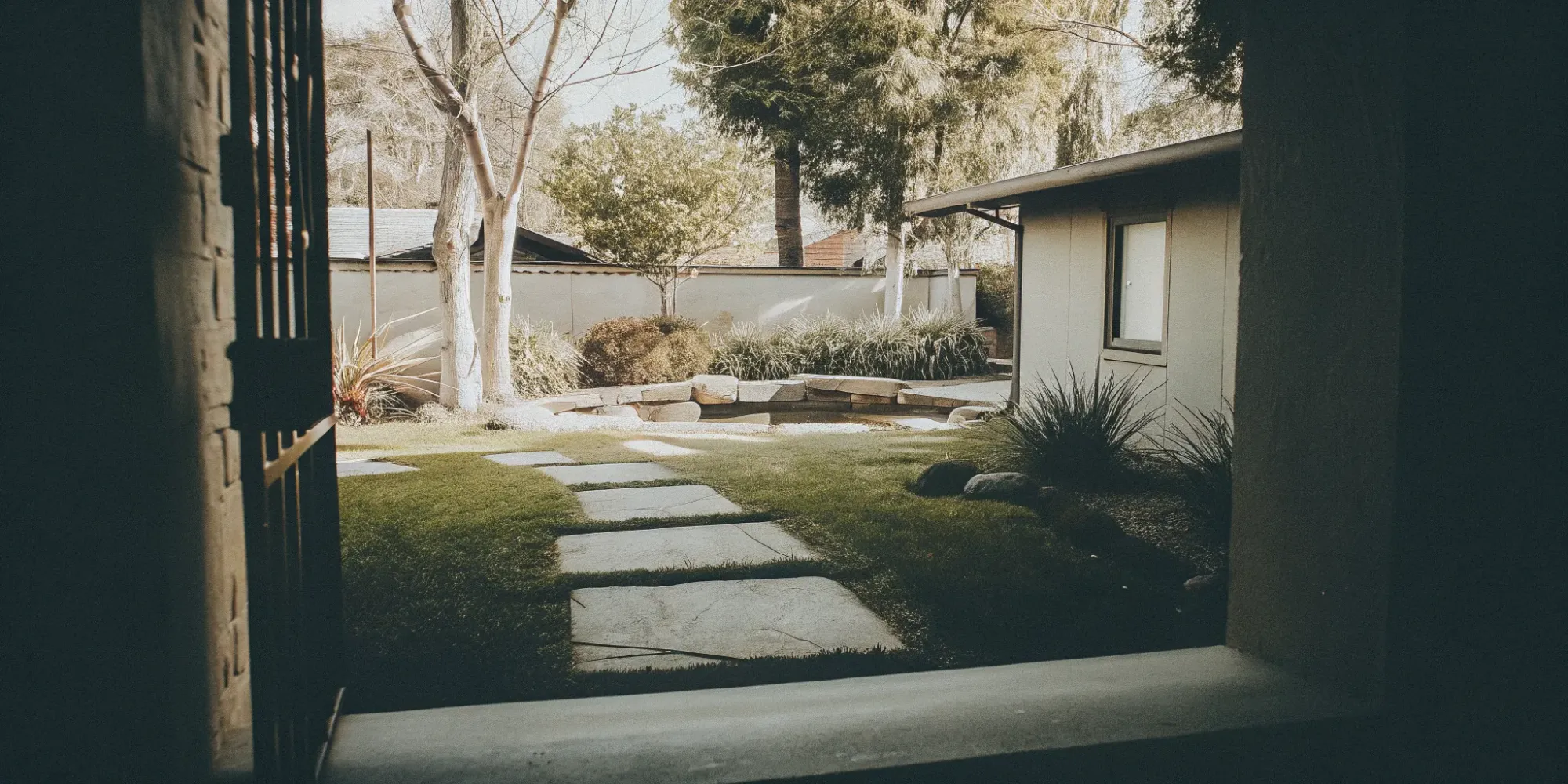
If you're a California homeowner, you know the stress of finding affordable insurance. With wildfire risk on the rise, insurers are looking for reasons to say yes. This is where you can take control. Creating and maintaining defensible space around your home is one of the best ways to protect your property and prove its insurability. But what does a well-prepared property actually look like to an underwriter? We’ll show you the key elements they look for, with effective defensible space examples in California that go beyond the basic requirements.
CTA ButtonKey Takeaways
- Prioritize the five feet closest to your home: This is your most vulnerable area, where a single ember can ignite a fire. The goal is to create a non-combustible zone by removing flammable mulch, dead leaves, and overgrown plants, giving embers nothing to burn.
- Treat defensible space as ongoing maintenance: Creating a safe buffer is not a one-and-done project. Regularly clear fallen leaves, prune trees to remove "fuel ladders," and manage plant growth to ensure your property stays prepared year-round.
- Tailor your plan to your local environment: A fire-safe strategy for a forest home is different from one in the chaparral. Use local resources like your fire department and CAL FIRE to understand your specific risks and create a more effective defense.
Why California Law Requires Defensible Space Around Your Home
Think of defensible space as a buffer zone you create between your home and the surrounding wildland. It’s a managed area of your property where you’ve cleared away potential wildfire fuel, like dead leaves, dry grass, and overgrown shrubs. This space is your home’s first line of defense, designed to slow or even stop a wildfire from reaching your doorstep. But it serves another critical purpose: it gives firefighters the room they need to safely and effectively defend your property if a fire approaches.
Living in California means accepting that wildfire is a natural part of the landscape. Because of this constant threat, creating and maintaining this buffer isn’t just a smart idea—it’s the law. The state has established clear requirements for homeowners in high-risk areas to ensure properties are prepared. Understanding these rules is the first step toward protecting your home, your family, and the firefighters who work to keep your community safe. It’s a shared responsibility that helps create more fire-resilient neighborhoods for everyone.
Why Wildfire Risk is a Year-Round Concern in California
When you picture a wildfire, you might imagine a massive wall of flames. While that’s part of the story, the biggest threat to most homes comes from something much smaller: embers. During major wind-driven events, these tiny, burning pieces of debris can travel a mile or more ahead of the fire front. These wind-blown embers are the primary cause of home ignitions. They land in gutters, on decks, and in flammable landscaping right next to your house, finding fuel to spark a new fire.
This is why defensible space is so crucial. It’s not about creating a barren, fire-proof shield. It’s about removing the fuel that these embers need to ignite. By managing the vegetation and materials near your home, you create an environment where embers are more likely to land on something that won’t burn.
Understanding the Threat: Embers and Fire Behavior
When you think of a wildfire, you probably picture a giant wall of flames. But the reality is that the biggest threat to your home is often more subtle and far-reaching: the ember storm that precedes the fire itself. Driven by strong winds, thousands of tiny, burning embers can travel for miles, showering down on your neighborhood long before the main fire arrives. These embers are relentless, searching for any flammable material to ignite—a pile of dry leaves in your gutter, a doormat on your porch, or a woodpile stacked against the house. According to the National Fire Protection Association, most homes are destroyed by these small sparks, not by direct contact with the primary blaze. This is why your immediate surroundings are so critical; they determine whether a stray ember fizzles out or becomes the spark that ignites your home.
What Does California's Defensible Space Law Actually Say?
In California, the law is straightforward: property owners in designated fire hazard zones are required to maintain 100 feet of defensible space around their homes and structures. This 100-foot area isn’t a one-size-fits-all zone; it’s broken down into different sections, each with its own set of rules designed to systematically reduce wildfire fuel.
The state provides a clear framework to help you create defensible space by dividing the 100-foot perimeter into three distinct zones. Zone 0 is the most critical, covering the first 5 feet from your home. Zone 1 extends from 5 to 30 feet, and Zone 2 covers the remaining area from 30 to 100 feet. Each zone has specific guidelines for clearing vegetation, spacing trees, and choosing landscaping materials to reduce your home’s vulnerability.
Clarifying the Rules: Zone 0 vs. Zones 1 and 2
It’s helpful to separate the defensible space zones into two categories: what’s legally required and what’s highly recommended for maximum safety. While California law mandates the 100-foot clearance covering Zones 1 and 2, fire officials stress that Zone 0 is the most critical area for preventing home ignition. This is the five-foot, non-combustible area directly surrounding your home, where the goal is to give wind-blown embers nothing to burn. This means clearing away flammable mulch, dead leaves, and firewood. Further out, Zone 1 (5 to 30 feet) is the “lean, clean, and green” space, and Zone 2 (30 to 100 feet) is where you reduce fuel by spacing out trees and mowing grass. Think of it this way: Zones 1 and 2 slow an approaching ground fire, but creating an ember-resistant Zone 0 is what truly protects your house from the biggest threat.
How to Create the 3 Defensible Space Zones Around Your Home
Creating defensible space can feel like a huge project, but California law breaks it down into three manageable zones that extend 100 feet out from your home. Think of it as creating concentric circles of safety around your property. Each zone has a specific job, from preventing embers from catching fire right next to your house to slowing a wildfire’s overall progress.
This three-zone system isn't just a suggestion; it's a legal requirement designed to give your home a fighting chance and provide a safer environment for firefighters to work. By focusing on one zone at a time, you can methodically reduce your property’s risk. The goal is to interrupt a fire’s path by removing the fuel it needs to spread. Let’s walk through what you need to do in each zone.
Zone 0 (0-5 Feet): Your Home's First Line of Defense
This is your home’s most vulnerable area, where a single stray ember can ignite a fire. The goal in this five-foot perimeter is to create a non-combustible space. Start by removing all dead plants, weeds, and dry leaves from your roof, gutters, and under your deck. This is also the place for hardscaping—think gravel, pavers, or concrete paths instead of flammable bark or mulch.
Any furniture, planters, or storage bins in this zone should be made of non-flammable materials. It’s also smart to move firewood piles, garbage cans, and vehicles outside of this critical area. According to CAL FIRE’s guidelines, keeping this zone clear is essential to stopping embers from igniting your home.
Removing Flammable Items from the Immediate Zone
Look closely at everything within five feet of your home’s foundation. This isn’t just about clearing plants; it’s about removing any object that could catch fire. Common culprits include stacked firewood, flammable patio furniture, wicker planters, and even natural fiber doormats. These items act as kindling, giving wind-blown embers the perfect fuel to ignite right next to your siding or under your eaves. Relocate firewood piles to Zone 2 (at least 30 feet away from your house), move propane tanks for your grill away from the structure, and store garbage and recycling bins outside this critical area. When choosing decor or furniture for this zone, always opt for non-combustible materials like metal, stone, or concrete to ensure your immediate perimeter remains a true non-flammable buffer.
Zone 1 (5-30 Feet): Reducing Flammable Vegetation
Think of this zone as a buffer. Your job here is to create space and remove anything that could act as a ladder for flames to climb. Start by clearing out all dead plants, dry grass, and weeds. If you have trees, trim them so the lowest branches are at least six feet off the ground.
It’s also important to create horizontal space. Make sure individual trees and shrubs are well-spaced to prevent fire from jumping from one to the next. You can find helpful visuals and tips to prepare for wildfire that show how proper spacing can slow a fire’s spread. This is where you can have well-irrigated, carefully maintained landscaping, but the key is keeping it lean and clean.
Managing Plants and Trees Near Windows
Windows are one of your home’s most vulnerable points during a wildfire. The intense radiant heat can cause glass to shatter, creating an easy entry point for embers. Because of this, it’s critical to pay special attention to the landscaping directly underneath and around them. Avoid planting large, dense shrubs or trees in these areas, as they can act as a direct fuse to this weak spot. The goal is to create a non-combustible space, especially within the first five feet of your home. Keep these areas lean and clean by regularly removing any buildup of dead leaves or dry debris. If you have trees nearby, ensure their branches are trimmed well away from the house and roof, removing a potential "ladder" for flames to climb toward your windows and eaves.
Zone 2 (30-100 Feet): Slowing the Spread of Wildfire
In this outer ring, your focus shifts from elimination to reduction. The goal is to decrease a fire’s energy and slow its approach. You don’t need to clear the land completely, but you do need to manage the vegetation. Mow any annual grass down to a maximum height of four inches. Remove fallen leaves, pine needles, and small branches from the ground, though a thin layer up to three inches deep is acceptable.
Create space between your trees and shrubs, both vertically and horizontally, to break up continuous fuel sources. If you have a wood pile in this zone, make sure it has at least 10 feet of clearance around it, right down to the bare mineral soil.
Clearing Debris and Securing Wood Piles
Think of defensible space as ongoing yard maintenance with a life-saving purpose. It’s not a project you complete once and forget about. Throughout the year, you’ll need to regularly clear away flammable debris that accumulates naturally. This means raking up fallen leaves, pine needles, and twigs, especially in Zone 0 and Zone 1. Pay close attention to areas where debris gets trapped, like under decks and against fences. If you have a wood pile, it needs to be located at least 30 feet from your home, preferably in Zone 2. It’s also critical to create defensible space by clearing a 10-foot radius around the pile down to bare mineral soil to prevent it from becoming a major fuel source.
Key Spacing Rules for Plants and Trees
One of the most important concepts in defensible space is breaking up the continuity of fuel. When trees and shrubs are planted too close together, they create a direct path for fire to travel across your property and right to your home. The goal is to create strategic gaps that force the fire to slow down and lose intensity. This applies to both the distance between individual plants (horizontal spacing) and the distance between the ground and the lowest tree branches (vertical spacing). Getting this spacing right is fundamental to an effective wildfire defense strategy. Keeping track of all these different rules for spacing and clearance can feel complex, but understanding them is the key to protecting your home.
Horizontal Spacing Based on Slope
Fire moves much faster uphill than it does on flat ground. The heat from the flames preheats the vegetation ahead of it, making it ignite more quickly. Because of this, the horizontal spacing required between plants changes depending on the steepness of your property. On a gentle slope, you might only need to double the space between shrubs and trees. However, on very steep slopes, the required distance can be six times greater than on flat ground. The basic rule is simple: the steeper the slope, the more space you need to maintain defensible space and prevent a fire from racing up the hill toward your home.
Vertical Spacing to Prevent Fuel Ladders
A "fuel ladder" is exactly what it sounds like: a pathway for a ground fire to climb up into the tree canopy. This happens when low-lying shrubs or tall grasses grow directly beneath trees, allowing flames to move vertically. A fire in the treetops, known as a crown fire, is far more intense and difficult to control. To eliminate this threat, you need to create vertical space. The standard guideline is to trim the lowest tree branches so they are at least six feet from the ground. According to the Colorado State Forest Service, this simple step can effectively break the fuel ladder and keep a ground fire from escalating.
Special Considerations for Common Yard Items
Defensible space isn’t just about managing your landscaping; it’s about looking at everything on your property as a potential fuel source. Common items like propane tanks, sheds, and even the area around your chimney require specific attention to ensure they don’t create a fire hazard. These elements can be particularly vulnerable to embers or direct flames and can contribute significantly to a home’s ignition risk if they aren’t properly managed. Taking the time to secure these items is a critical part of creating a truly comprehensive and effective defense plan for your home.
Propane Tanks and Outbuildings
Propane tanks and outbuildings like sheds or workshops present unique risks. A propane tank exposed to intense heat can explode, while a shed can act as a large source of fuel right next to your home. For this reason, CAL FIRE requires a minimum of 10 feet of clearance around both. This isn’t just about trimming grass; the area should be cleared down to bare mineral soil. You should also avoid planting flammable vegetation within an additional 10 feet of that clearance zone. This creates a robust buffer that reduces the chance of these items igniting from a wildfire.
Chimneys and Stovepipes
The area where your chimney or stovepipe exits your roof is a prime spot for embers to land and ignite debris. It’s also a place where sparks from your own fireplace can escape. To minimize this risk, you need to ensure no tree branches are hanging over or near your chimney. The official recommendation is to trim any branches so they are at least 10 feet away from the chimney outlet. It’s also a good practice to install a spark arrestor—a metal screen that covers the top of the chimney—to stop hot embers from escaping and landing on your roof or in your yard.
Beyond Landscaping: Hardening Your Home Against Embers
While creating defensible space is your first priority, it’s only half the battle. The real danger during most wildfires comes from embers—tiny, glowing pieces of debris that can travel a mile or more on the wind. These embers are responsible for igniting the majority of homes lost to wildfire. They find their way into tiny crevices, land on flammable materials, and start new fires far from the main blaze. This is where home hardening comes in. It’s the process of modifying the most vulnerable parts of your house to make it more resistant to ignition from embers. Think of it as giving your home a suit of armor to complement the clear space you’ve created around it.
Strengthen Your Roof, Vents, and Eaves
Your roof is the single most vulnerable surface on your home, acting as a large landing pad for embers. If you have an older wood-shake roof, replacing it is the most effective hardening measure you can take. Opt for Class A fire-rated roofing materials like asphalt shingles, metal, or tile. Just as important is keeping your gutters free of pine needles and leaves, which provide perfect kindling. Embers can also easily enter your home through vents. To prevent this, cover all attic, foundation, and eave vents with 1/8-inch metal mesh screening. This simple fix blocks embers from getting into your attic or crawlspace while still allowing for necessary airflow.
Secure Windows, Siding, and Gutters
The intense heat from a wildfire can cause single-pane windows to shatter, giving embers a direct path into your home. Upgrading to multi-pane or tempered glass windows provides a much stronger barrier against heat. Your home’s siding is another critical area. Flammable wood siding can easily ignite if embers pile up against it. Consider replacing it with non-combustible materials like fiber cement, stucco, or brick. At a minimum, ensure the bottom six inches of your siding is clear of any flammable materials, including mulch and plants, creating a clean, non-combustible edge around your entire home as part of your Zone 0 maintenance.
Choose Fire-Resistant Fencing
A wooden fence connected to your house can act like a fuse, carrying fire directly to your walls. This is a common and often overlooked vulnerability. If your fence attaches to your home, the best practice is to replace the five feet of fencing closest to the structure with a non-combustible material. A metal gate or a section of masonry can create a critical firebreak that stops a fire in its tracks. When it’s time to replace your entire fence, choose materials that resist fire, such as metal, vinyl, or stone. This simple change can prevent a small ground fire from turning into a structural fire, protecting your biggest investment.
How to Adapt Defensible Space for Your Climate
California’s landscapes are incredibly diverse, from coastal bluffs and dense mountain forests to dry chaparral. Because of this, a one-size-fits-all approach to defensible space just doesn’t work. What keeps a home safe in the Sierra Nevada might not be the best strategy for a property in San Diego County.
Smart defensible space is all about adapting to your specific environment. It means choosing the right plants, understanding the local fire behavior, and tailoring your maintenance plan to your property’s unique needs. Let’s look at what effective defensible space looks like in a few of California’s distinct regions.
For Coastal Homes: Using Fire-Resistant Native Plants
If you live near the coast, your landscaping can be both beautiful and fire-safe. The key is to work with your local environment, not against it. Using native plants is a fantastic strategy because they are already adapted to the climate, often require less water, and can be more resilient to local fire conditions. When you create defensible space, think about incorporating species like California lilac, sage, or yarrow. These plants can help slow the spread of fire when properly spaced and maintained. By choosing local flora, you’re creating a landscape that supports the native ecosystem while building a stronger defense for your home.
For Mountain Homes: Managing Dense Forest Areas
Living in a forested mountain community means being proactive about managing the vegetation around your home. The goal is to break up the continuous path a fire could take. This involves regularly clearing away dead trees, fallen branches, and dry leaves from your property. It’s also crucial to create space between trees and prune the lower branches to prevent a ground fire from climbing into the canopy. This careful maintenance creates a vital buffer around your home and reduces potential fuel for fire, which can significantly lower the intensity of an approaching wildfire and give firefighters a better chance to defend your property.
Desert & Chaparral: Smart Landscaping Choices
In the dry, chaparral-covered hills of Southern California, defensible space is all about spacing and smart plant choices. The vegetation here is naturally oily and flammable, so creating fuel breaks is essential. You can do this by clearing out dead wood and properly spacing out native shrubs. Consider using hardscaping like gravel walkways, rock gardens, or stone retaining walls to create non-flammable zones. When it comes to planting, selecting fire-resistant plants that are adapted to dry conditions, like succulents or agave, is a wise move. These landscaping choices help create a barrier that can stop embers and absorb heat.
When Your Backyard Meets the Wildlands
Properties located where suburbs meet wild, undeveloped land face a unique set of risks. These urban-wildland interface areas require a diligent approach to defensible space, particularly within the first 30 feet of your home. This is where you need to be most aggressive with your vegetation management. Think lean, clean, and green. This means removing all dead plants, using irrigated and well-maintained landscaping, and keeping flammable items like woodpiles or outdoor furniture far away from the house itself. Because fire doesn’t respect property lines, working with your neighbors to create a community-wide defense can make everyone safer.
Are You Making These Defensible Space Mistakes?
Creating defensible space is one of the most powerful steps you can take to protect your home, but it’s easy to get a few things wrong. It’s not just about clearing brush; it’s about creating a thoughtful, well-maintained buffer that gives your property the best possible chance of survival. Understanding the common missteps can help you fine-tune your approach and ensure your hard work truly pays off. Let’s walk through some of the most frequent mistakes homeowners make so you can avoid them.
Mistake #1: It's a Buffer, Not a Forcefield
It’s tempting to think of defensible space as an invisible wall that will stop a wildfire in its tracks. The reality is a bit more complex. A well-managed defensible space is designed to slow a fire’s spread and reduce its intensity, giving firefighters a safer area to work and defend your home. As fire safety experts point out, "A defensible space reduces the risk of wildfire to your home, but it doesn’t completely eliminate it." Think of it less as a fireproof shield and more as a critical part of a larger wildfire preparedness plan that includes home hardening and an evacuation strategy.
Mistake #2: Believing Sprinklers Are Enough
Sprinklers can help wet down your roof and the immediate area around your home, but they are not a substitute for proper vegetation management. The biggest threat to most homes during a wildfire isn't the main wall of flame, but the storm of burning embers that can travel a mile or more ahead of it. These embers can easily land in flammable mulch, dead leaves, or overgrown shrubs right next to your house. According to the California Chaparral Institute, creating an ember-resistant zone by clearing out dead wood and properly spacing plants is the most effective way to protect your home from ignition.
Mistake #3: Using the Wrong Materials Near Your Home
That beautiful, dark brown bark mulch might look great in your flower beds, but it can act like kindling when embers land on it. Many common mulches, like shredded wood, bark, and pine needles, are highly combustible. Within the first five feet of your home (Zone 0), it's crucial to use non-flammable materials. You can easily replace combustible mulch with safer alternatives like gravel, pavers, or concrete. This simple swap dramatically reduces the chance of embers igniting something right next to your foundation, siding, or vents, where a fire could quickly enter your home.
Mistake #4: Skipping Regular Maintenance
Defensible space isn't just about what you remove; it's also about how you manage what stays. A common mistake is leaving trees and shrubs too close together, creating a continuous path for fire. You need to create a buffer by spacing out plants and trees. It’s also important to prune tree limbs so the lowest branches are 6 to 10 feet off the ground. This prevents a small ground fire from climbing up into the tree canopy, a phenomenon known as a "fuel ladder." As CAL FIRE advises, regularly clearing dead vegetation and creating space between trees reduces the fuel available to a fire.
Mistake #5: Thinking It's a One-Time Job
You spent a weekend clearing your property, and it looks great. Job done, right? Not quite. Defensible space requires ongoing attention. Grasses grow back, trees drop leaves and needles, and shrubs become overgrown. It’s a living landscape that changes with the seasons. To be effective, your defensible space needs to be maintained throughout the year. Instead of thinking of it as a single project, build it into your regular home and yard maintenance routine. As Ready for Wildfire explains, "defensible space is not a one-time effort; it requires ongoing maintenance to ensure its effectiveness."
Preparing Your Family for a Wildfire Evacuation
While creating defensible space is a powerful way to protect your house, your family’s safety is always the top priority. When an evacuation order is issued, you may only have minutes to leave. In that high-stress moment, having a clear, practiced plan is the best tool you have to ensure everyone gets out safely. Thinking through the logistics ahead of time—from what to pack to where you’ll meet—removes the guesswork and helps you act decisively when it matters most. A well-prepared property is only half the equation; a well-prepared family is what truly brings peace of mind.
Build Your Family Disaster Plan
A good disaster plan answers the big questions before a crisis hits. Establish multiple evacuation routes from your neighborhood and designate two meeting spots: one nearby and another farther away. Since cell service can be unreliable, create a communication plan with an out-of-state contact everyone can call to check in. Write this information down and put a copy in each person’s emergency kit. Most importantly, practice your plan together so it feels automatic if you ever need to use it.
Assemble an Emergency Kit
Your "go bag" should contain what you need to be self-sufficient for three days. Pack a kit for each family member, including pets, and keep them somewhere you can grab them quickly. The California Department of Forestry and Fire Protection recommends including non-perishable food, a gallon of water per person per day, a flashlight, extra batteries, and a first-aid kit. Also add copies of important documents, necessary medications, and some cash. Having these kits ready lets you focus on getting out the door instead of scrambling for supplies.
Know the 5 Ps of Evacuation
When it’s time to go, it’s easy to forget something important. The "5 Ps" provide a simple mental checklist to run through before you leave. First are **People and Pets**, making sure everyone is accounted for. Next, gather all **Prescriptions** and medical supplies. Third, grab your important **Papers**, like identification and insurance documents. Fourth are **Personal Needs**, such as glasses and chargers. Finally, take **Photos** and irreplaceable mementos. This framework helps you quickly gather the essentials so you have what you need after evacuating.
Where to Get Help Creating Your Defensible Space
Creating and maintaining defensible space can feel like a big project, but you don’t have to figure it all out on your own. Plenty of resources are available to guide you, from state-level experts to your own neighbors. Whether you need advice on plant selection, clarification on local ordinances, or even financial assistance, help is closer than you think. Tapping into these resources can make the process smoother and ensure your efforts are as effective as possible.
Start with CAL FIRE's Official Guidance
When you need a reliable starting point, CAL FIRE is your best resource. They set the statewide standards for wildfire safety and provide clear, detailed information on how to protect your property. Their guidance explains that defensible space is crucial for your home’s safety and is divided into specific zones, each with its own set of rules to reduce wildfire risk. Think of their website as your foundational textbook—it’s where you’ll learn the core principles that apply to everyone in California. It’s the perfect place to get familiar with the requirements before you start planning your project.
Talk to Your Local Fire Department
While CAL FIRE provides the big picture, your local fire department offers the specific details you need for your neighborhood. They have firsthand knowledge of your area’s unique fire risks, from the local topography to the most common types of vegetation. It’s always a good idea to check with your local fire department for specific rules in your county, as they may have stricter requirements than the state. A quick call or visit can provide tailored advice that makes your defensible space plan much more effective and ensures you’re meeting all local codes.
Look for Local Programs and Grants
The cost of clearing vegetation and making home improvements can add up, but financial assistance may be available to help. Many communities have programs designed to ease the financial burden on homeowners. For example, Placer County has expanded access to defensible space funds for residents in certain areas. Check with your county’s Fire Safe Council or Office of Emergency Services to see if you qualify for grants, rebates, or free chipping services. These programs are designed to help everyone do their part in creating a more fire-resilient community.
Use Online Tools to Map Your Property
Sometimes, the hardest part is knowing where to begin. Digital tools can help you see your property through the eyes of a fire safety expert and turn vague guidelines into a concrete to-do list. There are online assessment tools available that help you evaluate how prepared your property is for a wildfire and create a personalized action plan tailored to your home’s specific needs. These platforms can give you a clear, objective score and a prioritized list of tasks, taking the guesswork out of creating a safe and effective defensible space.
Related Articles
- Your Guide to the CAL FIRE Defensible Space Map
- Home Hardening Against Wildfires: A Complete Guide
- A Guide to Homeowners Insurance in CA High Risk Fire Areas
- What Is a Defensible Space Inspection? A Guide
- 5 Home Hardening Techniques & Their Real Costs
Frequently Asked Questions
Do I have to clear-cut my entire property to be safe? Not at all. The goal isn't to create a barren, empty lot. It’s about smart and strategic management. Effective defensible space involves creating separation between trees and shrubs, removing dead or dying vegetation, and choosing fire-resistant plants. A well-designed, fire-wise landscape can be beautiful and full of life while still providing a powerful buffer against wildfire.
What's the most critical area to focus on if I'm just getting started? Start with the five feet closest to your home. This area, often called Zone 0, is where a stray ember can do the most damage. Focus on removing anything combustible here. Swap out bark mulch for gravel or pavers, clear leaves from under your deck, and move firewood piles and flammable patio furniture away from the house. Securing this small but vital zone is the most impactful first step you can take.
How often should I be maintaining my defensible space? Think of it less as a single, massive project and more as part of your regular home and yard maintenance routine. Defensible space requires year-round attention because your landscape is always changing. You'll need to manage grass growth in the spring, clear fallen leaves and needles in the fall, and regularly prune trees and shrubs to keep them from becoming overgrown. Consistent effort is what keeps your property prepared.
What if my property line is less than 100 feet from my house? The legal requirement is to maintain defensible space up to your property line. Do the best you can with the space you have control over. This is also a perfect opportunity to connect with your neighbors. Wildfire doesn’t stop at property lines, so working together to create a continuous, well-maintained buffer across multiple properties makes everyone in the neighborhood much safer.
Will creating defensible space actually help with my homeowners insurance? Yes, it can make a significant difference. As wildfire risk increases, insurance carriers are paying close attention to how homeowners manage their properties. A well-maintained defensible space is a clear signal that you are actively reducing your home's vulnerability. This can improve your ability to get or keep your insurance policy and may even influence your premiums in some cases.


