News
Defensible Space 101: A Step-by-Step Guide
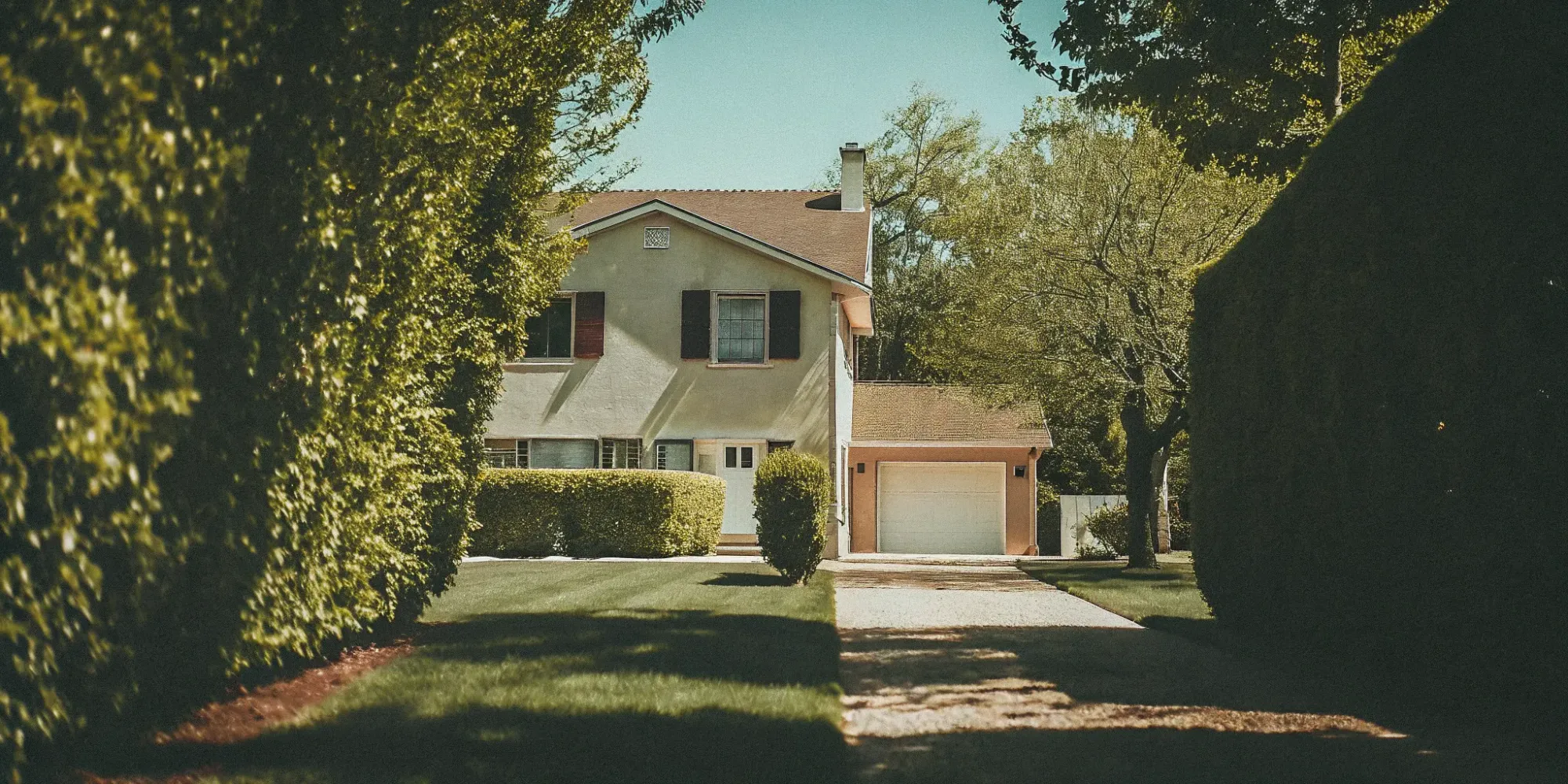
A non-renewal notice from your insurance company can be just as jarring as a wildfire warning, especially if you live in a high-risk area. As insurers tighten their standards, proving you’re a responsible homeowner is non-negotiable. Your most powerful tool? A well-planned defensible space. This isn't just weekend yard work. It's a clear, visible signal to insurance providers that you are actively lowering your property's risk. Creating this buffer around your home can be the key to keeping your coverage and protecting your financial future. We'll show you exactly how to create a space that safeguards both your home and your policy.
CTA ButtonKey Takeaways
- Protect your home from embers, not just flames. The biggest threat often comes from tiny, wind-blown embers that find fuel near your foundation. Clearing away flammable debris and hardening your home is essential for both physical safety and maintaining your insurance policy.
- Start with the 5-foot zone around your house. Your most critical line of defense is the area immediately touching your home. Create a non-combustible barrier by swapping wood mulch for gravel and keeping this space completely clear of leaves, firewood, and other flammable items.
- Treat defensible space as a year-round routine. This isn't a one-time project; it requires consistent upkeep. By breaking down tasks by season—like clearing gutters in the fall and trimming new growth in the spring—you can keep the work manageable and your home prepared.
What is Defensible Space and Why Do You Need It?
If you live in an area prone to wildfires, you’ve probably heard the term “defensible space.” But what does it actually mean? Think of it as a buffer zone you create between your home and the surrounding grass, trees, and wildland. This isn't about clear-cutting your entire property; it's about smart, strategic landscaping that reduces flammable materials around your house.
Creating this space does two critical things. First, it helps slow or stop the spread of wildfire, giving your home a fighting chance of survival. Second, it provides a safer area for firefighters to work in if they need to defend your home. When you manage the vegetation and materials around your property, you’re not just protecting your house—you’re creating a safer environment for everyone. It’s one of the most effective steps you can take to prepare for wildfire.
Give Your Home a Fighting Chance Against Wildfire
Defensible space is essentially the managed area around your home that helps it withstand a wildfire. According to the Oregon State Fire Marshal, it’s about managing the vegetation to reduce the wildfire threat. By clearing away dead plants, creating separation between trees, and choosing fire-resistant landscaping, you build a protective barrier. This buffer can starve an approaching fire of the fuel it needs to reach your house. It also gives firefighters the room and safety they need to operate, making it more likely they can save your property if a fire breaks out in your area.
Understanding the Fuel Ladder
Wildfires don't just sweep across the ground; they climb. This vertical movement is often described as the "fuel ladder." Think of it as a fire climbing from low-growing fuels like dry grass and weeds to taller shrubs, and then into the branches of trees. Once a fire reaches the tree canopy, it can spread much faster and become far more destructive. Your job is to remove the rungs of this ladder. You can do this by trimming low-hanging tree branches and creating separation between different layers of vegetation. As a rule of thumb, fire safety experts at CAL FIRE recommend that the space between a shrub and the lowest tree branch above it should be at least three times the height of the shrub.
Why Firefighters Need Defensible Space to Help
When fire crews arrive at your property, they have to make a split-second decision: can they safely defend your home? If your house is surrounded by overgrown vegetation, it creates an incredibly dangerous environment for them to work in. Defensible space is your way of giving them a safe zone to operate. This cleared area not only slows the fire's approach but also reduces its intensity, giving firefighters a fighting chance to protect your property. A well-maintained buffer is a clear signal that you’ve done your part, making it possible—and safer—for them to do their job. Essentially, this space gives firefighters the room they need to make a stand.
Stop Wind-Blown Embers Before They Start a Fire
Many people picture a giant wall of flames when they think of wildfire, but the biggest threat to most homes comes from something much smaller: embers. These tiny, burning pieces of debris can travel a mile or more ahead of a fire, landing on roofs, in gutters, or next to your foundation. The Living with Fire program notes that most homes are lost when these embers find something easy to ignite, like a pile of dry leaves or a woodpile stacked against the house. A well-maintained defensible space removes these flammable landing spots, making it much harder for embers to find fuel and ignite your home.
Prevent a House Fire From Spreading to Wildlands
We often think about protecting our homes from an approaching wildfire, but the risk runs both ways. A fire starting at your house—from a stray spark from a grill or faulty wiring—can just as easily spread to the surrounding wildlands. This is where your defensible space plays a crucial, two-way role. The same buffer that shields your home from a wildfire also works to contain a fire that starts on your property. By clearing away flammable materials and creating a clean break between your house and nearby vegetation, you remove the fuel a house fire needs to escape. As CAL FIRE explains, this buffer can slow or even stop a fire's progress, giving firefighters a critical window to contain it before it endangers the entire community.
Can a Clean Yard Help Your Home Insurance?
Beyond protecting your property from flames, creating a defensible space is also a smart financial move. As wildfires become more common, insurance companies are paying close attention to the steps homeowners take to reduce their risk. Having a well-maintained defensible space can significantly improve your fire insurance eligibility and may even lead to lower premiums. Insurers see this proactive work as a sign that you are a responsible property owner, which can make you a more attractive client. It’s a clear investment in both the physical safety of your home and your long-term financial security.
A Guide to the 3 Defensible Space Zones
Creating a fire-safe property might sound like a huge project, but fire safety experts have broken it down into three manageable zones around your home. Think of it as creating protective rings, with the most critical work happening closest to your house. Each zone has a specific job, from preventing embers from catching fire to slowing down an approaching flame. By focusing on one zone at a time, you can systematically reduce your property's risk. These zones are the foundation of a solid wildfire defense plan and are based on official guidelines for defensible space that have been proven to protect homes. Let's walk through what you need to do in each area.
Understanding the 100-Foot Boundary Rule
Creating a defensible space around your home isn’t just a good idea; it’s often a requirement in wildfire-prone areas. Most fire experts recommend establishing a defensible space that extends at least 100 feet in all directions from your home. This distance is critical for two main reasons. First, as the Oregon State Fire Marshal explains, this buffer helps slow or stop the spread of wildfire, giving your home a fighting chance of survival. It works by reducing the amount of flammable material that could fuel a fire heading toward your property.
Second, the 100-foot boundary provides a safer area for firefighters to operate. When emergency responders arrive, they need a secure space to work in while they defend your home. A well-maintained zone gives them the room they need to be effective without being overwhelmed by flames. By following the 100-foot rule, you’re not only protecting your property but also showing insurance providers that you’re taking proactive steps to mitigate fire risks. This kind of home hardening can be a huge factor in maintaining your coverage and keeping your home safe.
Zone 0 (0-5 ft): Create an Ember-Free Area
This is the area immediately surrounding your home, and it's the most important. Your goal here is to create a space where flying embers have nothing to ignite. Start by removing anything flammable. Swap out wood mulch for non-combustible options like gravel, pavers, or concrete. Make it a regular habit to clear leaves, pine needles, and other debris from your roof and gutters. You’ll also want to trim any tree branches that are within 10 feet of your chimney. Move firewood piles, garbage cans, and outdoor furniture away from the house and into Zone 2. This small, five-foot perimeter is your home’s last line of defense, and keeping it completely clear of fuel can make all the difference.
Remove Flammable Items from Patios and Decks
Your deck or patio should be a place to relax, not a collection of kindling for stray embers. Take a careful look at everything sitting within that five-foot zone. Wicker furniture, coir doormats, bamboo shades, and even the broom you use to sweep the porch can all ignite easily. During a wildfire, embers can land on these surfaces and quickly start a fire right next to your home. The best practice is to remove all flammable items from this critical area. Consider swapping out wooden patio furniture for metal alternatives and storing cushions, umbrellas, and dried plants away from the house, especially during peak fire season. This simple cleanup drastically reduces the chances of an ember finding a place to land and grow.
Replace Flammable Fencing and Gates
A wooden fence connected directly to your house can act like a fuse, guiding flames straight to your exterior walls. If you have a wood or vinyl fence, it’s crucial to create a break before it reaches your home. You don’t necessarily need to replace the entire fence line. Instead, focus on the last five feet that attach to your house. By replacing this final section with a metal gate or a non-combustible material like stone or brick, you create a simple but effective firebreak. According to CAL FIRE, using materials that resist fire is a key strategy in protecting your home’s perimeter and stopping a ground fire from climbing up your walls.
Move Vehicles, RVs, and Boats
While we often focus on vegetation, other large items parked near the house pose a significant threat. Cars, RVs, boats, and even trailers contain fuel, rubber, and plastics that can burn with incredible intensity. If one of these ignites within five feet of your home, the radiant heat alone can be enough to shatter windows and set the structure on fire. It’s important to move garbage cans, recreational vehicles, and any other cars to at least 30 feet away from the house. This also applies to propane tanks for your grill; they should never be stored right next to the siding. Creating this distance ensures that if they do catch fire, they won’t take your home with them.
Zone 1 (5-30 ft): Keep It Lean, Clean, and Green
This zone acts as a buffer, designed to slow a fire’s spread and reduce its intensity. The key here is to get rid of dead vegetation and create space between plants. Clear out all dead grass, weeds, and fallen leaves. Prune trees so their lowest branches are 6 to 15 feet from the ground, which helps stop a ground fire from climbing into the canopy. It’s also important to create horizontal space between trees and shrubs. A good rule of thumb is to have at least 10 feet between individual trees. Make sure to clear away any flammable items stored under your deck or porch. Maintaining this zone isn't just a good idea—in many areas, it's required by law.
Keep Tree Branches Away From Your Roof and Windows
Pay close attention to your trees, especially any branches getting too close to the house. It's critical to ensure no branches touch or hang over your roof. Experts recommend keeping at least 10 feet of clearance between your home and any tree limbs, as this buffer prevents wind-blown embers from finding an easy ignition point on your roof or siding. While you're trimming, look down as well as up. Pruning the lowest branches of your trees so they are 6 to 15 feet from the ground helps stop a ground fire from climbing into the canopy. This also creates a safer environment for firefighters who may need to defend your home. Remember, maintaining this clear space isn't just a smart safety measure; in many communities, it's a legal requirement that shows your insurance provider you’re serious about reducing risk.
Zone 2 (30-100+ ft): Reduce Fuel for Approaching Flames
In this outer ring, your focus shifts from elimination to reduction. You don't need to clear everything, but you do want to interrupt a fire's path by reducing the amount of available fuel. Keep annual grasses cut to a maximum height of four inches. Remove clumps of dense vegetation and create space between shrubs and trees. You can leave a thin layer of fallen leaves and pine needles (up to three inches deep), as this helps with soil health, but remove any thicker patches. If you have outbuildings or propane tanks, ensure there is at least 10 feet of clearance around them down to bare mineral soil. This zone is all about creating a landscape where a wildfire loses momentum and is easier for firefighters to manage.
Follow Spacing Rules for Trees and Shrubs
Proper spacing is about breaking the path a fire wants to take. Wildfires can climb from low-lying brush into treetops, creating a "fuel ladder" that makes them much harder to fight. To prevent this, you need to create both vertical and horizontal separation. Start by pruning the lowest branches of your trees so they are between 6 and 15 feet from the ground. This simple step removes the lower rungs of the ladder. Next, focus on horizontal space. According to CAL FIRE guidelines, a good rule of thumb is to maintain at least 10 feet of space between the canopies of individual trees, which helps keep a fire from jumping from one treetop to the next.
Adjust Plant Spacing for Slopes
Fire moves much faster uphill, so if your property is on a slope, you need to be even more strategic with your plant spacing. The steeper the land, the more space you need between vegetation to keep flames from racing toward your home. For vertical spacing, the rule of trimming tree branches at least six feet from the ground still applies. For horizontal spacing on flat to mild slopes, you should leave a distance of at least two times the plant's height between shrubs and 10 feet between trees. As the slope increases, that distance needs to grow. Calculating the right spacing for your specific terrain can feel complicated, but it's a critical part of an effective defense plan.
Zone 3 (Beyond 100 ft): The Transition Zone
This area, which extends beyond the 100-foot mark, serves as a transition between your managed defensible space and the surrounding natural land. The goal here isn't to create a perfectly manicured landscape but to reduce the overall fuel load. Maintenance in this zone is less intensive, but it’s still an important part of your home's defense. You can think of it as a final buffer designed to slow a fire down before it even reaches your main defensible space zones. Thinning out dense patches of trees or shrubs and removing any large accumulations of dead wood can help disrupt a fire's path and reduce its intensity, giving firefighters a better chance to protect your property.
How to Create Your Defensible Space: A Step-by-Step Guide
Creating a defensible space is one of the most powerful things you can do to protect your home from a wildfire. It might feel like a big undertaking, but it’s really just a series of manageable steps. By focusing on your home and the area immediately surrounding it, you can dramatically reduce your risk. Think of it as creating a safety bubble around your property. Let’s walk through the process together, step by step, so you can feel confident that you’re making your home as safe as possible. These actions are your best defense, giving firefighters a chance to save your property if a wildfire approaches.
Step 1: Understand Your Property's Wildfire Risk
Before you start clearing brush or trimming trees, take a moment to understand your property’s specific vulnerabilities. Every home and landscape is different, so a one-size-fits-all approach won’t cut it. Walk your property and look at it with fresh eyes. Where is the vegetation densest? How close are trees to your home? What is your roof made of? Answering these questions is the first step. If you’re feeling unsure about what to look for or how to prioritize, consider getting a professional wildfire risk assessment. This can provide a clear, tailored roadmap for protecting your home.
Customize Your Plan Based on Your Property
Your property has its own unique set of characteristics, and your defensible space plan should reflect that. Factors like the slope of your land, the types of native plants, and the typical wind patterns in your area all play a role in how a wildfire might behave. A home on a steep, chaparral-covered hillside requires a more aggressive approach to fuel reduction than a house on a flat lot with sparse vegetation. The goal isn't to clear-cut your land but to make smart, strategic choices based on your specific environment. Taking the time to analyze your property helps you focus your efforts where they will have the greatest impact, ensuring your work is both effective and efficient.
If you're not sure where to begin, a detailed assessment can give you a clear starting point. Tools like our Defensible Space Score platform are designed to do just that. We analyze your property’s unique features and provide a personalized report with actionable recommendations. This takes the guesswork out of the process, giving you a prioritized checklist tailored to your home’s specific vulnerabilities. Instead of following generic advice, you get a clear roadmap that helps you create a truly effective defensible space, giving you confidence that you’re taking the right steps to protect your home and family.
Step 2: Clear Away Flammable Debris and Dead Vegetation
One of the simplest yet most effective tasks is to remove anything that could easily catch fire. Start with the area right next to your house and work your way out. Pay close attention to the spaces under your deck, balcony, and stairs, as these spots often collect flammable debris. Make it a regular habit to sweep away fallen leaves, pine needles, and dead twigs from your yard, roof, and gutters. These small bits of fuel can be easily ignited by flying embers. By keeping these areas clean, you’re removing the kindling that a wildfire looks for, making it much harder for flames to find a foothold on your property.
Step 3: Prune Trees and Space Out Plants
Wildfires can spread by climbing from the ground up into the trees, like a ladder. Your job is to remove the rungs of that "fuel ladder." You can do this by creating separation between different layers of vegetation. Trim tree branches so they are at least 10 feet away from other trees and remove any limbs that are within six feet of the ground. This prevents a fire on the ground from easily reaching the tree canopy. Creating this vertical and horizontal space disrupts the fire’s path, slowing it down and reducing its intensity. This simple landscaping strategy is a core part of creating an effective defensible space.
Step 4: Fortify Your Home Against Embers
During a wildfire, tiny, wind-blown embers are often the biggest threat. They can travel for miles and get into small openings, igniting your home from the inside out. To protect against this, you need to "harden" your home. This means ensuring all your building materials work together as a protective system. There are many wildfire myths about single "fire-resistant" products, but true protection comes from a holistic approach. A critical step is to cover all vents—like those in your attic, foundation, and under eaves—with a 1/8-inch metal mesh screen. This simple fix can prevent embers from getting inside while still allowing your home to breathe.
Step 5: Choose Fire-Resistant Landscaping
The plants you choose for your yard can either act as fuel for a fire or serve as a line of defense. This isn’t about giving up on a beautiful garden; it’s about making smart choices that add to your home's protection. Fire-resistant landscaping uses plants that are less likely to ignite and can help slow the spread of flames. By strategically placing these types of plants, you can create a landscape that is both attractive and a functional part of your defensible space. It’s a proactive step that turns your yard into an asset for wildfire preparedness, helping to keep your property safe when it matters most.
What Makes a Plant Fire-Resistant?
So, what should you look for when choosing plants? Fire-resistant plants typically have a few key traits in common. They hold a lot of moisture in their leaves, have a low oil or resin content, and don’t accumulate much dead, woody material. Think of plants that look lush and supple rather than dry and twiggy. Great examples include ground covers like Bugleweed, succulents like Sedum (stonecrops), and deciduous trees such as the California Redbud, which retains water well. These plants are less likely to catch fire from flying embers and can help slow a fire’s progress, giving you and firefighters more time to react.
Balance Fire Safety with Environmental Health
Creating a defensible space doesn't mean you have to strip your property bare. In fact, a thoughtful approach can protect your home while also supporting the local environment. If not done carefully, clearing vegetation can lead to problems like soil erosion or the destruction of natural habitats. The goal is to strike a balance. Opt for native, fire-resistant plants whenever possible, as they are already adapted to the local climate and support wildlife. This approach allows you to reduce your wildfire risk without sacrificing the ecological health of your land. It’s about managing your landscape responsibly, not just removing it.
Property-Wide Safety Measures to Consider
Secure All Structures on Your Property
When you think about defensible space, your house is probably the first thing that comes to mind. But a wildfire doesn’t distinguish between your home and your tool shed. It’s crucial to protect your property by creating a defensible space around every single building, including detached garages, barns, and storage sheds. Embers can easily ignite a vulnerable outbuilding, and that fire can quickly spread to your main house. Insurance inspectors also look at the entire property when assessing risk, so a well-maintained shed can be just as important as a clean roof. By extending your clearing and maintenance efforts to all structures, you create a more comprehensive defense system that reduces fuel sources across the board and shows you’re serious about wildfire preparedness.
Create a Safety Zone Around Propane Tanks and Sheds
Some items on your property require special attention because they pose a greater risk. Propane tanks, firewood piles, and sheds full of flammable materials can become major hazards during a wildfire. To mitigate this danger, you need to create a dedicated safety zone around them. According to CAL FIRE, it’s essential to maintain at least 10 feet of clearance around these items, right down to bare mineral soil. This means no grass, no weeds, and no flammable mulch within that perimeter. This non-combustible circle acts as a barrier, preventing a ground fire from reaching the tank or shed and stopping embers from finding easy fuel. It’s a simple but critical step in how to create defensible space that contains potential threats before they can escalate.
Ensure Clear Access for Firefighters
One of the most important aspects of a fire-safe property is something many people overlook: access. If firefighters can’t get their trucks and equipment to your home, their ability to defend it is severely limited. Your driveway and any access roads need to be wide and tall enough for large emergency vehicles to pass through safely. This means keeping the roadway clear of vegetation for at least 10 feet in width and ensuring there’s a vertical clearance of about 13.5 feet. Regularly trim back overhanging tree branches and encroaching shrubs along your driveway. Clear access is a core component of the defensible space that first responders need to work. By making it easy for them to reach you, you significantly increase your home’s chances of survival.
Are You Making These Defensible Space Mistakes?
Creating a defensible space is one of the most powerful steps you can take to protect your home. But like any important project, there are common pitfalls that can undermine your hard work. Knowing what these mistakes are ahead of time can save you time, money, and stress, ensuring your efforts truly make your property safer and more resilient. Let's walk through some of the most frequent missteps homeowners make so you can get it right the first time.
Mistake: Focusing Only on Clearing Brush
One of the biggest misconceptions about defensible space is that you need to clear-cut your entire property, leaving a barren, uninviting landscape. This isn't the case at all. The goal isn't total removal, but smart management. Effective tree and vegetation management is about creating strategic separation between flammable materials. It means pruning lower tree branches, removing dead plants, and choosing fire-resistant landscaping. You can absolutely maintain a beautiful, natural yard while also creating a powerful firebreak that protects your home. It’s about finding the right balance between aesthetics and safety.
Mistake: Assuming Your Insurance is a Sure Thing
In high-risk wildfire areas, having a homeowners insurance policy isn't always a given. Insurers are increasingly scrutinizing properties and may choose not to renew policies for homes they deem too risky. Creating and documenting your defensible space is a critical step in maintaining your insurability. It shows you're proactively reducing risk. Many people debunk common wildfire myths by learning that it's often the small, wind-blown embers landing on flammable material near a house that cause it to ignite, not a giant wall of flame. By clearing away these potential ignition points, you make your home a much better bet for an insurance provider.
Mistake: Forgetting That It's an Ongoing Job
Defensible space isn't a project you can check off your list and forget about. It requires consistent, year-round attention. Think of it like gardening or regular home maintenance. Plants grow, leaves fall, and dead debris accumulates, creating new fuel for a fire. You should regularly water and prune plants to keep them healthy and less flammable. According to CAL FIRE, removing dead plants and debris is a continuous job. By making it a regular habit—clearing gutters in the fall, trimming back new growth in the spring—you ensure your protective buffer is always ready when you need it most.
Mistake: Overlooking Your Local Fire Codes
State guidelines for defensible space, like California's 100-foot rule, are an excellent starting point, but they are often just the minimum requirement. Your local city or county may have stricter ordinances based on specific environmental factors like local weather patterns, topography, and vegetation types. It's crucial to check with your local fire department or fire protection district to understand the specific rules for your property. Following these local codes is not only essential for compliance but also ensures you’re creating the most effective defense possible for your home’s unique location. These regulations are in place for a reason: to provide the best protection for your community.
Remember That Local Rules Can Be Stricter
It’s easy to hear about a statewide standard, like California’s 100-foot defensible space requirement, and think you’re all set once you meet it. However, these are often just the baseline. Your local fire department or county officials have a much more detailed understanding of the specific risks in your neighborhood. They might have stricter rules because your community is situated on a steep slope, is prone to certain wind patterns, or is surrounded by a particular type of highly flammable vegetation. That's why it's so important to go beyond the state guidelines and check the specific ordinances for your city or county. Following these local rules isn't just about compliance; it's about tailoring your defense to the real-world conditions your home faces, which is the most effective way to protect it.
Your Year-Round Defensible Space Maintenance Plan
Creating your defensible space is a huge accomplishment, but the work doesn’t stop there. Think of it like tending a garden—it needs consistent care to stay healthy and effective. Maintaining your defensible space is an ongoing part of homeownership in a wildfire-prone area, but it doesn’t have to be a massive, overwhelming chore. The key is to break it down into smaller, manageable tasks that you can tackle throughout the year. By turning maintenance into a regular habit, you prevent small issues from becoming big fire hazards. A little bit of work each season is far easier than a frantic, weekend-long cleanup when a fire watch is announced. This consistent effort not only keeps your property safer but also helps you stay prepared and confident in your home’s ability to withstand a wildfire. It’s about creating a routine that protects your biggest investment and gives you peace of mind. A well-maintained space is your best defense, and a simple, year-round plan is the best way to ensure your home is ready.
Break It Down with a Seasonal Checklist
Breaking down your maintenance tasks by season makes the process feel much more approachable. In the spring, focus on cleaning up any debris that accumulated over the winter and trimming back new growth before it gets out of hand. Summer is all about upkeep during peak fire season—keep your lawn mowed and ensure plants are watered appropriately to stay healthy and less flammable. Come fall, it’s time for a major cleanup. This is when you’ll want to clear fallen leaves and pine needles from your yard, roof, and gutters. Winter is often a great time for bigger projects, like removing a dead tree or significant pruning while plants are dormant. Remember, an effective defensible space doesn’t mean you have to remove all vegetation. Instead, the goal is to follow a common-sense approach to reduce fuel and create a fire-resistant landscape.
Make Yard Cleanup a Regular Habit
One of the most critical parts of maintenance is keeping your property free of small, flammable debris. Embers can travel for miles and easily ignite dry leaves, pine needles, and twigs piled up against your home or under your deck. That’s why you should regularly remove leaves and debris from your roof, gutters, and the areas immediately around your foundation. Try to make this a weekly or bi-weekly habit, especially during the fall and windy seasons. Just a few minutes of cleanup can make a huge difference in preventing embers from finding a place to ignite. By staying on top of it, you ensure your home’s most vulnerable spots remain clear and your defensible space stays effective.
Set Reminders to Stay on Track
Keeping track of your maintenance efforts can help you stay organized and motivated. You can use your phone’s calendar to set seasonal reminders for specific tasks, like gutter cleaning or tree pruning. Taking photos of your property each year also creates a visual record of your progress and helps you identify new areas that need attention. Digital platforms can also provide a clear, actionable path forward. Using a tool like the Defensible Space Score gives you a detailed analysis of your property’s current condition and a personalized checklist to follow. It takes the guesswork out of the process, helping you focus your efforts where they matter most and see how your hard work improves your home’s safety and insurability over time.
Related Articles
- What Is a Defensible Space Inspection? A Guide
- Your Guide to the CAL FIRE Defensible Space Map
- Defensible Space Zones: A Homeowner's Guide
- A Guide to Home Ignition Zone Assessment
- How to Use a Defensible Space Assessment Tool
Frequently Asked Questions
Do I have to get rid of all the trees and plants on my property? Not at all. The goal of defensible space isn't to create a barren landscape, but to be smart about how you manage your vegetation. It’s about creating strategic separation between plants to keep a fire on the ground from climbing into the trees. This means pruning lower branches, removing dead or dying plants, and choosing fire-resistant species for areas close to your home. You can absolutely have a beautiful, thriving yard that is also fire-safe.
What is the single most important area to focus on first? If you’re feeling overwhelmed, start with the five feet immediately surrounding your home. This is Zone 0, and it’s your most critical line of defense against embers, which are the primary way homes catch fire. Focus on removing anything flammable in this area. Swap out wood mulch for gravel or pavers, clear away any dead leaves that collect against the foundation, and move firewood piles and patio furniture further away from the house. Securing this small perimeter makes a huge difference.
How will maintaining my defensible space affect my homeowners insurance? Insurance companies are paying close attention to wildfire risk, and they want to see that homeowners are actively working to protect their properties. Creating and maintaining a defensible space shows them you are a responsible partner in reducing risk. This can significantly improve your ability to get or keep a policy in a high-risk area and, in some cases, may help with your premiums. It’s a clear signal that your home is a safer, more insurable property.
Is creating a defensible space a one-time project? Think of your defensible space less like a project and more like regular home maintenance, similar to cleaning your gutters or mowing the lawn. Plants grow back and leaves fall every year, so your protective buffer needs consistent attention to remain effective. By breaking tasks down by season—like clearing debris in the fall and trimming new growth in the spring—you can keep the workload manageable and ensure your home is always prepared.
Besides clearing vegetation, what else can I do to protect my home? Managing your vegetation is crucial, but you should also focus on "hardening" your home itself against embers. These tiny, burning particles can get into your house through small openings. One of the most effective actions you can take is to cover all vents—in your attic, foundation, and under your eaves—with 1/8-inch metal mesh. This simple step prevents embers from getting inside while still allowing for proper ventilation.


