News
New Defensible Space Regulations: A Homeowner's Guide
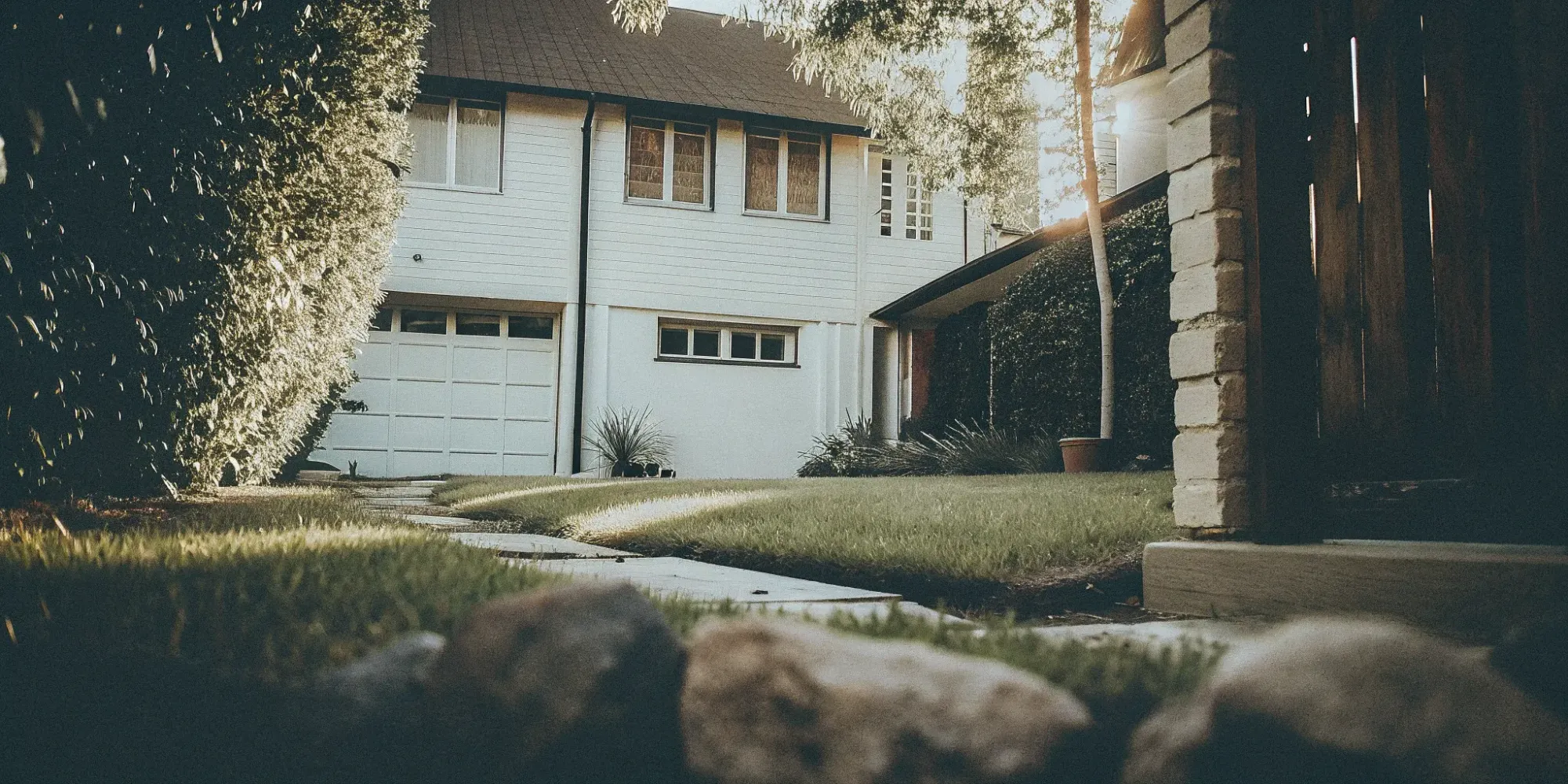
For homeowners in high-risk fire zones, securing affordable insurance can feel like a constant battle. Insurers are looking for concrete proof that you’re actively protecting your property, and California’s new defensible space regulations provide a clear roadmap. These updated rules, especially the creation of the ember-resistant Zone 0, directly address the key vulnerabilities that insurance companies assess. Complying isn't just about meeting a legal requirement; it's one of the most powerful steps you can take to maintain your coverage, manage your premiums, and protect the long-term financial health of your biggest investment.
CTA ButtonKey Takeaways
- Focus on the first five feet: The new Zone 0 regulations target the most vulnerable area—the five feet right next to your house. Replacing flammable materials like mulch with non-combustible options like gravel is your most effective defense against embers.
- Treat defensible space as a financial investment: Your efforts to clear vegetation and harden your home are crucial for maintaining homeowners insurance and preserving property value. A well-managed property is seen as a much lower risk by insurers and potential buyers.
- Make maintenance a year-round habit: Creating a fire-safe property is an ongoing process, not a one-time project. Build a simple seasonal schedule for clearing debris, trimming trees, and inspecting your home to ensure you're always prepared.
What Are California's New Defensible Space Regulations?
If you live in a wildfire-prone area, you’re likely familiar with the term “defensible space.” But the rules of the game are changing. California has introduced new regulations that get much more specific about protecting the area immediately surrounding your home. These updates are designed to give your property its best chance of survival by focusing on the biggest threat during a wildfire: flying embers.
The most significant change is the creation of a new zone, right at your doorstep. Understanding these updates is the first step toward protecting your home, your family, and your peace of mind.
Introducing Zone 0 and Other Key Updates
Think of defensible space as a protective bubble you create around your home. This buffer between your house and the surrounding landscape is crucial for slowing or stopping a wildfire. The latest regulations introduce a brand-new area within this bubble: Zone 0, also known as the Ember-Resistant Zone. This zone covers the area from 0 to 5 feet out from your home’s foundation.
The goal of Zone 0 is to create a perimeter that won’t ignite if embers land there. Embers are the primary way homes catch fire during a wildfire, so keeping this immediate area free of flammable materials is your most effective defense. This new requirement, developed by the Board of Forestry and Fire Protection, shifts the focus directly to the home itself.
How These Rules Differ from Past Regulations
For years, defensible space guidelines focused on two main areas: Zone 1 (5-30 feet) and Zone 2 (30-100 feet). While those zones are still incredibly important, the new regulations add a layer of protection right where it matters most. The key difference is the strict guidance for the 5-foot perimeter around your house.
Past rules were more general, but the new Zone 0 requirements are very specific. They restrict the use of flammable materials like bark mulch and combustible landscaping right next to your home. Instead, the focus is on using non-combustible options like gravel, pavers, or concrete. The rules also mean removing flammable items stored against the house, like woodpiles or wicker furniture, and carefully selecting any plants within this critical zone. This change directly addresses the science of how homes ignite from embers.
Key Dates and Who's Enforcing the Rules
While the concept of Zone 0 is here, the official regulations are still being finalized. The state is working to have the rules formally adopted, with a target date of late 2025. It’s a good idea to start making changes now, as these best practices can dramatically improve your home’s safety regardless of the official timeline.
Enforcement of defensible space falls to state and local fire agencies. CAL FIRE or your local fire department are typically the ones who conduct inspections to ensure properties meet safety standards. As these new Zone 0 regulations are rolled out, these agencies will be the ones helping homeowners understand and implement the changes. Staying ahead of the curve not only protects your home but also ensures you’ll be in compliance when the rules become official.
Why These New Rules Matter for Your Property
Complying with the new defensible space regulations might feel like another item on your to-do list, but these changes are designed with your best interests in mind. Think of them less as rules and more as a clear roadmap to a safer, more secure home. Taking these steps isn't just about meeting a requirement; it's about actively protecting your family, your investment, and your financial well-being in a changing climate. By focusing on these key zones around your property, you gain a powerful advantage against wildfire threats and the challenges that come with them, from finding affordable insurance to maintaining your home's value.
Protect Your Home from Wildfires and Embers
The primary goal of defensible space is to create a buffer between your home and a wildfire. This buffer does more than just slow down advancing flames; it reduces the intense heat a fire generates and, crucially, helps defend against embers. Wind-driven embers are the biggest threat to homes during a wildfire, capable of traveling a mile or more ahead of the fire front and igniting vulnerable spots. By clearing flammable materials, especially in the new Zone 0 right next to your house, you eliminate fuel that embers could easily ignite. This simple act can dramatically improve your home’s chance of survival, even if you aren't there when a fire approaches.
Secure Better Insurance Rates and Coverage
In many parts of California, finding and keeping homeowners insurance has become a major challenge. Insurers are looking closely at a property's wildfire risk before offering or renewing a policy. Creating and documenting your defensible space is one of the most effective ways to show that you are proactively managing that risk. These regulations are grounded in data that insurers use to assess a home's vulnerability. By meeting—and even exceeding—these standards, you strengthen your eligibility for coverage and may qualify for better insurance rates. It turns your mitigation efforts into a tangible financial benefit.
Maintain Your Property's Value
Wildfire risk has a direct impact on the housing market. A home that is difficult to insure or perceived as unsafe will be harder to sell and may see its value decrease. On the other hand, a property with excellent, well-maintained defensible space is a much more attractive asset. It tells potential buyers that the home is safer, more resilient, and likely insurable. Investing in defensible space is an investment in your property's long-term value. It provides peace of mind for you and demonstrates to the market that your home is a secure and responsible choice in a wildfire-prone area.
Breaking Down the Three Defensible Space Zones
Think of your property's defensible space as three concentric circles of protection, with your home right at the center. Each zone has a specific job, and managing them correctly is your best strategy for wildfire safety. California law outlines specific requirements for each of these areas, so let's walk through what you need to do in Zone 0, Zone 1, and Zone 2 to keep your home safe and compliant. Getting a handle on these zones is the first step toward creating a property that can stand up to the threat of wildfire and give firefighters a safe space to work.
Zone 0: Your Home's First Line of Defense (0-5 feet)
This is the most critical area, extending five feet out from the base of your home in every direction. The goal here is to create a non-combustible, ember-resistant zone that won't give flying embers any fuel to ignite. You should "remove all dead and dying weeds, grass, plants, shrubs, trees, branches and vegetative debris (leaves, needles, cones, bark, etc.)." Think of this as your home's moat—it should be free of anything flammable. Use hardscaping like gravel, pavers, or concrete instead of bark or mulch. Any plants within this zone should be carefully selected for fire resistance and maintained impeccably.
Zone 1: Creating a Lean, Clean, and Green Area (5-30 feet)
Moving outward, Zone 1 covers the area from 5 to 30 feet from your home. The strategy here is to create a "lean, clean, and green" landscape that interrupts a fire's path. This means you need to protect your home and property from wildfire by getting rid of any fuel that could carry flames toward your house. You should "keep grass mowed to 4 inches or less" and make sure "tree branches are at least 10 feet apart from each other." This isn't about removing all vegetation, but about creating intentional spacing and removing dead material to keep a potential fire small and on the ground.
Zone 2: Reducing Flammable Materials (30-100 feet)
The final ring of protection, Zone 2, extends from 30 feet all the way out to 100 feet from your home. The objective in this zone is to slow a fire down and reduce its intensity before it gets close. You don't need to clear the land completely. Instead, focus on thinning out the vegetation. You should "create space between shrubs and trees, both horizontally (side-to-side) and vertically (up and down)." This spacing breaks up the continuous fuel that allows a wildfire to climb from the ground into the treetops and spread rapidly. Proper management here can make a huge difference in how a wildfire behaves as it approaches your property.
Your Action Plan for Defensible Space Compliance
Feeling overwhelmed by the new regulations? Don't be. Creating a defensible space is all about taking clear, manageable steps to protect your property. Think of it as a proactive safety plan for your home, not just a checklist of rules. It’s about giving firefighters a chance to defend your house if a wildfire approaches and, most importantly, reducing the chance that your home will ignite in the first place. The goal is to interrupt a wildfire's path and lower its intensity as it nears your structures. By focusing on the three distinct zones around your property, you can systematically reduce fuel and create a landscape that’s both beautiful and fire-safe. Let's walk through the key actions you can take, from your garden to your roof, to get your property compliant and wildfire-ready.
Manage Vegetation and Choose Fire-Resistant Plants
The first step is creating a buffer between your home and the surrounding wildland. This space is your home's best defense, and it starts with managing the grass, shrubs, and trees closest to your house. You'll want to remove dead or dying vegetation, keep your lawn mowed, and clear away any fallen leaves or pine needles, especially in Zone 0. When you're planning your landscaping, consider using fire-resistant plants. These plants have higher moisture content and are less likely to ignite, adding another layer of protection while still keeping your yard beautiful. It's a smart swap that pays off in safety.
Properly Trim Trees and Create Vertical Space
Wildfires can spread by climbing from low-lying grass to shrubs and then up into the canopies of trees—a phenomenon firefighters call a "fuel ladder." To prevent this, you need to create vertical space. This just means trimming trees so the lowest branches are at least six to ten feet from the ground. You also want to ensure there's at least 10 feet of space between the canopies of individual trees. This spacing makes it much harder for a fire to jump from one tree to another and move toward your home. Regular tree maintenance is one of the most effective things you can do to slow a fire's spread.
Harden Your Home and Protect Vents
Beyond your yard, making small structural upgrades to your home can make a huge difference. This is often called “home hardening.” A primary goal is to prevent wind-blown embers from getting inside, as they are a leading cause of homes catching fire during a wildfire. Start by covering all vents—in your attic, eaves, and foundation—with 1/8-inch metal mesh. Check that your roof has a Class A fire rating, which is the most resistant. It's also wise to inspect your windows; dual-pane, tempered glass offers much better protection than single-pane windows. These home hardening improvements are your last line of defense against embers.
What Happens If You Don't Comply?
Creating defensible space is more than just a smart move for protecting your home—in many areas, it’s a legal requirement. Ignoring these regulations can lead to some serious consequences that go beyond the immediate threat of a wildfire. From financial penalties to insurance troubles, the effects of non-compliance can be long-lasting and stressful. Understanding what’s at stake can help you prioritize this crucial part of homeownership in a wildfire-prone area.
Potential Fines and Legal Action
Local authorities are serious about enforcing defensible space rules because they know it saves lives and properties. While inspectors usually focus on education first, helping you understand what needs to be done, they also have the authority to take action if you don’t follow through. According to El Dorado County, officials can enforce this Ordinance if a homeowner is unwilling to meet the requirements. This can result in fines, and in some cases, the county may hire a contractor to do the work and bill you for the cost. It’s a situation that’s best avoided by taking proactive steps yourself.
Risks to Your Homeowners Insurance
The insurance industry has become increasingly strict about wildfire risk. With claims on the rise, insurers are raising premiums, denying renewals, and sometimes canceling policies altogether for homes in high-risk zones. The impact of wildfires on property insurance is significant, and your defensible space is one of the first things an underwriter will look at. A well-maintained property demonstrates that you are actively reducing your risk, which can make you a more attractive client. By creating and maintaining your defensible space, you strengthen your eligibility for coverage—even if your neighbors haven’t taken the same steps. It’s one of the most powerful things you can control to keep your home protected and insured.
Understanding Your Liability in a Wildfire
Your responsibility doesn’t end at your property line. If a fire starts on your land and spreads to your neighbors’ homes because you failed to maintain proper defensible space, you could be held liable for the damages. This is a heavy burden, both financially and emotionally. For those living in communities with a Homeowners Association (HOA), defensible space is often at the core of the community’s fire safety rules. Failing to comply could put you at odds with your HOA and your neighbors. Maintaining your property is about being a responsible member of your community and doing your part to keep everyone safe.
How to Assess and Maintain Your Defensible Space
Getting a handle on your defensible space doesn't have to be overwhelming. The key is to break it down into a clear process: assess your current situation, create a maintenance schedule, and know where to find help when you need it. Think of it as a routine for your property's health and safety. By regularly assessing and maintaining this crucial buffer zone, you’re not just complying with regulations; you're actively protecting your home and family from the threat of wildfire. A little planning goes a long way in making this process feel manageable and effective. Let's walk through the practical steps you can take to get started.
Use Digital Tools for a Quick Assessment
Before you grab a rake, it’s smart to get a clear picture of where your property stands. Defensible space is the buffer you create between your home and the surrounding wildland, and understanding your specific risks is the first step. Fortunately, you don't have to figure this out on your own. Digital assessment tools can give you a fast, data-driven look at your property's vulnerabilities. These platforms analyze your home's surroundings and provide a baseline report, highlighting areas that need immediate attention. This initial digital assessment helps you prioritize your efforts, so you can focus on the changes that will make the biggest impact on your home's safety and insurability.
Create a Year-Round Maintenance Plan
Creating defensible space is not a one-time project; it’s an ongoing commitment to keeping your property safe. A year-round maintenance plan is critical for slowing or stopping the spread of wildfire. Start by creating a simple calendar with seasonal tasks. Regularly "remove all dead and dying weeds, grass, plants, shrubs, trees, branches and vegetative debris," paying close attention to your roof, gutters, and the areas under decks and porches where embers can gather. Your goal is to prevent fuel from building up. By making defensible space maintenance a consistent habit, you ensure your home’s defenses are always ready, especially before fire season begins.
Find Local Help and Debris Removal Services
You don’t have to do all the heavy lifting by yourself. Many communities have resources available to help homeowners manage their defensible space. Your local fire department or county office is a great place to start. Some departments offer free inspections where they will "educate homeowners on how to meet their defensible space requirements" and offer personalized advice for your property. Additionally, look for local chipper days or debris removal programs. These initiatives, like the Yosemite West project, can help you dispose of cleared vegetation affordably and responsibly. Tapping into these local services can save you time and ensure the work is done right.
Related Articles
- CA Defensible Space Requirements: A Simple Guide
- The Essential Guide to Zone 0 Defensible Space
- A Guide to Homeowners Insurance in CA High Risk Fire Areas
- Defensible Space Inspection Cost: What to Expect
Frequently Asked Questions
Do I really have to remove all my plants within five feet of my house for Zone 0? Not necessarily all of them, but you do need to be very strategic. The goal of Zone 0 is to eliminate flammable materials that could ignite from embers. This means things like bark mulch and dry, woody shrubs have to go. You can replace them with non-combustible options like gravel or pavers. If you want to keep plants, choose high-moisture, fire-resistant varieties and keep them well-watered and maintained so there's no dead material to catch a spark.
How can I prove to my insurance company that I've created defensible space? Documentation is your best friend. Take clear before-and-after photos of your property as you complete the work in each zone. Keep receipts for any professional services like tree trimming or debris removal. You can also use a digital assessment report, which provides a clear, data-backed summary of your property’s condition that you can share directly with your insurance agent to show you've actively reduced your wildfire risk.
Since the new Zone 0 rules aren't official yet, why should I start making changes now? Waiting for the official deadline means missing out on the immediate safety benefits. Embers are the primary threat to homes right now, and creating a non-combustible zone is your single most effective defense. Insurers are also already looking at these exact risk factors when deciding on policies and rates. Acting now protects your home this fire season and puts you in a much stronger position with your insurance carrier, regardless of the official timeline.
This feels like a huge project. What's the best way to get started? The best approach is to start small and work your way out from the house. Focus on clearing Zone 0 first, as it provides the most critical protection. Once that five-foot perimeter is clear, you can move on to Zone 1. Getting a simple assessment first can help you create a prioritized to-do list, which makes the entire process feel much more manageable than trying to tackle everything at once.
What's the main difference between what I need to do in Zone 1 versus Zone 2? Think of it this way: Zone 1 (5-30 feet) is about creating a clean, park-like area that prevents fire from getting close to your home. This involves removing dead vegetation, mowing grass short, and creating space between trees. Zone 2 (30-100 feet) is less about intensive clearing and more about thinning things out. The goal here is to reduce the overall fuel so that if a fire does enter this area, it slows down and loses intensity before it ever reaches Zone 1.


