News
What Is a Fire Risk Inspection? A Complete Guide
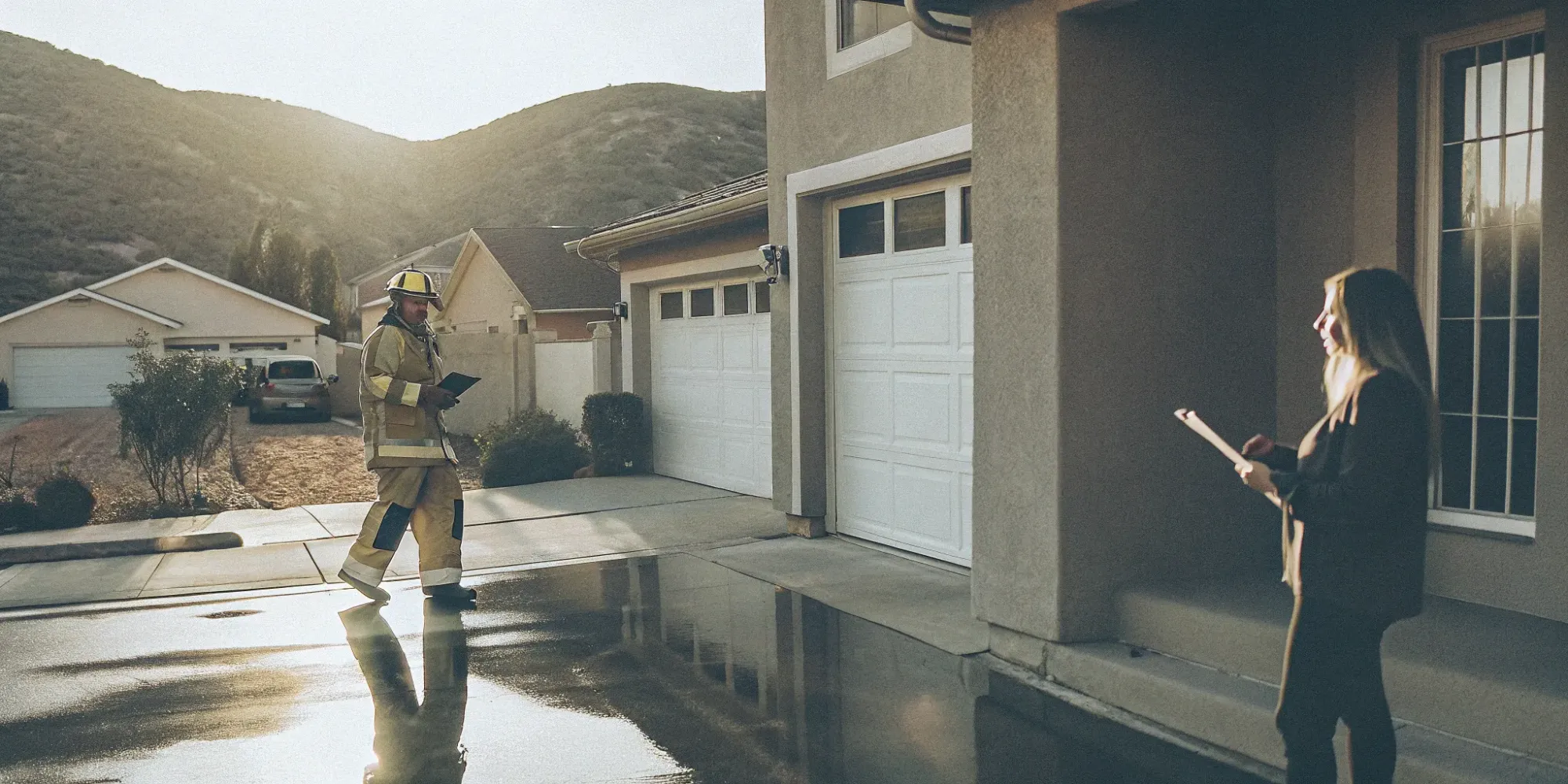
When you live in a wildfire-prone area, your safety and your neighbor's are linked. A fire doesn't respect property lines, which is why your actions matter so much for the entire community. Getting a fire risk inspection can feel like just another chore for your insurance company. But it’s actually a powerful commitment to your neighborhood's safety. This guide breaks down how this straightforward process does more than just secure your policy—it helps build a stronger, more resilient community for everyone.
CTA ButtonKey Takeaways
- An Inspection Benefits You as Much as Your Insurer: Think of it as a personalized safety plan that not only satisfies insurance requirements but also gives you concrete steps to protect your home from wildfire.
- Control Your Inspection Outcome Through Preparation: A successful inspection comes down to a few key actions. Prioritize maintaining your defensible space and ensuring all fire safety equipment is functional to show you're a responsible homeowner.
- Follow Through to Finalize Your Coverage: The inspection isn't over until you've acted on the report. Address all violations, document the fixes, and communicate with your insurer to prove compliance and secure your policy.
Understanding the Stakes: Fire Risk by the Numbers
The Frequency and Cost of Fires
Living in a wildfire-prone area means getting real about the risks. It’s easy to think of fire as a distant threat, but the numbers paint a more urgent picture. Across the country, fire departments respond to fire-related emergencies every 23 seconds. That constant drumbeat of calls highlights just how common these incidents are. Behind those statistics is a heavy human toll, with a life lost to fire every two hours. This isn't an abstract problem; it's a reality that affects families daily, reinforcing why proactive steps like a fire risk inspection are so essential.
The financial fallout from a fire can be just as devastating. In a single year, property damage from fires in the U.S. can exceed $15 billion. For an individual homeowner, the numbers are much more personal. The average cost to repair fire damage is about $12,000, but that figure can quickly jump to over $70,000 for homes with extensive damage. These costs don't even account for the emotional stress and displacement that follow. Understanding these stakes makes it clear that preparing for an insurance inspection is one of the smartest decisions a homeowner can make.
Why Your Insurer Wants a Fire Risk Inspection
Getting a notice from your insurance company requesting a fire risk inspection can feel a little daunting. It’s easy to assume it’s just another hoop to jump through, but it’s actually a crucial step for both you and your insurer. In areas prone to wildfires, insurance providers need a clear picture of the specific risks associated with your property. They aren't just looking for reasons to raise your rates; they're trying to accurately assess their own risk before issuing or renewing a policy.
Think of it as a partnership. The inspection gives the insurance company the data it needs, and it gives you a professional assessment of your home’s vulnerabilities. This process highlights the exact steps you can take to make your property safer, which in turn makes it more insurable. A good inspection report can be a powerful tool, demonstrating that you’ve taken proactive measures to protect your home, which can lead to better coverage options and more stable premiums. It’s all about ensuring everyone is on the same page about protecting your most valuable asset.
What Exactly Is a Fire Risk Assessment?
A fire risk assessment is essentially a safety check-up for your property. A trained professional will walk through your home and the surrounding land to identify potential fire hazards and evaluate your existing safety measures. The goal is to spot potential problems before they can cause a disaster. The inspector looks at everything from the condition of your smoke detectors and the accessibility of fire extinguishers to the state of your defensible space—the buffer zone you create between your home and the surrounding vegetation. This assessment provides a clear, actionable report that helps you protect your family, your property, and your investment.
Understanding Hazard vs. Risk
It’s easy to use the terms "hazard" and "risk" interchangeably, but knowing the difference is key to understanding your property's safety profile. A hazard is any condition that has the potential to cause harm. For example, living next to a dense, dry forest is a hazard. You can’t move the forest, so the hazard is always there. A risk, on the other hand, is the probability that the hazard will actually cause harm—in this case, the chance that a wildfire starting in that forest will damage your home. While you can't eliminate the hazard, you have a lot of power to manage the risk through proactive measures like creating and maintaining defensible space.
The Fire Triangle: Fuel, Heat, and Oxygen
Every fire, from a tiny candle flame to a massive wildfire, depends on three elements to ignite and spread: fuel, heat, and oxygen. This is often called the fire triangle. Oxygen is in the air all around us, and a heat source can be anything from a lightning strike to a stray ember from a distant fire. The one element you have significant control over is fuel. On your property, fuel isn't just firewood; it's the dry leaves in your gutters, overgrown shrubs near your walls, and dead grass on your lawn. By managing these potential fuel sources, you effectively break the fire triangle, dramatically reducing the chance of a fire starting or spreading to your home.
Why It's a Must-Have for Your Insurer
From an insurer's perspective, a fire risk inspection is a fundamental part of due diligence. They need to understand the level of risk they’re taking on with each policy, especially in high-risk regions. The inspection confirms that your property meets essential safety standards and complies with local fire safety regulations. If a home has significant unaddressed hazards, like an overgrown landscape or faulty wiring, it represents a much greater liability. By requiring an inspection, the insurance company ensures that basic safety protocols are in place, which helps them manage their portfolio of insured properties and offer coverage more confidently. It’s a standard procedure to verify that a property is a reasonable risk to insure.
How an Inspection Safeguards Your Coverage
While it might be required by your insurer, a fire risk inspection ultimately benefits you. The report you receive is a personalized roadmap for improving your home’s resilience to fire. Addressing the issues it identifies not only makes your home safer but also strengthens your position with your insurance company. When you can prove you’re actively managing risk by maintaining your defensible space and safety equipment, you become a more attractive client. This can lead to lower premiums and better policy terms. Furthermore, having a clean inspection report on file can make the claims process smoother if you ever need to use your insurance, as it shows you’ve done your part to protect the property.
More Than Just a Requirement: The Broader Benefits of an Assessment
While an insurance requirement might be the catalyst for getting a fire risk assessment, its value extends far beyond checking a box on a form. This process is one of the most powerful steps you can take to protect your home and family. It shifts your perspective from reactive worry to proactive preparation, giving you a clear understanding of your property’s specific vulnerabilities and, more importantly, a concrete plan to address them. Viewing the assessment as an investment in safety and security, rather than just an obligation, unlocks its true benefits for every homeowner in a wildfire-prone area.
Saving Lives is the Top Priority
At the end of the day, property can be replaced, but people can't. The most critical benefit of a fire risk assessment is that it helps protect the lives of your loved ones. The process is designed to methodically find fire dangers around your home, evaluate the likelihood of a fire starting or spreading, and identify who is most vulnerable. This isn't about creating fear; it's about creating a plan. By understanding where the real dangers lie—whether it's an overgrown patch of brush or a deck cluttered with flammable items—you can take targeted actions to make your home a safer place for everyone in it.
Gaining Peace of Mind
Living with the constant threat of wildfire can take a significant mental toll. An assessment can help restore a sense of control and peace of mind. Instead of guessing what you should do, you get a clear, expert-backed report that outlines your priorities. Knowing you have done everything you can to prepare your home significantly reduces anxiety. Regular checks and maintenance ensure you stay on top of new risks as conditions change. This ongoing diligence transforms your home from a source of worry into a well-defended sanctuary, allowing you to feel more secure in the place you love.
Streamlining Potential Insurance Claims
Should the worst-case scenario ever occur, having a documented history of fire risk assessments can be invaluable. This paperwork serves as proof that you have been a responsible homeowner who actively worked to mitigate risks. When you file a claim, this documentation can help support your case with the insurance company, potentially leading to a smoother and faster resolution. It demonstrates your commitment to protecting the property, which can minimize disputes and help you get the resources you need to rebuild your life without unnecessary delays or complications.
The 5 Steps of a Formal Fire Risk Assessment
A formal fire risk assessment might sound complicated, but it follows a logical, five-step process that anyone can understand. Whether you're hiring a professional or using a digital tool to guide you, the core principles remain the same. The goal is to systematically identify risks, evaluate them, and create an actionable plan to make your home safer. Following these steps ensures a thorough review of your property and helps you focus your efforts where they will have the greatest impact on reducing your wildfire risk.
Step 1: Identify Fire Hazards
The first step is to walk your property with a critical eye and look for anything that could easily ignite or help a fire spread. This includes obvious fuel sources like dead trees, dry grass, and leaf litter on your roof and in your gutters. Also, consider flammable materials stored near your home, such as firewood piles, propane tanks, or oily rags in the garage. Pay close attention to the "home ignition zone," the area extending out 100 feet from your house, as this is where you have the most power to create a fire-resistant environment.
Step 2: Identify People at Risk
Next, think about who would be in danger if a fire were to approach your home. This step is about personalizing your safety plan. Consider the needs of everyone in your household, including children, elderly family members, or individuals with mobility challenges who might need extra time or assistance to evacuate. Don't forget to include pets in your plan. Understanding who is at risk helps you create a more effective evacuation strategy and ensures that everyone knows what to do and where to go in an emergency.
Step 3: Evaluate and Act on Risks
Once you've listed the hazards and identified who is at risk, it's time to evaluate the situation and decide what to do. This involves prioritizing the hazards you found in Step 1. Which ones pose the greatest immediate threat? For example, a pile of dry pine needles against your siding is a higher priority than a patch of weeds 100 feet away. Based on this evaluation, you can create a clear action plan. Our Defensible Space Score platform is designed to help with this step, providing clear, actionable recommendations to improve your property's safety and insurability.
Step 4: Record, Plan, and Train
Documentation is a crucial but often overlooked step. Write down your findings, the actions you've taken, and the plan you've put in place. Taking before-and-after photos of your mitigation work is a great way to document your progress for your insurer. This record is your proof of compliance and responsible ownership. It's also essential to share the plan with your family. Make sure everyone knows the evacuation routes and the designated meeting spot. Practice your plan so that when an emergency happens, everyone can act quickly and confidently.
Step 5: Review and Update Regularly
Wildfire preparedness is not a one-time project; it's an ongoing commitment. Vegetation grows back, new hazards can appear, and family circumstances can change. It's important to review your fire risk assessment at least once a year, especially before the start of fire season. Walk your property again, check that your mitigation efforts are still effective, and update your plan as needed. This regular review ensures your home remains as safe as possible and that you are always prepared for a potential wildfire threat.
How to Book Your Fire Risk Inspection
Scheduling a fire risk inspection might sound like a hassle, but it’s a straightforward process that puts you in control of your property’s safety and insurability. Think of it as a health checkup for your home. Getting it on the calendar is the first step toward getting clear, actionable feedback. Whether you go through your local fire department or a private inspector, a little preparation can make the entire experience smooth and efficient. Here’s how to get started and what you’ll need to have on hand.
Start with Your Local Fire Department
Your local fire department is an excellent starting point. Many departments offer wildfire risk assessments to residents, sometimes for free or at a low cost, as part of their community safety programs. The easiest way to begin is by visiting their website. Look for a section on fire prevention, community services, or homeowner resources, where you might find an online request form or specific contact information. If you can’t find what you need online, a quick call to your local fire marshal’s office is the next best step. They can tell you if they provide inspections and how to schedule an appointment.
How to Find a Certified Fire Inspector
If your local fire department doesn’t offer inspections or if your insurance provider requires an assessment from a third party, you’ll need to hire a certified inspector. Your insurance agent may have a list of approved professionals they recommend. Otherwise, you can search for a qualified wildfire mitigation specialist or a certified fire inspector in your area. Look for individuals with credentials from reputable organizations like the National Fire Protection Association (NFPA). Hiring a certified expert ensures you get a thorough, accurate assessment that meets your insurance company’s standards and gives you credible advice for protecting your home.
Defining a "Competent Person"
The term "competent person" might sound a bit formal, but in the world of fire safety, it has a very specific meaning. It refers to someone with the right training, experience, and knowledge to conduct a thorough and accurate fire risk assessment. This isn't just about walking around and pointing out obvious hazards. A competent person understands the science of fire behavior, knows the local building codes and fire regulations, and can identify subtle risks that an untrained eye might miss. While you, as a homeowner, are the expert on your own property, a certified professional brings a level of expertise that satisfies insurance requirements and provides true peace of mind. They have the background to not only spot issues but also to recommend effective, practical solutions.
What Documents Do You Need?
To help your inspection go as smoothly as possible, it’s a good idea to gather a few documents ahead of time. Having your paperwork ready shows the inspector you’re prepared and helps them get a full picture of your property. Pull together any previous inspection reports, building permits for major renovations, and approved site plans if you have them. It’s also helpful to include maintenance records for your fire safety systems, like smoke detectors or sprinkler systems. If you’ve recently completed any wildfire mitigation work, such as installing a fire-resistant roof or clearing vegetation, have those records available, too.
What Happens During the Inspection?
Knowing what to expect can make your fire risk inspection feel less like a test and more like a helpful check-up for your home. The inspector isn’t there to find fault, but to identify potential risks and give you a clear path to making your property safer. They’ll look at your home from the inside out, focusing on anything that could contribute to or prevent a fire. Think of them as a partner in protecting your home and family. The process is usually straightforward, covering a few key areas to ensure you meet safety standards and insurance requirements.
What's on the Inspector's Radar?
An inspector will look at both your home’s structure and the safety measures you have in place. They’ll review any previous inspection reports and maintenance records for things like your HVAC system or chimney cleaning. A major focus will be on your fire safety equipment. They’ll check that your smoke alarms and carbon monoxide detectors are working and properly placed. If you have fire extinguishers, they'll make sure they are the right type, fully charged, and easily accessible. It’s a comprehensive review to see how prepared your home is to handle a fire emergency.
Understanding the Different Classes of Fire
It’s easy to think a fire is just a fire, but for safety and insurance purposes, they’re categorized by what’s burning. An inspector will check that your fire extinguishers are the right type for your home’s specific risks, so it helps to know the basics. The most common types are Class A (for things like wood and paper), Class B (for flammable liquids like grease or gasoline), and Class C (for electrical fires). You might also see Class K, which is specifically for kitchen fires involving cooking oils. This is why most home fire extinguishers are rated “A-B-C”—they cover the biggest risks. Knowing the different classes of fire isn’t just trivia; it ensures you have the right tools and shows your inspector you’re proactive about safety.
Which Parts of Your Property Will They Check?
The inspector will walk through your property to check several critical areas. Inside, they’ll ensure that escape routes like hallways, doors, and windows are clear of obstructions. They’ll also look at your home’s ventilation systems, making sure vents are properly screened to keep embers out. Outside, the focus shifts to your defensible space—the area around your home. They will assess vegetation clearance, the condition of your roof and gutters, and whether emergency vehicles have clear access to your property. Creating and maintaining this defensible space is one of the most important actions you can take to protect your home.
How Much Time Should You Set Aside?
A typical fire risk inspection for a residential property usually takes about one to two hours, depending on the size and complexity of your home and land. The inspector needs enough time to thoroughly check all the key areas inside and out. As for how often you’ll need one, it varies. Your insurance provider might require an inspection when you first get a policy or upon renewal, especially if you live in a high-risk area. Local fire codes might also dictate a specific schedule. It’s always a good idea to check with both your insurer and your local fire department to understand the requirements for your property.
How to Pass Your Fire Risk Inspection
An upcoming fire risk inspection can feel a little daunting, but it doesn’t have to be. Think of it as a partnership between you and the inspector, with the shared goal of keeping your property safe. A little preparation goes a long way toward ensuring a smooth process and a positive outcome for your homeowners insurance. By taking a few proactive steps, you can walk into the inspection with confidence, knowing you’ve done your part to protect your home. It’s all about showing that you’re a responsible property owner who takes fire safety seriously. Let’s walk through the key areas to focus on before the inspector arrives.
Give Your Safety Equipment a Check-Up
Before the inspector shows up, do a quick check of all your fire safety gear. Start with your smoke and carbon monoxide detectors—press the test button on each one and replace any old batteries. Next, look at your fire extinguishers. Is the pressure gauge in the green zone? Is it easily accessible and not expired? If you have a sprinkler system, a visual check for any leaks or damage is a good idea. The goal is to catch any small issues before the inspector does. Having functional, well-maintained equipment is one of the simplest ways to demonstrate your commitment to safety. For a detailed guide, the U.S. Fire Administration offers great tips on smoke alarm maintenance.
Implement a Regular Maintenance Schedule
Keeping your home safe from fire isn't a one-and-done task; it's an ongoing commitment. Establishing a regular maintenance schedule is one of the most effective ways to stay prepared and protect your property. Think of it like routine maintenance on your car—small, consistent checks prevent major problems down the road. This proactive approach ensures your fire safety equipment is always ready and helps you breeze through any formal inspection. A regular schedule demonstrates to your insurance company that you are a responsible homeowner, which can be a major factor in maintaining your coverage and keeping premiums stable. It’s about turning preparedness into a habit.
Your maintenance routine doesn’t have to be complicated. Start by creating a simple home fire safety checklist and setting reminders on your calendar. Monthly, you should test your smoke and carbon monoxide alarms. Twice a year, clean your gutters of flammable debris like leaves and pine needles, and check the charge on your fire extinguishers. Annually, have your chimney and heating systems professionally serviced. By integrating these small tasks into your regular home upkeep, you ensure your property is always in a defensible condition. This consistent effort is the best way to walk into any inspection with confidence, knowing you’ve already done the work.
Prepare your defensible space
For homeowners in wildfire-prone areas, your defensible space is one of the most critical parts of an inspection. This is the buffer you create between your home and the surrounding vegetation. A clean defensible space can dramatically slow a wildfire’s spread and is essential for maintaining your homeowners insurance in high-risk zones. Start by clearing dead leaves, pine needles, and other debris from your roof and gutters. Trim any tree branches that hang over your house, and remove flammable materials like woodpiles or dry brush from the area immediately around your foundation. Keeping your lawn mowed and watered also makes a big difference. These actions show an inspector that you’re actively reducing your property’s wildfire risk.
Get Your Documents in Order
Having your paperwork in order makes the inspection process much smoother and shows the inspector you’re organized and proactive. Create a folder with all relevant documents so you can hand them over easily. This should include any past inspection reports, which show a history of compliance. Also, gather maintenance and testing records for your fire alarm or sprinkler systems. If you’ve done any recent renovations, have your building permits and approved plans ready. These documents provide a clear picture of your property’s history and the steps you’ve taken to maintain it. It’s a simple step that leaves a great impression and helps the inspector complete their assessment efficiently.
Common Inspection Fails and How to Avoid Them
Passing a fire risk inspection is less about acing a test and more about demonstrating your commitment to safety. Inspectors are looking for potential hazards that could put your property and your family at risk. The good news is that most common violations are entirely preventable with a bit of planning and regular upkeep.
Think of it as a proactive checklist for home safety. By addressing these key areas before the inspector arrives, you not only improve your chances of passing but also create a safer living environment. Focusing on equipment maintenance, defensible space, and clear access points will show your insurer that you are a responsible homeowner, which can make all the difference in securing and maintaining your policy.
Don't Neglect Equipment Maintenance
Functional fire safety equipment is your first line of defense, and an inspector will want to see that it’s ready to go. It’s not enough to simply have smoke detectors and fire extinguishers; they need to be in perfect working order. As fire safety professionals often say, "You need to check these systems often to make sure they work when needed."
Start by testing your smoke and carbon monoxide alarms monthly and replacing the batteries at least once a year. Check the gauge on your fire extinguishers to ensure they are fully charged and inspect them for any visible damage. If you have a home sprinkler system, be familiar with its recommended maintenance schedule. These simple checks take only a few minutes but are critical for both the inspection and your safety.
Fix Common Defensible Space Problems
For homeowners in wildfire-prone areas, defensible space is non-negotiable. This is the buffer you create between your home and the surrounding vegetation, and it’s one of the most critical factors an inspector will evaluate. A well-maintained defensible space can dramatically increase your home’s chance of survival during a wildfire. Proper evaluation of these measures is crucial to addressing homeowners insurance challenges.
Walk your property and clear away flammable debris like dead leaves, pine needles, and dry grass from your roof, gutters, and the area immediately around your foundation. Trim tree limbs so they don’t overhang your roof, and remove any dead or dying vegetation. Move firewood stacks and other combustible materials at least 30 feet away from all structures. Following these defensible space guidelines is one of the most effective actions you can take.
Keep Exits and Access Routes Clear
During an emergency, every second counts. An inspector needs to verify that people can evacuate your home quickly and that emergency responders can get to you without obstruction. This means ensuring all escape routes and access points are clear and functional. A key part of any fire safety plan is to "check that emergency exits and ventilation paths are clear."
Inside your home, make sure doors and windows aren’t blocked by furniture and can be opened easily. Outside, your driveway and any paths leading to your home should be free of overgrowth, debris, or parked vehicles that could block a fire truck. Finally, confirm that your address numbers are large, reflective, and clearly visible from the street. This simple detail helps first responders find your home quickly when it matters most.
Preventing Arson
While we often focus on accidental sparks, it's also smart to consider the risk of arson. Protecting your home from an intentionally set fire starts with making your property an unattractive target. This means removing easy opportunities for someone to start a blaze. Keep your yard clear of flammable debris like piles of dry leaves or old newspapers. Securely store any flammable liquids like gasoline or propane tanks in a locked shed or garage. Even simple things like using trash cans with tight-fitting lids can make a difference. The goal is to remove all highly flammable items from outdoor areas, making it much harder for anyone to cause trouble.
Your efforts become even more powerful when you team up with your neighbors. Arson prevention is a community effort. Get involved with or start a neighborhood watch program to keep an eye out for suspicious activity. Simple communication with those around you creates a strong network of vigilance. Local authorities also play a role, and it's important to support community-wide education and the enforcement of fire safety regulations. When everyone is aware and looking out for one another, you create a much safer environment for the entire neighborhood.
Fire Risk Inspection Myths, Busted!
When it comes to fire risk inspections, what you don’t know can hurt you—or at least, your insurance policy. A lot of misinformation floats around, leading to a false sense of security that can leave you unprepared and underinsured when you need protection the most. Believing these myths can lead to failed inspections, unexpected coverage gaps, or even policy non-renewal. Let’s clear the air and walk through some of the most common misconceptions so you can approach your inspection with confidence and clarity. Understanding the reality behind these myths is the first step toward truly protecting your home and family from wildfire risk.
Myth: "Passing is a guarantee."
It’s easy to assume your property is in good shape, but inspectors operate from a specific and detailed checklist that might see things you overlook. They aren't just looking for obvious hazards; they’re evaluating your defensible space, the proximity of flammable vegetation to your home, the condition of your roof and vents, and even your property’s access points for emergency vehicles. Simply put, hope is not a strategy. Believing common homeowners insurance myths can create serious financial stress if your property fails an inspection and your coverage is put at risk. Instead of assuming you’ll pass, take a proactive approach by learning the criteria and preparing your home ahead of time.
Myth: "My standard policy is enough."
This is one of the most dangerous assumptions a homeowner can make. While a standard policy typically includes fire damage, the specifics matter, especially in areas with high wildfire risk. It’s a common misconception about what home insurance covers. Policies have limits, and there may be exclusions or specific requirements for wildfire-related claims. For example, your policy might not cover the full cost of rebuilding to current fire-resistant building codes, or it may exclude damage to external structures if they aren’t explicitly listed. Always read the fine print of your policy and have a direct conversation with your agent to confirm the extent of your wildfire coverage.
Myth: "A passing grade guarantees coverage."
Passing a fire risk inspection is a huge step in the right direction, but it isn't a golden ticket that guarantees insurance coverage indefinitely. An inspection report is a snapshot in time. Your insurer will also consider other factors, like your area's overall risk level, your claims history, and the insurer's own risk tolerance, which can change. Furthermore, the myths and misunderstandings around fire risk can impact your situation even after a good report. Think of a successful inspection as proof that you are actively managing your property’s risk. It makes you a much more attractive client to insurers, but it’s part of an ongoing commitment to safety, not a one-and-done task.
How Often Should You Get a Fire Risk Inspection?
One of the most common questions homeowners ask is how often they need to schedule a fire risk inspection. The straightforward answer is that there’s no single timeline that fits everyone. While many insurance carriers and local authorities suggest an annual inspection as a general rule, the right frequency for you really depends on a few key factors. Think of it less as a rigid deadline and more as a living part of your home maintenance plan. The goal is to ensure your fire risk assessment is always current, reflecting the real conditions on your property today, not what they were a year ago.
This isn't a one-and-done task; it's an ongoing process of vigilance. For example, if you’ve made significant changes to your property—like building an addition, clearing a large area of vegetation, or installing a new wood stove—it’s a good idea to schedule a review, even if you’re not technically due for one. Life changes, and so does your property's risk profile. Your home's specific characteristics, how you use it, and the regulations in your area all play a role in creating a schedule that keeps your family safe and your insurance policy active. We’ll break down these factors to help you figure out the right rhythm for your property.
It Depends on Your Property Type
The type of property you own is the biggest factor in determining how often you’ll need an inspection. A single-family home in a suburban area will have different requirements than a multi-unit rental property or a home with several outbuildings. As a general guideline, most residential properties in high-risk areas should plan for an annual inspection.
However, your insurance provider will often set the schedule for you as a condition of your policy. They might require an inspection every year, or perhaps every two to three years if your property maintains a low-risk profile. The best first step is always to check directly with your insurance agent to understand their specific requirements for your policy.
How You Use Your Building Matters
How you use your property can also change your inspection schedule. A home that doubles as a daycare, for example, has different risks than one used purely for residential purposes. The same goes if you run a business from a workshop on your property that stores flammable materials. Even the age and construction of your home can matter; older homes or multi-story buildings may be considered higher risk and require more frequent assessments. If your property’s use changes, it’s a good idea to proactively schedule an inspection to ensure your assessment reflects the new conditions.
Check Your Local Requirements
Beyond your insurance company’s rules, you also need to follow your local and state fire codes. It’s interesting to note that many legal statutes don’t give a hard-and-fast deadline. Instead, they often use language requiring the property owner to review their fire risk assessment “regularly” to keep it up to date. This puts the responsibility on you to be proactive. Your local fire department is the best resource for clear guidance. They can tell you the specific requirements in your jurisdiction and help you understand the codes and standards that shape local fire safety rules.
How an Inspection Impacts Your Wallet
Investing in a fire risk inspection is one of the smartest financial decisions you can make as a property owner in a wildfire-prone area. It’s not just about checking a box for your insurance company; it’s about protecting your home, your family, and your financial stability. Understanding the costs and benefits can help you see the clear return on this crucial investment.
Breaking Down the Inspection Cost
It’s wise to think about the cost, but it’s best to view it as an investment in your home’s safety. The price for a professional inspection can vary, typically ranging from a few hundred to over a thousand dollars. This depends on your property's size, location, and the complexity of the assessment. Some private consultants specialize in detailed reports for high-risk areas, which might cost more. On the other hand, your local fire department may offer consultations for free or at a low cost, so it’s always worth checking with them first. The goal is to get a clear, professional opinion on your property's specific vulnerabilities and a roadmap for assessing wildfire hazards.
Will It Affect Your Insurance Premium?
Your inspection report is a powerful tool when it comes to your homeowners insurance. A positive assessment shows your insurer that you’re proactively managing your wildfire risk, which can lead to better rates or help you maintain coverage in a high-risk area. Insurers are all about managing risk, and a homeowner with a clean inspection report is simply a less risky client. Conversely, if an inspection reveals significant issues or you don't follow local fire codes, you could face higher premiums. In some cases, your provider might choose not to renew your policy, leaving you to cover any fire-related damages out of pocket. Understanding the background on wildfire and insurance can help you see things from your provider's perspective.
Why It's a Smart Long-Term Investment
The upfront cost of an inspection can feel like just another expense, but the long-term savings are significant. The most obvious benefit is preventing a devastating fire that could destroy your home and everything in it. Beyond that, a good inspection report can secure lower insurance premiums year after year. By identifying and fixing potential hazards early, you also avoid more expensive repairs down the road. Think of it this way: a well-maintained property with excellent defensible space is not only safer for your family but also a more secure and valuable asset. The peace of mind that comes from knowing you’ve done everything you can to protect your home is priceless.
Beyond Insurance: Understanding Legal Requirements
While keeping your insurance provider happy is a big motivator, it’s not the only reason to stay on top of your property's fire risk. In many communities, especially those in high-risk wildfire zones, maintaining a fire-safe property isn't just a good idea—it's a requirement. Local ordinances, state laws, and even your HOA's rules can set specific standards for things like defensible space and vegetation management. These regulations are in place to protect the entire community, because a single vulnerable property can put an entire neighborhood at risk. Understanding these legal responsibilities is a critical part of being a proactive and responsible homeowner.
When Assessments are Legally Required
The term "fire risk assessment" might sound formal, but for homeowners, it often translates to a legal duty to maintain a fire-resistant property. While you might not need a formal, certified assessment every year unless your insurer demands it, you are still legally obligated to follow local and state fire codes. For example, many states have laws that mandate specific defensible space clearance around homes. Your local fire department or city government sets these rules, and they aren't optional. Think of it as an ongoing requirement to keep your property compliant. This means regularly clearing flammable vegetation and ensuring your home meets current safety standards, which is the first step toward creating a safer community for everyone.
The Consequences of Non-Compliance
Ignoring fire safety regulations can lead to serious consequences that go far beyond a warning letter. If you fail to comply with local codes, you could face hefty fines from your city or county. Your Homeowners' Association might also issue penalties. More critically, if your property's unmanaged vegetation contributes to a wildfire spreading and damaging neighboring homes, you could be held liable in a civil lawsuit. As experts point out, failing to address fire hazards can lead to "fines, lawsuits, [and] injuries." This is why understanding and addressing your property's specific vulnerabilities isn't just about protecting your own investment—it's about fulfilling your responsibility to your neighbors and avoiding potentially devastating legal and financial repercussions.
The Risks of Skipping Your Fire Inspection
Putting off a fire risk inspection might seem harmless, like letting another task slide on your to-do list. But when your insurance company requests one, ignoring it can have serious and expensive consequences. An inspection isn't just about checking boxes; it's a critical step in protecting your home, your finances, and your peace of mind. Skipping it tells your insurer that your property might be a higher risk than they’re willing to cover. This can trigger a chain reaction that affects your coverage, your wallet, and even your legal responsibilities as a homeowner. Before you decide to delay, it’s important to understand exactly what’s at stake.
Risk #1: Your Policy Could Be Canceled
The most immediate danger of skipping a required inspection is the non-renewal or cancellation of your homeowners insurance policy. Insurers in wildfire-prone areas are managing their risk more carefully than ever. If your property doesn't meet their safety standards, you may find it difficult to get or keep your policy. Without that coverage, you are left to pay for any and all fire damage out of pocket—a cost that could be financially devastating. An inspection serves as proof that you are actively maintaining a safe, insurable home, making it a non-negotiable step for securing your coverage.
Risk #2: Expect Higher Premiums
Even if you don’t lose your policy outright, skipping an inspection will likely lead to higher insurance premiums. Insurers base their pricing on risk; the higher the perceived risk, the more you pay. An uninspected property is an unknown variable, and insurance companies tend to assume the worst. This uncertainty often translates directly into a higher premium. To put it in perspective, homeowners in high-risk areas have already seen significant rate hikes. A formal inspection that documents your defensible space and other fire mitigation efforts is one of the best tools you have to demonstrate that your home is a good risk and deserves a better rate.
Risk #3: Increased Liability
Your responsibility as a homeowner extends beyond your own property. If a fire starts on your land and spreads to your neighbors' homes, you could be held liable for the damage. A fire risk assessment is a key part of your due diligence. It helps you identify and fix potential hazards that could not only ignite your home but also endanger the surrounding community. Skipping an inspection means you remain unaware of these dangers, which could be interpreted as negligence. Taking proactive steps to reduce wildfire risks isn't just about protecting your investment; it's about being a responsible member of your community.
Your Inspection is Done. Now What?
The inspection is complete, and the report is in your hands. This is where the real work begins—and where you can make the biggest impact on your property’s safety and insurability. Think of the inspection report not as a final grade, but as a personalized roadmap. It shows you exactly what you need to do to reduce your wildfire risk and demonstrate to your insurance provider that you’re a proactive, responsible homeowner.
Following through on the inspector’s findings is the most critical part of this entire process. It’s your opportunity to correct vulnerabilities, strengthen your defenses, and ensure your home meets the necessary safety standards. By systematically addressing each item, you’re not just checking boxes for your insurer; you’re taking meaningful steps to protect your home, your family, and your financial future. Let’s walk through how to turn that report into a concrete action plan.
How to Understand Your Inspection Report
At first glance, an inspection report can look a little intimidating with its official language and checklists. But it’s designed to give you clear, direct feedback. Your report will typically be broken down into a few key sections: a summary of the findings, a list of mandatory corrections or violations, and a set of recommendations. Start by focusing on the mandatory corrections. These are the non-negotiable items that must be addressed to meet local fire codes and satisfy your insurer. If any part of the report is unclear, don’t hesitate to contact the inspector for clarification. Your goal is to fully understand what’s required before you start making changes.
Address Any Violations or Recommendations
Once you understand the report, it’s time to get to work. Create a checklist of every violation and tackle them one by one. These fixes are required for a reason—they address immediate threats to your property’s safety. Depending on the findings, you may need to schedule a re-inspection to confirm the issues have been resolved and receive a fire safety certificate. While you’re at it, pay close attention to the recommendations. Though not always mandatory, these suggestions from a fire safety expert can significantly improve your home’s resilience. Acting on them shows your insurance company that you’re serious about wildfire mitigation, which can only help your case.
Finally, Send the Report to Your Insurer
After you’ve addressed all the required fixes and have documentation to prove it—like a passed re-inspection report or dated photos of your work—the final step is to share everything with your insurance agent. Proactively sending this information demonstrates that you’ve complied with the inspection’s findings. This is crucial, as your ability to get or keep fire insurance often depends on your compliance with safety standards. Providing this proof can help you secure your policy, avoid non-renewal, and in some cases, may even help you qualify for a better premium. It closes the loop and confirms you’re the kind of low-risk, responsible property owner they want to insure.
Related Articles
- Fire Clearance Requirements: What You Need to Know
- What Is a Defensible Space Inspection? A Guide
- Getting Homeowners Insurance in High Fire Risk Areas
- Defensible Space Inspection Cost: What to Expect
Frequently Asked Questions
Will my insurance rates automatically go up if the inspection finds problems? Not necessarily. An inspection report is a tool, and what matters most to your insurer is how you respond to it. If you promptly address the issues the inspector identifies, you’re showing them that you are a proactive and responsible homeowner. Taking action to reduce your property's risk can strengthen your position and help you maintain your coverage. Ignoring the required fixes is what typically leads to higher premiums or even non-renewal.
Is a fire risk inspection the same as a defensible space inspection? A defensible space assessment is a critical part of a fire risk inspection, but it isn't the whole story. The inspector will spend a lot of time evaluating the area around your home, but they will also come inside to check on your fire safety equipment. This includes testing smoke alarms, checking fire extinguishers, and ensuring escape routes are clear. Think of the defensible space check as the outdoor component of a more complete safety evaluation.
What's the best way to prove to my insurer that I've fixed the issues from the report? Clear documentation is your best friend. Keep detailed records of your work, including receipts for any professional services like tree trimming or vent installation. It’s also a great idea to take "before" and "after" photos of the areas you’ve improved. If your situation required a formal re-inspection, the official certificate showing you passed is the ultimate proof. Send copies of everything to your insurance agent to close the loop.
Can I "fail" an inspection? It’s more helpful to think of the outcome as a personalized action plan rather than a simple pass or fail grade. The inspector’s goal is to identify potential hazards and provide you with a clear list of corrective actions. If they find violations, you will be given a reasonable timeframe to address them. The process is meant to be collaborative, with the shared goal of making your home safer.
How is this different from a regular home inspection when buying a house? A standard home inspection is a broad overview of a property's condition, covering everything from the plumbing and electrical systems to the foundation. A fire risk inspection is much more specialized. It focuses entirely on factors that contribute to fire danger, with a heavy emphasis on wildfire resilience. The inspector takes a deep look at your defensible space, building materials, roof condition, and emergency vehicle access—details a general inspector might only mention briefly.


