News
Wildfire Code Compliance: A Homeowner's Guide
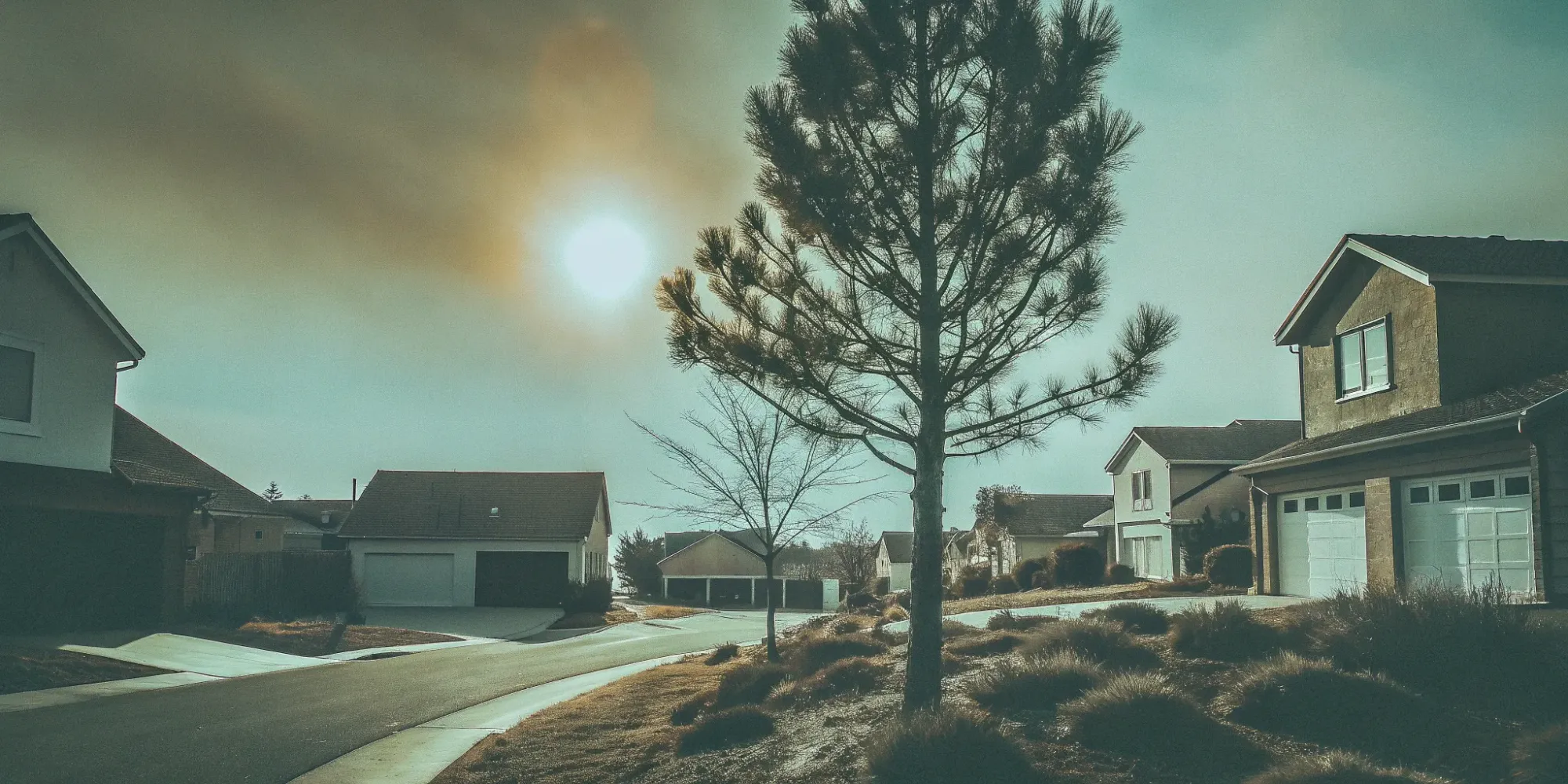
Protecting your home from wildfire is also about protecting your finances. As insurance becomes harder to secure in high-risk areas, showing that you’re actively managing your property's risk is essential. This is where wildfire code compliance plays a critical financial role. Insurers want tangible proof that a property is a lower risk, and a compliant home is a much better bet. By investing in defensible space and fire-resistant upgrades, you’re not just improving safety—you’re safeguarding your home’s value and your ability to keep it insured, providing both physical and financial peace of mind.
CTA ButtonKey Takeaways
- Focus on Two Fronts: Your Yard and Your House: The most effective wildfire defense combines creating defensible space—especially a fuel-free zone within five feet of your home—with hardening the structure itself using fire-resistant roofing, siding, and ember-proof vents.
- Treat Compliance as a Financial Strategy: Meeting safety codes is more than a safety measure; it's a crucial step for securing affordable homeowners insurance, protecting your property's market value, and avoiding costly mandatory upgrades in the future.
- Use Available Resources to Simplify the Process: You don't have to tackle compliance alone. Start with digital assessment tools for a clear action plan, contact your local fire department for free expert advice, and look into community programs for workshops and potential financial aid.
What is Wildfire Code Compliance and Why Does It Matter?
If you live in a wildfire-prone area, you’ve probably heard the term “code compliance,” but what does it actually mean for you and your home? Simply put, wildfire codes are rules designed to keep people and property safe. They set the minimum standards for how homes should be built and maintained to resist the threat of wildfire. Following these codes isn't just about checking a box; it's one of the most effective steps you can take to protect your home, your family, and your financial future. It can also make a huge difference when it comes to getting and keeping homeowners insurance. Let's break down the basics and clear up some common confusion.
What Are Wildfire Codes, Exactly?
Think of wildfire codes as a safety playbook for homes in the Wildland-Urban Interface (WUI)—the zone where houses and wildlands meet. The main set of rules is the Wildland-Urban Interface Code (IWUIC), which aims to stop buildings from catching fire from nearby wildfires or other burning structures. These codes cover several key areas, including ignition-resistant construction materials for your roof and siding, creating defensible space around your property, ensuring clear access for emergency vehicles, and having an adequate water supply. The goal is to create a home that can better withstand embers and flames, giving it a fighting chance even when firefighters can't be there.
The Goal of Foundational Fire Codes (like NFPA 1)
While the IWUIC focuses specifically on the wildland-urban interface, other foundational codes like NFPA 1, Fire Code, set the stage for overall community fire safety. Think of it as the comprehensive rulebook that establishes a baseline for preventing fires and reducing risk everywhere, not just in high-risk wildfire zones. Its goal is to address a wide range of fire safety issues, from ensuring firefighters have clear access to buildings to managing hazardous materials. For homeowners, these broader codes are important because they often form the basis of local ordinances. They ensure that the entire community is built on a foundation of safety, which helps reduce the overall risk of a small fire turning into a major disaster.
What Happens If You're Not Compliant?
Ignoring wildfire codes can have serious consequences that go far beyond a simple fine. The most obvious risk is losing your home in a fire, but the financial fallout can start long before that. Homeowners who don't meet compliance standards may face costly required upgrades down the line, especially as regulations become stricter. Non-compliance can also make it incredibly difficult to secure or renew your homeowners insurance, leaving you financially vulnerable. Taking proactive steps to meet these codes not only reduces your home’s risk but also protects your investment and gives you peace of mind. It’s about shifting from a reactive mindset to a prepared one.
Wildfire Safety Myths, Busted
There are a few persistent myths about wildfire safety that can hold homeowners back from taking action. One of the biggest is that making your home fire-resistant is unaffordably expensive. While some upgrades require an investment, many effective measures are low-cost or even free, like regular landscape maintenance. Another dangerous misconception is that your insurance will automatically pay for code upgrades if your home is damaged or destroyed. The truth is, a standard homeowners policy may cover restoring your home to its original state, leaving you to pay for necessary modern code updates out of pocket unless you have specific coverage. Don't let these fire myths keep you from protecting your property.
How Wildfire Codes Are Adopted and Enforced
It’s one thing to know the rules, but it’s another to understand where they come from and who makes sure they’re followed. Wildfire codes aren’t created in a vacuum; they’re part of a collaborative process that starts with a national model and is then shaped by your local community. Knowing how these codes are adopted and who enforces them can demystify the process and help you see it as a partnership for community safety rather than just a list of requirements. It also helps you know who to call when you have questions or need guidance on making your property compliant.
How Communities Implement Local Codes
Your town or county doesn't just invent fire safety rules from thin air. The process is usually much more thoughtful, starting with a solid foundation and tailoring it to fit the local environment. This approach ensures that the codes are relevant to the specific risks your community faces, from the types of trees in your area to the layout of your neighborhoods. It’s a system designed to be both effective and practical, balancing broad safety principles with on-the-ground realities.
Starting with Model Codes (like the IWUIC)
Most communities begin with a template, like the International Wildland-Urban Interface Code (IWUIC). This model code provides a comprehensive set of guidelines designed to protect homes from wildfire. It covers the essentials, like using fire-resistant building materials for roofs and siding, managing vegetation to create defensible space, ensuring emergency vehicles have clear access to your property, and confirming there's enough water available for firefighting. By starting with a proven framework, local governments can build a strong, effective safety program without having to reinvent the wheel.
The Importance of Community Support and Staffing
A model code is just a starting point. From there, your local community adapts the rules to fit its unique needs, often adding specific requirements based on local geography and risk factors. But a code is only as good as its enforcement. That’s why it’s so important for communities to have enough trained staff to conduct inspections and help homeowners understand what they need to do. This local touch ensures that the rules are applied fairly and effectively, turning a generic code into a practical plan for keeping your neighborhood safe.
Who Enforces Fire Codes?
Once the rules are in place, someone has to make sure they’re being followed. Enforcement isn't about penalizing homeowners; it's about ensuring the entire community is safer. The responsibility for this crucial job is typically shared between state and local authorities. Understanding who these officials are and what their roles are can help you know exactly who to turn to for guidance and inspections. These are the people on the front lines of community wildfire prevention.
The Role of Legal Authority
Fire code enforcement is handled by officials who have the legal authority to do so. In most places, this responsibility falls to the State Fire Marshal, the chief of your city or county fire department, and their authorized teams. According to regulations like California's Title 19, these are the individuals tasked with making sure homes and properties meet the required safety standards. Your local fire chief and their staff are typically your primary contacts for enforcing the rules within your specific fire protection district.
State vs. Local Enforcement
So, who do you answer to—the state or your local fire department? It usually depends on where you live. Local fire chiefs are in charge of enforcement within their city or county fire districts. If your property is outside of these established districts, the State Fire Marshal typically takes the lead. However, the State Fire Marshal can also step in to assist local agencies if the local fire chief or government requests their help. This structure ensures that every property has oversight, no matter how remote.
What Do Wildfire Safety Codes Actually Require?
Wildfire safety codes can feel like a maze of acronyms and rules, but they’re really just a set of guidelines designed to keep your home and family safe. Think of them as a blueprint for building resilience in communities like ours. These codes aren't just about checking boxes; they represent decades of learning about how fires behave and how we can give our homes the best possible chance of survival.
Understanding the key codes that apply to your area is the first step toward making meaningful, effective changes. While the specifics can vary, most are built on the same core principles: using fire-resistant materials, creating a buffer zone around your home, and ensuring emergency responders can get to you when you need them most. Let's walk through the big ones you'll likely encounter so you can feel confident in the steps you're taking to protect your property.
What is the International Wildland-Urban Interface Code (IWUIC)?
The International Wildland-Urban Interface Code, or IWUIC, is the foundational set of rules for building in areas where developed land meets natural vegetation. Its main job is to prevent homes from catching fire and to stop a house fire from spreading into the wildlands. The code covers several key areas, including the use of ignition-resistant construction materials for things like roofing and siding, which helps your home resist embers.
It also outlines requirements for creating defensible space, ensuring there’s enough room for emergency vehicles to access your property, and having an adequate water supply. The International Code Council created the Wildland-Urban Interface Code to provide a clear, standardized model for local governments to adopt, helping create safer communities across the country.
Benefits of WUI Codes
Adopting these codes isn't just about adding another layer of rules; it's about creating a framework for real, measurable safety. For homeowners, the benefits are significant. First and foremost, these codes are designed to protect lives and property by making sure new homes are built to withstand wildfire threats from the start. They provide clear, consistent guidelines for builders and residents, taking the guesswork out of fire-safe construction. And because these rules are based on scientific research into how homes ignite, you can trust that the required actions are effective. While there can be an upfront cost, investing in a code-compliant home can lead to major long-term savings by reducing the risk of catastrophic damage and the need for expensive rebuilding.
Limitations to Keep in Mind
Of course, it’s also important to be realistic about the challenges. WUI codes aren't a perfect solution, and they come with a few limitations. The most common concern is cost, as using ignition-resistant materials and specific construction techniques can sometimes make building more expensive. Another key point is that these codes typically only apply to new construction or major renovations. This means that many older homes in the WUI may not have these built-in protections unless the owner voluntarily makes upgrades. On a community level, getting a code passed can be a long process, and once it's in place, local governments need enough staff to enforce it properly, which can be a hurdle for smaller towns.
Beyond Defensible Space: Other Key Requirements
When we talk about wildfire safety, creating defensible space is a huge piece of the puzzle—and it’s often the area where you, as a homeowner, have the most direct control. Clearing vegetation, removing flammable debris from near your home, and maintaining your landscape are all critical actions. Our Defensible Space Score platform is designed to give you a clear, actionable plan for exactly that. But it's important to understand that WUI codes look at the bigger picture of community safety. They address factors that go beyond your property line to create a more resilient neighborhood as a whole. These requirements work together with defensible space to form a multi-layered defense system against wildfire.
Building Density and Spacing
One of the key factors that WUI codes address is how close homes are built to one another and to surrounding wildlands. These rules set limits on building density to help prevent a domino effect during a wildfire. When homes are too close together, a fire that ignites one structure can easily spread to the next, creating a catastrophic urban conflagration. By requiring adequate spacing between buildings, codes create fire breaks that can slow a fire’s progress and give firefighters a better chance to contain it. This is less about your individual yard and more about how the entire community is laid out for collective safety.
Adequate Water Supply
You can have the most fire-resistant home in the neighborhood, but if firefighters arrive and can't access enough water, their efforts will be severely hampered. That's why WUI codes include strict requirements for water supply. This often means ensuring there are enough fire hydrants in a neighborhood, that they are properly maintained, and that they can provide sufficient water pressure to fight a large fire. In more rural areas without a municipal water system, this could involve requirements for large, accessible water storage tanks on properties or within the community, ensuring a reliable water source is always available for emergency responders.
Fire Protection Systems
Finally, many WUI codes require or recommend active fire protection systems, especially for new homes in high-risk areas. The most common example is an interior fire sprinkler system, which can quickly extinguish a fire that starts inside the home before it has a chance to grow and spread. Some codes also address exterior sprinkler systems, which are designed to wet down the roof and the area immediately surrounding the house when a wildfire approaches. These systems act as an automated line of defense, helping to protect the structure from ignition, particularly from the wind-blown embers that are a primary cause of home loss in wildfires.
Your Guide to Zone 0 (AB 3074)
If you live in California, you’ve probably heard about Zone 0. This is a direct result of Assembly Bill 3074, which established a mandatory ember-resistant zone in the most critical area around your home: the first five feet. This space is ground zero for defense against embers, which are the leading cause of homes catching fire during a wildfire. The goal is to remove anything that could easily ignite from a stray ember.
This means clearing away flammable mulch, dead plants, and even outdoor furniture right next to your house. With California implementing stricter wildfire safety rules, getting ahead of these requirements is smart. Taking action now not only reduces your risk but also helps you avoid potentially costly mandatory upgrades down the road.
How State and Local Codes Differ
While the IWUIC provides a great model, it’s not a one-size-fits-all solution. Wildfire risk is intensely local, so your state, county, or city will likely have its own specific codes that build upon or modify the international standards. Some areas with very high fire risk may have additional restrictions that go beyond what the IWUIC requires. On the other hand, some municipalities may not have adopted a formal building code at all.
This is why it’s so important to check with your local fire department or planning office to understand exactly which rules apply to your property. Never assume your requirements are the same as a friend’s in a neighboring town. Getting clear on your local codes and compliance ensures the work you do is effective and officially recognized.
How to Check if Your Property is Compliant
Figuring out if your home meets wildfire safety codes can feel like a huge task, but you don’t have to do it all at once. Breaking it down into a few key steps makes the process much more manageable. Think of it as a three-part check-in: first, a hands-on look at your home and yard; second, using digital tools to get a clearer picture of your risk; and third, knowing when it’s time to call in a professional for guidance.
This approach helps you build a solid understanding of where you stand. You can identify quick wins, create a long-term plan for bigger projects, and get expert advice when you need it most. By systematically reviewing your property, you can move from feeling uncertain to feeling confident that you’re taking the right steps to protect your home and family. It’s all about turning a complex challenge into a series of clear, actionable tasks.
How to Assess Your Home's Wildfire Risk
Start with a simple walk around your property. Your goal is to see your home through the eyes of a wildfire. Look for vulnerabilities in the structure itself and in the immediate area surrounding it. Are there dead leaves and pine needles piled up on your roof or in your gutters? Is there a woodpile stacked right next to your siding? These are common hazards that can easily be fixed.
Preparing your home for wildfire involves creating a clear buffer zone where flammable materials are managed or removed. This space gives firefighters a chance to defend your home and reduces the odds of embers igniting materials near your foundation. Pay close attention to the first five feet around your house—this is the most critical area to keep clear of anything that could easily catch fire.
Get a Clearer Picture with Digital Tools
After your physical walk-through, digital tools can provide a more detailed and objective analysis of your property’s compliance. Platforms like Defensible Space Score analyze your home’s specific conditions and give you a clear report on your wildfire risk, along with a prioritized list of actions to improve your safety. This takes the guesswork out of the equation and helps you focus your efforts where they’ll have the most impact.
It’s also a great idea to keep a detailed record of these improvements as you make them. Take before-and-after photos, save receipts for fire-resistant materials, and note the dates you complete the work. This documentation is incredibly valuable when speaking with your insurance provider, as it shows your proactive commitment to reducing risk.
When to Call in a Professional
Sometimes, a DIY assessment isn’t enough. If you’re dealing with complex local regulations, planning a major renovation, or have unique property features, it might be time to bring in an expert. For example, if you’re trying to understand development challenges or liability risks, it’s wise to consult an attorney who specializes in land use and wildfire regulations.
Professional help is also critical when it comes to insurance. If your current provider denies or cancels your coverage due to wildfire risk, don’t give up. A licensed insurance broker can help you find specialty insurers that work with high-risk properties. They understand the market and can connect you with carriers who will recognize and reward the mitigation work you’ve done.
How to Make Your Home More Fire-Resistant
Creating defensible space is your first line of defense, but what happens when embers land directly on your house? The materials your home is built with play a massive role in whether it can withstand a wildfire. This concept is often called "home hardening," and it focuses on making the structure itself more resistant to ignition from embers and radiant heat. Think of it as giving your home a suit of armor.
Even with a perfectly maintained yard, a home with a flammable wood-shake roof or single-pane windows is incredibly vulnerable. Embers can travel over a mile ahead of a fire, and they will find any weak spot. By making smart choices about your roofing, siding, windows, and vents, you can dramatically reduce the chances of your home catching fire. These upgrades aren't just about safety; they are also a critical part of demonstrating to insurance companies that you are proactively managing your risk. Taking these steps can make a real difference in your ability to secure and maintain coverage in a high-risk area.
Choose Fire-Resistant Roofing and Siding
Your roof is the most exposed part of your home, making it the most likely place for embers to land and accumulate. That’s why choosing the right material is so important. The best defense is a Class A fire-rated roof, which offers the highest level of protection against severe fire exposure. Common Class A roofing materials include asphalt shingles, metal, slate, and concrete or clay tiles. If you have an older wood-shake roof, replacing it should be your top priority.
Your home’s siding is another critical component. Combustible wood siding can easily ignite from embers or radiant heat. For better protection, consider non-combustible or fire-resistant materials like fiber cement, stucco, or brick. These materials won't burn, helping to keep flames from spreading up the walls of your home.
What to Look for in Windows and Doors
The intense heat from a wildfire can cause glass to break, creating an opening for embers to blow inside your home. To prevent this, the National Fire Protection Association recommends using multi-pane windows, as they are more resistant to heat. Dual-pane windows, especially those with tempered glass on the exterior pane, provide a crucial layer of insulation that makes them much less likely to shatter.
Window frames are just as important. Vinyl or metal frames offer better resistance than wood frames, which can ignite. When it comes to doors, make sure any exterior doors are made of solid-core wood, metal, or have a fire-resistance rating. A hollow door can burn through quickly, compromising the safety of your entire home.
Install Ember-Resistant Vents
Vents are essential for circulating air through your attic and foundation, but standard vents with wide openings are like an open invitation for embers. These tiny, glowing firebrands can easily enter through vents and ignite flammable materials inside your attic or crawlspace. Installing ember-resistant vents is one of the most effective upgrades you can make.
These vents are covered with a fine metal mesh (1/8-inch or smaller) that blocks embers while still allowing air to flow. Because this is such a critical point of entry for fire, utilizing ember-resistant vents can significantly influence an insurer's risk assessment of your property. It’s a relatively small change that delivers a major improvement in your home’s wildfire resilience.
Build with Non-Combustible Decks and Fences
A wooden deck or fence attached to your house can act like a fuse, carrying fire directly to your exterior walls. If an ember lands on your deck, it can ignite the boards and create a large fire right next to your home. Replacing wooden structures with non-combustible or ignition-resistant materials is a key strategy for breaking this path of fire.
Consider using composite decking materials that have a Class A or B fire rating. For fences, materials like metal or masonry are excellent choices. If you have a wooden fence, you can reduce risk by replacing the five feet of fencing closest to your house with a non-combustible material. Simply installing a metal gate where the fence meets your home can create an effective firebreak and stop flames in their tracks.
How to Create and Maintain Defensible Space
Creating defensible space is one of the most effective ways you can protect your home from a wildfire. Think of it as a buffer zone you create between your house and the surrounding vegetation. The goal is to slow or stop the spread of wildfire and protect your home from catching fire—either from direct flame contact or from flying embers. This space is typically broken down into three distinct zones, each with its own set of rules and maintenance needs. By managing the vegetation in these zones, you can dramatically increase your home’s chances of survival. Let’s walk through what you need to do in each area.
Mastering Zone 0: The First 5 Feet
This is the area immediately surrounding your home, extending five feet out from the foundation. It’s your most critical defense against embers, which can travel miles ahead of a wildfire. In this zone, the goal is zero fuel. Remove all flammable materials, including pine needles, dead leaves, dry grass, and wood mulch. Move firewood piles to Zone 2. It’s best to use non-combustible materials like gravel, pavers, or concrete for landscaping here. According to guidance from the National Fire Protection Association, keeping this area clear is the single most important step you can take. Trim any tree branches that hang over your roof and make sure nothing flammable is stored under your deck.
Managing Zone 1: Lean, Clean, and Green
Extending from 5 to 30 feet from your home, this zone is all about being “lean, clean, and green.” You don’t have to remove all vegetation, but you do need to manage it carefully. The idea is to create space to interrupt the fire’s path. Remove dead plants, weeds, and dry leaves. Keep your lawn mowed to a height of four inches or less and make sure plants are healthy and well-watered. If you have trees, prune the lower branches to create at least six feet of clearance from the ground. This prevents a ground fire from climbing into the canopy. Choosing the right fire-resistant plants can also make a huge difference in this zone.
Maintaining Zone 2: The Reduced Fuel Zone
This zone stretches from 30 feet out to 100 feet from your home, or to your property line. The objective here is fuel reduction, not total elimination. You want to slow a fire down and keep it on the ground. You can do this by creating horizontal and vertical space between trees and shrubs. For example, on a gentle slope, you should have at least 10 feet of space between the canopies of individual trees. Remove fallen leaves, needles, and small branches, but you can leave a thin layer of organic material on the soil. The goal is to break up the continuous vegetation that could otherwise carry a fire directly to your home. You can find detailed spacing guides from resources like the University of California's fire network.
Create a Year-Round Maintenance Plan
Defensible space isn’t a one-time project; it requires ongoing attention. Think of it like gardening—you have to keep up with it. Create a simple, year-round maintenance schedule. In the spring, focus on clearing away the dead vegetation that accumulated over winter. Throughout the summer and fall, especially during peak fire season, stay on top of mowing, raking, and cleaning. One of the most important tasks is to regularly clean your gutters and roof of pine needles and leaves, as these are prime spots for embers to land and ignite. A little bit of work each month is far more manageable than trying to do it all at once and ensures your home is always prepared.
Common Roadblocks for Homeowners (and How to Fix Them)
Getting your home compliant with wildfire safety codes can feel like a huge undertaking, but you’re not in it alone. Many homeowners face similar hurdles, from figuring out the budget to understanding confusing rules. The good news is that these challenges are manageable with the right approach. Let’s walk through some of the most common obstacles and how you can tackle them one step at a time.
Working with a Tight Budget
Let's be honest: the potential cost of home hardening and defensible space is often the first thing on everyone's mind. Research shows that the "perceived cost of implementing such regulations is a commonly cited challenge." While some upgrades require an initial investment, it’s helpful to frame them as a long-term protection for your biggest asset. Many effective actions, like clearing debris from your roof and gutters, cost nothing but your time. For larger projects, look into state and local financial assistance programs that can help offset the expense. Investing in fire resistance now can save you from far greater costs later.
Making Sense of Complex Rules
If you’ve ever felt lost trying to figure out which codes apply to your property, you're not alone. With rules varying by state, county, and local fire district, it’s easy to get overwhelmed. As one industry report notes, "Understanding which jurisdiction and code requirements apply is essential, as WUI areas often include additional restrictions beyond standard building codes." Instead of trying to become an expert overnight, start by contacting your local fire department. They can provide the specific requirements for your area. Digital assessment tools can also give you a clear, personalized starting point without you having to read pages of dense legal documents.
Feeling Overwhelmed? Tips for Managing the Work
Creating and maintaining defensible space is a marathon, not a sprint. It requires consistent effort throughout the year, and that can feel like a heavy lift. A key part of this process is keeping track of your hard work. Experts advise that homeowners should "maintain a detailed record of these improvements through photos, dates, and receipts." This documentation isn't just for your own records; it’s powerful proof to show your insurance provider that you are actively reducing your property's wildfire risk. Create a simple binder or digital folder to document your efforts, and break down your maintenance tasks into a manageable, year-round schedule.
Understanding Local Land Use Regulations
Sometimes, the rules that affect your property aren't just about your own parcel of land but about the community as a whole. Broader land use planning plays a critical role in reducing wildfire risk by ensuring new developments are built with safety in mind from the ground up. These regulations might dictate things like road access for emergency vehicles, the density of homes in a high-risk area, or requirements for community-wide fuel breaks. While you may not have control over these larger plans, understanding them helps you see how your individual efforts contribute to a more fire-resilient neighborhood for everyone.
How Compliance Affects Your Insurance and Property Value
Taking steps to meet wildfire safety codes isn't just about protecting your home from a fire—it's also a smart financial move. Insurers are paying close attention to the risks associated with individual properties, and your home's compliance can directly influence your insurance rates and its overall market value. Think of it as an investment that pays off in both peace of mind and financial stability.
Can Compliance Lower Your Insurance Premiums?
If you live in a high-risk area, you’ve likely noticed your insurance bills climbing. In fact, some homeowners have seen their policy premiums increase by an average of 21% at renewal time. Insurers are looking for proactive homeowners who are actively reducing their risk. You can directly influence their assessments by exploring home-hardening strategies that make your property more resilient. Simple but effective upgrades like installing ignition-resistant roofing, using ember-resistant vents, and choosing noncombustible siding show insurers that you’re serious about safety, which can lead to better rates and continued coverage.
Check Your Policy for Code Upgrade Coverage
Here’s something many homeowners don’t realize: a standard insurance policy might not cover the cost of rebuilding your home to meet current codes. It’s a common myth that insurance will pay for all necessary upgrades after a disaster. In reality, many policies only pay to restore your home to its original condition. If building codes have become stricter since your home was built—which is common in wildfire-prone areas—you could be on the hook for the difference. It’s worth taking a close look at your policy or calling your agent to see if you have “code upgrade coverage” to avoid a major financial surprise.
How Compliance Protects Your Property Value
A fire-compliant home is a more valuable home. As states like California move toward stricter wildfire safety rules, properties that are already up to code will have a major advantage on the market. Buyers are becoming more aware of wildfire risk, and a home with proven safety features is much more attractive. Proactive compliance also helps you avoid costly, last-minute upgrades that might be required to sell your home in the future. By investing in defensible space and home hardening now, you’re not just protecting your property from flames—you’re safeguarding its long-term value.
Where to Find Help for Wildfire Compliance
Tackling wildfire compliance can feel like a huge project, but you don’t have to figure it all out on your own. Plenty of resources are available to guide you, whether you need help understanding your property’s specific risks, learning how to create defensible space, or finding financial support to make it all happen. The key is knowing where to look. From digital assessment tools that give you a clear starting point to local fire officials who can provide hands-on advice, help is closer than you think. Think of it as building your personal wildfire safety team.
By connecting with the right experts, programs, and community groups, you can turn a daunting task into a manageable plan that protects your home and family. This isn't just about checking boxes on a list; it's about gaining confidence that you've done everything you can to make your property more resilient. The journey to compliance is also an opportunity to connect with your community and learn from others who share the same goals. The following sections will point you toward some of the best places to start your search for guidance and support, helping you build a network of resources you can rely on.
Find Assessment Tools and Professional Help
Before you can make improvements, you need a clear picture of your property’s vulnerabilities. Digital platforms can give you an instant analysis of your defensible space and home hardening status, providing a data-driven foundation for your action plan. For a more hands-on approach, consider hiring a certified wildfire risk assessor. These professionals can walk your property with you, point out specific hazards, and create a prioritized list of recommendations. As you complete projects, remember to maintain a detailed record of your work. Keep all receipts and take before-and-after photos. This documentation is invaluable when speaking with your insurance provider, as it demonstrates your proactive commitment to reducing risk.
Find Local Workshops and Programs
Your local community is one of your best resources for wildfire preparedness. Organizations like Fire Safe Councils, university cooperative extensions, and neighborhood associations often host free workshops and educational events. These programs are a great way to learn practical skills, from choosing fire-resistant plants to understanding the latest building codes. With states like California implementing stricter wildfire safety rules around homes, attending these workshops helps you stay ahead of new requirements. You’ll also get to connect with neighbors who are working toward the same goals, creating a stronger, more resilient community together.
Connect with Your Local Fire Department
Your local fire department or fire protection district is your most direct link to official safety guidance. Many departments offer complimentary home risk assessments or defensible space inspections to residents. During an inspection, a fire official can provide personalized advice tailored to your property and the specific fire behavior in your area. They can answer questions about local ordinances and point out critical but often overlooked tasks. For example, they can offer specific fire safety strategies like the importance of keeping roof gutters clear of leaves and pine needles, which is a crucial step in hardening your home against flying embers. Don’t hesitate to reach out—they are there to help you succeed.
Explore Grants and Financial Aid
The cost of wildfire mitigation can be a significant hurdle, but financial assistance is often available to help offset the expense. Look for state and federal programs that offer grants for creating defensible space and retrofitting your home with fire-resistant materials. Your local Fire Safe Council or resource conservation district is a great place to learn about available funding. For example, programs like the California Wildfire Mitigation Program provide grants directly to homeowners. If you’re facing challenges with insurance, explore state-run programs like the FAIR Plan, which can serve as an insurer of last resort. A little research can uncover financial pathways to make your home safer.
Related Articles
- Defensible Space Inspection Cost: What to Expect
- Your Guide to the CAL FIRE Defensible Space Map
- What Is a Defensible Space Inspection? A Guide
- 5 Steps to Wildfire Mitigation for Insurance Approval
- How to Get a Free Wildfire Risk Assessment
Frequently Asked Questions
I'm feeling overwhelmed. What's the single most important thing I can do first? Start with the five feet immediately surrounding your home, often called Zone 0. This is the most critical area for preventing your house from catching fire from embers, which are the primary threat. Focus on clearing this space of anything flammable—think wood mulch, dead leaves, pine needles, and even flammable patio furniture. Creating this non-combustible buffer is a powerful first step that gives your home a real fighting chance.
Are there any low-cost ways to improve my home's fire safety? Absolutely. Many of the most effective actions are about maintenance, not expensive renovations. Regularly cleaning leaves and pine needles from your roof and gutters is a free task that removes a major ignition point. You can also move firewood piles at least 30 feet away from your house, trim low-hanging tree branches, and keep your lawn mowed and watered. These simple habits significantly reduce your risk without straining your budget.
How do I know which specific codes apply to my house? Wildfire codes can vary significantly from one town to the next, so the best source of information is always local. Your first call should be to your local fire department or county planning office. They can provide you with the exact requirements for your specific address and may even offer a free home assessment to help you identify areas for improvement.
How can I prove to my insurance company that I've made my home safer? Documentation is your best friend. As you complete defensible space work or home hardening upgrades, keep a simple record. Take before-and-after photos, save receipts for any materials or professional services, and make a note of the dates you completed the work. Presenting this organized file to your insurance agent provides concrete proof of your efforts to reduce risk, which can make a big difference in your coverage and rates.
Is creating defensible space a one-time project, or do I need to maintain it? Think of defensible space as part of your regular home and garden maintenance rather than a one-and-done project. Nature is always growing, and leaves will always fall. It’s best to create a simple, year-round schedule. A big cleanup in the spring and regular upkeep throughout the summer and fall will keep your property prepared and make the workload feel much more manageable.


