News
How to Create Defensible Space & Protect Your Home
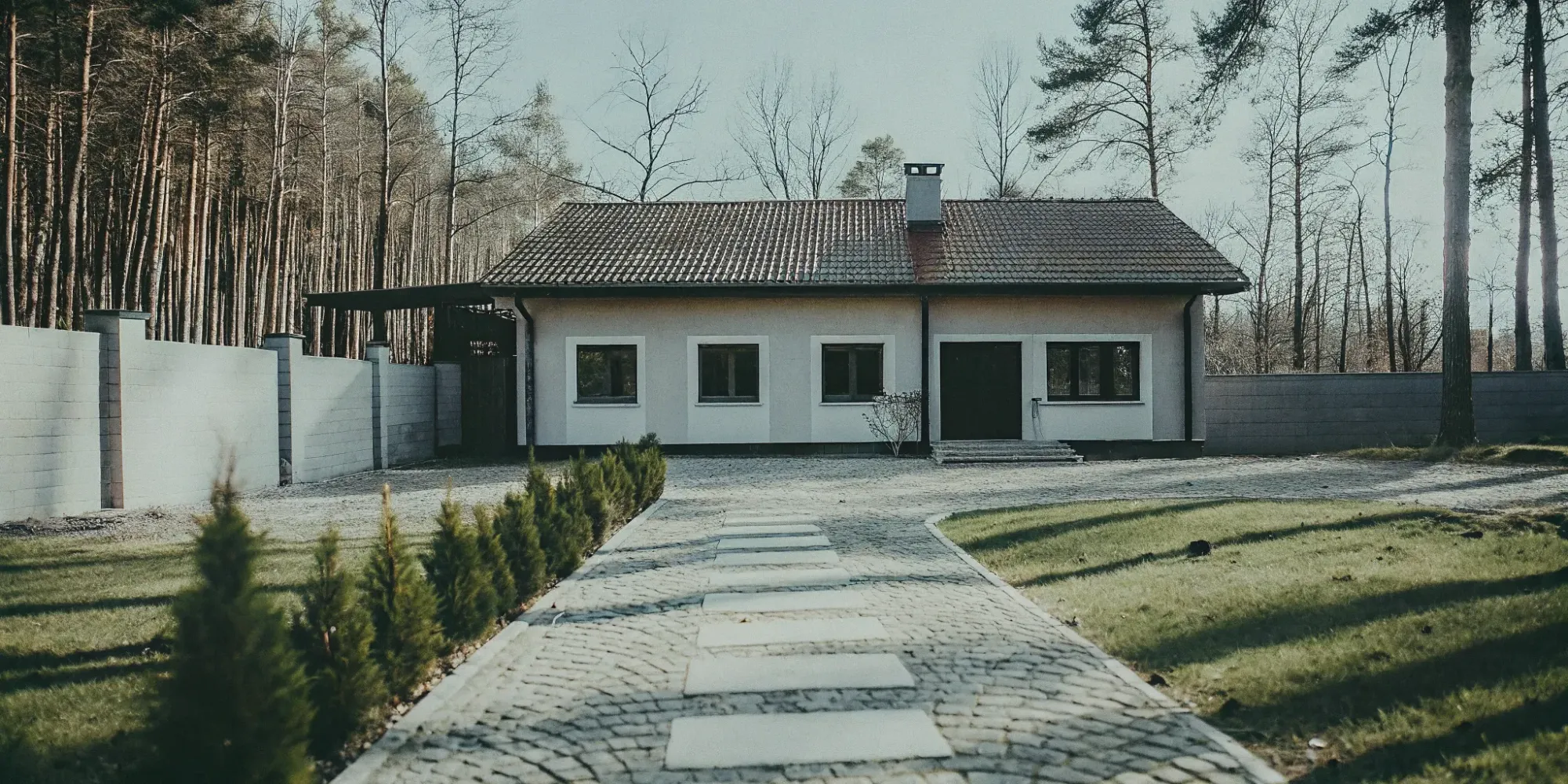
Finding—and keeping—affordable home insurance in a high-risk area can feel like a constant battle. Insurers are looking for proof that you're serious about reducing your property's risk, and the most powerful step you can take is creating a well-maintained defensible space. This isn't just about safety anymore; it's a critical part of your financial security. Taking action shows your provider you're a partner in protecting your home. This guide goes beyond basic landscaping tips. We'll cover the specific actions that can make a real difference to your policy, protecting both your home and your insurability.
CTA ButtonKey Takeaways
- Break Your Property into Zones: Systematically reduce wildfire risk by tackling your yard in three distinct areas. Start by creating an ember-resistant barrier in the first five feet around your home, then focus on spacing out plants up to 30 feet, and finally, reduce the overall fuel load out to 100 feet.
- Make Maintenance a Routine, Not a Crisis: Defensible space requires ongoing attention. Instead of a frantic spring cleanup, build small tasks like clearing gutters and trimming shrubs into a simple, year-round schedule. This makes the work manageable and keeps your home consistently protected.
- Document Your Work and Team Up with Neighbors: Keep a simple record of your progress with photos and receipts to support your insurance needs. Since fire doesn't respect property lines, collaborating with your neighbors on cleanup efforts creates a stronger, shared defense for the entire community.
What Is Defensible Space and Why Is It So Important?
If you live in an area prone to wildfires, you’ve probably heard the term “defensible space.” But what does it actually mean? Think of it as a buffer you create between your home and the surrounding grass, trees, and shrubs. This isn't about clear-cutting your property; it's about smart landscaping designed to reduce wildfire danger. According to CAL FIRE, this area acts as a shield, slowing or even stopping a wildfire from reaching your house. Creating this space is one of the most effective actions you can take to protect your home and family. It also gives firefighters the room they need to safely defend your property if a fire approaches. By managing the vegetation around your home, you can dramatically increase its chances of survival.
How Does Defensible Space Protect Your Home?
Defensible space works by robbing an approaching wildfire of its fuel. The core idea is to modify the vegetation in the area between your house and a potential wildfire to reduce the threat. When you trim trees, clear away dead plants, and choose fire-resistant landscaping, you create a break in the fire's path. This managed area can lower the intensity of the flames and slow a fire’s spread, sometimes stopping it altogether. This buffer zone provides a critical opportunity for firefighters to work effectively and defend your home without putting themselves in extreme danger. It’s a simple concept with a powerful impact on your home’s resilience.
Understanding Extreme Fire Weather: The 30/30/30 Rule
Beyond just a hot day, certain weather patterns create a perfect storm for wildfires. A helpful guideline that firefighters often use is the 30/30/30 Rule. It flags a high-risk scenario when three specific conditions align: temperatures climb above 30 degrees Celsius (that’s about 86°F), relative humidity drops below 30%, and winds gust over 30 miles per hour. When it's that hot, dry, and windy, vegetation becomes incredibly flammable, and embers can be carried long distances to start new spot fires. This dangerous combination is sometimes called "crossover," where the air is so dry that a fire can practically explode in size and intensity. Knowing this rule helps you understand why maintaining your defensible space is so critical, especially on days with high fire weather warnings. It’s during these extreme conditions that your hard work really pays off, giving your home its best chance of survival.
More Than Just Property: Keeping Your Family Safe
The most important reason to create defensible space is safety. It protects your property, but more importantly, it protects the people inside. When a wildfire strikes, firefighters have to make tough decisions about which homes they can safely defend. Homes with good defensible space are often prioritized because they give firefighters a fighting chance. Taking the time to create defensible space not only makes their job safer but also gives you valuable peace of mind. Knowing you’ve taken proactive steps can reduce anxiety during fire season. Plus, many insurance companies now require homeowners to maintain defensible space to qualify for or keep their policies, making it a crucial part of your financial security.
Don't Believe These Common Wildfire Myths
Several common myths about defensible space can unfortunately lead to a false sense of security. One major misconception is that you need a barren, dirt lot around your home. In reality, completely removing all vegetation can cause other problems like soil erosion, and it isn't necessary for safety. The goal is to have lean, clean, and green landscaping, not a sterile environment. Another dangerous myth is that defensible space is only for homes in remote, rural areas. Wildfires can easily spread into suburban and even urban neighborhoods, often carried by wind-blown embers that can ignite homes far from the main fire front. Understanding the facts about hardening your home is the first step toward effective protection.
Beyond Landscaping: The Role of Home Hardening
While defensible space is your first line of defense, it’s only part of the equation. The other critical piece is "home hardening." Think of it this way: defensible space manages the fuel around your home, while home hardening strengthens the structure itself against ignition. The biggest threat during many wildfires isn't a giant wall of flame, but a shower of tiny, wind-blown embers that can travel a mile or more ahead of the fire. These embers can land on your roof, get into vents, or pile up against your siding, looking for a place to catch fire. Home hardening is all about closing off those vulnerabilities and making your house a tougher target for these fiery invaders. It’s a proactive strategy that works hand-in-hand with your landscaping efforts to give your property its best chance of survival.
What is Home Hardening?
Home hardening is the process of making your home more resistant to wildfires by using fire-resistant materials and construction methods. According to CAL FIRE, this involves upgrading the most vulnerable parts of your house to better withstand heat and embers. This includes practical steps like installing a non-combustible roof, which is your home's largest surface area and most exposed element. It also means covering attic and foundation vents with fine metal mesh (1/8-inch screen) to block embers from getting inside. Other key actions include installing dual-paned windows with tempered glass, which are less likely to break from heat, and ensuring there are no gaps in your siding or under your eaves where embers could get trapped and ignite.
Fire-Resistant Building Materials
Choosing the right building materials is fundamental to home hardening. When building a new home or remodeling, you have a great opportunity to incorporate fire-resistant options from the ground up. The National Fire Protection Association recommends materials like stucco, brick, fiber cement, and metal for siding because they don't burn easily. For decking, composite materials are often a better choice than wood. Even small details matter, like using metal flashing and gutters instead of vinyl. These materials are designed to resist high temperatures and prevent flames from finding a way into your home's structure. While it can be an investment, using fire-resistant materials is one of the most durable and effective ways to protect your property long-term.
Understanding California's Defensible Space Laws
In California, creating defensible space isn't just a smart idea—it's a legal requirement for many homeowners. State laws are in place to ensure that properties in high-risk fire zones are prepared, which helps protect not only individual homes but entire communities. These regulations provide a clear, science-backed framework for reducing wildfire risk. Following them is essential for compliance, but more importantly, it gives firefighters a safer environment to work in if they need to defend your home. Understanding these laws is the first step in taking control of your property's safety. It helps you prioritize your efforts and ensures the work you do meets the standards that have been proven to make a difference during a wildfire.
Public Resources Code 4291: The 100-Foot Mandate
The cornerstone of California's wildfire safety legislation is Public Resources Code 4291. This law requires homeowners in designated fire hazard zones to maintain 100 feet of defensible space around their homes and structures. This 100-foot area is broken down into specific zones with different requirements, but the overall goal is the same: reduce flammable vegetation and materials that could carry a fire to your house. This includes removing dead trees and shrubs, clearing dead leaves and pine needles from your yard and roof, and trimming trees to create separation between them and your home. Compliance isn't a one-time task; it's about year-round maintenance to keep your property safe and up to code.
New Requirements for Home Sellers
The importance of defensible space is now formally recognized in California real estate transactions. Recent legislation requires that sellers of properties in high or very high fire hazard severity zones provide buyers with documentation stating the property complies with defensible space laws. As detailed by SnapNHD, sellers may need to provide a copy of a final inspection report from the local fire authority. This law ensures that fire safety is a transparent part of the home buying process, making new owners aware of their responsibilities from day one. For sellers, it means that maintaining defensible space is no longer just about safety—it's a necessary step for a smooth and successful property sale.
The Scale of Wildfire in California: A Look at the Numbers
The need for these laws becomes crystal clear when you look at the data. The wildfire threat in California has grown significantly, with fire seasons becoming longer and more destructive. In 2020 alone, wildfires burned over 4.1 million acres across the state, a staggering number that highlights the immense scale of the challenge. That same year saw five of the six largest fires in California's recorded history. These statistics aren't meant to scare you, but to underscore the reality that proactive measures like creating defensible space and hardening your home are more critical than ever. Every homeowner's effort contributes to a more resilient community in the face of this growing threat.
Breaking Down the 3 Defensible Space Zones
Thinking about clearing 100 feet of property can feel overwhelming, but it’s much more manageable when you break it down. Wildfire safety experts have divided defensible space into three distinct zones, each with its own set of priorities. By tackling your property one zone at a time, you can systematically reduce your home’s risk and create a much safer environment. This approach helps you focus your efforts where they matter most, starting with the area immediately surrounding your house and working your way out.
The goal isn't to clear-cut your entire property, but to strategically create buffers that can slow or even stop a wildfire's progress. Think of it like building layers of protection. Zone 0 is your last line of defense against embers, which can travel a mile or more ahead of a fire. Zone 1 is designed to keep flames low and away from your home, preventing direct contact. And Zone 2 works to rob an approaching fire of its power by reducing the fuel it needs to keep going. It turns a big, intimidating project into a series of clear, achievable steps.
Zone 0 (0-5 ft): Creating an Ember-Resistant Barrier
This is the most critical area for protecting your home, extending five feet out from the foundation, decks, and patios. Think of it as a non-combustible bubble. The main goal here is to eliminate anything that could catch fire from flying embers, which are a primary cause of homes igniting during a wildfire. Swap out wood mulch for gravel, pavers, or concrete. You’ll want to clear away all dead leaves, pine needles, and flammable debris from this zone, including from under your deck and in your gutters. Remove any flammable outdoor furniture or planters, and make sure there are no tree branches hanging directly over your roof.
Removing Combustibles and Hardening Attachments
Within this five-foot zone, your mission is to remove anything that could fuel a fire. This includes obvious items like firewood piles, propane tanks, and flammable patio furniture, but also smaller things you might overlook, such as wicker baskets, brooms, and even coconut-fiber doormats. The goal is to eliminate anything that could catch fire from flying embers. Pay close attention to the areas under your deck and in your gutters, as these spots are notorious for collecting dry leaves and pine needles. If you have a wooden fence or gate that attaches directly to your house, consider replacing the first five feet with a non-combustible material like metal to stop fire from climbing right to your wall. These small adjustments harden your home’s immediate perimeter, creating a powerful barrier against ignition.
Zone 1 (5-30 ft): Keeping it Lean, Clean, and Green
From 5 to 30 feet out, your focus shifts to interrupting a fire’s path. This is your "lean, clean, and green" zone. The idea is to remove "ladder fuels"—vegetation that can carry a fire from the ground up into the trees. Remove all dead plants, dry grass, and weeds. Prune trees to keep branches at least 10 feet away from your chimney and other trees. It’s also important to create space between shrubs and trees to break up the continuous vegetation. A well-maintained, irrigated lawn can be a great firebreak here, but the key is to keep everything tidy and spaced out to slow a fire’s spread.
Zone 2 (30-100 ft): Reducing Wildfire Fuel
This outer ring, extending from 30 to 100 feet, acts as an additional buffer. The work here is less intensive but still vital for reducing a wildfire's intensity as it approaches your home. Your main task is to decrease the amount of available fuel. Mow annual grasses down to a maximum height of four inches. Create horizontal and vertical space between shrubs and trees, removing smaller trees and shrubs growing under larger ones. If you have a woodpile, make sure it’s located in this zone, at least 30 feet from your house, with a 10-foot clearing around it down to the bare soil.
Managing Outbuildings, Propane Tanks, and Ground Cover
Your defensible space plan needs to account for everything on your property, not just the main house. Outbuildings like sheds, detached garages, and workshops are potential fuel sources that can carry fire toward your home. According to CAL FIRE guidelines, these structures should be at least 30 feet away from your home and built with fire-resistant materials when possible. Similarly, propane tanks require special attention. They should be located at least 30 feet from any structure, and you must maintain a 10-foot radius around the tank that is completely clear of flammable vegetation and debris. These specific details are exactly what insurance assessors and safety professionals look for when evaluating a property’s risk, as they can significantly influence how a wildfire behaves when it reaches your home.
Zone 3 (Beyond 100 ft): The Transition Zone
While official regulations focus on the 100 feet closest to your home, the work doesn't have to stop there. The area beyond 100 feet is often called the transition zone, where your property may meet a neighbor's land or open wildlands. The goal here is to create a buffer that helps reduce a fire's energy before it even reaches your primary defensible space. You don't need the same level of meticulous clearing as in Zones 1 and 2. Instead, focus on managing the overall fuel load by maintaining low-growing ground cover and thinning out dense vegetation. This is also where community collaboration becomes incredibly powerful. Working with your neighbors to create a shared buffer can build a much stronger, more resilient defense for the entire neighborhood.
Your Defensible Space Action Plan
Now that you understand the "why" behind defensible space, let's get into the "how." Breaking your property down into zones makes the work feel much more manageable. Think of it as a series of small, achievable projects rather than one overwhelming task. Each zone has a specific job to do in protecting your home, from deflecting embers right at your foundation to slowing a fire's approach further out.
This action plan is your roadmap. It provides clear, concrete steps for each area, helping you prioritize your efforts where they’ll have the biggest impact. Remember, the goal isn’t to create a barren, empty lot. It’s about making thoughtful choices to reduce flammable materials and create strategic breaks that can rob a wildfire of its fuel and momentum. By tackling one zone at a time, you can systematically build a powerful buffer that gives your home—and firefighters—a fighting chance.
Your Action Checklist for Zone 0
This is the most critical area, covering the first five feet out from your home's foundation. Its main job is to be an "ember-resistant zone," preventing the small, glowing embers that travel ahead of a fire from igniting your house. Start by walking the perimeter and removing anything flammable. Swap out wood mulch for non-combustible options like gravel, pavers, or concrete. Clear all dead leaves, pine needles, and debris from your roof, gutters, and the ground, especially under decks and in corners where they tend to pile up. This simple cleanup is one of the most effective things you can do to protect your home from wildfire.
Clearing and Maintaining Zone 1
Stretching from 5 to 30 feet from your home, this is the "Lean, Clean, and Green Zone." The goal here is to create well-irrigated and carefully spaced landscaping that won't easily carry a fire to your doorstep. Remove all dead plants, weeds, and dry grass. If you have trees in this zone, it's important to practice proper pruning; trim any branches that hang over your roof and make sure none are within 10 feet of your chimney. Create space between trees by ensuring their canopies are at least 10 feet apart. This spacing helps prevent a fire from jumping from one treetop to the next.
Thinning Out the Fuel in Zone 2
In the area between 30 and 100 feet from your home, your focus shifts to reducing the overall amount of fuel. This is your "Reduced Fuel Zone." You don't need to remove every plant, but you should create interruptions in the vegetation. Start by cutting annual grasses down to a maximum of four inches. Look for "ladder fuels"—smaller shrubs and low-hanging branches that could allow a ground fire to climb into the treetops. By removing these, you create vertical space. You also want to create horizontal space by ensuring shrubs and trees are arranged in small, separate clusters instead of one continuous block of fuel.
Mastering Vertical Spacing to Stop Ladder Fuels
One of the most important concepts in defensible space is breaking up "ladder fuels." Imagine a fire starting low on the ground in dry grass. If a shrub is right next to it, the flames can easily climb up. If that shrub is under a tree with low-hanging branches, the fire can then jump into the treetop, turning a manageable ground fire into an intense crown fire that's much harder to fight. This upward path is what experts call a ladder fuel, and your job is to remove the rungs of that ladder. A good rule of thumb is to create a separation between plant layers that is at least three times the height of the lower plant. For example, if you have a two-foot-tall shrub near a tree, the lowest branches of that tree should be pruned up to at least six feet off the ground to prevent fire from climbing.
Adjusting Plant Spacing for Slopes
If your property is on a slope, you need to be even more strategic with your plant spacing. Fire moves much faster uphill because the flames can preheat and ignite the fuel above them more easily. This means you need to create more distance between plants to slow a fire's advance. According to guidelines from CAL FIRE, the steeper the slope, the greater the spacing required. On flat or gently sloping land, the space between shrubs should be at least twice their height, and trees should be about 10 feet apart. However, on moderately steep slopes, that distance increases significantly. You’ll need to leave six times the plant's height between shrubs and increase the space between trees to 30 feet to create an effective fuel break.
Choosing Fire-Resistant Landscaping and Materials
Creating a beautiful, fire-safe landscape is entirely possible. It’s not about eliminating nature; it’s about making smart choices. When planning your garden, select fire-resistant plants that are less likely to ignite and burn. These species typically have supple leaves and a high moisture content. While no plant is truly "fire-proof," these varieties can significantly slow a fire's spread compared to dry, woody, or resinous plants. Integrating hardscaping elements like stone patios, gravel walkways, and rock retaining walls also creates effective fuel breaks while adding beauty and function to your yard.
Ensuring Emergency Access
Creating a buffer around your home is a huge step, but it’s only part of the equation. If firefighters can’t get to your property, their ability to defend it is severely limited. Think about the path an emergency vehicle would need to take to reach your house. Is it clear? Is it obvious where they need to go? Ensuring first responders have fast, safe access is a critical and often overlooked piece of defensible space. It’s about clearing the way for help to arrive when you need it most.
Clear Roads and Driveways for Fire Trucks
A standard fire truck is a large vehicle that needs a lot of room to maneuver, especially on narrow or winding rural roads. Your driveway and the road leading to it should have a clear path at least 10 feet wide with a vertical clearance of 13.5 feet. Take a walk down your driveway and look up. Are there low-hanging tree branches that could block a tall truck? Are there overgrown shrubs closing in from the sides? You’ll need to trim back any vegetation that encroaches on this access route. This simple maintenance ensures that emergency crews won't be delayed or blocked from reaching your home during a critical moment.
Make Your Address Clearly Visible
In an emergency, every second counts. Firefighters need to be able to find your home quickly, even in smoky or dark conditions. Make sure your house number is clearly visible from the street. Use large, easy-to-read numbers that contrast with their background. Reflective numbers are an excellent choice because they are highly visible at night. Check that your address isn't hidden by trees, shrubs, or holiday decorations. If your home is set back far from the road, consider placing a sign with your address at the end of your driveway. This small detail can make a world of difference for first responders trying to locate you.
Working Safely: Tips for Clearing Vegetation
Creating defensible space isn't a one-and-done project; it's an ongoing commitment to managing your landscape. Think of it like any other home maintenance task, such as cleaning your gutters or testing smoke alarms. Vegetation grows back, leaves fall, and even "fire-resistant" plants can become a hazard if they dry out or accumulate dead material. The key is to build this work into a regular routine. Instead of a frantic, overwhelming cleanup each spring, tackle small tasks throughout the year. This approach makes the work more manageable and ensures your property remains protected season after season.
As you work, always prioritize your safety. Before you start trimming trees, look up and check for power lines. Always wear protective gear, including gloves, sturdy shoes, and eye protection, to guard against injuries. If you're using power tools like a chainsaw or chipper, make sure you know how to operate them correctly. Stay hydrated, take breaks, and avoid working during the hottest part of the day. Finally, be aware of your local regulations for disposing of green waste. Some areas have specific "burn days" or offer community chipping programs to help you safely remove the vegetation you’ve cleared.
Overcoming Common Defensible Space Hurdles
Creating and maintaining defensible space can feel like a huge project, but it doesn’t have to be. Many homeowners run into the same few hurdles: budget concerns, confusing rules, finding the time for upkeep, and coordinating with neighbors. These are valid concerns, and if you’re feeling a bit stuck, you’re not alone. The key is to shift your mindset from thinking of this as a massive, one-time chore to seeing it as a simple, ongoing routine that protects your home and family. It’s about making small, consistent efforts that add up to a huge difference in your property’s safety.
The good news is that these challenges are completely solvable with a little planning. You don't need to be a landscaping expert or have a huge budget to make a real impact. Often, the most effective actions are also the most straightforward, like clearing pine needles from your roof or trimming low-hanging tree branches. By breaking the process down into manageable steps and using the resources available to you, you can create a safer space around your property without feeling overwhelmed. The following tips address the most common challenges head-on, giving you a clear path to follow. Let’s walk through some practical solutions to get you started.
How to Create Defensible Space on a Budget
Many people think creating defensible space requires a big budget for professional landscapers, but that’s rarely the case. As one fire safety resource puts it, “It’s more about the time, elbow grease, and maintenance you put in than it is about money.” You can accomplish most of the work with tools you probably already own, like a rake, shovel, weed wacker, and a good pair of gloves. Before you spend anything, take an inventory of your garage or shed. You might be surprised by how much you can do yourself. Many communities also offer green waste disposal programs or chipping services to help you manage yard debris at little to no cost.
Are You Following Local Fire Codes?
While state guidelines provide a great foundation, your local fire department or fire protection district often has its own specific requirements. These local rules are tailored to your area’s unique landscape and wildfire risk, and they can sometimes be stricter than state-level mandates. For example, the exact distance required for fuel reduction in Zone 2 might vary depending on the slope of your property and the type of vegetation common in your neighborhood. The best first step is to always check with your local fire authority. They can provide checklists, guides, and clear information that applies directly to your home, ensuring your hard work meets the necessary safety standards.
Avoiding Unintended Consequences Like Soil Erosion
When you first hear "defensible space," it's easy to picture a barren, dirt landscape around your home. But that's one of the most common wildfire myths and an approach that can actually do more harm than good. Completely stripping your property of vegetation leaves the soil exposed and vulnerable. On hillsides or sloped lots, this can lead to serious soil erosion, where rain washes away valuable topsoil and can destabilize the ground. The goal is balance, not bareness. It’s about thoughtfully thinning out flammable plants and creating strategic breaks in vegetation, not eliminating your entire garden. A well-managed landscape is both beautiful and fire-safe.
Your Year-Round Maintenance Calendar
Defensible space isn’t a “set it and forget it” project. Vegetation grows back, leaves fall, and pine needles accumulate. The key is to establish a simple, year-round maintenance routine. Instead of a frantic cleanup right before fire season, spread the work out. A good plan involves regularly clearing dead plants, grass, and leaves from your roof, gutters, and yard. FEMA suggests you should “monitor and evaluate your home ignition zone annually and prior to core fire season(s).” Schedule a weekend each season to walk your property and tackle small tasks. This consistent effort keeps your defensible space in top shape and makes the work far more manageable.
Community Effort: Working with Neighbors for Fire Safety
Wildfires don’t stop at property lines, and neither should your defensible space. If your 100-foot zone extends onto your neighbor’s property, their yard becomes part of your home’s defense system. This is where teamwork comes in. Talk to your neighbors about your plans and see how you can work together. Creating a "communal defensible space" makes every home in the area safer. You can coordinate cleanup days, share tools, or even go in on a chipper rental together. When a whole neighborhood is prepared, you create a much stronger buffer that can significantly reduce wildfire risk for everyone.
Your Go-To Defensible Space Toolkit
Creating and maintaining defensible space can feel like a huge project, but you don’t have to tackle it all at once or with guesswork. The key is to have a solid plan and the right resources on your side. Think of it as building a toolkit—not with hammers and saws, but with strategies and systems that make the process straightforward and sustainable. With the right approach, you can break down the work into manageable steps, know exactly what to look for, and feel confident that your efforts are making a real difference.
This toolkit is about working smarter, not just harder. It includes simple methods for evaluating your property, knowing when to bring in an expert for advice, creating a maintenance routine that actually fits your life, and keeping records of your hard work. Each of these tools plays a vital role in protecting your home, and they also provide the documentation you need to show insurance providers that you’re proactively reducing your wildfire risk. Let’s walk through how to build your personal defensible space toolkit.
How to Assess Your Property Yourself
One of the best ways to get started is with a simple walkthrough of your property, checklist in hand. A good checklist helps you see your home through the eyes of a firefighter, guiding you to spot potential hazards you might otherwise overlook. It turns a big, vague goal—"create defensible space"—into a series of clear, actionable items. You can use a self-inspection checklist to methodically check your property for fire safety, from the state of your roof and gutters to the placement of firewood and patio furniture. This simple tool empowers you to identify problem areas and prioritize your weekend projects effectively.
Using Digital Tools for a Clearer Picture
A checklist is a great start, but sometimes it’s hard to be objective about your own home. This is where technology can give you a fresh perspective. Digital tools can help you move beyond a simple visual check and get a more detailed analysis of your property’s specific risks. For example, taking photos before and after your cleanup work creates a simple but powerful record for your insurance provider. This documentation is crucial for demonstrating the proactive steps you’ve taken to reduce risk. Platforms like our own Defensible Space Score take this a step further by analyzing your property to give you a clear, unbiased report. This kind of assessment helps you pinpoint vulnerabilities you might have missed and provides a concrete action plan, turning guesswork into a confident strategy for protecting your home.
When Should You Hire a Professional?
While there’s a lot you can do yourself, some situations call for an expert. If you’re feeling unsure about specific risks, like a steep, overgrown slope or what types of trees are near your home, don’t hesitate to get a professional opinion. A local wildfire specialist, fire ecologist, or even your local fire department can offer tailored advice for your property’s unique challenges. These experts can help you develop strategies that are both effective and compliant with local regulations. A professional consultation can provide clarity and peace of mind, ensuring your hard work is pointed in the right direction.
Using State and Local Resources
You don’t have to figure all of this out on your own. Many homeowners aren't aware that their local fire departments and state agencies are fantastic sources of information and support. These organizations are dedicated to helping you make your property safer, and their guidance is often free. Instead of guessing what to do next, you can get advice from the very people who understand our local fire risks best. Reaching out to them can provide you with clear, specific recommendations tailored to your property, taking a lot of the uncertainty out of the process and ensuring your efforts are as effective as possible.
Requesting a CAL FIRE Inspection
One of the most proactive steps you can take is to request a defensible space inspection from CAL FIRE, especially if you live in what’s known as a State Responsibility Area (SRA). An inspector will visit your property, identify specific areas of concern, and give you a personalized action plan. This isn't about getting in trouble; it's about getting expert help. Having an official report from CAL FIRE is also a powerful tool when talking to your insurance provider. It demonstrates that you are taking wildfire risk seriously and actively working to protect your home, which can be a critical factor in maintaining your coverage.
How to Create a Realistic Maintenance Schedule
Defensible space isn’t a one-time project; it’s an ongoing commitment to safety. The easiest way to stay on top of it is to create a simple maintenance schedule. You should plan to monitor and evaluate your home ignition zone annually and just before the start of your area’s core fire season. You can break tasks down by season: clear dead leaves and pine needles in the fall, trim back new growth in the spring, and do a general check-up in the summer. Setting reminders on your phone or calendar can help you build these tasks into a routine, making year-round maintenance feel much less overwhelming.
Why You Should Document Your Defensible Space Work
As you complete defensible space projects, get into the habit of documenting everything. This step is critical for insurance purposes and can make a huge difference if you ever need to file a claim or prove you’ve taken steps to mitigate risk. Maintaining a detailed record of your improvements is simple: take before-and-after photos of your work, keep receipts for any professional services or fire-resistant materials you buy, and jot down the dates you completed specific tasks. This file not only serves as proof for your insurer but also gives you a tangible record of your progress and the peace of mind that comes with it.
Related Articles
- Defensible Space Zones: A Homeowner's Guide
- 4 Key Defensible Space Examples in California
- How to Use a Defensible Space Assessment Tool
- What Is a Defensible Space Inspection? A Guide
Frequently Asked Questions
Does creating defensible space mean I have to make my yard look barren? Not at all. A common misconception is that you need to clear-cut your property, but that isn't the goal. Effective defensible space is about smart, strategic landscaping. It means choosing fire-resistant plants, creating separation between trees and shrubs, and keeping things well-maintained and irrigated. You can absolutely have a beautiful, thriving yard that is also designed to keep your home safe from wildfire.
What's the most critical area to focus on if I'm short on time? If you only have a weekend, put all your energy into Zone 0, which is the first five feet around your home's foundation. This is where flying embers, a primary cause of home ignition, often land. Start by clearing all leaves, pine needles, and dry debris from your roof, gutters, and the ground right next to your house. If you have wood mulch in this area, swapping it for gravel or stone pavers is one of the most effective changes you can make.
My 100-foot zone extends into my neighbor's property. What should I do? This is a very common situation, and it highlights why community effort is so important. Wildfires don't recognize property lines, so working together is the best defense. Start a friendly conversation with your neighbor. You can share what you've learned and explain how creating a shared buffer makes both of your homes safer. Suggesting a joint cleanup day or offering to help them with their side can be a great way to tackle the project as a team.
Are the rules for defensible space the same everywhere? No, they can differ. While state-level guidelines provide a great starting point, your local fire department or fire protection district often has its own specific requirements. These local rules are tailored to your area's unique landscape, slope, and vegetation. It's always best to check your local fire authority's website or give them a call to get the most accurate information for your property.
Will doing all this work guarantee my home survives a wildfire? While there are no absolute guarantees in a major wildfire, creating defensible space dramatically increases your home's chances of survival. It works by reducing a fire's intensity and slowing its spread as it approaches your house. More importantly, it gives firefighters the safe space they need to actively defend your property. Think of it as one of the most powerful actions you can take to reduce your risk and protect your home and family.


