News
Home Fire Safety: A Complete Guide for Homeowners
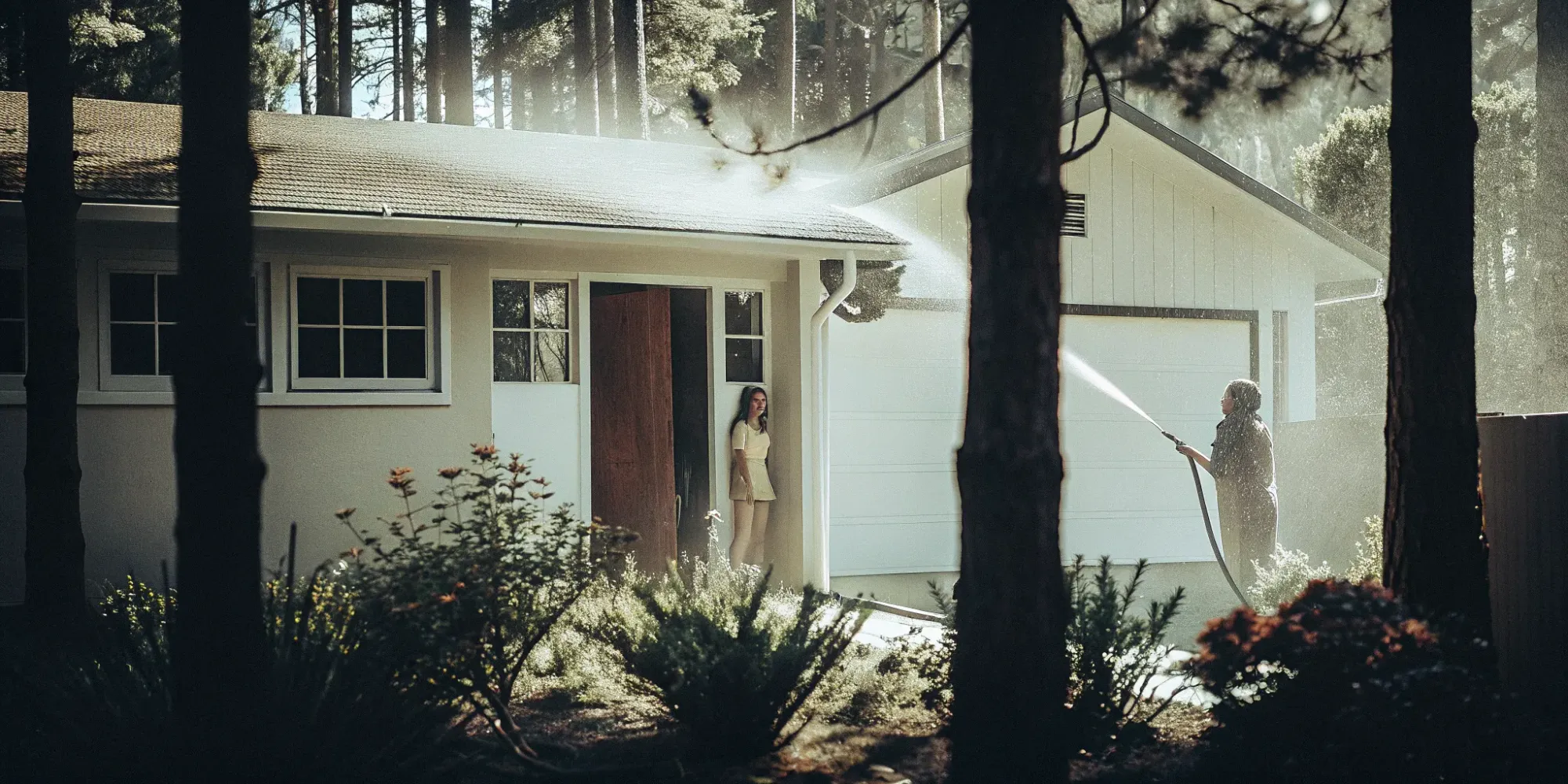
When it comes to fire, what we picture in our minds is often not the real threat. We see a huge wall of flames, but the reality is that most homes are lost to something much smaller and sneakier: embers that can travel for over a mile. Relying on common myths gives us a false sense of security, causing us to overlook the simple fixes that truly matter. This guide is here to separate fact from fiction. We’ll debunk the most persistent misconceptions and show you where to focus your efforts for the greatest impact. You'll get straightforward maintenance tips that address the real threats, helping you build a smarter, more effective home fire safety plan.
CTA ButtonKey Takeaways
- Defend Against Embers, Not Just Flames: Most homes are lost to tiny, wind-blown embers, not the main fire front. Your most effective strategy is creating a non-combustible zone within five feet of your home and hardening its exterior by cleaning gutters, sealing vents, and using fire-resistant materials.
- Turn Fire Safety into a Simple Routine: Consistent maintenance is your best tool for reducing fire risk. Integrate small, regular tasks—like monthly smoke alarm tests, seasonal yard clean-ups, and annual chimney inspections—to address hazards both inside and out before they become a threat.
- A Clear Evacuation Plan is Non-Negotiable: A fire-resistant house protects your property, but a practiced plan protects your family. Ensure everyone knows two escape routes from every room, establish a safe meeting spot outside, and run drills so your response is calm and automatic in an emergency.
Understanding the Dangers of a Home Fire
While protecting your home from external threats like wildfire is essential, it’s just as important to manage the risks that can start inside. A fire that begins in your kitchen or living room behaves differently than one approaching from the outside, but the outcome can be just as devastating. Understanding how quickly a fire can grow and the specific dangers it presents is the first step in creating a comprehensive safety plan. It’s not about fear; it’s about respect for the hazard and taking smart, informed steps to keep your family safe. Let's look at the realities of a typical house fire.
How Quickly a Fire Spreads
It’s hard to overstate the speed of a house fire. According to Ready.gov, a small flame can erupt into a major fire in less than 30 seconds. Within just a few minutes, an entire home can be filled with thick black smoke and engulfed in flames. This incredibly short timeline leaves almost no room for hesitation or decision-making. It’s why having a well-practiced escape plan is not just a good idea—it’s a critical survival tool. The goal is to get everyone out immediately, because the window of opportunity to escape safely is much smaller than most people imagine. Every second counts, and preparation is what makes those seconds work in your favor.
The Hidden Dangers: Smoke and Toxic Gases
While the flames are what we see, the most immediate threat to life in a fire is often invisible. The smoke and toxic gases produced by a fire are responsible for more fatalities than the flames themselves. Modern furniture, electronics, and building materials release a cocktail of poisonous chemicals when they burn, and inhaling this thick, hot smoke can quickly cause disorientation and incapacitation. This is why smoke alarms are so vital. They are designed to alert you at the earliest sign of smoke, giving you the precious time needed to get out before the air becomes unbreathable and your escape routes are obscured.
Common Causes of Fatal Home Fires
Knowing where fires are most likely to start can help you focus your prevention efforts. The Ventura County Fire Department identifies cooking as the leading cause of home fires and related injuries, a reminder to never leave the stove unattended. However, the most sobering statistic is that nearly three-quarters of home fire deaths occur in homes with no smoke alarms or with alarms that weren't working. This single fact underscores the importance of routine maintenance. A smoke alarm with a dead battery is as useless as no alarm at all. Regularly testing your alarms and changing the batteries is one of the simplest and most effective actions you can take to protect your household.
What Are the Biggest Fire Risks in Your Home?
Understanding where fire risks come from is the first step in protecting your home and family. While many people think of a single, dramatic event, most home fires start from common, everyday sources. The threats can come from inside your house, like in the kitchen or from your heating system, but for those of us in wildfire-prone areas, the danger also comes from the outside. Knowing the most frequent causes helps you focus your maintenance efforts where they matter most, creating a safer environment both inside and out.
Stay Safe While Cooking
It might not be surprising, but the kitchen is a major hotspot for home fires. According to the National Fire Protection Association, cooking is the leading cause of home fires and related injuries, with unattended cooking being the primary culprit. It’s easy to get distracted—you step away to take a call or help with homework, and suddenly a pan overheats. To prevent this, always stay in the kitchen when you are frying, grilling, or broiling food. If you have to leave the room, even for a moment, turn off the stove. It’s also smart to keep anything that can catch fire, like oven mitts, wooden utensils, and towels, away from your cooktop. For more tips, check out the NFPA's official cooking safety guide.
Is Your Wiring a Fire Hazard?
Your home's electrical system works hard behind the scenes, but when it's faulty, it becomes a serious fire hazard. Issues like old wiring, overloaded circuits, and malfunctioning appliances are a leading cause of home fires. Pay attention to warning signs like frequently tripped breakers, flickering lights, or outlets that are warm to the touch. Avoid overloading extension cords or power strips, and never run cords under rugs where they can overheat or become damaged. If you live in an older home, it’s a good idea to have a qualified electrician inspect your wiring to ensure it’s up to code. The NFPA offers straightforward advice on electrical safety that can help you spot potential problems.
Appliance and Electrical Safety Tips
Putting a little thought into how you use your appliances can make a huge difference in preventing fires. You don't need to be an expert; it's all about building simple, consistent habits. Turning these safety checks into a routine is one of the easiest ways to reduce the risk of an electrical fire starting in your home.
- Have a Pro Check Your Wiring: Especially if you live in an older home, it’s wise to have a qualified electrician inspect your wiring. They can spot hidden issues that you might miss, ensuring everything is up to current safety standards.
- Don't Overload Your Outlets: We're all guilty of using power strips, but be mindful not to plug too many things into one source. Never run extension cords under rugs, as they can overheat and become a serious fire hazard.
- Be Smart with Your Appliances: Always use the charger that came with your device and charge it on a hard, safe surface—not your bed or couch. And according to official fire service guidance, you should never leave the washing machine, dryer, or dishwasher running when you're out of the house or asleep.
- Clean the Lint Trap—Every Time: This one is critical and so easy to forget. Make it a non-negotiable habit to clean the lint from your dryer after every single use. That fluffy buildup is highly flammable and a common cause of devastating fires.
- Unplug Hot Tools: Hairdryers and straighteners can stay dangerously hot long after you’ve turned them off. Always unplug them right after you're done and let them cool down on a hard, heat-resistant surface like a tile floor or countertop.
Safely Maintain Your Heating Equipment
During colder months, we rely on heating equipment to keep us warm, but it’s also a leading cause of home fires. Space heaters are a common problem, especially when placed too close to flammable items like curtains, bedding, or furniture. A good rule is to keep a three-foot "kid-free" zone around them. Fireplaces and wood stoves also pose a risk if not properly maintained. A buildup of creosote in the chimney can easily ignite. To stay safe, have your chimney and central heating system inspected and cleaned by a professional every year. Following proper heating safety protocols is essential for a cozy and secure winter.
Safe Smoking Habits
It’s a stark fact, but smoking is one of the leading causes of fatal home fires. The good news is that this risk is almost entirely preventable with a few simple habits. The single most effective change you can make is to smoke outside. This keeps the ignition source away from flammable indoor items like furniture, curtains, and bedding. When you’re finished, make absolutely sure your cigarette is completely out. Use a deep, sturdy ashtray and place it on a level surface away from anything that can burn. Dousing the contents with water before you throw them in the trash is an extra step that provides total peace of mind. These small adjustments can dramatically reduce your risk and protect everyone in your home.
Childproofing Against Fire Hazards
Children are naturally curious, and the flickering flame of a candle or lighter can be fascinating to them. That’s why treating fire-starters with the same caution as any other household hazard is so important. Keep all matches, lighters, and fireworks stored high up and out of reach, preferably in a locked cabinet. Beyond just securing these items, have conversations with your kids about fire safety. Teach them that fire is a tool for adults, not a toy for playing. It’s also critical to never leave children unsupervised near an open flame, whether it’s a lit stove, a fireplace, or burning candles. Establishing these clear boundaries and taking simple fire precautions helps create a safe environment where curiosity doesn’t lead to an accident.
Why Wildfire Embers Are So Dangerous
For homeowners in wildfire country, the biggest threat often isn't the main wall of flames, but the storm of embers that precedes it. The National Interagency Fire Center states, "Most homes catch fire during a wildfire because of embers or small flames." These small, glowing bits of wood and vegetation can be carried by the wind for over a mile, landing on or near your home. They can get into vents, under eaves, or ignite dry leaves in your gutters, acting like tiny sparks that start a new fire. This is why creating defensible space and hardening your home's exterior is so critical. Effective wildfire mitigation starts with understanding and addressing the danger of embers.
How to Make Your Home's Interior More Fire-Safe
While creating defensible space around your property is your first line of defense against wildfire, what happens inside your home is just as important. Embers can find their way into a house through vents and other small openings, and common household items can quickly become fuel for a fire. Taking proactive steps to reduce fire risks inside your home adds a crucial layer of protection for your family and property.
Many of the most significant interior fire hazards are things we overlook in our daily routines. From aging electrical wiring to a clogged dryer vent, these hidden dangers can have devastating consequences. The good news is that addressing them is straightforward. A simple home fire safety maintenance schedule can help you stay on top of these tasks, giving you peace of mind and making your home a safer place to be. Let’s walk through the key areas you should focus on.
Inspect and Update Your Electrical System
Faulty wiring is a leading cause of residential fires, but it’s a hazard that often goes unnoticed until it’s too late. Signs of an electrical problem can be subtle, like flickering lights, outlets that are warm to the touch, or circuit breakers that trip frequently. If you live in an older home or notice any of these warning signs, it’s wise to hire a licensed electrician to perform a thorough inspection. They can identify outdated wiring, overloaded circuits, and other issues that need to be addressed. Remember, fire safety systems aren't a "set it and forget it" solution; they require regular maintenance to remain effective and keep your home safe.
Clean and Maintain Your HVAC System
Your heating, ventilation, and air conditioning (HVAC) system keeps you comfortable, but it can also pose a fire risk if not properly maintained. Over time, dust and debris can accumulate in the ductwork and around the unit itself, creating a potential fuel source. A malfunctioning system can also overheat and ignite nearby flammable materials. You can reduce this risk by changing your air filters regularly—at least every three months—and having your entire HVAC system professionally serviced once a year. This simple routine not only improves your home’s fire safety but also helps your system run more efficiently, which can save you money on energy bills.
Test Smoke Detectors and Replace Batteries
A working smoke detector is one of the most effective fire safety tools you can have. It’s your home’s 24/7 early warning system, giving you precious time to escape in an emergency. But they only work if they’re properly maintained. Get into the habit of testing your smoke alarms every month by pressing the test button. You should also replace the batteries at least once a year—a good time to do this is when you change your clocks for daylight saving time. The National Fire Protection Association also recommends replacing the entire smoke alarm unit every 10 years, as the sensors can become less sensitive over time.
Properly Place and Maintain Smoke Alarms
Where you place your smoke alarms is just as important as having them in the first place. For maximum protection, you should install alarms inside every bedroom, outside each sleeping area, and on every level of your home, including the basement. This strategic placement creates a safety net that ensures an early warning no matter where a fire might start. Once they're installed, a consistent maintenance routine is essential. Test each alarm monthly, and change the batteries at least once a year. According to official guidance, you should replace the whole smoke alarm unit every 10 years because the sensors lose sensitivity over time. This simple habit takes only a few minutes but is one of the most critical steps you can take to ensure your family has time to escape safely.
Clean Your Dryer Vent and Remove Lint
That fuzzy stuff you pull out of your dryer’s lint trap after every load? It’s highly flammable. While cleaning the trap is a great habit, it doesn’t catch everything. Lint can build up deep inside the dryer vent hose and ductwork, creating a serious fire hazard. This buildup restricts airflow, causing the dryer to overheat and potentially igniting the lint. Make sure you clean the lint screen after every single use. At least once a year, you should also thoroughly clean the entire vent line that runs from the back of the dryer to the outside of your house. You can do this yourself with a special brush kit or hire a professional for a quick and easy fix.
Maintain Your Chimney and Fireplace
A cozy fire is a wonderful thing, but it comes with responsibilities. As you burn wood, a sticky, flammable substance called creosote builds up on the inside of your chimney. If enough creosote accumulates, it can ignite, causing a dangerous chimney fire that can easily spread to the rest of your home. To prevent this, it’s essential to have your chimney inspected and cleaned annually by a certified chimney sweep. They will remove the creosote buildup and check for any structural issues, like cracks in the liner, that could pose a hazard. Don't fall for the myth that you can skip a year; annual inspections are critical for safety.
Install Spark Arresters
If you have a chimney, a spark arrester is a must-have, especially in a wildfire-prone area. A spark arrester is a metal screen that fits over the top of your chimney flue. Its job is simple but vital: it prevents burning embers and sparks from escaping your chimney and landing on your roof, in your yard, or in nearby vegetation where they could start a fire. This is a relatively inexpensive and easy-to-install device that provides a powerful line of defense against both chimney fires and wildfires. Check with your local fire department, as spark arresters are often required by code in high-risk areas.
Is Your Home's Exterior Ready for Wildfire Season?
When we think about wildfire defense, we often picture firefighters and large-scale efforts. But the truth is, the most effective protection for your home starts with you, right in your own yard. The small, consistent actions you take to maintain your home's exterior can make all the difference. This process, often called "home hardening," is about making your house more resistant to the biggest threat during a wildfire: flying embers.
Embers are small, burning pieces of debris that can travel a mile or more ahead of the main fire. They are the primary reason homes ignite during a wildfire. These embers look for any vulnerable spot to land and start a new fire—a pile of dry leaves in the gutter, a gap under a roof tile, or a torn window screen. By addressing these weak points, you create a strong first line of defense. Let’s walk through the most critical areas to focus on to keep your home safe.
Clean Your Roof and Gutters
Think of your roof and gutters as a collection tray for flammable debris. Throughout the year, they accumulate pine needles, leaves, twigs, and branches. When dry, this material becomes perfect kindling. If a stray ember lands in a gutter full of dry leaves, it can quickly ignite and spread fire to your roof and eaves.
Keeping your roof and gutters clean is one of the simplest and most impactful maintenance tasks you can perform. Make it a regular habit, especially before and during fire season. A clean roof gives embers nowhere to hide and nothing to ignite, significantly reducing the chance of your home catching fire from above. You can find more tips to prepare and protect your home from fire agencies that specialize in this work.
Repair Damaged Roofing
Your roof is your home's shield against the elements, and that includes fire. A single loose or missing shingle creates a direct entry point for embers to get into your attic or crawlspace, where they can smolder undetected and ignite your home from the inside out. Regularly inspect your roof for any signs of damage, like cracked tiles or curled shingles, and get them repaired promptly.
For the best protection, your roof should have a Class A fire rating, which means it's made from materials that are effective against severe fire exposure. Materials like asphalt shingles, metal, slate, or tile typically carry this rating. Ensuring your roof is in good repair and made of fire-resistant materials is a critical step in home hardening.
Maintain Windows and Screens
Windows are one of the most vulnerable parts of a home during a wildfire. The intense radiant heat from a nearby fire can cause single-pane glass to break, allowing embers and flames to enter. Torn or damaged window screens offer little resistance to flying embers. That’s why it’s so important to check that your screens are intact and your windows are in good condition.
For superior protection, consider upgrading to dual-pane, tempered glass windows. The inner pane stays cooler, making it much less likely to shatter from heat. At a minimum, ensure all your current windows close and seal tightly. A well-maintained window and a sturdy screen create a crucial barrier that keeps the inside of your home safe from the dangers outside.
Seal Vents and Openings with Mesh
Your home needs vents for air circulation in the attic, foundation, and eaves. Unfortunately, these openings are also an open invitation for embers. Vents can act like vacuums, sucking embers into vulnerable spaces where they can ignite insulation, wood framing, or stored items.
You can easily fix this weak point by covering all vent openings with a fine metal mesh. The standard recommendation is 1/8-inch mesh, which is small enough to block embers but large enough to allow for proper airflow. This is a relatively simple and inexpensive project that provides a huge return on safety. Carefully inspect your home for any small gaps or openings and seal them to ensure your home is fully protected.
How to Create Defensible Space Around Your Home
Creating defensible space is one of the most effective ways you can protect your home from a wildfire. It’s not about clear-cutting your property; it’s about creating a buffer zone that disrupts a fire’s path and reduces its intensity. Think of it as a well-maintained, fire-resistant area around your home that gives firefighters a safer space to defend your property. The concept is broken down into three manageable zones, starting from your foundation and moving outward. By managing the vegetation and materials in each zone, you can dramatically lower the risk of wind-blown embers igniting your home. This isn't just about landscaping—it's a critical part of your home's defense system. Taking these steps can make a huge difference in whether your home survives a wildfire, and it’s something every homeowner in a fire-prone area should prioritize.
Clearing Zone 1: The First 5 Feet
Think of the first five feet extending out from your home’s foundation as a non-combustible zone. This is the most critical area because it’s where embers are most likely to land and ignite your house. Your goal here is to remove all flammable materials. This includes clearing away dry leaves, pine needles, and wood mulch. You should also remove any flammable plants or shrubs growing against the house. Instead, use non-flammable materials like gravel, pavers, or concrete. The National Fire Protection Association offers excellent guidance on preparing homes for wildfire, emphasizing this ember-resistant foundation. This simple step creates a powerful barrier that can stop a fire in its tracks.
Managing Zone 2: 5 to 30 Feet Out
In the zone stretching from 5 to 30 feet from your home, the focus shifts to interrupting the fire's path. The goal is to create a "lean, clean, and green" landscape. You don't have to remove all vegetation, but you do need to manage it carefully. Keep plants spaced well apart to prevent fire from jumping from one to the next. Prune trees to keep branches at least 10 feet away from each other and your roof. Regularly remove dead plants, dry grass, and fallen leaves. This creates fuel breaks that slow a fire’s spread, reduce its intensity, and keep flames on the ground instead of in the treetops.
Maintaining Zone 3: The 30 to 100-Foot Buffer
The extended zone, from 30 to 100 feet out, is your property's first line of defense. The objective here is to further reduce a fire's energy and stop it from building momentum as it approaches your home. You can do this by thinning out dense vegetation and removing any dead trees or shrubs. Keep the area tidy by clearing away fallen branches and pine needles from the ground. This doesn't mean you need a barren landscape; it just means managing the vegetation to reduce the overall fuel load. A well-maintained extended zone can stop a ground fire from advancing and becoming a more significant threat.
Store Flammable Materials Safely
Where you store flammable items can be just as important as how you manage your landscape. Things like firewood piles, propane tanks, and portable gas cans can become a major hazard if they’re too close to your home. Embers can easily ignite these materials, creating a secondary fire right next to your house. As a rule, you should keep firewood and propane tanks at least 30 feet away from your house and any other structures, like a deck or shed. Store them in a location that is clear of vegetation to further reduce the risk of ignition.
Trim Trees and Manage Branches
Fire can climb from the ground into the treetops by using low-hanging branches and nearby shrubs as a ladder. These are known as "ladder fuels," and removing them is a key part of creating defensible space. You should trim low branches from trees, creating a clearance of at least 6 to 15 feet from the ground, depending on the tree's height. This practice, often called "limbing up," prevents a ground fire from spreading into the tree canopy, where it can become much more intense and difficult to control. Taking the time to prepare and protect your home by managing tree branches is a simple but powerful fire prevention step.
How to Choose Fire-Resistant Building Materials
When you live in a wildfire-prone area, the materials your home is made of become your first line of defense. Embers can travel for miles and are a primary cause of homes igniting during a wildfire. Choosing fire-resistant materials for your home’s exterior isn't just about meeting building codes; it's a proactive step to protect your property and family. If you're building a new home or planning a renovation, making smart material choices for your roof, siding, windows, and even your landscaping can dramatically improve your home's ability to withstand a fire. Let's look at some of the best options available.
Choosing Fire-Resistant Roofing
Your roof is the most vulnerable part of your home during a wildfire because it’s a large, flat surface where embers can easily land and accumulate. That's why selecting the right material is so critical. Class A fire-rated roofing materials offer the highest level of protection. Some of the best fire-resistant roofing options include concrete or clay tiles, metal, slate, and certain composition shingles made from asphalt. These materials are designed to resist ignition and prevent fire from penetrating your attic and the rest of your home. When it's time to replace your roof, investing in one of these options is one of the most important fire-hardening upgrades you can make.
Selecting Non-Combustible Siding and Decking
The siding on your home and any attached decks are also major vulnerabilities. Combustible materials can ignite from direct flame contact or even the intense radiant heat from a nearby fire. To create a stronger barrier, choose materials that are non-combustible or have a high fire-resistance rating. Stucco, fiber cement, and brick are excellent choices for siding because they don't burn. For decking, consider composite materials with a high fire rating or hardwoods like ipe. While treated wood can offer some resistance, non-combustible options provide a much higher level of safety, especially for structures attached directly to your house. These choices help create a protective shell around your home.
Installing Fire-Resistant Windows and Doors
Windows are often the weakest link in a home's exterior during a wildfire. The intense heat can cause single-pane glass to shatter, allowing embers and flames to enter your home. Investing in dual-pane or even triple-pane windows makes a huge difference. Look for multi-pane or tempered glass options, which are much more resistant to breaking under high heat. For frames, metal or fiberglass are better choices than vinyl, which can melt. Your exterior doors should be solid wood, metal, or have a solid core to prevent them from burning through quickly. A fire-rated garage door is also a smart investment, as garages often store flammable materials.
Making Fire-Smart Landscaping Choices
What you plant and place right next to your home matters just as much as the materials it's built from. The area within the first five feet of your foundation—often called the immediate zone—should be an ember-resistant space. This means removing flammable mulch, dry leaves, and woodpiles. Instead, create a beautiful and safe perimeter with non-flammable materials like gravel, pavers, or concrete walkways. This simple change creates a buffer that can stop a ground fire from reaching your siding. When you create this defensible space, you’re not just landscaping; you’re actively protecting your home from ignition.
How to Prepare Your Family for a Fire Emergency
Creating a fire-resistant home is a huge step, but it’s only half the battle. The other, equally important part is preparing your family to act quickly and safely during an emergency. When a fire starts, you won’t have time to figure things out. Having a clear, practiced plan is what ensures everyone knows their role and can get to safety. It’s about building muscle memory so that your family can respond calmly and effectively, even under pressure. This isn't about dwelling on worst-case scenarios; it's about empowering your loved ones with the knowledge and confidence to handle a crisis.
A truly comprehensive safety plan goes beyond home maintenance and landscaping. It involves thinking through the logistics of an evacuation, the tools you'll need, and how you'll communicate when it matters most. From making sure a fire truck can actually get up your driveway to knowing exactly where to meet once you're outside, these details can save lives. It's the human element of fire safety. While a fire-resistant roof can stop embers, a family evacuation plan gets everyone out of the house before the smoke becomes overwhelming. We’ll walk through the three pillars of family preparedness: ensuring emergency vehicles can reach you, equipping your home with the right safety gear, and creating a solid evacuation and communication strategy that everyone understands.
Ensure Clear Access for Emergency Vehicles
When every second counts, you want to make it as easy as possible for firefighters to get to your home. This means thinking about your driveway and property access from their perspective. According to the National Interagency Fire Center, roads and driveways should be at least 16 feet wide to accommodate large emergency vehicles. It’s also critical that your home has at least two different entry and exit routes. This gives first responders options and provides your family with multiple escape paths if one is blocked. Take a walk around your property and clear any overgrown vegetation or obstacles that could slow them down.
Get the Right Fire Safety Equipment
Having the right tools on hand can make all the difference. At a minimum, every home needs working smoke alarms and fire extinguishers. These are your first line of defense, alerting you to danger and giving you a way to handle small fires before they grow. But just having them isn't enough. You have to perform regular maintenance on your extinguishers, alarms, and any emergency lights to ensure they work when you need them most. Check the pressure gauge on your extinguishers monthly and test your smoke alarms to make sure the batteries are fresh and the sensors are clean. This simple routine is a critical part of keeping your home and family safe.
Plan Your Evacuation and Communication
In an emergency, panic can set in quickly. A well-rehearsed plan is your best tool for staying calm and acting decisively. Start by drawing a floor plan of your home and mapping out two escape routes from every room. Your smoke alarms are your early warning system, so make sure everyone in the family recognizes the sound and knows to get out immediately. Designate a safe meeting spot outside, a safe distance from the house. Practice your evacuation drill at least twice a year, including at night. It’s also smart to have a communication plan for contacting family members if you get separated. A fire protection plan is not a one-time task; it requires regular practice to be effective.
Practice Your Escape Plan Regularly
Having an escape plan on paper is a great start, but it’s the practice that truly prepares your family. A fire-resistant house protects your property, but a practiced plan protects your family. The goal of running drills is to build muscle memory so that if an emergency happens, everyone can react calmly and automatically instead of panicking. Make sure every person in your household knows two ways out of every room and understands where your designated safe meeting spot is located outside. Actually walking through the routes and gathering at the meeting spot helps solidify the plan. You should practice these drills at least twice a year, making sure to try it once during the day and once at night to simulate different conditions.
The "Close Before You Doze" Rule
It may seem counterintuitive, but sleeping with your bedroom door closed is a simple habit that can save your life. A closed door acts as a critical barrier against fire, smoke, and toxic gases like carbon monoxide. In the event of a fire, this simple action can slow the spread of flames and heat, keeping your room's temperature significantly lower and the air more breathable. This gives you precious extra minutes to wake up, assess the situation, and use your escape plan. It’s a small, effortless change to your nightly routine that provides a powerful layer of protection, so remember to close before you doze.
What to Do During a Fire
Even with the best preparation, it’s essential to know exactly what to do if a fire starts in your home. In a high-stress situation, having a clear plan that you’ve already thought through can make all the difference. The key is to act quickly, stay calm, and prioritize getting everyone to safety. These next steps cover the most critical actions to take, from the moment you hear a smoke alarm to what to do if your escape is blocked.
How to Safely Escape
When a fire starts, time is your most limited resource. A fire can become life-threatening in just two minutes, and a home can be completely engulfed in flames in five. Your first and only priority is to get out fast. Since smoke and toxic gases rise, your safest path is low to the ground, so drop down and crawl to your nearest exit. Before you open any closed door, feel it with the back of your hand. If the door or doorknob is hot, or if you see smoke coming from under it, do not open it—use your second way out. If the door is cool, open it slowly and be ready to close it immediately if heavy smoke or fire is present. Knowing how to react to home fires is about making these quick, smart decisions.
If You Get Trapped
If all your escape routes are blocked by smoke or fire, your goal is to create a barrier between you and the fire and to signal for help. First, close the door to the room you are in, but don't lock it. Use towels, blankets, or even tape to seal the cracks around the door and any air vents to keep smoke out. If there's a phone in the room, call 9-1-1 immediately and tell the dispatcher exactly where you are in the house. Then, go to a window, open it, and signal for help. You can wave a flashlight or a brightly colored piece of clothing to attract the attention of firefighters. Staying calm and following these steps will help protect you while you wait for rescue.
Stop, Drop, and Roll
It’s a phrase we’ve all heard since childhood, but it remains one of the most important fire safety rules. If your clothes ever catch on fire, you must act immediately to extinguish the flames and prevent serious burns. Do not run, as this will only fan the flames and make them worse. Instead, follow the three simple steps: Stop right where you are. Drop to the ground, covering your face with your hands to protect it from the flames. Roll over and over until the fire is out. If you see someone else whose clothes are on fire and they are unable to stop, drop, and roll, you can help by smothering the flames with a heavy blanket or a rug.
What to Do After a Fire
The moments after a fire can be disorienting and overwhelming. Once you and your family are safe, you’re faced with the daunting task of figuring out what comes next. It’s a difficult process, but you don’t have to go through it without a plan. Taking a series of clear, methodical steps can help you regain a sense of control and start the journey toward recovery. The key is to focus on one thing at a time, from securing your property and contacting your insurance company to carefully documenting your losses. This approach will help you manage the immediate aftermath and lay the groundwork for a smoother recovery process.
Getting Immediate Assistance
After confirming everyone is safe and you have the all-clear from the fire department, your first phone call should be to your insurance company. It’s essential to contact your insurance provider as soon as possible to begin the claims process without delay. They will assign an adjuster to your case and provide guidance on the immediate next steps. You will also need to secure your property to prevent further damage from weather or theft. This may involve hiring a company to board up broken windows and doors or fence off the area. Taking this step protects what’s left of your home and belongings and is often required by your insurance policy.
Navigating Insurance and Recovery
Once you've initiated the claim, your primary role is to document your loss with as much detail as possible. Before anything is moved or cleaned, take extensive photos and videos of the damage from every angle. Begin creating a detailed inventory of all damaged or destroyed items, from large furniture and appliances to smaller personal belongings like clothing and books. This list will be the foundation of your claim. Be sure to ask your insurance agent about your policy's coverage for Additional Living Expenses (ALE). If your home is uninhabitable, ALE can cover the costs of temporary housing, meals, and other essentials, providing crucial financial support while your home is being repaired.
Are You Making These Common Fire Safety Mistakes?
When it comes to protecting our homes and families from fire, we all want to do the right thing. But what if some of the most common beliefs about fire safety are actually wrong? Misinformation can be just as dangerous as a faulty wire or a pile of dry leaves. It can give us a false sense of security and cause us to overlook critical vulnerabilities in our homes. Taking a moment to challenge these assumptions is one of the most powerful steps you can take toward genuine preparedness.
Understanding the reality behind fire behavior and how safety systems truly function is key. It’s not just about having the equipment; it’s about knowing its limitations and using it as part of a comprehensive safety plan. Let's walk through some of the most persistent myths and separate fact from fiction. Getting these details right can make all the difference when every second counts, ensuring your efforts are focused where they matter most—on keeping your property and loved ones safe.
Debunking Common Smoke Alarm Myths
One of the most common misconceptions is that a smoke alarm warns you before a fire starts. In reality, a smoke alarm is designed to detect smoke particles in the air, which means it only sounds an alert after a fire has already ignited. While they are an absolutely essential life-saving tool, their job is to give you and your family precious time to escape a fire that is already in progress, not to prevent it from happening.
Thinking of a smoke alarm as a prevention tool is a critical mistake. It’s a reactive measure, not a proactive one. This is why it’s so important to have a multi-layered safety approach that includes preventative maintenance and creating defensible space. Your smoke alarm is your last line of defense, so be sure to test it monthly and replace the batteries at least once a year.
The Hidden Danger of Embers
When we picture a wildfire, we often imagine a massive wall of flames. But research shows that’s not how most homes are lost. The primary threat comes from something much smaller: embers. These tiny, glowing pieces of debris can be carried by the wind for a mile or more ahead of the main fire. They are the true culprits, landing in gutters, on wooden decks, or in flammable landscaping, and igniting new fires right next to your home.
This is why creating defensible space is so crucial. The main fire front might never even reach your property, but a blizzard of embers can easily find fuel if your home isn't prepared. According to the National Fire Protection Association, preparing homes for wildfire starts with removing flammable materials from the immediate area around your house. Clearing away pine needles, dry leaves, and woodpiles is your best defense against the hidden danger of embers.
What People Get Wrong About Sprinkler Systems
A popular myth, likely fueled by Hollywood movies, is that when one sprinkler head goes off, they all do, flooding the entire house. This leads many to worry that the water damage from a sprinkler system would be worse than the fire itself. Fortunately, that’s not how they work. Residential sprinkler systems are designed to be highly targeted. Only the sprinkler head closest to the fire’s heat source will activate.
In most cases, one or two sprinkler heads are enough to control or even extinguish a fire in its early stages. The amount of water they release is significantly less than what a fire department hose would use. The minor water damage from a sprinkler is far preferable to the catastrophic loss of property—and potentially life—from an uncontrolled fire. Sprinklers are a powerful tool for protecting your home, not destroying it.
The "Maintenance-Free" Myth
Installing fire safety equipment like smoke alarms, fire extinguishers, or a sprinkler system is a fantastic first step, but it’s not the last one. A dangerous myth is that these systems are "set it and forget it." Fire protection systems are just like any other important equipment in your home; they require regular checks and maintenance to ensure they’ll work when you need them most.
Over time, batteries die, components can fail, and sprinkler heads can become obstructed. Without routine inspections, you have no way of knowing if your first line of defense is actually functional. Ongoing maintenance is not an optional extra—it’s an essential part of any effective fire safety plan. Think of it like changing the oil in your car; you do it to make sure your vehicle runs reliably, especially in an emergency. The same principle applies to your home’s safety systems.
Your Home Fire Prevention Maintenance Schedule
Staying on top of home maintenance can feel like a never-ending to-do list. But when it comes to fire prevention, consistency is everything. Breaking down tasks into a manageable schedule—monthly, seasonally, and annually—makes it much easier to protect your home and family. Think of it as a simple routine, not a massive project. A little effort throughout the year goes a long way in reducing your wildfire risk and giving you peace of mind. This schedule helps you tackle the right tasks at the right time, ensuring your home’s defenses are always ready. By creating these habits, you’re not just checking boxes; you’re building a resilient property that’s better prepared for whatever comes its way.
Your Monthly Home Fire Safety Checklist
Your monthly check-in doesn't need to be complicated. Focus on quick, high-impact tasks that keep your home's first line of defense in good shape. Make it a habit to walk around your property and clear away any new debris like fallen leaves or twigs that have collected against the foundation or under your deck. This is also the perfect time to test your smoke alarms and carbon monoxide detectors. A quick press of the test button ensures they’re working correctly. Inside, check that your fire extinguishers are accessible and that the pressure gauge is in the green zone. These small, consistent actions are fundamental to home fire safety and only take a few minutes to complete.
Your Seasonal Home Fire Safety Checklist
As the seasons change, so should your maintenance focus. Before the start of fire season, it’s crucial to clean your roof and gutters of accumulated leaves, pine needles, and other debris. This prevents embers from finding a ready source of fuel. This is also the time to focus on your defensible space. Remove flammable materials like dry mulch and woodpiles from the area immediately around your home. The National Fire Protection Association recommends trimming tree branches so they are at least 6 to 15 feet from the ground, which helps stop a ground fire from climbing into the canopy. Rake up dead leaves and keep your lawn mowed and watered (if local regulations permit) to maintain a fire-resistant landscape.
Your Annual Professional Inspection Checklist
Some jobs are best left to the experts. Once a year, schedule a professional to inspect and sweep your chimney and fireplace. A certified technician can spot potential hazards and remove creosote buildup, a common cause of chimney fires. This is also the time to have any fire protection systems, like sprinklers, professionally serviced. It’s a common myth that these systems are a one-time installation; they require regular professional maintenance to ensure they function correctly when you need them most. An annual check-up on these critical systems is a smart investment in your home’s safety and your family’s security.
Related Articles
- How to Pass a Home Insurance Fire Inspection
- How to Get a Free Wildfire Risk Assessment
- Schedule a Fire Risk Inspection: A Complete Guide
- Home Hardening Against Wildfires: A Complete Guide
- Your Guide to the FireSmart Home Ignition Zone
Frequently Asked Questions
If I only have one weekend to improve my home's fire safety, where should I start? Focus on the area that gives you the most protection for your effort: the five feet immediately surrounding your home's foundation. Clear this entire zone of anything flammable—this means removing wood mulch, dry leaves, pine needles, and even shrubs growing against the siding. After that, get on a ladder and completely clean out your roof and gutters. These two actions directly address the number one threat from wildfire, which is flying embers looking for a place to land and ignite.
Does creating defensible space mean I have to remove all the trees and plants from my yard? Not at all. It’s about smart landscaping, not creating a barren lot. The goal is to manage the vegetation in zones to slow a fire's spread. The most critical area is the first five feet from your house, which should be free of flammable materials. Beyond that, you can absolutely have trees and plants. The key is to keep them "lean, clean, and green" by pruning low branches, removing dead material, and creating space between them so fire can't easily jump from one to the next.
I can't afford a major renovation. What are the most effective low-cost ways to protect my home's exterior? You can make a huge difference without spending a lot of money. Your top priorities should be cleaning and sealing. Regularly cleaning your roof and gutters is free and one of the most effective things you can do. Next, focus on sealing any small openings where embers could get in. You can buy 1/8-inch metal mesh from a hardware store to cover all your vents. Also, take the time to repair any torn window screens and ensure all your windows seal tightly.
My home isn't directly next to a forest. Why is everyone so focused on embers? Embers are the primary reason homes ignite in a wildfire, and they are a threat no matter how far you are from the main fire. The wind can carry these tiny, burning pieces of debris for more than a mile, showering them down on entire neighborhoods. They act like sparks looking for fuel, which is why a pile of dry leaves in your gutter or a woodpile next to your house is so dangerous. Your home's biggest risk isn't the giant wall of flames, but this storm of embers that precedes it.
What's the single biggest fire safety mistake people make? The most common mistake is treating fire safety as a one-and-done project instead of an ongoing habit. Installing a smoke alarm or clearing your yard once is a great start, but it's not enough. True preparedness comes from consistent maintenance. This means testing your alarms every month, cleaning your gutters every season, and practicing your family's evacuation plan twice a year. Your home's defenses are only as strong as your commitment to maintaining them.


