News
Homeowners Insurance Non-Renewal: What to Do Next
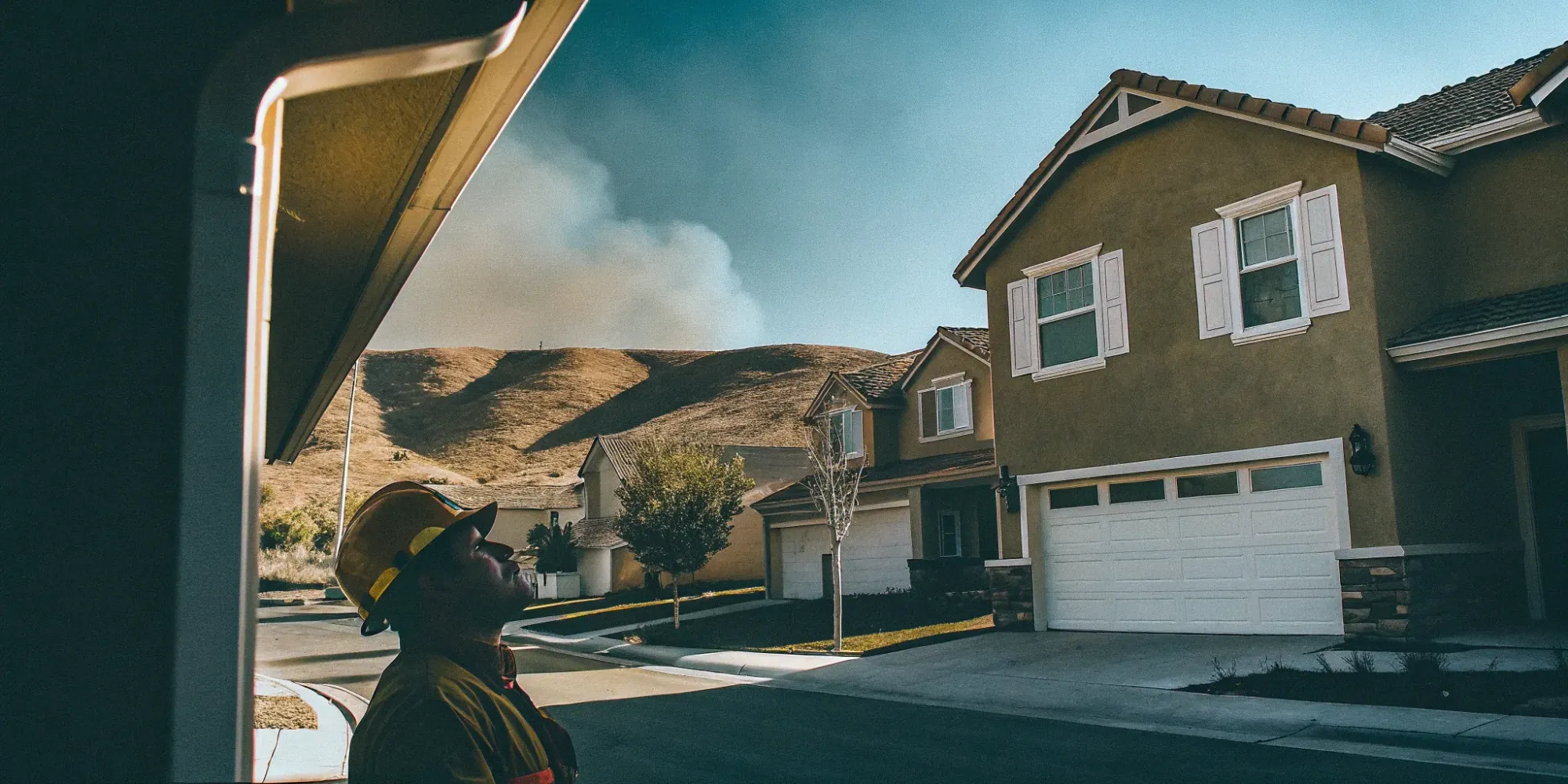
That dreaded non-renewal notice in the mail can feel like a gut punch, especially if you live in a wildfire-prone area. While heightened fire risk is a major reason for insurers to pull back, it’s rarely the only one. They're looking at your claims history, your property's maintenance, and even things like a new swimming pool. This guide explains all the common reasons for a homeowners insurance non-renewal. We'll show you what you can control and provide clear, actionable steps—particularly around wildfire mitigation—to help you keep your coverage.
CTA ButtonKey Takeaways
- Focus on What You Can Control: Your insurer views your home's condition as a direct reflection of its risk. By staying on top of maintenance, creating defensible space, and installing safety devices, you prove you're a proactive partner in protecting your property, making renewal a much easier decision for them.
- Use Your Insurance Strategically: Your claims history is a key factor in renewal decisions, and multiple small claims can be a bigger red flag than one large one. Treat your policy as a safety net for major events and consider paying for minor repairs yourself to keep your record clean.
- Treat a Non-Renewal Notice as Your Action Plan: A non-renewal isn't the final word; it's a starting point. Immediately address the reason stated in the notice, ask your insurer to reconsider, and simultaneously start shopping for new coverage with an independent agent to ensure you're never without protection.
What is a Homeowners Insurance Non-Renewal?
Getting a letter from your insurance company with the words "non-renewal" can feel like a punch to the gut. It’s easy to take it personally, but it’s important to understand what it really means. A non-renewal is simply a business decision by your insurer not to continue your coverage after your current policy expires. It’s not a reflection of you as a person, but rather a change in how the company assesses risk. This could be due to factors specific to your property, like its age or claims history, or it could be related to broader issues like increased wildfire risk in your entire neighborhood. Sometimes, it has nothing to do with you at all—the insurer might be reducing its coverage in your state or discontinuing a certain type of policy. While it’s an unsettling experience, a non-renewal notice is not the end of the road. Insurers are legally allowed to do this, but they also have to follow specific rules, which means you have rights and, most importantly, time to figure out your next steps. Let’s break down exactly what a non-renewal is, how it differs from a cancellation, and when you can expect to receive one.
Is Non-Renewal the Same as Cancellation?
It’s easy to confuse non-renewal with cancellation, but they are two very different things. Think of it like a lease on an apartment: a non-renewal is like your landlord deciding not to offer you a new lease when your current one ends. A cancellation is like being evicted in the middle of your lease term. A non-renewal happens at the end of your policy period, and your coverage remains fully in place until that expiration date. A cancellation, on the other hand, can happen mid-term and is usually triggered by something specific, like not paying your premium or committing fraud. The key difference is time—a non-renewal gives you a window to find new coverage without a lapse.
Specific Rules for Policy Cancellation
Unlike a non-renewal, which happens at the end of your term, a cancellation can happen at any time—but not without strict rules. Your insurance company can't just decide to cancel your policy on a whim. Generally, a mid-term cancellation is reserved for specific situations like not paying your premium, committing fraud, or making a serious misrepresentation on your application. Insurers are legally required to provide you with advance notice before the cancellation takes effect, which is one of your most important rights as a policyholder. The exact amount of time they must give you varies by state and depends on the reason for the cancellation. This notice period is designed to give you time to either correct the issue—if possible—or secure new coverage before you have a lapse.
When Can Your Insurer Decide Not to Renew?
An insurance company can’t just drop you without warning. State laws require them to provide you with advance written notice before your policy expires. The exact timing varies, but you can typically expect to receive a notice 30 to 75 days before your renewal date. This gives you a runway to address the issue or shop for a new policy. There are some exceptions and protections, especially in disaster-prone areas. For instance, in California, a mandatory one-year moratorium on non-renewals is often put in place for homes near the perimeter of a recent wildfire disaster. This is a crucial protection for homeowners during a vulnerable time. Always check your state’s Department of Insurance website to understand the specific regulations and consumer protections where you live.
Why Was My Homeowners Insurance Non-Renewed?
Receiving a non-renewal notice can feel confusing and personal, but it’s often a business decision based on risk assessment. Insurers regularly review their policies to make sure the risk they’re taking on aligns with their financial models. If they determine your property has become too risky to insure, they may decide not to renew your policy for another term.
The reasons can range from things you can control, like the condition of your roof, to factors completely outside your influence, like widespread weather patterns. Understanding why an insurer might flag your policy is the first step toward addressing the issue. Sometimes, a simple fix is all that’s needed to get your policy reinstated. In other cases, it might mean the insurer is shifting its strategy for your entire region. Either way, knowing the common triggers for non-renewal puts you in a better position to protect your home and find the coverage you need.
Too Many Claims on Your Record
From an insurer's perspective, your past behavior can predict future risk. If you have a history of frequent claims, your provider might see you as a higher-risk client. It’s not always about the dollar amount of the claims, but the sheer number. Multiple small claims for different issues can sometimes raise more red flags than one large claim for a single, isolated event like a storm. This pattern can suggest to the insurer that the property is poorly maintained or that you are more likely to file claims in the future. Before filing a claim for a minor issue, it’s worth considering whether handling the repair out-of-pocket might be better for your long-term insurability.
The Condition of Your Home Matters
Insurers want to see that you’re actively maintaining your home. An inspection that reveals a deteriorating roof, outdated electrical wiring, or significant structural issues can be a major cause for non-renewal. These problems signal a higher likelihood of future claims. Adding certain features to your property can also increase your risk profile. For example, installing a swimming pool, trampoline, or even certain breeds of dogs can make your home more expensive to insure or lead to non-renewal if your provider deems the liability risk too high. Keeping your property in good repair is one of the most direct ways to show your insurer you’re a responsible homeowner.
Increased Risk from Wildfires or Storms
If you live in an area prone to natural disasters like wildfires, hurricanes, or floods, your risk of non-renewal is significantly higher. As weather events become more severe and frequent, insurers are re-evaluating their exposure in high-risk zones. For homeowners in wildfire-prone regions, the condition of the property itself is critical. Insurers are looking closely at factors like defensible space, flammable vegetation near the home, and the use of fire-resistant building materials. The good news is that many insurers now recognize the value of proactive mitigation. Taking steps to invest in wildfire mitigation can not only reduce your risk but may also help you maintain your coverage.
A Drop in Your Credit or Insurance Score
Many people don’t realize that insurers often use a credit-based insurance score to help determine risk. This score is different from your regular credit score, but it’s based on similar information from your credit report. A significant drop in your score can signal financial instability to an insurer, which they correlate with a higher likelihood of filing a claim. While it may not seem directly related to the condition of your home, a poor insurance score can be enough for a provider to decide against renewing your policy. Maintaining good financial health is another piece of the puzzle when it comes to keeping your homeowners insurance.
Your Insurer Is Pulling Out of the Area
Sometimes, a non-renewal has nothing to do with you or your property. Insurance companies occasionally make broad business decisions to reduce their exposure in certain areas. If a region has experienced a surge in claims due to natural disasters, crime rates, or other factors, an insurer might decide to stop writing policies there altogether. For example, some major insurers have announced they will halt new homeowners’ policies in states like California due to escalating wildfire risk. While frustrating, this type of non-renewal is simply a reflection of a larger market trend, not a judgment on you as a homeowner.
Other Common Reasons for Non-Renewal
While major issues like your claims history and your home's condition are the usual suspects, a non-renewal notice can sometimes be triggered by something you might not expect. These reasons often feel like they come out of left field, but they are still rooted in an insurer's assessment of risk or shifts in their business operations. It’s easy to get blindsided by these less common triggers, but understanding them helps you see the full picture of how insurers make their decisions. Knowing what’s on their radar can help you stay ahead of the game and avoid being caught off guard by a change in your policy status.
You Added a New Pet
Bringing a new furry friend into your family is a joyful event, but it can have an unexpected impact on your homeowners insurance. Adding a new pet, particularly certain dog breeds that insurers consider high-risk, can lead to a non-renewal. From the insurer's point of view, these pets are seen as potential liabilities that increase the risk profile of your home. It’s not personal; it’s a calculation based on statistics around dog bites and other pet-related incidents. If you’re planning to get a new pet, it’s a good idea to have a conversation with your insurance agent beforehand to understand how it might affect your policy.
Your Insurer No Longer Works With Your Agent
Sometimes, a non-renewal has absolutely nothing to do with you or your home. It can be the result of a change in the business relationship between your insurance company and your agent. An insurer might decide to stop working with certain independent agents to streamline their operations or shift their market strategy. If this happens, your policy might not be renewed simply because your agent is no longer authorized to sell or service it. While this can be frustrating, the silver lining is that your agent will likely be able to help you find a new policy with a different carrier they work with, making the transition much smoother.
Does Filing a Claim Put You at Risk?
Think of your relationship with your insurance company as a two-way street. You pay your premiums for financial protection, and they agree to cover you based on an assessment of your risk. Your claims history is one of the biggest factors they use to measure that risk. When you file a claim, it signals to your insurer that a loss has occurred. While that’s exactly what insurance is for, a pattern of frequent claims can make an insurer think your property is more likely to experience future losses.
From their perspective, a homeowner who files multiple claims over a few years presents a higher financial risk than one who has never filed a claim. This doesn't mean you should never use your insurance. It simply means that your history of using it plays a significant role when the company decides whether to renew your policy. Each claim is recorded in a database, creating a track record that insurers review to predict future behavior and potential costs. A busy claims history can lead them to believe that continuing to insure your home is a gamble they’re no longer willing to take, resulting in a non-renewal notice. It's a business decision based on data, where past events are used to forecast future liabilities.
Is It the Number of Claims or the Cost?
It might seem counterintuitive, but insurers are often more concerned with the number of claims you file than the total dollar amount of a single large claim. One major claim for a roof replacement after a severe hailstorm is usually seen as an isolated, unavoidable event. However, filing several smaller claims for things like minor water leaks or a broken window can paint a different picture. This pattern suggests that a property may be poorly maintained or that the homeowner is simply more prone to filing claims for minor issues. This frequency of claims can make an insurer see you as too risky to continue covering. They might interpret it as a sign of ongoing problems that will lead to more claims down the road.
Claims That Make Insurers Nervous
Not all claims are viewed equally. Some types are more likely to worry an insurer because they suggest a higher potential for future, often costly, incidents. Water damage claims are a major one, as they can indicate underlying issues with plumbing or roofing that might lead to mold or structural problems. Liability claims, such as those from a dog bite or a slip-and-fall on your property, are also significant red flags because they can result in expensive legal and medical payouts. Even having certain features, like a swimming pool without proper fencing or owning specific dog breeds considered high-risk, can contribute to the list of reasons for nonrenewal.
How Long a Claim Stays on Your Record
When you file a claim, it doesn’t just disappear once it’s closed. It stays on your insurance record, typically for five to seven years. This information is shared through industry databases like the Comprehensive Loss Underwriting Exchange (CLUE), which most insurers use to review a property’s claims history. During this time, past claims can impact your ability to get a new policy or renew an existing one. These claims can also affect your insurance score, a rating similar to a credit score that insurers use to predict your likelihood of filing a claim in the future. A lower score can lead to higher premiums or, in some cases, non-renewal. This is why it’s wise to be strategic and consider paying for smaller repairs out-of-pocket.
Is Your Home Considered Too Risky to Insure?
Beyond your claims history, the physical condition of your property is one of the biggest factors an insurer evaluates. From their perspective, a well-maintained home with minimal hazards is less likely to result in a claim. Insurers conduct periodic inspections, either in person or using aerial imagery, to assess your property’s risk profile. If they spot issues that significantly increase the odds of a future payout—whether it’s a crumbling roof or a yard full of wildfire fuel—they may decide the risk is too high to continue offering you coverage. The good news is that many of these issues are within your control. Addressing them proactively can not only prevent a non-renewal notice but also make your home safer.
An Aging Roof and Other Structural Issues
Your roof is your home’s first line of defense against the elements, so insurers pay close attention to its age and condition. A roof that’s past its prime is a major liability for wind and water damage. If an inspection reveals worn, curling, or missing shingles, it’s a clear sign that a costly claim could be on the horizon. The same goes for other structural issues, like a cracked foundation or outdated electrical systems. These problems signal deferred maintenance and a higher likelihood of failure. Keeping up with essential home repairs and documenting major upgrades, like a roof replacement, shows your insurer that you are actively managing your property’s risk.
The Trouble with Pools and Trampolines
Some home features, while enjoyable for your family, are seen as significant liability risks by insurance companies. Items like swimming pools, hot tubs, and trampolines fall into a category often called “attractive nuisances,” meaning they can attract children and pose a risk of injury. Even having certain breeds of dogs can increase your liability risk in an insurer’s eyes. If you have these features, your insurer will want to see that you’ve taken safety precautions, such as installing a locked fence around your pool. In some cases, they may require you to exclude those items from your liability coverage or even non-renew your policy if they feel the risk of a lawsuit is too great.
Not Enough Defensible Space for Wildfire Safety
If you live in a wildfire-prone area, the condition of your yard is just as important as the condition of your house. Insurers are increasingly using satellite and drone imagery to assess a property’s wildfire exposure, and a lack of defensible space is a primary reason for non-renewal. Defensible space is the buffer you create by clearing flammable vegetation, trees, and brush away from your home. This buffer can slow or even stop a wildfire from reaching your structures. Insurers know that a home with good defensible space has a much better chance of surviving a wildfire, making it a more acceptable risk to cover.
Risks Tied to Your Home's Location
Sometimes, a non-renewal has less to do with your specific property and more to do with its location. If your home is in an area with a high concentration of risk from wildfires, hurricanes, or floods, insurers may decide to reduce their exposure in that entire region. This is a business decision, not a reflection on you as a homeowner. In these situations, you might see insurers implement new restrictions, such as higher deductibles for wildfire damage or lower coverage limits for wind. While you can’t change your home’s location, you can focus on what you can control: mitigating the risks specific to your area, whether that’s creating defensible space or installing hurricane shutters.
What to Do if You Get a Non-Renewal Notice
Receiving a non-renewal notice in the mail can feel like a gut punch. It’s stressful, confusing, and leaves you with a lot of questions about what to do next. But before you panic, take a deep breath. This isn’t an eviction notice for your insurance; it’s simply a heads-up that your current policy won’t continue after its expiration date. The good news is that you have time to act, and there’s a clear path forward. Your insurer is required to give you notice, which gives you a window to figure out your next steps without rushing into a bad decision. The key is to be proactive and methodical. Whether the issue is related to your property's condition, your claims history, or broader changes in the insurance market, you have options. By understanding your rights, addressing the core issue that triggered the notice, and exploring your options for new coverage, you can find a new policy and keep your home protected. This situation can even be an opportunity to make your home safer and potentially find a better policy. Let’s walk through the exact steps you should take, one at a time.
Check the Deadline and Know Your Rights
First things first, read the notice carefully. Your insurance company is required to give you advance warning before your policy expires—the exact amount of time varies by state but is often between 30 and 75 days. This notice period is your window to sort things out. The letter should also clearly state the reason for the non-renewal. It’s important to know that insurers are legally allowed to non-renew policies, provided they follow state regulations. You can check with your state’s department of insurance to confirm the rules in your area and understand your rights as a policyholder.
Understand California's Wildfire Moratorium
If you live in California, you have an important protection that can provide some stability after a disaster. The state has a mandatory one-year moratorium on non-renewals for homes located within or adjacent to the perimeter of a recent wildfire disaster. This rule is designed to give you a much-needed break, preventing your insurer from dropping your coverage while you’re focused on recovering and rebuilding your life. It’s a crucial safety net that ensures you don’t have to face the added stress of finding new insurance immediately following a traumatic event. This protection gives you time and space to get back on your feet without worrying about losing your policy.
What to Do if You Believe a Non-Renewal is Unfair
If the reason for your non-renewal feels vague or unfair, you don’t have to just accept it. Your first move should be to ask your current insurer for a detailed explanation. Sometimes a non-renewal is based on outdated information that you can correct, like a roof that you’ve since replaced. If you don’t get a satisfactory answer from your agent or a customer service representative, ask to speak with the company’s consumer affairs department. If you still feel the decision is unjust, your next step is to file a complaint with your state’s department of insurance. They are there to protect consumers and can investigate whether the insurer followed all the required laws and regulations in their decision.
Fix the Problem That Caused the Non-Renewal
The reason for the non-renewal is your key to moving forward. If the notice mentions a specific issue, like an aging roof or a lack of defensible space, your first move should be to fix it. Document everything you do with photos, receipts, and contractor invoices. Proving that you’ve resolved the problem not only makes your property safer but also strengthens your case when you ask your current insurer to reconsider or when you apply for a new policy. Taking swift, documented action shows that you are a responsible homeowner, which can make a big difference to underwriters.
Ask Your Insurer to Reconsider
Once you’ve addressed the issue that led to the non-renewal, it’s time to get on the phone. Contact your insurance agent or a company representative and explain the steps you’ve taken. Provide them with the documentation you gathered—the photos, the receipts, everything. Ask them if they would be willing to reinspect the property and reconsider their decision. While there’s no guarantee they’ll reverse the non-renewal, it’s absolutely worth a try. If the problem was fixable and you’ve proven you fixed it, some insurers will be willing to keep your business.
Start Shopping for New Coverage
Don’t wait for your current insurer to reconsider before you start looking for a new policy. You need to begin shopping for new coverage immediately to avoid a lapse, which can cause major problems with your mortgage lender. A lapse in coverage leaves you financially exposed if something happens to your home. Start by getting quotes from other insurance companies. An independent insurance agent can be a huge help here, as they work with multiple carriers and can shop around for you. If you’re in a high-risk area, you may also need to look into state-run programs like a FAIR Plan.
Understand the Consequences of a Coverage Gap
Letting your insurance lapse is one of the biggest mistakes you can make after receiving a non-renewal notice. Even a single day without coverage leaves you completely on your own. If a fire breaks out or someone gets injured on your property, you are financially exposed to cover all the costs yourself, which could be devastating. Beyond that, if you have a mortgage, your lender requires you to maintain continuous homeowners insurance to protect their investment. If they find out you’re uninsured, they won’t just let it slide. They will take action to protect their asset by purchasing a policy on your behalf, and it’s a solution that comes with some serious downsides.
What is Force-Placed Insurance?
When your lender buys insurance for you, it’s called force-placed insurance, and it’s something you want to avoid. This type of policy is almost always more expensive than a standard policy you would find on your own, and the premiums are simply added to your monthly mortgage payment. To make matters worse, the coverage is minimal. Force-placed insurance is designed to protect the lender’s interest—the structure of your house—and typically doesn’t cover your personal belongings, liability, or additional living expenses if you’re displaced. Think of it as a costly, bare-bones safety net for your bank, not for you. It’s a temporary fix that underscores the importance of securing your own policy before your old one expires.
How to Prevent Homeowners Insurance Non-Renewal
Receiving a non-renewal notice can be stressful, but the good news is that you have a lot of power to keep your policy in good standing. Insurance companies are all about managing risk. When you show them you’re a responsible homeowner who actively works to protect your property, you become a much more attractive customer to keep. Think of it as a partnership. By taking a few proactive steps, you can significantly lower your risk profile and make your insurer’s decision to renew your policy an easy one.
Stay on Top of Home Maintenance
One of the simplest ways to prevent non-renewal is to keep your home in great shape. Insurers see a well-maintained property as a less risky one. During routine inspections, they look for red flags like a deteriorating roof, peeling paint, or foundation cracks. These issues suggest that a larger, more expensive claim could be on the horizon. Make a habit of performing regular home maintenance checks. This includes cleaning your gutters, inspecting your roof after major storms, and addressing any plumbing or electrical issues right away. Even small cosmetic fixes can show an insurer that you care for your property and are committed to preventing future problems.
Create Defensible Space Around Your Property
If you live in an area prone to wildfires, creating defensible space is one of the most critical actions you can take. This is the buffer you create between your home and the surrounding grass, trees, and shrubs. Insurers are increasingly focused on wildfire risk, and they reward homeowners who take steps to mitigate it. A property with good defensible space is far more likely to survive a wildfire, which directly reduces the insurer's potential for a total-loss claim. You can start by clearing dead leaves and pine needles from your roof and gutters, trimming tree branches that hang over your house, and removing flammable vegetation near your home’s foundation. Following wildfire preparedness guidelines not only protects your home but also demonstrates to your insurer that you are a proactive partner in risk reduction.
Be Strategic About When You File a Claim
While you pay for insurance to use it when you need it, your claims history plays a big role in your renewal eligibility. Filing multiple small claims in a short period can signal to your insurer that you’re a high-risk client. Before filing a claim, consider the cost of the repair versus your deductible. If the repair cost is only slightly more than your deductible, it might be wiser to pay out of pocket. This keeps your claims record clean for when you truly need it for a major, catastrophic event. Think of your insurance as a safety net for the big things, not a maintenance plan for the small stuff. This approach helps you maintain a positive claims history and shows your insurer that you’re financially responsible.
Install Home Safety and Security Systems
Insurance companies love to see homeowners invest in safety and security. Why? Because these systems actively prevent the kinds of incidents that lead to claims. Installing devices like smoke detectors, carbon monoxide alarms, a burglar alarm, or an automatic water shut-off system can make your home significantly safer. These upgrades directly reduce the risk of fire, theft, and water damage. Many insurers even offer discounts on your premium for having these systems in place. It’s a true win-win: you protect your family and property while also making your home more appealing to your insurance provider, strengthening your case for renewal year after year.
Where to Find New Coverage After Non-Renewal
Receiving a non-renewal notice can feel like a major setback, but it’s not the end of the road for securing homeowners insurance. The key is to act quickly and strategically. Instead of scrambling, think of this as an opportunity to find a policy that better fits your property’s current reality. There are several clear paths you can take to find new coverage, from working with a professional who knows the market inside and out to exploring state-backed programs designed for situations just like this. It's a frustrating process, but you have more options than you might think.
It’s also helpful to separate fact from fiction. The insurance landscape, especially in high-risk areas, is surrounded by a lot of noise and misinformation that can make an already stressful situation feel impossible. Understanding the reality of the market can help you approach your search with a clear head and a solid plan. Your goal is to find reliable coverage that protects your biggest asset, and there are resources available to help you do just that. Let’s walk through the most effective steps you can take to find a new policy and keep your home protected.
Work with an Independent Insurance Agent
Your first call after a non-renewal notice should be to an independent insurance agent. Unlike a "captive" agent who only works for one company, an independent agent partners with multiple insurers. This gives them a bird's-eye view of the market and the ability to shop around for you. They can find a new policy that fits your specific needs and risk profile, saving you the time and stress of calling dozens of companies yourself. An experienced agent can often find options you wouldn't discover on your own and can help you present your property in the best possible light to potential insurers.
Explore State Insurance Programs and FAIR Plans
If you’re struggling to find coverage in the private market, don’t panic. Most states have a safety net called a FAIR (Fair Access to Insurance Requirements) Plan. These state-run programs were created to offer essential coverage to homeowners who are considered too high-risk for standard policies. While a FAIR Plan might offer more basic coverage than a traditional policy, it ensures your property is protected from major perils like fire. Think of it as a last-resort option that guarantees you won’t be left completely uninsured. You can look into your state's FAIR plan to see if it’s the right fit for your situation.
Don't Believe These Insurance Myths
It’s easy to get swept up in alarming headlines, but it’s important to understand the facts. For example, a common myth is that major insurers are dropping all their customers in states like California. The reality is more nuanced; while companies are reducing their overall risk, they aren't necessarily non-renewing every existing policyholder due to market changes alone. There are many myths and facts to sort through. Furthermore, non-renewal isn't always tied to wildfire risk. Insurers also consider other factors, like having certain dog breeds or an old, unmaintained roof, which can also make it difficult to secure a policy. Knowing this can help you focus on the specific issues you need to address.
Myth: No One Else Will Insure Me
It’s easy to spiral into panic mode and assume you’re uninsurable after one non-renewal, but that’s rarely the case. The idea that no one will insure you is usually not true. Every insurance company has its own unique formula for assessing risk. What one company considers an unacceptable liability, another might see as a manageable risk, especially if you’ve taken steps to address the issue that caused the non-renewal in the first place. This is why it’s so important to start shopping around immediately. A non-renewal from one carrier is not a black mark that follows you everywhere; it’s simply a sign that you and that particular insurer are no longer a good fit.
Myth: My New Policy Will Automatically Cost More
Many homeowners assume that being non-renewed automatically puts them in a higher-risk pool that will come with a much higher premium. While this can happen, it’s not a guarantee. Sometimes, a non-renewal has nothing to do with you or your property’s condition. Your insurer might be making a broad business decision to stop writing policies in your entire state or discontinuing a certain type of coverage. In these cases, another insurer might be happy to offer you a policy at a comparable, or even better, rate. The key is to shop around and compare quotes from multiple carriers to ensure you’re getting the best coverage for a fair price.
Myth: The Reason for Non-Renewal Doesn't Matter
This is perhaps the most dangerous myth of all. The reason stated in your non-renewal notice isn't just a formality; it's your action plan. Ignoring it is a huge mistake. If the notice points to a specific problem, like an old roof or insufficient defensible space, your first and most important step is to fix the issue. Addressing the problem directly gives you leverage. You can go back to your original insurer and ask them to reconsider, and it makes you a much more attractive applicant to new insurance companies. Proving you’re a proactive homeowner who takes risk mitigation seriously is the best way to improve your chances of getting affordable coverage.
Related Articles
- How to Find Home Insurance in a Wildfire Zone
- Why Insuring Homes in Wildfire Areas is So Hard
- Getting Homeowners Insurance in High Fire Risk Areas
- Get a High Fire Risk Insurance Quote: A 5-Step Guide
Frequently Asked Questions
Is a non-renewal the same as being dropped by my insurance? Not exactly. A non-renewal means your insurer has decided not to offer you a new policy when your current one expires. Your coverage stays active until that end date. A cancellation, however, is much more serious and can happen mid-term, usually because you missed a payment or committed fraud. Think of a non-renewal as a heads-up that gives you time to find a new plan without any gap in your protection.
My property is in great shape. Why was my policy still non-renewed? This is a frustrating situation, but sometimes a non-renewal has nothing to do with you or your home's condition. Insurance companies often make broad business decisions to reduce their overall risk in a specific region. If your area has recently experienced a high volume of claims from events like wildfires or storms, an insurer might decide to stop writing policies there altogether to rebalance their portfolio.
Will fixing the problem mentioned in my notice guarantee my insurer will renew my policy? Unfortunately, there's no guarantee. However, addressing the issue is still your best first step. If your notice cited an old roof and you replace it, you should absolutely contact your insurer with proof of the repair and ask them to reconsider. While they may still decline, you've now made your property much more attractive to other insurance companies you'll be applying to.
How can one small claim lead to a non-renewal? Insurers often care more about how many claims you file than the size of a single claim. Filing several small claims can signal to them that your property is poorly maintained or that you're more likely to file claims in the future. One large claim from a freak storm is often seen as an isolated event, but a pattern of smaller issues can make you appear to be a higher financial risk over the long term.
I live in a high-risk wildfire area and can't find coverage. Am I out of options? You are not out of options. If you're struggling to find a policy in the private market, your next step should be to look into your state's FAIR Plan. These are state-run programs designed to be an insurer of last resort, offering essential coverage to homeowners who can't get it elsewhere. It ensures you have a safety net to protect your home from major events like a fire.


