News
A Homeowner's Guide to Wildfire Code Compliance
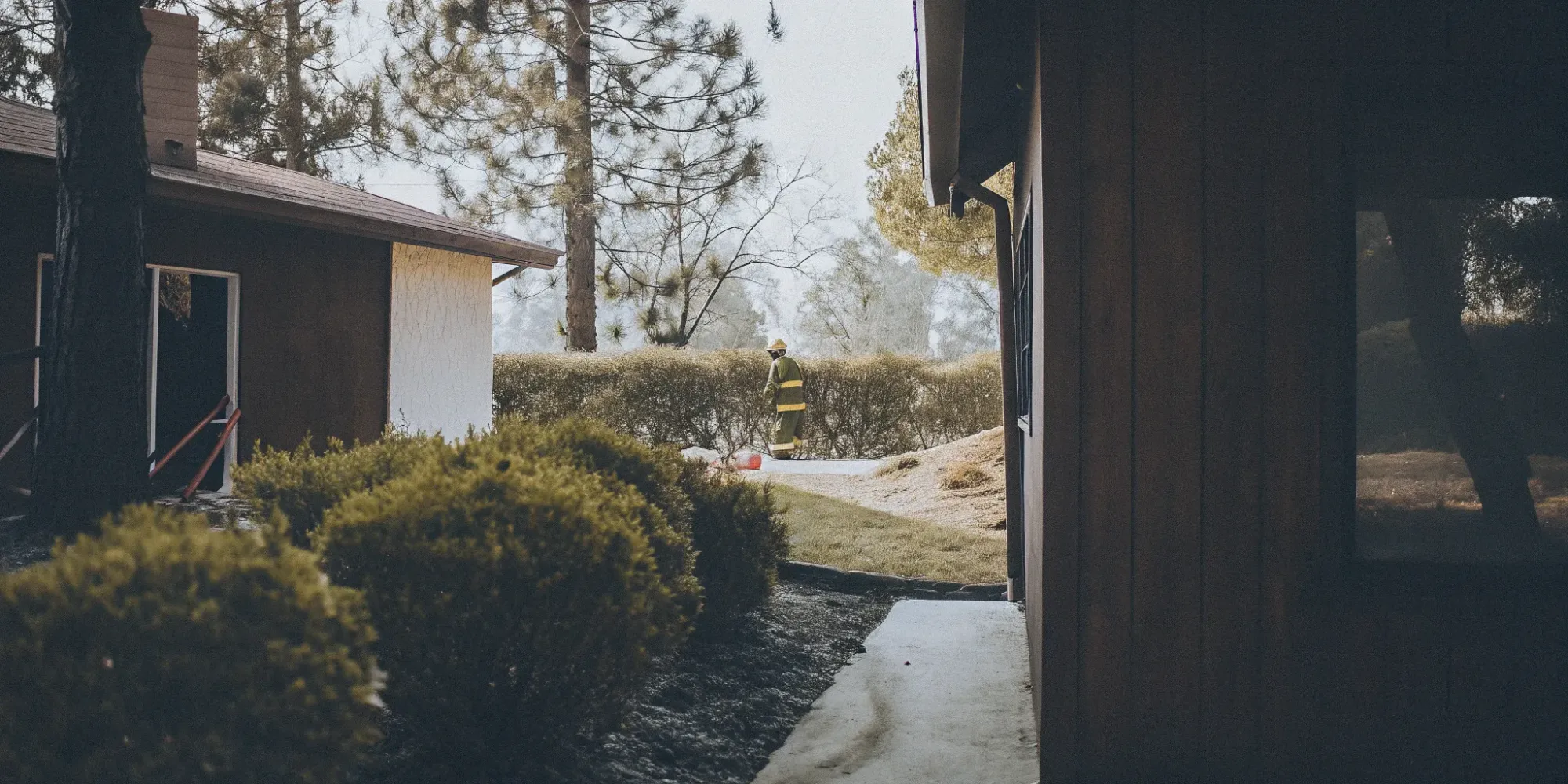
Losing your home insurance—or seeing the premium skyrocket—is a major source of stress. If you live in a fire-prone area, you know this feeling all too well. The good news is you have a powerful way to respond. Passing a wildfire code compliance inspection gives you official proof that you’ve taken the right steps to make your home more resilient. To an insurer, this makes you a lower risk. This guide will explain how preparing for your inspection can directly impact your insurability, helping you protect your home and your financial well-being.
CTA ButtonKey Takeaways
- View an Inspection as a Collaborative Safety Plan: Treat the inspection process as a partnership with fire officials. It provides a clear, personalized roadmap to identify and fix vulnerabilities, making your home significantly safer.
- Focus Your Efforts on Defensible Space and Access: The most critical preparation involves creating a buffer around your home by clearing flammable materials and managing vegetation, especially in the first 30 feet, and ensuring emergency vehicles have clear access to your property.
- Recognize that Compliance Protects Your Finances: Passing an inspection is essential for maintaining affordable homeowners insurance and protecting your property's value. It's a key investment that provides both physical safety and financial security.
What Is a Wildfire Inspection?
If you live in a wildfire-prone area, you’ve probably heard about wildfire code inspections. It might sound intimidating, but it’s really just a safety check-up for your property. An inspector visits your home to make sure it complies with local and state fire safety regulations designed to reduce wildfire risk. Think of it as a partnership between you and your local fire department to keep your home, and your entire neighborhood, safer.
The main goal is to spot and address potential fire hazards before they become a problem. By ensuring properties are prepared to resist embers and slow the spread of flames, these inspections play a huge role in protecting communities. Understanding what the process involves is the first step to passing with flying colors and gaining peace of mind. It’s not about getting a "gotcha" violation; it's about proactive protection.
Understanding Wildfire Safety Codes
To prepare for an inspection, it helps to understand the rules the inspector is following. These aren’t just arbitrary guidelines; they’re based on established wildfire safety codes developed by experts to protect lives and property. These codes provide a clear framework for what makes a home resilient in a wildfire-prone environment. They cover everything from the type of materials used in your roof and siding to the amount of clearance you need between your home and the surrounding vegetation. Knowing the logic behind these rules can transform the inspection from a stressful test into a collaborative effort to safeguard your home.
The Growing Threat of Wildfires
It’s no secret that wildfire season feels more intense each year. The reality is that wildfires are happening more often and in more places, impacting communities that previously weren't considered high-risk. This expanding threat is why fire safety codes have become so critical. As more homes are built in or near natural landscapes—an area known as the Wildland-Urban Interface (WUI)—the potential for disaster grows. The codes are a direct response to this changing environment, providing a standardized defense plan that helps communities prepare for and withstand the increasing likelihood of a wildfire event.
Why Wildfire Codes Are More Important Than Ever
Tragic events like the 2023 Lahaina Fire in Maui serve as a devastating reminder of why these regulations are essential. WUI codes are designed to prevent such destruction by creating safer conditions before a fire starts. They work by setting standards for how land is used, mandating the use of fire-resistant building materials, and, most importantly, requiring adequate defensible space around structures. This buffer zone is your home's first line of defense, as it slows the spread of flames and gives firefighters a safe area to work. Adhering to these codes isn't just about compliance; it's about actively reducing your home's vulnerability.
The National Model: The International Wildland-Urban Interface Code (IWUIC)
Many local fire codes aren't created from scratch. They are often based on a national model called the International Wildland-Urban Interface Code (IWUIC). This comprehensive document provides a set of minimum safety standards for construction and land use in the WUI. Think of it as the foundational playbook for community wildfire safety. It outlines best practices for everything from ignition-resistant construction and safe access routes for emergency responders to managing vegetation. By establishing these clear, expert-backed requirements, the IWUIC helps ensure a consistent and effective approach to reducing wildfire risk across the country.
How National Models Shape Local Rules
The IWUIC serves as a template that states, counties, and cities can adopt or adapt to fit their specific landscape and needs. Your local inspector is enforcing rules that are likely derived from this national standard. The IWUIC is also designed to work in harmony with other regulations, like the International Building Code (IBC) and International Fire Code (IFC). Together, they create a layered safety system that strengthens the entire community against wildfire. Understanding that your local codes are part of this larger, coordinated effort can give you confidence that the preparations you make are based on proven strategies for protecting your home.
Why Do I Need an Inspection and What Does It Cover?
The primary reason for these inspections is to identify and reduce factors that could ignite or spread a wildfire. By enforcing compliance with fire codes, officials can help make entire communities more resilient. During an inspection, they’ll evaluate several key areas of your property. This includes how you manage vegetation (your defensible space), the fire resistance of your home’s structure, and your overall compliance with fire safety standards. They’re looking for a clear picture of your property’s ability to withstand a wildfire event.
Who Will Be Inspecting My Property?
You can expect a trained professional from your local fire department to perform the inspection. In many areas, this is handled by a specialized team. For example, the City of Oakland’s inspections are carried out by its Vegetation Management Unit (VMU). These inspectors are experts in fire safety and are trained to assess properties for compliance with specific regulations. They aren’t just there to check boxes; they can also provide valuable guidance on the exact improvements you need to make to better protect your home.
When Do Wildfire Inspections Happen?
Wildfire inspections are typically conducted annually, giving you a regular opportunity to ensure your property stays up to code. While the exact timing can vary by jurisdiction, they often begin in late spring as fire season approaches. This schedule allows homeowners time to address any issues before the risk of wildfire becomes most severe. The best approach is to be proactive. Instead of waiting for a notice in the mail, you can start preparing your property early to ensure you’re ready when the inspector arrives.
Don't Believe These Wildfire Inspection Myths
There are a few common misconceptions about wildfire inspections that can cause unnecessary stress. Some homeowners worry they’ll be forced to make expensive, unnecessary improvements, but the reality is that inspectors focus on specific, code-defined fire hazards. Another myth is that small issues don’t matter. In fact, even minor violations, like clutter near a furnace or water heater, can lead to a failed inspection. Understanding what inspectors are truly looking for helps you focus your efforts on what’s most important for safety.
What's on the Inspector's Checklist?
When an inspector visits your property, they aren't looking for perfection—they're looking for safety. They follow a specific checklist to assess your home's ability to withstand a wildfire, focusing on key areas where you have the most control. Understanding what’s on their list is the best way to prepare and feel confident on inspection day. They’re primarily focused on your defensible space, the condition of your home’s exterior, and whether emergency services can reach you when you need them most. Let's walk through the main things an inspector will be examining.
Assessing Your Defensible Space Zones
Think of defensible space as a safety bubble around your home. It’s the area you manage to slow or stop a wildfire from spreading to your house. According to CAL FIRE's defensible space guidelines, you need to create and maintain this buffer for 100 feet around your home, or up to your property line, whichever is closer. An inspector will walk your property to see how well you’ve established these zones. They’ll check the immediate 5-foot zone for anything combustible and look at the landscaping and vegetation management in the broader 30-foot and 100-foot zones. This space is your first line of defense and one of the most critical items on their checklist.
Zone 0: The Ember-Resistant Zone (0-5 feet)
This is the most critical area, the five feet immediately surrounding your home's foundation. During a wildfire, this zone is bombarded by embers, which are a leading cause of home ignition. Your goal here is to create a non-combustible environment. An inspector will look for the complete removal of flammable materials like wood mulch, dead leaves, and pine needles. Instead, you should use materials like gravel, pavers, or concrete. They will also check that you’ve moved firewood stacks and other flammable items at least 30 feet away from the house. Finally, they’ll look up, ensuring any tree branches hanging over your roof or coming within 10 feet of a chimney have been trimmed back. Think of this zone as a moat that protects your home from embers.
Zone 1: The Lean, Clean, and Green Zone (5-30 feet)
Extending from 5 to 30 feet out, this zone is all about interrupting a fire's path. The mantra here is "Lean, Clean, and Green." An inspector will want to see that you’ve removed dead plants, dry grass, and fallen leaves. Your lawn should be mowed to a height of four inches or less. They will also assess the spacing of your vegetation. You need to create separation between trees and shrubs to prevent fire from jumping from one plant to another. A key part of this is trimming the lower branches of trees to a height of 6 to 15 feet from the ground. This simple step helps stop a ground fire from climbing into the tree canopy, where it can become much more dangerous and difficult to control.
Zone 2: The Fuel Reduction Zone (30-100 feet)
In the area stretching from 30 to 100 feet from your home, the focus shifts from elimination to reduction. You don't need to clear-cut your property. The goal is to thin out the vegetation to reduce the amount of available fuel and slow a fire's spread. An inspector will look for evidence of regular maintenance, like raking up leaves and pine needles. They will also check for adequate spacing between trees and shrubs, ensuring there isn't a continuous path of fuel leading toward your home. This zone acts as a crucial buffer, giving firefighters a safer space to work if they need to defend your property. Managing this larger area shows a deep commitment to creating a truly wildfire-resilient property.
Clearing Flammable Plants and Vegetation
What’s growing around your home matters—a lot. An inspector will pay close attention to your landscaping choices and maintenance habits. They’ll want to see a clean area extending 30 feet from your home, free from ground fuels like dry grass, dead leaves, and small, flammable bushes. This doesn't mean you need a barren dirt lot; it just means choosing and maintaining plants wisely. They will check for tree limbs overhanging your roof, dead branches that need to be removed, and whether you’ve created "fuel breaks" with things like walkways and patios. Following local compliance standards for vegetation is key to passing this part of the inspection.
Checking Your Home's Fire Resistance
The inspector will look closely at the materials your home is made of and how well you maintain them, especially in the area immediately surrounding it. In the first five feet from your foundation, often called Zone 0, they’ll check for flammable materials. For example, using gravel, pavers, or concrete is great; using bark mulch that can easily ignite is a problem. They will also look for any buildup of dead leaves, pine needles, or other debris on your roof, in your gutters, and under your deck. These small maintenance tasks make a huge difference in preventing embers from igniting your home, and they are a clear sign to an inspector that you’re serious about wildfire safety.
Class A-Rated Roofs and Spark Arrestors
Your roof is your home's largest surface, making it a prime target for falling embers. An inspector will verify that your roofing material is non-combustible. The gold standard is a Class A-rated roof, which includes materials like asphalt shingles, metal, slate, or tile that are designed to withstand severe fire exposure. They’ll also check your chimney to ensure it’s equipped with a spark arrestor—a metal mesh screen that prevents burning embers from escaping and starting new fires. Following these fire safety standards is non-negotiable for compliance, as it directly addresses two of the most common ways a home can ignite during a wildfire.
Ember-Resistant Vents
Vents are necessary for your home’s ventilation, but they can also be open doors for wind-blown embers. An inspector will check your attic, foundation, and gable vents to ensure they are properly screened. To meet wildfire code compliance, vents should be covered with a fine metal mesh (1/8-inch is the standard) that is small enough to block embers but large enough to maintain airflow. This is a critical detail because if embers get into your attic or crawlspace, they can ignite your home from the inside. Sealing these entry points is a relatively simple fix that provides a massive return on safety.
Fire-Resistant Siding, Windows, and Doors
The exterior of your home is its armor. An inspector will assess the materials used for your siding, windows, and doors to determine their resistance to fire. Homes built with fire-resistant materials like fiber cement, stucco, or brick are far more likely to survive a wildfire than those with wood siding. They will also look at your windows, as the intense heat from a fire can shatter single-pane glass, allowing flames inside. Dual-pane windows, especially those with tempered glass, offer significantly more protection. This concept of "hardening" your home's exterior is a key part of the inspection process and demonstrates a proactive approach to safety.
Ensuring Clear Access for First Responders
If a fire does approach, firefighters need to be able to get to your property quickly and safely. An inspector will assess the access routes to your home, including your driveway and any private roads. They will measure to ensure there is at least 10 feet of clearance on both sides, free from encroaching shrubs or low-hanging tree branches that could block a fire engine. They’ll also check that the road surface is stable and wide enough for large vehicles. This isn't just a compliance issue; it's a critical factor that could determine whether firefighters are able to defend your home during an emergency.
Clearing Roofs, Gutters, and Posting Your Address
Two final—but crucial—details an inspector will check are the state of your roof and the visibility of your address. They will scan your roof and gutters for any accumulation of pine needles, leaves, or other plant debris, as these are prime spots for embers to land and ignite. Keeping them clean is a simple yet effective fire prevention step. Additionally, they’ll make sure your house numbers are clearly visible from the street. Your address should be at least 4 inches tall and in a color that contrasts with your house. In the chaos of an emergency, responders need to find you without any delay, and visible address numbers are essential for a fast response.
Verifying Water Supply and Safety Systems
An inspector's job goes beyond just what’s outside your home. They also need to confirm that you have the necessary systems in place to actively fight a fire. This includes ensuring firefighters have access to a reliable water source and checking for any internal safety features you might have. These elements are a critical part of the overall safety equation. While you might not be installing a new fire hydrant, you are responsible for keeping existing access points clear and ensuring any internal systems are properly maintained. Think of this as the active defense part of your home's fire safety plan.
Water Access for Firefighting
When firefighters arrive, their effectiveness depends heavily on having immediate access to water. An inspector will verify that your property has a reliable water source nearby, whether it's a fire hydrant, a community water tank, or even a natural source like a pond or pool that meets local requirements. According to the International Wildland-Urban Interface Code, this access is crucial for a rapid and effective response. Your responsibility is to ensure that any hydrants on or near your property are not blocked by landscaping, parked cars, or other obstructions. Keeping this area clear is a simple but vital step that helps first responders do their job and protect your home.
Interior Fire Sprinkler Systems
While not always mandatory, having an interior fire sprinkler system is a powerful layer of protection that inspectors and insurers love to see. These systems are designed to control or extinguish a fire in its earliest stages, often before the fire department even arrives. An inspector will want to see that the system is well-maintained and that sprinkler heads aren't blocked by furniture or decorations. This proactive measure demonstrates a serious commitment to safety, which can significantly improve your home's risk profile. It’s an investment that not only protects your property and family but also strengthens your case for maintaining affordable homeowners insurance.
How to Pass Your Wildfire Inspection
Getting ready for a wildfire inspection can feel like a big task, but it’s really about taking a series of manageable steps to make your property safer. Think of it as a proactive home-care project that protects your family, your investment, and your community. The goal isn’t just to pass an inspection—it’s to create a home environment that’s more resilient to wildfire. By focusing on key areas like your defensible space, vegetation, and home access, you can confidently prepare for your inspection and significantly reduce your property’s risk. Let’s walk through exactly what you need to do.
Create Your Defensible Space
Your first and most important job is to establish your defensible space. This is the buffer zone you create between your home and the surrounding grass, trees, and wildland. According to CAL FIRE, this space is designed to slow or even stop a wildfire from spreading to your house. It also gives firefighters a safer area to work in if they need to defend your home. Creating this buffer involves clearing away flammable materials and carefully managing the vegetation within specific zones around your property. A well-maintained defensible space is your home’s first line of defense and a key focus for any inspector.
Clear Out Flammable Materials
Inspectors will look closely at the 30-foot area immediately surrounding your home and any other structures. Your goal here is to remove anything that could act as fuel for a fire. This means clearing away dead plants, dry leaves, pine needles, and overgrown grass from your yard, roof, and gutters. You’ll want to trim tree branches so they are at least 10 feet away from your chimney and other trees. The City of Oakland’s guidelines emphasize removing ground fuels like small bushes and dead branches to keep flames from climbing up to your home. Regular maintenance is key, so make this a part of your routine yard work.
Check for Clear Access and a Visible Address
During an emergency, every second counts. Firefighters and other first responders need to be able to find and access your property quickly and safely. Make sure your street address is clearly visible from the road. House numbers should be at least four inches tall and in a color that contrasts with your home’s exterior. It’s also critical to keep your driveway clear. Remove any low-hanging tree branches or overgrown shrubs that could block large emergency vehicles. An accessible property with a visible address is a non-negotiable safety feature that inspectors will check every time.
Avoid These Common Prep Mistakes
It’s easy to overlook small details that can make a big difference in an inspection. One of the most common mistakes is letting yard debris pile up. A stack of dead leaves or a pile of firewood stored too close to the house can be a major fire hazard. Another frequent issue is the improper storage of flammable materials like gasoline cans or propane tanks—these should always be kept in a safe, approved location away from your home. Forgetting to clean your gutters or leaving flammable patio furniture out during high-risk seasons are other simple but critical errors. Double-checking these areas can help you avoid a failed inspection.
Tools and Resources to Help You Prepare
You don’t have to figure all of this out on your own. Many local fire departments and city governments offer excellent resources to guide you. Look for official websites that provide checklists, FAQs, and even how-to videos to help you prepare your property. For example, some cities provide detailed documents to help residents understand exactly what inspectors are looking for. These local resources are tailored to your area’s specific landscape and regulations, making them an invaluable tool. Taking the time to review these materials can give you the confidence that you’re on the right track.
What Happens If Your Property Doesn't Pass?
Receiving a notice that your property didn't pass its wildfire inspection can feel discouraging, but it's actually a constructive part of the process. Think of it as a clear, personalized roadmap for making your home safer. The inspector has essentially given you a specific to-do list to protect your property, pointing out vulnerabilities you might have missed. Most jurisdictions provide a reasonable amount of time to make the required changes, and the process is designed to help you succeed, not to penalize you. It’s an opportunity to significantly improve your home's resilience against wildfire.
You Have 45 Days to Comply: What's Next?
If your property doesn't meet the necessary standards, you'll typically be given a set period to fix the issues. Many municipalities, like the City of Oakland, provide a 45-day compliance window. This timeframe is your opportunity to work through the inspector's report and make the required corrections. It’s important to read the report carefully and understand exactly what needs to be done. Use this time to create a plan, whether that means spending a weekend clearing brush or hiring a professional for a bigger task. Don't wait until the last minute; addressing the items promptly ensures you'll have enough time to get everything done right.
How to Make Corrections and Get Re-Inspected
Once you’ve addressed all the items on the correction notice, the next step is to schedule a re-inspection. In many cases, you can simplify this process by taking clear photos of your work. Documenting your corrections with pictures can serve as proof that you’ve completed the required tasks. Submitting this visual evidence might even allow you to pass without needing a second in-person visit from the inspector, which can save you both time and potential fees. Be thorough with your photos—capture before-and-after shots if you can—to make it easy for the inspector to see you’ve met the compliance standards.
What to Know About Fees, Penalties, and Appeals
While the goal of an inspection is safety, not punishment, fees can come into play if corrections aren't made. Re-inspection fees are often charged if an inspector has to return to a property that still hasn't addressed the initial violations. These fees are meant to encourage timely compliance. If you believe there's been an error or you have extenuating circumstances, there is usually an appeals process. It’s a good idea to familiarize yourself with your local fire department's policies on fees and appeals so you know your options. The best strategy, of course, is to complete the work within the compliance window to avoid any penalties altogether.
When to Call for Professional Help
Sometimes, the list of corrections can feel overwhelming, or you might not be sure how to properly address a specific issue. If you’re feeling stuck, don’t hesitate to call in a professional. Landscaping contractors, arborists, and defensible space consultants can help you tackle the work efficiently and correctly. For owners of non-private buildings, a professional Fire Risk Assessment is often a legal requirement. Even for homeowners, getting an expert opinion can provide peace of mind and ensure your property is not just compliant, but truly safer.
Why Wildfire Code Compliance Matters for You
Passing a wildfire inspection is about more than just checking a box or avoiding a fine. It’s a critical step in protecting your family, your finances, and your community. When you take compliance seriously, you’re making a powerful investment in your property's safety and your own peace of mind. Think of it not as a chore, but as one of the most impactful things you can do as a homeowner in a fire-prone area. Let’s break down exactly why this matters so much.
Protect Your Home and Your Community
Wildfires don’t respect property lines. The steps you take to create defensible space directly impact your neighbors' safety, and theirs impacts yours. Inspectors focus on reducing "fuel"—the flammable plants, dead leaves, and debris that allow a fire to spread rapidly. By clearing this fuel from your property, you create a buffer that can slow a wildfire’s advance, giving firefighters a better chance to defend your home and the entire neighborhood. These wildfire district inspections are a collective effort to build a more fire-resilient community, one yard at a time.
Stay Legal and Avoid Liability
In many high-risk areas, creating defensible space isn’t just a good idea—it’s the law. For example, California requires homeowners to maintain 100 feet of defensible space around their homes. Failing to comply can result in fines and penalties. More importantly, it can expose you to significant legal liability. If a fire starts on your property and spreads due to negligence, you could be held responsible for the damage to other homes. Following the code is your first and best line of defense, both against fire and potential legal trouble.
Get Better Homeowners Insurance Options
Finding and keeping affordable homeowners insurance has become a major challenge in wildfire-prone regions. Insurance companies are paying close attention to a property's risk level, and they often send their own inspectors to verify that you’re following fire safety measures. Many homeowners have found that their ability to get or renew a policy depends on their compliance. By passing your official inspection, you create a clear record of your efforts, which can make you a more attractive client to insurers and help you maintain your coverage.
Documenting Upgrades for Your Insurer
Think of your fire safety improvements as building a case for your home's insurability. When you talk to your insurance provider, being able to show them exactly what you’ve done is far more powerful than just telling them. Start a folder—digital or physical—and keep a detailed record of every upgrade. Take "before and after" photos of your defensible space clearing, save receipts for fire-resistant vents or siding, and make a note of the dates you completed the work. This documentation provides concrete proof of your commitment to reducing risk, which can be incredibly helpful during renewal discussions or if you’re shopping for a new policy. It shows you are a proactive and responsible homeowner, which is exactly what insurers want to see.
Checking Your Policy for "Code Upgrade" Coverage
Here’s something many homeowners don’t realize until it’s too late: a standard insurance policy might only cover the cost of rebuilding your home exactly as it was. The problem is, if your home is destroyed, you’ll be required to rebuild it to meet current, often much stricter, fire codes. This can add significant, unexpected costs for things like upgraded windows, specific roofing materials, or modern venting systems. Dig out your policy documents and look for a clause called "code upgrade" coverage or "ordinance or law" coverage. If you don’t see it, call your agent and ask. This specific coverage is designed to bridge that financial gap, ensuring you have the funds to rebuild your home to today’s safety standards without draining your savings.
Rebuilding an Older Home to New Standards
If you own an older home, understanding modern building codes is especially important. A house built decades ago was constructed under a completely different set of safety regulations. If that home is significantly damaged or destroyed in a wildfire, you won't be allowed to simply rebuild it the old way. You will have to follow all current fire codes, which are designed for much greater resilience. This reality is why meeting wildfire code compliance is so critical, not just for prevention but for recovery. The potential cost difference between your old home and a new, code-compliant one can be substantial, reinforcing the need to have the right insurance coverage in place before you ever need it.
Protect Your Property Value and Long-Term Safety
Your home is one of your biggest investments, and wildfire compliance is key to protecting its value. A property with a proven track record of safety and well-maintained defensible space is more appealing to potential buyers. Regular maintenance, like clearing pine needles from your roof and keeping grass trimmed, shows that the home has been cared for. This ongoing effort not only prepares you for an inspection but also contributes to the long-term safety and durability of your property, ensuring it remains a safe and valuable asset for years to come.
Related Articles
- How to Meet Wildfire Code Compliance: A 2025 Guide
- Defensible Space Inspection Cost: What to Expect
- Fire Clearance Requirements: What You Need to Know
- What Is a Defensible Space Inspection? A Guide
- A Guide to Wildfire Code Compliance for Homes
Frequently Asked Questions
Do I have to clear-cut my yard to pass an inspection? Not at all. The goal isn't to create a barren landscape, but a well-maintained one. Inspectors want to see that you've made smart choices about what grows near your home. This means removing dead plants, leaves, and pine needles, trimming tree branches away from your roof, and ensuring there's space between shrubs. It’s about managing fuel, not eliminating all of your beautiful landscaping.
What's the difference between a fire department inspection and one from my insurance company? While both inspectors are looking at your property's wildfire risk, their ultimate goals are different. The fire department's inspection is focused on ensuring you meet local safety codes to protect the entire community. An insurance inspection, on the other hand, is about assessing the financial risk the company is taking on by insuring your home. Passing your official fire department inspection is a great sign, but an insurer might have their own specific requirements that could affect your policy's cost or renewal.
My property is small. How can I create 100 feet of defensible space? This is a common situation, and the rule is to maintain that space up to your property line. You are only responsible for the area you own and control. The most critical zone is the first 30 feet around your house, with an intense focus on the first 5 feet. If your yard is small, concentrate your efforts there by removing all flammable materials and keeping vegetation lean and green.
Can I do all the preparation work myself, or should I hire a professional? This really depends on the scope of the work and your own comfort level. Many tasks, like raking leaves, cleaning gutters, and trimming small shrubs, are perfect weekend projects for a homeowner. However, if you need to remove large trees, clear extensive brush on a steep slope, or just feel overwhelmed, calling in a professional landscaper or arborist is a smart move. They can get the job done safely and efficiently.
How often should I maintain my property for wildfire safety outside of the official inspection? Think of wildfire preparedness as a regular part of your home maintenance routine, not just a once-a-year task. It’s best to do a major clean-up in the spring to get ready for fire season. Throughout the summer and fall, you should regularly sweep decks, clean gutters, and keep your grass trimmed. Consistent upkeep prevents flammable debris from accumulating and keeps your home ready year-round.


