News
Your Actionable Home Wildfire Protection Guide
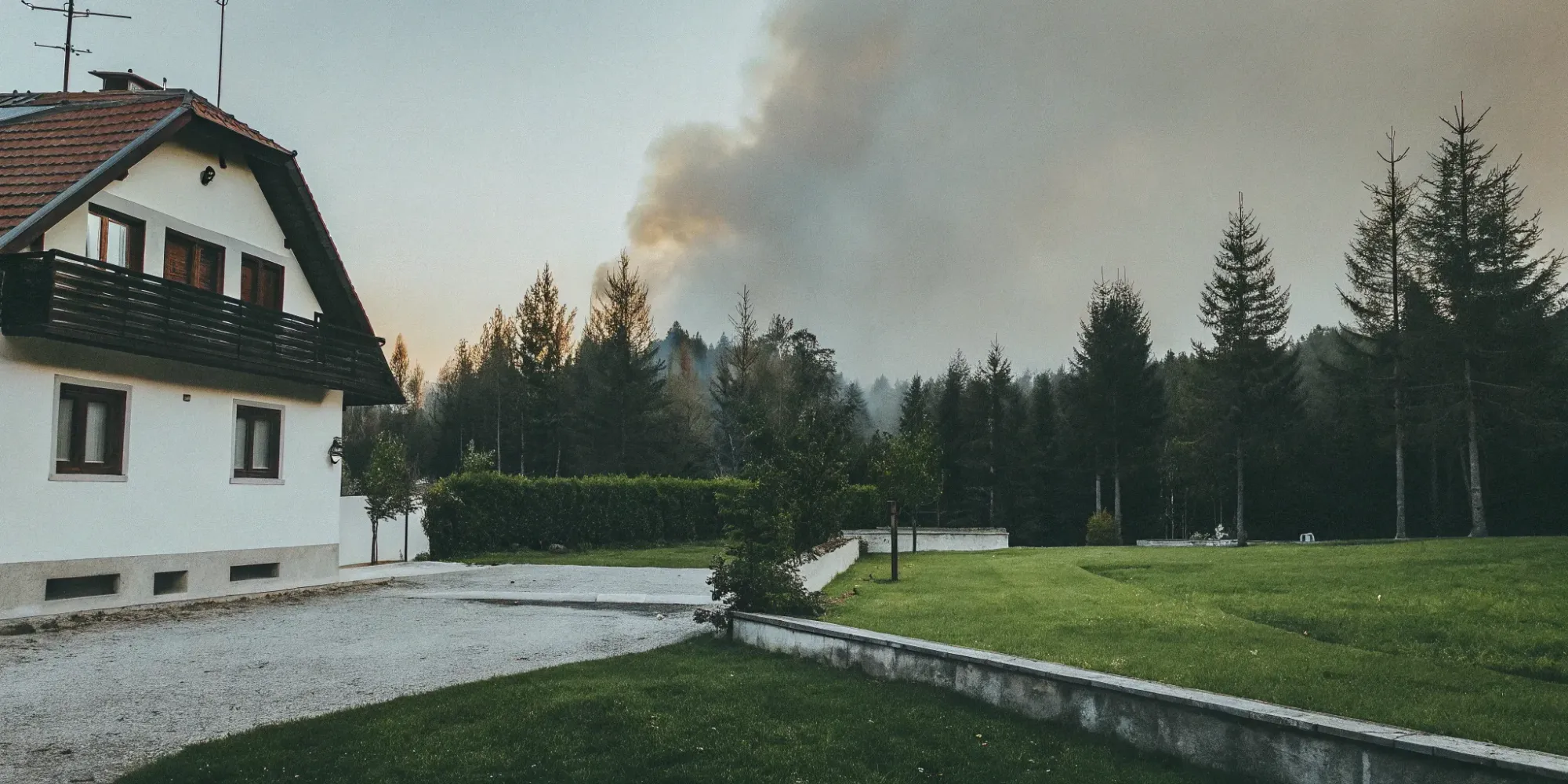
What's the biggest threat to your home during a wildfire? It's not the giant wall of flames you see on the news. The surprising reality is that most homes are lost to something much smaller: tiny, wind-blown embers. These embers can travel over a mile, finding weak spots like dry leaves in a gutter or an unscreened vent. That's why smart home wildfire protection focuses on the details. It’s about knowing how fire actually behaves and making targeted improvements to your property. This guide will break down the science and give you a clear roadmap for protecting your home from embers, radiant heat, and direct flames.
CTA ButtonKey Takeaways
- Address Embers First: Your home's greatest threat comes from tiny, wind-blown embers, not a wall of flames. Focus on high-impact fixes like cleaning gutters, screening vents with 1/8-inch metal mesh, and clearing all flammable materials from the five-foot zone around your foundation.
- Combine a Strong Home with a Smart Yard: Effective protection requires a two-part strategy. Harden your home with fire-resistant materials like Class A roofing and non-combustible siding, then create defensible space by managing vegetation in zones to slow a fire's approach.
- Make a Plan and Stick to It: Start by assessing your property's specific risks so you know where to focus. Prioritize low-cost maintenance tasks, build them into a seasonal routine, and ensure your family has a practiced evacuation plan ready to go.
Why Wildfire Mitigation is Your Home's Best Defense
If you live in an area prone to wildfires, you’ve probably heard the term “wildfire mitigation.” Simply put, it’s the collection of actions you take before a fire starts to reduce its potential impact on your home and family. It’s not about building an indestructible fortress; it’s about making smart, strategic changes that lower your risk. Think of it as giving your property a fighting chance.
Wildfire mitigation puts you in the driver’s seat. Instead of feeling helpless when you hear about a fire in the distance, you can feel more confident knowing you’ve already done the work to prepare. These proactive steps are the most effective way to protect your home, your family’s safety, and your financial well-being. By focusing on mitigation, you can significantly change the outcome if a wildfire approaches your neighborhood, making your home less likely to ignite and easier for firefighters to defend.
Understanding the Layered Approach to Wildfire Defense
Protecting your home from wildfire isn't about one single fix; it’s about creating multiple layers of defense. Think of it like a shield. The first layer is your home itself—a concept known as “home hardening.” This involves making the structure more resistant to ignition from embers and radiant heat. The second, equally important layer is the area surrounding your home, called “defensible space.” This is your buffer zone, a carefully managed landscape designed to slow a fire’s progress and give firefighters a safe space to work. When you combine a hardened home with a well-maintained defensible space, you create a powerful, comprehensive defense system.
Neither layer is fully effective on its own. A fire-resistant home can still be vulnerable if it's surrounded by overgrown, flammable vegetation. Likewise, a perfect defensible space can't protect a home with vulnerabilities like an old wood-shake roof or open eaves where embers can easily get trapped. The goal is to address both the structure and its immediate surroundings proactively, long before a fire is on the horizon. By learning to live with wildfire, you shift your focus from reacting in a panic to preparing with confidence, knowing you’ve built a resilient property from the inside out.
Your First Steps in Home Wildfire Protection
It’s a common misconception that most homes are lost to a giant wall of flames. The reality is that the vast majority of homes ignite because of small, wind-blown embers that can travel a mile or more ahead of the main fire. These embers land in flammable materials like dry leaves in a gutter, a woodpile stacked against the house, or an old doormat.
This is why wildfire mitigation focuses on two key strategies: creating defensible space and home hardening. Defensible space is the managed area around your home where you’ve cleared away flammable vegetation. Home hardening involves using fire-resistant materials and sealing up small gaps where embers could get inside. Together, these actions prepare your home to withstand ember attacks and low-intensity surface fires.
Protecting Your Family, Finances, and Peace of Mind
Your home is more than just a building; it’s the center of your life and likely your biggest financial asset. Wildfire mitigation is about protecting both. The physical work you do on your property is crucial, but so is having a solid family plan. This means creating and practicing an evacuation plan, establishing clear escape routes, and deciding on a meeting spot in case you get separated.
Financially, the stakes are just as high. A home lost to wildfire can be devastating. By taking steps to protect your property, you’re also protecting your investment and financial future. This preparation provides invaluable peace of mind, knowing you have a plan to keep your loved ones safe and have taken responsible steps to secure your home.
Can Wildfire Mitigation Help with Home Insurance?
In many wildfire-prone areas, finding affordable homeowners insurance has become a major challenge. Insurers are looking more closely at a property’s specific risk, and many are choosing not to renew policies for homes they consider too vulnerable. This is where your mitigation efforts become incredibly valuable.
Proactive prevention is the best way to show an insurance provider that you are actively managing your risk. Insurers are increasingly rewarding homeowners who create defensible space and harden their homes with fire-resistant features. Taking these documented steps can be the key factor that helps you get or keep your insurance policy, often at a more reasonable rate. It’s a tangible return on your investment in safety.
How Do Homes Actually Catch Fire in a Wildfire?
When you picture a wildfire, you probably imagine a massive wall of flames moving across the landscape. While that’s certainly part of the story, it’s not how most homes are actually lost. The reality is often quieter and more insidious. A home’s survival usually comes down to its ability to withstand three distinct threats: flying embers, intense radiant heat, and direct contact with flames. Understanding how these work is the first step in protecting your property. By learning what makes a home vulnerable, you can focus your efforts on the fixes that truly make a difference, turning your property into a structure that can better withstand a wildfire.
Why Embers Are More Dangerous Than Flames
Think of embers as tiny, wind-driven torches. During a wildfire, strong winds can carry these glowing particles for a mile or more ahead of the main fire front. According to the National Fire Protection Association, many homes are destroyed by these wind-blown embers that land on or near the house, not by the primary blaze itself. These embers are the main reason homes ignite. They find their way into the most vulnerable spots: gutters clogged with dry leaves, unscreened vents leading into the attic, piles of firewood stacked against the siding, or even under decks where flammable debris has collected. One small ember is all it takes to start a new fire, turning your own home into a source of ignition.
The 90% Rule: How Embers Threaten Homes
It’s a staggering statistic, but research shows that wind-driven embers are responsible for the loss of up to 90% of homes during a wildfire. This is what’s often called the “90% Rule.” It highlights that the greatest danger isn’t a massive wall of fire, but the blizzard of tiny, glowing embers that can precede it by a mile or more. These embers are like sparks searching for kindling, and they are incredibly effective at finding the most vulnerable spots on your property. They accumulate in gutters filled with dry leaves, get blown under decks, land on flammable doormats, or get sucked into unscreened attic vents. Understanding this rule is empowering because it tells you exactly where to focus your efforts, confirming that securing these small, overlooked areas is the most critical step you can take to prepare your property.
How Direct Flames and Radiant Heat Threaten Your Home
While embers are the most common culprit, direct flames and radiant heat are also serious dangers. Radiant heat is the intense energy you feel from a fire, and it can be powerful enough to ignite a house from up to 100 feet away without a single flame ever touching it. This heat can cause siding to combust, windows to break, and curtains or furniture inside to catch fire. Direct flame contact is exactly what it sounds like—the fire itself reaching your home. This usually happens when there is an uninterrupted path of fuel, like overgrown grass, flammable shrubs, or a wooden fence leading directly to the exterior walls of your house. Creating a break in this fuel chain is one of the most critical parts of building a defensible space.
The Domino Effect: How Fire Spreads Between Homes
A wildfire doesn’t just move across a wild landscape; it can move through a neighborhood from one home to the next. When one house catches fire, it creates its own storm of embers and generates immense radiant heat, putting adjacent homes at extreme risk. This is why community-wide mitigation is so important. Your efforts to create defensible space not only protect your own property but also help protect your neighbors by preventing your home from becoming a source of fuel. Reducing fuel around your home is key to breaking this chain reaction. When homes are properly spaced and maintained, they are far less likely to pass the fire along, giving firefighters a much better chance to defend the entire community.
How to Create Defensible Space Around Your Home
Creating defensible space is one of the most effective ways you can protect your home from a wildfire. Think of it as a buffer zone you create between your house and the surrounding vegetation. This space is designed to slow or stop the spread of wildfire and protect your home from catching fire—either from direct flame contact or radiant heat. It also gives firefighters a safer area to defend your home. The concept is broken down into three distinct zones, each with its own set of recommendations. Following these guidelines from organizations like the National Fire Protection Association can dramatically improve your home’s chances of survival.
Zone 1: Clearing the First 5 Feet
This area, extending five feet out from the base of your house, is the most critical. Your goal here is to create a non-combustible zone. Remove anything that can burn, including mulch, dry leaves, pine needles, and flammable plants or shrubs. This is not the place for your prized rose bushes or a woodpile. Instead, use non-flammable materials like gravel, pavers, or concrete. Regularly sweep this area to keep it clear of any debris that might blow in. This simple step denies embers a place to land and ignite right next to your home, which is often how houses are lost in a wildfire.
Zone 2: Managing the 5-30 Foot Area
In the zone stretching from 5 to 30 feet from your home, the focus shifts from eliminating fuel to reducing it. You want to create landscaping that interrupts a fire’s path. This means keeping plants and trees spaced well apart. Prune the lower branches of mature trees to a height of 6 to 10 feet from the ground to prevent a surface fire from climbing into the canopy. It’s also important to remove dead plants, weeds, and dry grass. The idea is to have a clean, well-maintained garden with "islands" of vegetation separated by non-flammable materials like a gravel path or a lawn that is kept green and short.
Zone 3: Maintaining the 30-100 Foot Buffer
This outer zone, extending from 30 to 100 feet, is your property’s first line of defense. The objective here is to thin out dense vegetation to reduce the energy and speed of an approaching fire. You don’t need to clear-cut the area; instead, focus on removing dead trees and shrubs. Prune trees to create at least 10 feet of space between canopies. By thinning the vegetation, you reduce the amount of available fuel, making it harder for a fire to spread through your property and reach your home. This managed space helps slow a fire down significantly.
Eliminating Ladder Fuels to Keep Fire on the Ground
One of the most important concepts in defensible space is understanding “ladder fuels.” Think of them as a literal ladder for fire, connecting low-growing grasses and shrubs to the taller tree canopies. This continuous chain of vegetation allows a small surface fire to climb upwards, quickly turning into an intense and fast-moving crown fire. A fire in the treetops is far more dangerous than a ground fire; it generates extreme radiant heat that can ignite homes from a distance and is much more difficult for firefighters to control. Breaking this vertical fuel chain is a non-negotiable step in protecting your property.
The most effective way to eliminate ladder fuels is to create a clear separation between the ground and the lowest tree branches. Walk through your property and prune the lower limbs of mature trees to a height of at least 6 to 10 feet from the ground. You should also remove any smaller, flammable shrubs or young trees growing directly beneath larger ones. This simple maintenance creates a vertical gap that a surface fire can’t easily cross. By keeping the fire on the ground, you rob it of its power and make your landscape much easier to defend, which is the entire goal of creating a space that interrupts a fire’s path.
What to Plant: Choosing Fire-Resistant Landscaping
Your plant choices matter. While no plant is truly "fireproof," many species are considered fire-resistant because they have a high moisture content and are less likely to ignite. When planning your landscaping, opt for these types of plants and avoid those with resins, oils, or waxes, like pine, fir, and juniper. Healthy, well-watered plants can also help block embers from reaching your home. You can find excellent lists of fire-wise plants suitable for your specific region through local university extension programs or your state’s forestry department. Strategic landscaping can be both beautiful and a key part of your home’s defense.
Your Year-Round Defensible Space Checklist
Defensible space isn’t a one-and-done project; it requires ongoing attention. The best way to stay on top of it is to build a simple maintenance routine into your seasonal yard work. Regularly clean your roof and gutters to remove leaves, pine needles, and other debris that embers could ignite. Sweep decks, patios, and the areas under them. Keep your lawn mowed and watered, and promptly remove any dead vegetation you see. By making these tasks a regular habit, you ensure your defensible space is always ready, giving you peace of mind and a much safer home.
How to Make Your Home More Fire-Resistant
Creating defensible space is your first line of defense, but the next crucial step is making your home itself tougher against fire. This process, often called "home hardening," focuses on the materials and construction of your house to prevent embers from finding a place to ignite. Think of it as giving your home a suit of armor. Embers are the primary way homes catch fire during a wildfire, and they can travel a mile or more ahead of the main blaze. They look for tiny, vulnerable spots to land and smolder—a dry leaf in the gutter, a wooden deck, or an unscreened vent. By addressing these weak points, you dramatically increase your home's chances of survival, even if a wildfire is nearby.
While defensible space requires ongoing maintenance, many home hardening updates are one-time fixes that provide lasting protection. It’s not just for new construction, either. Many of these improvements can be retrofitted onto an existing home, often for less cost than you might think. The goal is to create a continuous, fire-resistant shell. From your roof down to your foundation, every component plays a role in how your home will perform under the extreme conditions of a wildfire. Taking the time to harden your home is a direct investment in your family’s safety and your financial security.
Start at the Top: Choosing Fire-Resistant Roofing
Your roof is one of the most vulnerable parts of your home because it’s a large, exposed surface where embers can easily land and accumulate. If you’re building a new home or replacing an old roof, choosing the right materials is one of the most important decisions you can make. The National Interagency Fire Center recommends materials that don't easily burn, like tile, slate, or metal. These are typically Class A fire-rated, which is the highest level of protection available. If you have an existing roof, the most important thing you can do is keep it clean. Regularly clear away any buildup of pine needles, leaves, and other debris from both the roof surface and your gutters to eliminate potential fuel for embers.
Protecting Your Walls from Embers and Heat
Just like your roof, your home's exterior walls are a prime target for embers and radiant heat. The type of siding you have can make a huge difference. Materials like stucco, fiber cement, and brick are excellent choices because they are non-combustible and resist ignition. While wood siding is beautiful, it’s also flammable unless it has been specifically treated with fire retardants. If you have wood siding, make sure to maintain it by sealing any cracks or gaps where embers could get lodged. It’s also a great idea to create a non-combustible barrier at the bottom of your exterior walls by using gravel or pavers in the first few feet of your landscaping, which we covered in the defensible space section.
Treating Wood Siding with Fire Retardant
If you love the look of wood siding but worry about its flammability, applying a fire retardant is a smart move. These treatments work by slowing down the ignition process, which can give firefighters valuable time to defend your home if a wildfire is near. While wood siding is beautiful, it’s also a fuel source unless it has been specifically treated. Taking this step is a key part of making your home more fire-resistant. The treatment isn't a one-time fix, though. Regular maintenance is just as important. You'll want to inspect your siding and seal any cracks or gaps where embers could get stuck and smolder. This ongoing care is a direct investment in your family’s safety and your home's security.
How Embers Get In: Sealing Your Home's Entry Points
Embers are tiny and opportunistic—they will find any small opening to get inside your home, where they can ignite insulation, furniture, or other flammable materials in your attic or crawlspace. One of the most effective and affordable ways to harden your home is to cover all vents. The National Fire Protection Association (NFPA) advises covering attic, foundation, and eaves vents with 1/8-inch metal mesh to block embers while still allowing for airflow. Windows are another weak point; intense heat can cause single-pane glass to shatter. Upgrading to multi-pane or tempered glass windows provides much better protection. At a minimum, ensure all your windows have screens that are in good repair.
Why You Should Replace Plastic Gutters with Metal
Gutters are a magnet for dry leaves and pine needles, creating the perfect tinderbox for embers to land in. If those gutters are made of plastic or vinyl, the problem gets much worse. The intense heat from a nearby fire can cause them to melt, warp, or even ignite, potentially dropping flaming debris right next to your foundation or against your siding. This creates a direct path for fire to reach your home. By replacing plastic gutters with non-combustible metal ones, you eliminate a significant vulnerability. Metal gutters can withstand much higher temperatures and won't add fuel to a fire, helping to protect your eaves and walls from ignition.
Installing a Spark Arrestor on Your Chimney
While you work to keep embers from getting into your home, it’s also important to make sure your home isn’t creating embers of its own. A wood-burning fireplace can release hot embers that travel up the chimney and land on your roof or in your yard, starting a new fire. The solution is to install a spark arrestor, which is a metal screen that covers the top of the chimney flue. This simple device traps embers before they can escape. It's crucial to install spark screens with openings no larger than 1/2 inch to be effective. This is an inexpensive but critical upgrade that contains a potential fire source and is often required by local building codes in high-risk areas.
Is Your Deck a Fire Hazard?
A deck or patio can be a wonderful extension of your living space, but it can also act as a dangerous fuel source attached directly to your house. If you have a wooden deck, start by clearing away anything flammable from on, around, and under it. This includes firewood, brooms, flammable patio furniture, and even coconut-fiber doormats. Enclosing the underside of your deck with siding or wire mesh can prevent embers from collecting in that sheltered space. When it’s time to build or replace your deck, consider using fire-resistant materials like composite decking with a high fire-resistance rating. These small changes can stop a fire from using your deck as a bridge into your home.
Applying Fire-Retardant Chemicals to Wood Decks
If replacing your entire wood deck isn't in the budget, you still have options to make it more fire-resistant. Applying a fire-retardant treatment can significantly reduce the likelihood of ignition from embers. These aren't just surface-level sprays; many modern treatments are designed for long-term exterior use. For example, some wood products are pressure-treated with durable fire retardants that penetrate deep into the lumber, helping it withstand weather exposure while maintaining its protective qualities. This process can make the wood less likely to catch fire and can slow the spread of flames if it does ignite, buying valuable time during a wildfire event.
Securing Flammable Materials and Utilities
Your defensible space isn't just about managing plants and trees; it's also about securing the man-made items on your property that could fuel a fire. Everyday objects like propane tanks, firewood piles, and even trash cans can become dangerous sources of ignition if they’re too close to your home. When exposed to the intense heat of a wildfire, these items can create a localized, high-intensity blaze right where your home is most vulnerable. Taking a few simple steps to properly store flammable materials and maintain the area around your utilities is a critical part of a complete home hardening strategy.
Properly Storing Propane Tanks
A propane tank for your grill is a common feature in many backyards, but it can pose a significant risk during a wildfire. If a tank is exposed to extreme heat, it can vent flammable gas or even explode. To minimize this danger, always store propane tanks away from your house and any other structures, like a shed or deck. The area around the tank should be cleared of all flammable vegetation and debris for at least 10 feet in every direction. This simple separation ensures that if a fire does approach, the tank is less likely to be exposed to direct flames or intense radiant heat.
Safely Disposing of Ashes and Waste
It’s easy to underestimate the danger of ashes from your fireplace, grill, or outdoor fire pit. Embers can remain hot for days after a fire appears to be out, and improperly disposing of them is a common cause of accidental fires. Never dump ashes directly into a compost pile, a cardboard box, or a plastic trash can. The correct method is to place them in a designated metal container with a tight-fitting metal lid. Store this container on a non-combustible surface, like concrete or dirt, well away from your home or any other flammable structures until the ashes are completely cold.
Storing Gasoline and Other Flammable Liquids
Many households keep flammable liquids on hand, such as gasoline for a lawnmower, paint thinners, or solvents. These materials are highly volatile and should never be stored inside your home or in an attached garage. The safest place for them is in a detached shed or outbuilding, far from the main house. Always keep these flammable liquids in their original containers or in approved safety cans that are clearly labeled. By storing them away from your home, you prevent a small, accidental fire from quickly becoming a major threat to your primary residence.
Protecting Utility Lines from Fire
The utility lines that connect to your home can also present a wildfire risk. Vegetation that grows up and around utility poles or service lines can act as a ladder fuel, allowing a ground fire to climb and potentially damage the infrastructure or spread to nearby trees. Regularly inspect the utility lines on your property and clear away any encroaching tree branches, shrubs, or tall grasses. Maintaining this clearance not only helps protect your home but also ensures that essential services are less likely to be interrupted during an emergency, which is a key part of community-wide fire preparedness.
Beyond Your Property Line: Tech and Community Support
Creating defensible space and hardening your home are the most important steps you can take, but your efforts don't have to stop there. Modern technology and local programs provide powerful layers of protection that extend beyond your property line. By tapping into these resources, you can build a smarter, more resilient defense plan for your home and neighborhood.
High-Tech Help: Modern Fire Suppression Systems
New technologies can help your home survive a wildfire even before firefighters arrive. Automated, exterior sprinkler systems, for example, can douse your home and the surrounding area with water or fire-retardant foam when a fire is detected. These wildfire defense systems are designed to suppress embers and reduce the intensity of flames approaching your house. By slowing a fire’s spread, they not only protect your property but also create a safer environment for first responders when they get to the scene.
The Need for an Independent Water Supply
During a major wildfire, it’s a mistake to assume the local fire hydrant will have enough pressure. When a fire hits, public water systems face extraordinary challenges as firefighters tap multiple hydrants at once, which can cause a significant drop in pressure. These systems simply weren't designed to combat large-scale wildfires. This is why having an independent water source on your property—like a swimming pool, a large water tank, or a pond—can make all the difference. It provides firefighters with a dedicated, accessible supply of water they can use to defend your home, especially if the municipal system is compromised. This backup supply ensures they have the resources needed to cool burning materials and protect your home when it matters most.
What's Your Home's Wildfire Risk Score?
Understanding your property’s specific vulnerabilities is the first step toward fixing them. Your home and the 100-foot area around it make up the “home ignition zone,” the most critical area to manage. Instead of guessing where to start, you can use digital assessment tools to get a clear picture of your risk. These platforms analyze your defensible space and home exterior to generate a prioritized list of actions. This data-driven approach helps you focus your time and money on the fixes that will make the biggest impact.
There's Strength in Numbers: Join a Community Program
Wildfire is a community-wide issue, and an effective response requires teamwork. Many areas have Community Wildfire Protection Plans (CWPPs) that outline local priorities for fuel reduction, public outreach, and structural protection. You can support these efforts by attending public meetings and encouraging local leaders to pursue fuel management projects like prescribed burns. When your entire neighborhood takes action, you create a collective defense that is far more effective than any single homeowner could achieve alone.
How Your Fire Department Can Help You Prepare
Your local fire department is one of your best resources for wildfire preparedness. Firefighters can often provide property assessments, offering expert advice tailored to your home and landscape. They also lead workshops on emergency preparedness and can provide the most accurate information on local evacuation routes. Building a relationship with your fire department ensures you have access to trusted guidance. This community support is essential for creating a coordinated and effective response to wildfire threats.
Clearing the Way for Emergency Responders
After you’ve put in the hard work to create defensible space and harden your home, there’s one more critical piece to the puzzle: ensuring firefighters can actually get to you. During a wildfire, every second is precious. If first responders can’t find your home, can’t fit their equipment down your driveway, or can’t access your property safely, your mitigation efforts could be undermined. Making your home easy to find and access is a simple but powerful way to support the professionals who are there to help. It’s about clearing a path so they can safely and effectively defend your property when it matters most.
Making House Numbers and Signs Visible
In the smoke and confusion of a wildfire, firefighters need to be able to identify your home quickly and without guesswork. Your house number should be clearly visible from the street, even in low-light conditions. Use large, reflective numbers that contrast with the color of your house. It’s also essential to have your number posted at the end of your driveway if your home is set back from the road. Take a walk around your property and trim back any tree branches or shrubs that might obscure your address sign. According to the National Interagency Fire Center, clear signage is a fundamental part of preparing your home for an emergency.
Ensuring Driveway and Gate Access for Fire Trucks
A fire truck is much larger and heavier than your average vehicle, and it needs plenty of room to maneuver. Your driveway should be at least 16 feet wide with a clear path, free of low-hanging tree branches or other obstructions. If you have a gate, make sure it’s wide enough for emergency vehicles to pass through easily. Consider how it opens—will it be accessible in an emergency, or will a complex lock slow responders down? A clear, wide driveway gives firefighters the space they need to position their equipment and work safely, which is essential for them to effectively protect your home.
Creating Multiple Exit Routes from Your Property
During a wildfire, your primary road could become blocked by a fallen tree, downed power lines, or the fire itself. Having at least two different ways to get in and out of your property is a critical safety measure. These alternate routes provide a backup plan for your family’s evacuation and give firefighters more options for accessing your neighborhood. Just as important as having the routes is having a plan. Work with your family to create and practice an escape plan that includes your pets. Decide on a meeting spot ahead of time in case you get separated. A clear plan reduces panic and ensures everyone knows what to do in a high-stress situation.
Where to Start Your Wildfire Mitigation Plan
Tackling wildfire mitigation can feel like a huge project, but you don’t have to do everything at once. The best approach is to start with a clear plan that breaks the work into manageable steps. By focusing on assessment, easy wins, and consistent maintenance, you can significantly improve your home's safety without feeling overwhelmed. This plan also includes the most important part: ensuring your family knows what to do when a wildfire threatens.
Start with a Walkaround: Assess Your Home's Risk
Before you start clearing brush or buying new materials, take a moment to understand your home’s specific vulnerabilities. Every property is different, and knowing your weak spots helps you focus your efforts where they’ll matter most. The biggest threat to most homes isn't a giant wall of flames, but the millions of flying embers that can travel a mile or more ahead of a fire. These embers can land in gutters, under decks, or on flammable plants, igniting new fires. A thorough wildfire mitigation guide can help you walk your property and identify the areas most susceptible to embers and direct flames.
Prioritize High-Impact, Low-Cost Projects First
You don’t need a massive budget to make a real difference. Many of the most effective actions are simple maintenance tasks that cost little to nothing. The goal is to make your home "harder" for fire to ignite. Start by regularly cleaning your roof and gutters to remove leaves, pine needles, and other flammable debris. Trim any tree branches that hang over your roof or come within 10 feet of your chimney. These small, consistent efforts are some of the best ways to prepare and protect your home and create a more survivable space around it.
Free Mitigation Tasks You Can Do Today
Some of the most effective wildfire mitigation tasks are completely free and can be done in an afternoon. Start by regularly cleaning your roof and gutters to remove any buildup of leaves, pine needles, and branches. This simple chore eliminates a prime spot for embers to land and ignite. Next, trim tree branches so they are at least 10 feet away from your chimney and clear of your roof. This creates a critical break in the "ladder" that fire can use to climb from the ground to your house. Finally, if you have a firewood pile, move it at least 30 feet away from your home and any other structures. These actions cost nothing but your time and are fundamental to reducing your home's vulnerability to embers.
Low-Cost Upgrades for a Small Budget
Once you’ve handled the basic maintenance, a small budget can go a long way toward improving your home's defenses. A simple but crucial upgrade is to install large, reflective, and easy-to-read house numbers on your home and at the end of your driveway. This small detail helps emergency responders find your home quickly when every second counts. Another high-impact project is to cover all attic, foundation, and other exterior vents with 1/8-inch metal mesh screening. This is one of the best ways to keep out leaves and sparks that could otherwise get inside your home. Lastly, make sure you have fire extinguishers rated for all types of fires (Class A-B-C) and place them in accessible locations like the kitchen and garage.
High-Impact Investments for Long-Term Safety
For those ready to make larger investments, certain upgrades can provide a significant, long-term boost in protection. Your roof is the most vulnerable surface, so replacing it with Class A fire-resistant materials like asphalt shingles, metal, or tile is one of the most impactful changes you can make. Upgrading single-pane windows to tempered, double-pane glass will help them withstand the intense radiant heat that can cause glass to shatter. For homes with wood siding or decks, you can treat these surfaces with fire-retardant chemicals to add an extra layer of protection. While these projects require a larger budget, they are foundational to hardening your home against a wildfire.
Make It a Habit: Your Long-Term Maintenance Plan
Wildfire preparedness isn't a one-and-done project; it's an ongoing effort that becomes part of your regular home maintenance routine. Creating a simple schedule can help you stay on track. For example, you could plan to clear your gutters in the spring and fall, mow dry grasses in early summer, and inspect your vents before the start of fire season. Even small, consistent changes can dramatically increase your home's chances of surviving a wildfire. Thinking about preparing homes for wildfire as a year-round activity makes the work much more manageable and effective.
What to Do When It's Time to Go: Your Evacuation Plan
Protecting your home is important, but keeping your family safe is the top priority. An evacuation plan is a critical part of your wildfire strategy. This means mapping out multiple escape routes from your neighborhood and designating a safe meeting spot for your family. Practice your plan so everyone, including children, knows exactly what to do in an emergency. You should also assemble a "go bag" with essentials like water, medications, important documents, and a first-aid kit. Simple preparations, like keeping a garden hose connected and ensuring your street signs are clearly visible for emergency responders, can make all the difference.
Staying Informed with Emergency Alerts
When a wildfire is moving quickly, timely information is your most valuable asset. Don’t wait until you see smoke or flames to find out what’s happening. Sign up for your local county and state emergency alert systems, which will send critical updates directly to your phone. You can also download free apps from emergency organizations that provide real-time wildfire maps, fire danger levels, and evacuation notices. These tools are designed to give you the earliest possible warning, giving you more time to gather your family, secure your home, and leave safely. Make sure everyone in your household with a phone is signed up for these alerts.
Keeping Firefighting Tools Accessible
You can take a few simple steps to make your home easier to defend, both for yourself and for first responders. Keep a long garden hose connected to a spigot and ready to go, along with a nozzle that can create a spray. Store other tools like a shovel, rake, and ladder in a place where you can grab them quickly. It’s also vital to help firefighters find you without any delay. Make sure your house number is large, reflective, and clearly visible from the street. If you live in a rural area, ensure your driveway and any community road signs are easy to see, day or night.
Including Pets in Your Family's Escape Plan
Your pets are part of the family, and they rely on you to keep them safe during an emergency. Make sure they are a central part of your evacuation plan from the very beginning. This means having carriers, leashes, and harnesses ready and easily accessible. Frightened animals often hide, so practice getting your pets into their carriers so they are familiar with the process. You should also prepare a separate "go bag" for them with a few days' worth of food, water, any necessary medications, and copies of their vaccination records. Having a solid disaster plan for your pets ensures that when it’s time to go, no one gets left behind.
Related Articles
- How to Get a Free Wildfire Risk Assessment
- The Ultimate Wildfire Hazard Assessment for Homeowners
- A Guide to Wildfire Code Compliance for Homes
- 5 Steps to Wildfire Mitigation for Insurance Approval
Frequently Asked Questions
What's the most important first step I should take if I'm feeling overwhelmed? Start with the area immediately surrounding your house. Your goal is to create a five-foot, non-combustible buffer zone right up against your foundation. This means clearing out all flammable materials like bark mulch, dead leaves, and dry plants. Swap them for gravel or stone. Also, make a habit of cleaning out your gutters. These two actions are simple, low-cost, and incredibly effective at preventing embers from igniting your home.
Do I have to remove all the trees and plants around my house? Not at all. The goal of defensible space isn't to create a barren, empty lot. It's about thoughtfully managing your landscape to disrupt a fire's path. This means thinning out dense vegetation, pruning the lower branches of trees, and removing dead or dying plants. You can absolutely have a beautiful garden by choosing fire-resistant plants and arranging them in well-spaced "islands" separated by walkways or rock features.
Will these improvements really help me get or keep my homeowners insurance? Yes, they can make a significant difference. Insurance companies are looking for clear evidence that you are actively reducing your property's wildfire risk. By creating defensible space and hardening your home, you are demonstrating that your property is a lower risk to insure. Documenting your work with photos can be a powerful tool when speaking with your insurance provider, potentially helping you secure or maintain your policy.
My neighbor’s property is overgrown. Will my efforts still make a difference? Absolutely. While community-wide participation is ideal, the actions you take on your own property are the most critical factor in your home's survival. A fire's behavior is most influenced by the conditions in the immediate area around a structure, known as the home ignition zone. By managing this space, you drastically reduce the chances that your own home will catch fire and, in turn, become a threat to your neighbors.
Is home hardening expensive? Where should I focus my budget? It doesn't have to be. Many of the most effective home hardening tasks are low-cost. Start by installing 1/8-inch metal mesh screens over all your vents to block embers—this is a simple and affordable fix. From there, focus on regular maintenance like sealing gaps in siding and ensuring windows are in good repair. Larger projects like replacing a roof or siding can be planned for the long term, but these initial steps provide a major boost in protection without a huge investment.


