
When to Clean Gutters: A Seasonal Guide
Find out when to clean gutters for every season, how your climate and trees affect your schedule, and tips to keep your home safe from water and fire risks.

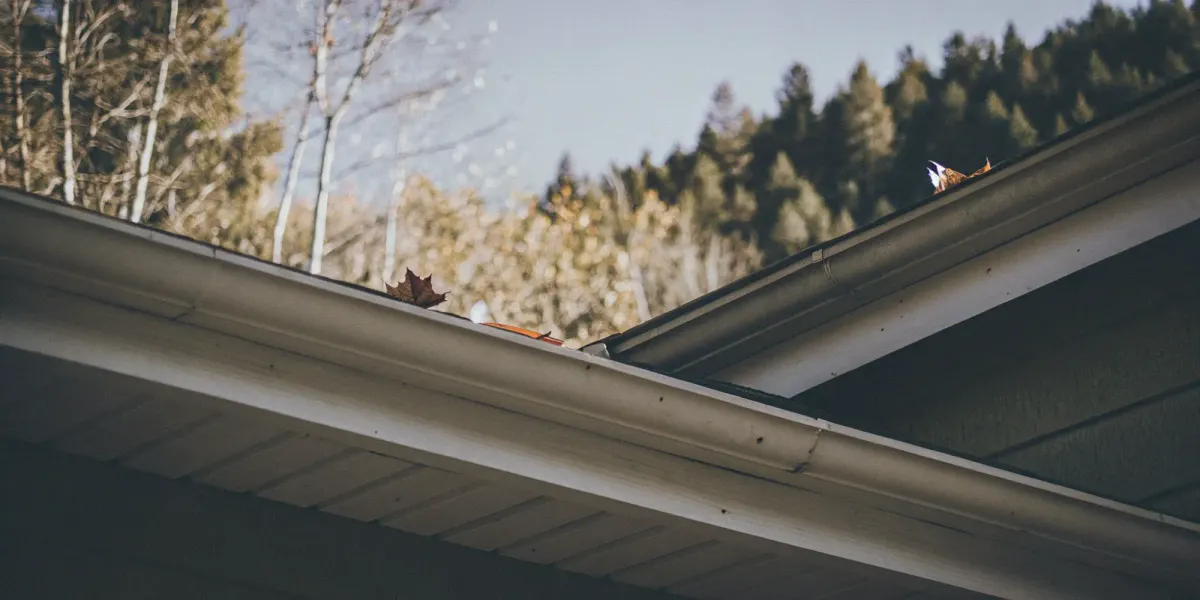
During a wildfire, it’s often not the main wall of flames that destroys a home, but the tiny, wind-driven embers that land on vulnerable spots. One of the most vulnerable spots is your gutter system. When filled with dry leaves, pine needles, and twigs, your gutters become the perfect kindling to ignite your roof. This makes gutter cleaning one of the most important actions you can take to create defensible space. The question of when to clean gutters is therefore not just about preventing water damage, but about actively reducing your home’s ignition risk before fire season even begins.
Key Takeaways
- Look at Your Trees, Not Just the Calendar: The twice-a-year rule is just a starting point. If your home is surrounded by pines or leafy trees, you'll need to clean your gutters more often to prevent blockages. Your local landscape and climate are the best guides for creating a realistic maintenance schedule.
- Think of Gutter Debris as Wildfire Fuel: For homeowners in high-risk areas, a clogged gutter is a tinderbox attached to your roof. Dry leaves and pine needles are the perfect kindling for flying embers, so regular cleaning removes this critical fire hazard and is a fundamental step in creating defensible space.
- Treat Gutter Cleaning as Prevention, Not a Repair: Waiting for overflowing waterfalls or sagging gutters means the damage has already started. Proactive cleaning protects your home’s foundation, roof, and siding from costly water damage and is your first line of defense against embers igniting a fire on your roof.
How Often Should You Clean Your Gutters?
Figuring out the right gutter cleaning schedule can feel like a guessing game, but it doesn't have to be. While there’s a standard guideline most homeowners can follow, your specific environment—like the trees in your yard and your local climate—plays a huge role. Let's break down how to create a schedule that works for your home and keeps it protected from both water damage and wildfire risks. Getting this right is one of the simplest and most effective ways to maintain your property.
The General Rule of Thumb
For most homes, the sweet spot for gutter cleaning is twice a year: once in the spring and again in the fall. Think of it as seasonal maintenance. The spring cleaning clears out any debris that settled in over the winter, preparing your gutters for heavy spring showers. The fall cleaning is arguably the most critical, as it removes all the fallen leaves before cold weather arrives. Sticking to this schedule helps prevent the most common issues, like roof leaks and water damage to your foundation, which can happen when clogged gutters overflow.
Adjusting for Heavy Tree Coverage
If your home is nestled under a canopy of beautiful, mature trees, that twice-a-year rule probably won’t cut it. Trees that shed a lot of leaves, needles, or seeds—especially pines and oaks—will fill your gutters much faster. In this case, you should plan on cleaning them more often, maybe three or four times a year. It’s better to be proactive and clear them out after each heavy shedding season than to wait for a clog to form. This simple adjustment keeps your gutters flowing freely and protects your home from overflow, no matter how leafy your yard is.
Factoring in Your Climate
Your local weather is another major factor in your gutter cleaning schedule. If you live in a region with heavy rainfall, keeping your gutters clear is essential for proper drainage. For those in snowy climates, it’s crucial to clean them in late fall before the first freeze to prevent ice dams, which can cause serious roof damage. And if you're in a dry, wildfire-prone area, your gutters can fill with dry leaves and pine needles that become highly flammable tinder. Keeping them clean isn't just about water management—it's a critical step in reducing your home's wildfire risk.
When Is the Best Time of Year to Clean Gutters?
While most people point to fall and spring as the key seasons for gutter cleaning, the best schedule for your home depends on your specific environment. Think of it less as a rigid calendar and more as a response to what’s happening around your property. Both seasons present unique challenges and opportunities to protect your home from water damage and wildfire. Understanding the purpose behind each seasonal cleaning helps you create a maintenance routine that truly safeguards your property year-round.
The Case for Spring Cleaning
A thorough spring cleaning is your gutter system’s reset after a long winter. This is the time to clear out all the pollen, seed pods, and twigs that have accumulated, ensuring your gutters can handle heavy spring and summer rains without overflowing. For homeowners in wildfire-prone areas, this timing is especially critical. A clean gutter is a key part of your home's defense system. Clearing out flammable debris in the spring is a proactive step that prepares your home well before the peak of wildfire season arrives, giving you valuable peace of mind.
Why Fall Maintenance is Crucial
Many experts consider the fall cleaning to be the most important of the year. The goal is to clear out all the fallen leaves before the first winter freeze. Clogged gutters in the winter can lead to serious problems, including the formation of destructive ice dams that can damage your roof, shingles, and siding. By waiting until the surrounding trees are bare, you ensure your gutters remain clear and functional throughout the winter, channeling melting snow and rain away from your home’s foundation and preventing costly water damage when you need protection the most.
Timing it Right for Your Region
The twice-a-year rule is a great starting point, but your local climate and landscape are the ultimate guide. If your home is surrounded by dense trees, especially pines that shed needles year-round, you may need to clean your gutters three or four times a year. Pay attention to your regional weather patterns as well. Areas with heavy rainfall or high winds may require more frequent checks. The key is to observe your home’s specific situation and adjust your schedule accordingly, rather than sticking to a generic timeline that may not fit your needs.
Preparing for Wildfire Season
For anyone living in a high-risk area, gutter cleaning is a non-negotiable part of wildfire preparedness. Gutters filled with dry leaves, pine needles, and twigs are the perfect fuel for embers, which can travel a mile or more ahead of a wildfire. If these embers land in a clogged gutter, they can easily ignite and set your roof and home ablaze. Regularly cleaning your gutters removes this dangerous kindling from the edge of your roofline. This simple task is a fundamental step in creating defensible space and dramatically reduces your home’s vulnerability to ignition from flying embers.
What Are the Telltale Signs Your Gutters Need Cleaning?
Sometimes, your house gives you clear signals that something is wrong. When it comes to your gutters, you don’t always need to climb a ladder to know they need attention. Clogged gutters aren't just an eyesore; they're a liability, especially in areas prone to wildfires. The dry leaves, pine needles, and twigs that accumulate are perfect kindling, creating a direct fire line to your roof. By learning to spot the warning signs from the ground, you can address problems early, protecting your home from both water damage and fire risk. Paying attention to these clues can save you a lot of trouble and expense down the road.
You Can See Debris from the Ground
This is the most obvious sign of all. Take a walk around your property and look up. If you can see leaves, twigs, and other debris peeking over the top edge of your gutters, it’s a sure sign they are full or close to it. You might also notice shingle grit, which looks like coarse black sand, collecting in the channels. This buildup prevents water from flowing freely and creates a bed of highly flammable material. A simple visual inspection from your yard is the easiest first step in your home maintenance routine and can tell you everything you need to know about whether it's time for a clean-out.
Water is Spilling Over the Sides
Your gutters have one main job: to channel rainwater away from your home’s foundation. If you notice water cascading over the sides like a waterfall during a rainstorm, it’s a dead giveaway that there’s a blockage. The water has nowhere else to go. This overflow isn't just messy; it can lead to serious issues. Water pooling around your foundation can cause cracks and basement flooding, while constant dampness on your siding can lead to rot and mold. Think of overflowing gutters as an emergency alert from your home—they need immediate attention to prevent costly water damage.
Your Gutters are Sagging
Gutters are built to handle flowing water, not the heavy, stagnant weight of waterlogged debris. If you notice your gutters are sagging or pulling away from the house, it’s a sign they are overloaded. All that weight from trapped leaves, dirt, and standing water puts immense strain on the fasteners that hold the gutters to your fascia boards. Over time, this can cause the gutters to bend or even detach completely from your roofline. Sagging is a structural red flag that indicates a severe clog that has been neglected for too long.
Pests Have Moved In
A clogged gutter is an inviting home for all sorts of critters. The damp, decaying leaves create a perfect nesting environment for insects, birds, and even rodents. If you see birds constantly flying to and from your roofline or notice wasps and bees buzzing around your gutters, they’ve likely set up shop. These nests add even more flammable, dry material to the mix, compounding the fire hazard. Unwanted pests are more than just a nuisance; they’re a clear indicator that your gutters have become a stagnant, debris-filled habitat that needs to be cleaned out.
What Happens if You Neglect Your Gutters?
It’s easy to put off cleaning your gutters, but this simple task is one of the most important parts of home maintenance. Letting debris pile up can lead to serious and expensive problems that go far beyond a little overflow. When your gutters can’t do their job, the water they’re supposed to direct away from your home can damage everything from your foundation to your roof. For those of us in wildfire-prone areas, a clogged gutter isn't just a nuisance—it's a direct threat to your home's safety. Let's walk through exactly what’s at stake when you let this chore slide.
Foundation and Water Damage
Your gutter system is designed to channel rainwater away from your home's foundation. When it’s clogged with leaves and debris, that water has nowhere to go but over the edge, where it pools directly against your house. Over time, this constant saturation can exert immense pressure on your foundation, leading to cracks and leaks in your basement or crawl space. What starts as a small, damp spot can quickly become a major issue, inviting mold growth, wood rot, and compromising the structural integrity of your home. Preventing these costly problems is a primary reason to keep your gutters clear, as repairing foundation cracks is far more expensive than routine maintenance.
Problems with Your Roof and Siding
When water can’t flow through your gutters, it backs up. This standing water can creep under your roof shingles, soaking the underlying wood sheathing and causing it to rot. This can lead to significant leaks in your attic and ceilings. The overflow also spills down your home’s exterior, and water that backs up and can go down your house's siding can get behind the trim, causing paint to peel and siding to warp. Essentially, the very system meant to protect your roof and siding becomes the source of their damage. Regular cleaning ensures water flows where it’s supposed to, preserving your roof and keeping your home’s exterior in good condition.
An Increased Wildfire Risk
For homeowners in high-risk areas, a clean gutter is a critical component of creating defensible space. Gutters filled with dry leaves, pine needles, and twigs are basically a tinderbox lining your roofline. During a wildfire, embers can travel for miles ahead of the fire front. If one of these embers lands in your clogged gutter, it has the perfect fuel to ignite and spread to your roof and the rest of your home. The National Fire Protection Association explicitly recommends cleaning roofs and gutters of any debris that could catch embers. This simple act of maintenance dramatically reduces your home’s vulnerability and is a non-negotiable step in wildfire preparedness.
The Threat of Winter Ice Dams
If you live in a climate with freezing temperatures, clogged gutters pose another serious threat: ice dams. When snow on your roof melts, the water runs down into the gutter. If the gutter is blocked with frozen debris, the water has nowhere to drain and refreezes, forming a solid block of ice. As more snow melts, the water backs up behind this dam and can be forced up under your roof shingles. When it refreezes there, it expands, lifting the shingles and creating gaps that lead to leaks. The sheer weight of the ice can also damage your gutters, causing them to sag or even pull away from the house entirely. Cleaning your gutters in the fall is the best way to prevent ice dams from forming.
What Factors Influence Your Gutter Cleaning Schedule?
While cleaning your gutters twice a year is a solid baseline, it’s not a one-size-fits-all rule. Think of it as a starting point. Your home’s unique environment plays a huge role in how quickly your gutters fill up with flammable debris like leaves, pine needles, and twigs. Creating a truly effective maintenance schedule means looking at the specific factors at play right in your own yard.
Understanding these variables helps you stay ahead of potential problems, from water damage to, more critically, wildfire threats. A gutter clogged with dry debris is like a tinderbox attached to your roofline, creating a perfect entry point for flying embers. By tailoring your cleaning schedule to your property’s needs, you’re not just doing routine maintenance; you’re actively managing your home’s vulnerability to wildfire. Let’s walk through the key factors that will help you decide how often you really need to get that ladder out.
The Trees Around Your Home
The biggest influence on your gutter cleaning frequency is the surrounding landscape. If your property is dotted with deciduous trees that shed their leaves every fall or pine trees that constantly drop needles, you’ll be cleaning your gutters far more often than someone with a yard that has minimal vegetation. A home nestled under a canopy of oak or maple trees might need a cleaning three or four times a year, especially after the main leaf drop in autumn and again after spring blossoms and seeds fall. Pine needles are particularly troublesome as they are small, get trapped easily, and create dense blockages. Taking stock of your surrounding vegetation is the first step in creating a realistic cleaning schedule.
Your Local Weather Patterns
Your regional climate has a direct impact on your gutters. If you live in an area that experiences heavy rainfall, that water can wash loose debris from your roof directly into your gutters, causing them to clog quickly. Strong wind events are another major factor, as they can strip trees of leaves and branches and deposit them right on your roof. For homeowners in many parts of the West, the cycle of wet winters followed by long, dry summers creates a distinct pattern. Debris accumulates during the stormy season and then dries out over the summer, becoming highly flammable fuel just in time for peak wildfire season. Paying attention to your local weather forecasts can help you plan cleanings after major storms or wind events.
Your Roof and Gutter Type
The design of your house also plays a part. The pitch, or steepness, of your roof can affect how quickly debris washes down into the gutters. A steeper roof might shed debris more effectively, while a lower-pitched roof can allow leaves and needles to accumulate for longer before a heavy rain washes them down in one large clump. The roofing material itself is another consideration. For example, asphalt shingles shed granules over time, and this gritty material can build up in your gutters, adding weight and contributing to blockages. While you can’t easily change your roof, being aware of how it behaves helps you anticipate when a cleaning might be necessary.
Do Gutter Guards Make a Difference?
Gutter guards are a popular addition for homeowners looking to reduce maintenance, and they offer a significant benefit for wildfire preparedness. By design, they are excellent at preventing embers from landing in the dry debris inside your gutters and igniting a fire. However, it’s a common misconception that gutter guards eliminate the need for cleaning entirely. Debris can and will accumulate on top of the guards, and smaller particles can still find their way through the mesh or screens. This layer of debris on top of the guard is still a fire hazard. You’ll still need to inspect them regularly and clear away any buildup, though you’ll likely find the overall cleaning process is much less intensive.
What Tools Do You Need to Clean Your Gutters?
Before you tackle this essential home maintenance task, gathering the right equipment will make the job safer and more efficient. You don’t need a shed full of specialized gear, but a few key items can make all the difference between a frustrating afternoon and a job well done. Think of it like preparing for any other important project—having the right tools on hand sets you up for success and helps you protect your home from water damage and wildfire embers.
Essential Safety Gear
Let’s talk about safety first, because no home maintenance task is worth an injury. The most important piece of equipment is a sturdy, reliable ladder. Make sure it’s placed on level ground, and always have a friend, family member, or neighbor act as a spotter to hold it steady. You’ll also want a good pair of heavy-duty gloves to protect your hands from sharp debris, bacteria, and pests. Finally, don’t forget safety glasses or goggles. You never know what might get flicked out of the downspout, and protecting your eyes is non-negotiable.
The Right Tools for the Job
Once your safety gear is sorted, you can focus on the cleaning tools. For most homes, the essentials are simple. A gutter scoop is an inexpensive and incredibly effective tool designed to fit perfectly inside your gutters to pull out leaves and sludge. A garden hose with a high-pressure nozzle will help you flush out the remaining grit and check that your downspouts are clear. For hard-to-reach spots or second-story gutters, a telescoping pole with attachments can be a huge help. If you’re dealing with years of packed-in debris, you might consider a wet/dry vacuum or a pressure washer for extra power.
Deciding Between DIY and Hiring a Pro
Doing it yourself can save money, but it’s not the right choice for everyone. If you’re not comfortable on a ladder, have a multi-story home, or simply lack the time, hiring a professional is a smart and safe decision. Professionals come with their own high-grade equipment, safety training, and insurance. They can often do the job more quickly and thoroughly, spotting potential issues with your gutters or roof that you might miss. Weigh the risks and your comfort level—sometimes, the peace of mind that comes with hiring an expert is well worth the cost.
What Gutter Cleaning Mistakes Should You Avoid?
Gutter cleaning might seem like a straightforward chore, but a few common missteps can lead to costly damage and serious safety risks. Getting it right is about more than just preventing water damage; it’s a critical step in protecting your home, especially in areas prone to wildfires. By avoiding these frequent mistakes, you can ensure your gutters are doing their job and your home stays safe year-round. Let’s walk through what not to do.
Believing Once a Year is Enough
One of the most persistent myths is that a single gutter cleaning in the fall is all you need. While autumn is definitely a critical time to clear out falling leaves, debris can build up throughout the year from storms, wind, and shedding trees. For most homes, cleaning your gutters at least twice a year—once in the spring and again in the fall—is a much safer baseline. This schedule helps you clear out winter debris before spring rains and removes flammable leaves before the dry season, which is essential for wildfire preparedness. If your property has many overhanging trees, you may even need to clean them quarterly.
Forgetting About Your Local Climate
There’s no one-size-fits-all schedule for gutter maintenance because every environment is different. How often you need to clean your gutters depends heavily on your local climate and the types of trees near your home. A house surrounded by pine trees will constantly shed needles, while one near oaks might only have a major leaf drop in the fall. Heavy pollen seasons, frequent storms, and dry, windy conditions all contribute to clogged gutters. Pay attention to your specific surroundings. A proactive approach tailored to your local weather patterns ensures your gutters are always ready for whatever the season brings, from heavy downpours to high fire-risk days.
Waiting for an Obvious Problem
Treating gutter cleaning as a reactive task is a recipe for trouble. If you wait until you see a waterfall cascading over the edge or notice your gutters sagging, the damage has likely already begun. Clogged gutters can cause water to seep into your foundation, rot your roof and siding, and create a welcoming home for pests. The cost of these repairs can quickly run into the thousands. More importantly for homeowners in high-risk areas, a gutter packed with dry leaves and pine needles is like putting a line of kindling around your roofline. Proactive, regular cleaning is preventative maintenance that protects your property from both water and fire.
Overlooking Basic Safety
Cleaning your gutters often involves working from a height, which comes with real risks. Many homeowners underestimate the dangers of working on a ladder. Before you start, always ensure your ladder is sturdy and placed on level ground. It’s a good idea to wear heavy-duty gloves to protect your hands from sharp debris and bacteria, along with safety glasses to shield your eyes. Whenever possible, have a friend or family member act as a spotter to hold the ladder steady. If you have a multi-story home, a steep roof, or simply don’t feel comfortable with heights, the safest choice is to hire a professional. Your safety is always the top priority.
Related Articles
- How to Use a Defensible Space Tool: A Complete Guide
- Fire Clearance Requirements: What You Need to Know
- The Ultimate Home Ignition Zone Checklist
- Home Hardening Against Wildfires: A Complete Guide
- Your Guide to the FireSmart Home Ignition Zone
Frequently Asked Questions
Why is gutter cleaning so important for wildfire safety? Think of a gutter filled with dry leaves and pine needles as a line of kindling attached directly to your roof. During a wildfire, embers can travel a mile or more ahead of the flames. If one of those embers lands in your clogged gutter, it has the perfect fuel to ignite, potentially setting your roof and entire home on fire. Keeping your gutters clear removes this critical fire hazard and is a fundamental part of creating a defensible space around your property.
I have gutter guards. Does that mean I can skip cleaning them? Gutter guards are a fantastic tool for reducing maintenance and blocking embers, but they don't eliminate the need for cleaning entirely. Debris can still pile up on top of the guards, and smaller particles like pine needles and shingle grit can sometimes find their way through. This buildup is still flammable. You'll still need to inspect your gutters and clear off any accumulated debris, though you'll likely find the job is much quicker and easier than a full clean-out.
If I can only clean my gutters once a year, when is the best time? While cleaning them twice a year is the standard recommendation, if you can only manage it once, late fall is the most critical time. By waiting until most of the leaves have fallen from the surrounding trees, you ensure your gutters are clear before winter. This helps prevent the formation of destructive ice dams and means they will be empty of flammable debris heading into the next dry season.
How do I know if I should hire a professional instead of doing it myself? This really comes down to your comfort level and safety. If you have a multi-story home, a particularly steep roof, or are not steady on a ladder, hiring an insured professional is the smartest and safest choice. Professionals have the right safety equipment and training to do the job efficiently. The cost of hiring a pro is minimal compared to the risk of a serious injury from a fall.
Besides the gutters, what else should I clear from my roof to reduce fire risk? Keeping your gutters clean is just one part of maintaining a fire-resistant roof. It's equally important to regularly clear any leaves, pine needles, or branches that accumulate in roof valleys, around skylights, or near your chimney. These areas can also trap embers and provide fuel for a fire. Think of your entire roof surface as part of your home's first line of defense.