What to Expect in a Wildfire Home Assessment
A wildfire home assessment gives you a clear, expert-driven plan to reduce your property’s wildfire risk with practical, personalized recommendations.

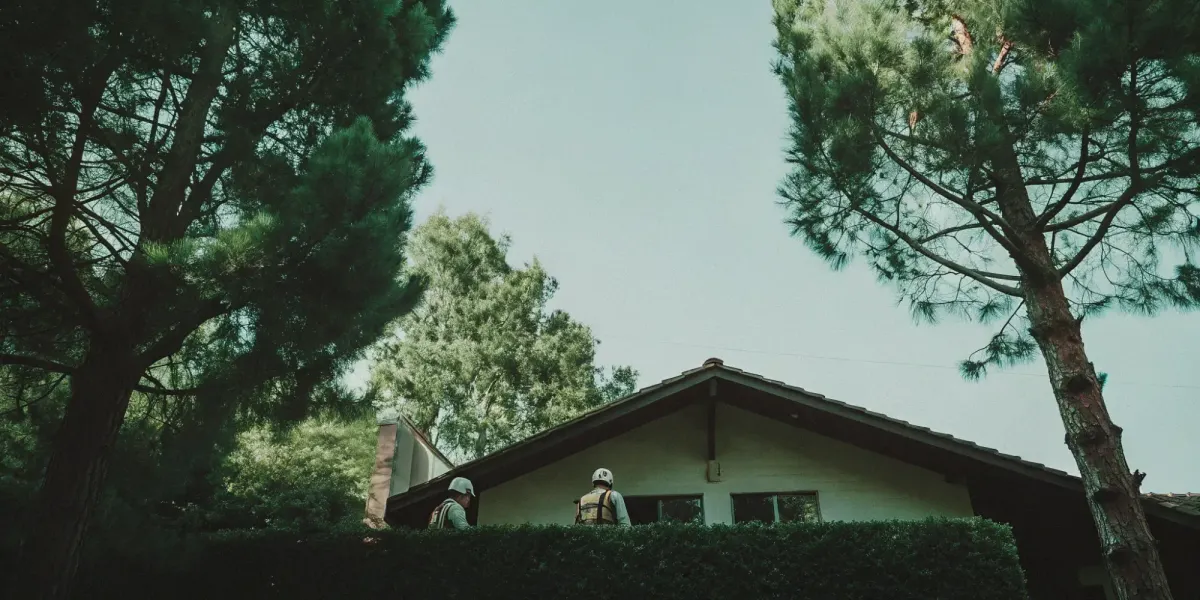
Sorting through all the wildfire safety advice can feel overwhelming. It's hard to know what actually applies to your home. That's where a wildfire home assessment comes in. It moves beyond generic checklists to give you a plan tailored specifically to your property. An expert evaluates everything from the slope of your land to the type of vents on your roof. This process translates broad concepts like "defensible space" into a clear, prioritized list of actions. You get an expert-driven roadmap showing you exactly what to do to make your home safer from wildfire.
Key Takeaways
- Get a Clear Plan, Not Just a Score: A wildfire assessment moves you beyond general worry by providing a personalized, step-by-step plan. It pinpoints your property's specific vulnerabilities so you can focus your efforts on what truly matters for safety and insurability.
- Defend Against Embers from Two Fronts: Your home's survival often depends on two key strategies: creating defensible space to manage the landscape around your home and "hardening" the structure itself to block wind-blown embers from finding weak spots like vents or flammable siding.
- Choose the Right Tool for the Job: Select an assessment based on your primary goal. If you need formal documentation for an insurance carrier, a certified, professional inspection is best. If you're focused on self-education and DIY improvements, a digital tool or a free local assessment is a great place to start.
What Is a Wildfire Home Assessment?
Think of a wildfire home assessment as a check-up for your property's safety. Instead of checking your blood pressure, an assessor evaluates how well your home and the land around it can stand up to a wildfire. It’s a structured evaluation designed to spot vulnerabilities—from the type of plants near your foundation to the material your roof is made of. The goal isn’t to scare you; it’s to empower you with a clear, actionable roadmap for protecting what matters most.
Living in a wildfire-prone area comes with a unique set of challenges, and it’s easy to feel overwhelmed by all the 'what-ifs.' An assessment cuts through the noise. It replaces uncertainty with a concrete plan, showing you exactly where your risks are and what you can do about them. These evaluations are performed by trained professionals who understand fire behavior and home construction. They look at your property through the eyes of an approaching wildfire, identifying weak points that could allow embers to ignite your home. Whether you’re looking to improve your home’s defenses, meet insurance requirements, or simply gain peace of mind, a professional assessment is one of the most effective first steps you can take. It’s about being proactive, not reactive, when it comes to wildfire preparedness and creating a more resilient property.
What Are the Main Types of Assessments?
Not all assessments are the same. They range from a quick overview to a deep-dive analysis, so you can choose the one that fits your needs. Here are the most common types:
- Curbside Assessments: This is a high-level look at your property from the street. As the City of Boulder explains, it’s a great starting point for understanding your home’s general resilience without getting into specifics.
- Detailed Home Assessments (DHA): A specialist conducts a thorough, on-site evaluation of your home and defensible space. This assessment provides a comprehensive report with specific, actionable steps to reduce your risk.
- Online Assessments: Digital tools, like the free Wildfire Prepared Home assessment, let you evaluate your own property. You answer a series of questions and get immediate feedback on your preparedness.
Certification Programs like Wildfire Prepared Home
For homeowners who want a formal certification that can be valuable for insurance, programs like Wildfire Prepared Home offer a structured path. This initiative, developed by the Insurance Institute for Business & Home Safety (IBHS), provides a clear, research-based standard for wildfire resilience. A great starting point is their free online assessment, which allows you to review the program's requirements and see how your home measures up before committing to a paid inspection. This pre-check is incredibly helpful for identifying potential issues ahead of time. The program also offers a higher designation, Wildfire Prepared Home Plus, for homes that meet more rigorous standards, providing a clear goal for those aiming for the highest level of protection.
Community-Based Programs like REALFire
Wildfire safety isn't just about one house; it's about the whole neighborhood. That's where community-based programs like REALFire come in. Developed by the Community Wildfire Planning Center, REALFire is designed to help entire communities assess their collective risk. The program provides homeowners with specific insights into their property's vulnerabilities and offers clear guidance on how to reduce them. By working at a community level, these programs foster a shared understanding of wildfire risk and encourage neighbors to work together. This collective approach is powerful because a safer neighborhood means a safer home for everyone involved.
What You'll Learn from Each Type of Assessment
Each type of assessment has a distinct goal, helping you move from awareness to action. A curbside assessment aims to give you a preliminary snapshot of your risk, flagging obvious issues that might need a closer look. It’s all about building initial awareness.
A Detailed Home Assessment, on the other hand, is designed to deliver a personalized action plan. The goal is to provide you with valuable and actionable changes you can make to significantly improve your home’s defenses. Finally, online assessments focus on education and accessibility. They empower you with knowledge about key concepts like defensible space and home hardening, so you can start making improvements on your own.
Why Get a Wildfire Home Assessment?
Living in a beautiful, wildland area comes with a unique set of responsibilities. If you’ve ever felt a sense of uncertainty about wildfire, an assessment is one of the most powerful steps you can take to regain a sense of control. It’s a proactive measure that shifts your perspective from worrying about risks to actively managing them. Think of it as a personalized roadmap for protecting your property and family.
Getting a professional evaluation of your home isn’t just about ticking boxes. It’s about gaining clarity on your specific vulnerabilities and receiving a clear, actionable plan to address them. The benefits are tangible, touching on three critical areas for any homeowner in a fire-prone region: improving your home’s physical safety, strengthening your position with insurance carriers, and giving you a true understanding of the risks you face. Each of these outcomes provides peace of mind and makes your property more resilient for the future.
Protect Your Home and Family
The most important reason to get a wildfire assessment is to make your home and property safer. An assessment identifies specific vulnerabilities and provides tailored recommendations for creating and maintaining defensible space. This is the buffer you create between your home and the surrounding grass, trees, and shrubs. A well-maintained defensible space is crucial for slowing or stopping the spread of a wildfire and protecting your home from direct flames or intense heat. By following the expert guidance from an assessment, you can significantly strengthen your home’s ability to survive a wildfire event and give firefighters a safer area to work in.
Qualify for Better Homeowners Insurance
For many homeowners in high-risk areas, finding and keeping affordable insurance is a major challenge. A wildfire home assessment can be a game-changer. Insurance companies determine your coverage and premiums based on risk. When you have a professional report detailing your property’s condition and the mitigation measures you’ve taken, you can demonstrate a serious commitment to reducing that risk. This documentation can lead to better insurance rates, prevent a non-renewal, or help you secure coverage in the first place. Insurers are more likely to view a well-prepared property as a good investment, helping you protect your home and your finances.
Finally Understand Your Property's Real Risk
It’s easy to feel a general sense of anxiety about wildfire, but an assessment replaces that vague worry with concrete information. It provides a comprehensive evaluation of your property’s unique risk factors, including its location, the surrounding vegetation, and the slope of the land. This detailed analysis helps you understand your specific vulnerabilities and educates you on the most effective steps to address them. By getting a clearer picture of your property’s wildfire risk, you can make informed decisions, prioritize your efforts, and invest your time and resources where they’ll have the greatest impact.
The Hidden Danger of Wind-Blown Embers
When you picture a wildfire, you probably imagine a massive wall of flames. But the real threat to your home is often much smaller and sneakier. According to research from the National Fire Protection Association, most homes aren't lost to the main fire front, but to tiny, wind-blown embers that can travel a mile or more ahead of it. These embers are like flying matches, searching for any flammable material or small opening to ignite. They can get trapped in gutters full of leaves, slip into unscreened vents, or land on a woodpile stacked against your house, starting a new fire right on your doorstep.
This is where the concept of "home hardening" comes in. It’s all about sealing up those small vulnerabilities to deny embers a place to land and ignite. Simple actions, like installing fine mesh screens over vents and closing off open spaces under your eaves, can make a huge difference. A detailed wildfire home assessment is designed to spot these hidden dangers for you. It gives you a specific checklist of actionable changes you can make to your home’s structure, turning it from an easy target into a much tougher defense against the insidious threat of embers.
Who Performs a Wildfire Assessment?
When you need to understand your property’s wildfire risk, you can’t just call a general home inspector. This job requires a specific set of skills and knowledge. The good news is there are trained professionals who specialize in identifying wildfire hazards and providing clear, actionable steps to protect your home. These experts range from local fire department personnel to certified private consultants who use advanced tools to give you a complete picture of your risk.
The person performing your assessment should have a deep understanding of fire behavior, local building codes, and landscaping best practices for fire-prone areas. Their goal is to be your partner in safety, helping you see your property through the eyes of a wildfire. They’ll point out vulnerabilities you might have missed and give you a prioritized roadmap for making meaningful improvements. Choosing the right professional ensures you get accurate information that can help you safeguard your home and potentially lower your insurance costs.
Working with Fire Professionals and Mitigation Specialists
Think of a Wildfire Mitigation Specialist as your personal guide to home safety in a fire-prone environment. These professionals are specifically trained to prevent, manage, and reduce the impact of wildfires on communities. Many work for local fire departments, government agencies, or private consulting firms. Their expertise goes beyond a simple checklist; they understand how fire behaves in your specific region and can offer tailored advice.
According to the International Association of Fire Chiefs, a key part of their role is educating residents. They don’t just identify problems—they explain why something is a risk and what you can do about it. They are a fantastic resource for understanding the science behind defensible space and home hardening, empowering you to make informed decisions.
The Role of Certified Wildfire Mitigation Specialists
When a professional is 'certified,' it means they’ve met a recognized standard of expertise in wildfire science and home protection. These specialists are the trained experts who visit your home to be your partner in safety. They don’t just follow a generic checklist; they evaluate your property through the eyes of an approaching wildfire, identifying weak points you might have missed. A crucial part of their job is education—they explain the ‘why’ behind each suggestion, so you understand your specific risks. This detailed assessment gives you a prioritized roadmap for making meaningful improvements and provides the credible documentation that insurance carriers often require.
Finding a Certified Assessor or Digital Service
For a highly detailed evaluation, you can look for a certified professional. Organizations like the National Fire Protection Association (NFPA) offer certification programs that ensure an assessor has met rigorous standards. These certified specialists are qualified to perform in-depth home assessments that combine on-the-ground inspections with modern digital tools. This approach provides a comprehensive and easy-to-understand report.
Instead of just a paper handout, you’ll often receive a digital report complete with photos, measurements, and specific recommendations for your property. These platforms are designed to make complex information accessible, helping you visualize the risks and track your progress as you complete mitigation work. This blend of human expertise and technology gives you a clear, actionable plan for improving your home’s resilience.
Using Digital Tools for Preliminary Assessments
You don’t have to wait for an on-site visit to start understanding your wildfire risk. Digital tools offer a fantastic, accessible way to get a preliminary assessment right from your computer. These platforms often use a combination of satellite imagery, public property data, and guided questionnaires to analyze your home and the surrounding defensible space zones. The result is an easy-to-understand report that pinpoints specific vulnerabilities and gives you a clear, prioritized list of actions. This approach is perfect for cutting through the noise and getting a baseline understanding of your property's risk. It helps you identify key weak spots, like flammable materials near your foundation or vulnerable vents, so you can start making meaningful improvements right away.
What Happens on Inspection Day?
An assessment is a collaborative process, not a test you have to pass. When the specialist arrives, they will conduct a thorough walk-through of your property, focusing on the Home Ignition Zone—the area immediately surrounding your home and extending out 100 feet. They’ll examine your landscaping, roofing materials, vents, decks, and other structural features that could make your home vulnerable to embers.
The assessor will take notes and photographs to document their findings. As outlined by programs like the REALFire Home Assessment Program, the visit concludes with a customized report. This report won’t just list problems; it will provide a prioritized set of recommendations you can tackle over time. It’s your roadmap to creating a safer, more defensible property.
What Happens During the Assessment?
So, you’ve scheduled an assessment. What actually happens when the expert arrives, or when you use a digital tool? It’s not a simple pass-fail test. Instead, it’s a methodical evaluation of your property to identify specific vulnerabilities and give you a clear path to improve your home’s wildfire resilience. The entire process is designed to be educational and empowering, moving you from uncertainty to action.
The assessment focuses on the relationship between your home and the landscape around it. An assessor systematically works through different areas, looking at everything from the type of mulch in your flowerbeds to the material of your roof. Think of it as a comprehensive safety check-up for your property, where the goal is to catch potential problems before a wildfire does. Let’s walk through the three main phases of the evaluation.
Your Property's Zone-by-Zone Evaluation
The core of any good assessment is an evaluation of your Home Ignition Zone (HIZ). This is the area extending 100 feet out from your house, and it’s the most critical space for wildfire defense. Assessors break the HIZ down into three distinct areas. First is the immediate zone, the 0-5 feet directly surrounding your home, where even small embers can cause big trouble. Next is the intermediate zone, from 5 to 30 feet out, which acts as a buffer. Finally, the extended zone, from 30 to 100 feet, is where the goal is to slow a fire’s progress. The assessor will examine each zone for potential hazards and tailor recommendations to the unique conditions of that specific area.
Pinpointing Your Home's Biggest Risks
During the zone-by-zone review, the assessor identifies specific risk factors that could make your home more vulnerable. This includes the type, density, and health of surrounding vegetation—are there overgrown shrubs or dead trees nearby? They’ll also inspect your home’s construction, looking at materials used for your roof, siding, and decks. Other potential ignition sources are also noted, like firewood stacked against the house or propane tanks stored too close to the structure. The topography of your land is also considered, as fire behaves very differently on a steep slope than on flat ground. This detailed inventory creates a complete picture of your property’s unique wildfire risk.
Getting Your Action Plan and Next Steps
After the physical or digital evaluation is complete, you’ll receive a detailed report. This isn’t just a list of problems; it’s a personalized, actionable guide to making your home safer. The report will outline specific findings from the assessment and provide clear, prioritized recommendations for improvement. These suggestions might include removing flammable plants from the immediate zone, trimming tree canopies in the intermediate zone, or installing fine mesh screens over vents to block embers. This actionable report is your roadmap, showing you exactly what steps to take to create effective defensible space and harden your home against wildfire.
What Improvements Will Be Recommended?
After your assessment, you’ll receive a report with a clear, prioritized list of actions. While every property is unique, the recommendations typically focus on a few key areas designed to reduce your home's vulnerability to both embers and direct flames. Think of it as a personalized roadmap for making your property safer. The goal isn’t to turn your home into a concrete bunker, but to make smart, effective changes that significantly lower your risk. These improvements fall into three main categories: creating defensible space, hardening your home, and using the right materials.
Your Guide to Creating Defensible Space
This is almost always the top recommendation, and for good reason. Creating defensible space means establishing a buffer zone between your home and the surrounding wildland. This area is specifically designed to slow or stop the spread of wildfire and protect your home from direct flame contact. An assessor will outline how to manage vegetation in zones, starting with the area closest to your home and moving outward. This usually involves removing dead plants, trimming tree branches, and spacing out vegetation to reduce the amount of available fuel. A well-maintained defensible space not only protects your home but also provides a safer area for firefighters to work if they need to defend your property.
The Immediate Zone (0-5 Feet)
This is the most critical area for your home's defense. The five feet immediately surrounding your foundation is where a stray ember can most easily ignite your house. Your assessment will stress that this zone must be completely noncombustible. This means no flammable mulch, no grass, no shrubs, and no weeds—not even overhanging tree branches. Instead, you should use materials like gravel, pavers, or bare soil to create a clean, fire-resistant barrier. Think of it as a welcome mat for firefighters, not for fire. Keeping this area clear of all flammable materials is one of the most effective, high-impact changes you can make to protect your home from ignition during a wildfire.
Fences, Decks, and Outbuildings
Your home's attachments are often its weakest links. An assessment will look closely at any fencing that connects to your house. If a wooden fence is attached to your home, it can act like a wick, carrying fire directly to your siding. That’s why any fencing within five feet of the structure must be made of a noncombustible material, like metal. Decks and porches are also major vulnerabilities. The area underneath them must be completely cleared of plants and stored items, as this is a perfect spot for embers to gather. You’ll also need to maintain that same five-foot noncombustible zone around the perimeter of your deck, creating a buffer that stops fire in its tracks.
Landscaping and Tree Management
Beyond the immediate five-foot zone, your landscaping choices play a huge role in your property's resilience. Your report will likely recommend specific spacing for trees and shrubs to prevent fire from creating a continuous path to your home. For larger trees, this means ensuring there is at least 10 feet of space between canopies and removing all branches within six feet of the ground. This "limbing up" prevents a ground fire from climbing into the treetops. For shrubs, a good rule of thumb is to create a space between them that is at least twice the height of the tallest plant. Finally, consistent yard maintenance is key. Regularly clearing fallen leaves, pine needles, and other dead vegetation removes the surface fuels that a wildfire depends on to spread.
Key Upgrades for Your Home and Landscaping
While defensible space handles the area around your home, home hardening focuses on the structure itself. Wildfires often destroy homes not through a giant wall of flame, but from tiny, wind-blown embers that find their way into small openings. Recommendations will target these weak spots. You might be advised to install ember-resistant vents, cover chimney openings with mesh screens, or replace flammable siding with fire-resistant materials. Landscaping fixes go hand-in-hand with this, focusing on the immediate five-foot zone around your foundation. This could mean swapping wood mulch for gravel or planting low-growing, fire-wise plants. These combined strategies are crucial for your home's wildfire safety.
Roofs, Gutters, and Eaves
Your roof is one of the most vulnerable parts of your home during a wildfire because it's a large, flat surface where embers can land and accumulate. An assessment will likely recommend using Class A fire-rated roofing materials like asphalt shingles, metal, or concrete tiles, which are designed to resist ignition. Just as important are your gutters, which can act as perfect kindling boxes when filled with dry leaves and pine needles. Keeping them clean is a simple but critical task. Eaves can also trap embers, so ensuring they are properly boxed-in and sealed can prevent fire from creeping into your attic. The National Fire Protection Association offers excellent guidance on how to prepare homes for wildfire by addressing these key areas.
Vents and Siding
Think of wind-blown embers as tiny intruders trying to find a way into your home. Vents for your attic, foundation, or crawl space are often the easiest entry points. A key recommendation will be to cover all vent openings with 1/8-inch metal mesh screening, which is small enough to block embers but still allows for airflow. Your home’s siding is another major factor. Flammable materials like wood or vinyl siding can easily ignite if embers pile up against them. An assessor may suggest replacing the bottom portion of your siding with a noncombustible material or upgrading to a more fire-resistant option like fiber cement, stucco, or brick to better protect your home's exterior.
Windows and Ground Clearance
Windows are a weak point because the intense radiant heat from a wildfire can cause single-pane glass to shatter, allowing embers and flames inside. Upgrading to dual-pane or tempered glass windows provides a much stronger barrier against heat. Another critical area is the ground right next to your foundation. An assessment will emphasize maintaining a noncombustible zone in the first six inches up from the ground along your exterior walls. This means removing flammable mulch or plants and using materials like gravel, brick, or concrete instead. This simple change prevents embers from igniting materials at the base of your home, a standard recognized by programs like the Wildfire Prepared Home assessment.
Recommended Tools and Fire-Resistant Materials
Your assessment report will also suggest specific tools and materials to help you get the job done right. This isn’t just a to-do list; it’s a guide to making effective choices. For landscaping, you might get a list of fire-resistant native plants that thrive in your area. For home hardening, the report could recommend specific products like non-combustible decking materials or dual-paned windows. You’ll also get advice on the tools needed for ongoing maintenance, such as rakes, leaf blowers, and pruning shears. Having this specific guidance ensures that the time and money you invest in improvements will genuinely increase the chances of surviving a wildfire and make a real difference in your property’s resilience.
How to Choose the Right Assessment for Your Property
Not all wildfire assessments are created equal. The right one for you depends on your property’s unique characteristics, your local environment, and what you hope to accomplish. Choosing the right type of evaluation ensures you get the information you truly need, whether your goal is to secure an insurance policy, meet community requirements, or simply gain peace of mind.
Think of it like a visit to a specialist—you want to see the right one for your specific needs. A generic check-up might not be enough if you have a specific concern. By considering your property’s risk level, local regulations, and personal goals upfront, you can select an assessment that delivers clear, relevant, and actionable advice. This targeted approach saves you time and resources, putting you on the fastest path to a safer, more resilient home.
Start by Assessing Your Location and Risk
Before you schedule an assessment, it’s helpful to get a baseline understanding of your property's wildfire risk. Factors like vegetation, slope, and regional fire history all play a role. Some tools provide a Fire Factor score, which estimates the likelihood of a property being affected by wildfire. A higher score generally indicates a greater risk and may call for a more detailed and professional assessment.
Knowing your general risk level helps you determine the right level of scrutiny. If you’re in an area with minimal risk, a self-assessment or a digital evaluation might be sufficient. However, if your home is in a high or extreme-risk zone, investing in a comprehensive, on-site inspection from a certified professional is a wise decision.
Check Your Local Fire Regulations
Your local fire department and municipal codes have specific requirements for wildfire safety, particularly concerning defensible space. These rules aren't just suggestions; they are often legal obligations designed to protect your entire community. Before choosing an assessment, take some time to research the regulations in your area. Your local fire district’s website is a great place to start.
When you know the local standards, you can choose an assessment designed to verify compliance. Some assessors specialize in evaluating properties against these specific codes and can provide a report that confirms you’ve met all requirements. This documentation can be essential for securing permits for renovations or simply ensuring you’re being a responsible neighbor. Following local fire regulations is a critical piece of the puzzle.
Choose an Assessment Based on Your Goals
What is the primary driver for your assessment? Your answer will guide you to the right type of evaluation. If your main goal is to obtain or maintain homeowners insurance, you’ll need an assessment that insurance carriers recognize and trust. These often result in a formal report that details your property’s risk profile and mitigation efforts, which you can submit directly to your provider.
If your focus is purely on safety, you might prefer an assessment that provides a practical, step-by-step action plan you can implement yourself. For those looking to sell a property, an assessment can provide a certificate or score that adds value and transparency for potential buyers. Clarifying your objective helps you find an assessor or a platform that provides the specific deliverables you need to reach your goal.
How to Prepare for a Home Assessment
A little preparation goes a long way in making your wildfire assessment as smooth and effective as possible. Knowing what to expect and what to have on hand helps you get the most value out of the process, whether you’re working with a local fire professional or using a digital tool. By gathering a few key documents and thinking through your questions, you can turn your assessment into a clear, actionable plan for protecting your home. This proactive approach ensures the recommendations you receive are tailored specifically to your property’s unique conditions and your personal goals, from improving safety to securing better insurance rates. It’s about moving from uncertainty to confidence, equipped with the information you need to make smart decisions.
Your Pre-Assessment Checklist
To give your assessor a complete picture of your property, it’s helpful to have a few documents ready. If you have a copy of your property survey, bring it out. This can help identify property lines and the exact locations of structures, which is crucial for planning defensible space. You should also locate any previous fire inspection reports or assessments you’ve had done. These provide a valuable history of your property’s risk and the mitigation work you’ve already completed. Finally, have a copy of your current homeowners insurance policy on hand. This can help the assessor understand your coverage and make recommendations that may help you maintain your insurability.
Understanding the Costs and Insurance Perks
Before scheduling an assessment, it’s smart to understand the costs involved and the potential financial benefits. While some local fire departments offer assessments for free, private consultants and specialized services will have a fee. Think of this as an investment in your home’s safety and long-term value. It’s a great idea to call your insurance agent before the assessment. Ask them directly if they offer premium discounts or rebates for homeowners who complete a wildfire assessment and implement the recommended improvements. Many insurers are starting to reward proactive homeowners, and knowing their specific requirements can help you focus on the most impactful upgrades.
Program-Specific Costs and Fees
When you’re looking into different assessment programs, it’s helpful to know that costs can vary quite a bit. For example, the Wildfire Prepared Home program offers a free initial assessment to get you started, with a $125 fee if you decide to apply for the official designation. On the other end of the spectrum, a comprehensive community-focused option like the REALFire program comes with a larger price tag but includes extensive support like a mobile app and detailed reporting. Seeing these costs as an investment in your property's long-term safety and insurability can help you choose the right level of detail for your needs and budget.
Data Privacy in Community Programs
It’s natural to wonder what happens to the data collected during your assessment. Privacy is a valid concern, especially when the information is about your home’s potential vulnerabilities. Some programs take this very seriously. The REALFire program, for instance, stores assessment data with a non-government agency to help protect homeowners' information from public records requests, which can be a concern with government-run initiatives. When you’re choosing an assessment, it’s always a good idea to ask how your data will be stored and used. Opting for a program that prioritizes your privacy ensures you can feel secure while taking proactive steps to make your home safer.
Key Questions to Ask Your Assessor
Your assessment is the perfect opportunity to get expert answers about your property. Don’t be shy—the more you ask, the more you’ll learn. Prepare a short list of questions to ensure you cover all your concerns.
Here are a few ideas to get you started:
- What are the top three wildfire risks you see on my property right now?
- Which of your recommendations will have the biggest impact on my home’s safety?
- Are there any local regulations or fire codes I need to be aware of?
- Can you suggest a timeline for completing these improvements?
- Which changes are most likely to help with my homeowners insurance?
Related Articles
- Get a Wildfire Hazard Assessment: A Complete Guide
- How to Get a Free Wildfire Risk Assessment
- A Guide to Home Ignition Zone Assessment
- Home Ignition Zone Assessment California: What to Know
- 5 Best Home Wildfire Risk Assessment Tools
Frequently Asked Questions
How often should I get a wildfire assessment? Think of your first assessment as creating your master plan. After you've completed the initial recommendations, it's smart to do a self-review every year before fire season kicks off. A formal, professional reassessment is a good idea every few years or after any major changes to your property, like new construction, significant landscaping projects, or if a neighboring property has become overgrown.
Will a poor assessment result make my insurance company drop me? This is a common fear, but it's helpful to see an assessment as a proactive tool, not a final grade. The report is for you—it identifies vulnerabilities so you can fix them. Sharing a report with your insurer that shows you've completed the recommended safety upgrades is a powerful way to demonstrate that you are actively managing your risk. This can actually strengthen your relationship with your carrier and show them you're a responsible property owner.
What’s the main difference between defensible space and home hardening? It’s a great question because they work together. Defensible space is all about managing the vegetation and materials around your home to create a buffer that slows a fire down. Home hardening focuses on the structure itself—things like installing ember-resistant vents, using fire-resistant roofing, and ensuring windows are dual-paned to prevent embers from getting inside and igniting the house. You need both for the best protection.
Can I just do this myself, or do I need to hire a professional? You can absolutely start with a self-assessment using an online tool. It’s a fantastic way to learn the core principles and address the most obvious hazards on your property. However, a professional brings a trained eye that can spot subtle risks you might miss. If you live in a high-risk area or need a formal report for your insurance company, investing in a certified assessor is a wise choice.
My property isn't 100 feet wide. How does the Home Ignition Zone apply to me? The 100-foot zone is an ideal, but the principles apply to any property size. If your lot is smaller, your focus simply becomes more concentrated on the areas you can control. The immediate zone—the first five feet from your foundation—becomes the most critical area to manage. This means keeping it completely clear of flammable mulch, plants, and debris. It also makes home hardening and collaborating with your immediate neighbors even more important.