
Wildfire Insurance: What It Covers & How to Get It
Wildfire insurance protects your home and belongings from fire damage. Learn what’s covered, how to lower your risk, and steps to secure coverage.

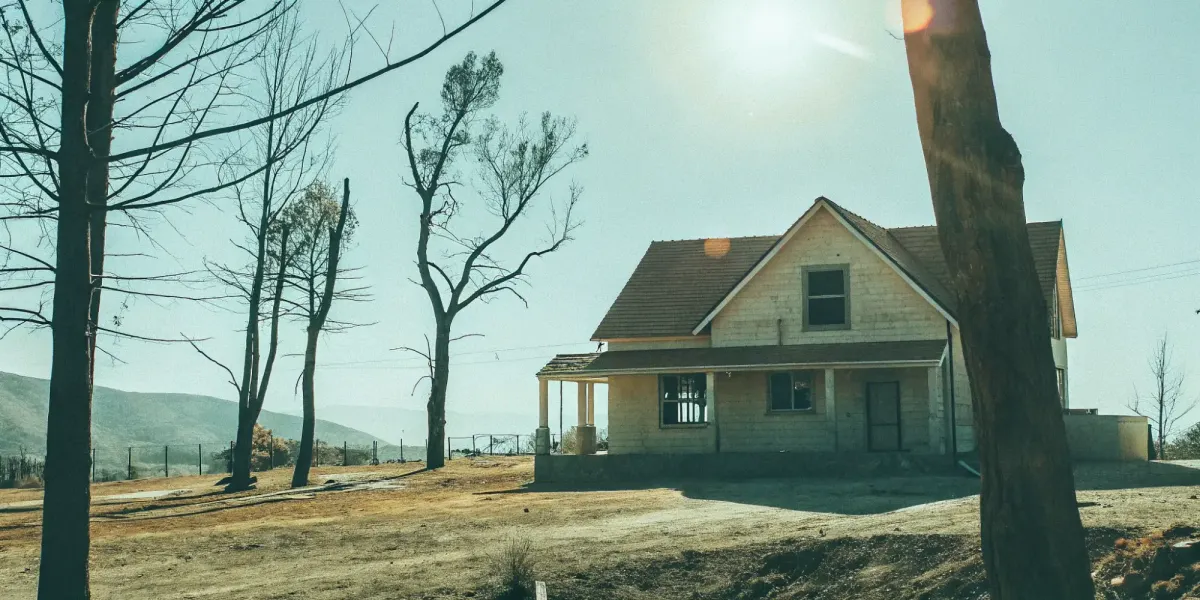
That letter from your insurance company can feel like a gut punch. Rising premiums or a non-renewal notice feels personal and deeply unfair, especially when you live in a wildfire-prone area. The truth is, you’re not alone. Insurers are pulling back from high-risk regions, making affordable wildfire insurance one of the biggest challenges for homeowners. But you're not powerless. Understanding why this is happening is the first step toward finding a solution. This guide will walk you through the changing market and give you a clear plan for what to do next.
Key Takeaways
- Review Your Standard Policy for Wildfire Gaps: Wildfire protection isn't a separate plan; it's part of your standard homeowners insurance. Read your policy's fine print, paying close attention to your dwelling coverage limits, personal property caps, and what's included for additional living expenses if you're forced to evacuate.
- Lower Your Risk to Improve Your Insurability: Insurance companies reward proactive homeowners. You can make your property more attractive for coverage by creating defensible space, upgrading to fire-resistant building materials, and hardening your home against embers by screening vents and sealing gaps.
- Know Your Next Steps if You're Denied Coverage: If you receive a non-renewal notice, you still have options. Start by exploring your state's FAIR Plan for basic protection, look into specialized surplus lines insurers for high-risk properties, and ask your current provider what specific improvements could make you insurable again.
What is Wildfire Insurance, Really?
Let’s clear up a common point of confusion: wildfire insurance isn't a separate policy you buy. Instead, protection from wildfire damage is typically included in standard home insurance policies. If you have a homeowners or renters policy, you likely already have some level of coverage. This usually includes damage to your house itself, other structures on your property like a shed or fence, and even your landscaping. It’s important to check the fine print, though, as the amount of coverage can vary quite a bit between providers. Your policy might also cover additional living expenses if a wildfire forces you to evacuate and live somewhere else temporarily.
Don't Fall for These Wildfire Insurance Myths
The biggest myth out there is that you need to shop for a special "wildfire insurance" plan. In reality, the challenge isn't finding a wildfire-specific policy, but rather securing a standard homeowners policy in an area that insurers consider high-risk. Some companies may refuse to write new policies in fire-prone regions or may add specific exclusions for wildfire damage, so you have to be diligent. The key is to understand that your regular homeowners insurance is your wildfire insurance. Your focus should be on reading your policy carefully and confirming that wildfire is a covered peril without any surprising limitations or exclusions.
When Does Your Wildfire Coverage Kick In?
Your coverage can start helping long before your property is actually damaged. If authorities issue a mandatory evacuation for your neighborhood, your policy’s loss of use coverage typically kicks in. This is a critical part of your insurance that helps pay for expenses you wouldn't normally have, like hotel bills, meals, and even laundry services while you're displaced. It’s designed to help you maintain your normal standard of living when you can't be at home. Make sure you know your policy's limits for this coverage, as it can be a lifesaver during a stressful and uncertain time. Keep all your receipts, as you'll need them to file your claim.
What Does Wildfire Insurance Actually Cover?
When you live in a place where wildfires are a real threat, the question "Am I covered?" can keep you up at night. The good news is that most standard homeowners insurance policies do offer protection from wildfire damage. However, "standard" doesn't mean "simple." Your policy is a detailed contract, and understanding what it does—and doesn't—cover is one of the most important things you can do to prepare.
Think of your policy as having several layers of protection. The first layer covers the physical structure of your house. The next covers all of your personal belongings inside it. Another layer helps with living expenses if you’re forced to evacuate or your home is unlivable. But just like any contract, there are limits and exclusions written into the fine print. Knowing these details ahead of time can make all the difference in your ability to recover and rebuild after a fire. Let’s break down what you can typically expect your policy to cover, so you can review your own and fill any gaps before you ever need to file a claim.
Is Your Home's Structure Covered?
The core of your homeowners policy is what’s known as "dwelling coverage." This is the part that pays to repair or rebuild the physical structure of your house if it’s damaged by a covered event, like a wildfire. While most standard policies include this, the crucial detail is the coverage limit. Is it enough to rebuild your home from the ground up at today’s labor and material costs?
Construction costs can change quickly, so it’s a good idea to review this number annually. Don’t just assume the original purchase price of your home is the right amount. You can talk with your insurance agent or a local contractor to get an accurate estimate for rebuilding in your area.
What About Your Personal Belongings?
Your home is more than just walls and a roof; it’s filled with your personal belongings. Your insurance policy covers these items—from furniture and electronics to clothes and kitchenware—under its "personal property coverage." This protection often extends to other structures on your property, like a detached garage, shed, or fences.
To make the claims process smoother, it’s essential to have a home inventory. This is simply a list of your possessions, along with their estimated value. You can create one by walking through your home with your smartphone, taking a video, and narrating what you see. Store this file in the cloud so you can access it from anywhere. It feels like a hassle now, but it’s invaluable when you need to prove what you lost.
Will Insurance Pay for Living Expenses?
If a wildfire forces you to evacuate or makes your home uninhabitable, where do you go? This is where "Additional Living Expenses" (ALE) coverage, sometimes called "loss of use," becomes a lifesaver. This part of your policy helps pay for the extra costs you incur while you’re displaced.
That includes expenses like hotel bills, rent for a temporary apartment, and even money for meals if you can’t cook at home. But this coverage isn’t unlimited. Your policy will specify a maximum amount it will pay or a time limit, such as 12 or 24 months. Since rebuilding can be a long process, check your policy to ensure your ALE coverage is robust enough to support your family.
What About Your Car?
Amid the chaos of a wildfire threat, it’s easy to forget about one of your most valuable assets parked in the driveway: your car. Your homeowners insurance won't cover your vehicle, but your auto insurance policy likely will. The key is having the right kind of coverage. The part of your auto policy that protects against fire damage is called "comprehensive" coverage. This is optional, so it’s worth double-checking your policy to make sure you have it. Comprehensive coverage is designed to pay for damage from non-collision events, which includes not only wildfires but also theft, vandalism, and falling objects. If you live in a high-risk area, ensuring your auto policy includes comprehensive coverage is a simple step that provides critical financial protection.
Coverage for Renters and Businesses
Homeowners aren't the only ones who need to think about wildfire protection. If you're a renter, your landlord's insurance policy only covers the building itself—not your personal belongings. That's where renters insurance comes in. It protects your furniture, electronics, and other possessions from fire damage and can also provide additional living expenses if an evacuation order forces you out. For business owners, a standard Business Owner's Policy (BOP) typically covers fire damage to your building, equipment, and inventory. Just as important is "business income" insurance, which can replace lost profits and cover operating costs if a wildfire forces you to close your doors temporarily, ensuring your business can survive the interruption.
What Isn't Covered by Your Policy?
Knowing what isn't covered is just as important as knowing what is. Standard homeowners policies have specific exclusions. For example, damage to your landscaping—trees, shrubs, and lawns—is often not covered, or has a very low limit. Your car won't be covered by your home insurance either; that falls under the comprehensive portion of your auto policy.
It’s also critical to understand the limitations of last-resort insurance options like state-run FAIR Plans. While they can be a crucial safety net if you can't get coverage elsewhere, these plans are often more expensive and provide less protection. Many FAIR Plans only cover fire damage and may exclude things like personal liability or additional living expenses, leaving you to cover those costs yourself.
Is Your Home at Risk? Here's How to Check
Understanding your home's specific wildfire risk is the first step toward protecting it. It’s not just about knowing if you live in a fire-prone state; it’s about looking at the unique factors of your property, from the slope of your land to the materials on your roof. Insurers look at these details, and so should you. By getting a clear picture of your risk level, you can make targeted improvements that genuinely increase your home's resilience and can make it easier to insure. This process doesn't have to be overwhelming. Let's walk through the key areas to evaluate, one by one, so you can build a clear, actionable plan.
Find Your Risk Score Online
You don't have to guess about your property's risk level. Several free online resources can give you a solid starting point. Websites like the U.S. Forest Service’s Wildfire Risk to Communities tool use interactive maps and data to help you understand the potential for wildfire in your area. These platforms analyze factors like historical fire activity, weather patterns, and vegetation to provide a high-level overview. While they won’t replace a detailed on-site assessment, they are an excellent way to get an initial, data-backed look at your situation and begin learning about effective wildfire mitigation.
Does Your Location Put You at Risk?
Where your home is situated plays a huge role in its risk profile. Many properties are located in the Wildland-Urban Interface (WUI), an area where homes and wildland vegetation meet or intermingle. If you live here, your risk is naturally higher. Insurers will consider your home's proximity to dense vegetation, steep hills, and canyons, which can act as chimneys for fire. They also look at how close you are to emergency services and your community's past fire history. Understanding these geographical factors helps you grasp the broader context of your home's vulnerability.
Understanding National Wildfire Risk Statistics
If it feels like the risk of wildfire is growing, you’re right. This isn’t just a local issue; it’s a national challenge with staggering numbers. According to research from the Insurance Institute for Business & Home Safety, about 4.8 million homes across the U.S. are at high or extreme risk of wildfire, with more than two million of those in California alone. This isn't just about potential danger; it's about real financial impact. Over the last decade, wildfires have caused an estimated $5.1 billion in damage. These figures help explain why insurers are becoming more cautious. They see the big picture, and it’s one of escalating risk and massive potential losses.
This trend has led to a surge in policy cancellations and skyrocketing premiums, especially in states like California. In 2019, insurers refused to cover over 235,000 homes in the state, a significant jump from the year before. More recently, major providers like State Farm have continued this trend by canceling tens of thousands of policies. For those who can keep their coverage, the cost is climbing fast. The average homeowners premium in California is projected to more than double between 2020 and 2025. These numbers confirm what you’re likely experiencing: securing affordable wildfire insurance is getting harder because the data shows insurers that the risk is just too high.
Does Your Yard Increase Your Fire Risk?
The area immediately surrounding your home—your defensible space—is one of the most critical factors you can control. Overgrown shrubs, dead trees, and dry grass act as fuel that can carry a fire directly to your doorstep. The goal is to create a buffer zone by clearing away this flammable vegetation. This isn't just about saving your house; it also creates a safer environment for firefighters to work in. Taking simple steps to create defensible space can dramatically reduce the chances of embers igniting your property and is a foundational part of any wildfire safety plan.
Is Your Home Built to Resist Fire?
The materials and design of your house are the final line of defense. Insurance companies pay close attention to construction details when assessing risk. They look at things like your roofing material (class-A fire-rated is best), the design of your eaves and vents, and whether your deck is made of combustible wood. Embers are a primary cause of home ignition during a wildfire, and they can enter through tiny openings. Hardening your home by upgrading to fire-resistant materials and sealing potential entry points for embers is a powerful way to lower your risk and improve your insurability.
Why Is It So Hard to Get Wildfire Insurance?
If you’ve received a non-renewal notice or seen your premiums skyrocket, you’re not alone. Finding affordable and reliable homeowners insurance in wildfire-prone areas has become a major challenge. Insurers are becoming more cautious as wildfire seasons grow longer and more destructive, leading them to re-evaluate the risks of covering homes in certain regions. This shift has left many homeowners feeling stuck and unprotected. But understanding why it’s so difficult is the first step toward finding a solution.
The Financial Toll of Wildfires on the Insurance Industry
At its core, the insurance industry operates on a simple principle: balancing risk with premiums. But in recent years, the sheer scale of wildfire destruction has thrown that balance completely off. Wildfires have caused over $5.1 billion in damage in the last decade alone, forcing insurers to pay out massive claims that far exceed the premiums they collect in high-risk areas. This has created a crisis in the insurance market, particularly in states like California. To remain solvent, companies are left with two choices: dramatically increase prices or stop offering coverage altogether. This is why we're seeing major providers like State Farm cancel tens of thousands of policies and average premiums projected to more than double. It’s a tough business decision that unfortunately leaves homeowners feeling the most impact.
What to Do About Rising Premiums and Cancellations
Across states like California, Colorado, and Oregon, insurance companies are increasingly pulling back from high-risk areas. They are either raising premiums to unsustainable levels or simply refusing to renew policies. For instance, the number of non-renewals in California jumped from 180,000 in 2018 to over 235,000 just a year later. More recently, major insurers like State Farm announced they would not renew tens of thousands of policies in the state, citing growing wildfire risk and high rebuilding costs. This trend forces homeowners into a frantic search for coverage, often with fewer and more expensive options available.
The Reality of Rate Increases
It’s not just the fear of losing coverage that’s stressful; it’s the sticker shock that comes with your renewal notice. In California, for example, the average homeowners insurance premium is projected to more than double between 2020 and 2025. This isn't arbitrary. Insurance companies are facing staggering losses from recent wildfire seasons and must adjust their pricing to reflect this new reality. To stay financially viable, they are recalculating the cost of doing business in high-risk regions. This creates a ripple effect where even homeowners who haven't been directly impacted by fires see their rates climb as the entire market adapts to the increased risk.
What to Do When Insurers Leave Your Area
Getting a non-renewal notice can be stressful, but it’s not the end of the road. Your first step should be to contact your insurance agent or broker to discuss other private insurance options. If you can’t find a private insurer willing to cover your property, you may need to turn to a state-run insurance program. Many states have a "last-resort" option, such as the California FAIR Plan, which provides basic fire coverage when you can't get it elsewhere. While these plans are a crucial safety net, they often offer less comprehensive coverage and can be more expensive than a standard policy, so they are typically a temporary solution while you work on reducing your home's risk.
State-Specific Challenges: The Case of Colorado
Colorado homeowners are facing a uniquely challenging insurance landscape. Insurers are increasingly hesitant to cover properties in high-risk areas, not because of anything you've done, but because they fear concentrating too much risk in one place. A single large wildfire could lead to catastrophic losses, a risk that's amplified as their own backup insurance providers, known as reinsurers, are also pulling back from these regions. This means that even if you’ve diligently created defensible space and hardened your home, you might still face a non-renewal based solely on your address. While the state has introduced the Colorado FAIR Plan as a safety net, it's important to know that it often provides less comprehensive coverage than a standard policy, making it a last resort rather than an ideal solution.
Are You in a High-Risk Zone?
Insurers determine your home’s risk by looking at a combination of factors. They analyze your property’s specific location, including its proximity to wildlands and the local topography—homes on steep slopes are often at greater risk. They also assess the type of vegetation around your home, your home’s construction materials, and the local fire department’s response time. With over a million homes in California alone considered to be in high-danger zones, it’s crucial to understand your property’s specific vulnerabilities. Knowing what insurers see when they look at your home is key to taking the right steps to improve your risk profile.
What Is a Wildfire Deductible?
Even if you can secure a policy, it’s important to read the fine print, especially regarding your deductible. Many insurers are now implementing wildfire-specific deductibles, which work differently from a standard flat-rate deductible. Instead of a fixed amount, a wildfire deductible is often a percentage of your home’s insured value, typically ranging from 2% to 5%. For a home insured for $800,000, a 5% deductible means you would be responsible for the first $40,000 of damages out of pocket. This can be a significant and unexpected expense if you’re not prepared for it.
How to Lower Your Risk and Get Insured
Taking proactive steps to protect your home from wildfire does more than just give you peace of mind—it can also make your property more appealing to insurance companies. When insurers see that you’ve actively worked to reduce your risk, they’re often more willing to offer coverage, sometimes at a better rate. Think of it as a partnership: you make your home safer, and they provide the financial safety net you need. This isn't just about checking boxes; it's about showing a commitment to safety that underwriters value.
The good news is that many of the most effective measures are straightforward and can be done over time. By focusing on four key areas—creating defensible space, using fire-resistant materials, hardening your home against embers, and performing regular maintenance—you can significantly lower your property’s vulnerability. These actions demonstrate to insurers that you are a responsible homeowner, which is a critical factor in their underwriting decisions. Taking steps to make your home survivable and your community adaptable to wildfire also helps protect firefighters who put themselves on the line. It's a win-win: you get a safer home, better insurance options, and a more resilient neighborhood.
Create Your Defensible Space
Defensible space is the buffer you create between your home and the surrounding grass, trees, and wildland. This area is designed to slow or stop the spread of wildfire and protect your home from catching fire. It also gives firefighters a safer space to defend your property. The first 30 feet around your home are the most critical. Start by removing all dead plants, dry leaves, and pine needles from your yard, roof, and gutters. You should also trim tree branches so the lowest limbs are at least six to 10 feet from the ground. Creating this space is one of the most important things you can do to protect your property.
Upgrade to Fire-Resistant Materials
The materials your home is built with play a massive role in its ability to withstand a wildfire. If you’re building a new home or planning a renovation, choosing the right materials is key. Using fire-resistant building materials, sealing vents, and installing rooftop sprinkler systems can significantly enhance your home's resilience. Opt for Class A fire-rated roofing like asphalt shingles, metal, or slate. For siding, consider non-combustible options such as stucco or fiber cement over wood. Upgrading to double-paned windows with tempered glass can also prevent them from shattering in extreme heat, which helps keep flames and embers out of your house. These upgrades are an investment in your home’s long-term safety and insurability.
Harden Your Home Against Embers
During a wildfire, wind-blown embers are the main cause of home ignitions. These small, burning pieces of debris can travel a mile or more ahead of a fire, lodging in small crevices and starting new fires. Understanding how to harden your home against ember intrusion is crucial for protecting your property. Start by covering all attic, eave, and foundation vents with 1/8-inch metal mesh to block embers from entering. Seal any gaps around windows, doors, and where your siding meets the foundation. If you have a deck, make sure to clear any flammable materials stored underneath it and consider enclosing the underside to prevent embers from collecting there.
How Wildfires Actually Ignite Homes
It’s easy to picture a wildfire as a massive wall of flames, but that’s rarely how homes actually catch fire. The real threat often comes from something much smaller: embers. During a wildfire, winds can carry these tiny, burning pieces of wood and vegetation for a mile or more, far ahead of the main fire front. These embers are the primary way homes ignite. They land in flammable spots like gutters clogged with dry leaves, on a wooden deck, or in a pile of pine needles next to your foundation. They can also get sucked into unscreened vents, finding fuel inside your attic or crawlspace. Research from organizations like the Insurance Institute for Business & Home Safety shows that managing these small vulnerabilities is the key to survival. This is why creating defensible space and hardening your home are so effective—they eliminate the fuel that these traveling embers need to start a new fire right at your doorstep.
Year-Round Maintenance for Fire Prevention
Wildfire preparedness isn’t a one-time task; it’s an ongoing commitment. Regular maintenance ensures your home’s defenses remain effective year after year. Schedule seasonal clean-ups to clear dead vegetation from your defensible space, especially before fire season begins. Clean your roof and gutters at least twice a year to prevent the buildup of flammable debris like leaves and pine needles. You should also regularly inspect your vent screens, seals, and siding for any damage that could create an entry point for embers. Taking these steps to make your home survivable not only protects your property but also helps protect the firefighters who may be called to defend it.
Following Expert Recommendations and Programs
You don't have to figure all of this out on your own. Fire safety experts and community programs are valuable resources that can guide your efforts. Many local fire departments offer free home assessments, providing personalized advice on how to improve your defensible space. Additionally, programs like Firewise USA® help entire neighborhoods work together to reduce their collective risk. Participating in these programs sends a strong signal to insurers that you are serious about mitigation. Insurance companies are being encouraged to reward homeowners who take these proactive steps, making it a smart move for both your safety and your wallet.
The Role of Modern Building Codes
Modern building codes aren't just red tape; they are a blueprint for resilience based on years of research into how homes survive wildfires. These codes often require the use of fire-resistant materials and construction techniques designed to combat the number one threat: embers. Improving building codes is a key strategy for protecting communities, and even if your home is older, you can still adopt these principles. By hardening your home against ember intrusion—such as installing fine mesh screens over vents and using non-combustible siding—you are aligning your property with the best practices for wildfire safety, a detail that insurance underwriters definitely notice.
How Much Does Wildfire Insurance Cost?
Talking about the cost of wildfire insurance can feel a bit like asking, "How long is a piece of string?" The price tag varies dramatically depending on where you live and how high your risk is. For example, while the average homeowners insurance premium in California was around $1,300 per year not long ago, projections show it could climb to nearly $3,000. If your home is in an area considered to have very high wildfire risk, that number can jump into the tens of thousands annually.
This isn't just a random price hike. It’s a direct response to the growing frequency and intensity of wildfires. Insurers are recalculating their risk models, and unfortunately, that often translates to higher costs for homeowners. The price you pay is a reflection of the perceived risk to your property. Understanding the specific factors that contribute to that risk is the first step in figuring out how you might be able to lower your bill. It puts you back in the driver's seat, allowing you to focus on what you can control in a situation that can often feel overwhelming.
What Determines Your Insurance Premium?
When an insurance company calculates your premium, they’re essentially trying to predict the likelihood of your home being damaged in a wildfire. They look at a checklist of risk factors, and the more boxes you tick, the higher your premium will be. Key considerations include your home's location and its proximity to wildlands, the local topography (is your home on a steep, fire-prone slope?), and the type of vegetation on and around your property. They also assess your home’s construction materials and how close you are to firefighting resources. Your area's fire history plays a big role, too. These elements help an insurer build a complete picture of your home's unique wildfire risk profile.
Why Does Location Impact Your Insurance Cost?
If you've noticed that your neighbor in another state pays significantly less for coverage, you're not imagining things. The insurance market is facing what many call an "insurance crisis," especially in states like California. Longer, more destructive wildfire seasons and regulatory challenges have made it difficult for insurers to do business. As a result, many companies are choosing to limit their exposure by no longer writing new policies in high-risk areas or even discontinuing existing ones. This shrinking market leaves homeowners with fewer choices, which naturally drives up the cost for the limited plans that are still available.
Simple Ways to Lower Your Insurance Bill
The good news is you aren't powerless against rising premiums. Taking proactive steps to protect your property can make a real difference in your ability to get and keep affordable coverage. Insurers look favorably on homeowners who invest in fire prevention. Simple upgrades like using fire-resistant building materials for your roof and siding can have a major impact. You can also harden your home by sealing vents with fine mesh to block embers and installing rooftop sprinkler systems. These measures show insurers that you are actively working to reduce your risk, which can lead to a more favorable premium.
Can't Get Coverage? Here's What to Do Next
Receiving a non-renewal notice or being denied homeowners insurance can feel incredibly stressful, especially when you’ve done everything you think is right. When the private market seems closed off, it’s easy to feel like you’ve run out of options. But don’t lose hope. Several alternative paths can help you secure the protection your home needs. It might require a bit more research and a different approach, but coverage is often still within reach. Think of this as your action plan for finding a solution, from state-supported programs to specialized insurers and proactive home improvements.
Explore State-Run Insurance Plans
If you’re struggling to find coverage from private insurers, your next step should be to check for a state-run insurance plan. Many states with high wildfire risk, like California, have established these programs as an insurer of last resort. The California FAIR Plan, for example, provides basic fire coverage when other options aren't available. While it’s a critical safety net, it’s important to understand its limitations. These plans typically offer less comprehensive coverage than standard policies—often excluding liability or theft—and can be more expensive. They are designed to provide essential protection, not to replace a full homeowners policy.
Understanding the Limitations of the California FAIR Plan
While the FAIR Plan can be a lifesaver, it’s essential to see it as a basic safety net, not a comprehensive solution. Think of it as a "bare-bones" policy. Its primary job is to cover damage to your home's structure from fire, but it often leaves significant gaps. For instance, many FAIR Plans exclude personal liability coverage, which protects you if someone is injured on your property. They also may not cover additional living expenses, leaving you to pay for hotels and meals out-of-pocket if you're forced to evacuate. Because of these limitations, many homeowners purchase a separate "difference in conditions" policy to fill in the gaps, adding another layer of complexity and cost. The goal should be to use the FAIR Plan as a temporary bridge while you work on making your property more insurable for the private market.
What Are Surplus Lines Insurers?
Another avenue to consider is surplus lines insurance, sometimes called excess and surplus (E&S) lines. These are specialized carriers that insure high-risk properties that standard insurance companies won't cover. Think of them as the experts in handling unique or challenging risks. The major trade-off is cost. Surplus lines policies are significantly more expensive and often come with very high deductibles, sometimes $100,000 or more. This option isn't for everyone, but if you need to insure a high-value property in a high-risk area and can manage the higher costs, an E&S carrier might be the right fit.
The Rising Cost of E&S Policies
While E&S policies can be a lifeline, they come at a steep price. These aren't your standard insurance plans, and their cost reflects the high level of risk they are designed to cover. Premiums for this type of coverage have been climbing sharply, with some reports showing increases of 20% or more year over year. This means a policy that was already expensive can become even more so in a short amount of time. It’s not just the monthly or annual payment you have to consider, either. These policies often feature extremely high deductibles, sometimes reaching $100,000 or more, which you would have to pay out-of-pocket before your coverage kicks in.
Options for High-Value Properties: Premier Carriers
If you own a high-value home, another option is to look into premier carriers. These are specialized insurance companies that cater to unique, high-value properties and can sometimes offer more flexible, tailored coverage than standard insurers. They are accustomed to assessing complex risks and may be more willing to work with you, especially if you can demonstrate a serious commitment to wildfire mitigation. However, it's important to know that even these larger insurers are feeling the financial pressure from massive wildfire claims. Many are losing a lot of money, which has led to higher prices and canceled policies across the board. Approaching them with a clear, documented plan of your home's defensible space and hardening efforts can make a significant difference in their willingness to offer you a policy.
Partner with Your Insurer on Home Upgrades
Even if you've received a non-renewal notice, the conversation with your insurer doesn't have to be over. Reach out to your agent or a company representative and ask a simple question: "What specific changes can I make to my property to become insurable again?" This shifts the dynamic from a denial to a negotiation. By demonstrating your commitment to wildfire mitigation, you show them you’re a proactive partner in reducing risk. Presenting them with a detailed report of your defensible space and a clear plan for home hardening can make a powerful case for reinstating your policy or securing a new one.
How to File a Wildfire Insurance Claim
Facing the aftermath of a wildfire is incredibly difficult. When you're ready to start the recovery process, filing an insurance claim is one of the first and most important steps. The process can feel intimidating, but breaking it down into clear actions makes it much more manageable. Think of it as a practical guide to getting the support you need to rebuild. Staying organized and knowing what to expect will help you move forward with confidence. Here’s how to handle the claims process from start to finish.
Gather Your Essential Documents
The first thing you should do is contact your insurance company to get your claim started. The sooner you report the damage, the better. Next, document everything. Use your phone to take plenty of photos and videos of the damage to your home and property from every possible angle. You’ll also want to get a copy of the fire report from your local fire department. One of the most helpful things you can have is a home inventory—a detailed list of your belongings. Having this ready will speed up the process significantly. If you don't have one, do your best to recreate it from memory, old photos, or receipts.
Documenting Damage: What to Keep and What to Do
Once it’s safe to return to your property, your main job is to become a meticulous record-keeper. Take photos and videos of everything, from the big picture of your home's exterior to the small details of smoke damage on furniture. It’s tempting to start cleaning up, but try to keep damaged items until your insurance adjuster has had a chance to see them, as this provides crucial evidence for your claim. At the same time, start a folder for every single receipt related to your displacement, including hotel stays, meals, and any other additional living expenses. These records are essential for getting reimbursed. Also, keep a log of every conversation you have with your insurance company, noting the date, time, and who you spoke with. This level of organization will make the entire process feel much more manageable.
What to Expect from Your Insurance Adjuster
Once you file your claim, your insurance company will assign an adjuster to your case. The adjuster’s job is to visit your property, assess the extent of the damage, and determine the amount of compensation you’re entitled to based on your policy. You can prepare for their visit by having all your documentation—photos, your home inventory, and the fire report—ready to share. It’s a good idea to be there during the inspection so you can point out specific damages they might otherwise miss. Don't be afraid to ask questions about their process and what comes next. Clear communication is key to a smoother experience.
How Long Does a Wildfire Claim Take?
The insurance claims process takes time, so it’s important to be patient. After the adjuster completes their assessment, you will receive a settlement offer. Review it carefully to make sure it aligns with your policy and accurately covers your losses. If your claim is denied or the offer seems too low, you have the right to appeal the decision. Make sure you understand your policy's rules and deadlines for filing an appeal. Throughout this period, keep a detailed log of every phone call, email, and piece of mail you exchange with your insurance company. This record will help you stay organized and keep the process on track.
Tech Tools for Assessing Your Wildfire Risk
Figuring out your home’s specific wildfire risk can feel like a huge, overwhelming task. Where do you even begin? Thankfully, you don’t have to rely on guesswork. A growing number of digital tools and platforms are designed to give you a clear, data-driven picture of your property’s unique vulnerabilities. These resources analyze everything from your location and local terrain to the vegetation in your yard. By using technology to your advantage, you can move from worrying about the unknown to creating a concrete, actionable plan to protect your home and strengthen your insurance application.
How Digital Platforms Assess Your Property
Instead of just looking at a regional map, you can now use online platforms to get a more personalized risk assessment. These tools act as a starting point, giving you a solid foundation of information about your area. For example, free resources like the Southern Wildfire Risk Assessment Portal offer comprehensive data that helps homeowners and entire communities pinpoint their specific risks. By inputting your address, you can get an initial look at the factors that contribute to your property’s wildfire threat. This helps you understand the bigger picture before you start making changes to your home and gives you a clear direction for your efforts.
Tools That Analyze Your Defensible Space
Once you understand your community's general risk, the next step is to zoom in on your own property. The area immediately surrounding your home—your defensible space—is one of the most critical factors for both safety and insurability. Interactive tools can help you visualize and understand this crucial zone. Websites that provide maps and charts on wildfire risk allow you to explore how close your home is to dangerous fuels. This analysis makes it easier to see your property through the eyes of a fire expert and take the right wildfire mitigation steps, like clearing brush or trimming trees that are too close to the house.
Strengthen Your Insurance Application with Data
Walking into a conversation with an insurance agent armed with data is a game-changer. When you can show that you’ve done your research and taken proactive steps, you build a much stronger case for getting or keeping your coverage. Using data from official sources, like the U.S. Forest Service, helps you understand your community risk in concrete terms. This information, combined with a report detailing the mitigation work you’ve completed, demonstrates to insurers that you are a responsible homeowner who is actively working to lower your property’s risk profile. It transforms you from a passive applicant into a proactive partner in protecting your home.
Related Articles
- Getting Homeowners Insurance in High Fire Risk Areas
- How to Find Home Insurance in a Wildfire Zone
- Best Insurance for Homes in High Fire Risk Areas (2025)
- Get a High Fire Risk Insurance Quote: A 5-Step Guide
Frequently Asked Questions
Is "wildfire insurance" a real thing I need to buy separately? No, it's not a separate policy. Protection from wildfire damage is almost always included as a covered event in a standard homeowners insurance policy. The real challenge isn't finding a special "wildfire" plan, but securing a standard homeowners policy in an area that insurers consider high-risk. Your focus should be on carefully reading your existing or potential policy to ensure it covers fire damage without any special limitations.
My insurance was canceled because of wildfire risk. What's the very first thing I should do? Take a deep breath—you have options. Your first call should be to an independent insurance agent or broker. They work with multiple companies and can shop around for a new policy on your behalf. If they can't find a private insurer, your next step is to look into your state's FAIR Plan, which is a last-resort option that provides basic fire coverage. It's not a perfect solution, but it ensures you aren't left completely unprotected while you work on other options.
Will creating defensible space and hardening my home actually lower my insurance bill? It absolutely can. While there's no guarantee of a specific discount, taking these steps makes your home a much lower risk in the eyes of an underwriter. A lower-risk home is more attractive to insurers, which can lead to better premiums and more coverage options. Think of it as building a strong case for your insurability. When you can show an insurer a detailed list of the mitigation work you've done, you demonstrate that you're a proactive partner in protecting your property.
What's the difference between a regular deductible and a wildfire deductible? A regular deductible is usually a fixed dollar amount, like $1,000 or $2,500, that you pay out of pocket before your insurance covers the rest. A wildfire deductible, which is becoming more common in high-risk areas, is typically a percentage of your home's total insured value. This could be anywhere from 1% to 5% or more. For a home insured at $500,000, a 5% wildfire deductible means you'd be responsible for the first $25,000 of damage, which is a significant difference you need to be prepared for.
How can I prove to my insurer that I've made my home safer? Documentation is your best friend. Keep receipts for any fire-resistant materials you buy or contractors you hire. Take before-and-after photos of your defensible space work. You can also use a service like Defensible Space Score to get a formal report that assesses your property's risk and outlines the improvements you've made. Presenting this organized package of information to your agent shows them you're serious about mitigation and gives them concrete evidence to support your application.