
Requirements for Defensible Space: A Checklist
Get clear on the requirements for defensible space and learn practical steps to protect your home, meet local codes, and keep your wildfire insurance.

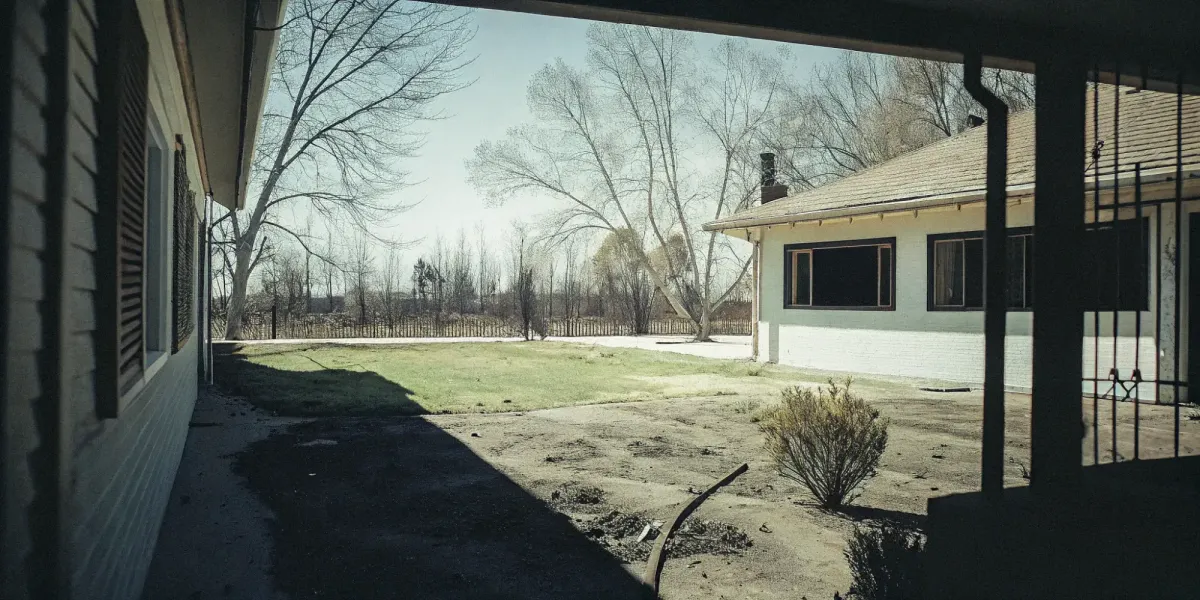
Finding—and keeping—affordable home insurance in a wildfire area has become a huge source of stress. Insurers are looking closely at how you manage your property's risk, and one factor stands out: defensible space. A well-maintained property isn't just safer—it's what makes an insurer see your home as a good risk. This makes understanding the requirements for defensible space more important than ever. This guide explains the direct link between your yard work and your policy, giving you the actionable steps needed to protect your home and your wallet.
Key Takeaways
- Build your defense from the house out: Prioritize creating a non-flammable, five-foot barrier directly around your home to stop embers. From there, work outward to thin vegetation and reduce potential fuel in the surrounding 100 feet.
- Make maintenance a seasonal habit: Defensible space isn't a one-time fix. Keep your property safe year-round by regularly clearing your roof and gutters, raking leaves, and trimming plants as part of your routine home upkeep.
- Your local fire code is the ultimate guide: State laws provide a baseline, but your local fire department sets the specific rules for your property. Following these codes is essential for protecting your home, ensuring firefighter safety, and maintaining your homeowners insurance.
What is Defensible Space and Why Does Your Home Need It?
If you live in a wildfire-prone area, the term "defensible space" comes up a lot. So, what is it exactly? Think of it as a buffer zone you create between your home and the surrounding grass, trees, and shrubs. It’s not about clear-cutting your property into a barren lot. Instead, it’s about thoughtfully managing the vegetation to slow or stop the spread of wildfire. Creating this space is one of the most important things you can do to protect your home and family. It acts as your property’s first line of defense, giving it a fighting chance when a wildfire approaches.
How Defensible Space Protects Your Home
Defensible space works by robbing an approaching fire of fuel. Wildfires feed on continuous vegetation, so by breaking it up, you create a barrier that makes it harder for flames to reach your house. The goal is to maintain this space for at least 100 feet in all directions around your home. The most critical area is the first five feet closest to your house, known as Zone 0. This immediate, noncombustible zone is essential for preventing ignition from wind-blown embers, which are a primary cause of homes catching fire during a wildfire. By carefully landscaping and choosing the right materials, you can significantly reduce your home's vulnerability.
Help Firefighters Protect Your Community
When you create and maintain defensible space, you’re not just protecting your house—you’re also protecting the firefighters who show up to defend it. A clear, well-managed area gives them the room they need to work safely and effectively. If a home is surrounded by overgrown vegetation, it can be too dangerous for crews to approach. Your efforts provide a safer environment for these emergency responders, allowing them to position their equipment and make a stand to save your property. It’s a partnership; the work you do beforehand directly impacts their ability to help when it matters most.
Why a Defensible Home is a Defendable Home
The phrase "a defensible home is a defendable home" gets to the heart of why this work is so critical. It means that by creating that buffer zone, you're not just passively hoping for the best—you're actively creating conditions that allow firefighters to do their job safely. When a wildfire is approaching, incident commanders have to make split-second decisions about where to allocate resources. They will prioritize homes they have a realistic chance of saving. A property with clear, well-maintained defensible space is a much safer and more strategic place for them to make a stand. As CAL FIRE explains, this space gives firefighters a safer area to work, which can make all the difference in whether they can protect your home or are forced to fall back. Your preparation directly equips them to defend your property.
Can It Affect Your Insurance and Property Value?
Beyond safety, defensible space has a direct impact on your finances. With wildfire risk on the rise, insurance companies are paying close attention to how homeowners manage their properties. A home with excellent defensible space is a lower risk, which can make it easier to find affordable homeowners insurance or even to get coverage at all. It also preserves your property value. A well-maintained, fire-resilient home is a major selling point. Keep in mind that many areas have specific local fire codes, so it’s always a good idea to check with your local fire department to ensure you’re meeting all the requirements.
Breaking Down the 3 Defensible Space Zones
Creating defensible space can feel like a huge project, but it’s much more manageable when you break it down into zones. Think of these as three concentric circles around your home, each with a specific job to do. This structured approach, recommended by fire safety experts, helps you focus your efforts where they matter most—starting right at your foundation and working your way out. By tackling one zone at a time, you can systematically reduce your property’s wildfire risk and create a safer environment for your family and for the firefighters who protect your community.
Zone 0: The Ember-Resistant Zone (0-5 Feet)
This is your home’s personal space, and it’s the most critical area to manage. The five feet immediately surrounding your house, including the area under any attached decks, is called the Immediate Zone or Zone 0. The goal here is simple: don’t give embers a place to land and ignite. Swap out flammable materials like wood mulch for non-combustible options like gravel, pavers, or concrete. You’ll want to regularly clear away all dead leaves, pine needles, and weeds from this area, including your roof and gutters. It’s also smart to move firewood piles and flammable patio furniture outside of this zone to keep the area immediately next to your home as fire-resistant as possible.
Zone 1: The Lean, Clean, and Green Zone (5-30 Feet)
Welcome to the Intermediate Zone. This area, extending from 5 to 30 feet out from your home, is all about creating a "lean, clean, and green" landscape. Your objective is to slow a fire’s spread by eliminating continuous fuels that could carry flames to your house. This means removing dead plants, dry grass, and weeds. You’ll also need to create space between trees and shrubs to prevent fire from easily jumping from one plant to another. A key part of creating defensible space is trimming tree canopies so they are at least 10 feet apart. Pruning lower branches also helps stop a ground fire from climbing into the treetops.
Zone 2: The Reduced Fuel Zone (30-100 Feet)
The final ring of protection is the Extended Zone, which covers the area from 30 to 100 feet from your home. In this zone, your goal is to interrupt a fire’s path and reduce its intensity before it reaches your inner zones. According to CAL FIRE guidelines, this involves cutting annual grasses down to a maximum of four inches. You should also continue to create horizontal and vertical space between shrubs and trees, removing any vegetation that could act as a "fuel ladder." While you can leave a thin layer of fallen leaves (up to 3 inches deep), be sure to remove larger accumulations of dead twigs and branches.
Your Zone-by-Zone Action Plan
Creating defensible space is a systematic process, and the best way to approach it is by breaking your property into zones. Think of it as creating layers of protection, starting with the area closest to your house and working your way out. Each zone has a specific job to do, and together they create a powerful buffer that can significantly reduce your home’s risk during a wildfire. Here’s a clear, step-by-step plan for tackling each one.
Zone 0: How to Create an Ember-Resistant Area
This is the most important five feet of space surrounding your home, and its main job is to prevent wind-blown embers from finding a place to land and ignite. Start by removing anything combustible. Swap out wood mulch for non-flammable options like gravel, pavers, or concrete. Regularly clear your roof, gutters, and decks of any leaves, pine needles, or other debris.
You’ll also want to look at the items near your house. Move flammable patio furniture, planters, and firewood stacks out of this zone. Finally, take a look up. If you have tree branches hanging over your roof or within 10 feet of a chimney, it’s time to trim them back. This small, critical area is your last line of defense against embers.
Move or Replace Flammable Items
The main goal for the area right next to your house is to eliminate anything an ember could use as fuel. Think about all the items you have within that five-foot perimeter. Flammable wood mulch is a common culprit; it’s best to swap it out for non-combustible options like gravel, pavers, or even bare dirt. This also applies to your belongings. That stack of firewood you’ve been meaning to move? Now’s the time to relocate it at least 30 feet away from your home. The same goes for flammable patio furniture, doormats made of natural fibers, and even brooms leaning against the wall. By clearing this immediate zone of all flammable materials, you create a sterile barrier that makes it incredibly difficult for embers to ignite your home.
Zone 1: How to Break Up Continuous Vegetation
From 5 to 30 feet out from your home, your goal is to create a "lean, clean, and green" landscape. This means removing fuel that a fire could use to spread. Start by clearing out all dead plants, dry grass, and weeds. Rake up fallen leaves and pine needles regularly.
The key in this zone is to break up the continuity of vegetation. You want to create space between trees and shrubs so that fire can’t easily jump from one plant to the next. According to fire safety guidelines, you should trim tree canopies so their branches are at least 10 feet away from other trees. By creating these fuel breaks, you can effectively slow a fire’s spread and lower its intensity as it approaches your home.
Trim Plants and Bushes Near Windows
Your windows are one of the most vulnerable parts of your home during a wildfire, so pay close attention to what’s planted underneath them. Intense heat from a burning shrub can easily shatter the glass, giving embers a direct path inside. To prevent this, keep the area around your windows and foundation lean, clean, and green. This means regularly trimming back any bushes or plants so they don't touch the side of your house. Make it a habit to remove all dead plants, dry grass, and weeds that accumulate in this area. The goal is to create a landscape that slows a fire down, and that starts by ensuring there's no flammable vegetation right next to your home's weak points.
Zone 2: How to Reduce Fuel for Approaching Fires
Extending from 30 to 100 feet, this zone is your buffer against an approaching wildfire. In many areas, maintaining this 100-foot defensible space is required by law. The focus here is on further reducing potential fuel. Keep annual grasses and weeds mowed to a maximum height of four inches.
Continue to create space between shrubs and trees, paying close attention to the natural spacing of plants. You don’t need to clear the land completely, but you should remove dense clusters of vegetation. Rake up fallen leaves, needles, and small branches from the ground. This zone is all about reducing the energy of a wildfire before it gets close to your home, giving firefighters a safer space to work.
Manage Fallen Leaves and Pine Needles
It’s easy to overlook the small stuff, but fallen leaves and pine needles are like kindling for embers. These tiny, dry bits of debris accumulate in corners, under decks, and especially in your gutters, creating the perfect place for a stray ember to land and ignite. Making a habit of regularly clearing this debris is one of the most effective ways to harden your home against wildfire. Get on a ladder and clean your roof and gutters, sweep your decks, and rake the areas right up against your foundation. This isn't a one-and-done task; it's an ongoing part of home maintenance that is essential for maintaining a defensible space and protecting your property from the most common wildfire threat.
Clear Space Around Wood Piles
A wood pile stacked against your house is a significant fire hazard. It’s essentially a dense block of fuel waiting for a spark. To keep your home safe, your firewood needs to be relocated. The rule of thumb is to move your wood pile at least 30 feet away from your home and any other structures, like a shed or garage. Once you’ve moved it, take an extra step and clear away any flammable vegetation within a 10-foot radius of the pile. This creates a buffer that makes it much harder for a ground fire to reach the wood. This same logic applies to other flammable items, so be sure to move propane tanks and any combustible patio furniture out of the immediate zone around your home.
A Simple Guide to Vertical and Horizontal Spacing
Spacing is one of the most effective ways to slow a fire down. Think of it in two ways: vertical and horizontal. Vertical spacing prevents fire from climbing from the ground up into the trees, creating what’s known as a "fuel ladder." To prevent this, remove all tree branches that are within six feet of the ground. A good rule of thumb is to ensure the space between the top of a shrub and the lowest tree branch is at least three times the height of the shrub.
Horizontal spacing is the distance between individual trees and shrubs. The right amount of space depends on how steep your property is and the height of the vegetation. The steeper the slope, the more space you’ll need between plants. CAL FIRE provides detailed Defensible Space guidance to help you calculate the correct spacing for your property.
Spacing Rules for Slopes
If your property isn't perfectly flat, you'll need to adjust your spacing strategy. Fire behaves differently on a slope—it moves much faster uphill—so the rules for creating fuel breaks change, too. The steeper your land, the more space you need between plants to keep flames from racing up the hill and toward your home. Think of it as giving the fire less to grab onto as it climbs. This is a critical detail that can make a huge difference in how well your defensible space performs when it's put to the test.
The specific spacing you need depends on the steepness of your property. According to wildfire safety guidelines, for flat to mild slopes, you should maintain a distance between shrubs that is two times their height and keep at least 10 feet between tree canopies. As the slope gets steeper (20-40%), that distance increases to four times the shrub height and 20 feet between trees. For very steep slopes (over 40%), you’ll need six times the shrub height and 30 feet between trees. Following these measurements helps ensure that vegetation is sparse enough to slow a fire’s momentum.
These horizontal spacing rules work hand-in-hand with the vertical spacing we talked about earlier. Remember to remove tree branches within six feet of the ground and maintain a gap between the tops of shrubs and the lowest tree limbs that is at least three times the shrub's height. This stops a ground fire from climbing into the canopy, which is especially dangerous on a hillside. By adjusting your spacing to account for your property's unique terrain, you create a much more effective defense against wildfire.
Choosing Fire-Resistant Hardscaping and Materials
The materials you use in your landscaping and on your home’s exterior can make a huge difference. For walkways, patios, and areas directly against your foundation, choose materials like gravel, pavers, or concrete instead of flammable wood chips or bark mulch. These hardscaping features act as excellent fuel breaks.
When it comes to your home itself, consider using fire-resistant building materials for siding, such as brick, stone, or fiber cement. While it’s a bigger investment, these choices provide long-term protection and peace of mind. Making smart material choices is a proactive step that hardens your home against wildfire threats for years to come.
How to Choose Fire-Resistant Plants
Your landscaping choices play a huge role in your home's defense against wildfire. While no plant is completely fireproof, selecting fire-resistant varieties can dramatically slow the spread of flames and reduce the intensity of a fire near your home. It’s about creating a landscape that is both beautiful and resilient, where the plants themselves become part of your property’s protection plan. Making smart choices in your garden is a proactive step that adds a critical layer to your defensible space.
What Makes a Plant Fire-Resistant?
Fire-resistant plants are typically those that don't ignite easily. A key characteristic, as noted by the City of Hayward Fire Department, is that they often don't need much water. These plants tend to have supple leaves with high moisture content and accumulate very little dead material throughout the year. They also lack the flammable resins, oils, or waxy coatings found in species like juniper or pine. Think of plants with open, loose branching structures rather than dense, compact growth that can easily trap heat and embers. Choosing these types of plants is a strategic way to build a landscape that actively works to protect your home.
Examples of Fire-Resistant Plants and Trees
When planning your garden, consider incorporating plants known for their fire-retardant qualities. Good options include rockrose, ice plant, and aloe, which store water in their leaves. For shrubs, look for hedging roses, bush honeysuckles, currant, cotoneaster, and sumac. When it comes to trees, hardwoods are a much safer bet than conifers. Deciduous trees like maple, poplar, and cherry are less flammable than pine, fir, or eucalyptus trees, which are high in flammable oils. These choices help create a landscape that is less likely to carry fire toward your home.
Where to Get Local Plant Advice
The best fire-resistant plants for your property are the ones that will thrive in your specific climate. A plant that does well in coastal California might struggle in the mountains of Colorado. This is why local knowledge is so important. Your best resource is your local nursery or a county extension office. The experts there can give you tailored advice on native, drought-tolerant, and fire-resistant species that are perfectly suited for your area. They can help you build a plant list that is both beautiful and safe, ensuring your efforts are effective for your environment.
Don't Forget Outbuildings and Propane Tanks
Your defensible space plan needs to extend beyond your main house to include everything on your property. Sheds, detached garages, and other outbuildings can act as significant fuel sources if a fire approaches. According to CAL FIRE, it’s critical to maintain at least 10 feet of clearance around all outbuildings and propane tanks. This space should be cleared down to bare mineral soil, with no flammable vegetation or materials. An additional 10 feet beyond that should be kept lean and green, free of highly flammable plants. This creates a vital buffer that prevents a small fire from becoming a major threat to your entire property.
Your Year-Round Defensible Space Maintenance Checklist
Creating your defensible space is a huge accomplishment, but the work doesn’t stop there. Think of it like tending a garden—it needs regular care to stay healthy and effective. Wildfire risk changes with the seasons, from dry summer heat to windy autumn days when leaves pile up. Staying on top of a few key tasks throughout the year ensures your property remains prepared, no matter the season. This ongoing maintenance is what keeps your home protected and gives you peace of mind. It also shows insurance companies that you are proactively managing your property’s risk, which can be a major factor in maintaining your coverage. The good news is that year-round maintenance is much easier than starting from scratch. By breaking it down into smaller, seasonal chores, you can keep your defensible space in top shape without feeling overwhelmed. From clearing gutters in the fall to trimming back new growth in the spring, these simple habits make a world of difference in protecting your home.
Keep Your Roof and Gutters Clear
Your roof and gutters are magnets for flammable debris like pine needles, leaves, and twigs. During a wildfire, flying embers can travel for miles and easily land in these spots, igniting your home. That’s why making a habit of regularly cleaning them is so important, especially during the dry summer and fall months. A clean roof gives embers nowhere to hide. If you live in an area with a lot of falling leaves or needles, you might also want to install metal gutter covers. These covers prevent debris from building up in the first place, saving you time and making your home even safer.
Properly Trim Trees and Shrubs
Trees are beautiful, but they can also act as a ladder for fire, allowing it to climb from the ground into the canopy and closer to your home. To prevent this, you need to maintain both vertical and horizontal space. According to CAL FIRE’s guidelines, you should trim tree branches so they are at least 10 feet away from your chimney and any other trees. This spacing helps stop a fire from jumping from tree to tree. You should also remove lower branches to create a gap of at least six feet between the ground and the lowest limbs, which prevents a ground fire from climbing up into the tree itself.
Remove Leaves and Seasonal Debris Regularly
One of the simplest yet most effective maintenance tasks is keeping your yard free of dead organic material. Throughout the year, make it a routine to remove all dead plants, grass, and weeds from your defensible space zones. In the fall, be diligent about raking and clearing away fallen leaves and pine needles, especially from under decks and against the foundation of your home. This "fuel" is exactly what a wildfire looks for. By keeping your property clean and tidy, you remove the easy ignition points that embers could exploit, significantly reducing the chance of a fire starting near your house.
Check Your Siding, Decks, and Fences
While yard maintenance is key, the materials your home is made of also play a huge role in its ability to withstand a wildfire. If you’re building a new home or planning a renovation, you have a great opportunity to make fire-smart choices. The Oregon State Fire Marshal recommends using fire-resistant building materials like brick, stone, or fiber cement for siding. For roofing, consider materials with a Class A fire rating, such as composition shingles, metal, or tile. Even small upgrades, like installing tempered glass windows and covering vents with fine metal mesh, can make a big impact by preventing embers from entering your home.
Using Yard Equipment Safely
Maintaining your defensible space means you’ll be using yard equipment, and it’s important to remember that these tools can sometimes be ignition sources themselves. A hot engine or a spark from a metal blade hitting a rock can be all it takes to start a fire on a dry, windy day. But don’t let that stop you from doing this critical work. By simply being mindful of when and how you use your equipment, you can get the job done safely. A little bit of planning and a few key precautions can make all the difference in preventing an accidental fire while you’re working to protect your home from one.
Mow Before 10 a.m.
One of the easiest safety rules to follow is to do your mowing and any other yard work that could create a spark before 10 a.m. Fire officials consistently recommend this practice for a simple reason: the weather is on your side. In the morning, temperatures are cooler and the humidity is higher, which means grasses and other fine fuels are less likely to ignite. As the day heats up and dries out, the risk increases significantly. Mowing early helps to reduce fire dangers and ensures that your efforts to create a safe space don’t accidentally backfire.
Use Spark Arresters on Gas-Powered Tools
If you’re using any gas-powered equipment—like a chainsaw, weed trimmer, or leaf blower—make sure it’s equipped with a working spark arrester. This small screen is designed to trap hot exhaust particles before they can escape and ignite dry grass or leaves. It’s a simple but critical safety feature. Regular maintenance is also key to preventing your equipment from sparking wildfires. Before you start, clean any built-up grass or debris from your tools, especially from around the engine and cutting blades, and always disconnect the spark plug before performing any maintenance.
Don't Fall for These Defensible Space Myths
A common point of confusion is the requirement for Zone 0, the first five feet around your home. Many homeowners believe that if it’s not legally required, it’s not necessary. This is a dangerous myth. While the law may still be catching up in some areas, fire safety experts agree that creating an ember-resistant Zone 0 is one of the most critical actions you can take. As CAL FIRE explains, this zone is your home’s last line of defense. Keeping it completely free of flammable materials is your best bet for stopping a fire before it can ignite your house. Don’t wait for it to be a requirement—make it a priority.
Meeting the Requirements for Defensible Space
Creating defensible space is more than just a smart safety measure; in many areas, it’s a legal requirement. These regulations are designed to protect your home, your neighbors, and the firefighters who defend your community. But the rules aren’t the same everywhere. State laws provide a baseline for safety, but your local city, county, or fire district often has its own specific requirements that might be stricter.
Think of it like this: the state sets the main safety standard, but your local fire department knows the unique risks of your area—the specific types of vegetation, the weather patterns, and the way homes are built. They tailor the rules to give your community the best possible protection. Staying informed about these local codes is the first step to ensuring your property is truly prepared for wildfire. It also helps you avoid potential fines and ensures you’re doing your part to create a fire-resilient neighborhood. Understanding these requirements is also key to maintaining your homeowners insurance, as many providers now look for proof of compliance in high-risk areas. By following the rules, you're not just checking a box—you're making a tangible investment in your home's safety and financial security.
Do You Know Your Local Fire Codes?
The most important thing to remember is that local rules often build upon state guidelines. As CAL FIRE points out, "Some counties have stricter defensible space rules than the state." Your local fire department has the final say on what’s required for your property. They consider local conditions that state-level regulations might not cover. For example, a community on a steep, windy slope might have different vegetation clearance rules than one in a flatter, more sheltered area. Always start with your local fire authority to get the most accurate and relevant information for your home.
Understanding California Public Resource Code 4291
If you live in California, the main rule you need to know is Public Resource Code 4291. This is the state law that establishes the minimum requirements for defensible space. In simple terms, the law requires homeowners in designated wildfire-risk areas to maintain 100 feet of defensible space around their homes and structures. This means you are responsible for managing vegetation and removing flammable materials in that 100-foot radius, or up to your property line, whichever is shorter. The goal of this fire-safety law is to create a buffer that slows the spread of fire, giving your home a better chance of survival and providing a safer area for firefighters to work.
Working Within Your Property Lines
So, what happens if that 100-foot requirement extends past your fence and into your neighbor’s yard? This is a common situation, and the answer is straightforward: your legal responsibility ends at your property line. You are only required to clear the area that you own. However, since wildfire doesn’t respect property lines, the safest approach is to talk with your neighbors. Creating a fire-safe community is a team effort, and when everyone participates, the entire neighborhood is better protected. Focus on perfecting the defensible space zones within your own property first. Documenting the work you’ve done is a powerful way to show insurance providers that you are proactively managing your risk, even if you can't achieve the full 100 feet of clearance on your own.
How to Prepare for Inspections or a Home Sale
Defensible space is becoming a critical factor in real estate. If you plan to sell a home located in a high-risk fire zone, you’ll likely need to prove that your property meets safety standards. The Alameda County Fire Department notes that sellers often need to provide documentation showing compliance with local defensible space rules. Getting an official inspection or assessment before you list your home can prevent last-minute surprises and make the sales process much smoother. For buyers, understanding a property’s defensible space status is just as important as a standard home inspection.
How to Find Your Local Regulations
So, where do you find these rules? Your best resource is your local fire department or your city or county government office. Most have websites with dedicated sections on wildfire safety and defensible space, often with detailed checklists and guides. If you can’t find what you need online, don’t hesitate to call their non-emergency line. They can tell you exactly what’s required for your property and may even be able to point you toward helpful local programs or resources. Getting this information directly from the source ensures you’re working with the right guidelines.
Where to Find Professional Guidance and Assessments
You don’t have to figure all of this out on your own. Many fire departments and state agencies offer free consultations to help homeowners improve their defensible space. For instance, the Oregon State Fire Marshal provides free property visits to offer personalized advice. In addition to these public services, professional assessors and digital tools can provide a detailed analysis of your property’s unique risks. These assessments give you a clear, actionable report you can use to make effective improvements and keep your home safe.
Leveraging Community Programs and Resources
You don’t have to figure this all out on your own. Many communities offer programs designed to help you create and maintain defensible space. Your local fire department is a great place to start, as they often provide free consultations and workshops. For example, the Oregon State Fire Marshal offers free property visits to give you personalized advice on reducing your specific risks. Community initiatives, like the workshops held by the Hayward Fire Department, are also fantastic resources for learning best practices. It's crucial to stay informed about your local fire codes, which can be more specific than state guidelines. As CAL FIRE points out, some counties have stricter rules, so checking with your local authorities is essential. Taking advantage of these resources helps you protect your property and strengthens the safety of your entire neighborhood.
Related Articles
- What Is a Defensible Space Inspection? A Guide
- Defensible Space Zones: A Homeowner's Guide
- Your Guide to the CAL FIRE Defensible Space Map
- 4 Key Defensible Space Examples in California
- How to Use a Defensible Space Assessment Tool
Frequently Asked Questions
Do I have to remove all the trees and plants on my property? Not at all. The goal of defensible space isn’t to create a barren landscape. It’s about thoughtfully managing your vegetation to create strategic breaks that slow a fire’s progress. You can absolutely keep beautiful trees and shrubs. The key is to ensure they are properly spaced, pruned, and free of dead material so they don’t create a continuous path of fuel for a fire to follow straight to your home.
This sounds like a lot of work. Where should I start? The best place to begin is with Zone 0, the five-foot area immediately surrounding your home's foundation. This is the most critical space for preventing ignition from wind-blown embers. Focus on clearing this area of anything flammable—swap wood mulch for gravel, move firewood piles, and regularly sweep away leaves and pine needles from under your deck and against the siding. Securing this small but vital zone gives you the biggest safety return on your effort.
Once I've created my defensible space, am I done for good? Think of your defensible space like a garden—it requires ongoing care to stay effective. Plants grow, leaves fall, and seasons change. Regular maintenance is what keeps your property protected year-round. This means making seasonal tasks part of your routine, like cleaning gutters in the fall, mowing dry grasses before summer, and trimming back new growth in the spring. Consistent upkeep is far more manageable than tackling a huge project once a year.
How do I know the exact spacing rules for the trees on my sloped property? That’s a great question, because you’re right—slope matters. Fire moves faster uphill, so properties on steeper terrain require greater spacing between trees and shrubs to be safe. While state guidelines provide a good baseline, your local fire department sets the specific requirements for your area. They are the best resource for precise measurements and can provide guidance tailored to your property’s unique conditions.
Will having good defensible space actually help with my homeowners insurance? Yes, it can make a significant difference. Insurance companies are increasingly looking at a property’s wildfire risk when deciding whether to offer or renew a policy. A home with well-maintained defensible space is seen as a lower risk, which can make it easier to secure coverage and potentially keep your premiums more affordable. It’s a clear signal to insurers that you are proactively protecting your property.