What to Look For in a Home Inspection Report
Get clear, actionable tips on what an inspection report covers, why it matters, and how it helps you make confident decisions about your property.

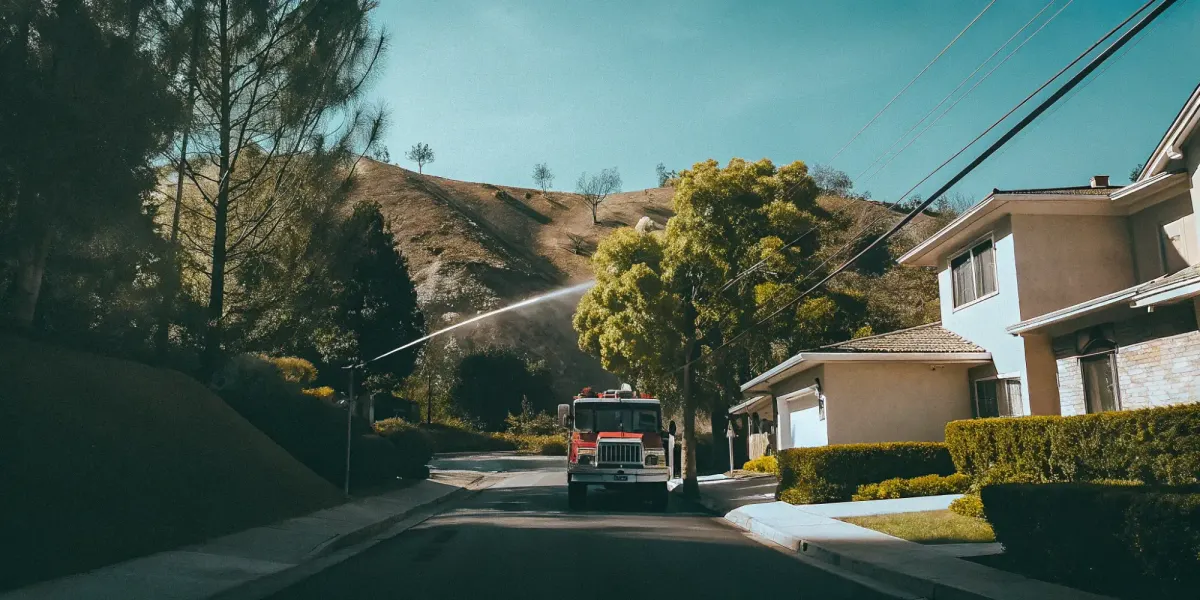
Let's be honest: getting and keeping homeowners insurance in a wildfire-prone area is a huge challenge. With non-renewals and sky-high premiums on the rise, you need to show that you're serious about managing your property's risk. This is where a professional inspection report becomes your secret weapon. It’s not just a list of findings; it's concrete, documented proof of your home’s condition and the defensible space you’ve created. When you hand this detailed report to your insurance provider, you’re giving them tangible evidence that your home is a lower liability. That simple document can be the deciding factor between getting coverage or facing a denial.
Key Takeaways
- An inspection report is your decision-making tool: It moves beyond guesswork, giving you a factual basis for negotiating repairs, planning future maintenance, and creating a safer home.
- A quality report empowers you to act: The most effective reports don't just list issues; they provide clear photos and specific, actionable recommendations so you know exactly what to do next.
- Your report is a key to insurability and legal protection: In wildfire-prone areas, a professional inspection report provides the proof you need to satisfy legal requirements and show insurance providers that you are actively managing your property's risk.
What Is an Inspection Report and Why Is It a Must-Have?
Think of an inspection report as a health check-up for your property. It’s a detailed, objective look at the condition of your home and its surroundings at a specific moment in time. Whether you're buying a new house, selling your current one, or simply want to stay on top of maintenance, this document is your best friend. It moves beyond guesswork, giving you a clear, factual basis for making some of life’s biggest decisions.
An inspection report is more than just a list of problems; it’s a roadmap for action. It helps you prioritize repairs, plan for future maintenance, and negotiate with confidence during a real estate transaction. For homeowners in areas prone to wildfire, an inspection report takes on even greater importance. It’s not just about checking for a leaky faucet or a crack in the foundation; it’s about understanding your property’s specific vulnerabilities to environmental threats. A thorough report can identify risks you might not see, from overgrown vegetation too close to the house to the type of roofing material you have. This information is critical for protecting your family, your investment, and securing homeowners insurance.
What's the Real Purpose of an Inspection Report?
At its heart, an inspection report is a formal document that gives you a clear, unbiased snapshot of a property’s condition. It describes how things are working, what’s safe, and what isn’t. This isn't about passing or failing; it's about gaining knowledge. The core purpose is to arm you with the information you need to make smart, confident decisions. For a buyer, it might mean negotiating repairs or walking away from a bad investment. For a current homeowner, it provides a clear to-do list for maintenance and safety improvements, helping you protect the value of your property and the well-being of your family. It turns abstract worries into a concrete, actionable plan.
Understanding the Report's Lifespan
Think of your inspection report as a highly detailed photograph of your home's condition at one specific moment. While there's no official expiration date, its accuracy is highest on the day of the inspection. A heavy rainstorm could reveal a new leak, or a windstorm could drop a hazardous branch near your home the very next day. For those of us in wildfire-prone areas, this is even more true. Vegetation grows, pine needles build up, and your defensible space is a living, changing environment. That's why it's best to view your report as a current assessment—a powerful tool for immediate action and a baseline for ongoing vigilance as conditions on your property evolve.
Why Most Inspections Uncover Issues
It’s easy to feel a little discouraged if your inspection report comes back with a list of issues, but you shouldn't. It's completely normal and, frankly, expected. In fact, it's a sign that your inspector is doing a thorough job. Research shows that a staggering 86% of home inspections find something that needs to be fixed or improved. A report filled with notes and photos isn’t a red flag for the property; it’s a green flag for your inspector. Every item they identify is an opportunity to make your home safer and more resilient. For homeowners focused on wildfire preparedness, these findings are pure gold. They transform vague worries into a clear, actionable checklist—things like clearing gutters of flammable debris, trimming tree limbs away from the roof, or moving a woodpile to a safer distance. These are the exact proactive steps that not only protect your home but also demonstrate your commitment to risk reduction for insurance providers.
Types of Inspection Reports You'll See
Inspection reports aren't one-size-fits-all. The type of report you need depends entirely on your goal. The most common is a general home inspection, which covers the major systems of a house like plumbing, electrical, and roofing. But you can also get more specialized reports. For example, you might need a safety inspection for a workplace or a vehicle inspection before a big purchase. For those of us in wildfire-prone areas, an environmental assessment focusing on defensible space and property hardening is essential. Each report is tailored to provide specific information, so it’s important to choose the one that answers your most pressing questions about safety and condition.
Home and Property Inspections
For your property, an inspection report is your official record of its condition. This document details everything from the foundation to the roof, highlighting potential safety issues and necessary repairs. While it's a standard part of buying or selling a house, its role becomes even more vital for those of us in wildfire country. A specialized inspection focusing on defensible space provides the documented proof of your risk-reduction efforts that insurance carriers want to see. The best reports don't just point out problems; they provide specific, actionable recommendations with clear photos, giving you a clear path to a safer, more insurable home.
Vehicle Safety and Emissions Inspections
You'll also come across inspection reports for your car. These are all about safety and regulatory compliance. A vehicle inspection report is the official document showing your car meets state-mandated safety and emissions standards. If your vehicle doesn't pass, the report outlines exactly what needs to be fixed to get you back on the road safely. This process is designed to protect you, your passengers, and the public by ensuring vehicles are well-maintained. As an official source like Mass.gov explains, the report documents safety and emissions compliance, making it a clear and straightforward part of responsible car ownership.
How Inspection Reports Keep You Compliant
An inspection report is more than just a helpful guide—it often carries legal significance. In many real estate transactions, these reports are essential for meeting disclosure laws. For instance, sellers in California are required to disclose specific property features that could make a home vulnerable to wildfires. A detailed inspection report provides the necessary documentation to fulfill these obligations honestly and transparently. This protects both the buyer and the seller from future disputes and legal issues. Having a clear, professional report ensures that everyone involved has the same factual information, creating a foundation of trust and helping you stay compliant with local and state regulations.
What Makes an Inspection Report Truly Great?
An inspection report can feel like a dense, technical document, but a great one is actually a clear roadmap to a safer home. It’s more than just a checklist; it’s a detailed snapshot of your property’s condition at a specific moment in time. For homeowners in wildfire-prone areas, this document is especially critical. It not only identifies potential risks but also provides the clear, actionable guidance you need to protect your family and property. A high-quality report breaks down complex information into manageable parts, empowering you to make informed decisions. Let’s walk through the essential components that separate a truly helpful report from a confusing one.
Covering the Basics: Inspector and Property Details
First things first, a credible report always starts with the basics. This section sets the stage by clearly identifying who conducted the inspection and exactly what was inspected. It should include the inspector’s name, certification number, and contact information, which establishes their qualifications and provides a point of contact for any follow-up questions. You’ll also find the full address of the property, the date and time of the inspection, and even the weather conditions, which can sometimes affect observations. Think of this as the report’s foundation—it provides the essential context needed to understand the findings that follow and confirms the document’s validity for insurance carriers or local authorities.
Setting the Scope: What Was (and Wasn't) Covered
A great report is upfront about its boundaries. The scope section clearly defines what areas were covered during the inspection and, just as importantly, what areas were not. For a defensible space assessment, this means specifying which zones around your home were evaluated—like the immediate 5-foot non-combustible zone (Zone 0) or the extended 100-foot perimeter. It will also note any limitations, such as an inaccessible part of the property or a system that couldn't be tested. This transparency is key because it gives you a realistic understanding of the report’s reach. It ensures you know precisely what was examined, helping you interpret the results accurately and preventing any confusion about potential blind spots.
Using a Comprehensive Inspection Checklist
A professional inspector doesn’t just walk around and take a few notes; they follow a systematic process guided by a comprehensive checklist. This ensures that every critical component of your property is evaluated consistently, from the roofing material down to the vegetation management in each defensible space zone. This structured approach is what turns a simple walkthrough into a formal document you can rely on. For you, the homeowner, this means the final report is organized, easy to follow, and complete. It gives you a clear framework for understanding potential issues, prioritizing repairs, and budgeting for improvements that will make your home safer and more resilient against wildfire.
Noting Any Inaccessible Areas
Even the most thorough inspector can run into limitations. A locked gate, a cluttered shed, or a dangerously steep hillside might prevent a complete evaluation of certain areas. A hallmark of a trustworthy report is its honesty about these limitations. The inspector will clearly document any part of the property that was inaccessible and explain why. This transparency is crucial because it gives you a full picture of what was—and wasn't—covered. You then have a choice: you can either address the obstruction and have the inspector return to complete the assessment, or you can move forward with the knowledge that there are specific blind spots in your property’s evaluation.
Detailing Your Findings with Clarity
This is the core of the report, where the inspector lays out everything they observed. The key here is clarity and objectivity. Instead of vague statements, you should see specific, detailed notes on both positive and negative conditions. For wildfire resilience, this includes observations about roofing materials, the condition of vents, vegetation density, and the proximity of flammable items to your home. A good inspector will document the good along with the bad, giving you a balanced view of your property’s current state. This section should be easy to read and free of confusing jargon, allowing you to see your home through the eyes of an expert and pinpoint specific areas of risk.
Including Signatures and Approvals
Adding signatures to your inspection report might seem like a final formality, but it’s a crucial step that gives the document its authority. Signatures serve as evidence that all parties have reviewed and acknowledged the findings, turning a simple summary into a formal record. This is especially important when you share the report with your insurance provider or use it during a real estate transaction. It establishes a clear, agreed-upon baseline of your property’s condition. More importantly, a signed report documents the pre-loss condition of your home, providing the proof you need to show you are actively managing your wildfire risk. This level of documentation can also help you fulfill legal requirements in certain areas, building trust with insurers and demonstrating your commitment to safety.
Why Photos Are Your Best Evidence
Words can only do so much, which is why photos are a non-negotiable part of a quality inspection report. Clear, high-resolution images provide undeniable visual evidence of the inspector’s findings. A photo of overgrown vegetation right next to your siding is far more impactful than a sentence describing it. Often, inspectors will annotate these photos with arrows or circles to highlight the exact issue, leaving no room for misinterpretation. This visual documentation makes the report more credible and serves as an invaluable tool. It helps you locate problems on your property and makes it easier to show contractors exactly what needs to be addressed, ensuring everyone is on the same page.
Providing Clear, Actionable Recommendations
A report that only points out problems is only doing half the job. The most valuable reports transition from observation to action by providing clear, practical recommendations. This section should offer a prioritized list of what you can do to fix the issues identified in the findings. For example, instead of just saying “landscaping is a risk,” a great report will suggest specific actions like, “Trim tree branches so the lowest limbs are 6 to 10 feet from the ground.” These recommendations are your step-by-step guide to improving your property’s safety. They should be direct and easy to understand, empowering you to take concrete steps toward mitigating wildfire risk.
Using Severity Ratings to Prioritize Fixes
A long list of recommendations can feel overwhelming, leaving you wondering where to even start. That’s where severity ratings come in. A quality report won’t just list problems; it will categorize them based on urgency—often using terms like "high," "moderate," or "low" risk. This system acts like a triage for your property, helping you focus your efforts where they matter most. For instance, a "high-risk" item, like clearing flammable debris from your roof and gutters, should be your top priority, while a "low-risk" suggestion might involve a long-term landscaping change. By tackling the most critical issues first, you can make the biggest impact on your home's safety and systematically work through your to-do list without feeling swamped. This prioritized approach turns a daunting list into a manageable action plan.
A Simple Summary of the Big Issues
In a detailed report, it’s easy to get lost in the weeds. That’s why a concise summary is so important. This section, usually found at the beginning of the report, highlights the most critical findings and urgent recommendations. It’s designed for a quick review, giving you the bottom line without requiring you to read every single page right away. The summary pulls out the high-priority items that need your immediate attention, making it easy to grasp the overall condition of your property and decide where to start. It’s the perfect tool for busy homeowners, ensuring the most important takeaways are front and center and helping you focus your efforts where they matter most.
Modern Digital Formats vs. Traditional PDFs
Let’s be honest: no one enjoys scrolling through a massive, text-heavy PDF on their phone. A great inspection report should be a tool, not a chore. That’s why modern digital formats are so much better. Instead of a static document, you get an interactive report that’s easy to use on any device. A good digital report will have a table of contents that lets you jump directly to the sections that matter most to you. They also lean heavily on visual communication, using more photos than words to show you exactly what’s going on. This makes it much faster to understand the key issues, so you can spend less time reading and more time taking action to make your home safer.
Following Professional Standards of Practice
An inspection report is only as good as the standards it follows. Adherence to professional standards of practice is what separates a credible, useful document from a simple list of opinions. These standards ensure the report is thorough, objective, and provides the information you need to make confident decisions. For homeowners in high-risk areas, this is especially important. A report that follows established guidelines provides the necessary documentation for insurance providers and legal disclosures, proving that you are proactively managing your property’s risks. Ultimately, these standards are the foundation of trust, giving you the confidence that the findings are accurate and the recommendations are sound.
How to Write an Inspection Report People Actually Read
Writing an inspection report can feel like the hardest part of the job. You’ve done the fieldwork, identified the issues, and now you have to translate complex, technical findings into a document that is clear, concise, and easy for anyone to understand. The report is the permanent record of your inspection, so getting it right is crucial. It’s not just about listing problems; it’s about telling a clear story of the property’s condition and providing a roadmap for what comes next. Let’s walk through how to create a report that is both professional and incredibly effective.
Start with a Clear Inspection Plan
Before you even begin writing, you need a clear plan. Think of this as your blueprint for the report. A good plan ensures you cover all necessary points and present them logically. Start by outlining the main sections: inspector details, scope of the inspection, findings, recommendations, and a summary. This structure helps you organize your thoughts and ensures you don't miss anything important. A Field Inspection Report is fundamentally a tool for documenting observations and issues, so having a consistent framework makes your job easier and the final document much more professional and useful for your client.
Follow a Step-by-Step Inspection Process
A great report starts with a great inspection. Rushing or being disorganized on-site will only lead to a confusing and incomplete report later. Approach every inspection with a methodical, step-by-step process. Use a checklist to guide you through the property, ensuring you examine every critical area, from the foundation to the roof and, especially for our focus, the defensible space around the structure. This systematic approach helps you avoid overlooking key details and makes documenting your findings much more straightforward. It also helps you manage the logistical hurdles and extensive paperwork that can often complicate inspections.
Document Your Findings with Specific Details
Vague descriptions are the enemy of a good inspection report. Your goal is to take what might be a complex technical issue and make it perfectly clear to a non-expert. Instead of saying a fence "needs work," specify that "the wooden fence posts at the base of the north-side slope show signs of dry rot." Be precise. Include measurements, locations, and clear descriptions of what you observed. Remember, the report is the permanent record, so your findings need to be objective, factual, and leave no room for misinterpretation. This level of detail protects both you and your client.
Keep It Easy to Read with Consistent Formatting
How your report looks is almost as important as what it says. Consistent formatting makes your report easy to read and navigate. Use clear headings, subheadings, bullet points, and bold text to break up information and draw attention to key points. A well-organized report doesn't just point out problems; it clearly shows what was checked, where the issues are located, and what actions are needed next. This structure helps the reader quickly find the information they need, whether it’s the summary of major concerns or the details of a specific recommendation. Think of it as creating a user-friendly guide to the property's condition.
Always Proofread for Accuracy and Clarity
Once you’ve written the report, take the time to review it carefully. Read it through from the perspective of your client. Is the language clear and direct? Are there any typos or grammatical errors? Double-check that your findings are specific and your recommendations are actionable. For example, ensure you've written "cracked foundation wall in the southwest corner" instead of just "foundation issues." This final quality check is your chance to catch any mistakes and ensure the document you deliver is polished, professional, and accurately reflects the quality of your work.
How to Deal with Common Inspection Challenges
Let’s be real: property inspections can be messy. From poor lighting affecting photo quality to simply managing a high volume of inspections, there are always challenges. The key is to anticipate them. Use a high-quality camera or smartphone to ensure your photos are clear and well-lit. Develop a streamlined workflow to manage your reports efficiently, especially when you’re busy. Many modern inspectors use software to help manage photos and integrate systems, which can solve many of the common challenges in property inspections. Being prepared for these hurdles ensures they don’t compromise the quality of your final report.
How Inspection Reports Actually Keep You Safe
An inspection report is much more than a simple checklist; it’s a powerful tool that translates observations into action. For homeowners in wildfire-prone areas, it’s a roadmap to safety, a key to insurability, and a source of genuine peace of mind. Think of it as a health checkup for your property. It gives you a clear, unbiased look at your home’s current condition, highlighting its strengths and, more importantly, its vulnerabilities.
This detailed assessment allows you to move from worrying about "what ifs" to confidently taking charge of your property's safety. By documenting everything from the state of your vegetation to the condition of your roof, a good report empowers you to make strategic improvements. It helps you prioritize tasks, allocate your budget effectively, and create a safer environment for your family. Ultimately, it transforms abstract risks into a concrete, manageable plan that protects your biggest investment and the people you love.
Catching Potential Hazards Before They Happen
The most powerful feature of an inspection report is its ability to spot trouble early. It provides a formal snapshot of your property's condition at a specific moment, documenting potential hazards before they can escalate into full-blown emergencies. For wildfire safety, this means identifying overgrown brush, flammable debris near the house, or trees with limbs that are too close to the roof.
By getting ahead of these issues, you shift from a reactive to a proactive mindset. Instead of scrambling when a fire warning is issued, you can systematically address the vulnerabilities outlined in your report. This approach not only makes your home safer but also makes the ongoing work of property maintenance feel much more manageable.
Your Key to Legal and Regulatory Protection
Living in a high-risk area often means you have to follow specific local or state regulations for defensible space. A professional inspection report serves as official documentation that you are meeting these legal requirements. Having this proof on hand is incredibly valuable.
Should a fire occur, this report can demonstrate that you took responsible steps to protect your property and the surrounding community. A clearly written report with specific findings helps avoid potential disputes or legal complications down the line. It’s a simple way to show you’ve done your due diligence, providing a layer of legal protection that gives you one less thing to worry about.
Impacting Your Insurance and Liability
Securing and maintaining homeowners insurance is one of the biggest challenges for residents in wildfire-prone regions. Insurers are becoming more selective, and many homeowners face non-renewals or skyrocketing premiums. A favorable defensible space inspection report can be your best ally in these conversations.
By presenting a detailed report to your insurance provider, you offer concrete evidence that you are actively managing your property’s risk. This documentation shows that your home is a lower liability, which can make the difference between getting coverage or being denied. It’s a tangible asset that can help you secure a policy, and in some cases, may even help you qualify for better rates.
Empowering You to Make Smarter Decisions
Knowledge is power, and a good inspection report gives you the knowledge you need to make smart choices about your property. Whether you’re a long-time resident, a new homeowner, or looking to buy, the report clarifies exactly what needs to be done to improve safety. It helps you understand the scope of the work required and budget for any necessary improvements without guesswork.
For sellers, addressing issues found in a report can make your property more attractive to buyers. For buyers, it provides a transparent look at the home’s wildfire readiness, helping you avoid hidden costs and make a purchase with confidence.
Why You Shouldn't Trust the Seller's Report
When you're buying a home, the seller might hand you a pre-inspection report to speed things up. While it might seem helpful, relying solely on their report is a risky move. Think about it: the seller hired that inspector, and their primary goal is to sell the house. You need an expert who is working exclusively for you, looking out for your best interests. Even if the seller provides a report, you should always hire your own qualified inspector to protect your investment. Even brand-new homes can have hidden problems that a seller-friendly report might overlook or downplay. Getting your own inspection gives you an unbiased, detailed assessment and the chance to ask direct questions, ensuring you know exactly what you’re buying into.
When to Get a Second Opinion from a Specialist
A general home inspector is great at spotting the big picture, but sometimes they’ll flag an issue that needs a closer look from an expert. This is when a specialist is your best move. If the report mentions potential foundation issues, you call a structural engineer. The same logic applies to wildfire risk. A specialized defensible space assessment goes deeper than a general inspection, giving you a detailed analysis of your property’s specific vulnerabilities. The most effective reports don't just list issues; they provide clear photos and specific, actionable recommendations so you know exactly what to do next. This expert insight is what gives you the knowledge to make smarter decisions, turning a generic warning into a concrete plan for protecting your home.
Creating a Cycle of Continuous Improvement
Wildfire safety isn’t a one-and-done task; it’s an ongoing commitment. An inspection report is the perfect tool to support this long-term effort. Your first report establishes a baseline, giving you a clear starting point. You can use its recommendations to create a multi-year plan for improvements.
Subsequent inspections allow you to track your progress and identify any new issues that may have emerged, like new plant growth or changes to the landscape. This cyclical process turns property maintenance into a structured, effective habit. It ensures your home doesn’t just get safe but stays safe, adapting to changing conditions and giving you lasting security.
The Value of a Pre-Listing Inspection for Sellers
Selling a home in a wildfire-prone area presents unique challenges. Buyers are cautious, and questions about safety and insurability are front and center. A pre-listing inspection report shifts the dynamic, putting you in control. Instead of waiting for a buyer’s inspector to find issues, you can identify and address them beforehand, making your property more attractive. This proactive approach gives you a competitive edge. A report with clear, actionable recommendations provides a roadmap for improvements, showing buyers that your home’s wildfire readiness has been thoughtfully considered and building trust from the very first showing.
Transparency is key in any real estate transaction, especially when dealing with wildfire risk. A pre-listing inspection report provides the official documentation you need to meet disclosure obligations honestly. By presenting a detailed, third-party assessment upfront, you protect yourself from future disputes while building a foundation of trust with potential buyers. This transparency helps buyers feel confident, knowing they have a clear picture of the property’s condition and won't be surprised by hidden costs. When buyers feel secure, they are more likely to make a strong, decisive offer, which helps you sell your home more smoothly.
What Red Flags Should an Inspection Report Uncover?
A thorough inspection is your opportunity to look "under the hood" of a property, revealing everything from minor quirks to major deal-breakers. A qualified inspector systematically examines the home’s structure and systems to identify potential safety hazards, necessary repairs, and areas that might cause trouble down the road. Think of it as a comprehensive health checkup for the property.
The goal isn't to find a "perfect" home—because that doesn't exist—but to give you a clear, unbiased picture of its current condition. The report will highlight issues across several key categories, including the foundation, electrical and plumbing systems, and environmental risks specific to the area. Understanding these common problems helps you interpret the findings and decide on the best course of action, whether that means negotiating repairs, adjusting your offer, or simply planning for future maintenance. A great inspection report doesn't just list problems; it provides the context you need to make a confident decision.
Spotting Major Structural and Foundation Issues
Of all the potential red flags, foundation problems are often the most serious and expensive to fix. The foundation is what holds everything else up, so any instability here can have a ripple effect throughout the entire structure. An inspector will be on the lookout for tell-tale signs of trouble, such as large cracks in exterior or interior walls, especially over doorways and windows. Other clues include doors that stick or don't close properly and floors that feel noticeably sloped or uneven. These symptoms can point to shifting soil or other significant foundation issues that require immediate attention from a specialist.
Identifying Dangerous Electrical System Flaws
Faulty wiring is more than an inconvenience; it’s a serious safety risk. An inspector will assess the home’s electrical system for outdated components, improper installations, and fire hazards. Outdated aluminum wiring, common in homes built in the 60s and 70s, can be a major concern. They’ll also check the electrical panel for issues, test outlets for proper grounding, and ensure safety devices like GFCIs (ground fault circuit interrupters) are working correctly in kitchens and bathrooms. While minor electrical fixes are common, significant problems can be costly and pose a direct threat to your safety.
Outdated and Hazardous Materials
Beyond the wiring, older homes can hide materials that were once standard but are now known health hazards. An inspector will look for signs of things like asbestos—which can be found in insulation, siding, and even old floor tiles—and lead-based paint. While these materials might not pose an immediate threat if they're in good condition and left undisturbed, they become a serious problem during renovations or if they start to deteriorate. An inspection report that flags the potential presence of these substances is invaluable. It doesn't just identify a problem; it gives you the critical information you need to protect your family by handling the situation safely, whether that means professional abatement or careful management.
Finding Leaks and Water Damage Risks
Water is one of a home's biggest enemies. Even a small, slow leak can lead to mold, rot, and significant structural damage over time. During an inspection, the plumbing system gets a close look. The inspector will check for active leaks under sinks and around toilets, signs of corrosion on pipes, and low water pressure. They’ll also search for evidence of past water damage, like stains on ceilings or walls and warped flooring. Identifying old plumbing materials, such as galvanized pipes that are prone to corrosion, is also crucial for understanding the risk of future leaks and planning for eventual replacement.
Poor Exterior Grading and Drainage
It might not sound as dramatic as a faulty wire, but the way water moves around your property is a huge deal. An inspector will pay close attention to the exterior grading—the slope of the ground around your foundation. Ideally, it should slope away from the house, guiding rainwater to a safe distance. When the grading is poor, water pools against the foundation, creating immense pressure that can lead to cracks, basement leaks, and long-term structural decay. A thorough inspection report will flag these issues, noting things like clogged gutters or downspouts that dump water right next to the home. Fixing drainage problems is a proactive way to prevent some of the most costly and destructive damage a home can face.
Assessing Your HVAC System's Health
Your heating, ventilation, and air conditioning (HVAC) system keeps your home comfortable, but a failing unit can be a major financial drain. An inspector will evaluate the age, condition, and general performance of the furnace and air conditioner. They’ll check for proper operation, look for signs of poor maintenance, and identify systems that are near the end of their typical lifespan. An old or inefficient HVAC system not only leads to uncomfortable temperatures but can also result in surprisingly high energy bills and the prospect of a very expensive replacement in the near future.
Checking for Roofing Problems
Your roof is your home’s first line of defense against the elements, and in our communities, that includes embers from a wildfire. An inspector will carefully evaluate its condition, looking for missing, cracked, or curling shingles, as well as any signs of water damage that could indicate leaks. More importantly, the report will document the type of roofing material used. In high-risk fire areas, having a Class A fire-rated roof made of composite, metal, or tile is critical for both safety and insurability. The inspection also covers potential weak spots where embers can gather, like open vents or gutters clogged with flammable debris. A compromised roof is a significant vulnerability, and the report provides the clear, visual evidence you need to address these issues head-on.
Identifying Environmental and Wildfire Risks
For those of us living in at-risk areas, an inspection must go beyond the four walls of the house. It should also assess vulnerabilities to environmental threats like wildfires. This includes evaluating the home's defensible space, roofing material, and proximity to dense vegetation. In states like California, sellers are required to follow specific fire risk disclosure rules that outline a property's susceptibility to wildfire. An inspector can help you understand these disclosures and identify steps to harden your home against embers. Ignoring these factors can lead to major challenges with securing or affording homeowners insurance.
Specialized Wildfire Risk Assessments
A general home inspector is great at spotting a leaky faucet or a crack in the foundation, but they don't usually have the specialized expertise to evaluate wildfire-specific vulnerabilities. That’s why a dedicated wildfire risk assessment is so critical. This type of report focuses entirely on how your property would perform against an ember storm or direct flames, identifying risks you might not see—from the type of mulch in your flowerbeds to the condition of your roof vents. Specialized reports, like those from our Defensible Space Score platform, analyze the vegetation and materials around your home to give you a clear picture of your wildfire risk. This gives you actionable steps to improve safety and strengthen your case for homeowners insurance.
Catching Code Violations and General Safety Issues
Finally, an inspection serves as a check for general safety and compliance with local building codes. This can include anything from missing handrails on a staircase to unpermitted additions that weren't built to standard. The inspector will verify that safety features like smoke and carbon monoxide detectors are present and functional. A good report will clearly document any violations or unpermitted work, as these issues can create liability problems and may need to be corrected before you can even get insurance coverage or sell the property in the future.
Related Articles
- Schedule a Fire Risk Inspection: A Complete Guide
- How to Pass a Home Insurance Fire Inspection
- How to Find the Best Home Inspection Companies for Fire Risk
Frequently Asked Questions
What's the difference between an inspection report and a property appraisal? It's a great question, and people often mix them up. Think of it this way: an inspection report focuses on the property's physical condition, like a doctor giving your home a health check-up. It identifies issues with systems, structure, and safety. An appraisal, on the other hand, is all about determining the property's market value for financial purposes, like securing a mortgage. While an inspector's findings can certainly influence value, the appraiser's job is to provide a number, not a to-do list for repairs.
My report found several issues. Should I panic? Absolutely not. In fact, a report that uncovers problems is a report that's doing its job perfectly. No home is perfect, and this document simply gives you a clear, prioritized list of what needs attention. Instead of a reason to worry, see it as your roadmap. It helps you distinguish between urgent safety fixes and minor repairs you can plan for down the line, turning a vague sense of anxiety into a concrete, manageable action plan.
How can I use this report when talking to my insurance agent? Your inspection report is one of the most powerful tools you have for communicating with your insurance provider, especially in high-risk areas. Treat it as objective proof of your home's condition and your proactive efforts to reduce risk. You can walk your agent through the positive findings and present a clear plan for addressing the recommendations. A report demonstrating a well-maintained defensible space or a fire-resistant roof shows you are a responsible homeowner, which can make all the difference in securing or maintaining your policy.
Is a standard home inspection enough to understand my wildfire risk? While a general home inspection is essential for checking things like plumbing and electrical systems, it usually doesn't go deep enough on the specific vulnerabilities related to wildfire. A specialized defensible space or wildfire risk assessment focuses entirely on factors like vegetation management, ember-resistant vents, roofing materials, and other "home hardening" features. To get a complete picture of your property's safety in a fire-prone area, you really need both.
How often should I get my property inspected for wildfire safety? Wildfire safety isn't a one-time fix, since landscapes change and vegetation grows back. It’s a good practice to do your own visual check each year before fire season begins, using your initial report as a guide. For a professional inspection, consider getting an updated report every three to five years, or sooner if you've done significant landscaping or remodeling. This ensures you're always working with current information and staying on top of any new vulnerabilities that may appear over time.